Chinese Wok Recipes
The original Chinese power tool — stir-fry technique that works at home. Every recipe here is written for a US kitchen — precise steps, real heat cues, and substitutes for anything hard to find.
A wok is not a curved frying pan. It’s a tool built around one idea: get a small amount of food extremely hot, extremely fast, while keeping it moving. Everything that makes wok cooking different — the shape, the thin metal, the long handle, the frantic pace — follows from that. Once you cook with it that way instead of treating it as a big skillet, the food changes completely.
The honest problem: your stove is not a restaurant stove
A restaurant wok burner puts out something like ten times the heat of a home cooktop. That gap is why home stir-fries so often come out gray and watery while takeout comes out seared and smoky. You cannot close it by buying a better wok. You close it by working around the heat you actually have, and three habits do almost all of the work.
1. Dry food, or nothing else matters
Water is the enemy. Wet meat and wet vegetables dump moisture into the pan, the temperature crashes, and everything steams instead of searing. Pat proteins genuinely dry with paper towels; drain vegetables and let them air off; never add food straight from a rinse. If you’ve marinated something wet, lift it out and let the excess run off. This one habit is the difference between a stir-fry and a stew.
2. Cook in batches, then combine
A full wok on a home burner is a crowded wok, and crowded food steams. Cook the protein first, take it out and set it aside, cook the vegetables, then return the protein at the end with the sauce. It feels slower and finicky, and it is the single most reliable upgrade to home stir-frying. Half a pound of meat at a time is about right on a normal stove.
3. Everything ready before the wok gets hot
A stir-fry is 90 seconds of cooking and 20 minutes of preparation, in that order. Every vegetable cut, the aromatics minced, the sauce pre-mixed in one bowl, the spatula in your hand, the plate ready — all of it before the oil goes in. Once the wok is hot, there is no time to chop anything. Working order is almost always: oil, aromatics (seconds, not minutes), protein, harder vegetables, softer vegetables, protein back in, sauce, toss, out.
About wok hei — and what you can realistically get
Wok hei(镬气, “breath of the wok”) is the smoky, faintly charred aroma of great Cantonese stir-frying, and it comes from oil and food vaporizing against metal far hotter than a home burner can produce. It’s honest to say most home kitchens will never fully reproduce it. What you can absolutely get is deep browning, crisp edges, and a glossy sauce that clings instead of pooling — which is most of what makes takeout taste good. Chasing the rest usually means an outdoor wok burner.
Two techniques worth learning early
Velveting— tossing sliced meat with cornstarch, egg white and a little liquid before cooking — is why restaurant beef and chicken are so improbably tender, and it takes fifteen extra minutes. And seasoning your wokproperly turns raw carbon steel into a dark, naturally nonstick surface that gets better every time you cook. Both are one-time skills that pay off in every dish below. If you’re still shopping, our wok buying guide covers material, size and why flat bottoms win on home stoves; if you already have one, stir-fry basics walks through a full cook.
Where to start
Egg fried rice teaches heat and speed with forgiving ingredients. Kung pao chicken teaches the batch-and-combine rhythm and a proper sauce. Beef chow funis the graduation exercise — wide rice noodles that demand real heat and a gentle hand. Every recipe below is written for a US kitchen, with substitutes for anything hard to find.
Browse Chinese Wok recipes
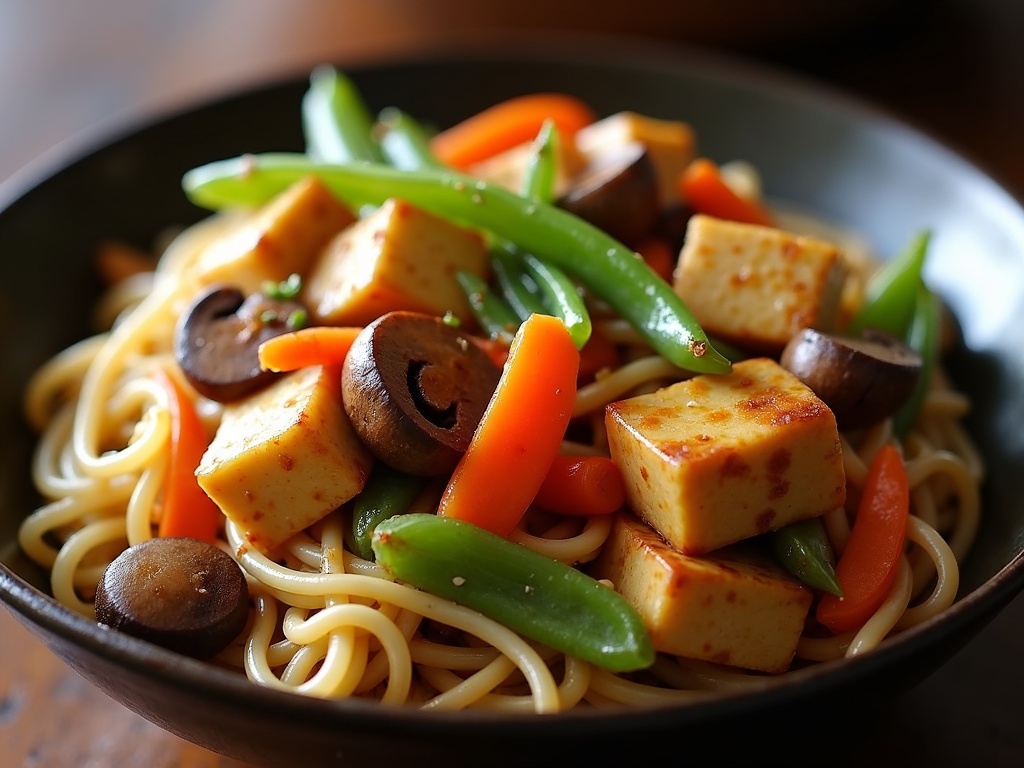
Buddha's Delight (Lo Han Jai)
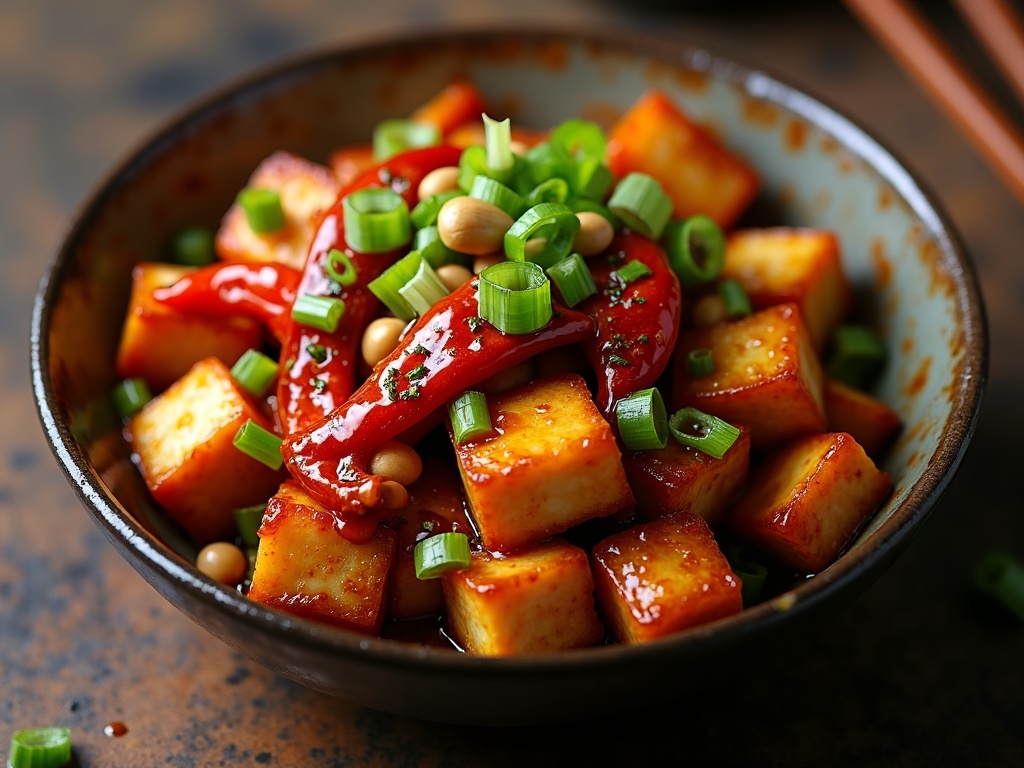
Kung Pao Tofu
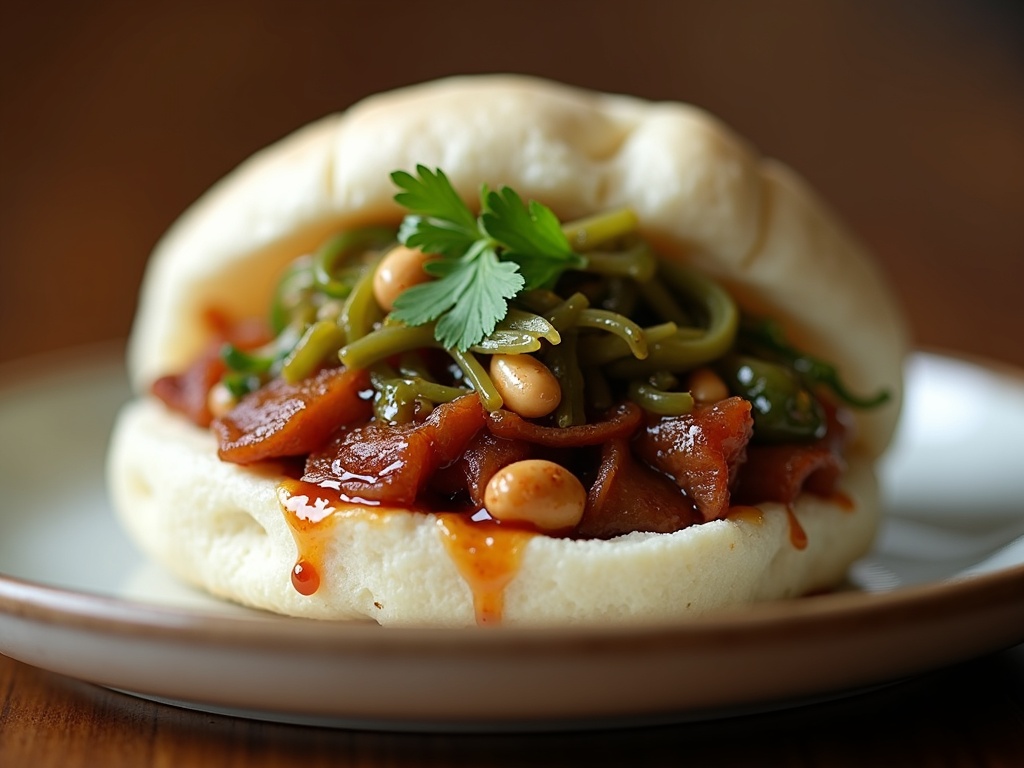
Gua Bao
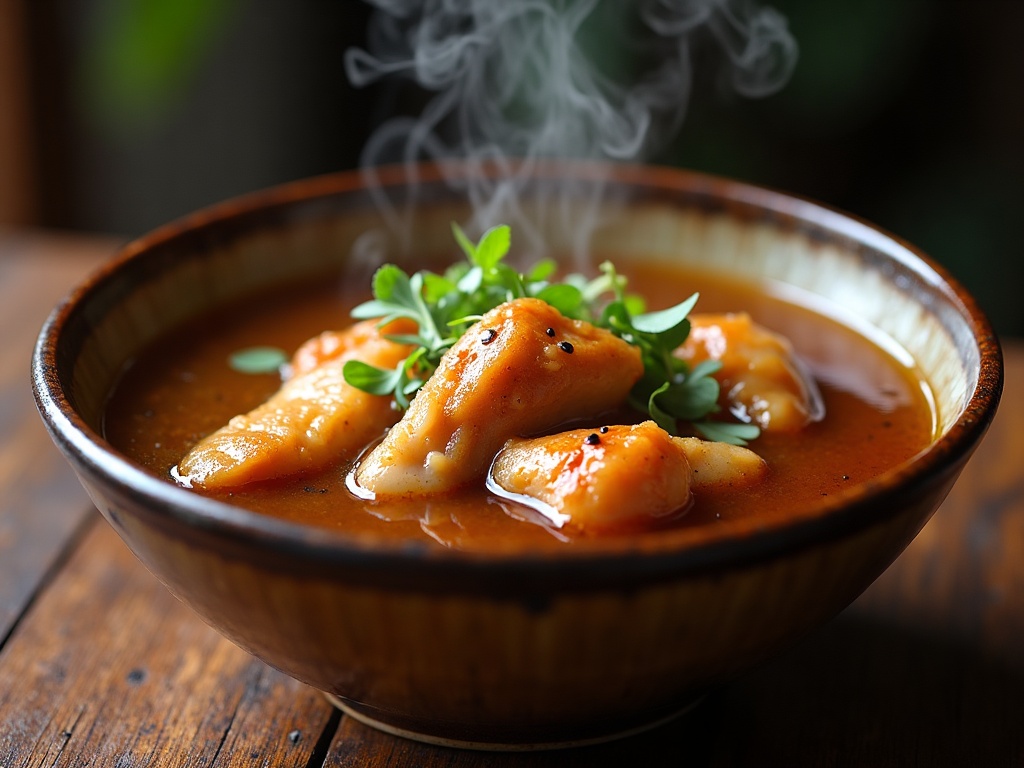
Sesame Oil Chicken
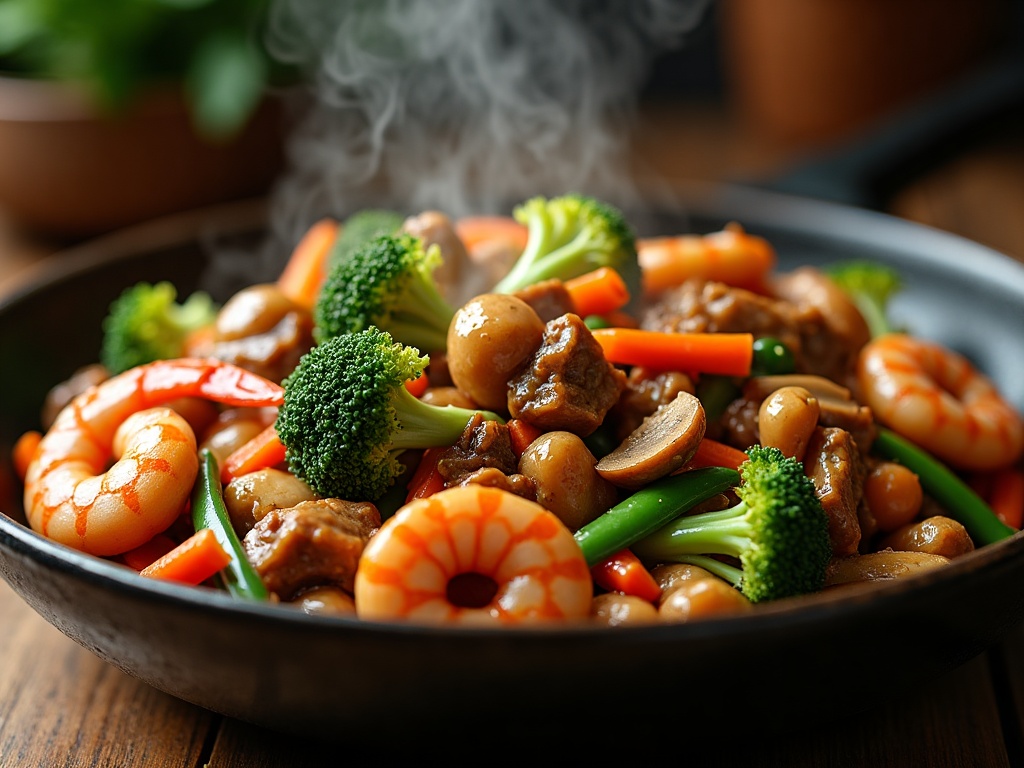
Happy Family (Chinese Combination Stir-Fry)
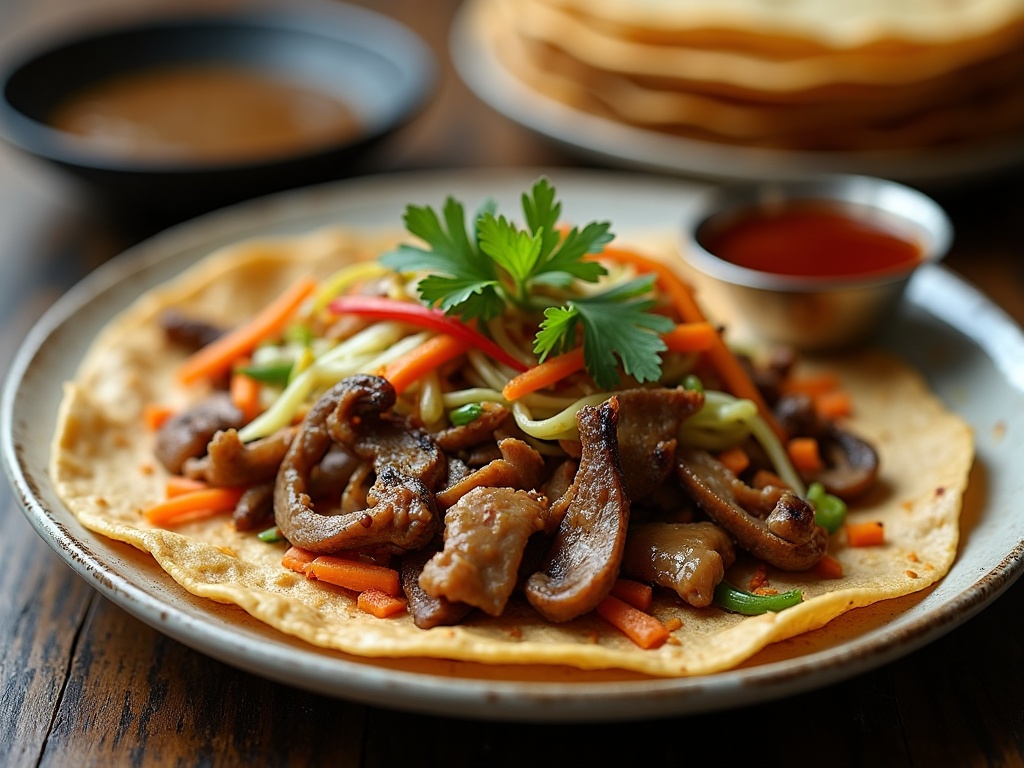
Moo Shu Pork
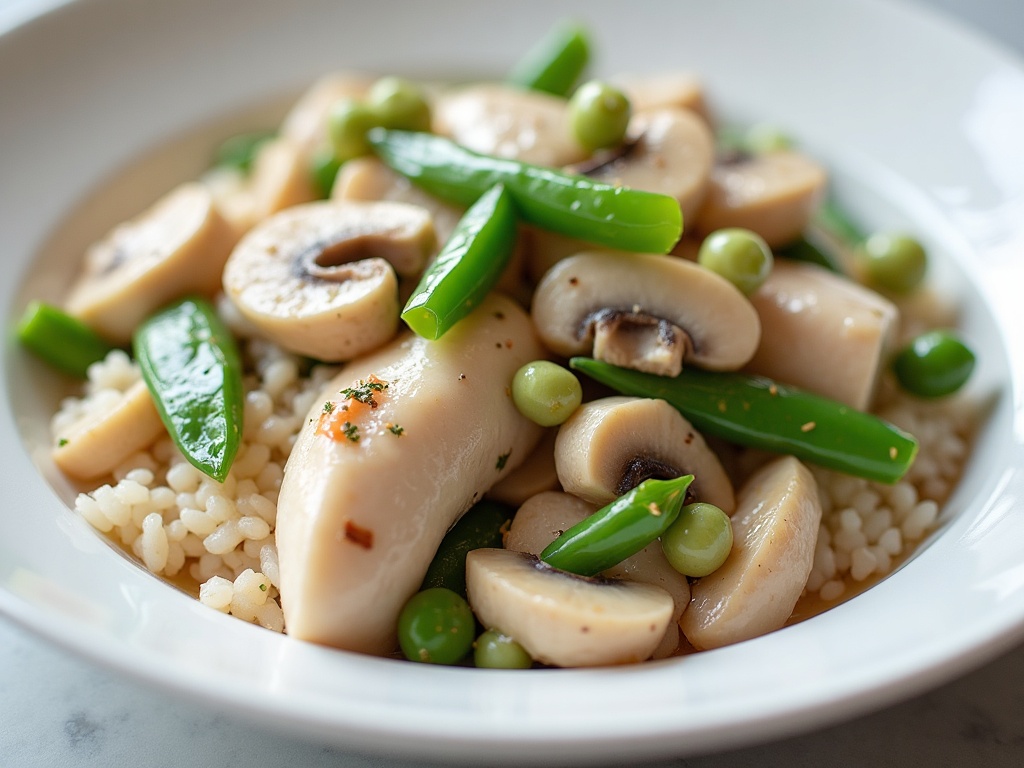
Moo Goo Gai Pan
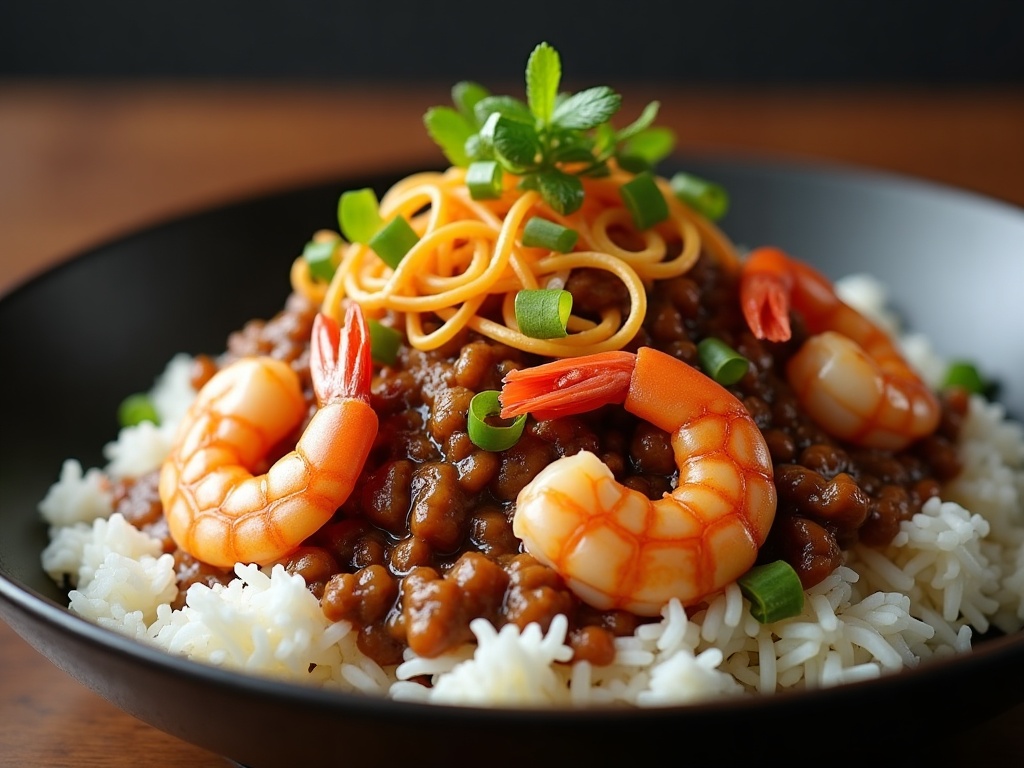
Shrimp with Lobster Sauce
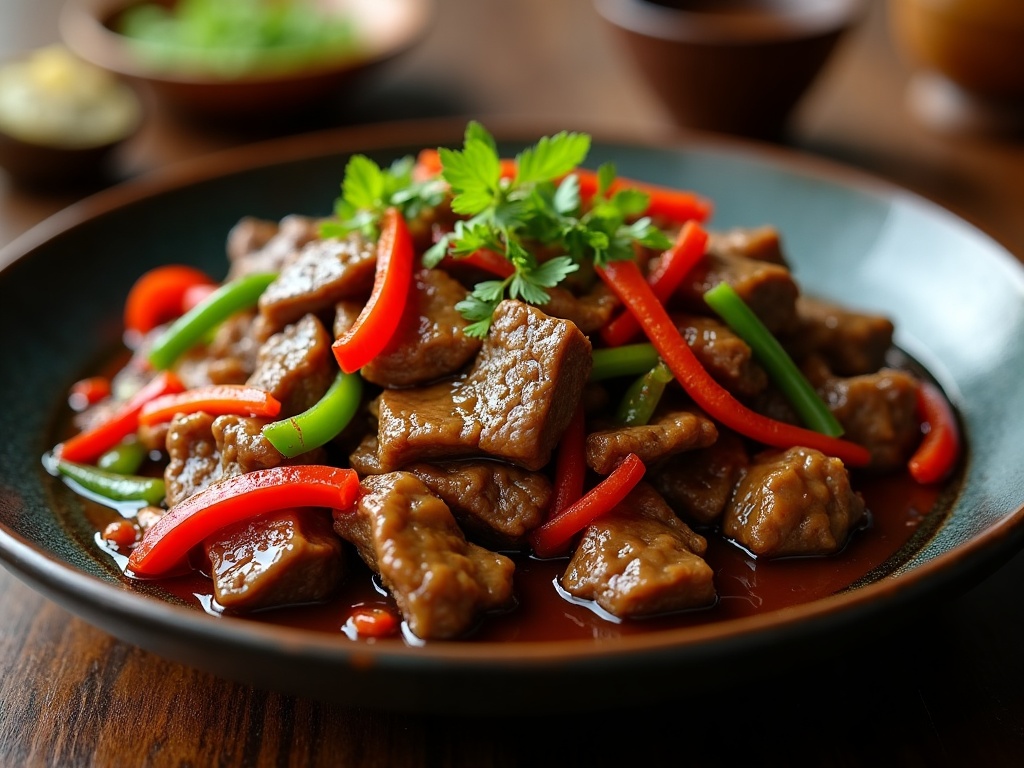
Chinese Pepper Steak
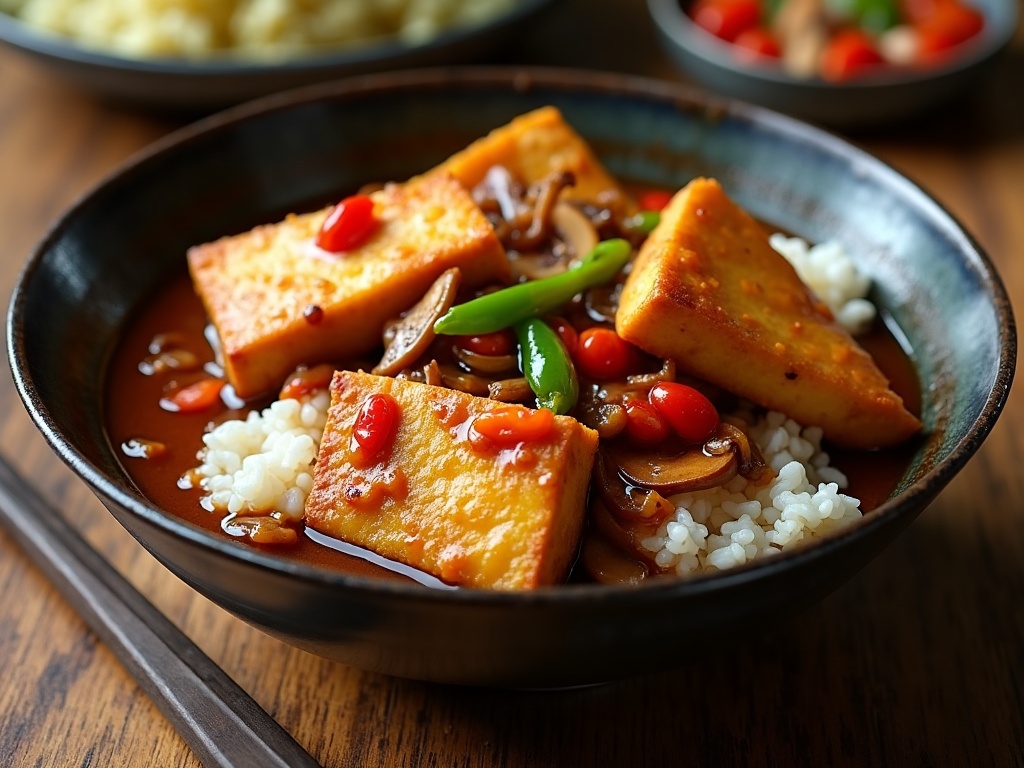
Home-Style Braised Tofu
Salt and Pepper Tofu
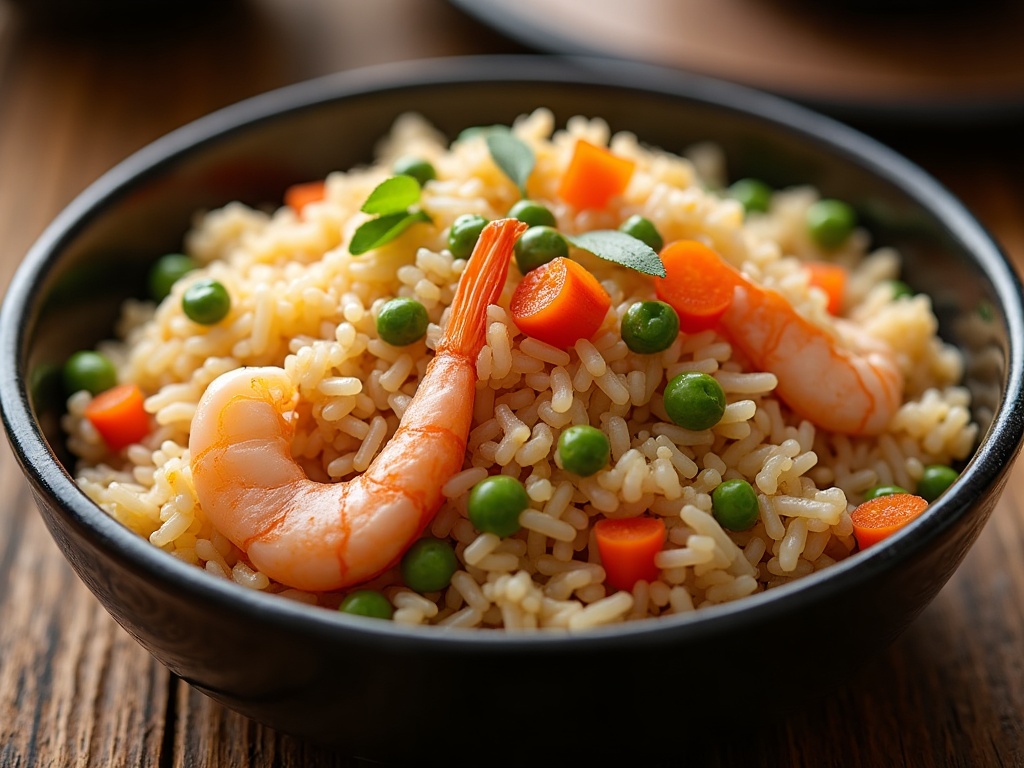
Yangzhou Fried Rice
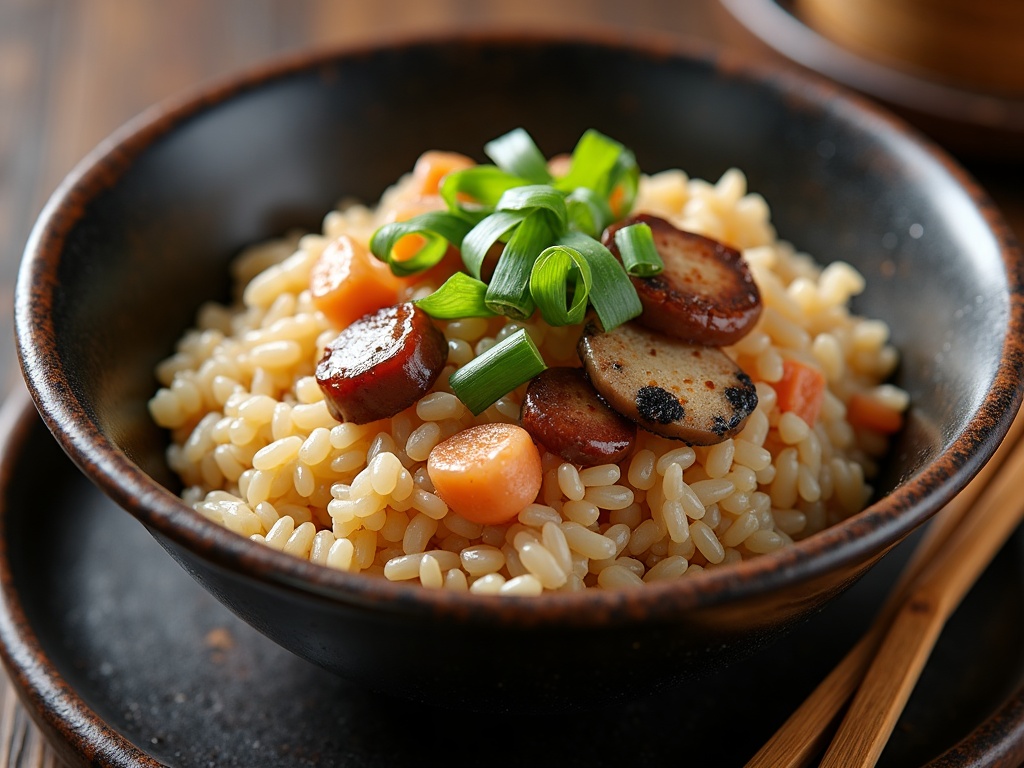
Chinese Sticky Rice (Lo Mai Fan)
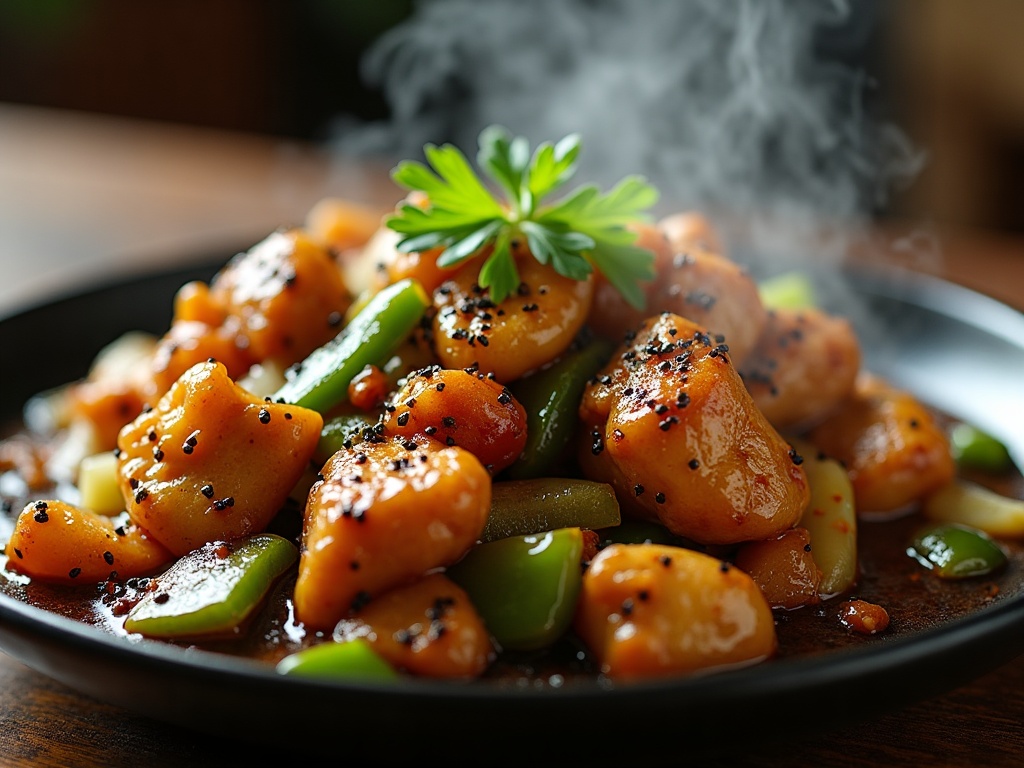
Black Pepper Chicken
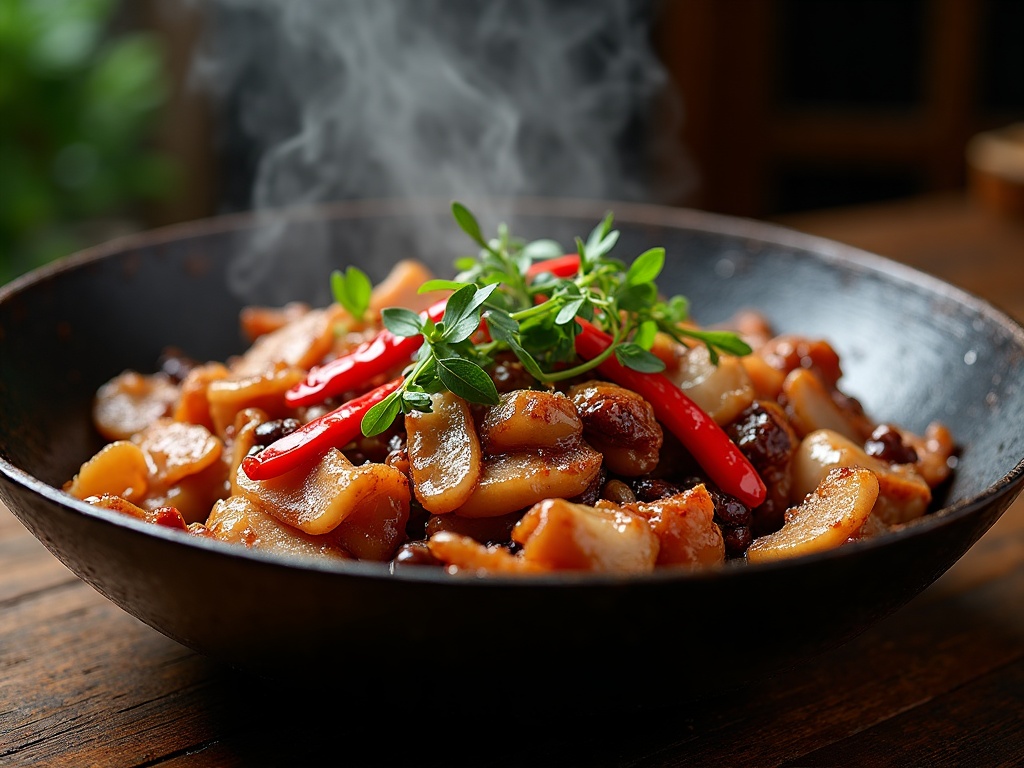
Hunan Pork with Chilies
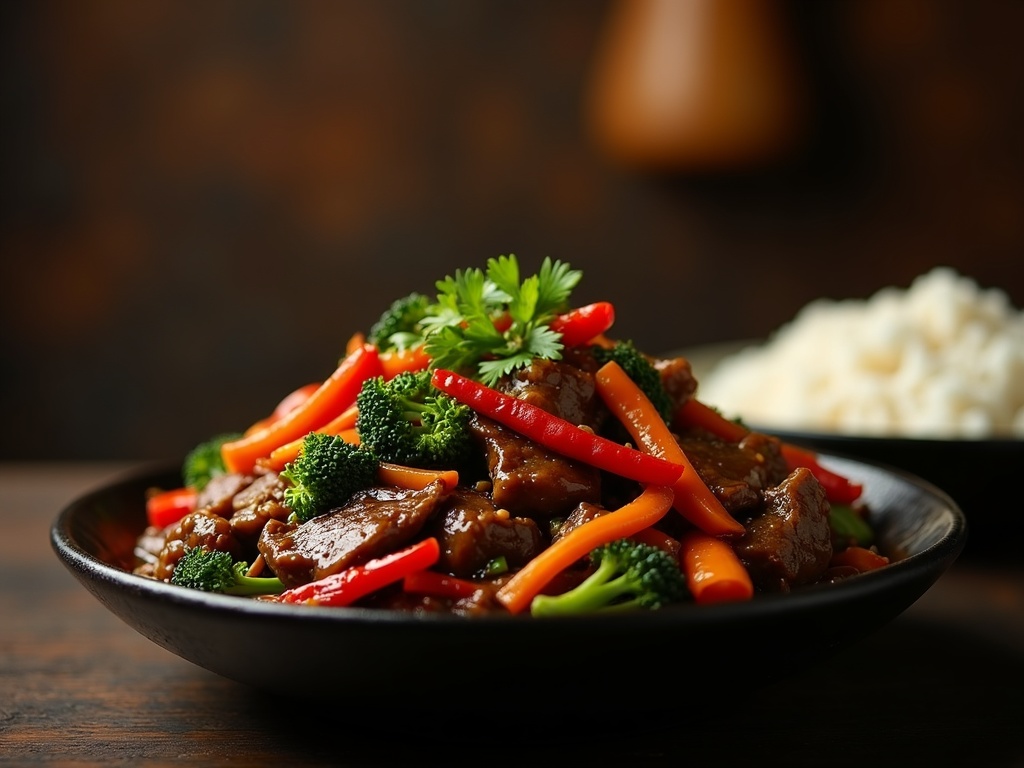
Hunan Beef
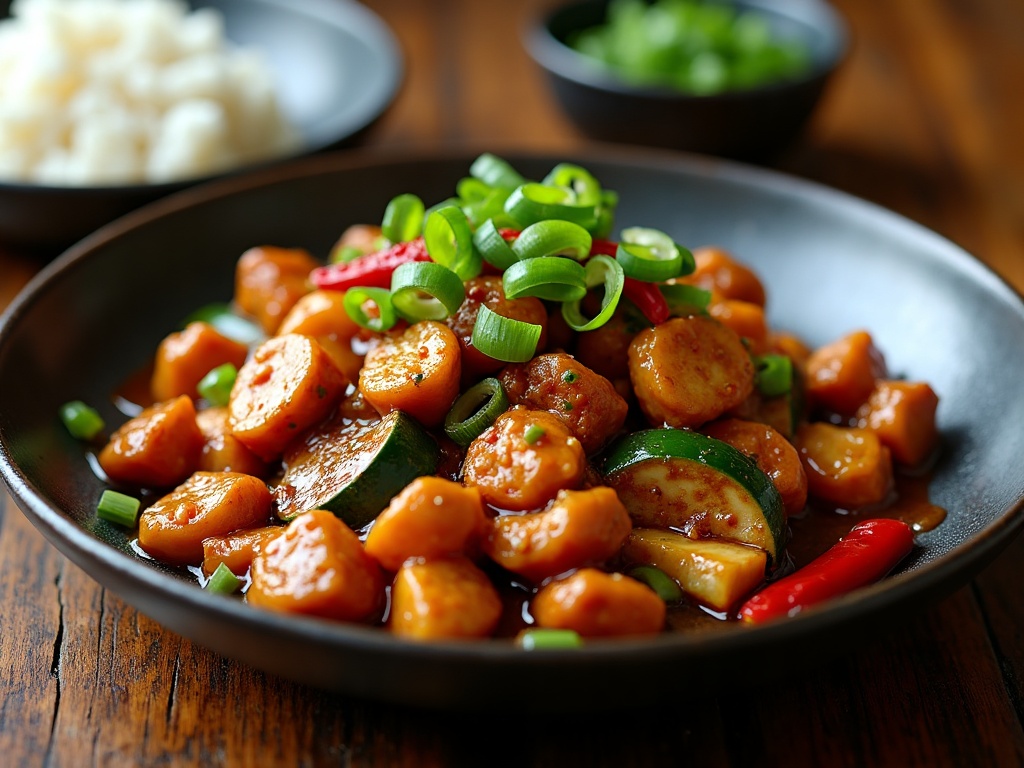
Hunan Chicken
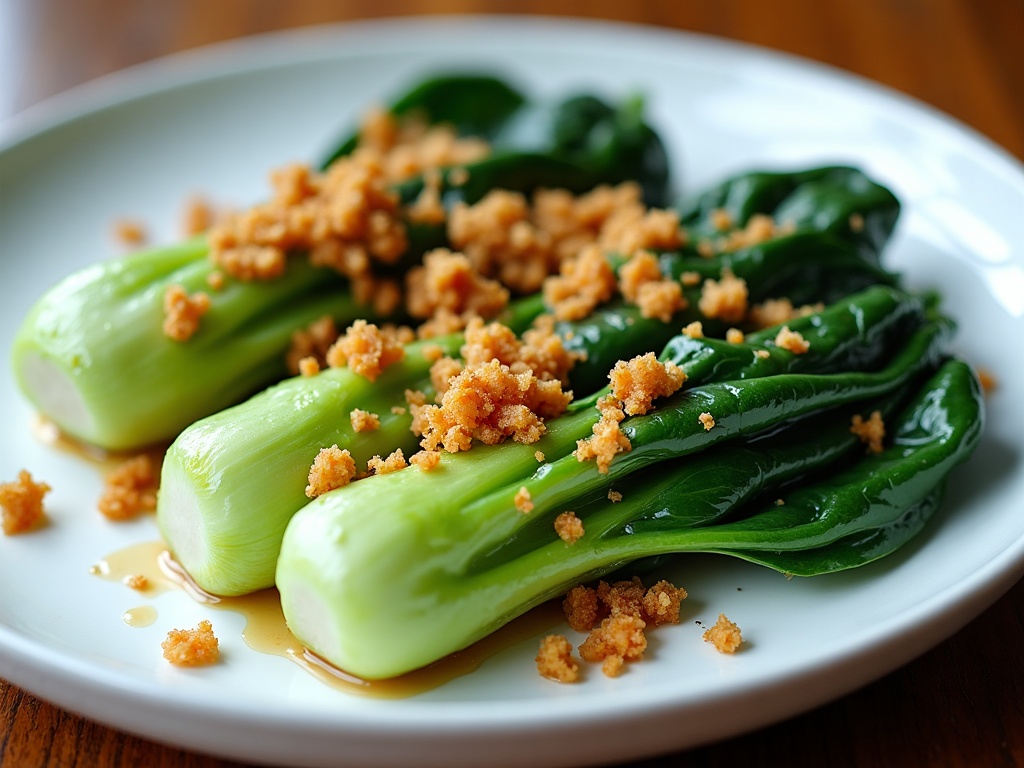
Garlic Bok Choy
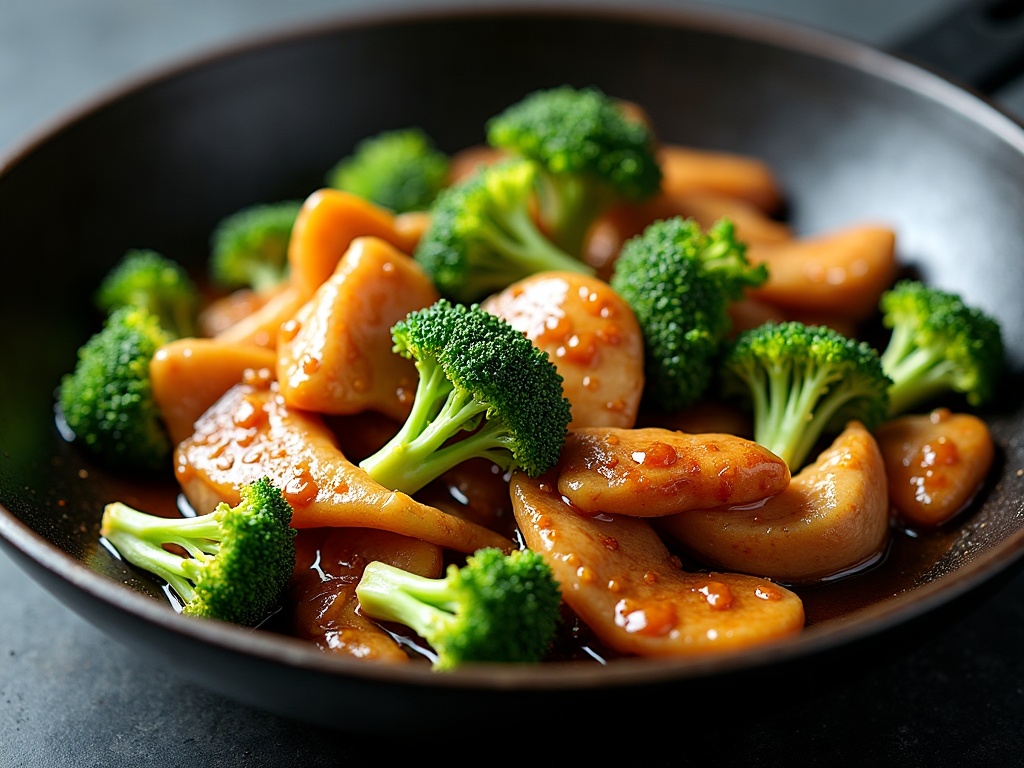
Chicken and Broccoli
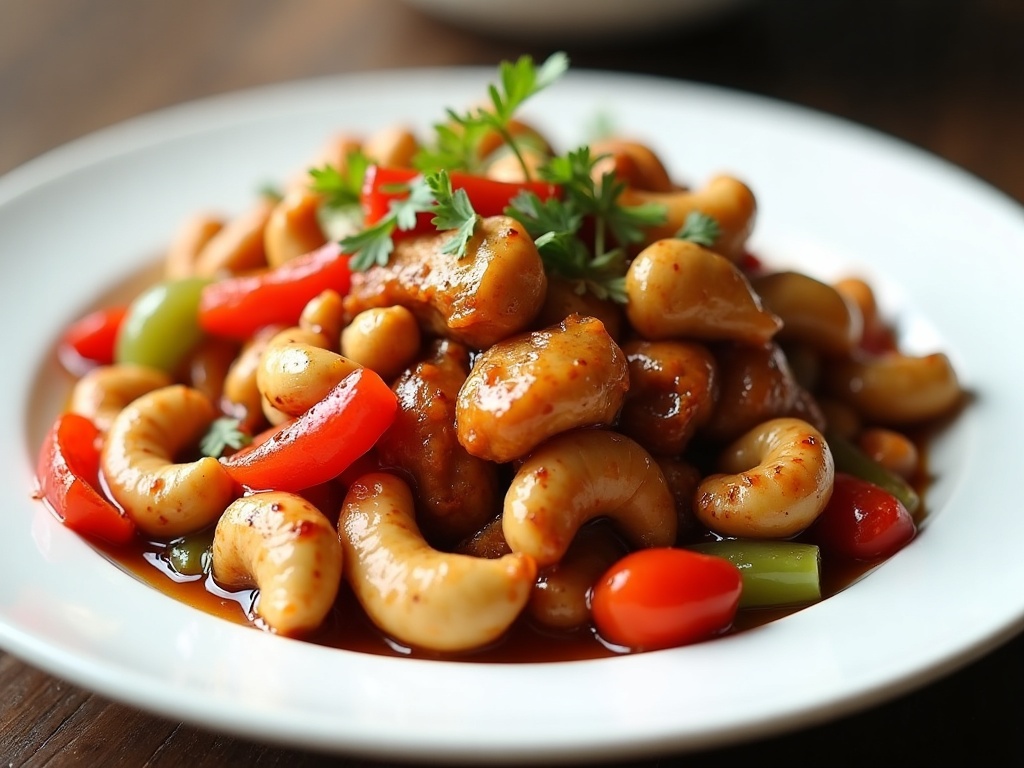
Cashew Chicken
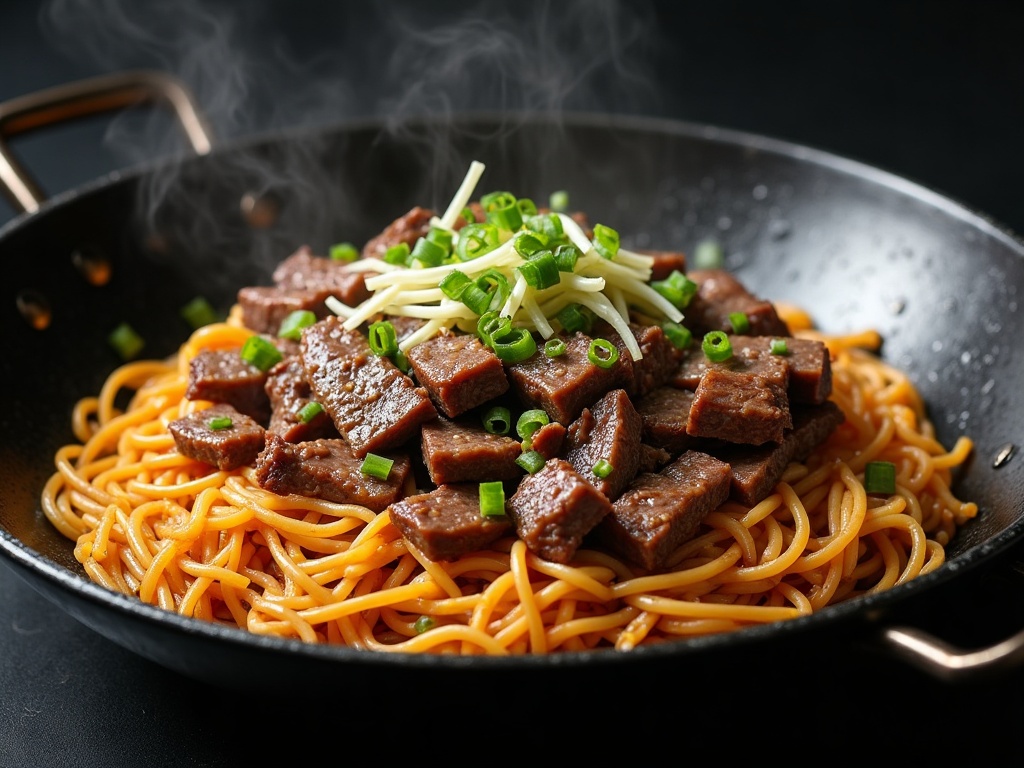
Beef Chow Fun
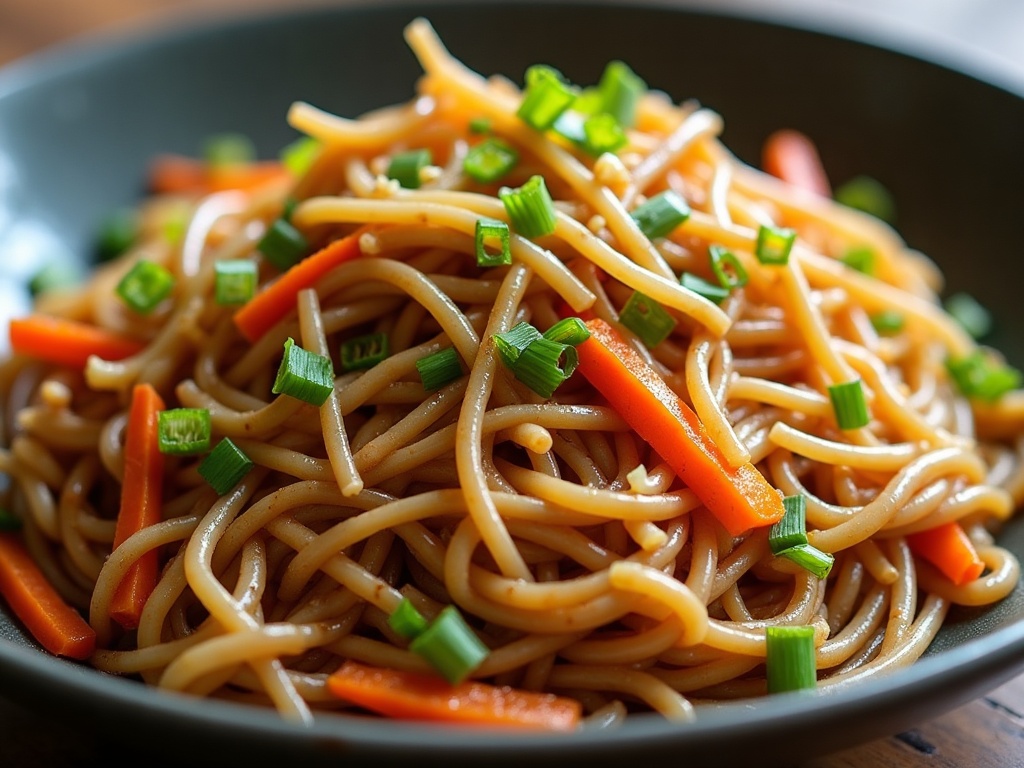
Lo Mein
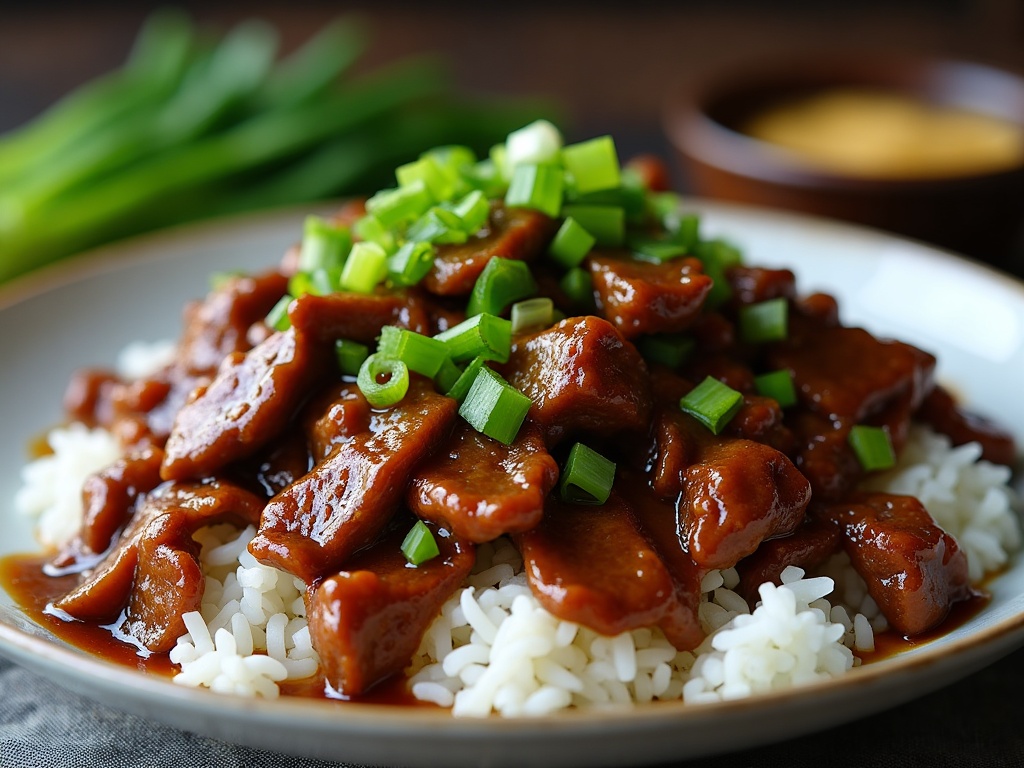
Mongolian Beef
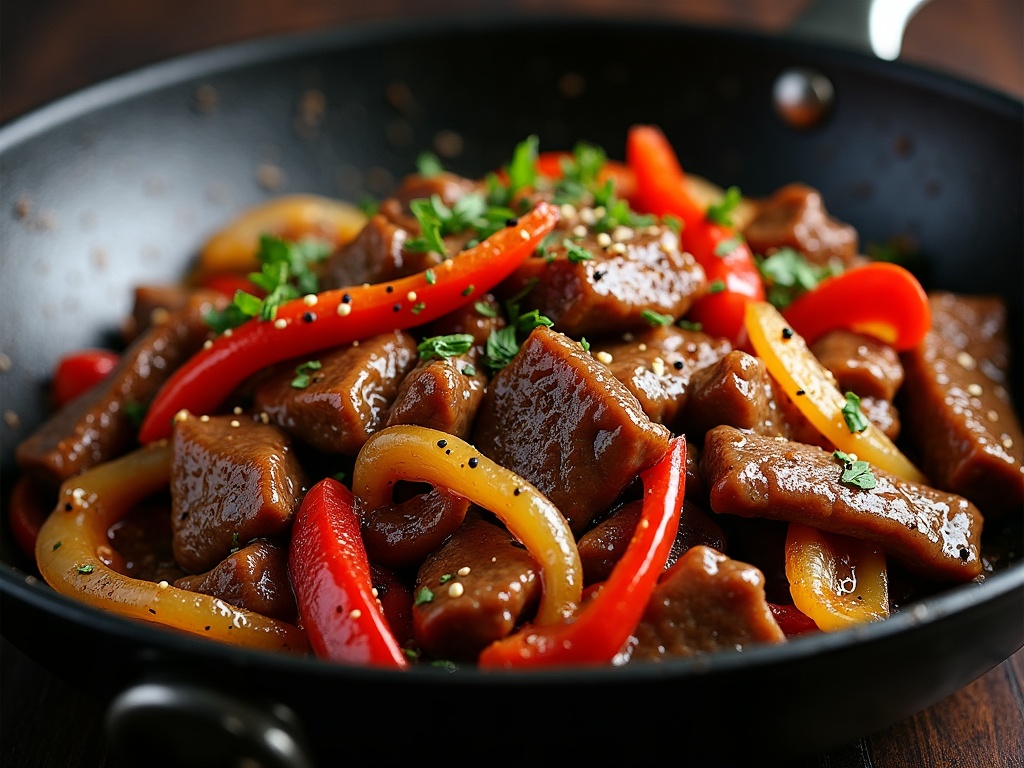
Black Pepper Beef
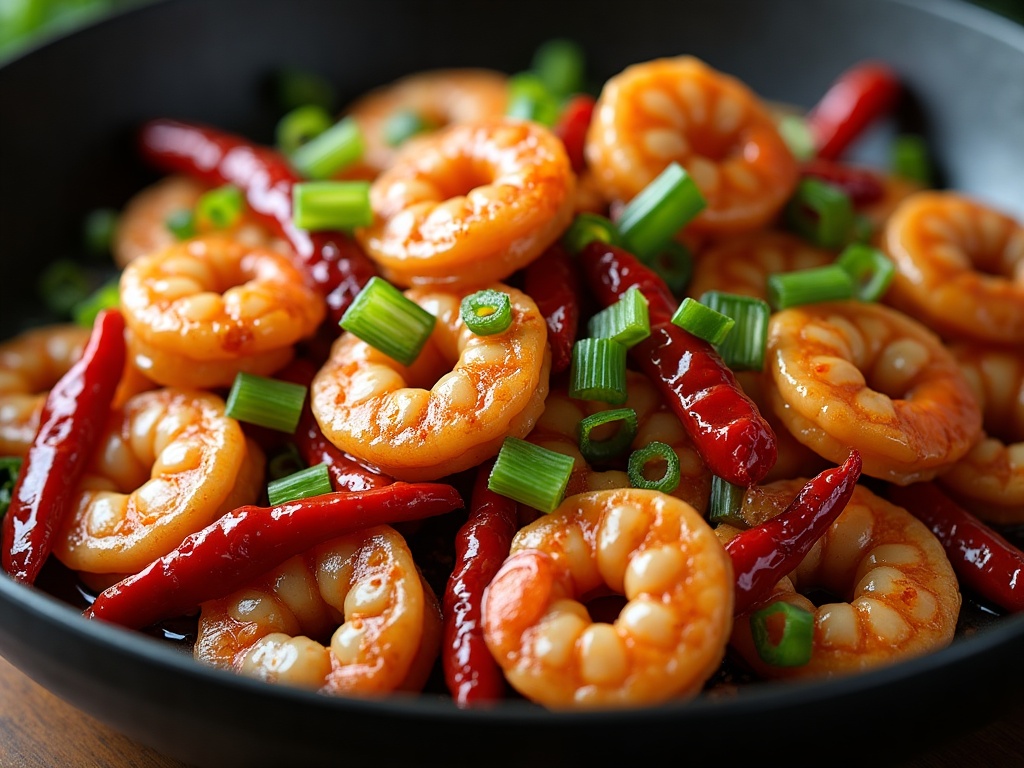
Kung Pao Shrimp
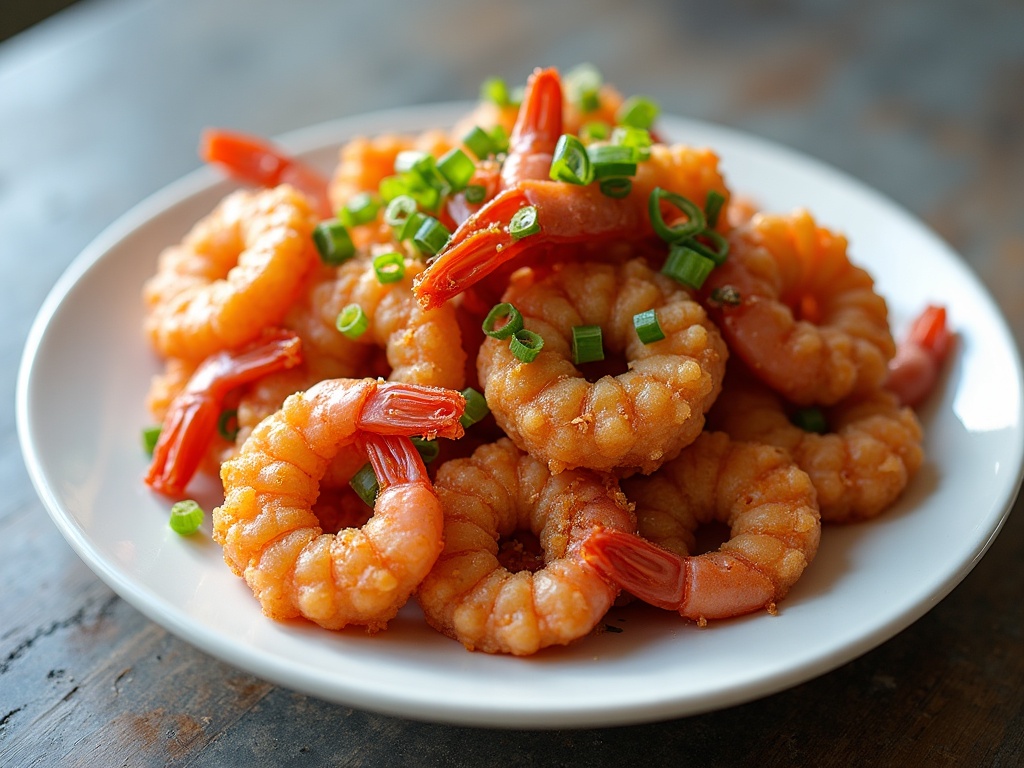
Salt and Pepper Shrimp
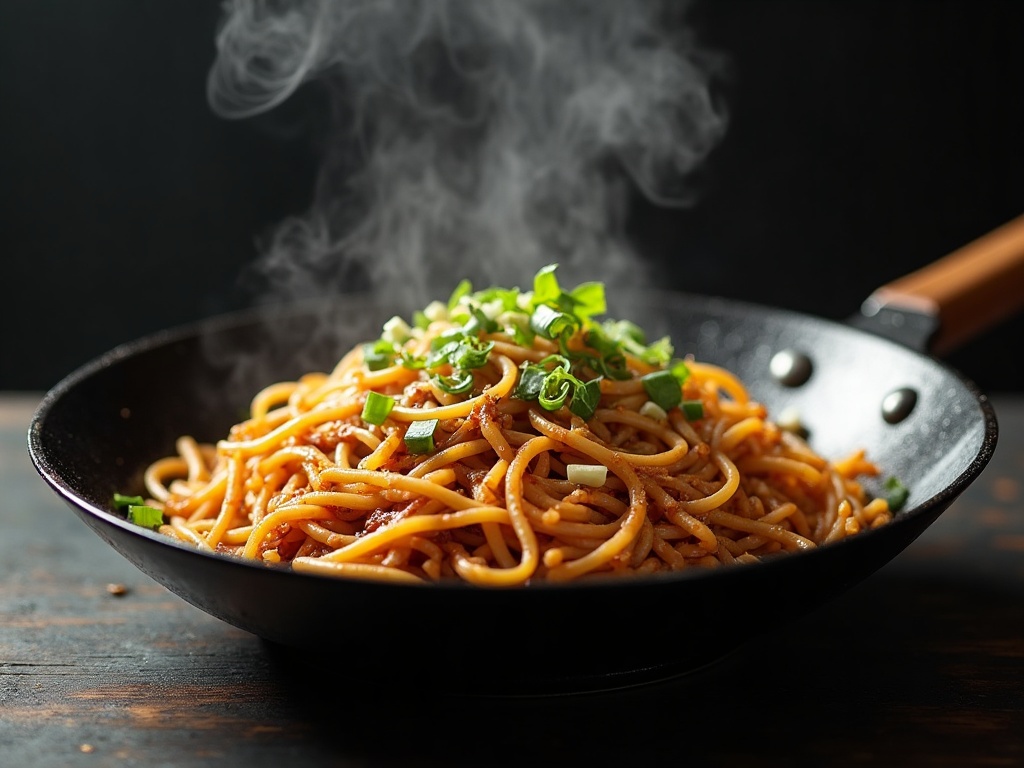
Soy Sauce Chow Mein
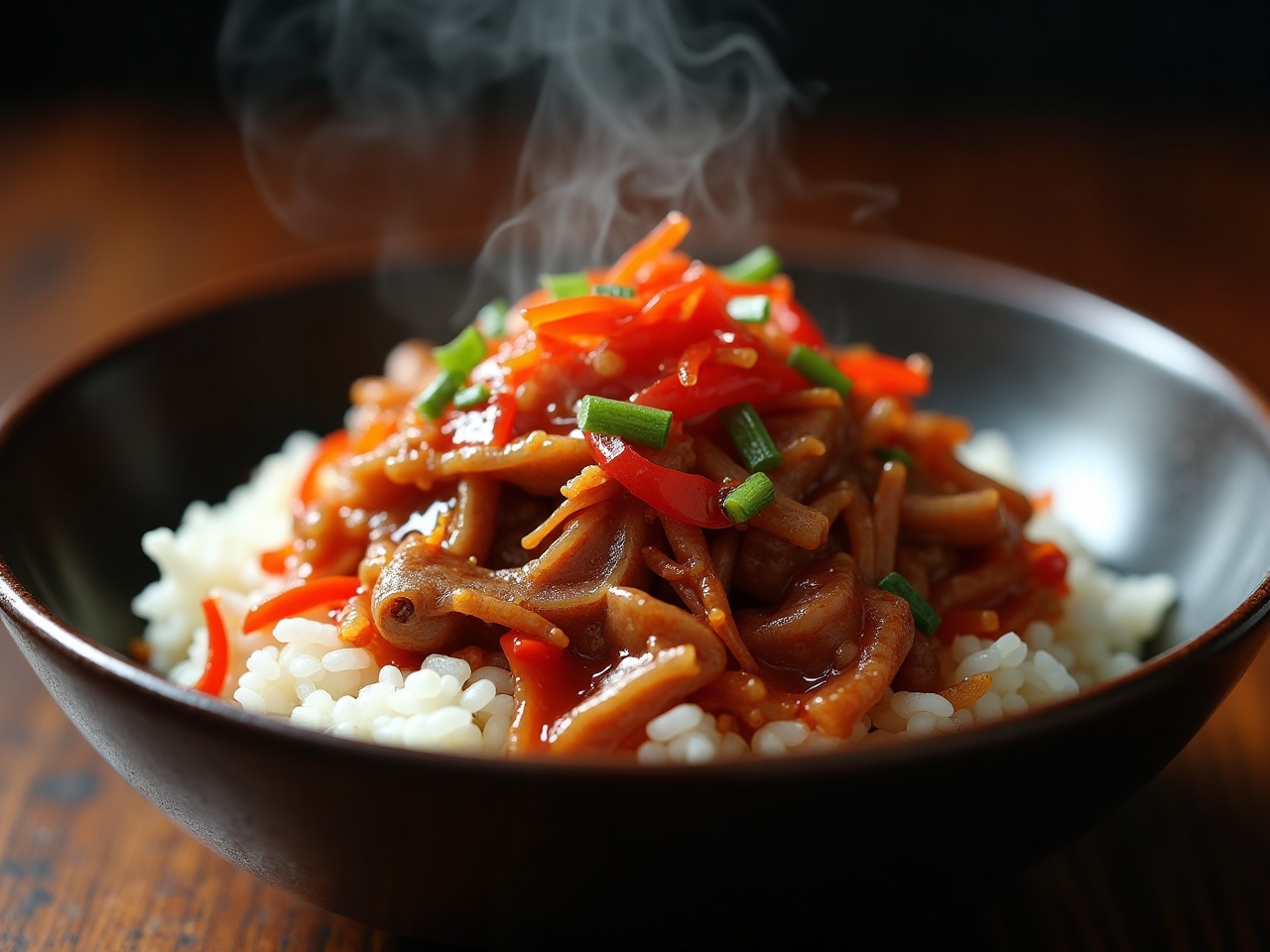
Fish-Fragrant Pork
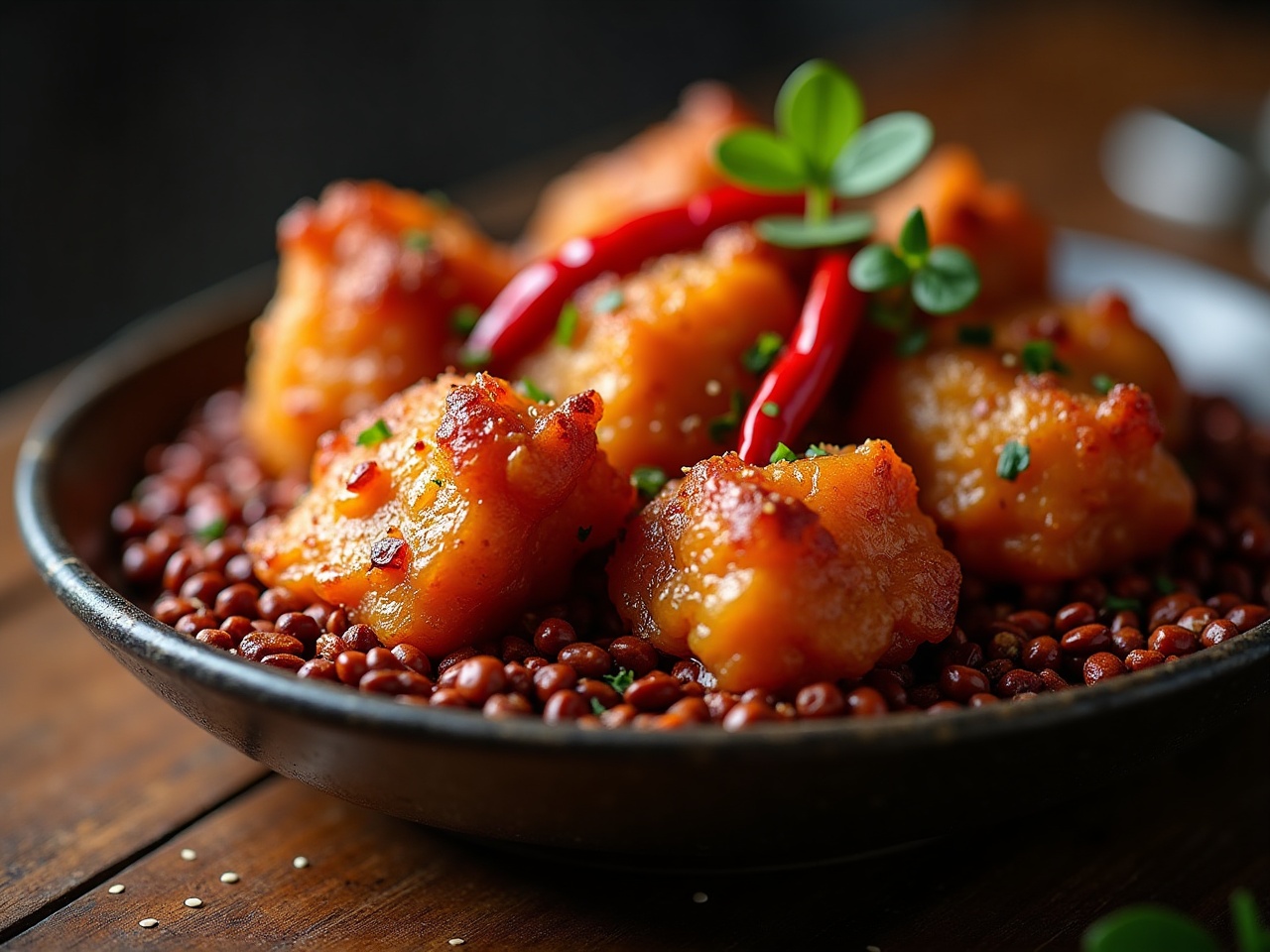
Chongqing Chili Chicken
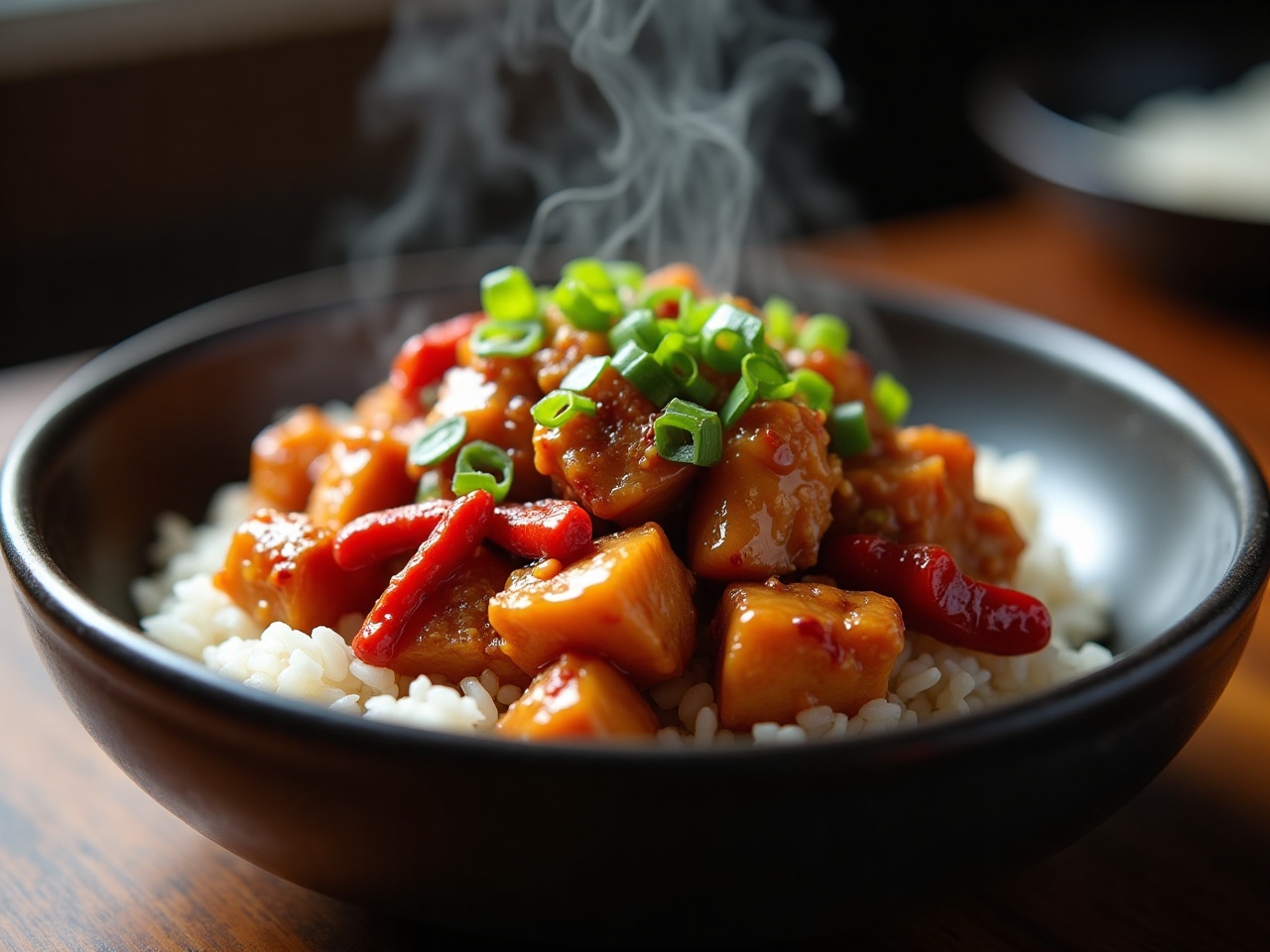
Kung Pao Chicken
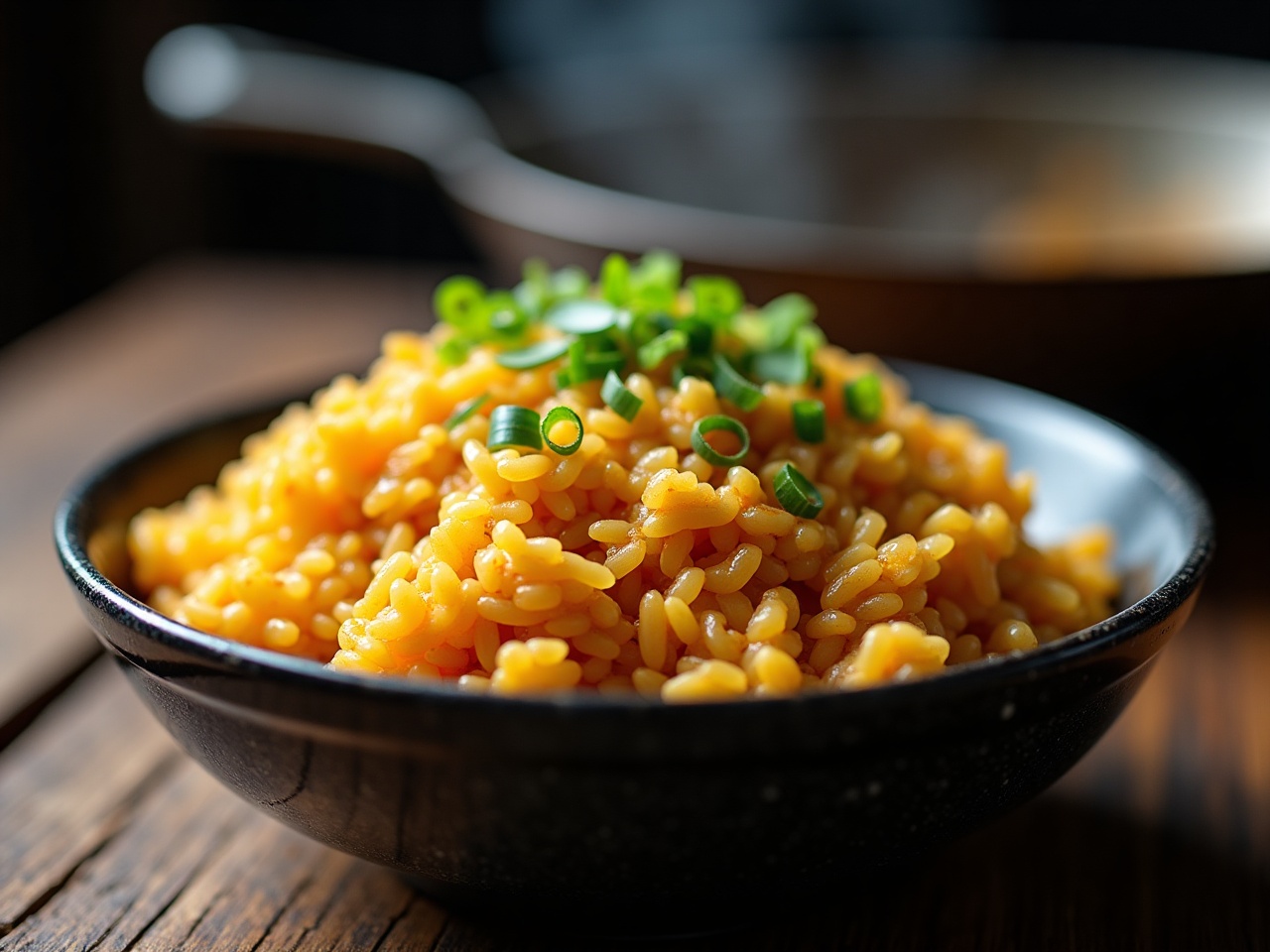
Egg Fried Rice
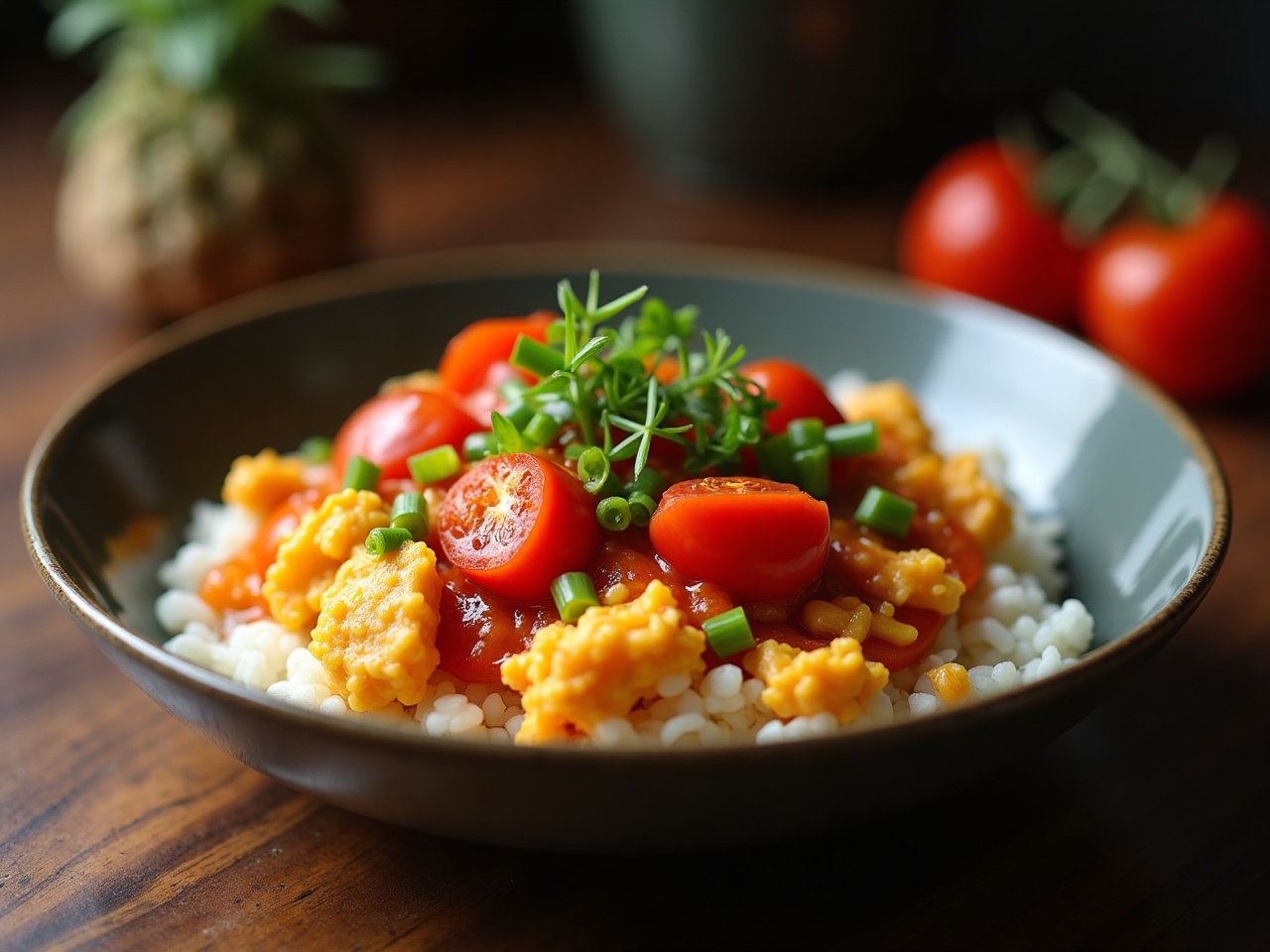
Chinese Tomato and Egg Stir-Fry
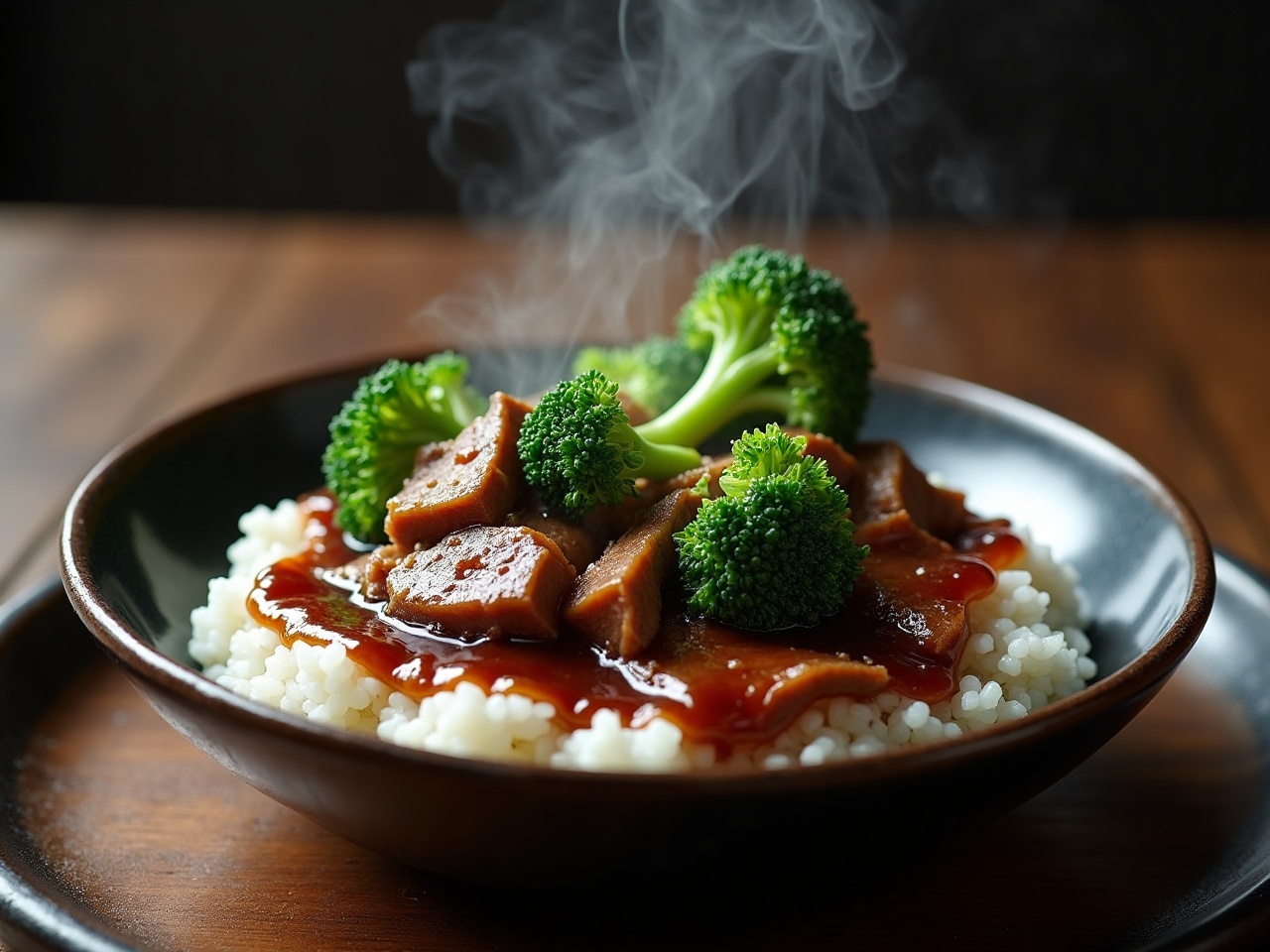
Beef and Broccoli
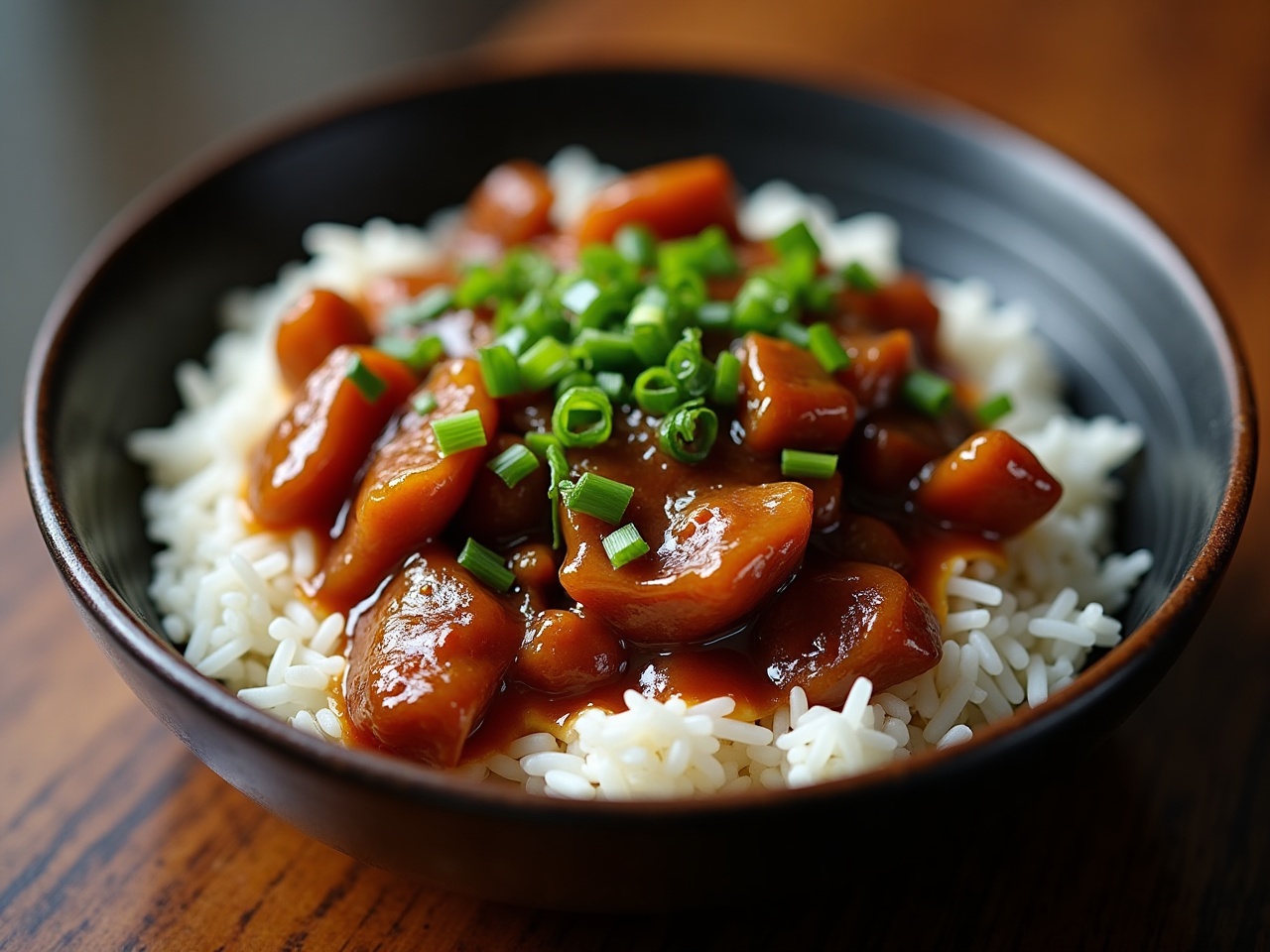
Chinese Eggplant with Garlic Sauce
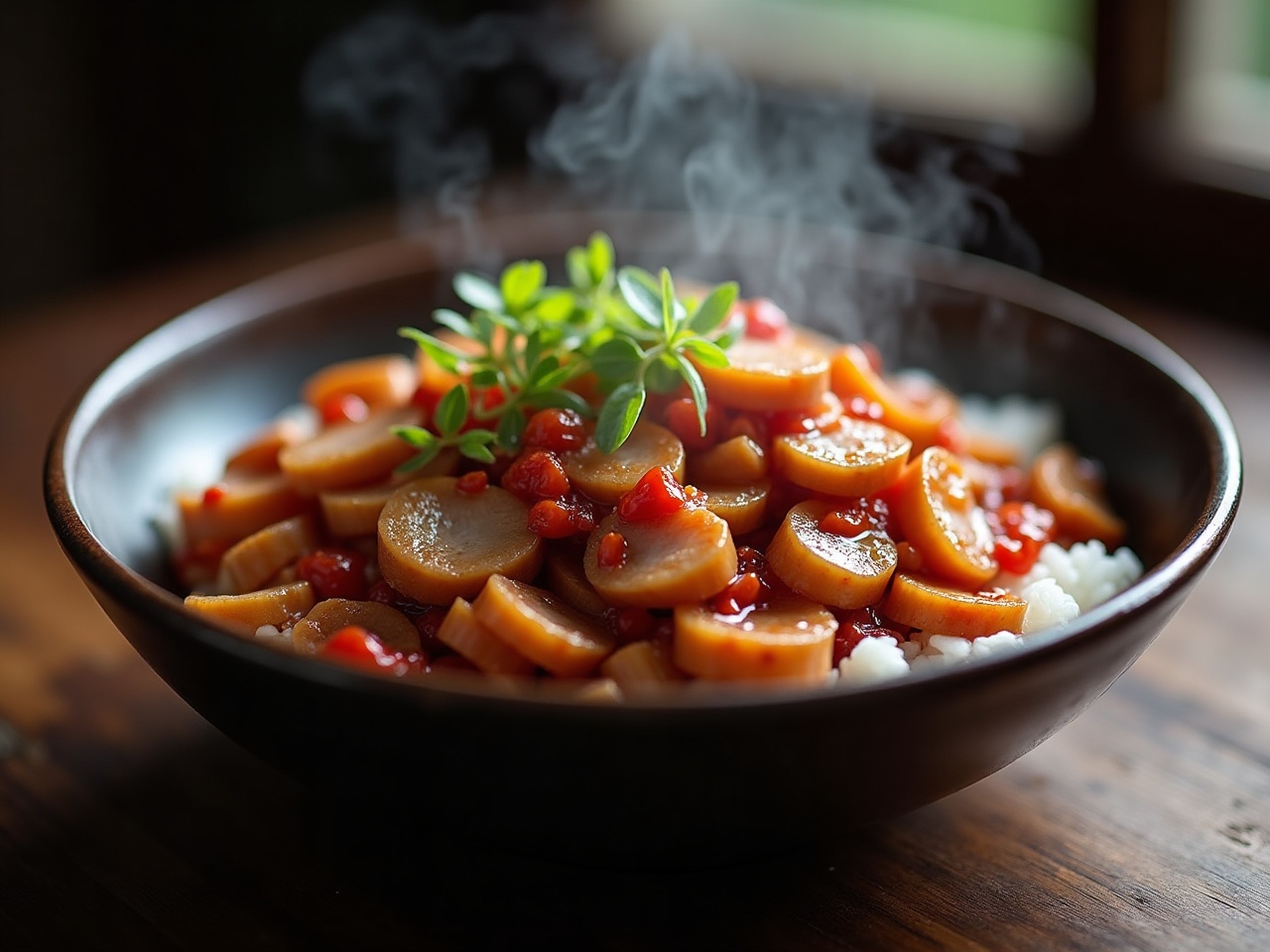
Twice-Cooked Pork
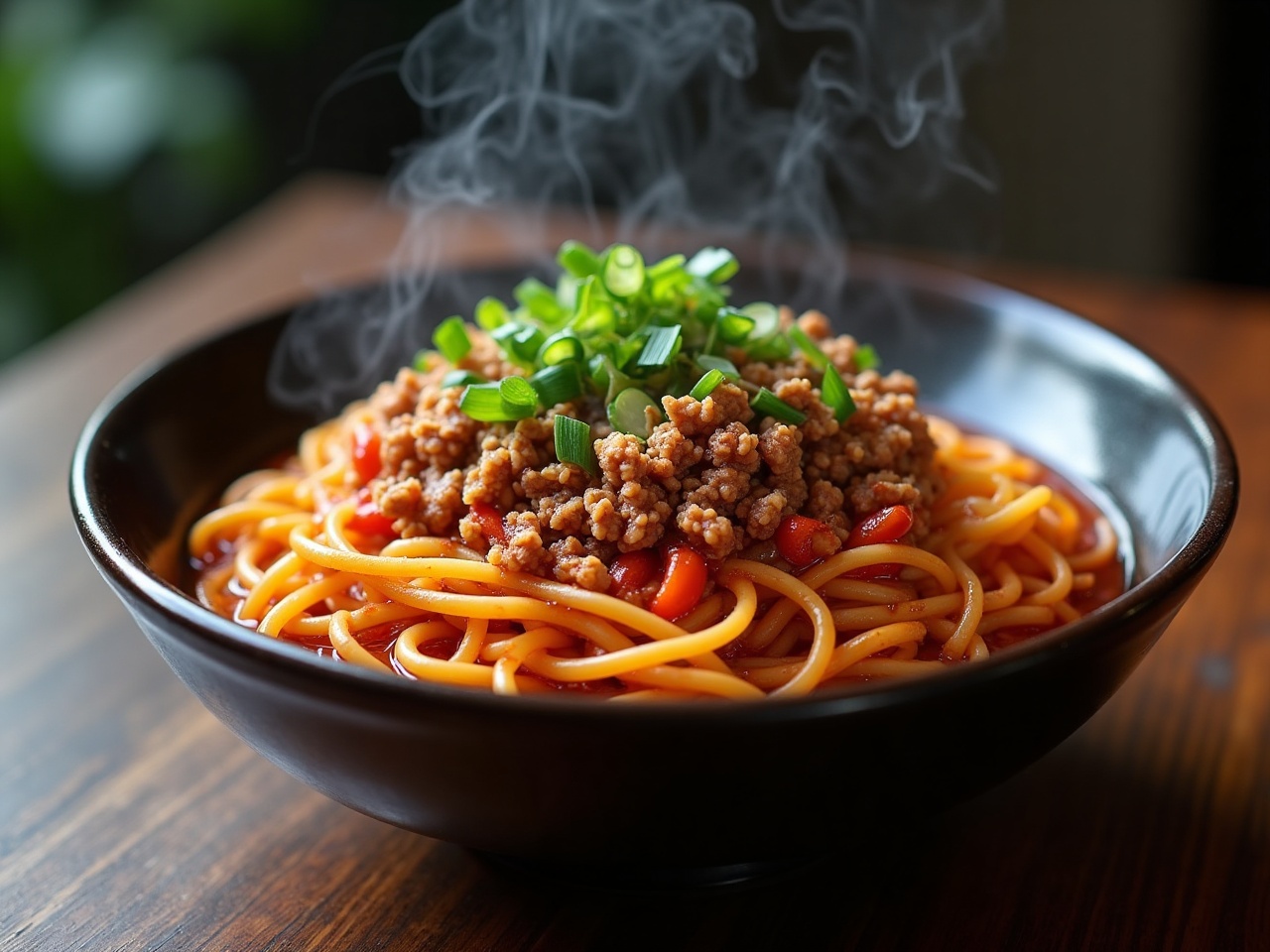
Dan Dan Noodles
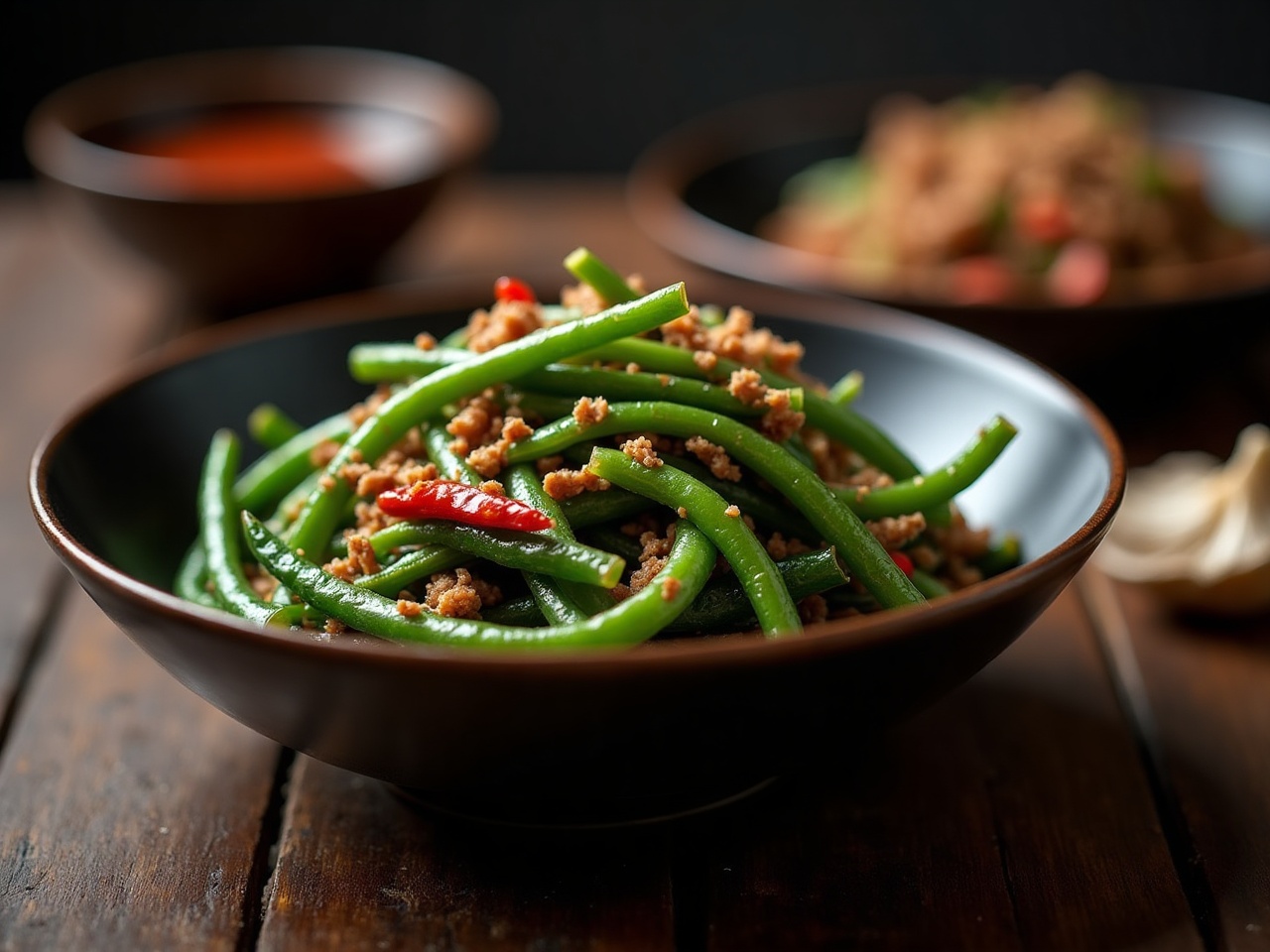
Sichuan Dry-Fried Green Beans
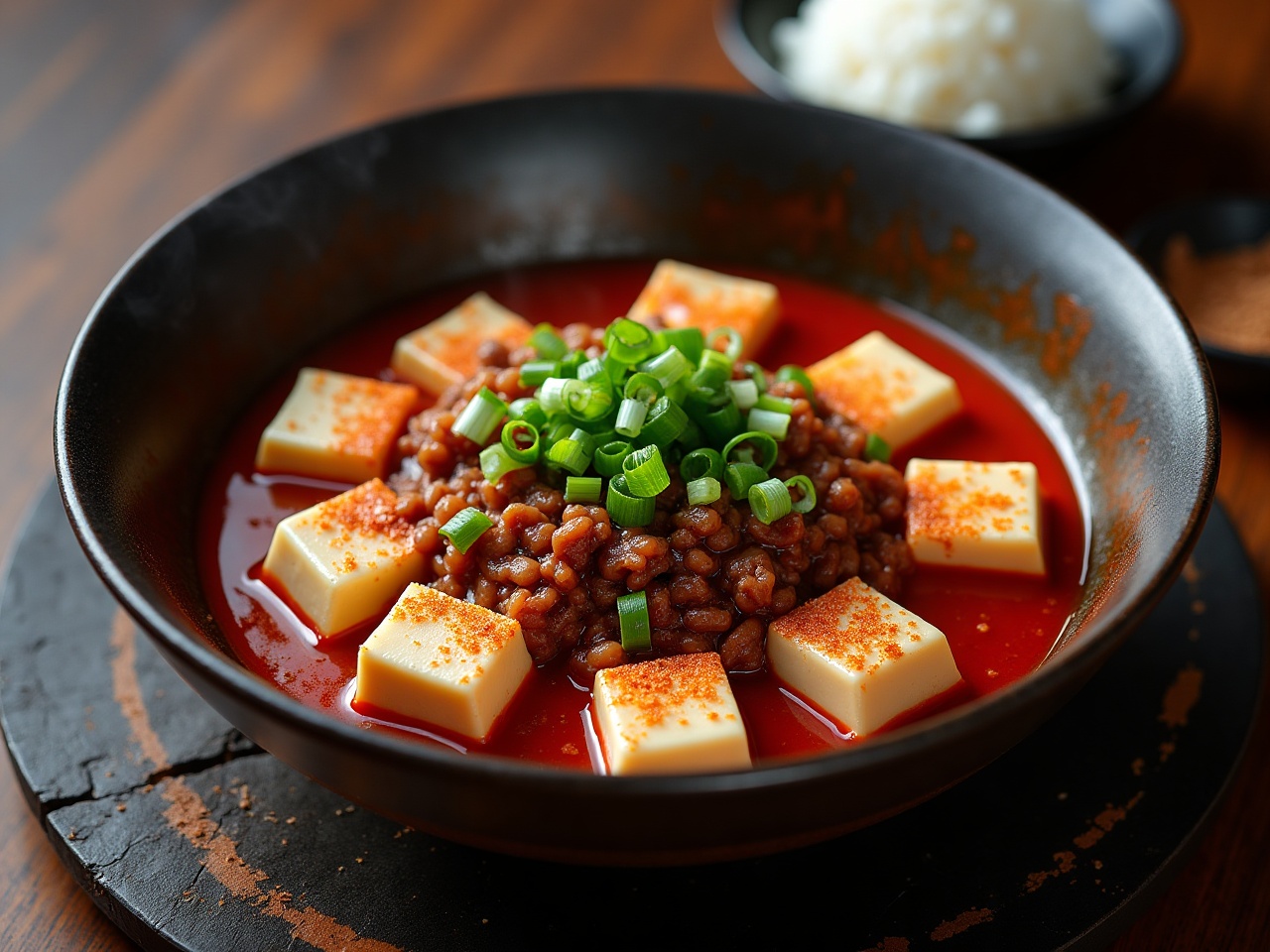
Mapo Tofu
Shop Woks on Amazon
Cooking more Chinese food in your Wok? Here are the ones we'd buy.
Get our free Chinese Kitchen Starter Guide
The 12 pantry staples, the 5 techniques, and a week of beginner-friendly dinners — plus a new decoded recipe each week.