Vegetarian Chinese Recipes
Meat-free Chinese cooking that doesn't taste like a compromise. Every recipe here is written for a US kitchen — precise steps, real heat cues, and substitutes for anything hard to find.
Chinese food is one of the easiest cuisines in the world to eat meat-free — and one of the easiest to get wrong. Easy, because the flavor never depended on meat in the first place: soy sauce, fermented beans, vinegar, sesame and aromatics carry a dish on their own, and tofu and mushrooms have been center-of-plate ingredients here for a thousand years, not consolation prizes. Wrong, because a dish can read completely vegetarian on the menu and still have oyster sauce in the wok.
The two things that trip almost everyone up
Oyster sauceis the big one. It’s in a huge share of the greens and “vegetable” stir-fries you’ll find in restaurants and in recipes online, and it’s made from oyster extract. Mushroom-based vegetarian “oyster” sauceis sold in most Asian markets now and swaps in 1:1 — buy one bottle and the problem goes away permanently. Chicken stock is the second, and it hides everywhere: soups, braises, and any sauce that needs body. Vegetable stock works, but water plus a few soaked dried shiitake is better. Also worth reading labels for: XO sauce (dried scallop and shrimp), fish sauce, shrimp paste, and the lard some restaurants still use for stir-frying. Every recipe below flags the swap where one is needed.
Umami is the entire game
Meat-free Chinese dishes rarely fail for lack of meat. They fail because they taste flat. The fix is a short list of ingredients that carry deep savoriness on their own, and the most important one by a wide margin is dried shiitake. Soak them, chop them, and — this is the part people skip — pour the dark soaking liquid into the sauce. That water is the best free ingredient in a vegetarian Chinese kitchen. After that: fermented tofu (furu) for a salty, cheese-like funk that transforms plain greens, doubanjiang for Sichuan depth, and fermented black beans for a savory hit that reads almost meaty.
Then fix the texture, which is the real work
Flavor is solvable in one shopping trip; texture is where meat-free cooking is actually won or lost. Three habits cover most of it. Press tofu and brown it hard before saucing— pale, wobbly tofu dropped into a sauce is the reason people think they don’t like tofu. Cook mushrooms dry and long, past the point where they release water, until they squeak and color. And add something that stays crunchy: wood ear, water chestnut, or bamboo shoots contribute almost no flavor and all of the interest.
Why some of these recipes leave out the garlic
China has a genuine vegetarian tradition, not just a modern dietary preference. Buddhist temple cooking (斋菜, zhāicài) has produced meat-free food for centuries, and its strictest form excludes not only animal products but the five pungent vegetables— garlic, onion, chives, leek and asafoetida — believed to agitate the mind. That’s why Buddha’s Delight (罗汉斋), the dish families eat on the first day of Lunar New Year, leans on mushrooms, wood ear, bean curd sticks and ginger instead. You don’t have to cook that way — most home-style Chinese vegetarian food is enthusiastically garlicky — but it explains a lot about why the cuisine got so good at making vegetables taste like the main event.
Where to start
If you want takeout flavors: General Tso’s tofu and kung pao tofu hit the same notes as the chicken versions. If you want something that was always vegetarian: eggplant in garlic sauce, blistered Sichuan green beans, or scallion oil noodles (four ingredients, absurd payoff). For a project weekend, fold vegetable dumplings or vegetarian siu mai. Eating out instead? Our guide to reading a Chinese menucovers how to order meat-free without ending up with three plates of the same thing. And if you’re avoiding egg and dairy too, the vegan Chinese recipes hub is the stricter subset.
Browse Vegetarian Chinese recipes
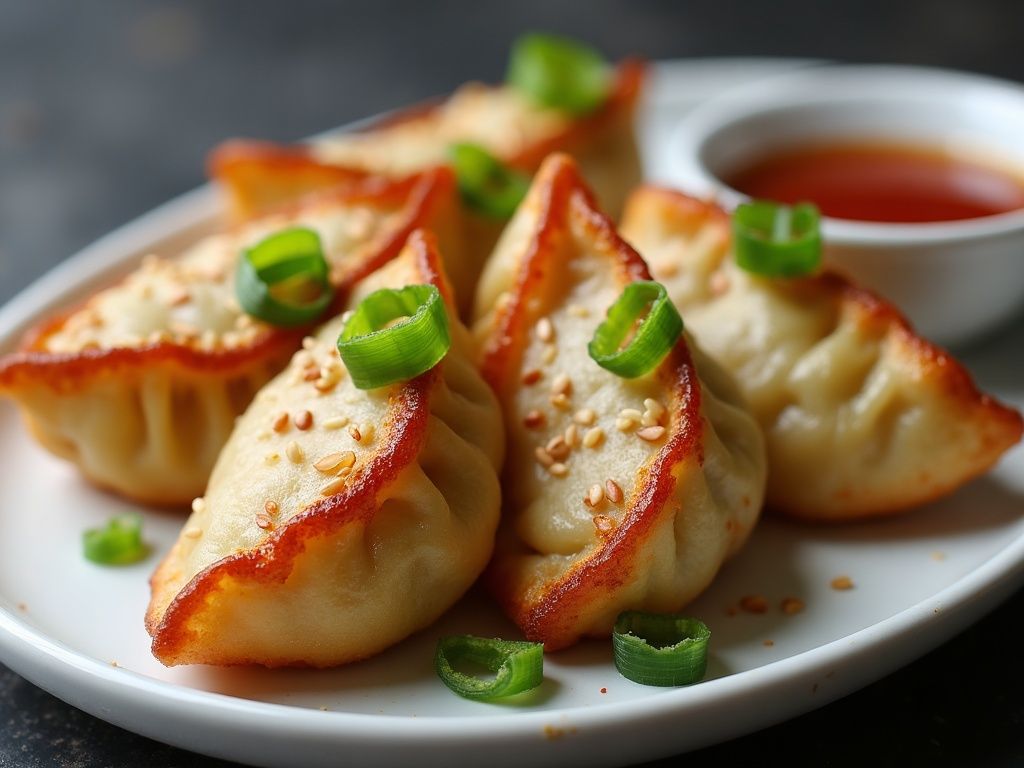
Vegetable Dumplings
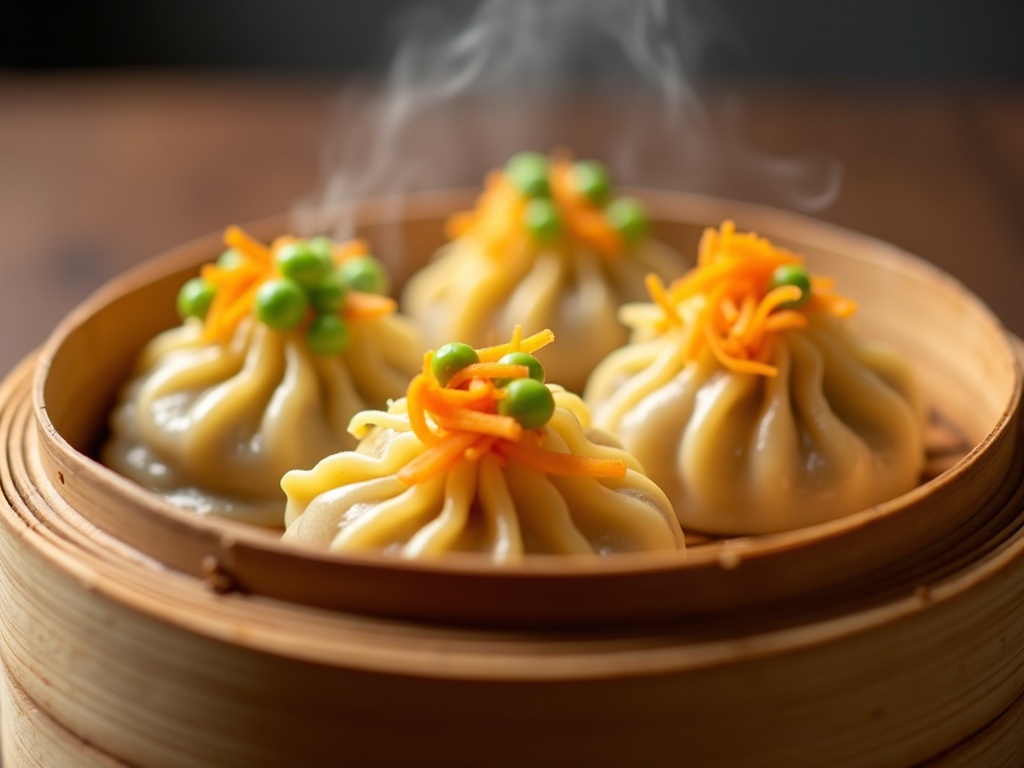
Vegetarian Siu Mai
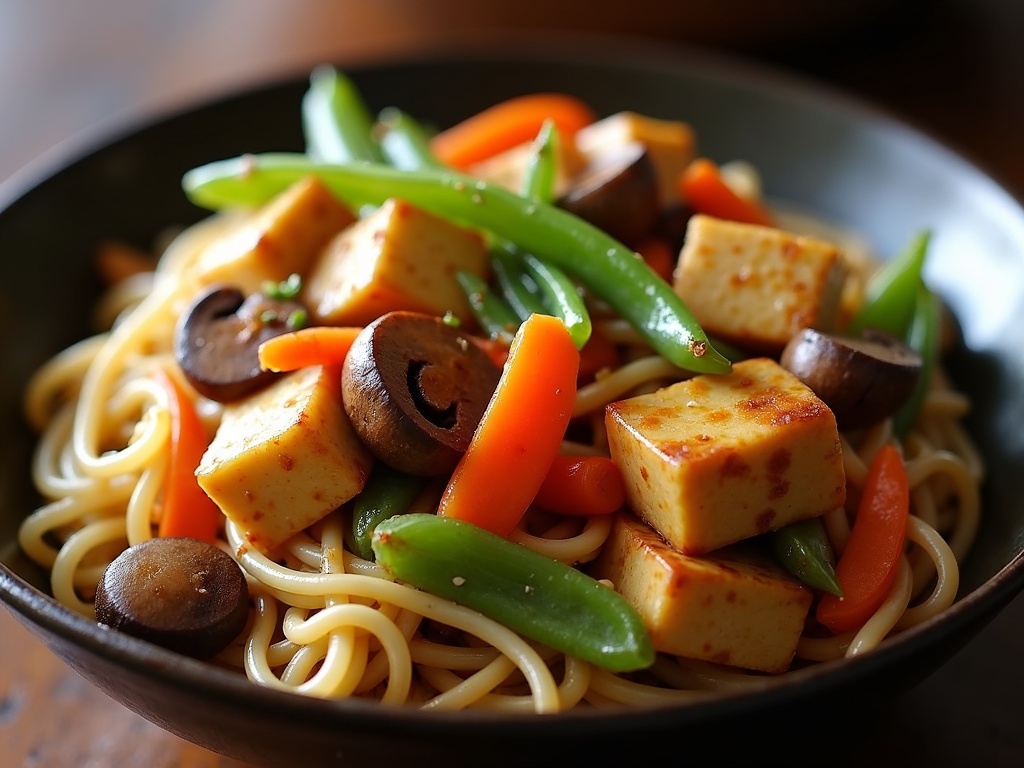
Buddha's Delight (Lo Han Jai)
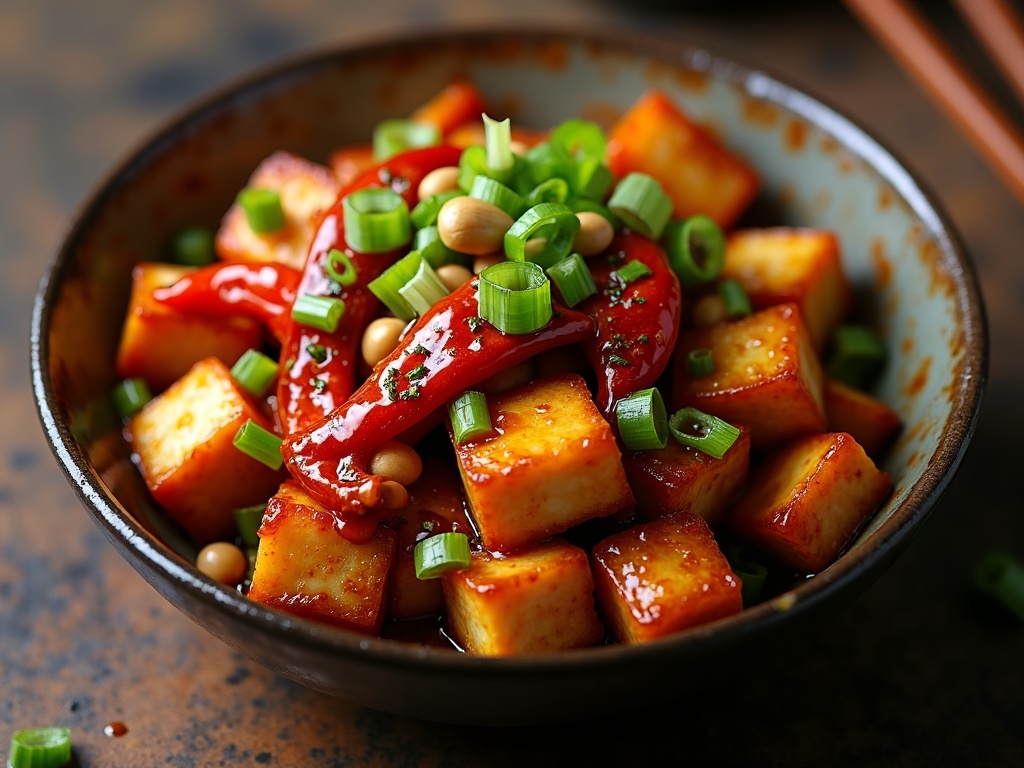
Kung Pao Tofu
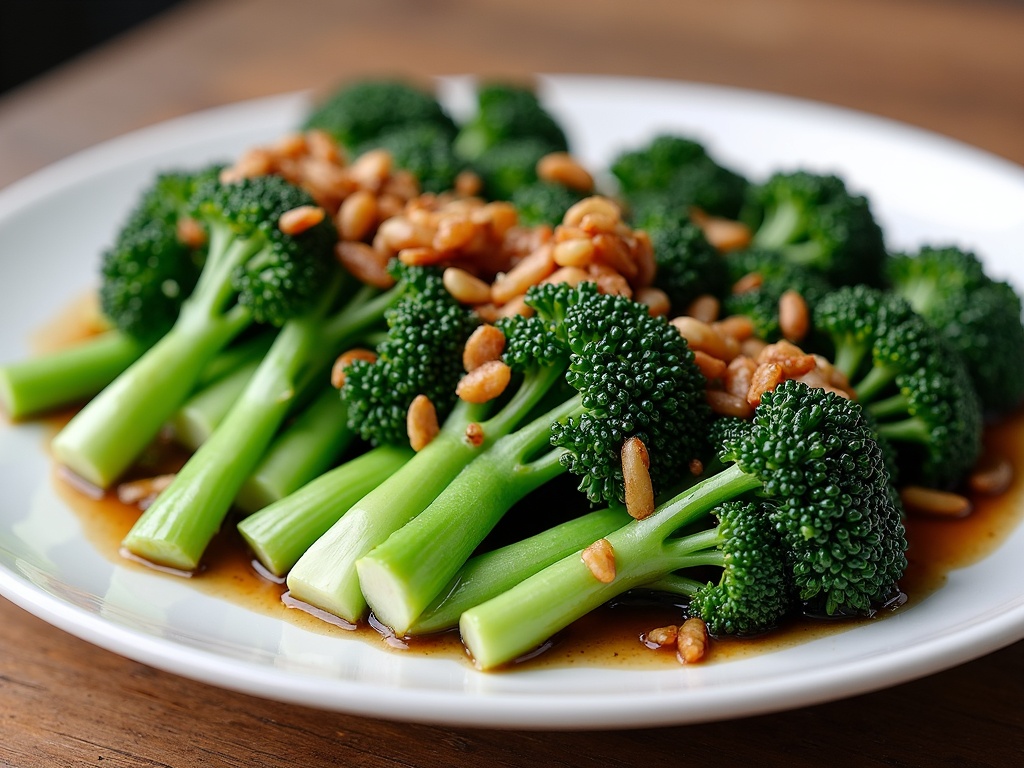
Chinese Broccoli (Gai Lan) with Garlic Sauce
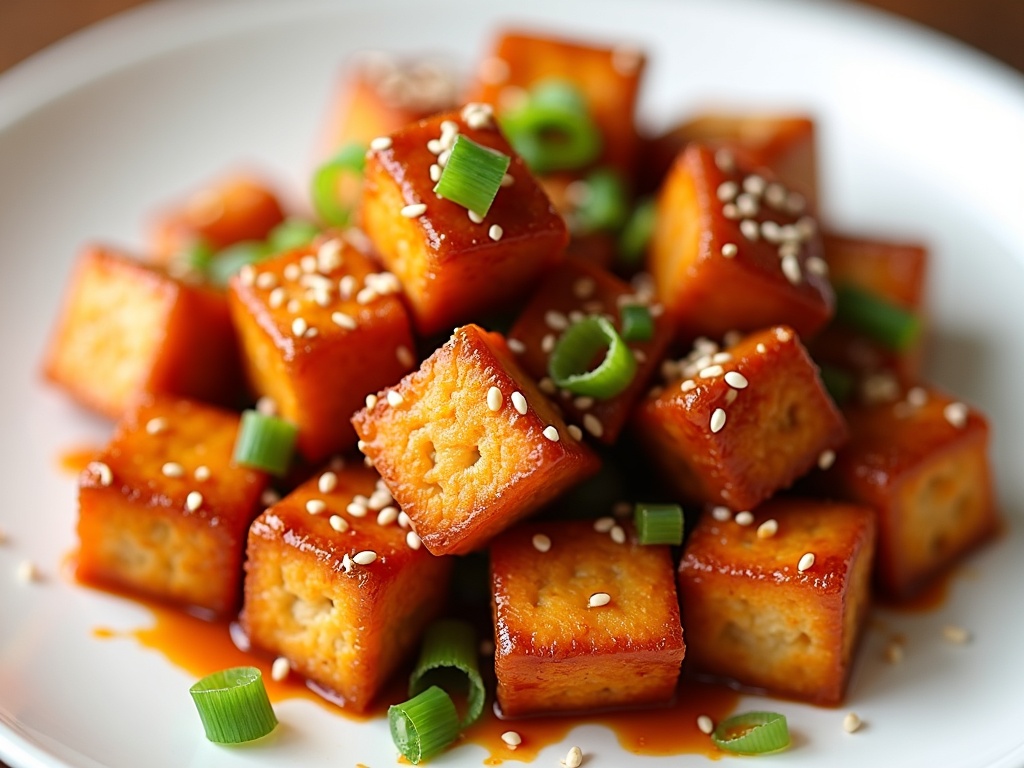
General Tso's Tofu
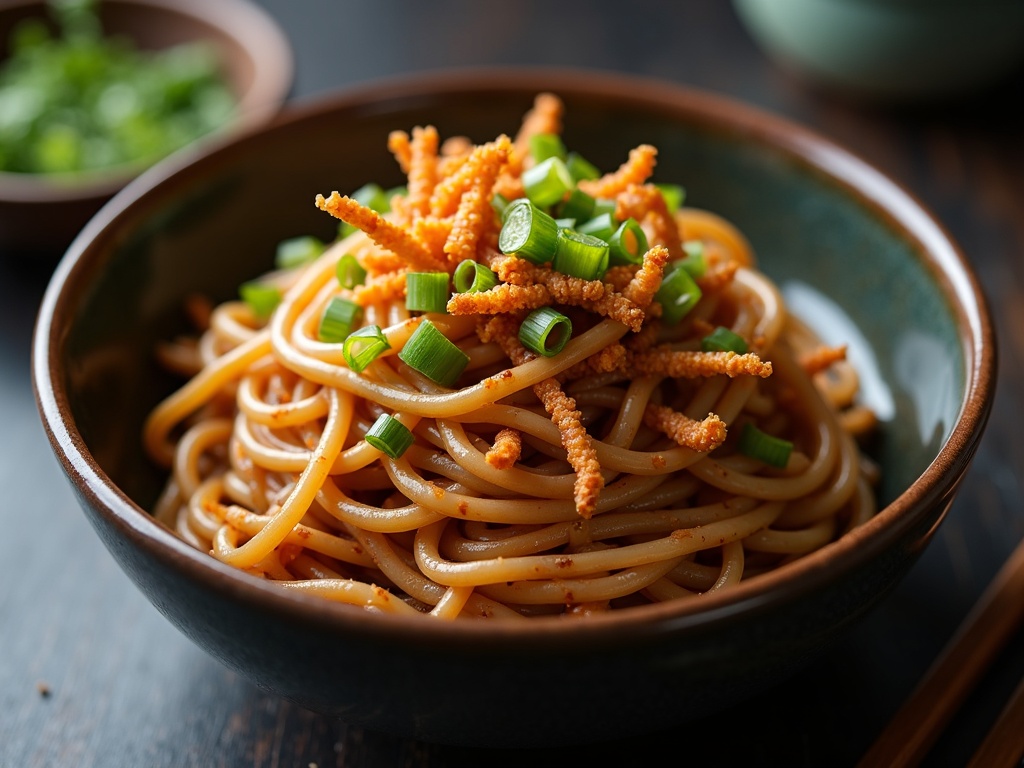
Scallion Oil Noodles
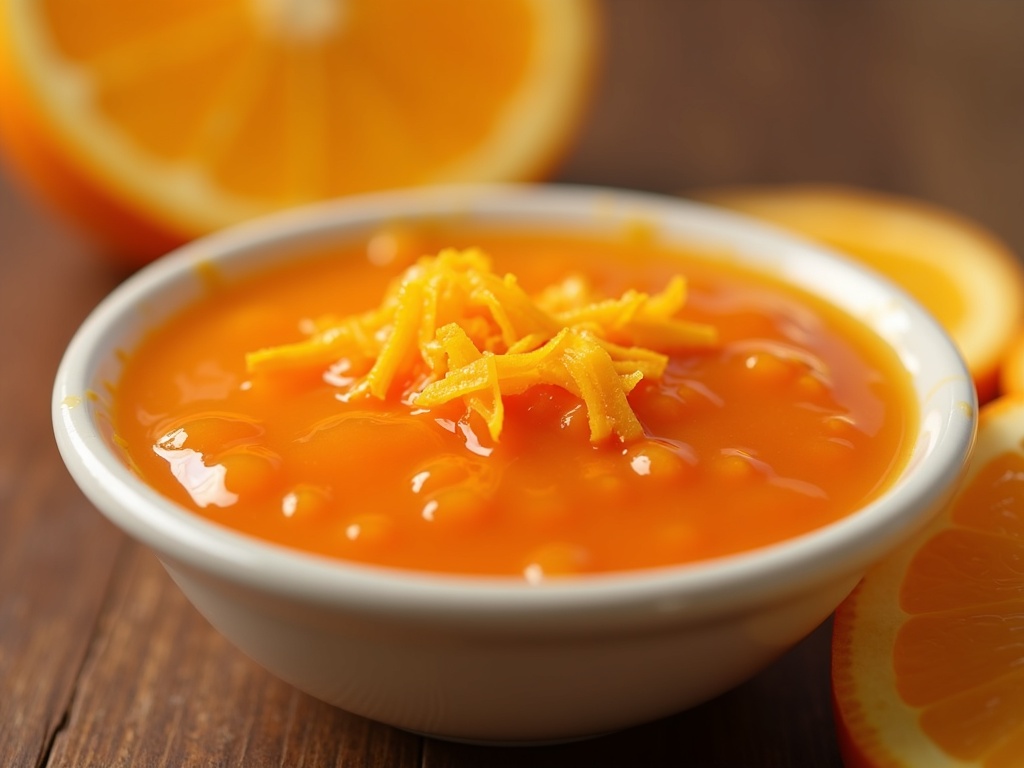
Orange Sauce
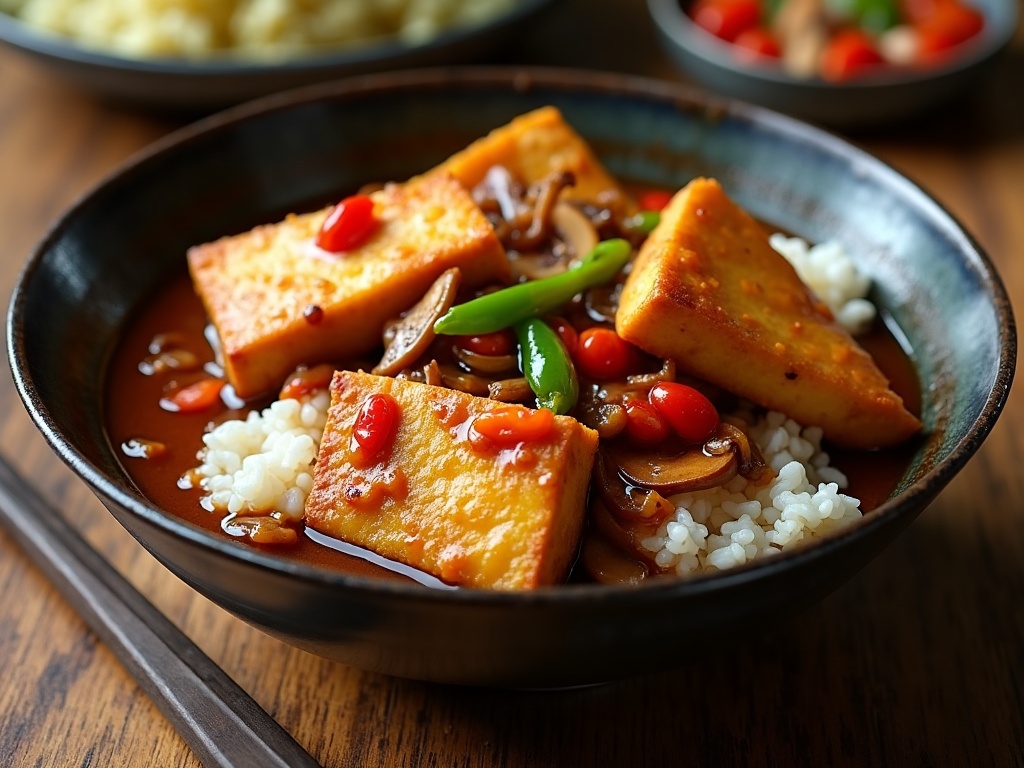
Home-Style Braised Tofu
Salt and Pepper Tofu
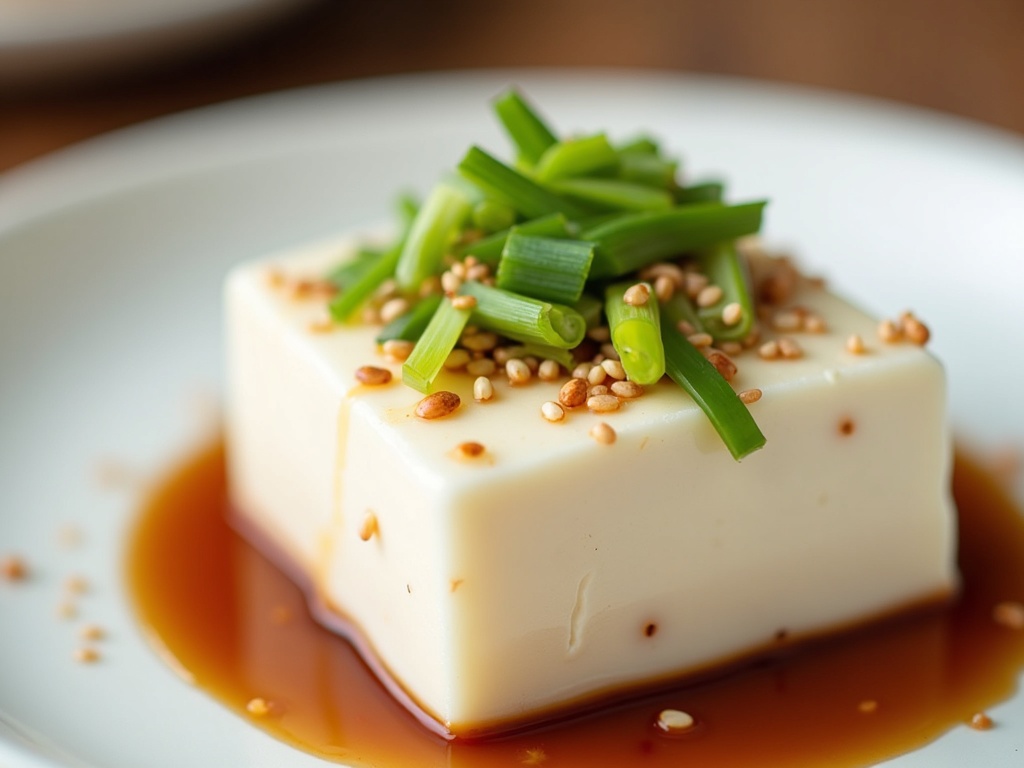
Cold Silken Tofu with Soy-Sesame Dressing
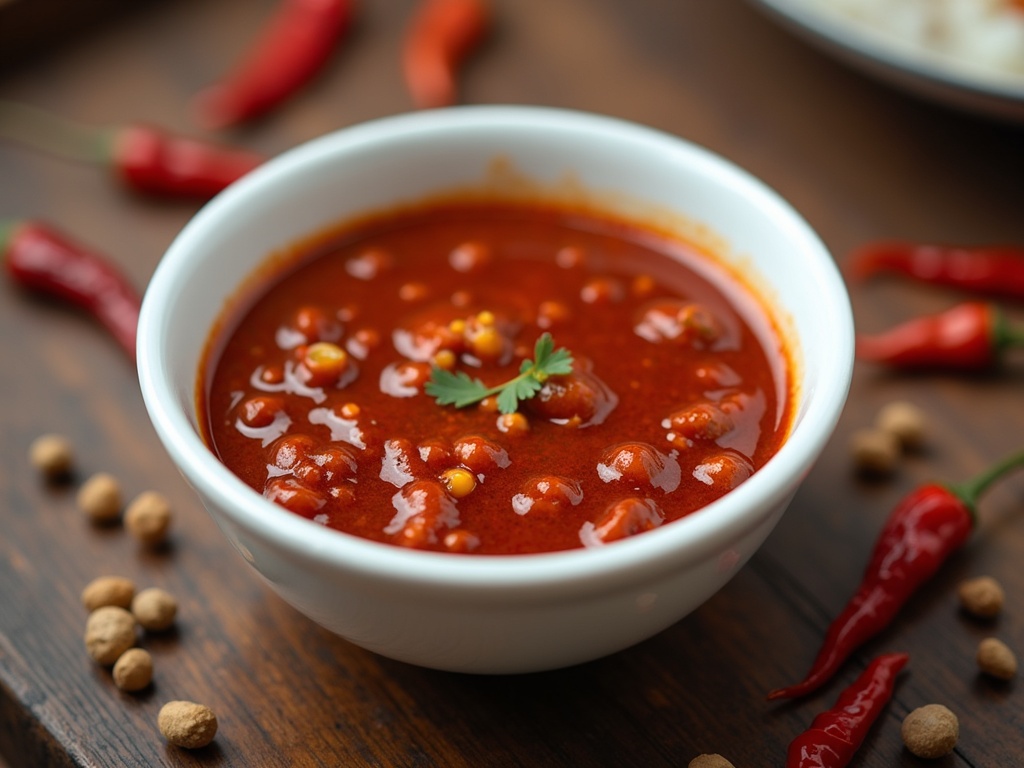
Kung Pao Sauce
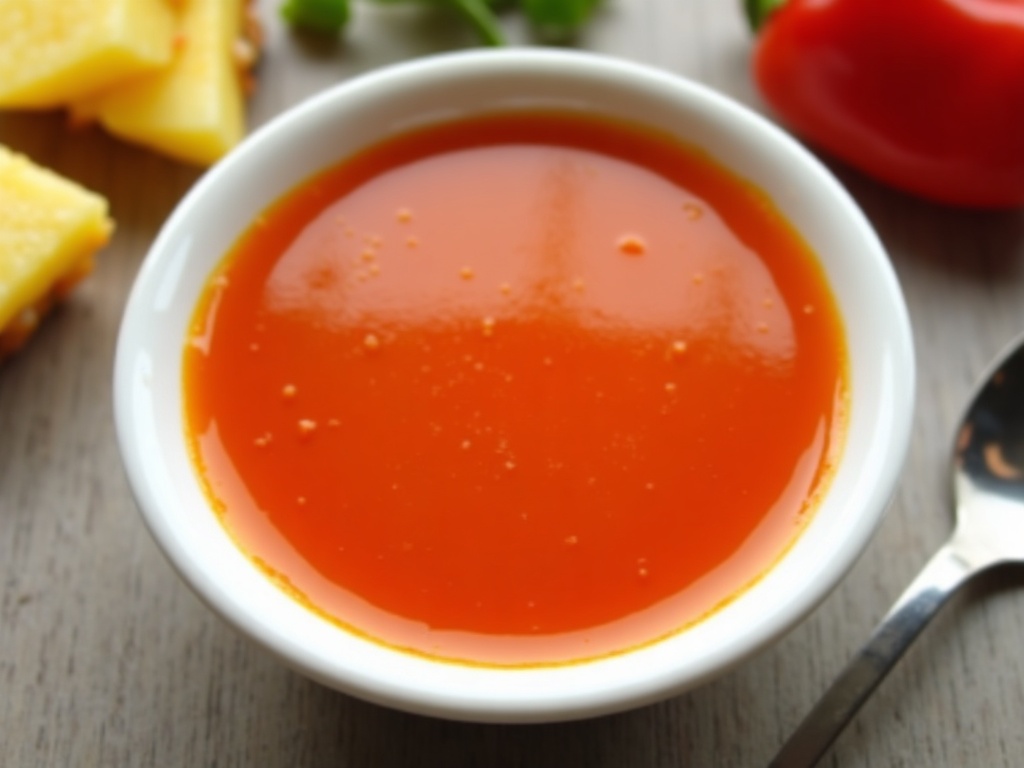
Sweet and Sour Sauce
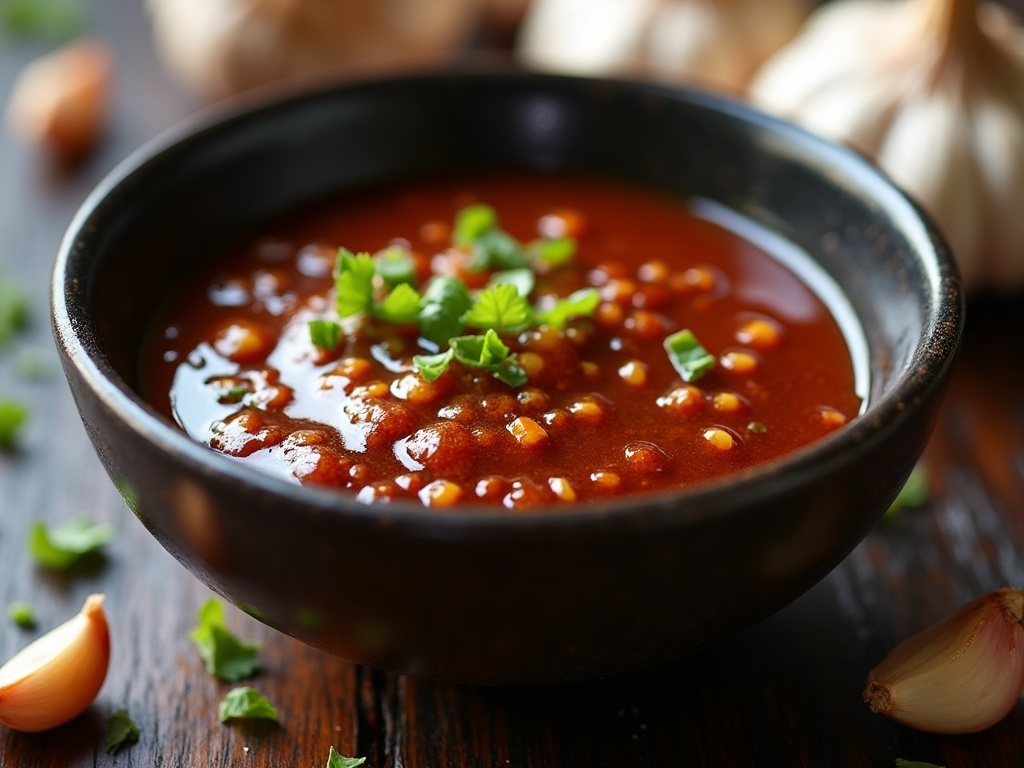
Chinese Garlic Sauce
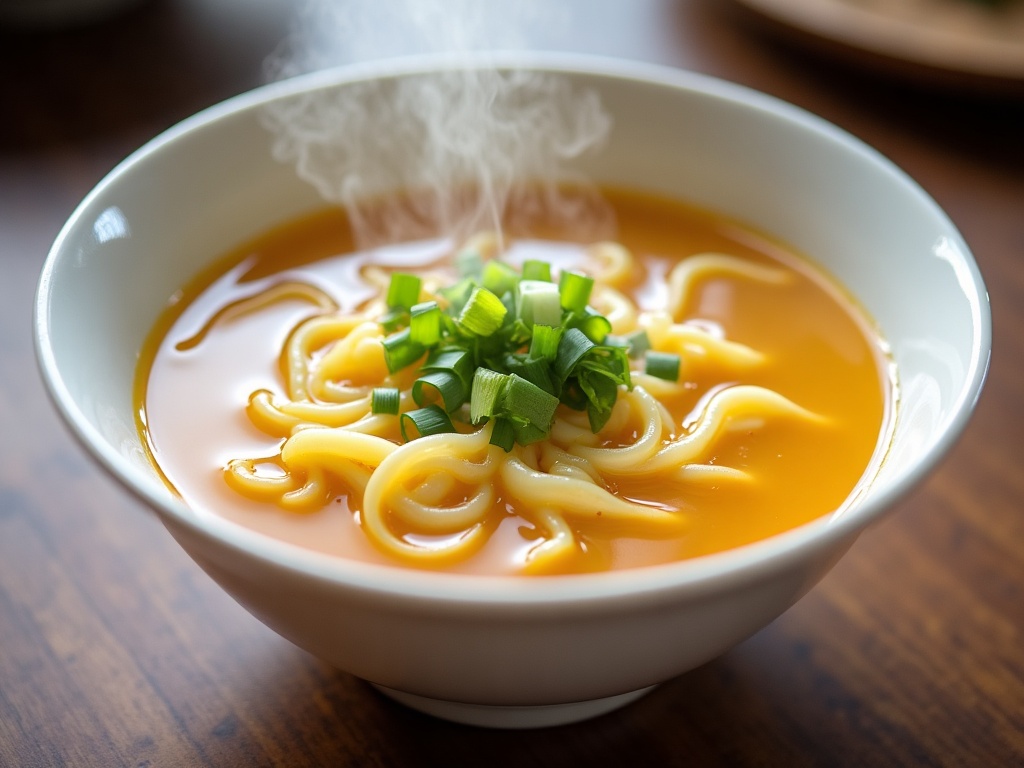
Egg Drop Soup
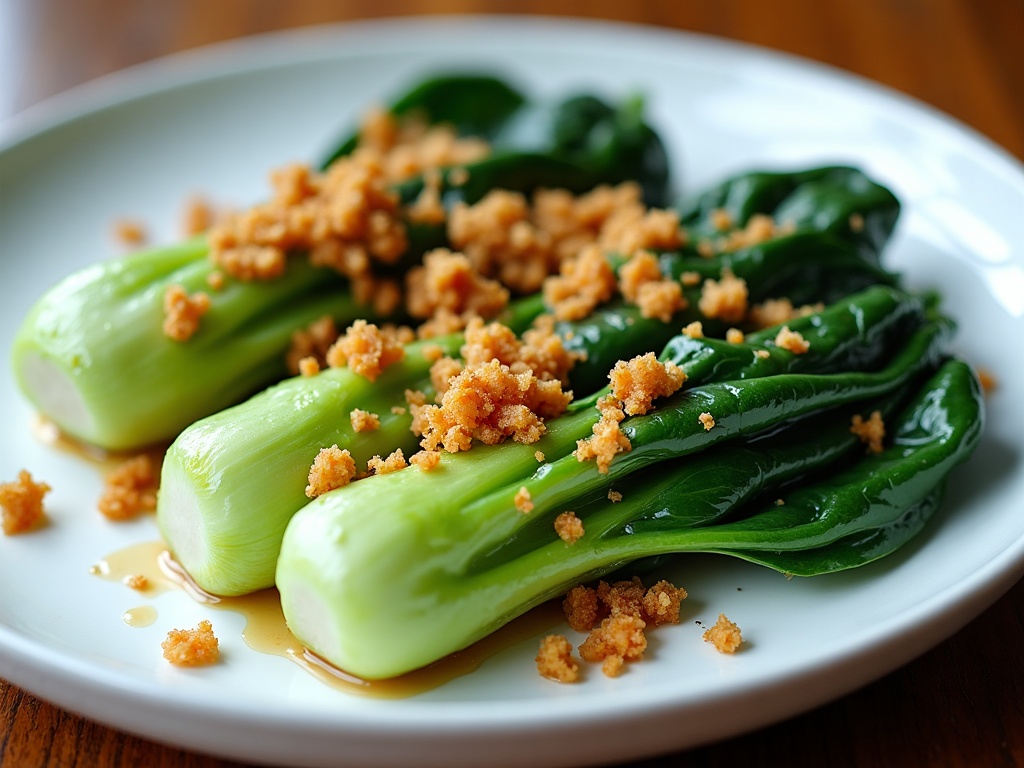
Garlic Bok Choy
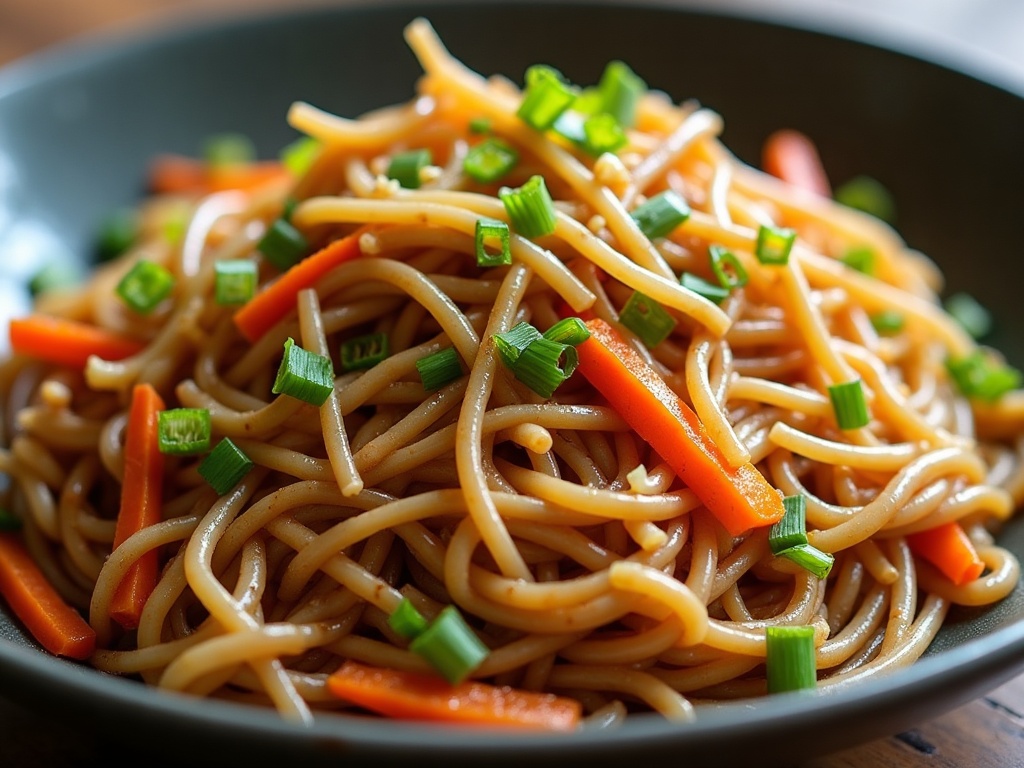
Lo Mein
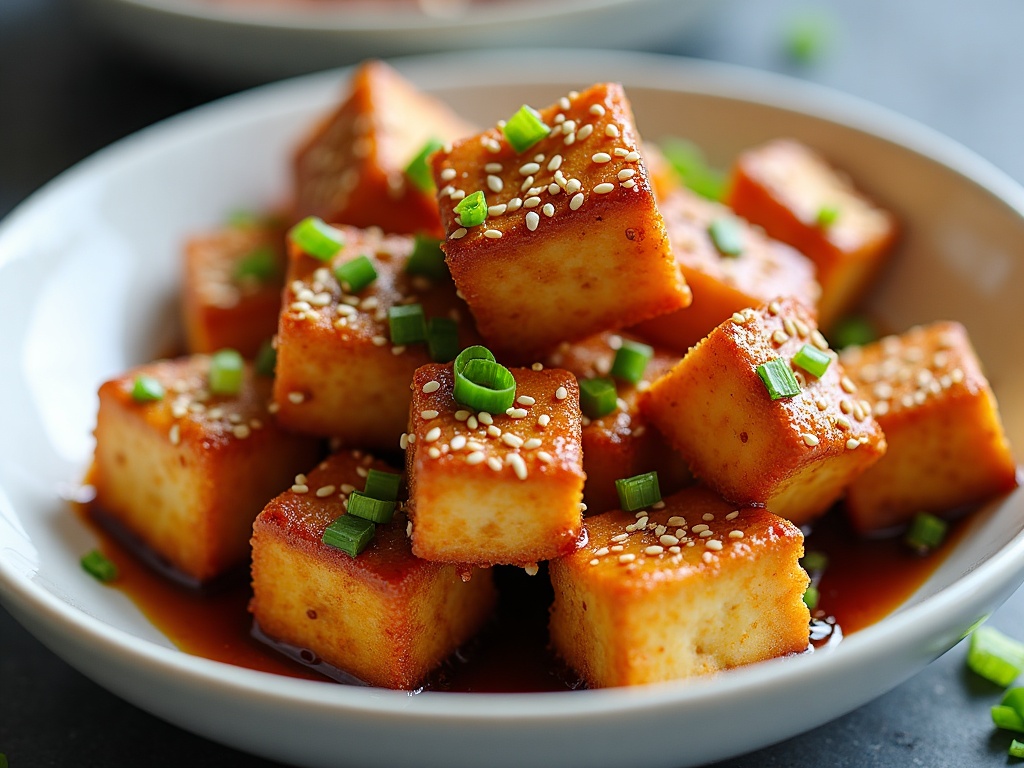
Air Fryer Tofu
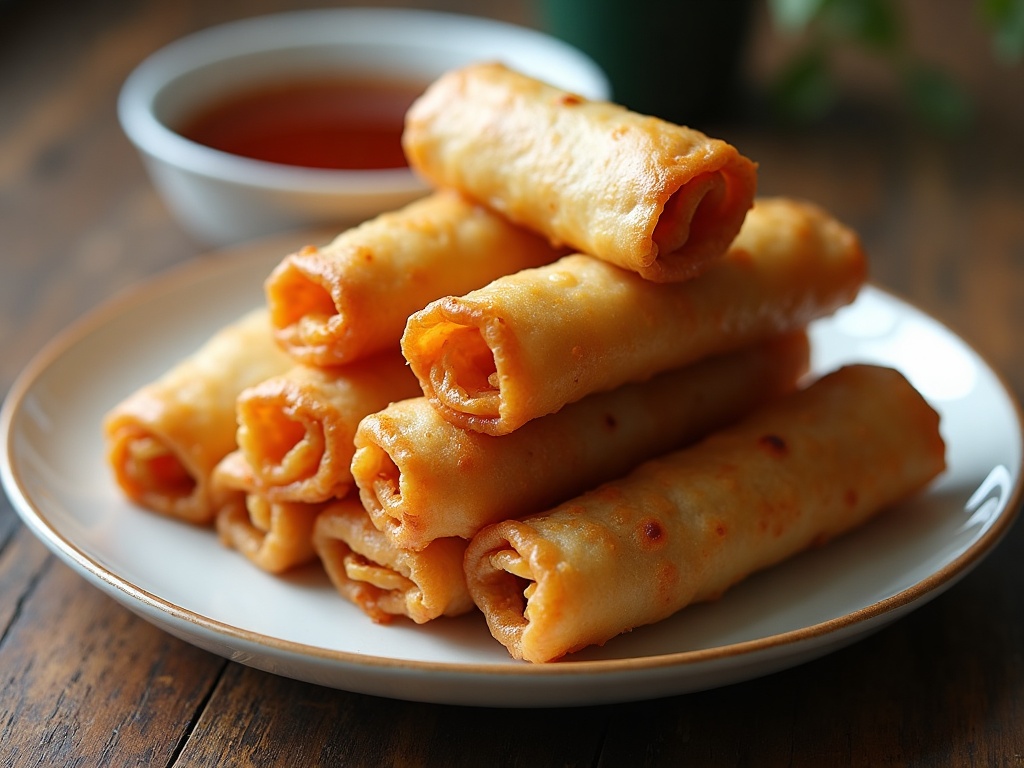
Spring Rolls
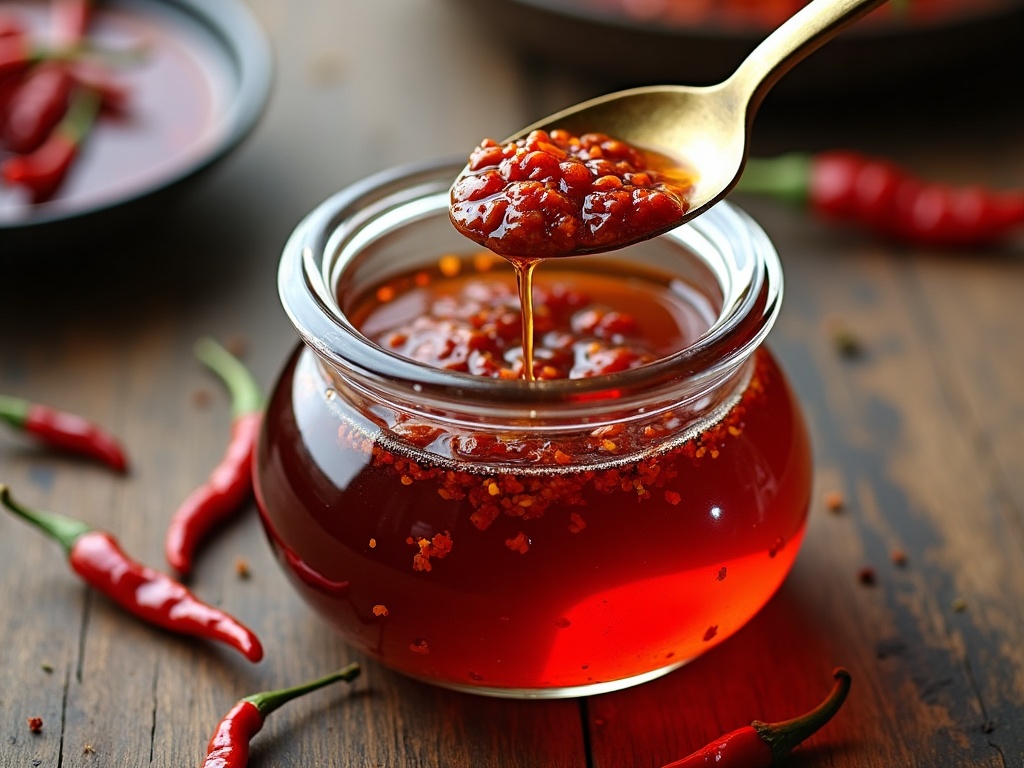
Chinese Chili Oil
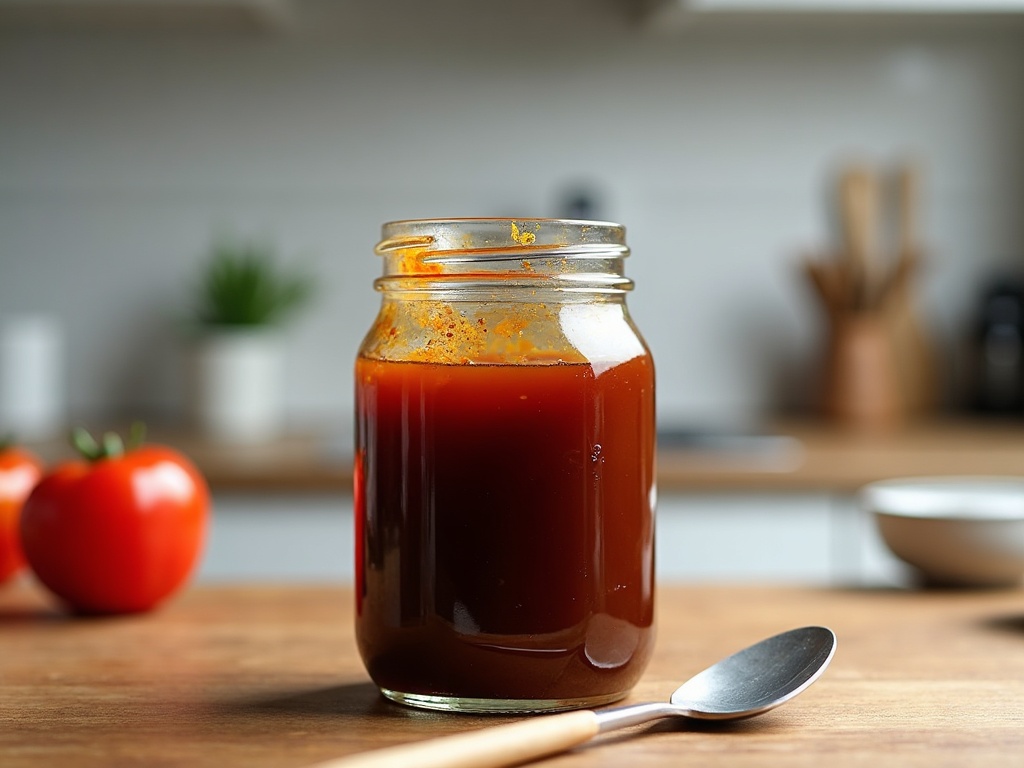
Chinese Stir Fry Sauce
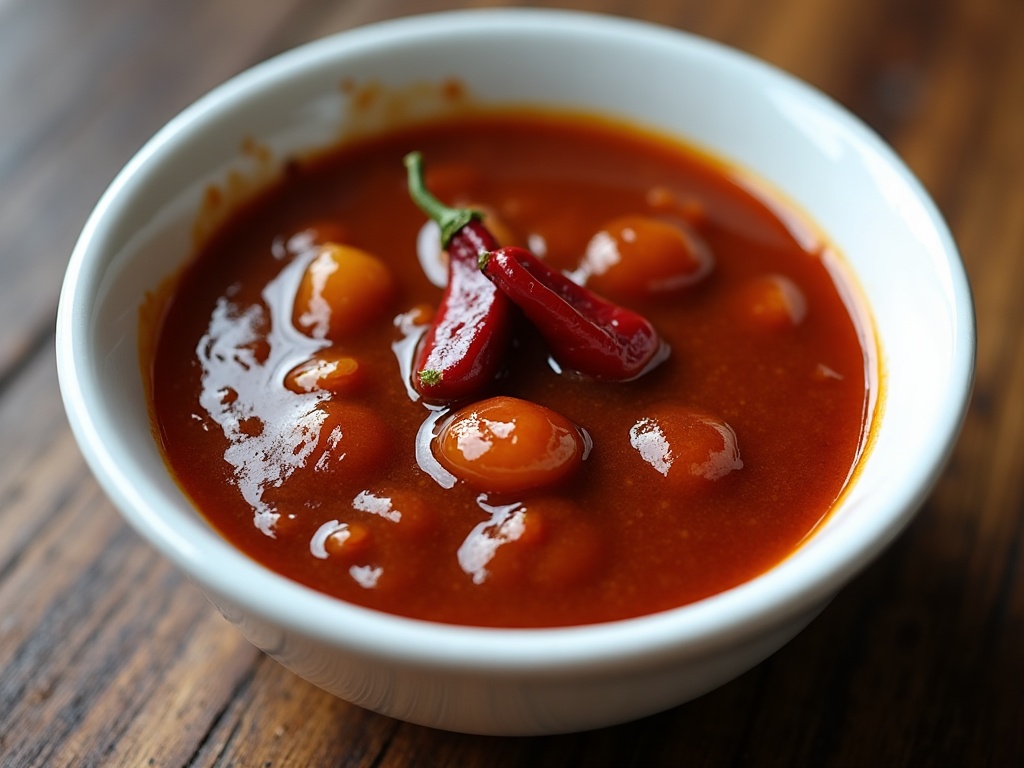
General Tso's Sauce
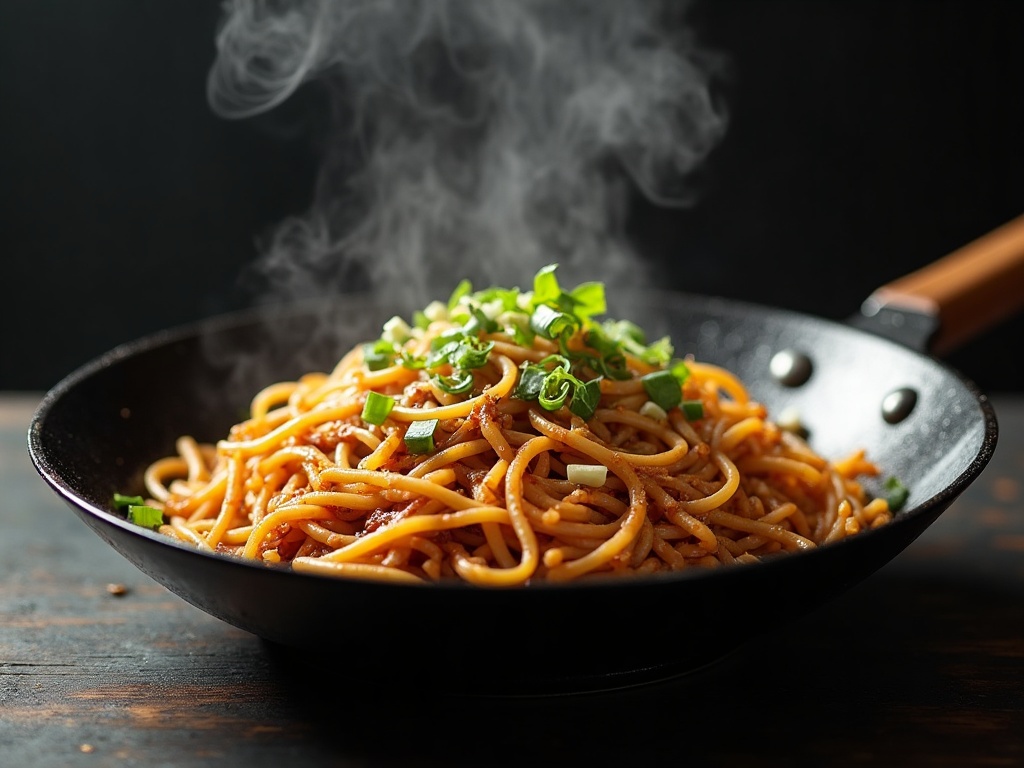
Soy Sauce Chow Mein
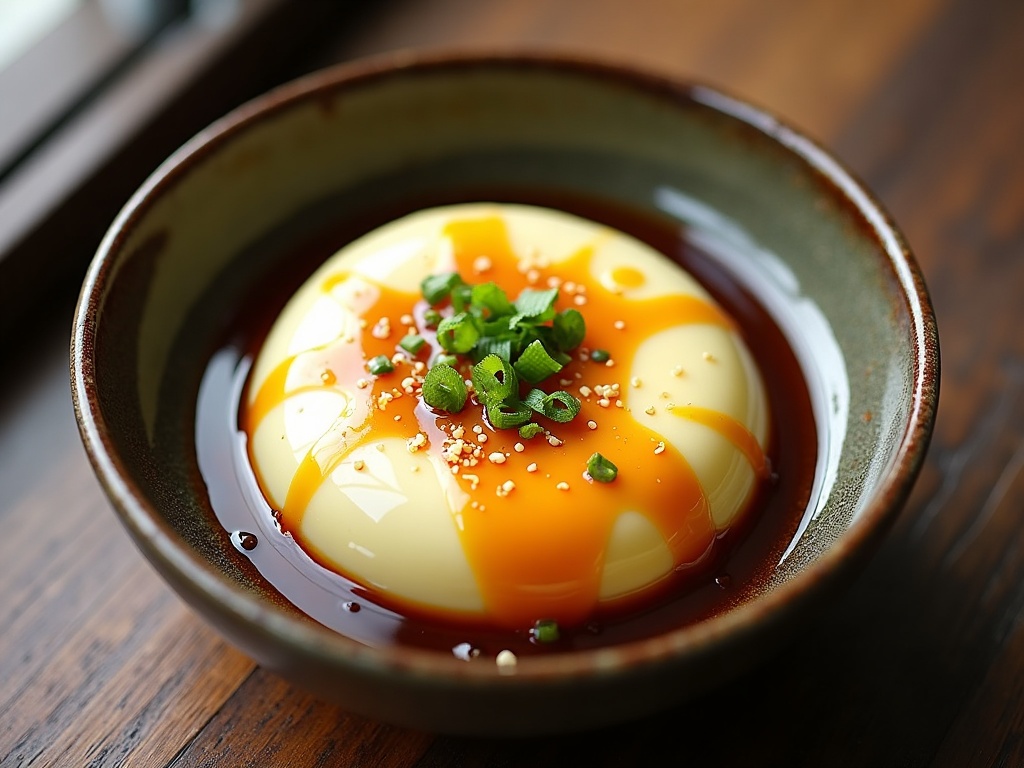
Cantonese Steamed Egg
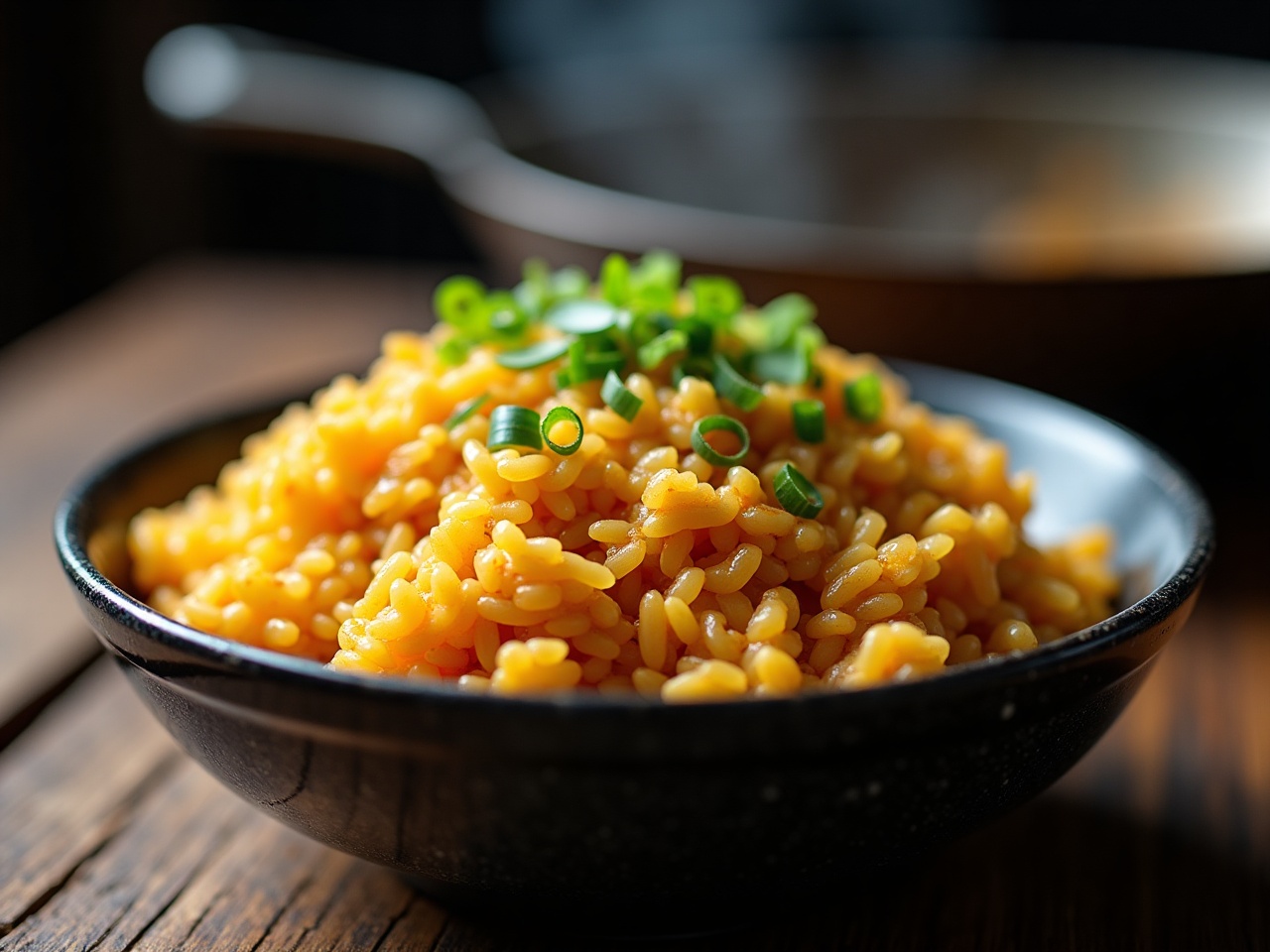
Egg Fried Rice
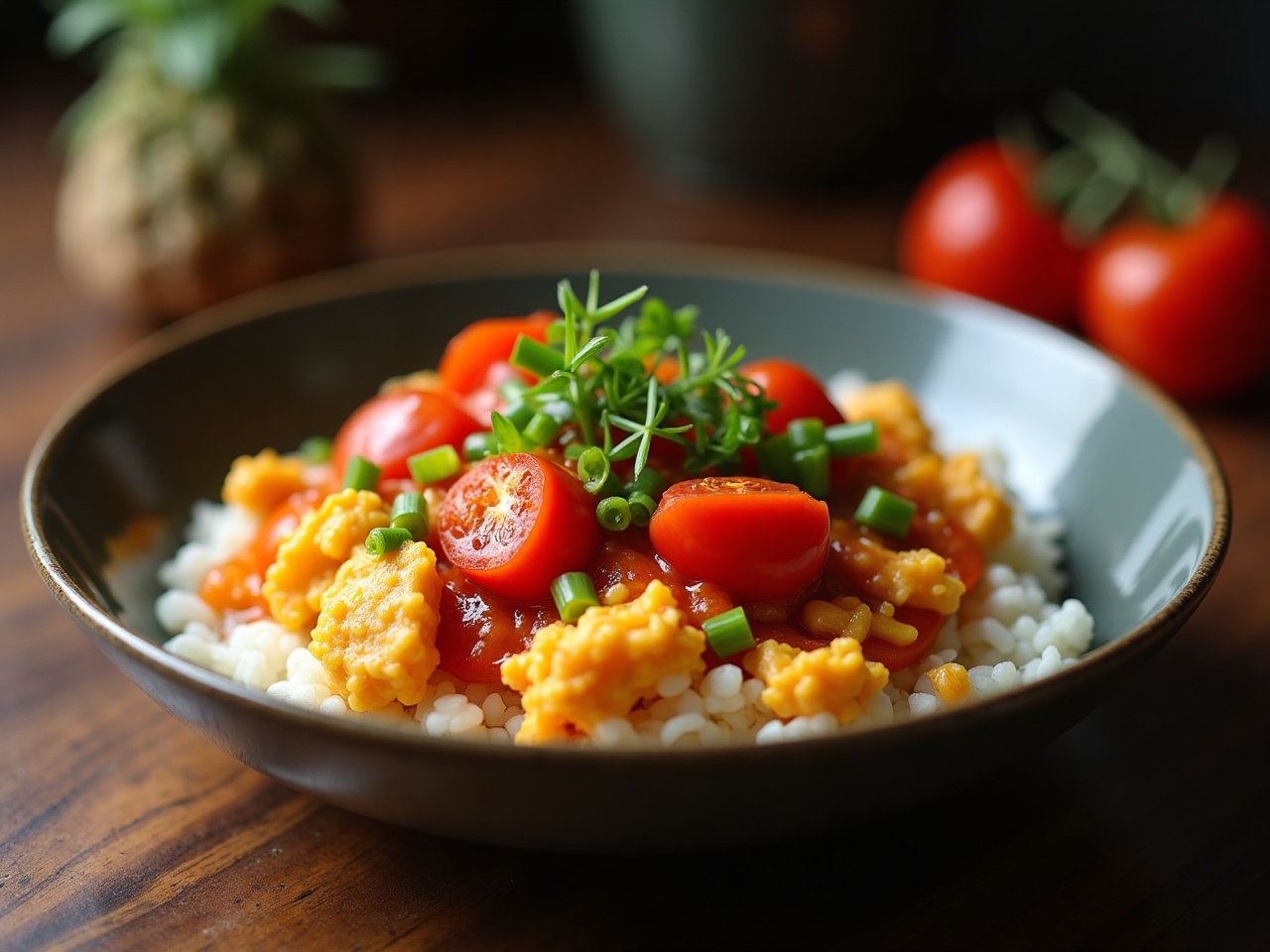
Chinese Tomato and Egg Stir-Fry
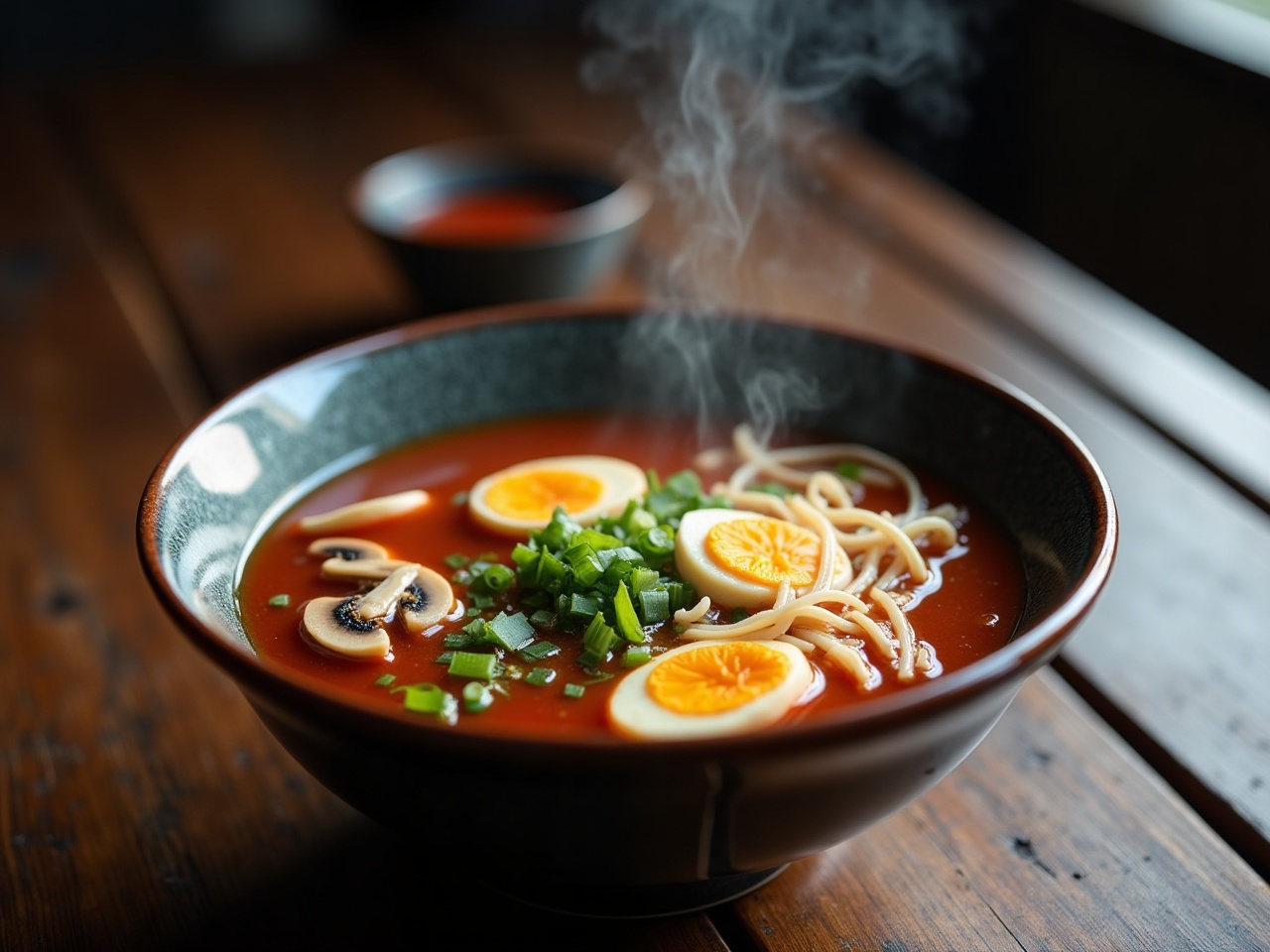
Hot and Sour Soup
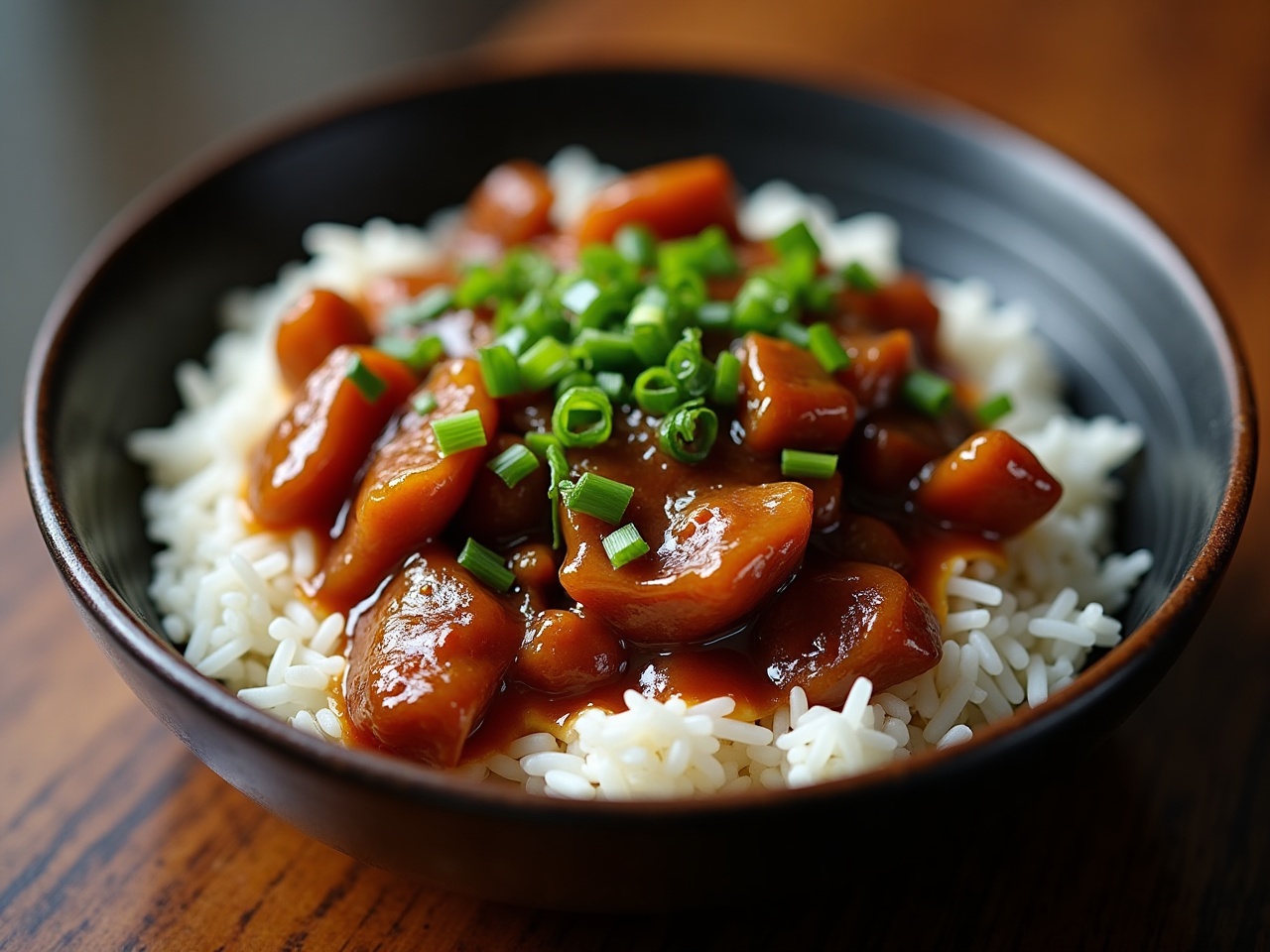
Chinese Eggplant with Garlic Sauce
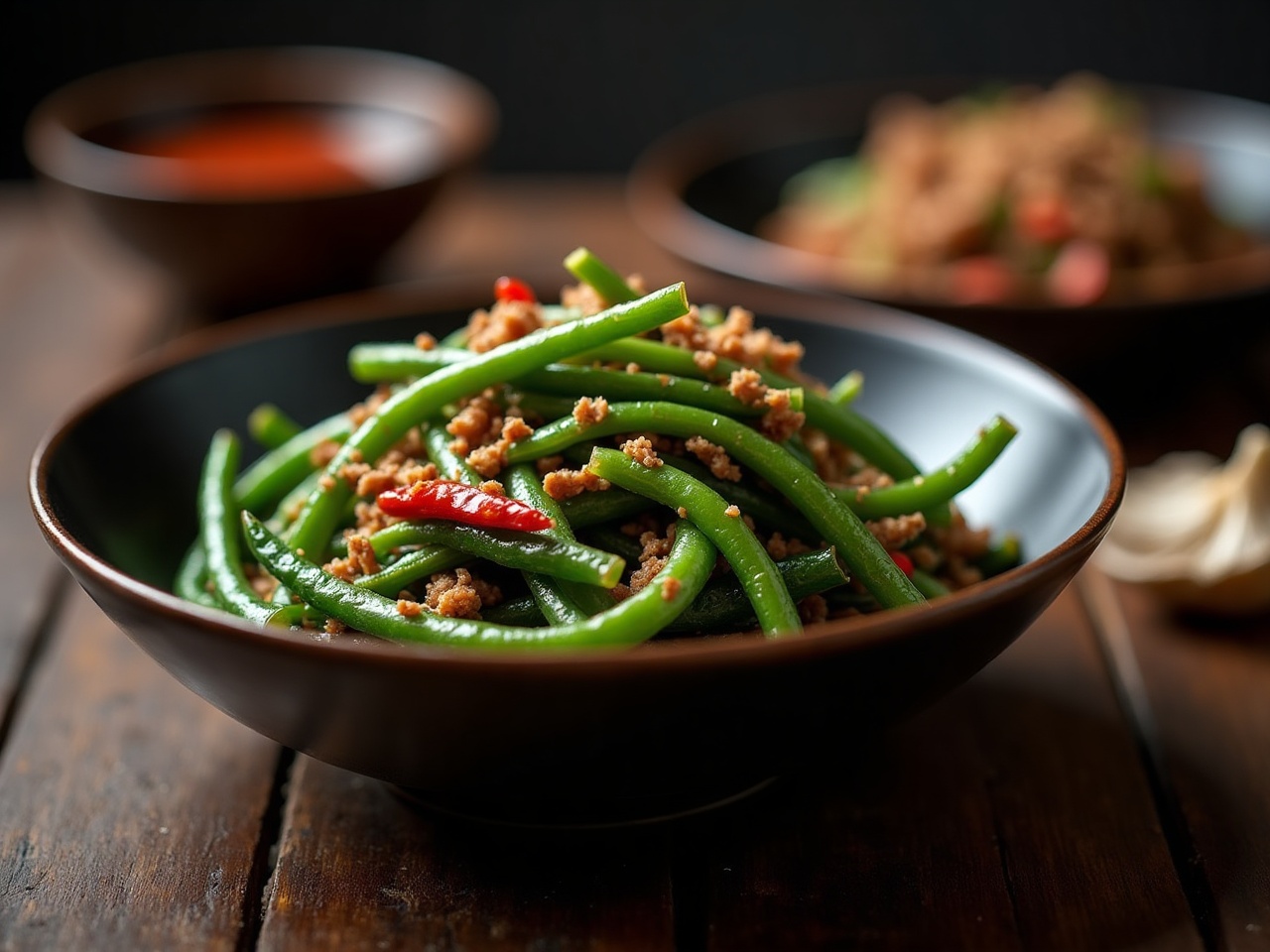
Sichuan Dry-Fried Green Beans
Frequently asked questions
What Chinese dishes are vegetarian?
A lot more than the menu suggests, though you often have to ask. Naturally meat-free classics include mapo tofu (made with mushrooms instead of pork), eggplant in garlic sauce, dry-fried or blistered green beans, hot and sour soup, Buddha's Delight, scallion oil noodles, tomato and egg stir-fry, and most tofu dishes. Takeout favorites like General Tso's, kung pao and orange 'chicken' are excellent with crispy tofu instead. The catch is that many of these are cooked with oyster sauce or chicken stock in restaurants, so a dish being vegetable-based doesn't automatically make it vegetarian.
How do I order vegetarian at a Chinese restaurant?
Ask two specific questions rather than saying 'I'm vegetarian': does it have oyster sauce, and is it cooked in chicken stock? Those two catch nearly everything. Most kitchens will happily swap in vegetable stock and leave out the oyster sauce if you ask when you order. Beyond that, look at the tofu and vegetable sections, ask whether the fried rice or lo mein can be made without egg and meat, and be aware that 'vegetable spring rolls' and 'vegetable dumplings' are usually genuinely vegetarian. Hot and sour soup is a coin flip — it frequently contains pork slivers and chicken stock.
What can I use instead of oyster sauce?
Mushroom-based vegetarian 'oyster' sauce is a straight 1:1 replacement and is sold in most Asian markets and online — it's made to do exactly this job and tastes remarkably close. If you don't have it, mix light soy sauce with a small amount of sugar and a splash of the soaking liquid from dried shiitake; you'll get the savory-sweet backbone, though not quite the same viscosity. Hoisin thinned with soy works in a pinch but is noticeably sweeter, so cut back on any other sugar in the recipe.
How do you make vegetarian Chinese food taste rich instead of flat?
Build umami deliberately and brown things properly. The single highest-impact move is using dried shiitake mushrooms and their soaking liquid — that dark water carries more savory depth than most stocks. Layer in one or two of: fermented tofu (furu), doubanjiang, fermented black beans, or a mushroom 'oyster' sauce. Then get real color on your tofu and mushrooms before any sauce touches them; browning is flavor, and pale tofu simmered in sauce is the main reason meat-free stir-fries taste thin. Finally, don't under-salt — vegetables need more seasoning than meat to taste finished.
Is Chinese vegetarian food healthy?
It can be genuinely good, but it depends entirely on the cooking method rather than on being meat-free. Steamed, blanched and lightly stir-fried vegetable dishes with tofu are excellent — lots of vegetables, moderate oil, plenty of plant protein. Battered and deep-fried tofu in a sweet glaze (General Tso's-style) is a treat, not a health food, whether or not it contains meat. The two things to watch across the board are sodium, since soy sauce and most fermented pastes are salty, and oil, since restaurant stir-frying uses far more than home cooking. Cooking it yourself gives you control of both.
What's the difference between Chinese vegetarian and Buddhist vegetarian food?
Buddhist vegetarian cooking (斋菜, zhāicài) is stricter. Besides excluding all animal products, its traditional form leaves out the 'five pungent' vegetables — garlic, onion, chives, leek and asafoetida — which are believed to stir up the mind and are avoided in temple cooking. That's why classic Buddha's Delight builds flavor from mushrooms, wood ear, bean curd sticks, fermented bean curd and ginger rather than the garlic-and-scallion base most Chinese home cooking starts with. Everyday Chinese vegetarian food has no such restriction and is usually very garlicky.
Get our free Chinese Kitchen Starter Guide
The 12 pantry staples, the 5 techniques, and a week of beginner-friendly dinners — plus a new decoded recipe each week.