Chinese Food Menu: Popular Dishes, Explained
By The Chowmi Test Kitchen · Updated September 11, 2026
A typical Chinese (especially American-Chinese takeout) menu is organized into a few predictable sections: appetizers (spring rolls, egg rolls, crab rangoon, dumplings), soups (hot and sour, egg drop, wonton), and then mains grouped by protein — chicken, beef, pork, seafood, plus tofu and vegetable dishes — followed by rice and noodle dishes. The names tell you a lot once you know the code: "kung pao" means a Sichuan-style stir-fry with peanuts and dried chilies; "lo mein" is soft tossed noodles while "chow mein" is stir-fried (often crispier); "General Tso's," "orange," and "sesame" chicken are all crispy-fried in a sweet glaze, varying mainly by sauce; "Szechuan" or "Hunan" in a dish name signals spice. This guide walks through each section and explains the most popular dishes — what's in them, how spicy they are, and what to order — with a tested recipe for nearly every one so you can make your favorites at home.
Appetizers & soups
The start of almost every Chinese menu. Appetizers are mostly fried and crispy or steamed dumplings; soups are light and brothy. These are easy to make at home and great for sharing.
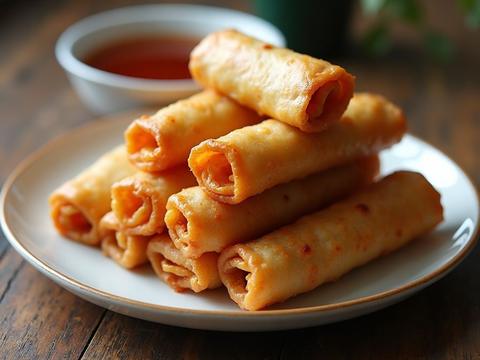 Spring Rolls春卷 · chūnjuǎnThin, blistered, shatter-crisp wrapper
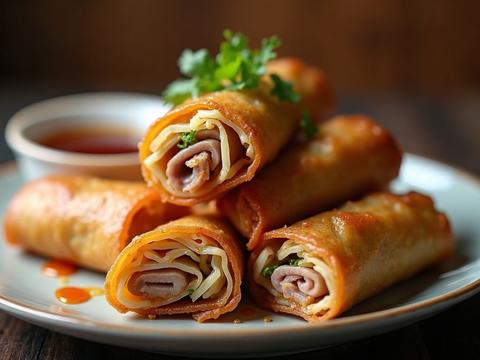 Egg RollsThicker, bubbly wrapper; the American one
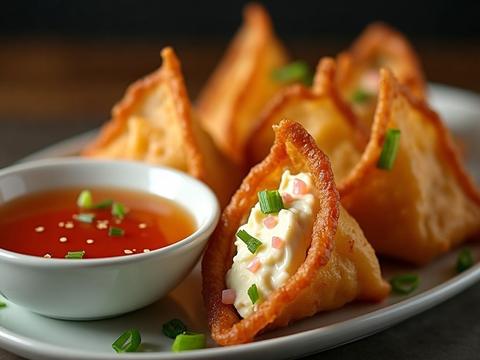 Crab RangoonCream cheese and crab in a fried wonton
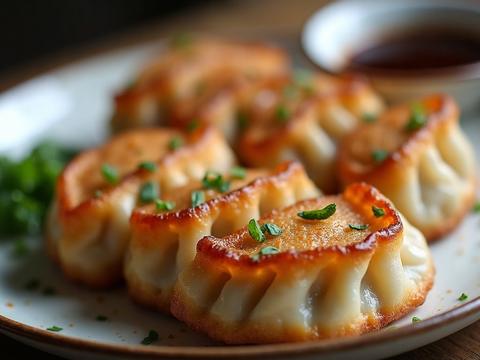 Potstickers (Chinese Pork Dumplings)锅贴 · guōtiēPan-fried, crisp on the bottom
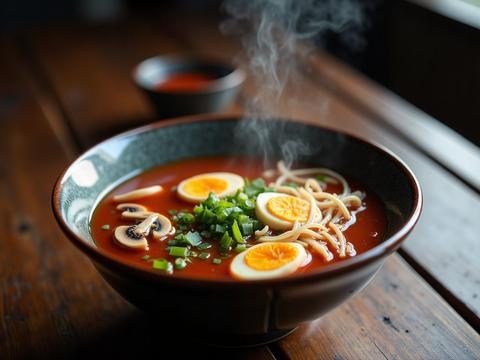 Hot and Sour Soup酸辣汤 · suānlà tāngPeppery, tangy, silky with egg
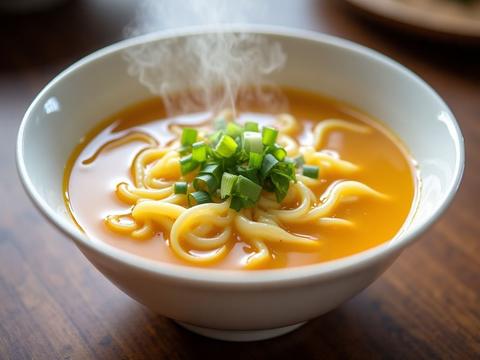 Egg Drop Soup蛋花汤 · dànhuā tāngEgg ribbons in a light broth
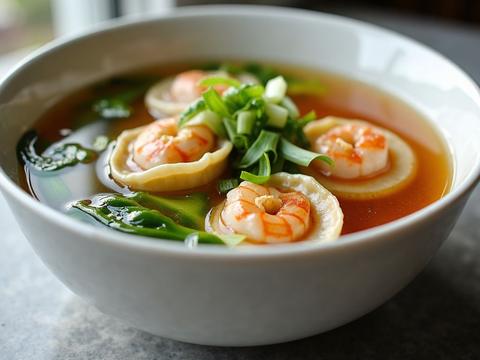 Wonton Soup云吞汤 · yúntūn tāngSilky wontons in a clear broth
Chicken dishes
The biggest section on most takeout menus. The crispy-fried, sweet-glazed dishes (General Tso's, orange, sesame) are American-Chinese classics that differ mainly by sauce; kung pao and cashew chicken are stir-fries with more savory depth. Here's what each one is.
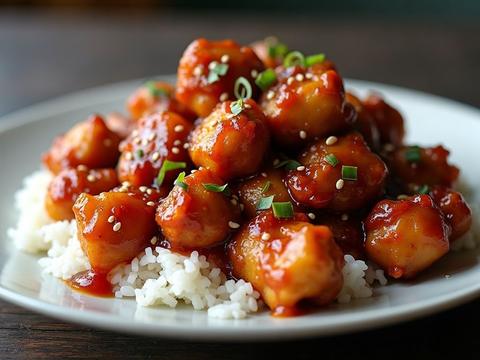 General Tso's Chicken左宗棠鸡 · zuǒ zōngtáng jīSweet, savory, a little spicy
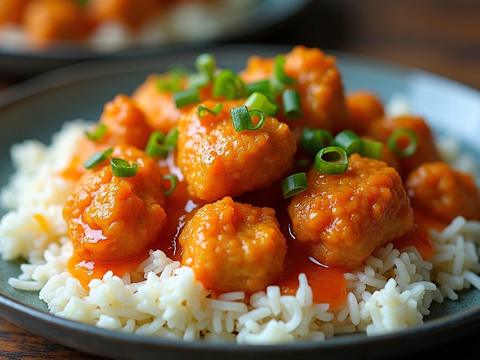 Orange ChickenBright and citrusy
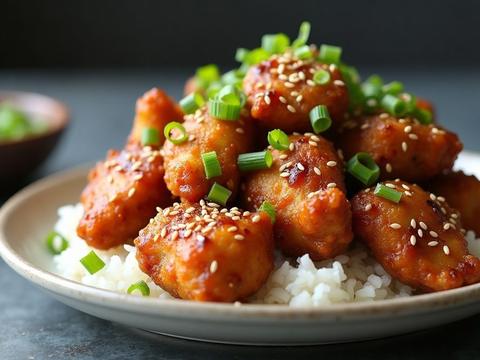 Sesame Chicken芝麻鸡 · zhīma jīSweeter and nutty
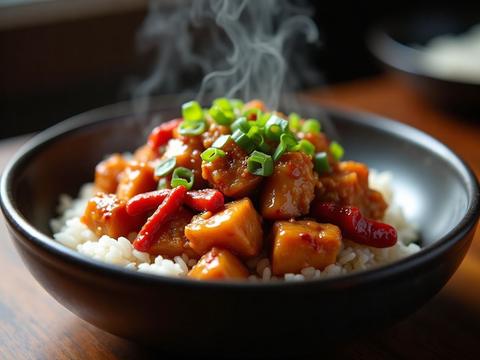 Kung Pao Chicken宫保鸡丁 · gōngbǎo jīdīngPeanuts, dried chilies, málà
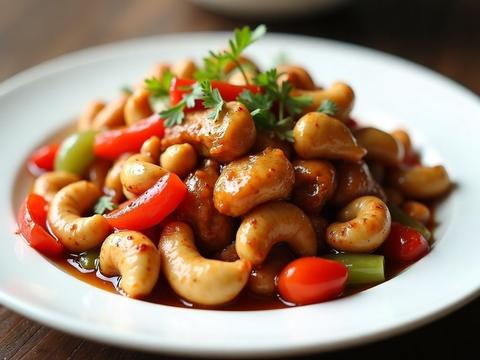 Cashew Chicken腰果鸡丁 · yāoguǒ jīdīngMild and savory
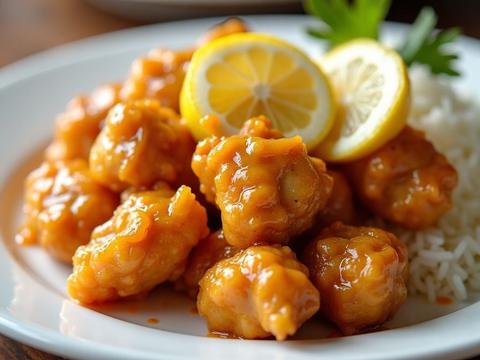 Chinese Lemon Chicken柠檬鸡 · níngméng jīTart, glossy lemon glaze
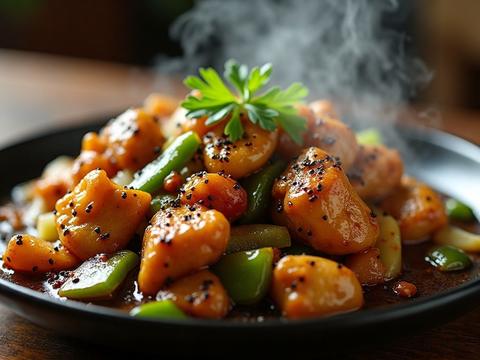 Black Pepper Chicken黑椒鸡 · hēijiāo jīPeppery, no breading
Beef & pork dishes
Beef dishes lean savory and saucy; pork ranges from sweet-and-sour to glazed barbecue. These are the hearty mains, usually served over rice.
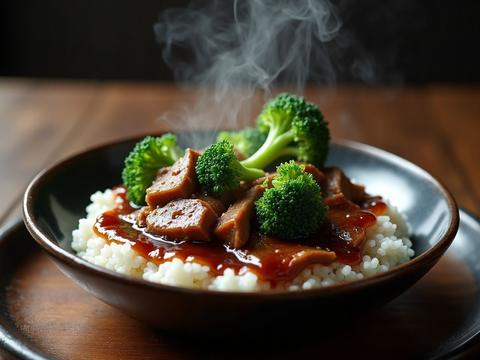 Beef and Broccoli芥兰牛肉 · jièlán niúròuThe classic, adapted from beef with gai lan
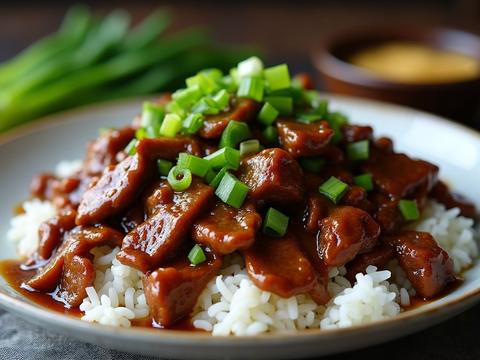 Mongolian BeefSweet-savory, lots of scallion
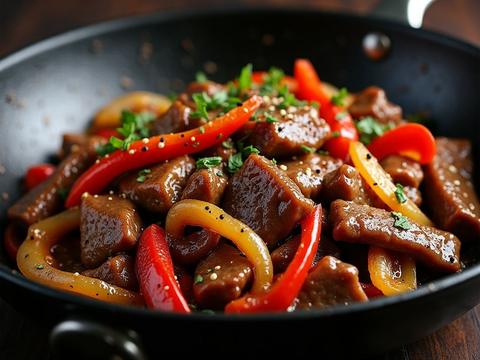 Black Pepper Beef黑椒牛柳 · hēijiāo niúliǔPeppery, tender strips
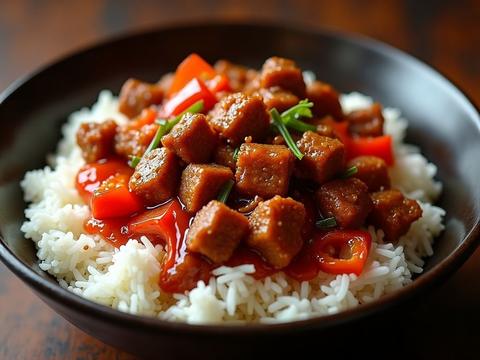 Beijing BeefCrispy, sweet-tangy
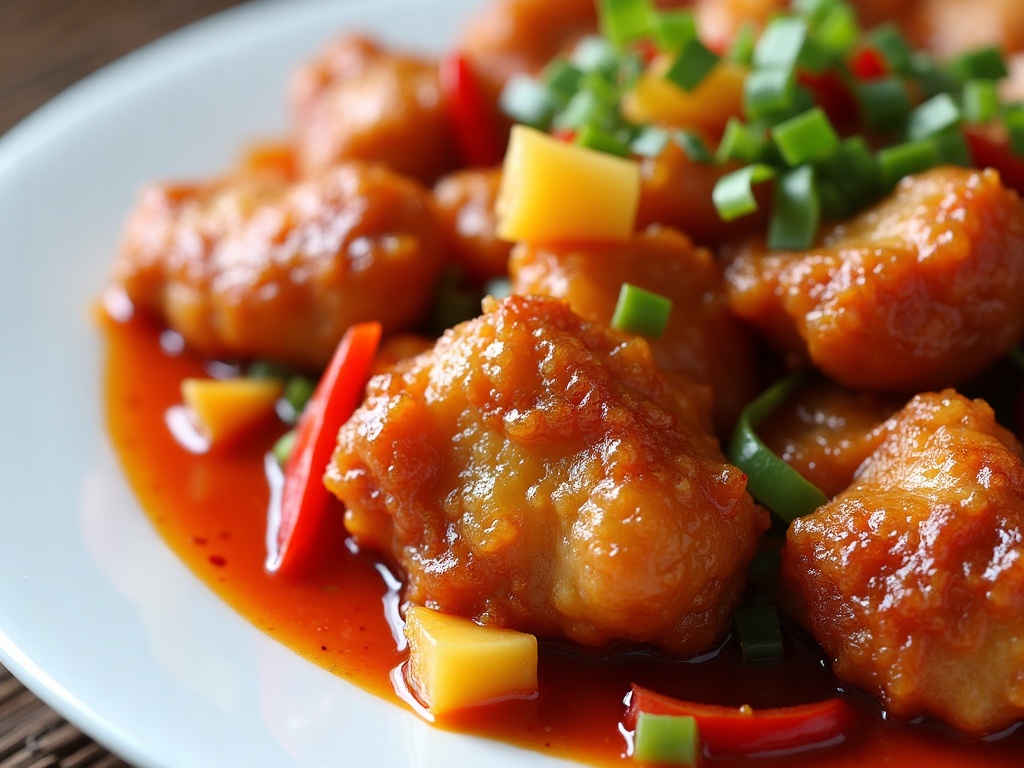
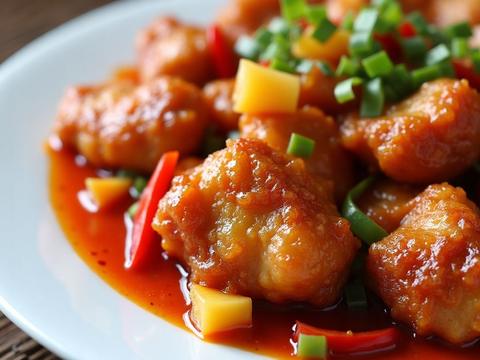 Sweet and Sour Pork咕噜肉 · gūlū ròuCrispy pork, pineapple, peppers
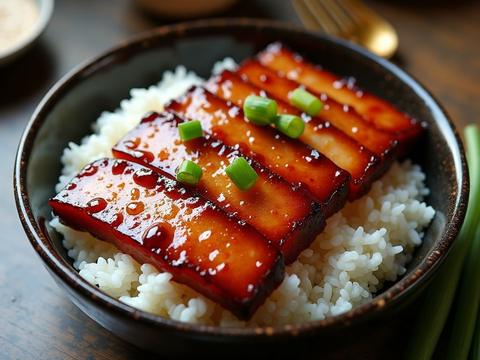 Char Siu (Chinese BBQ Pork)叉烧 · chāshāoChinese BBQ pork, honey-glazed
Seafood, tofu & vegetables
Shrimp dishes are popular menu splurges; tofu and vegetable dishes are the lighter, often vegetarian options. Plenty here is naturally meat-free or easily made so.
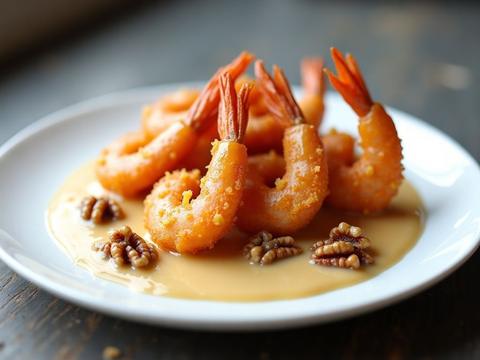 Honey Walnut Shrimp核桃虾 · hétao xiāCreamy sauce, candied walnuts
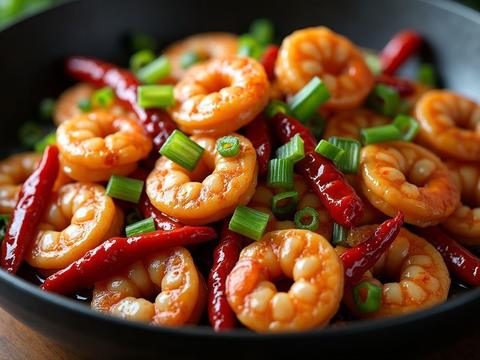 Kung Pao Shrimp宫保虾球 · gōngbǎo xiāqiúKung pao, made with shrimp
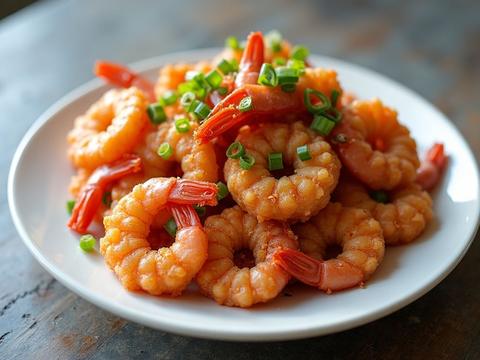 Salt and Pepper Shrimp椒盐虾 · jiāoyán xiāDry-fried, garlicky, crunchy
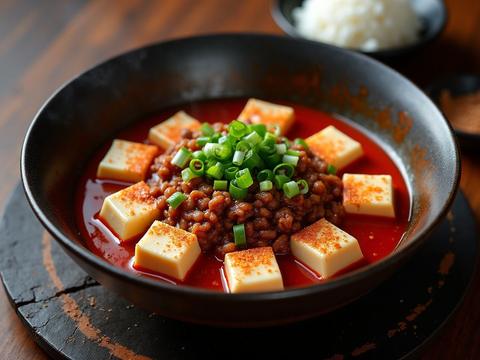 Mapo Tofu麻婆豆腐 · mápó dòufuSilky tofu, numbing-spicy sauce
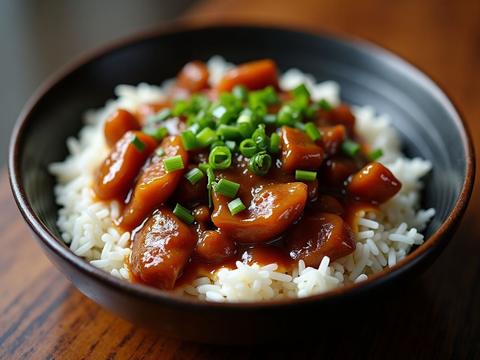 Chinese Eggplant with Garlic Sauce鱼香茄子 · yúxiāng qiéziSilky eggplant, garlicky sauce
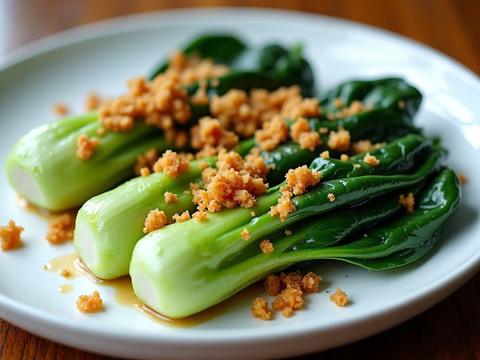 Garlic Bok Choy蒜蓉小白菜 · suànróng xiǎobáicàiThe easy green side
Rice & noodles
The carbs that anchor the meal. Fried rice and lo mein are the takeout staples; knowing the noodle types helps you order exactly what you want.
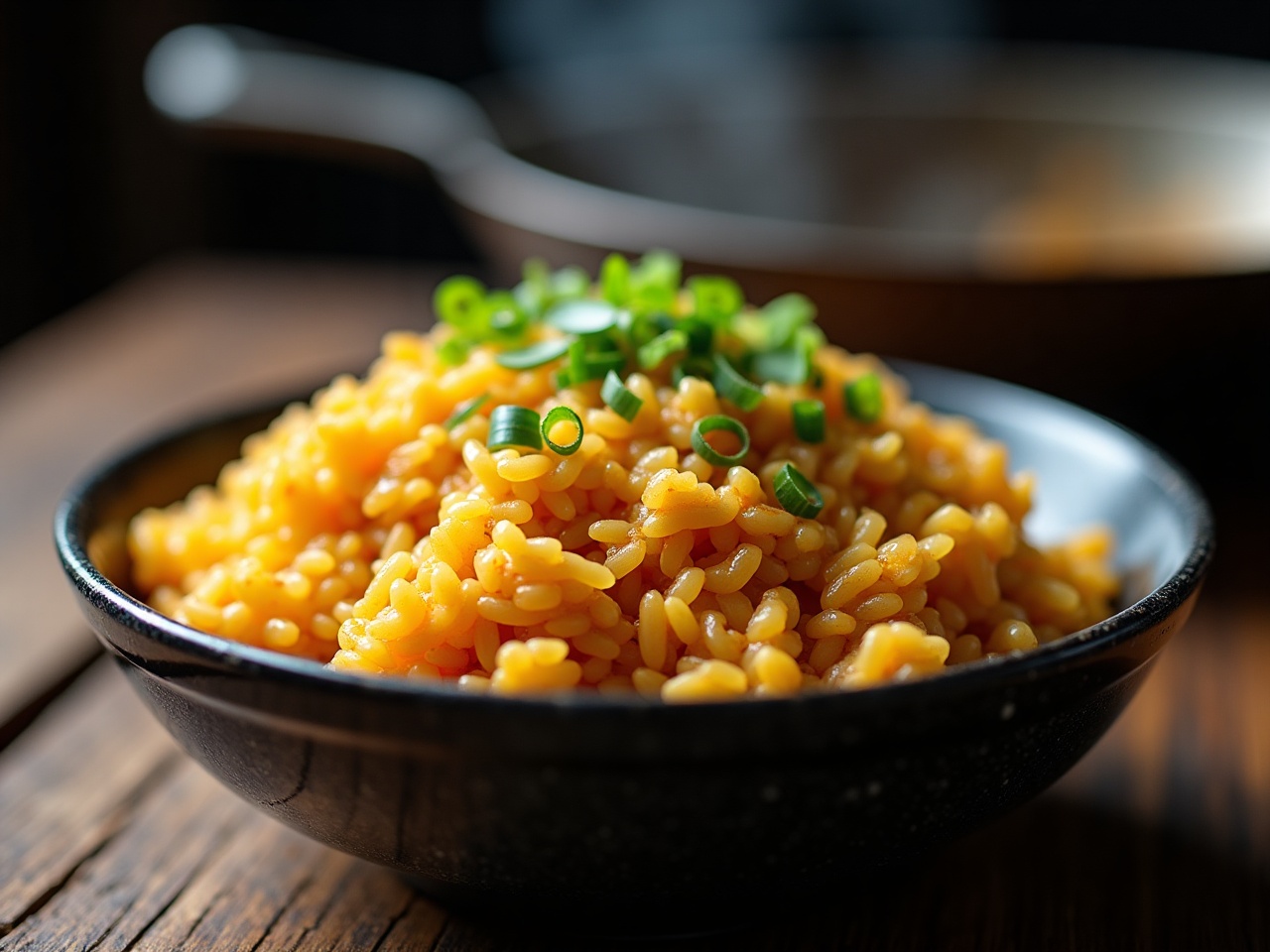
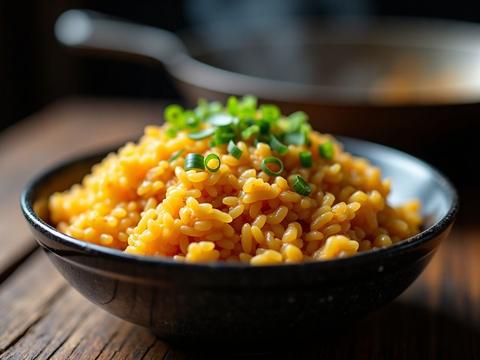 Egg Fried Rice蛋炒饭 · dàn chǎofànThe everyday one
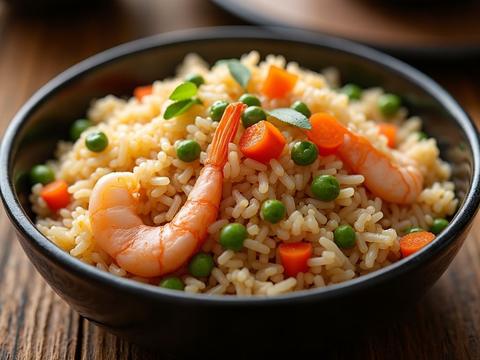 Yangzhou Fried Rice扬州炒饭 · yángzhōu chǎofànThe 'house special', loaded
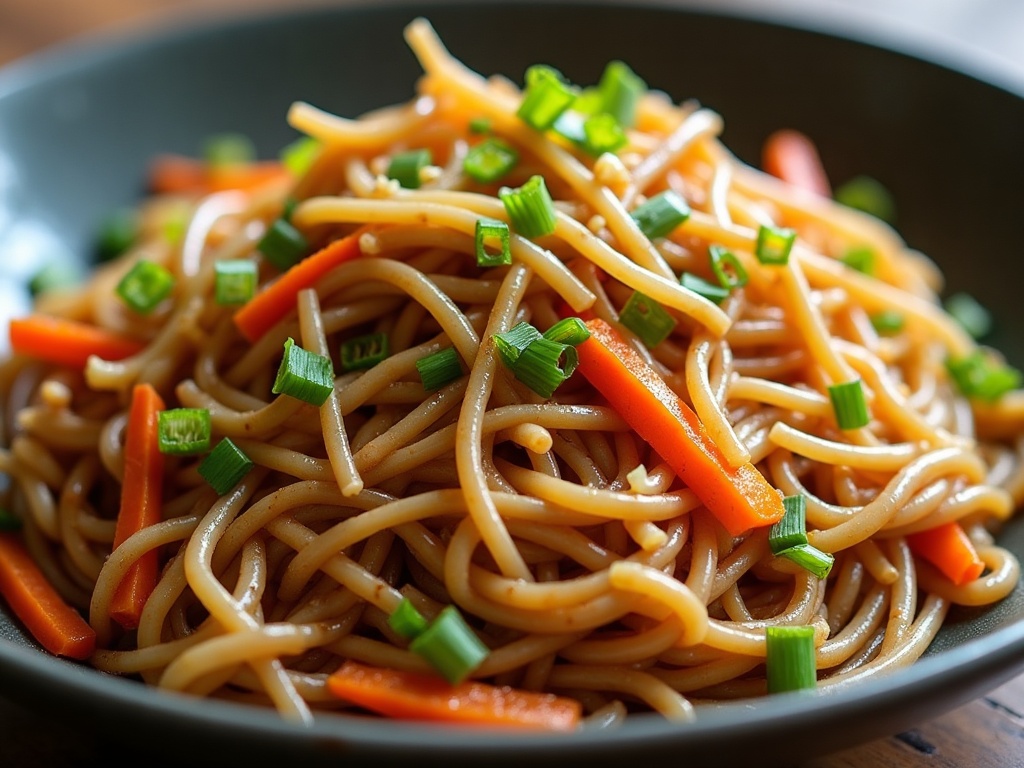
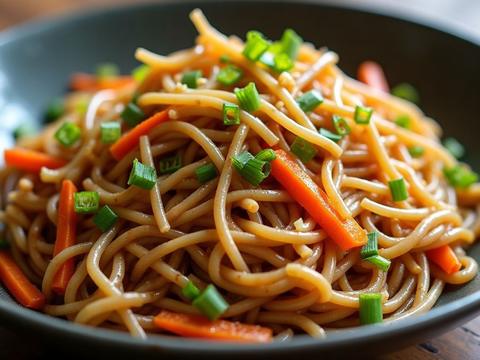 Lo Mein捞面 · lāomiànSoft noodles tossed in sauce
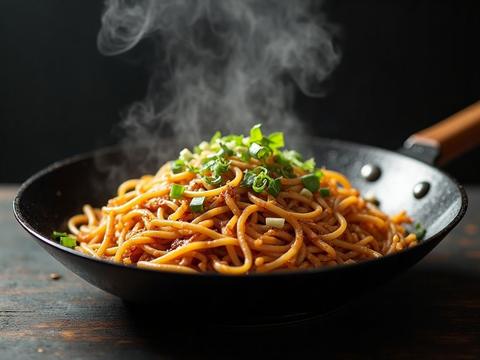 Soy Sauce Chow Mein豉油皇炒面 · chǐyóuhuáng chǎomiànPan-fried, springy, soy-glazed
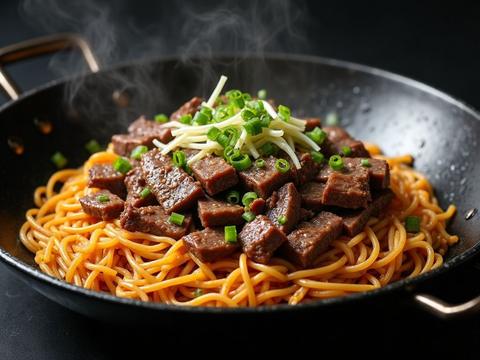 Beef Chow Fun干炒牛河 · gānchǎo niúhéWide rice noodles, smoky wok hei
Decoding the menu: what the names mean
Once you know the code, a Chinese menu is easy to read. "Kung pao" = Sichuan stir-fry with peanuts and dried chilies. "Lo mein" = soft tossed noodles; "chow mein" = stir-fried (drier/crispier). "General Tso's / orange / sesame" chicken = crispy-fried in a sweet glaze, differing by sauce. "Szechuan" or "Hunan" in a name signals spice; "with garlic sauce" means a savory-spicy brown sauce; "moo shu" comes with pancakes. When in doubt, our explainer guides break down the most-asked menu questions.
Reading the Chinese side of the menu
If your menu has Chinese characters next to the English — or a whole second page that's only in Chinese — it's worth ten minutes to learn how the names are built, because they're not proper nouns. Most Chinese dish names are little descriptions, assembled from a formula: cooking method + main ingredient + how it's cut. Learn about fifteen characters and you can read a menu you've never seen before and know roughly what's coming.
Start with the cut, which is usually the last character. 丁 (dīng) means diced cubes, 丝 (sī) means fine shreds, 片 (piàn) means slices, 块 (kuài) means chunks, 球 (qiú) means balls. Then the method, usually at the front: 炒 (chǎo) stir-fried, 炸 (zhá) deep-fried, 蒸 (zhēng) steamed, 烤 (kǎo) roasted, 红烧 (hóngshāo) red-braised in soy, 干煸 (gānbiān) dry-fried, 白灼 (báizhuó) blanched. The proteins are the easy part: 鸡 chicken, 牛 beef, 肉 pork (pork is the default meat, so it's just 'meat'), 虾 shrimp, 鱼 fish, 豆腐 tofu, 菜 vegetable.
Now put it together. 宫保鸡丁 (gōngbǎo jīdīng) = Gongbao-style + chicken + diced. 鱼香肉丝 (yúxiāng ròusī) = fish-fragrant + pork + shredded. 麻婆豆腐 (mápó dòufu) = pockmarked-old-woman + tofu, which is a story rather than a formula, but most names aren't. You can now tell at a glance that 干煸四季豆 will be dry-fried green beans and 红烧牛肉 will be soy-braised beef chunks.
A few of the English names are just old transliterations, and knowing the original clears up a lot of confusion. 炒面 (chǎomiàn) literally means 'fried noodles' — that's chow mein. 捞面 (lāomiàn) means 'scooped noodles,' tossed rather than fried — lo mein. 杂碎 (zásuì) means 'assorted odds and ends' — chop suey, which tells you most of what you need to know about it. 点心 (diǎnxīn) means 'touch the heart' — dim sum. And a handful of the dishes you order most: 左宗棠鸡 General Tso's chicken, 糖醋 or 咕噜肉 sweet and sour, 木须肉 moo shu pork, 叉烧 char siu, 春卷 spring roll, 云吞 / 馄饨 wonton, 烧卖 siu mai, 虾饺 har gow, 芙蓉蛋 egg foo young, 酸辣汤 hot and sour soup, 罗汉斋 Buddha's Delight.
How to build a good order (a system, not a guess)
Faced with 150 numbered dishes, most people freeze and default to General Tso's. There's a better way, and it takes one rule: order in contrasts. One thing crispy, one thing saucy, one thing green, one thing carby. A four-dish order for two-to-four people might be dumplings to start, one battered-and-glazed dish for the crowd (General Tso's or orange chicken), one savory stir-fry that isn't breaded (beef and broccoli, or kung pao if you want heat), a plain green vegetable to cut the richness (garlic green beans, bok choy), and a rice or noodle to catch the sauce. That spread keeps every bite from tasting the same — which is exactly what goes wrong when you order three sweet fried things and hit sugar fatigue by the second box.
A few things the menu won't tell you. Portions are big: one main is a full meal for one hungry person or a share for two, so four mains genuinely feeds four with an appetizer and rice. A 'combination' or 'combo' plate is one main over rice (often with a spring roll and soup) — smaller and cheaper, the move when you're eating solo. And you can order it your way without it being weird: 'light sauce,' 'extra spicy,' 'sauce on the side,' 'brown rice,' 'no MSG,' 'make it vegetarian.' A decent kitchen will do all of it.
The English menu vs. the 'real' menu
The laminated menu by the register — General Tso's, crab rangoon, sweet-and-sour pork — is American-Chinese food. It's a real cuisine with its own history, invented by Chinese immigrants cooking for American tastes, and it's genuinely good at what it does. It's just not what most families in China actually eat.
Here's the part worth knowing: a lot of Chinese restaurants quietly run a second menu next to it. A specials board on the wall, sometimes only in Chinese. A stapled photocopy. A section you have to ask for. That's where the regional home cooking lives — mapo tofu with real numbing peppercorn, fish-fragrant pork, whole steamed fish, dry-fried green beans, hand-pulled noodles, clay pots. If you want to get past the greatest hits, three things work: ask 'what do you cook for yourself?', scan the walls for handwritten specials, or search the restaurant's name plus whatever region it advertises (Sichuan, Cantonese, Hunan, Northern). Neither menu is the 'correct' one — orange chicken is a great dish. But knowing both exist is the line between ordering the same six things forever and actually eating your way through the menu.
Chinese Food Menu: Popular Dishes, Explained FAQ
What are the most popular Chinese takeout dishes?
The most-ordered American-Chinese dishes include General Tso's chicken, orange chicken, sesame chicken, beef and broccoli, lo mein, fried rice, kung pao chicken, sweet and sour pork, and dumplings or egg rolls to start. Crispy-fried, sweet-glazed chicken dishes are usually the menu's biggest sellers.
What's the difference between General Tso's, orange, and sesame chicken?
All three are crispy battered chicken in a sweet, glossy sauce — they differ mainly by the sauce. General Tso's is sweet-savory with chili heat; orange chicken is bright and citrusy from orange juice and zest; sesame chicken is sweeter and nuttier with toasted sesame. If you like one, you'll likely like the others.
What does 'kung pao' mean on a menu?
Kung pao (or gong bao) is a Sichuan-style stir-fry with diced protein, peanuts, dried red chilies, and Sichuan peppercorns, in a savory, lightly sweet, tangy sauce. It has a numbing-spicy 'málà' character that sets it apart from the sweeter fried dishes. You'll see kung pao chicken and kung pao shrimp most often.
What should I order at a Chinese restaurant?
For a balanced meal, pick one appetizer (dumplings or spring rolls), a soup (hot and sour or egg drop), a crispy chicken or beef dish, a lighter vegetable or tofu dish, and a rice or noodle to share. If you want it lighter, choose steamed dishes and non-battered stir-fries; if you want spice, look for 'Szechuan,' 'Hunan,' or 'kung pao.'
Which Chinese menu dishes are vegetarian?
Tofu and vegetable dishes like mapo tofu (ask for the meat-free version), eggplant in garlic sauce, garlic bok choy, and vegetable fried rice or lo mein are the usual vegetarian options. Watch for oyster sauce and chicken stock, which aren't vegetarian — many dishes can be made meat-free with a simple swap.
What's actually on a typical Chinese takeout menu?
Almost every American-Chinese menu follows the same order, top to bottom. First appetizers — egg rolls, spring rolls, crab rangoon, dumplings, and often BBQ spare ribs. Then a short soup list: hot and sour, egg drop, wonton. The bulk of the menu is mains grouped by protein — a big chicken section (this is where General Tso's, sesame, orange, and kung pao live), then beef, pork, and shrimp, plus a smaller tofu-and-vegetable block. Near the bottom sit the rice and noodle dishes (fried rice, lo mein, chow mein, chow fun) and the combination plates. Most items are numbered so you can order without pronouncing anything, and the sweet-glazed fried dishes are almost always the biggest section because they're the biggest sellers.
What's the difference between American-Chinese food and 'authentic' Chinese food?
American-Chinese is its own cuisine — dishes like General Tso's chicken, crab rangoon, chop suey, and sweet-and-sour pork were created in the US by Chinese immigrants adapting to local tastes and ingredients. It leans sweeter, heavier on frying and thick glossy sauces, and lighter on the numbing spice, funky ferments, and whole-fish, bone-in, offal cooking that's normal in China. Neither is 'better': the takeout classics are delicious, and the regional home cooking is a whole other world. Many restaurants serve both — the laminated menu is the American-Chinese one, and the specials board (sometimes only in Chinese) is where the regional dishes hide.
Can I just order by number, and what do the numbers mean?
Yes — the numbers (C1, L5, 42, and so on) exist precisely so you can order without wrestling with a dish name, and staff use them to fire orders to the kitchen fast. The letters usually flag a section: 'L' or 'Lunch' for the cheaper lunch specials (often a main plus rice and a spring roll, served until mid-afternoon), 'C' for combination plates, sometimes 'H' or a chili icon for the spicy dishes. Beyond that the numbers are just shelf positions, not a ranking, so #1 isn't 'the best' — it's just first on the list.
What are the healthiest things to order from a Chinese menu?
Steer toward steamed and stir-fried rather than battered-and-fried. Steamed dumplings beat fried egg rolls; a stir-fry like beef and broccoli, chicken with garlic sauce, or moo goo gai pan beats anything described as 'crispy' or 'sweet and sour' (those are deep-fried and sugar-glazed). Order steamed brown rice instead of fried, get a plain green vegetable in garlic sauce, and ask for the sauce on the side so you control how much you use. Steamed whole fish and hot-and-sour soup are other lighter picks. The sodium is the harder part to dodge — 'light sauce' and 'no MSG' help, but Chinese takeout is generally salty by design.
How spicy is Chinese food, and how do I order it milder or hotter?
Most American-Chinese takeout is barely spicy by default — the big sellers (General Tso's, sesame, lo mein, beef and broccoli) are sweet-savory, not hot. Heat lives in the dishes labeled 'Szechuan/Sichuan,' 'Hunan,' 'kung pao,' 'mala,' or marked with a chili symbol, and those range from a gentle warmth to genuinely fiery. To dial it up, just say 'extra spicy' or 'make it Sichuan-hot' when you order; to dial it down, ask for 'mild' or 'light on the chili.' Kitchens adjust heat constantly and won't blink — it's the single easiest customization to ask for.
What are the Chinese names for common takeout dishes?
Here are the ones you're most likely to order: General Tso's chicken is 左宗棠鸡 (zuǒ zōngtáng jī), kung pao chicken is 宫保鸡丁 (gōngbǎo jīdīng), mapo tofu is 麻婆豆腐 (mápó dòufu), sweet and sour pork is 糖醋里脊 (tángcù lǐjǐ) or Cantonese 咕噜肉 (gūlū ròu), moo shu pork is 木须肉 (mùxū ròu), char siu is 叉烧 (chāshāo), egg foo young is 芙蓉蛋 (fúróng dàn), and Buddha's Delight is 罗汉斋 (luóhàn zhāi). On the noodle and rice side: chow mein is 炒面 (chǎomiàn, literally 'fried noodles'), lo mein is 捞面 (lāomiàn, 'scooped noodles'), fried rice is 炒饭 (chǎofàn), and chop suey is 杂碎 (zásuì, 'assorted odds and ends'). For dim sum: 点心 (diǎnxīn, 'touch the heart'), 虾饺 har gow, 烧卖 siu mai, 春卷 spring roll, 云吞 or 馄饨 wonton.
What do the Chinese characters on a menu mean?
Chinese dish names are usually descriptions rather than proper names, built as cooking method + ingredient + cut — so about fifteen characters will get you through an unfamiliar menu. The last character is often the cut: 丁 diced, 丝 shredded, 片 sliced, 块 chunks, 球 balls. The first part is usually the method: 炒 stir-fried, 炸 deep-fried, 蒸 steamed, 烤 roasted, 红烧 red-braised in soy, 干煸 dry-fried, 白灼 blanched. Proteins are straightforward: 鸡 chicken, 牛 beef, 肉 pork (the default meat, so it's just written 'meat'), 虾 shrimp, 鱼 fish, 豆腐 tofu, 菜 vegetable. Put them together and 鱼香肉丝 reads as fish-fragrant shredded pork, 红烧牛肉 as soy-braised beef chunks, and 干煸四季豆 as dry-fried green beans — before you've ever seen the dish.
Recipes to try this with
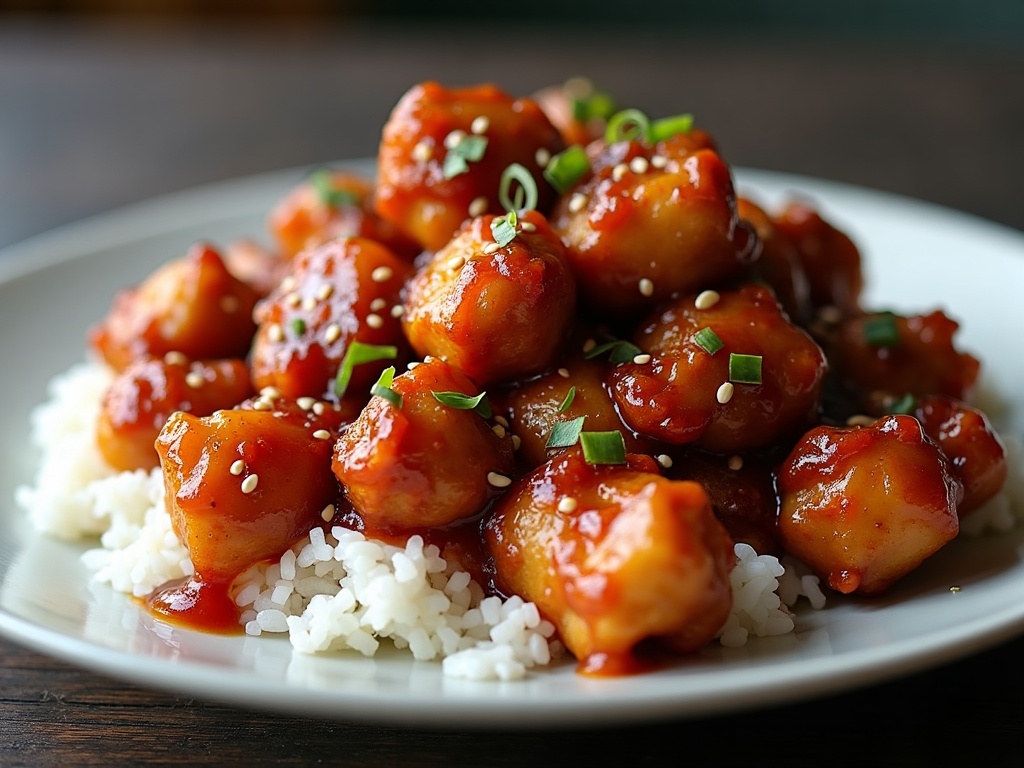
Get our free Chinese Kitchen Starter Guide
The 12 pantry staples, the 5 techniques, and a week of beginner-friendly dinners — plus a new decoded recipe each week.