Chinese Eggplant with Garlic Sauce
This post may contain affiliate links. Read our affiliate disclosure.
🧪 Developed & tested by the The Chowmi Test Kitchen for US kitchens. How we develop our recipes.
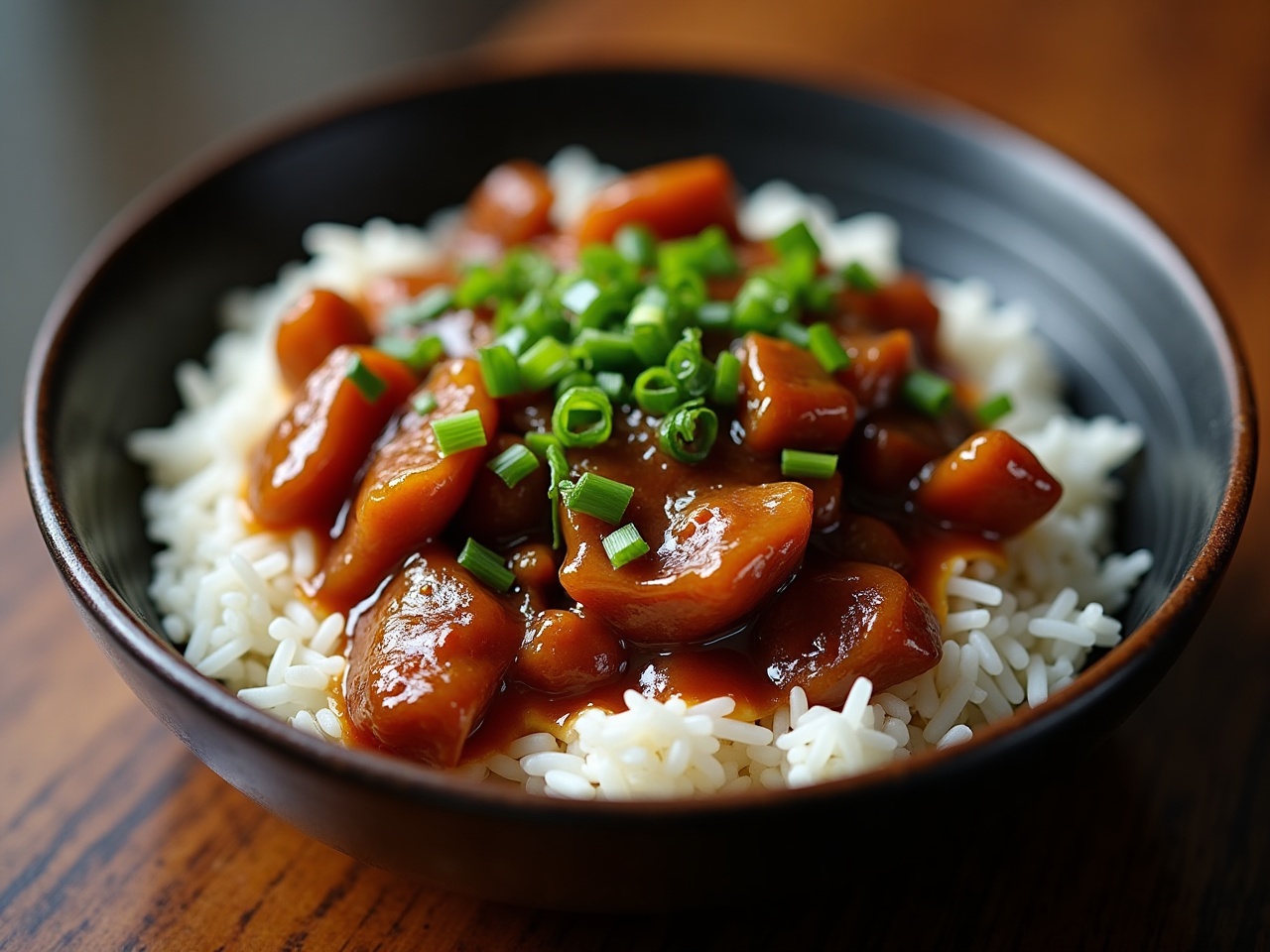
Chinese eggplant with garlic sauce (鱼香茄子, yu xiang qiezi) is a Sichuan dish of meltingly soft eggplant in a glossy 'fish-fragrant' sauce — sweet, sour, savory, and gently spicy, despite containing no fish. The flavor comes from doubanjiang (fermented chili-bean paste), garlic, ginger, sugar, and black vinegar. The trick to silky, non-greasy eggplant without deep-frying is to salt and steam or pan-sear it first so it collapses and stops soaking up oil. Then bloom the doubanjiang and aromatics, add the eggplant and a pre-mixed yu-xiang sauce, and thicken with a cornstarch slurry. It takes about 30 minutes and is naturally vegetarian. Chinese (long, purple) or Japanese eggplant works best — they're sweeter and less seedy than globe eggplant.
 Save to Pinterest
Why you'll love this chinese eggplant with garlic sauce
- Silky, savory-sweet eggplant with deep restaurant flavor — and no deep-frying.
- Naturally vegetarian (and easily vegan), hearty enough to be the main event.
- We share the salt-and-steam trick that stops eggplant from drinking up oil.
- The 'fish-fragrant' yu-xiang sauce is a Sichuan classic worth learning by heart.
Ingredients
Eggplant
Yu-xiang sauce
Aromatics
Missing an ingredient?
AITell us what you have and what you're making — get the best US-grocery swap, with ratios.
Hard-to-find ingredients, delivered
Stock the pantry once and you can cook this anytime: doubanjiang, Chinkiang black vinegar. Asian groceries deliver nationwide.
Equipment
- Wok or large skillet with a lid(shop →)
Instructions
Cut the eggplant into batons, toss with the ½ teaspoon salt, and let it sit 10 minutes. Pat dry. Salting draws out moisture so the eggplant turns silky instead of spongy and oil-soaked.
💡 Chinese or Japanese eggplant (long and slender) is sweeter, less seedy, and softer than big globe eggplant — well worth seeking out.
Stir the yu-xiang sauce ingredients together until the sugar and cornstarch dissolve. Set aside.
Heat the oil in a wok over medium-high. Add the eggplant and sear, turning, until golden and starting to collapse, about 5 minutes. Add a splash of water, cover, and steam 2–3 minutes until fully soft. Push to one side.
💡 Searing then covering to steam gives you soft, creamy eggplant with almost no oil — no deep-frying required.
Lower the heat to medium. Add the doubanjiang to the oil and stir 30 seconds until the oil turns red, then add the garlic, ginger, and scallion whites and stir until fragrant.
Re-stir the sauce and pour it in. Bring to a simmer and let it thicken, then fold the eggplant through to coat. Cook 1–2 minutes until glossy.
Stir in the scallion greens and serve over rice.
Tips & notes
- “Fish-fragrant” (鱼香, yu xiang) has no fish — it's a Sichuan flavor profile of sweet, sour, savory, and spicy that was originally used for fish. The balance of doubanjiang, sugar, and black vinegar is what defines it.
- Salting the eggplant for 10 minutes (then patting dry) is the trick to silky, not greasy, results — it collapses the spongy structure so it stops drinking oil.
- Doubanjiang is salty and spicy, so go easy on added salt and taste before adjusting. For a milder dish, use less and add a little extra sugar and vinegar.
- Make it heartier by browning a few ounces of ground pork before the doubanjiang — though it's fully satisfying as a vegetarian dish.
Recipe wording too vague?
AIPaste any fuzzy step (少许, 火候正好, 焯水) and get exact amounts, temps and times.
Chinese Eggplant with Garlic Sauce
- Prep
- 10 min
- Cook
- 20 min
- Total
- 30 min
- Serves
- 4
- Level
- Beginner
Ingredients
- 1.5 lb Chinese or Japanese eggplant, cut into 3-inch batons
- ½ tsp salt
- 2 tbsp neutral oil
- 1 tbsp doubanjiang (chili-bean paste)
- 1 tbsp Chinkiang black vinegar
- 1 tbsp light soy sauce
- 1 tbsp sugar
- 1 tsp cornstarch
- ⅓ cup water or stock
- 4 cloves garlic, minced
- 1 inch ginger, minced
- 3 scallions, sliced, whites and greens separated
Instructions
- Cut the eggplant into batons, toss with the ½ teaspoon salt, and let it sit 10 minutes. Pat dry. Salting draws out moisture so the eggplant turns silky instead of spongy and oil-soaked.
- Stir the yu-xiang sauce ingredients together until the sugar and cornstarch dissolve. Set aside.
- Heat the oil in a wok over medium-high. Add the eggplant and sear, turning, until golden and starting to collapse, about 5 minutes. Add a splash of water, cover, and steam 2–3 minutes until fully soft. Push to one side.
- Lower the heat to medium. Add the doubanjiang to the oil and stir 30 seconds until the oil turns red, then add the garlic, ginger, and scallion whites and stir until fragrant.
- Re-stir the sauce and pour it in. Bring to a simmer and let it thicken, then fold the eggplant through to coat. Cook 1–2 minutes until glossy.
- Stir in the scallion greens and serve over rice.
Nutrition (est., per serving): 180 cal · 3 g protein · 20 g carbs · 11 g fat
Chinese Eggplant with Garlic Sauce FAQ
What kind of eggplant should I use?
Long, slender Chinese or Japanese eggplant is best — it's sweeter, has fewer seeds, and turns silky when cooked. Globe (Italian) eggplant works in a pinch, but salt it well and expect a slightly firmer, seedier result.
How do I cook eggplant without it soaking up all the oil?
Two things: salt the cut eggplant for 10 minutes and pat it dry to collapse its sponginess, then sear it and cover the pan to steam it soft, rather than deep-frying. You'll use just a couple tablespoons of oil and still get creamy eggplant.
Does 'fish-fragrant' eggplant contain fish?
No. 'Fish-fragrant' (yu xiang) is a Sichuan flavor profile — sweet, sour, savory, and spicy — that was traditionally used to cook fish, so the seasoning took the name. The dish itself has no fish or seafood and is vegetarian.
What can I substitute for doubanjiang?
The closest swap is Korean gochujang plus a little white miso (about 2:1) with a pinch of sugar. It reads a bit sweeter and less funky, but works for one batch. Doubanjiang is inexpensive and keeps for months, so it's worth buying if you can.
How do I make this vegan?
It's already vegetarian and easily vegan — just keep it meat-free (skip the optional ground pork) and check that your doubanjiang and soy sauce have no animal products, which most don't. The eggplant and sauce make it satisfying on their own.
You might also like
Get our free Chinese Kitchen Starter Guide
The 12 pantry staples, the 5 techniques, and a week of beginner-friendly dinners — plus a new decoded recipe each week.
Comments
Made this? Have a question or a tweak? Share it below.
No comments yet — be the first!