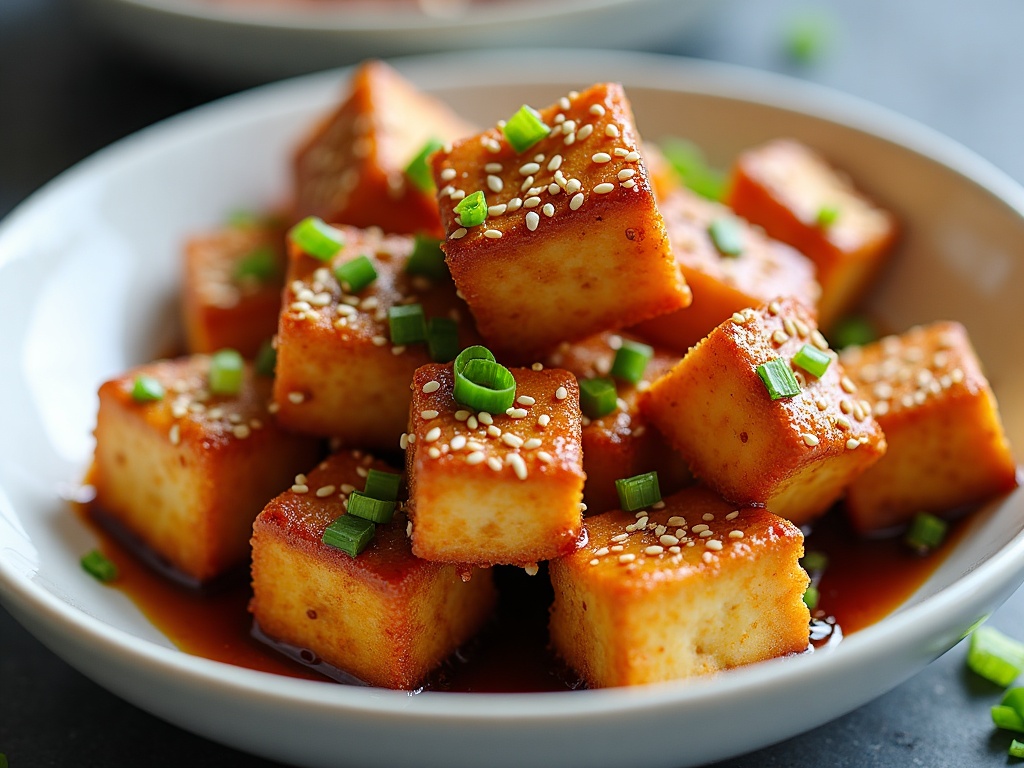
1. Air Fryer Tofu
25 min · Beginner · Home-Style (家常菜)
Naturally vegan and the gateway dish — shatteringly crisp tofu you toss in a soy-garlic glaze. Skip any honey and it's 100% plant-based.
By The Chowmi Test Kitchen · Updated June 8, 2026
Chinese cooking is one of the easiest cuisines to eat vegan, because so much of it is already built on tofu, mushrooms, and vegetables — the seasoning does the work, not the meat. The catch is that a few innocent-looking ingredients aren't plant-based: oyster sauce (made from oysters), chicken or pork stock, fish sauce, and the egg hiding in fried rice and some noodles. Every dish below is either vegan exactly as written or vegan with a single swap we note on the recipe — finely chopped mushrooms for the meat, vegetable stock for chicken stock, and a mushroom 'oyster' sauce in place of the real thing. The flavor backbone — soy, garlic, ginger, chili, vinegar — stays identical, so nothing tastes like a compromise. One habit worth keeping: glance at the labels on doubanjiang, hoisin, and chili crisp, since most are plant-based but a few brands sneak in animal ingredients.
Naturally vegan and the gateway dish — shatteringly crisp tofu you toss in a soy-garlic glaze. Skip any honey and it's 100% plant-based.
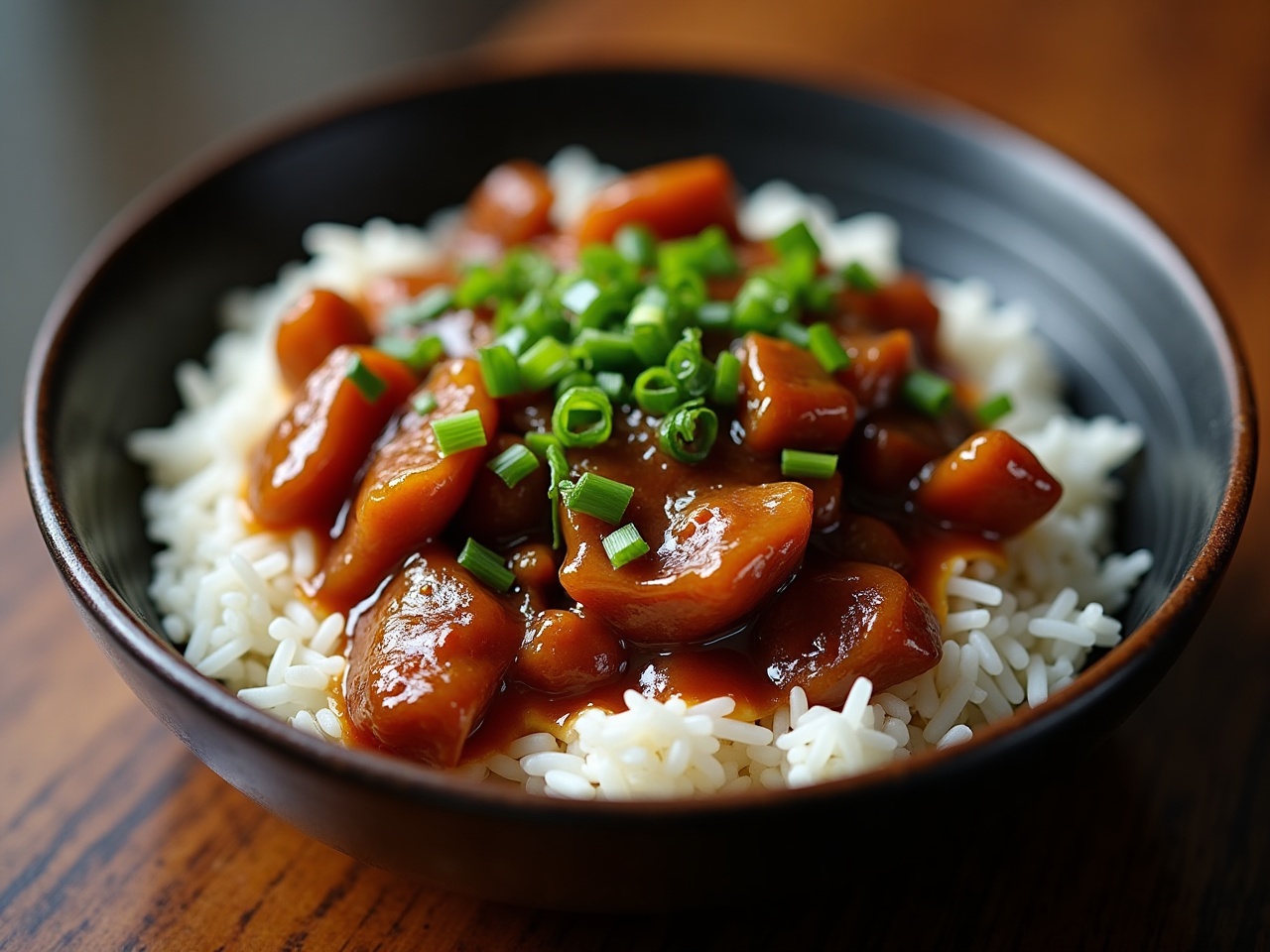
Silky eggplant in a bold garlic sauce that's hearty enough to be dinner. Use a mushroom 'oyster' sauce (or leave it out) and it's fully vegan.
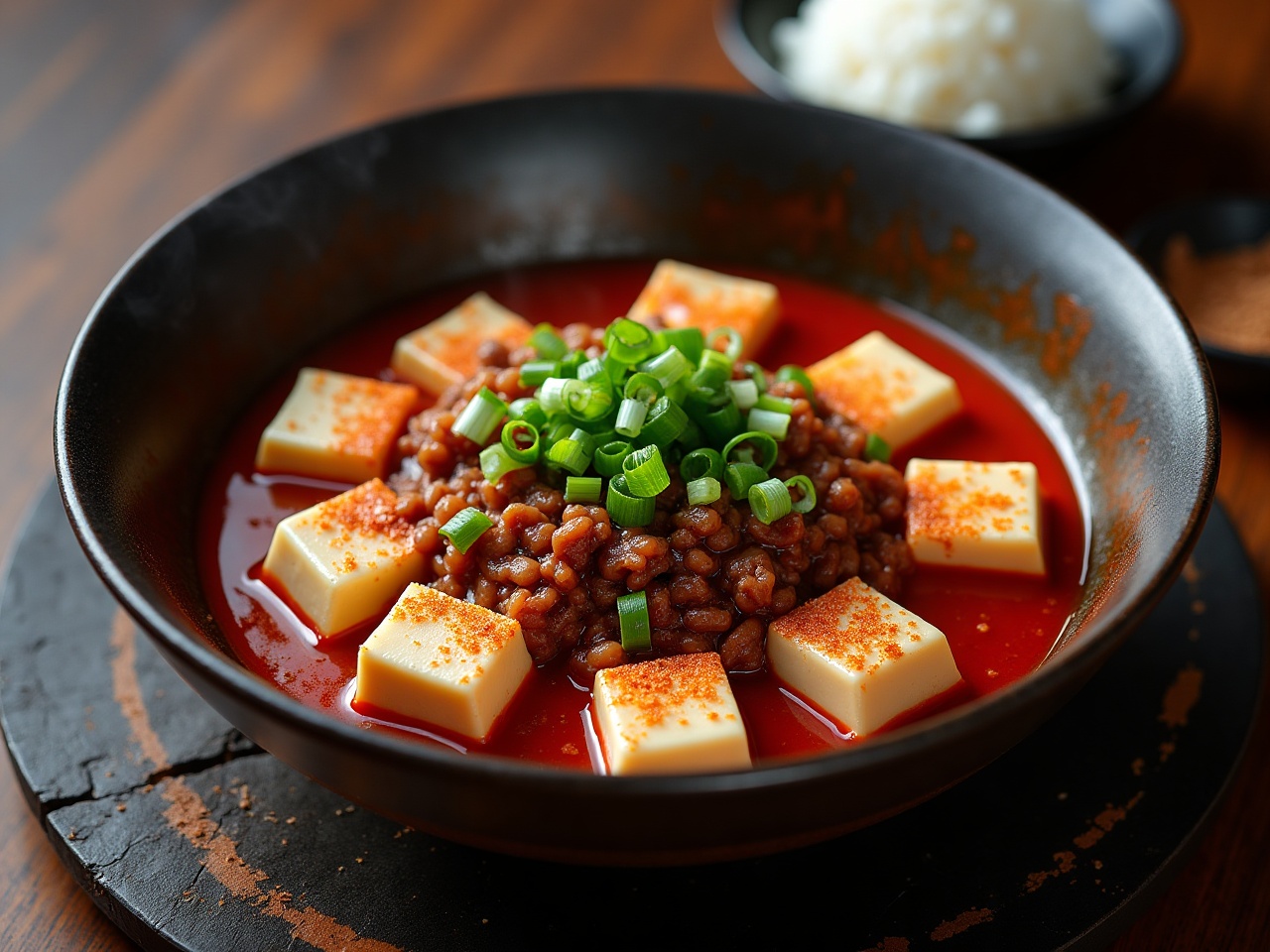
Every bit as good without the pork: use finely chopped mushrooms and vegetable stock, and check your doubanjiang has no added meat (most don't). Keeps all the numbing, savory heat.
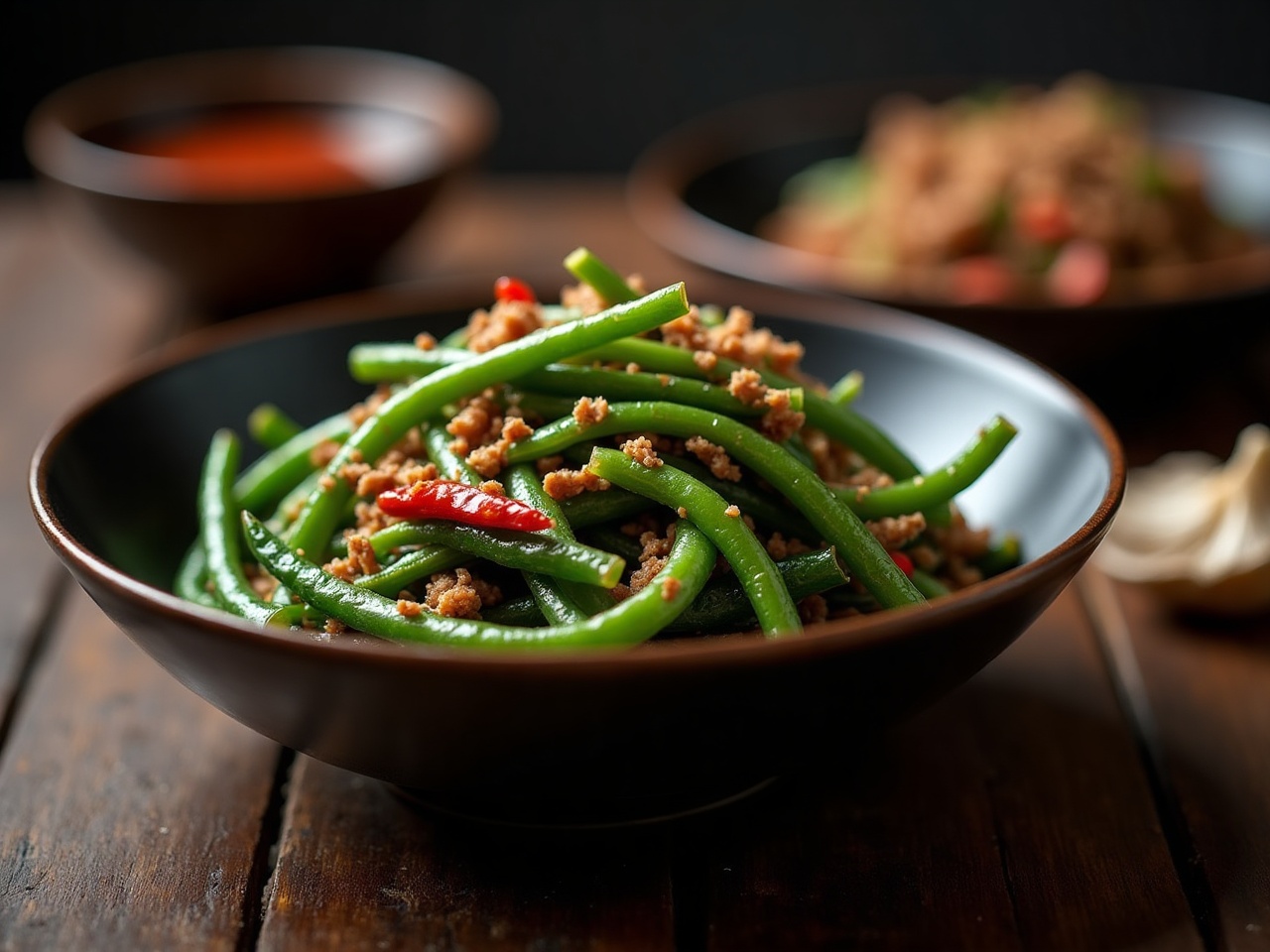
Blistered, garlicky and savory — make them without the traditional pinch of pork (and use a vegan ya cai or skip it) for a vegan standout.
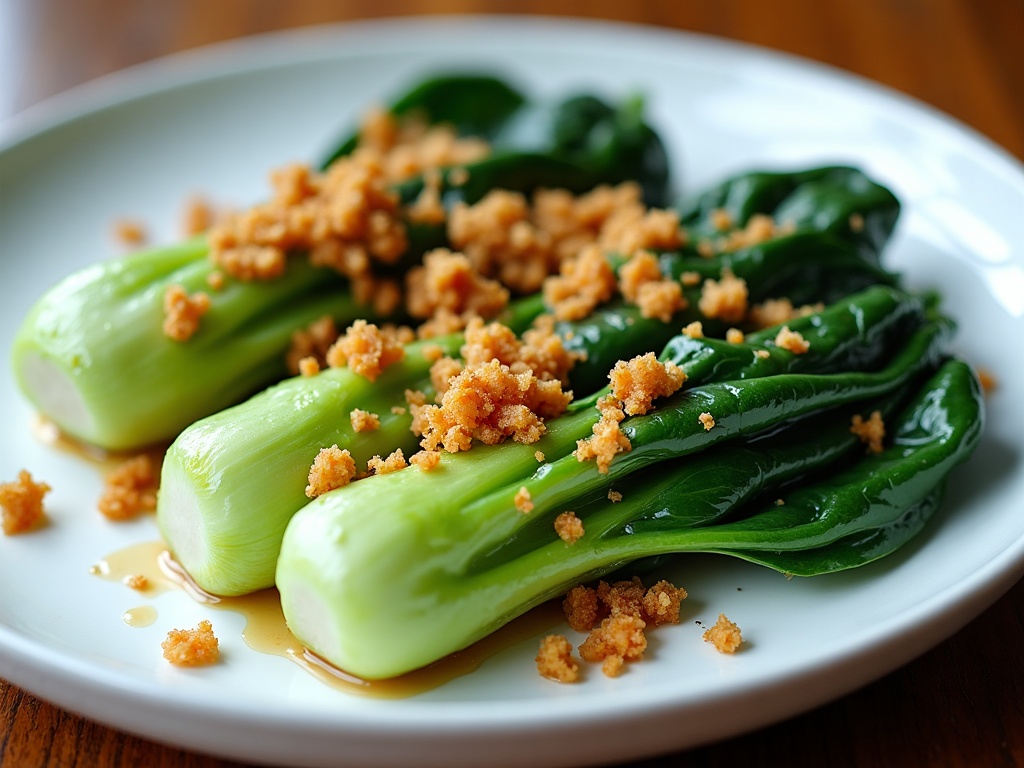
A fast, clean side that's vegan when you dress it with soy, garlic and sesame oil instead of oyster sauce — or use a mushroom-based version.
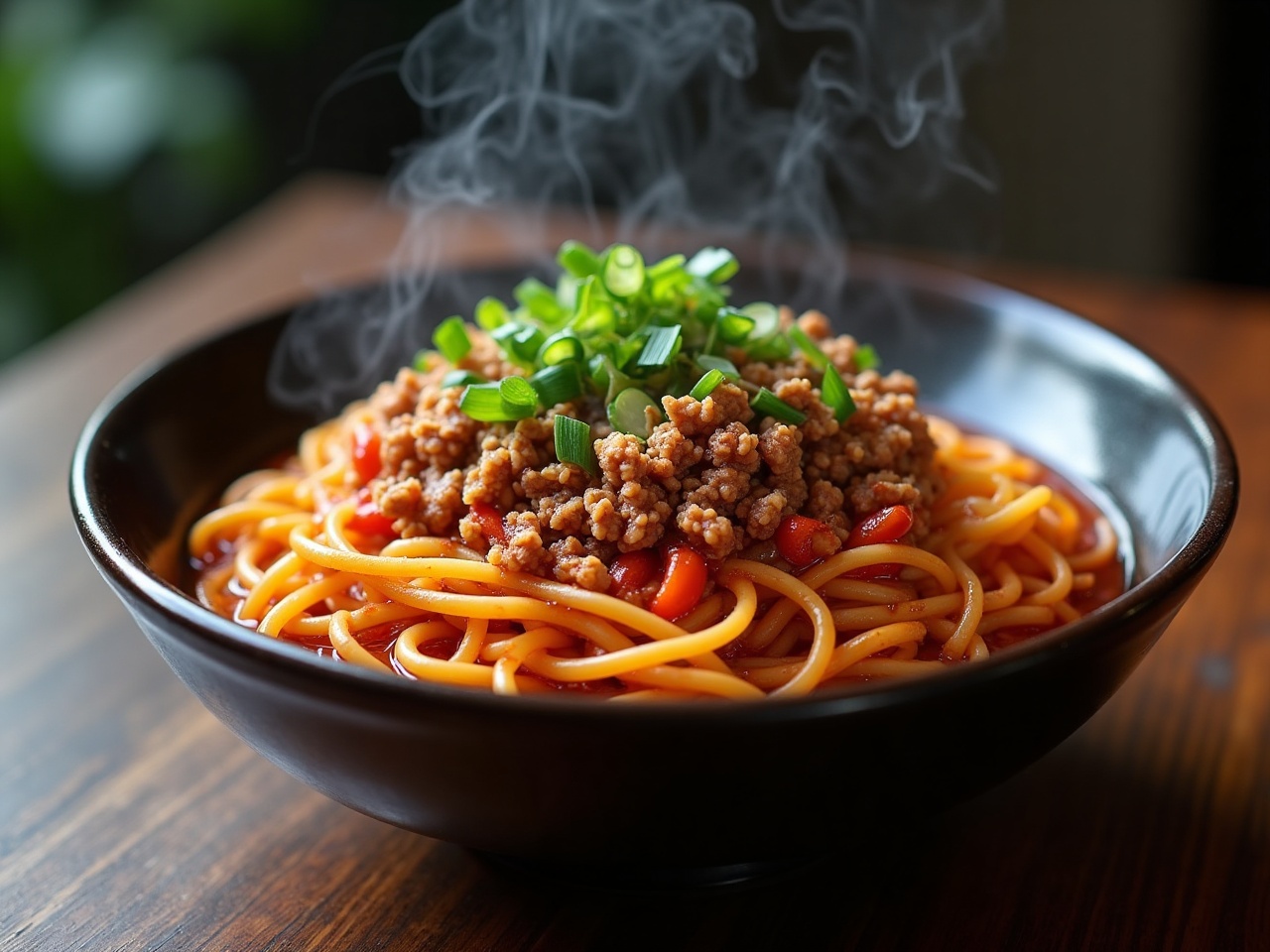
Swap the pork topping for browned, seasoned mushrooms and check that your noodles and chili oil are animal-free — the nutty, tingly sauce does the rest.
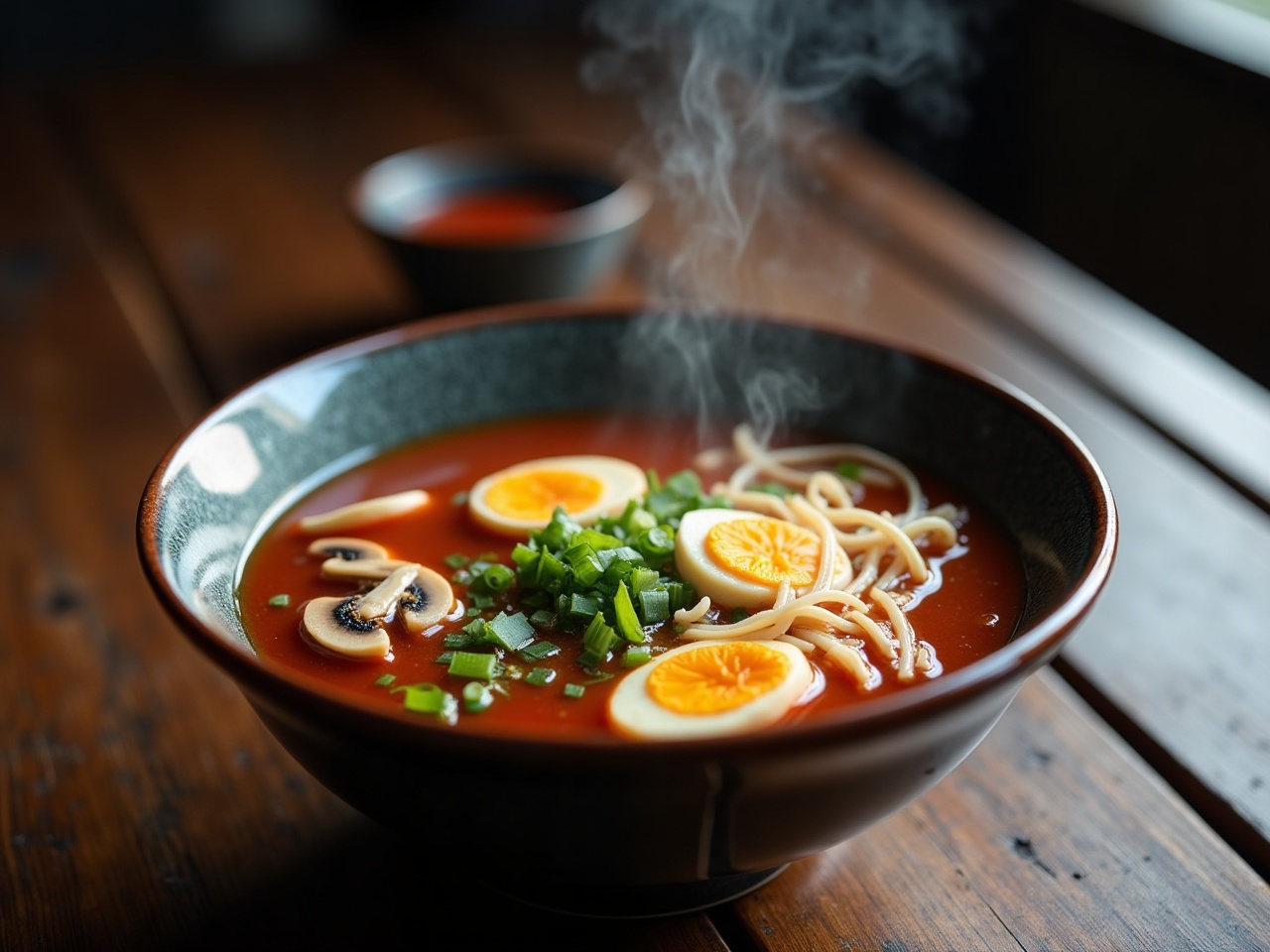
Use vegetable stock, pile in tofu and mushrooms, and leave out the egg ribbons; the bold sweet-sour-peppery broth carries the whole bowl.
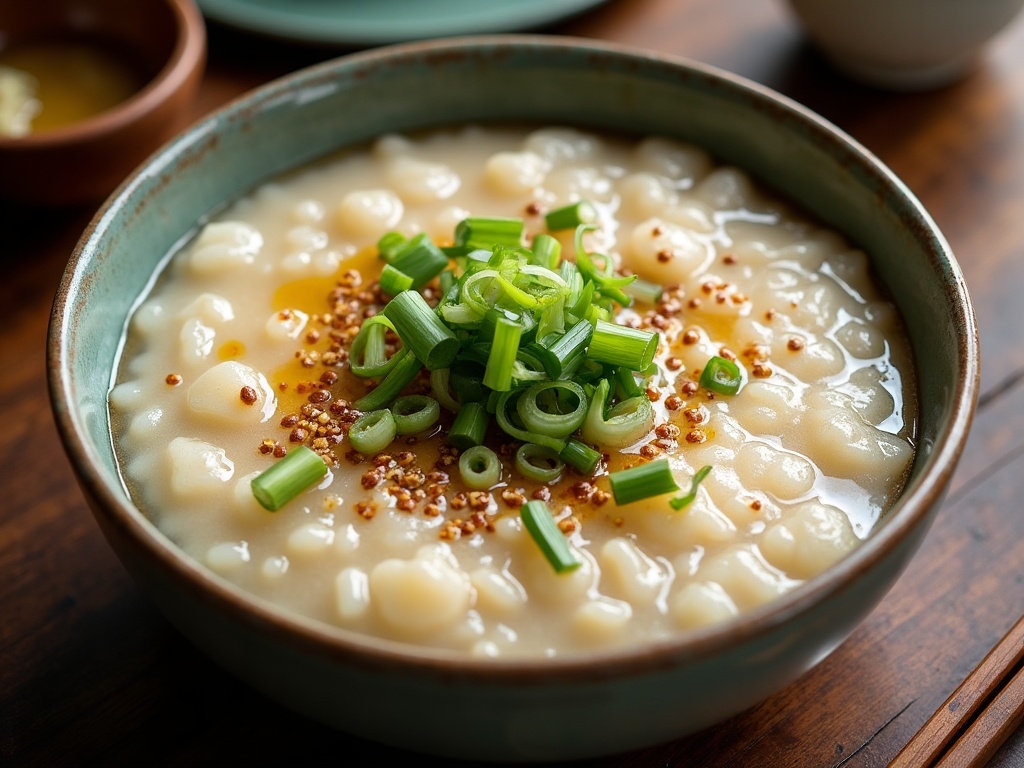
A plain rice porridge is naturally vegan — build it on vegetable stock or water and top with mushrooms, scallions, and chili oil instead of meat or egg.
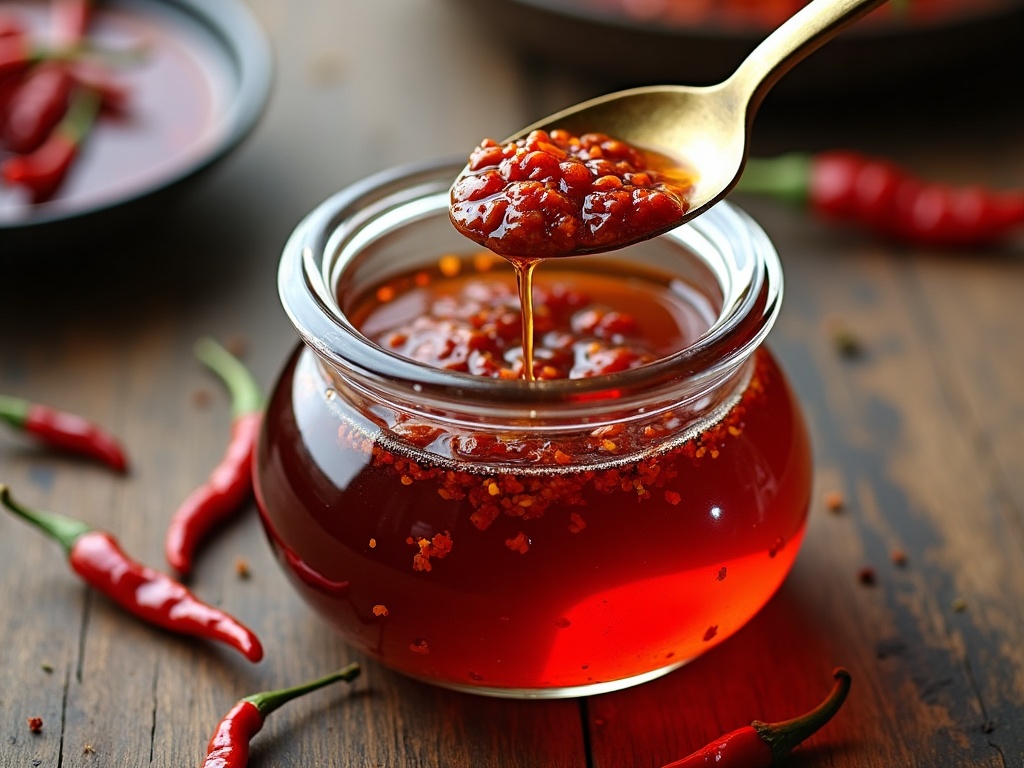
A vegan flavor bomb worth keeping in the fridge — spoon it over tofu, noodles, or any dish on this list for instant depth and heat.
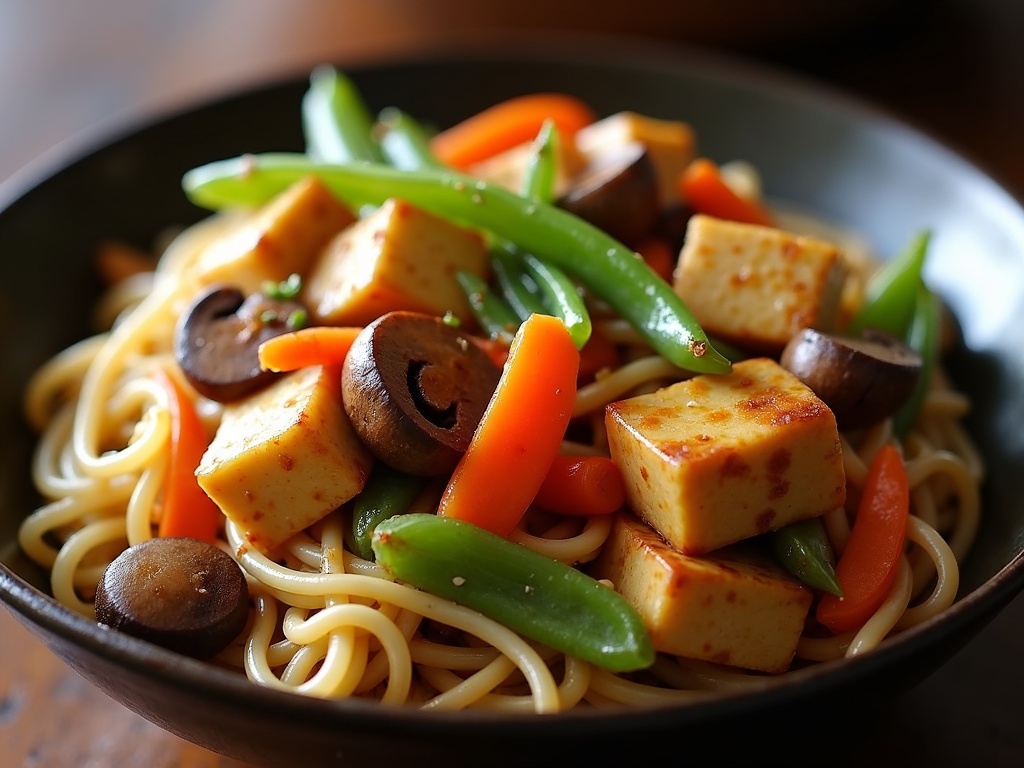
The classic Chinese vegetarian feast — tofu, mushrooms, and vegetables in a savory braise. Naturally vegan; just use a mushroom 'oyster' sauce and check the fermented bean curd.
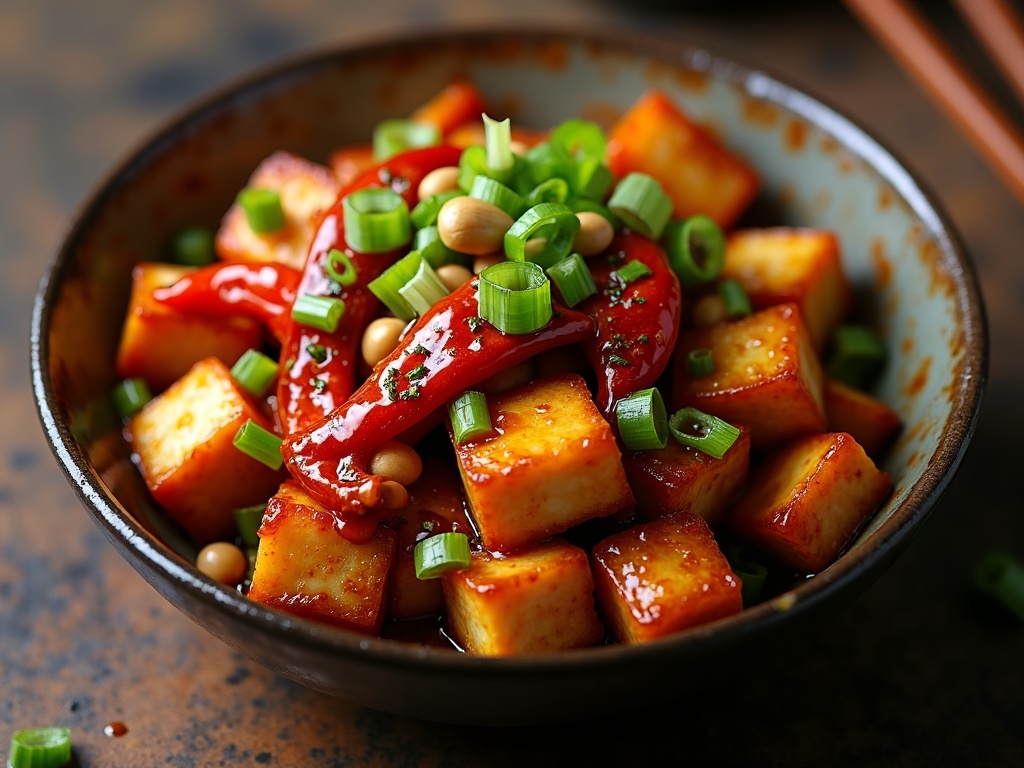
All the tingly-spicy, peanutty kick of kung pao with crispy tofu instead of chicken — vegan as long as your soy sauce is (it usually is).
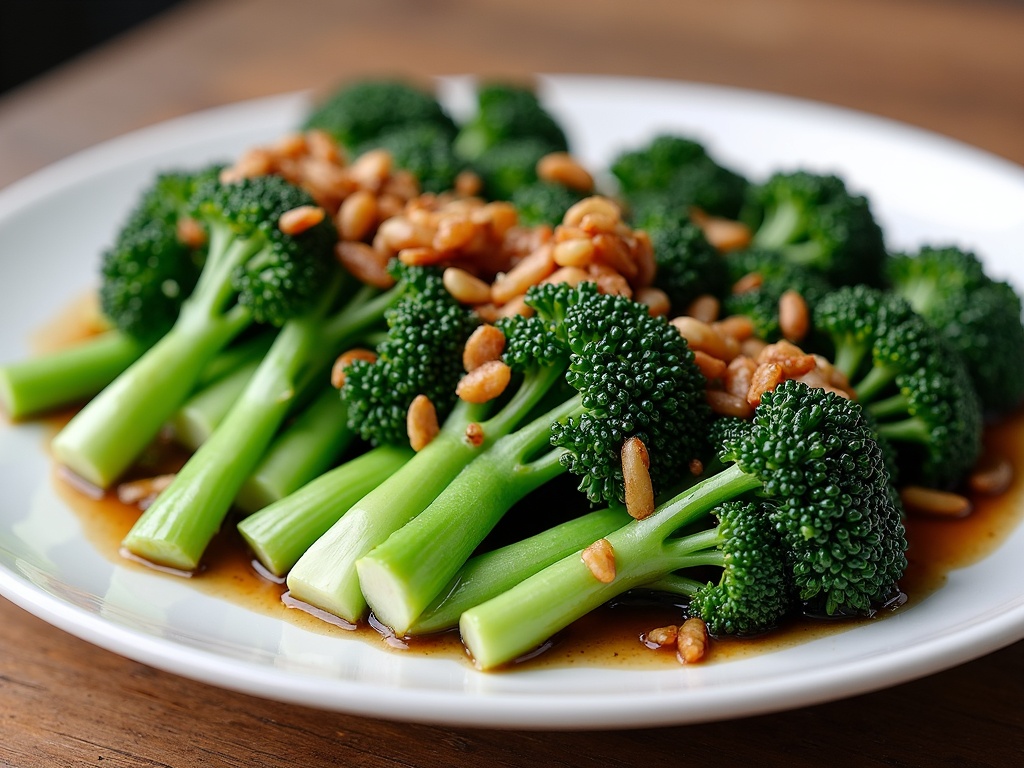
Blanched Chinese broccoli in a garlicky sauce — swap the oyster sauce for a mushroom version and it's a fast, fully vegan green.
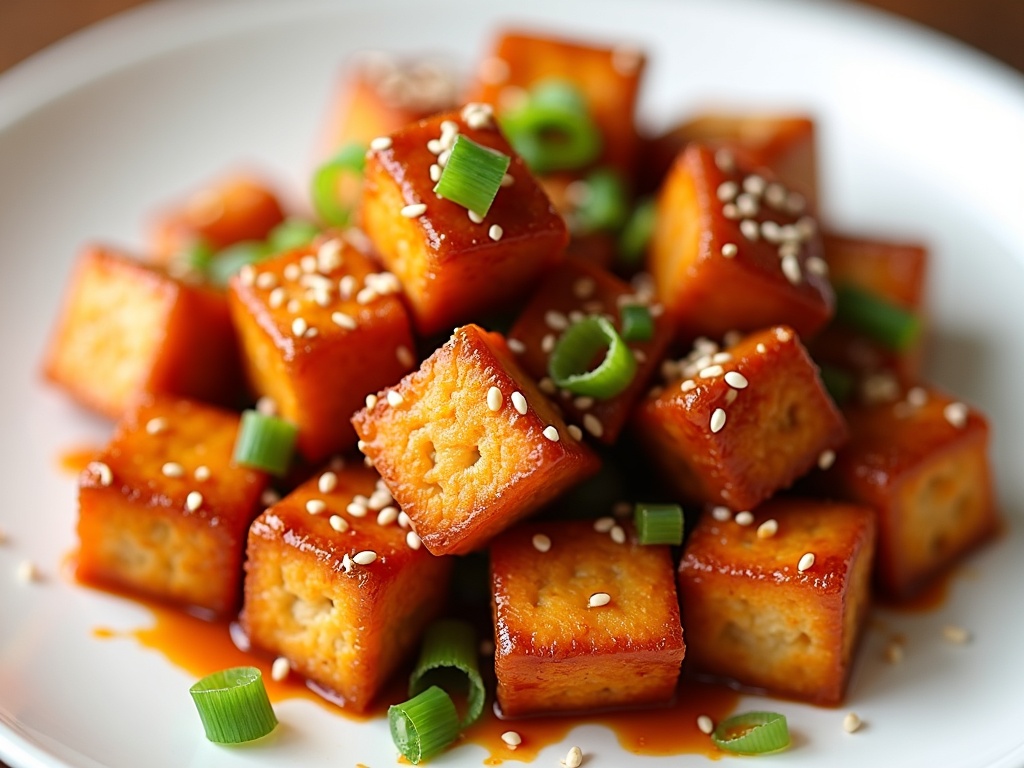
The takeout classic gone vegan — crispy tofu in that sweet-tangy-spicy glaze. Vegan as long as your soy and hoisin are (they usually are).
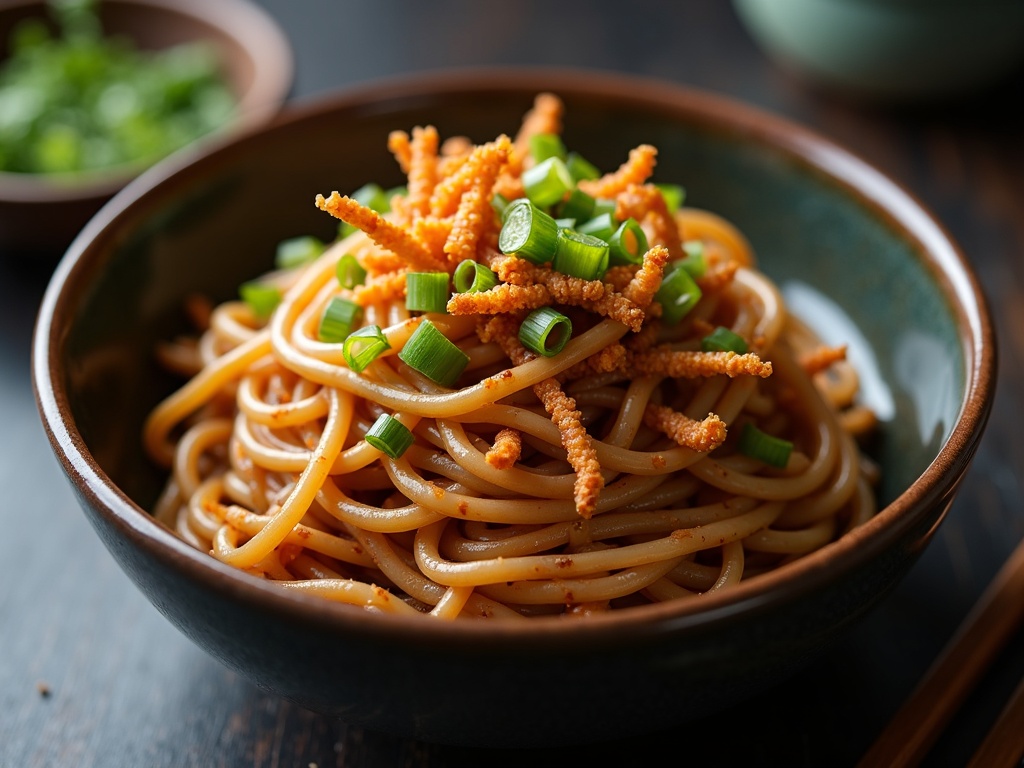
Secretly vegan and stupidly good: noodles tossed in fragrant crispy scallion oil and sweet-savory soy. Just skip any dried shrimp.
Restaurant Chinese food often isn't — oyster sauce, chicken or pork stock, egg, and fish sauce turn up in many dishes. But Chinese home cooking is one of the most vegan-friendly cuisines there is, built on tofu, mushrooms, and vegetables. With a few simple swaps, most classics become fully plant-based without losing what makes them good.
Usually one of four things: oyster sauce, chicken or pork stock, egg (in fried rice and some noodles), or fish sauce. Each has an easy fix — a mushroom 'oyster' sauce, vegetable stock, leaving out the egg, and skipping the fish sauce — and the seasoning backbone of soy, garlic, ginger, chili, and vinegar stays exactly the same.
No — traditional oyster sauce is made from oyster extract. Use a vegan mushroom 'oyster' sauce, which is widely available and tastes very close. It's the single most useful swap for cooking vegan Chinese food.
Most are. Doubanjiang (chili-bean paste) and hoisin are typically plant-based, and many chili oils and crisps are too — but some brands add ingredients like dried shrimp or chicken powder, so it's always worth a quick label check before you buy.
The 12 pantry staples, the 5 techniques, and a week of beginner-friendly dinners — plus a new decoded recipe each week.