Sichuan Recipes
Sichuan cooking, decoded for the US kitchen. Bold, numbing-spicy (málà) classics from China's southwest. Every recipe here is written in precise, beginner-friendly steps — with honest substitutes for any ingredient you can't easily find.
Sichuan (四川) is China’s most famous spicy cuisine, but calling it simply “hot” misses the point. Its signature is málà (麻辣) — the interplay of má, the bright tingling numbness of Sichuan peppercorn, and là, the heat of dried and fresh chilies. Authentic Sichuan cooking layers those sensations over a deep, fermented savoriness; it is about balance and aroma, not raw burn. Plenty of its classics are barely spicy at all.
The flavors that define it
The Sichuan pantry runs on a few powerhouse ingredients: doubanjiang, the Pixian fermented broad-bean chili paste that is the soul of mapo tofu and twice-cooked pork; Sichuan peppercorn for the numbing tingle; chili oil and dried chilies for heat; and fermented black beansand preserved mustard greens for umami depth. From these, Sichuan cooks build a famous range of compound flavors (复合味) — fish-fragrant (yúxiāng, savory-sweet-sour with no fish in sight), strange-flavor (guàiwèi, all five tastes at once), and of course málà.
Where to start
New to the cuisine? Mapo tofu and kung pao chickenare the gateway dishes — both doable on a weeknight. From there, dan dan noodles, twice-cooked pork, and fish-fragrant porkshow off the range. We flag every hard-to-find ingredient and give a tested US-grocery substitute, so you can cook the real thing tonight — though the two we’d never skip are doubanjiang and Sichuan peppercorn, the ingredients that make Sichuan food taste like Sichuan.
Sichuancooking is one of several distinct regional styles — see how it compares with the others, dish by dish, in our guide to the types of Chinese food.
Browse Sichuan recipes
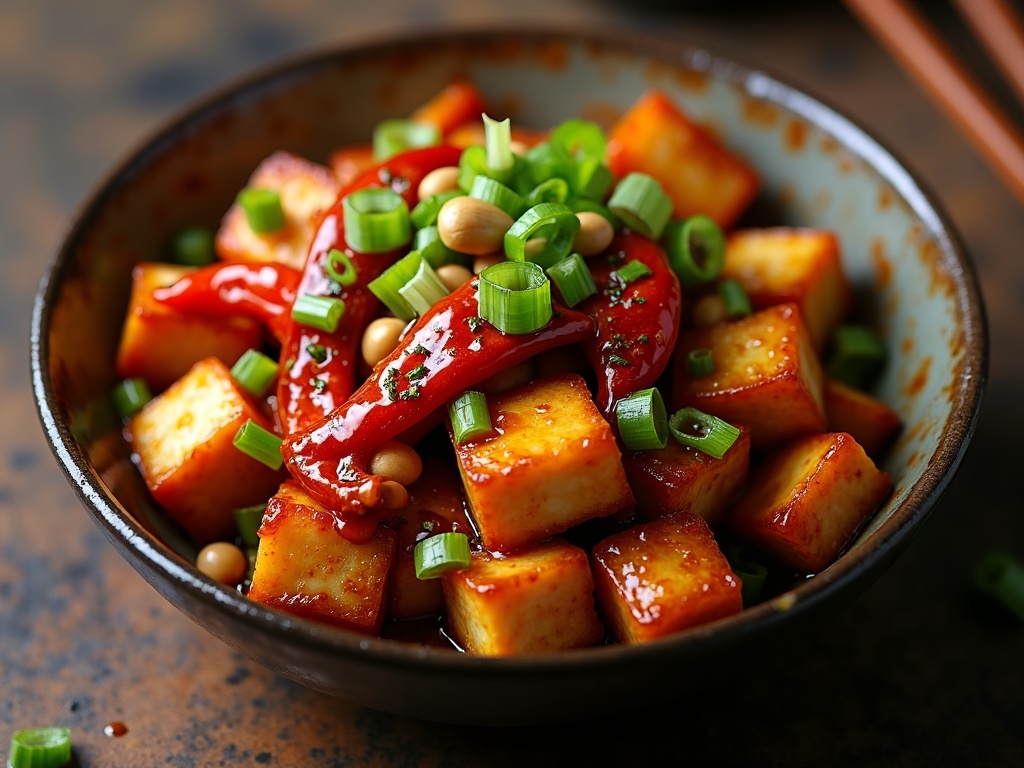
Kung Pao Tofu
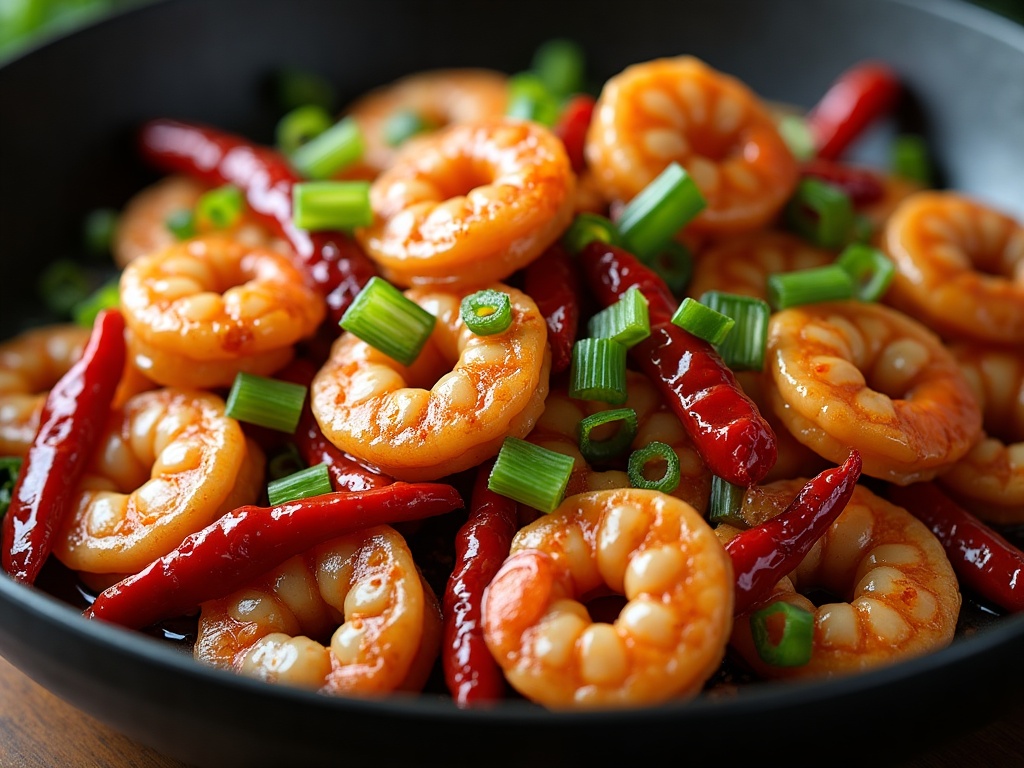
Kung Pao Shrimp
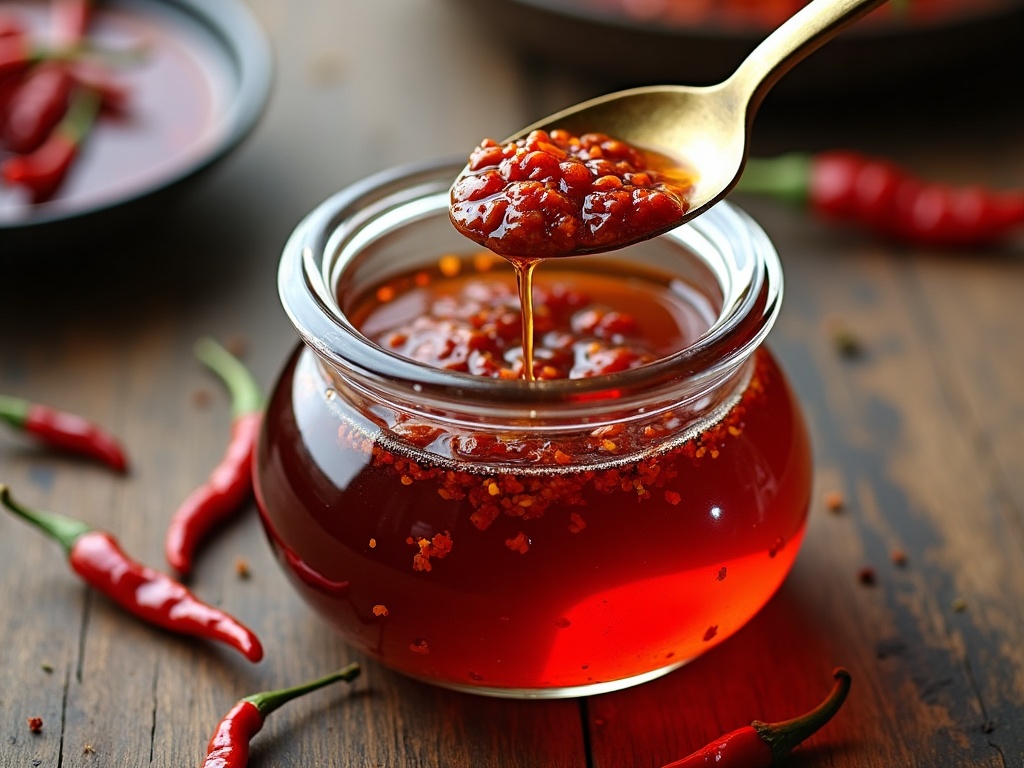
Chinese Chili Oil
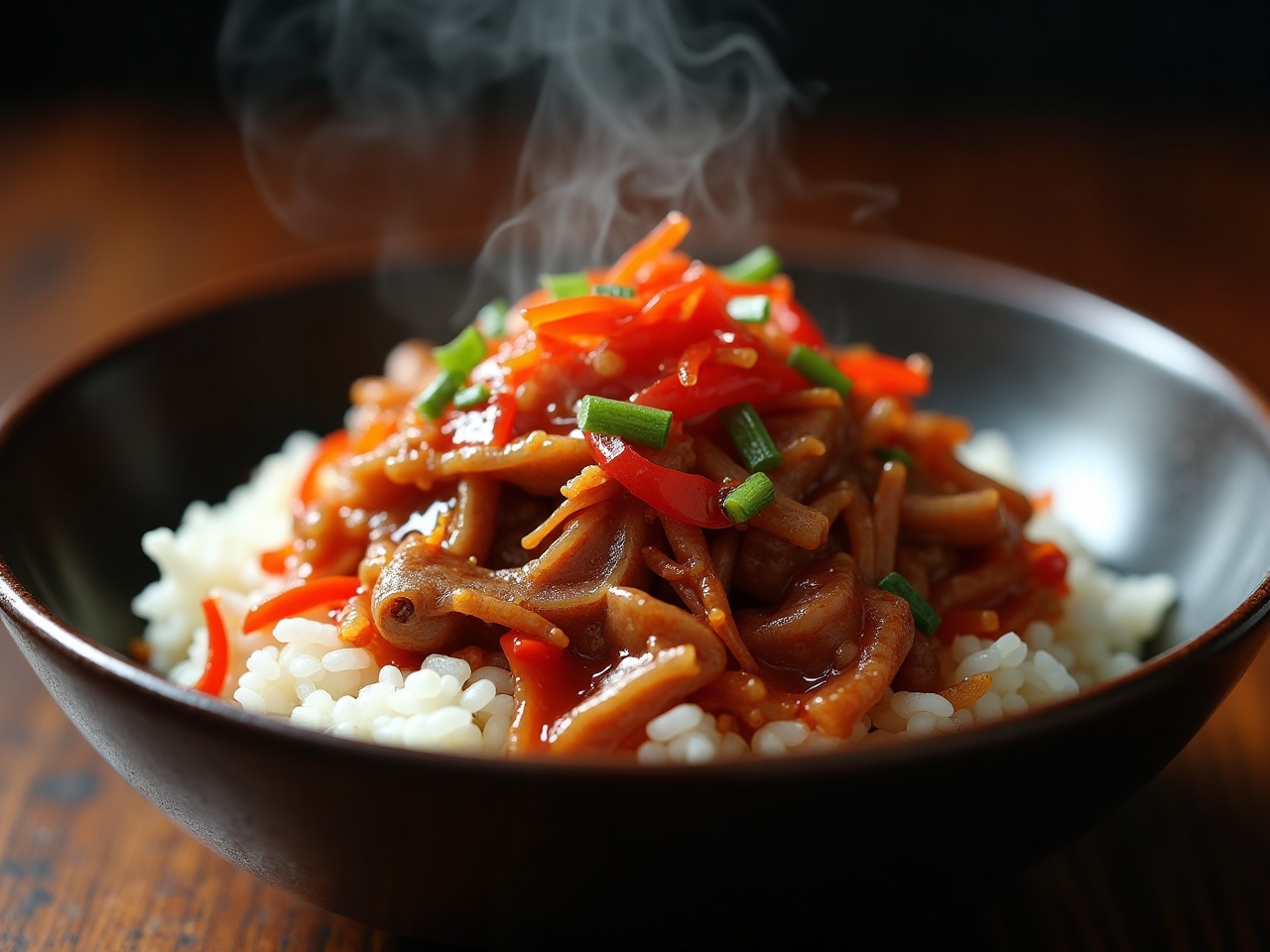
Fish-Fragrant Pork
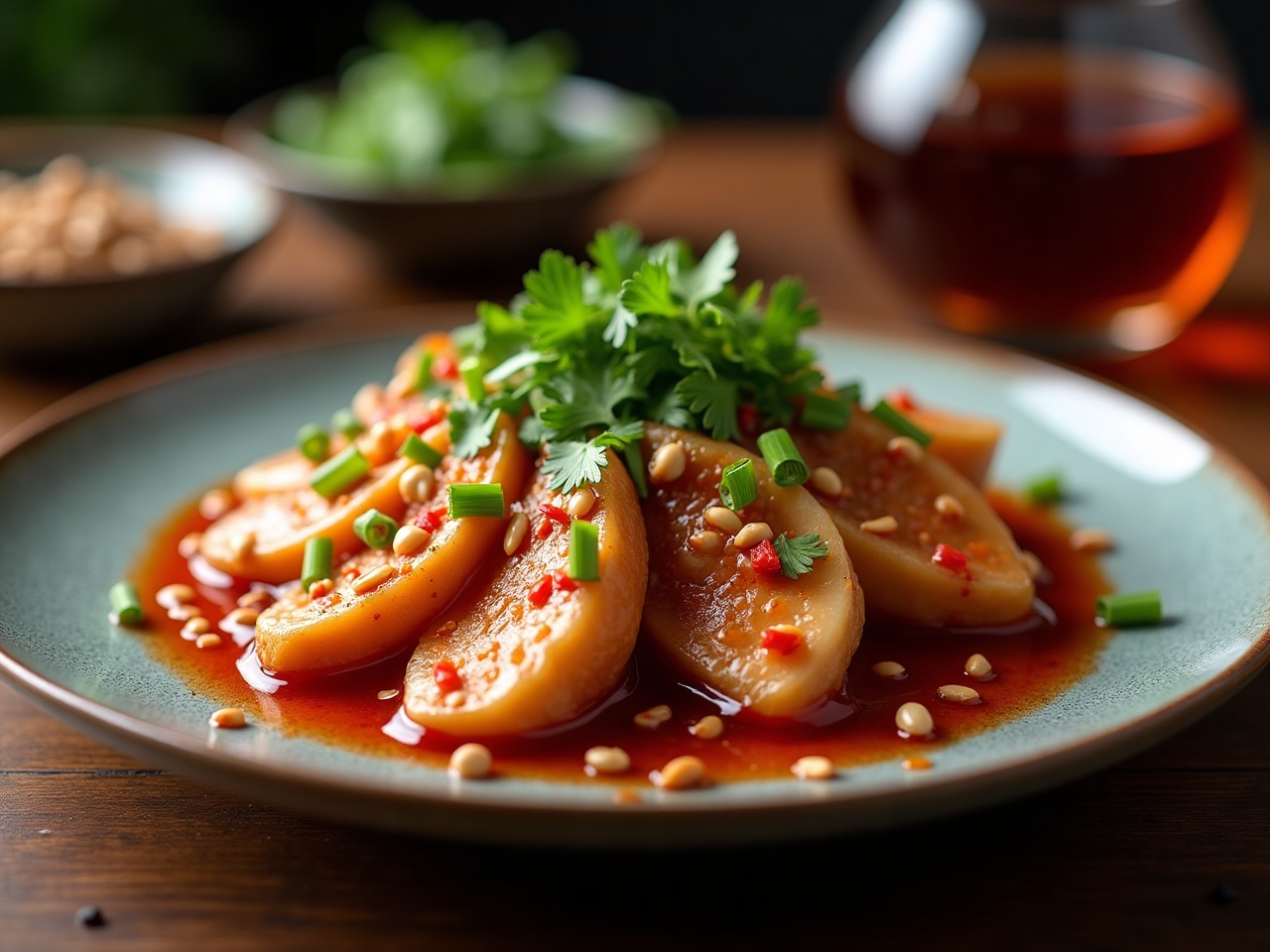
Mouthwatering Chicken
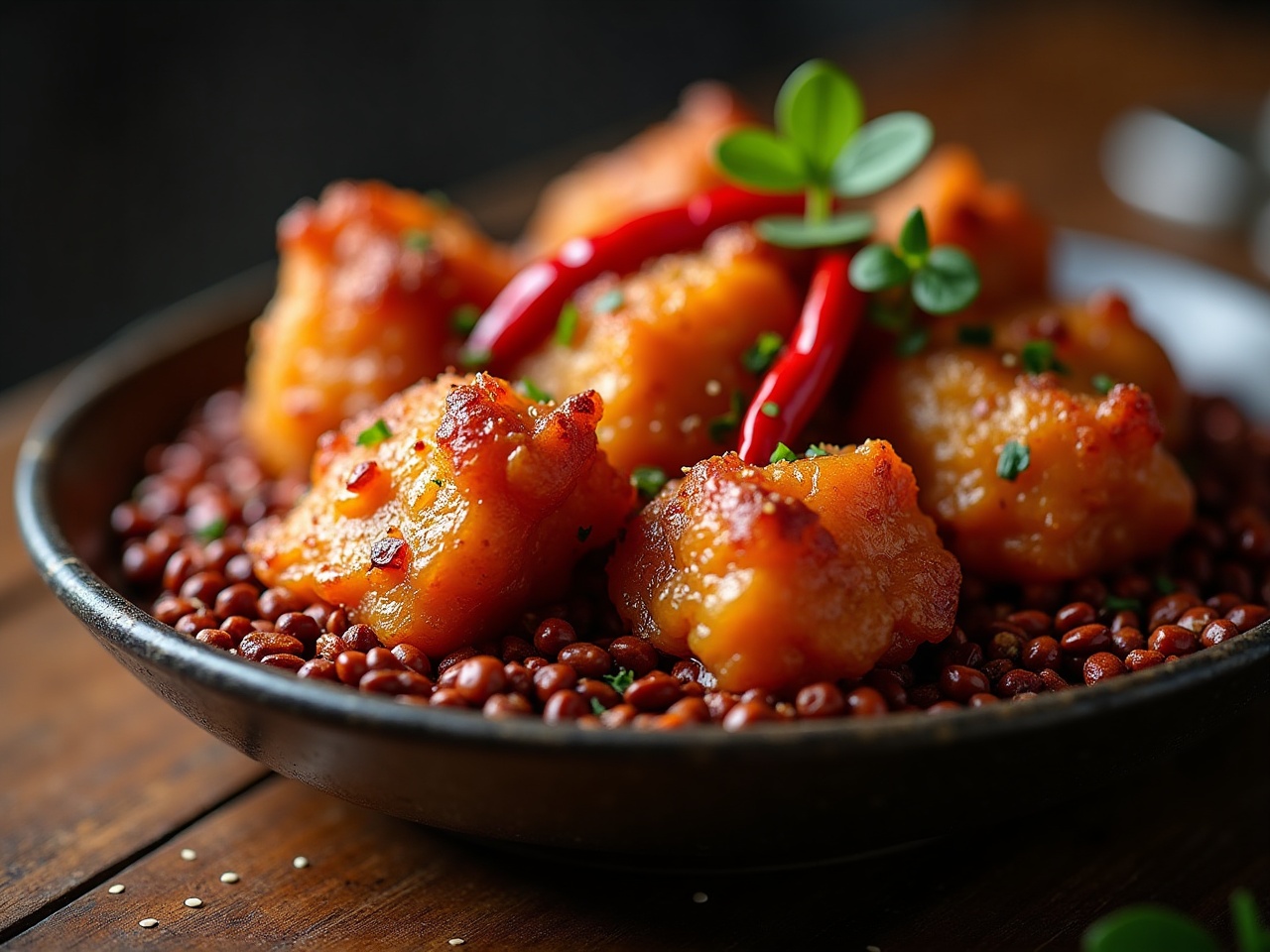
Chongqing Chili Chicken
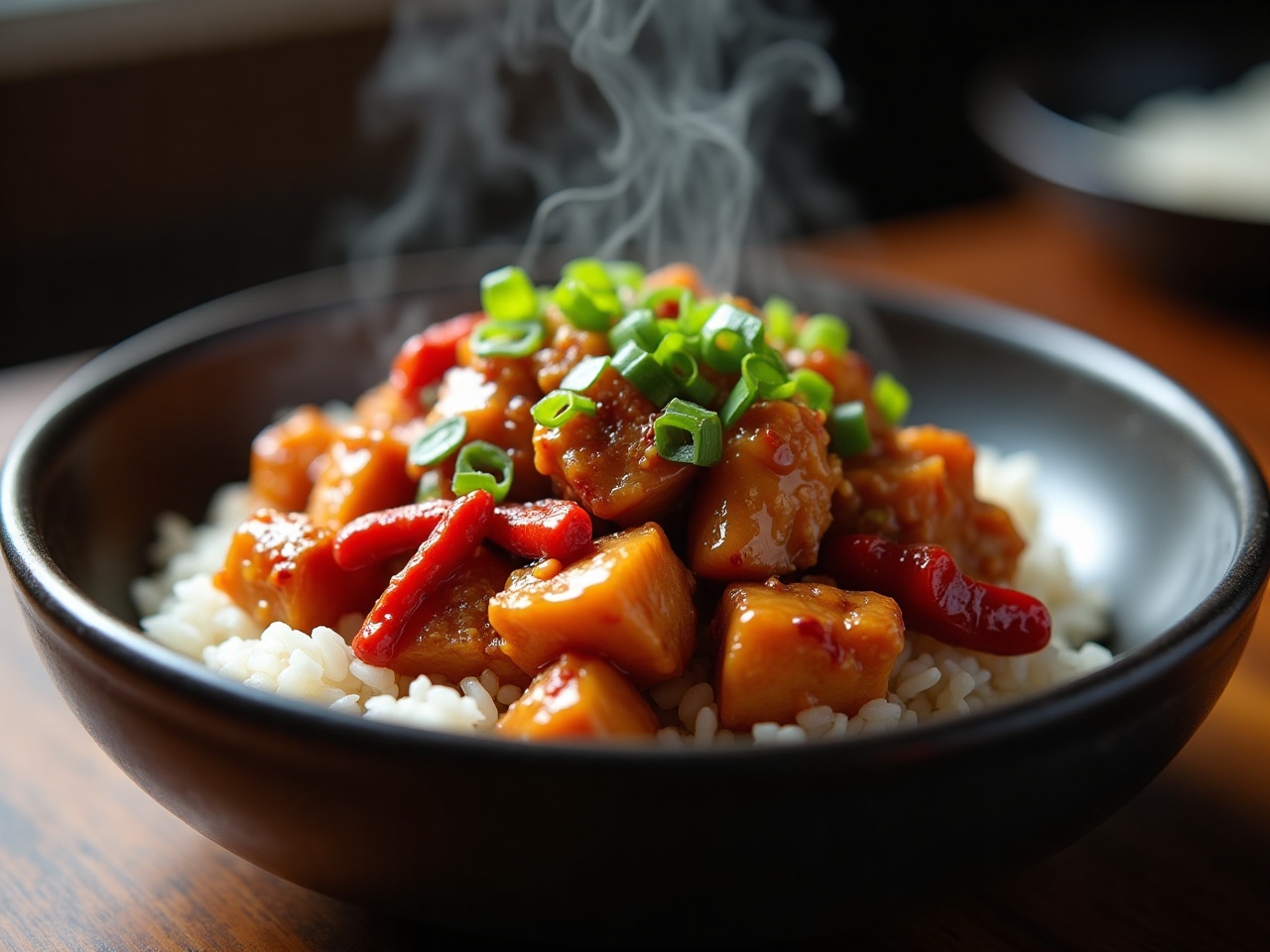
Kung Pao Chicken
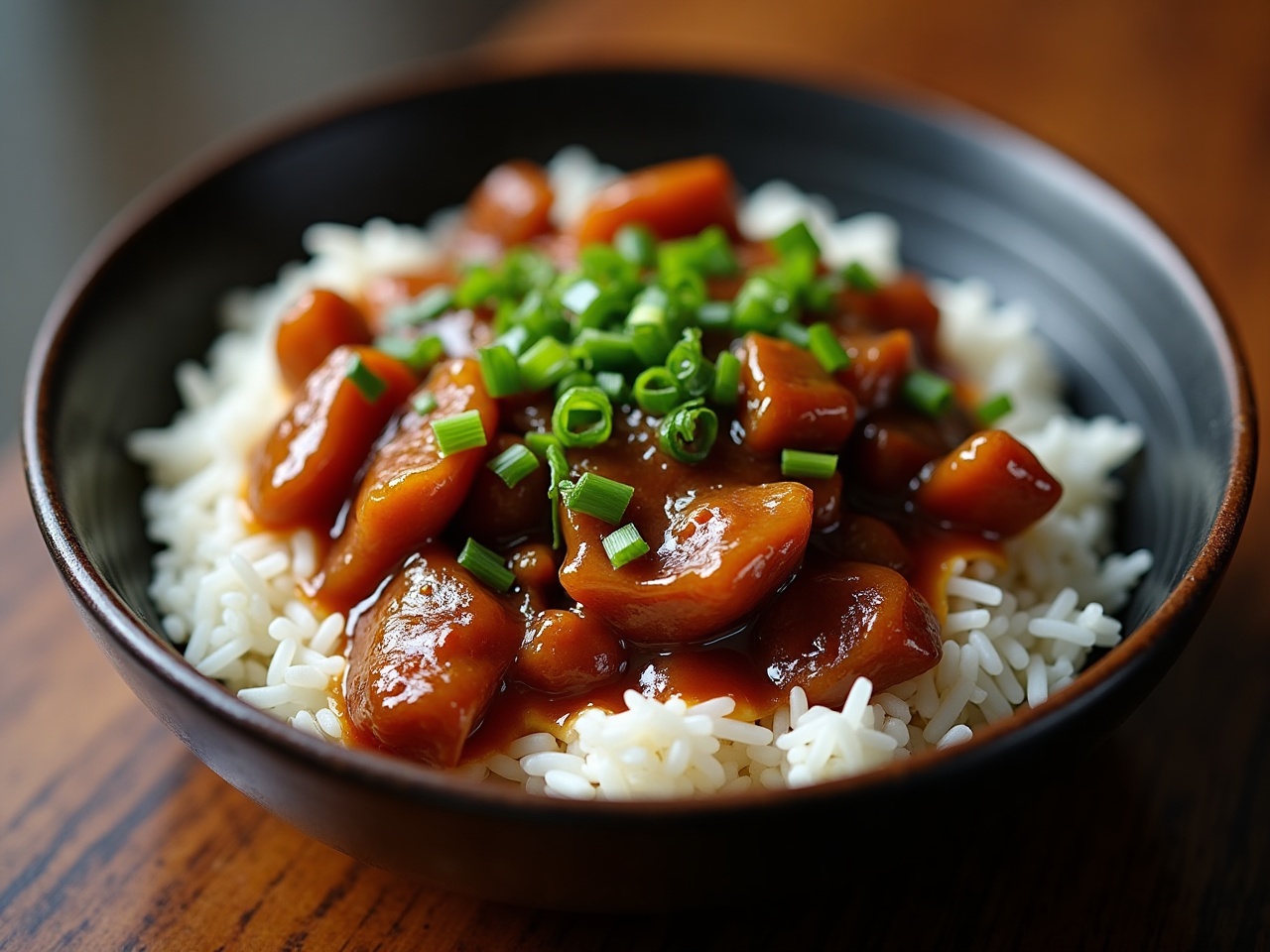
Chinese Eggplant with Garlic Sauce
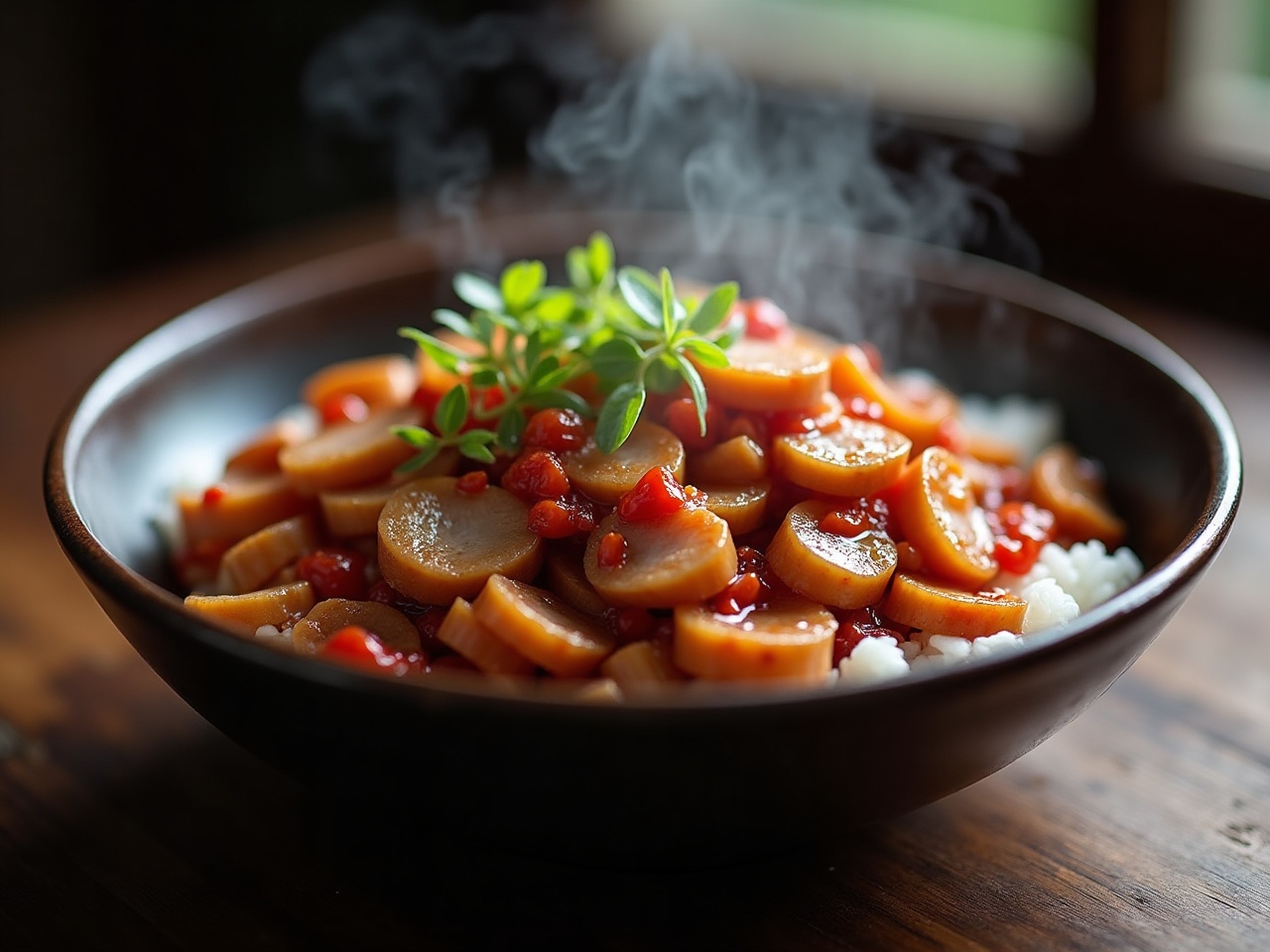
Twice-Cooked Pork
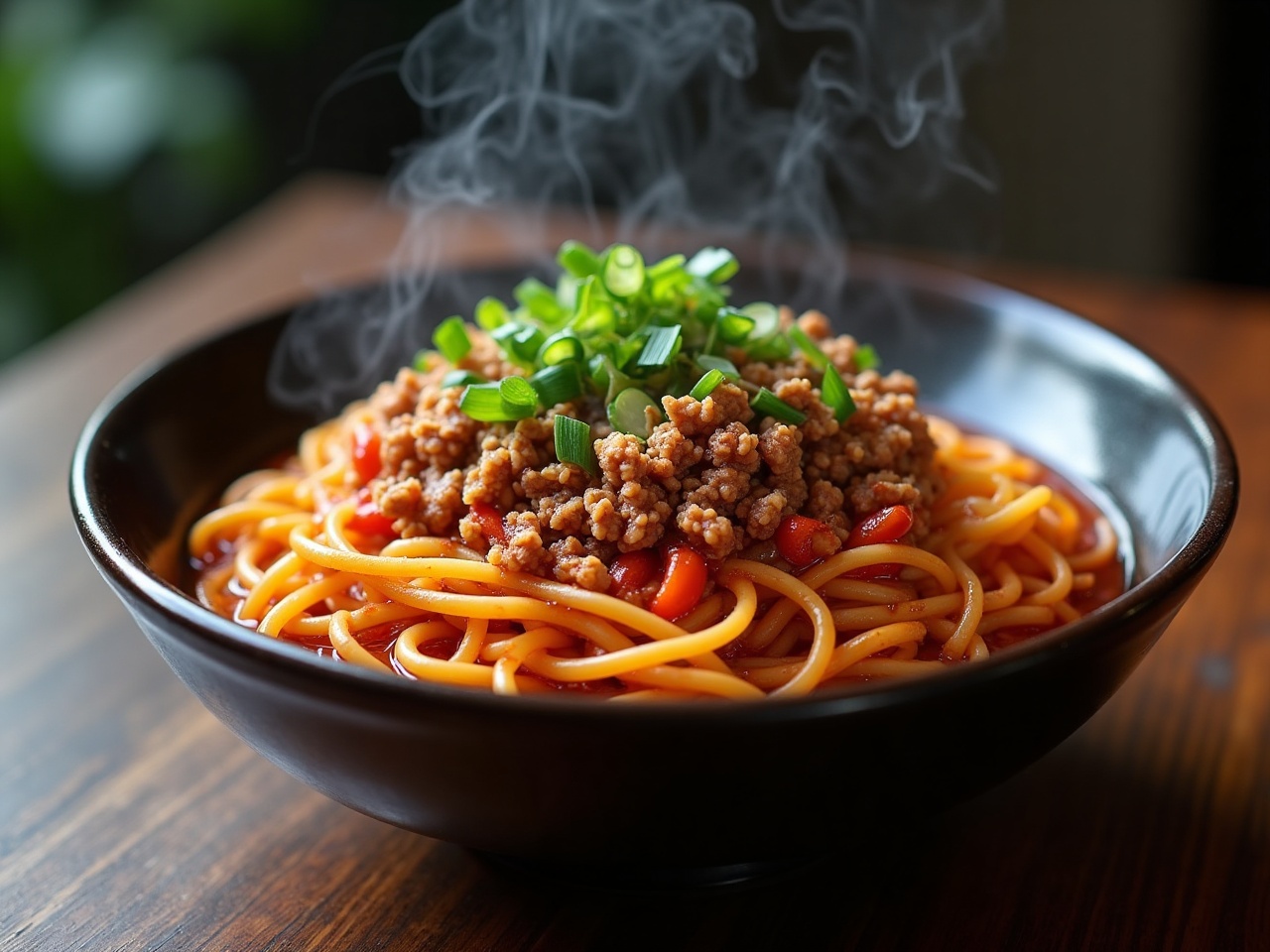
Dan Dan Noodles
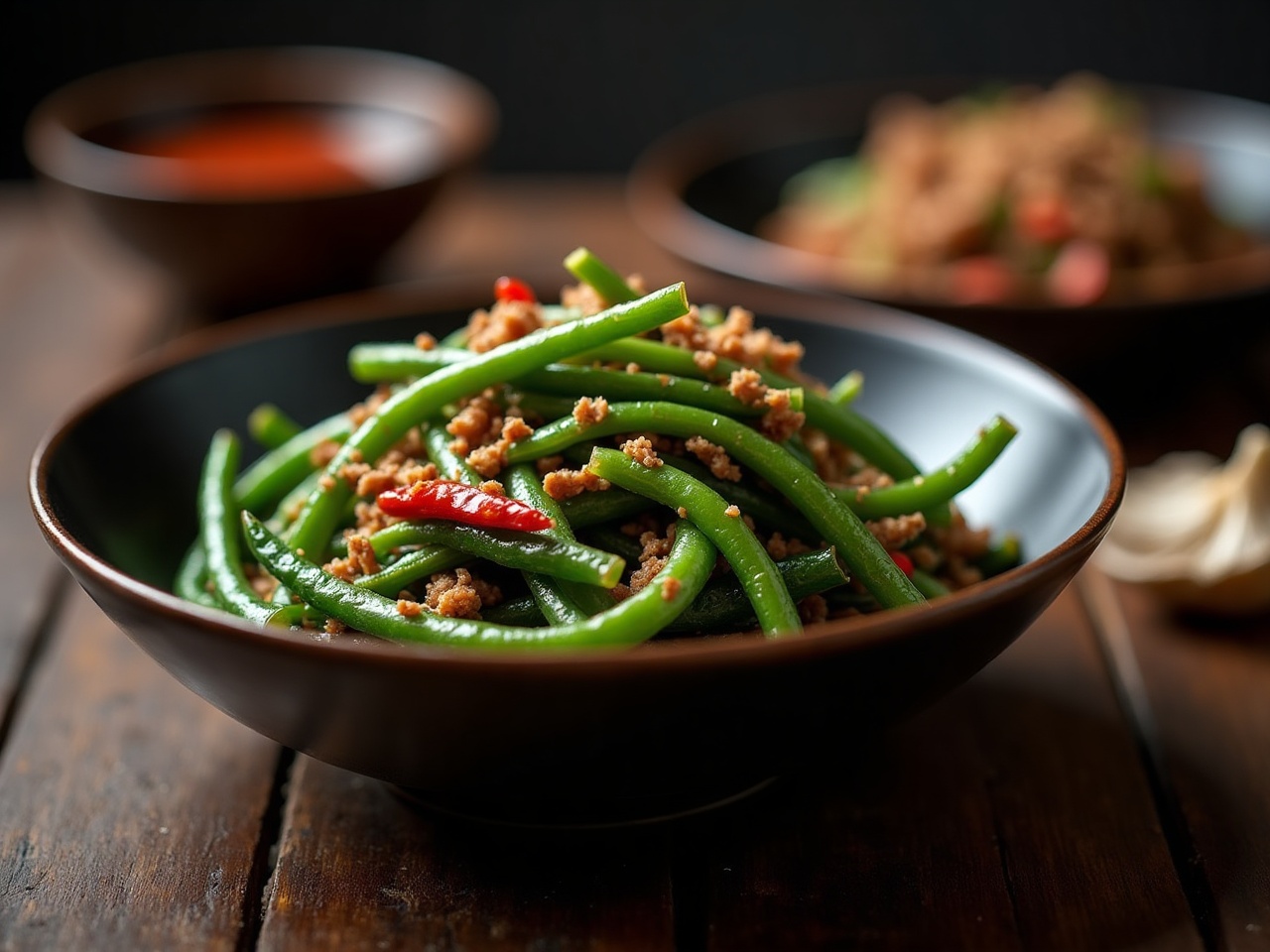
Sichuan Dry-Fried Green Beans
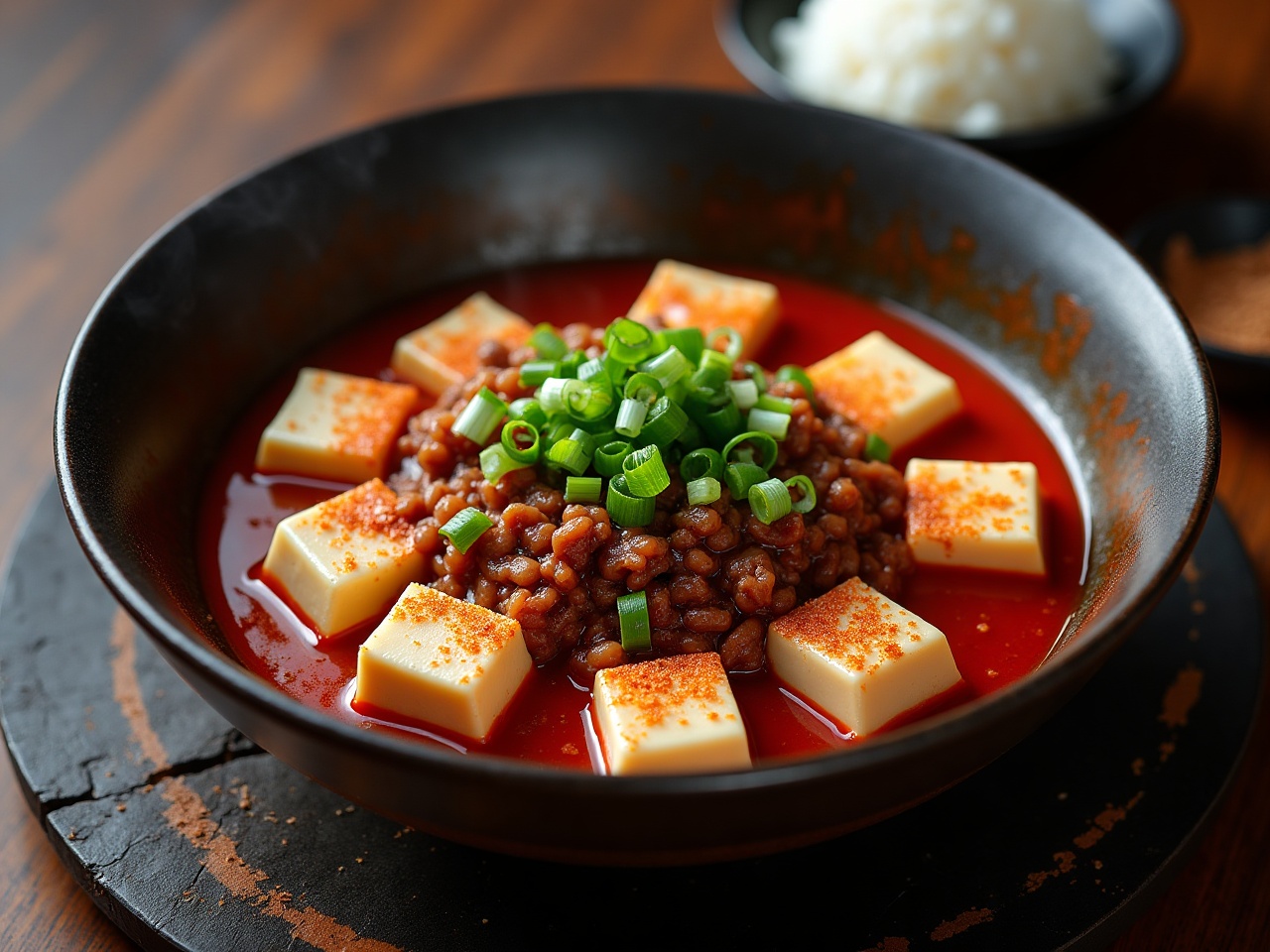
Mapo Tofu
Get our free Chinese Kitchen Starter Guide
The 12 pantry staples, the 5 techniques, and a week of beginner-friendly dinners — plus a new decoded recipe each week.