Chinese Chili Oil Substitutes
辣椒油 · 红油 · hot oil · la you
By The Chowmi Test Kitchen · Updated June 4, 2026
This post may contain affiliate links. Read our affiliate disclosure.
If you're out of Chinese chili oil, you have two great options. The fastest substitute is chili crisp (like Lao Gan Ma) — spoon some over, using both the oil and the crunchy bits, for a slightly chunkier but very similar effect. Even better, you can make chili oil yourself in about five minutes: heat a neutral oil until shimmering, then pour it over a bowl of Sichuan or Korean chili flakes (about 3 tablespoons oil to 1 tablespoon flakes) with a pinch of salt — it sizzles, blooms red, and you have fresh chili oil. In a real pinch, mix chili flakes or a little cayenne into warm oil. What you don't want is to swap in a vinegary hot sauce like sriracha — it's water-based and tangy, so it changes the flavor and won't behave like an oil.
No chinese chili oil? Build the best swap
AITell us what you're making and what you have — get a tailored substitute with ratios.
Every chinese chili oil substitute, ranked
| Substitute | Ratio | Match |
|---|---|---|
| Chili crisp (Lao Gan Ma, etc.) Drizzling and finishing · vegan | 1:1, scooping oil + crunchy bits | 85% |
| Homemade (hot oil + chili flakes) When you have 5 minutes and chili flakes · vegan | 3 tbsp hot neutral oil poured over 1 tbsp chili flakes + a pinch of salt | 90% |
| Chili flakes in warm oil Quick heat in a dish · vegan | Stir chili flakes or a little cayenne into warm neutral oil | 70% |
- Chili crisp (Lao Gan Ma, etc.): Very close — chunkier and often with fried garlic/soybeans, but the same toasty-chili-oil character.
- Homemade (hot oil + chili flakes): The real thing, fresh. Add a star anise or Sichuan peppercorn to the oil while heating for extra aroma.
- Chili flakes in warm oil: Skips the blooming step, so it's less aromatic, but adds chili heat in an oil base.
What is Chinese Chili Oil?
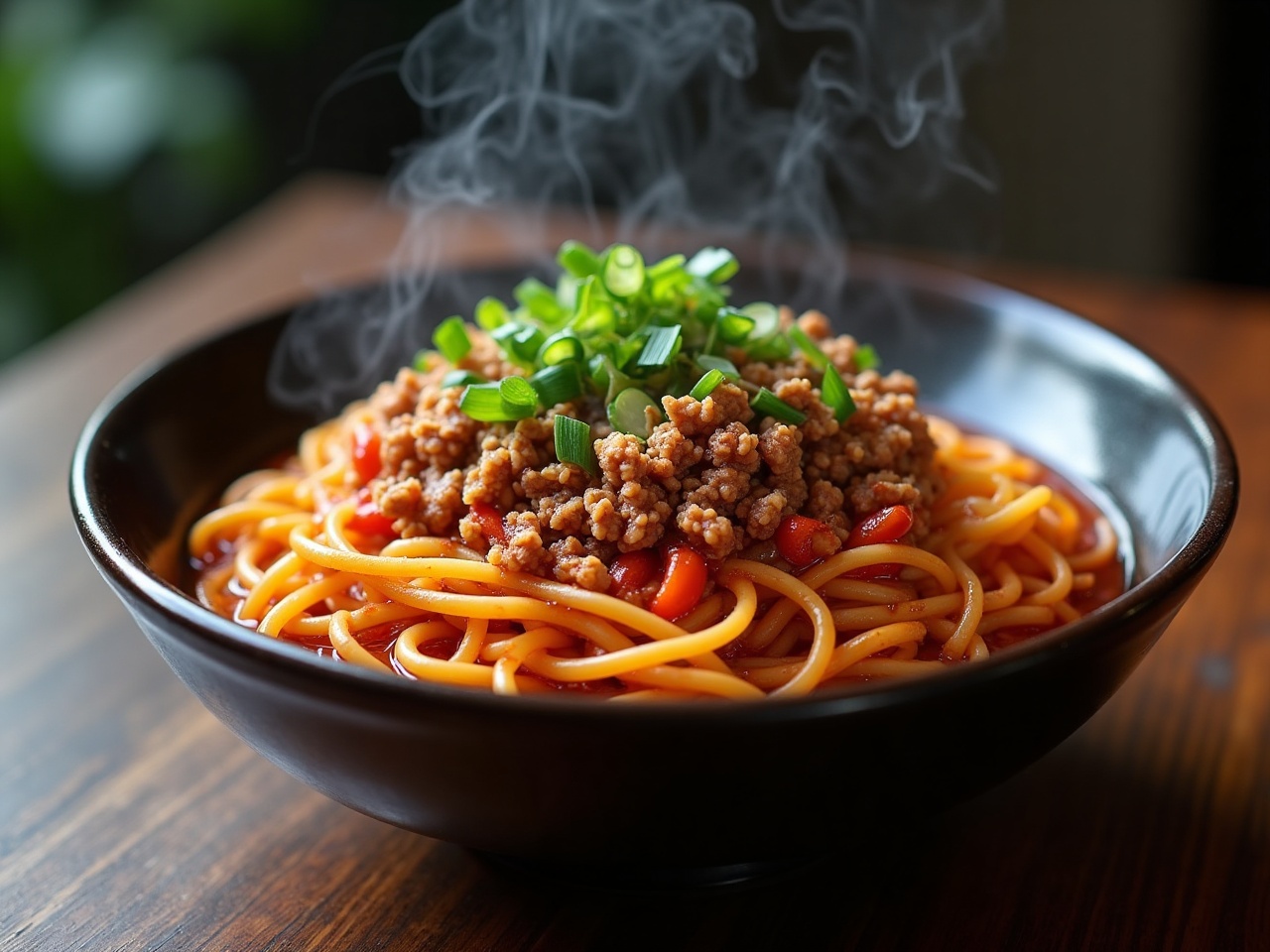
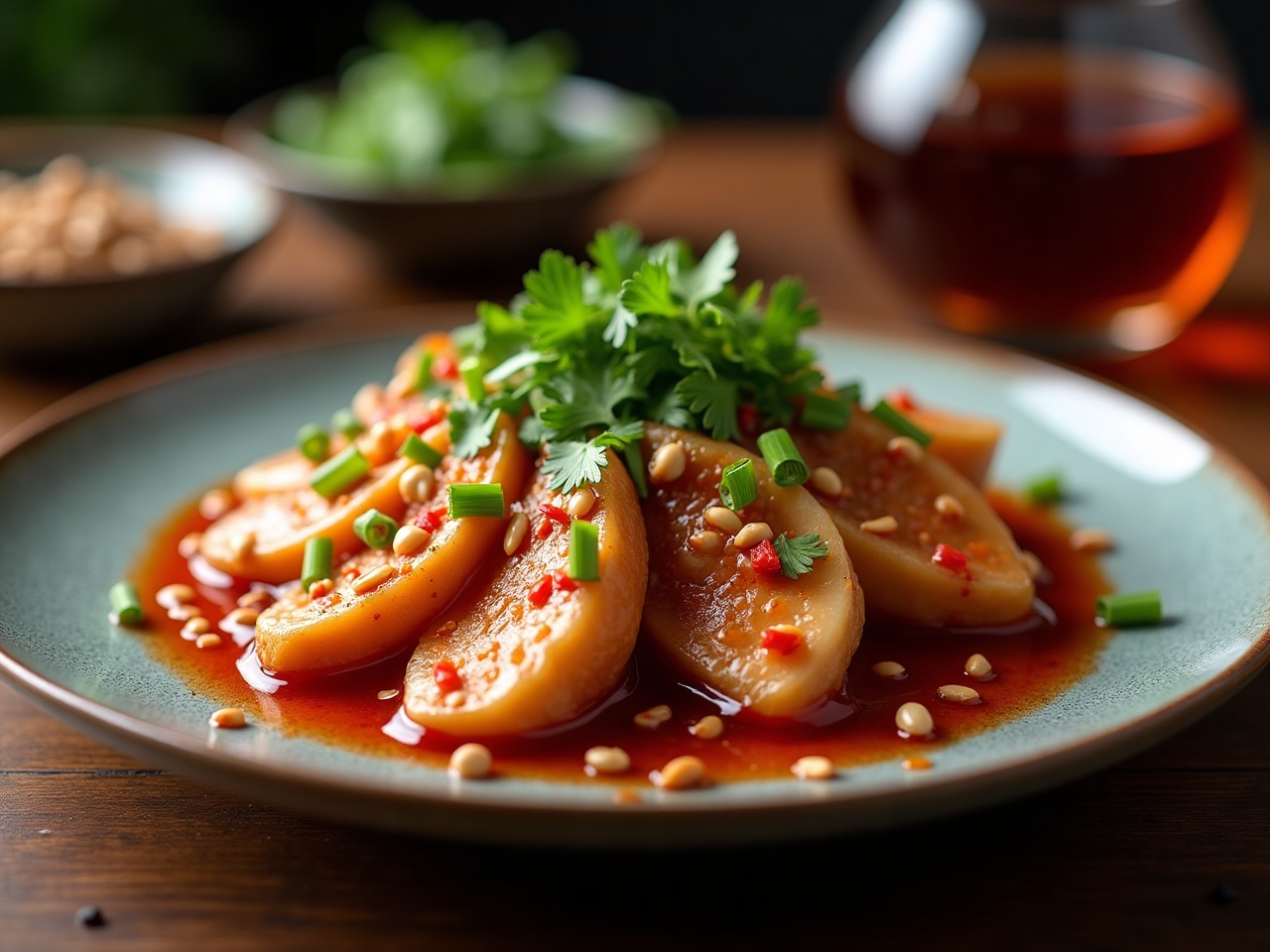
Chinese chili oil (红油, hong you) is a fragrant red oil made by pouring hot oil over dried chili flakes, often with aromatics like star anise, bay, ginger, and Sichuan peppercorn. It's used both while cooking and as a finishing condiment — drizzled over dan dan noodles, dumplings, mouthwatering chicken, and cold dishes. The flavorful red sediment at the bottom carries much of the punch, so most recipes use both the oil and the flakes.
Flavor: Toasty, fragrant chili heat in an oil base — aromatic and warming rather than sharp or vinegary.
Chili oil vs chili crisp
Chili oil is mostly fragrant oil with some chili sediment; chili crisp (like Lao Gan Ma) is chunkier, loaded with crunchy fried bits — often soybeans, garlic, and shallots — suspended in the oil. They're interchangeable in most recipes: use chili oil when you want a smooth drizzle, chili crisp when you want texture and extra umami. Scoop from the bottom of either jar to get the flavorful solids.
Chili oil vs sriracha (don't swap)
These are not interchangeable. Chili oil is oil-based, toasty, and aromatic; sriracha is a water-based, vinegary, garlicky hot sauce. Substituting sriracha for chili oil adds tang and moisture that change the dish and won't coat food the way an oil does. If you only have sriracha, you don't really have a chili oil substitute — make a quick chili oil instead.
Where to buy chinese chili oil
Stock real chinese chili oil
Jarred chili oil and chili crisp (Lao Gan Ma, Fly By Jing, S&B) are at most Asian groceries, Weee!, Yamibuy, and Amazon. But it's genuinely cheap and easy to make at home — a bag of Sichuan or Korean (gochugaru) chili flakes plus any neutral oil is all you need.
Chinese Chili Oil FAQ
What can I use instead of chili oil?
Chili crisp (like Lao Gan Ma) is the easiest swap — use the oil and the crunchy bits 1:1. Or make chili oil in five minutes: pour hot neutral oil over chili flakes with a pinch of salt. Avoid sriracha or other vinegary hot sauces, which are water-based and change the flavor.
How do I make chili oil at home?
Heat about 3 tablespoons of a neutral oil until shimmering (not smoking), then pour it over 1 tablespoon of Sichuan or Korean chili flakes and a pinch of salt in a heatproof bowl — it'll sizzle and bloom red. For more aroma, warm a star anise, a slice of ginger, and a few Sichuan peppercorns in the oil first, then strain them out before pouring.
What's the difference between chili oil and chili crisp?
Chili oil is mostly fragrant oil with fine chili sediment; chili crisp is chunky, packed with crunchy fried garlic, shallots, or soybeans. They're interchangeable in most dishes — pick chili oil for a smooth drizzle and chili crisp for crunch and extra savoriness.
Can I use sriracha instead of chili oil?
Not really — sriracha is a vinegary, water-based hot sauce, while chili oil is oil-based and toasty. Swapping it in adds tang and moisture and won't coat food like an oil. If chili oil is what the recipe wants, it's quicker and better to make a fast homemade chili oil.
Should I use the oil or the chili bits at the bottom?
Both — the red sediment at the bottom of a chili oil or chili crisp jar holds much of the flavor and heat. Stir or scoop from the bottom so you get a mix of the fragrant oil and the flavorful flakes.
Recipes that use chinese chili oil
Get our free Chinese Kitchen Starter Guide
The 12 pantry staples, the 5 techniques, and a week of beginner-friendly dinners — plus a new decoded recipe each week.