Kung Pao Chicken
This post may contain affiliate links. Read our affiliate disclosure.
🧪 Developed & tested by the The Chowmi Test Kitchen for US kitchens. How we develop our recipes.
Kung pao chicken (宫保鸡丁, gong bao ji ding) is a Sichuan stir-fry of diced chicken, peanuts, and dried chilies in a glossy sweet-sour-savory sauce with a gentle numbing tingle from Sichuan peppercorn. The technique that makes it work: velvet the diced chicken in cornstarch, soy, and Shaoxing wine so it stays tender; fry dried chilies and Sichuan peppercorn in oil until fragrant but not burnt; then add the chicken, a pre-mixed sauce of Chinkiang vinegar, soy, sugar, and a cornstarch slurry, and the peanuts at the very end so they stay crunchy. Total time is about 30 minutes. The restaurant-style 'gong bao' sauce is built on the balance of black-vinegar sourness and sugar — get that ratio right and the rest is easy.
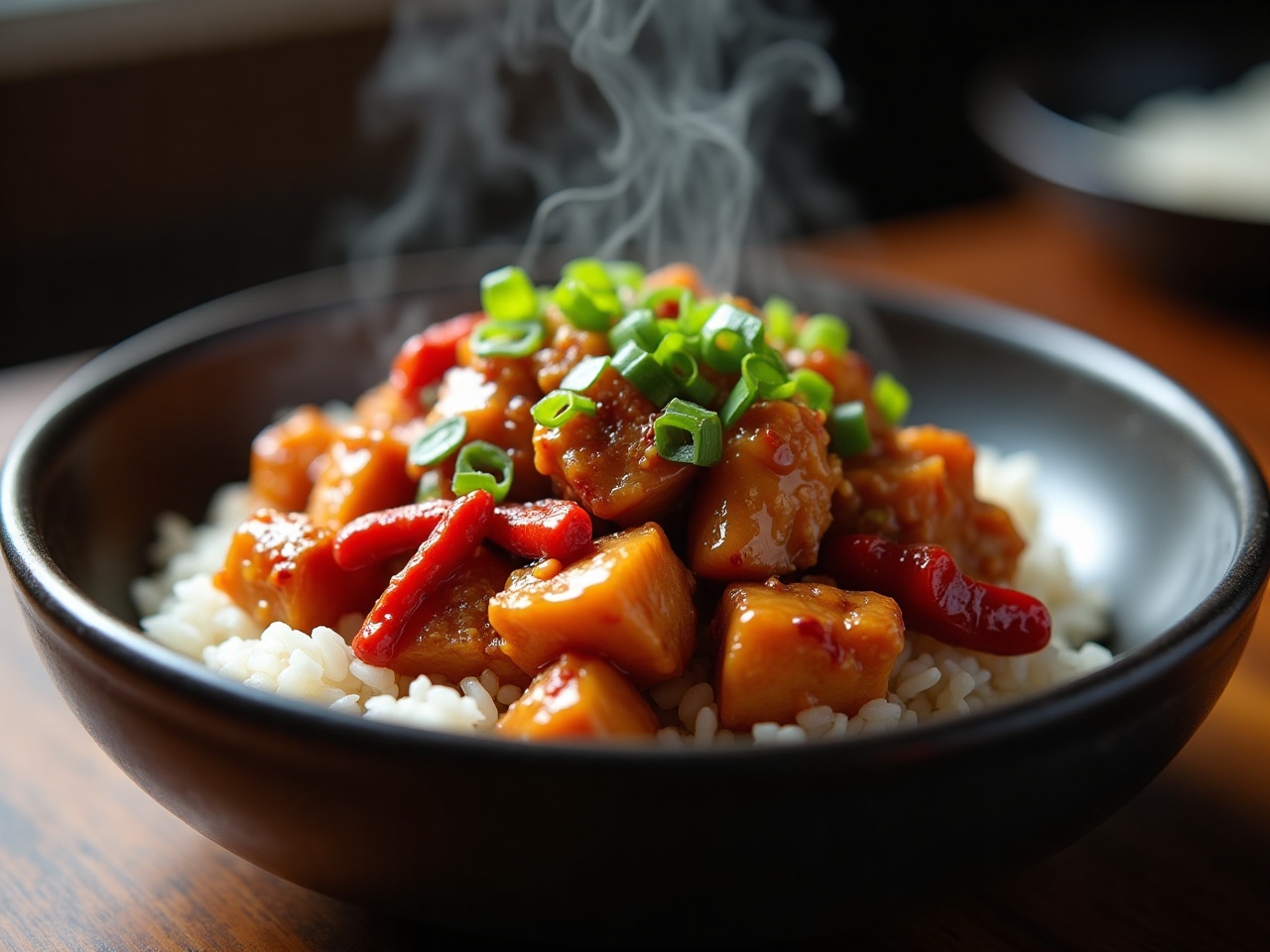 Save to Pinterest
Why you'll love this kung pao chicken
- Better than takeout in under 30 minutes — and you control the sugar and heat.
- Velveting keeps the chicken silky and tender, just like a restaurant.
- Every hard-to-find ingredient comes with a US-grocery swap, so you can start tonight.
- The sauce is pre-mixed, so the actual stir-fry takes about 4 minutes.
Ingredients
Chicken & marinade
Sauce
Stir-fry
Missing an ingredient?
AITell us what you have and what you're making — get the best US-grocery swap, with ratios.
Hard-to-find ingredients, delivered
Stock the pantry once and you can cook this anytime: Shaoxing wine, Chinkiang black vinegar, dried red chilies, Sichuan peppercorns. Asian groceries deliver nationwide.
Equipment
- Wok or large skillet — High, even heat is what keeps the chicken from steaming.(shop →)
Instructions
Toss the diced chicken with the soy sauce, Shaoxing wine, and cornstarch. Let it marinate while you prep everything else — 15 minutes is plenty. This 'velveting' step is what makes the chicken silky.
💡 Thighs stay juicier than breast in a fast, hot stir-fry. If you only have breast, don't overcook it.
Stir the sauce ingredients together in a small bowl until the sugar and cornstarch dissolve. Set it by the stove — once you start cooking, there's no time to measure.
Heat the oil in a wok over medium heat. Add the dried chilies and Sichuan peppercorns and fry for 30–45 seconds, just until the chilies darken a shade and smell toasty. Don't let them blacken or the dish turns bitter.
Turn the heat to high. Add the chicken in a single layer and let it sear undisturbed for 1 minute, then stir-fry until it's about 80% cooked, 2–3 minutes.
Add the garlic, ginger, and scallion whites. Stir for 30 seconds until fragrant.
Give the sauce a quick re-stir and pour it in. It will thicken and turn glossy in under a minute — toss to coat the chicken.
Turn off the heat and stir in the peanuts. Adding them last keeps them crunchy. Serve immediately over rice.
Tips & notes
- Recipe just says “dried chili”? For kung pao, use whole dried red chilies (Tianjin or árbol). Shaking out the seeds keeps the dish fragrant rather than blistering-hot.
- “Velvet the chicken” simply means coating it in cornstarch (and here, soy + wine) before frying — it shields the meat so it stays tender. Don't skip it.
- The signature kung pao flavor is the balance of black vinegar and sugar. Taste the sauce before cooking and adjust: more vinegar for tang, more sugar to round it out.
- Cooking for kids? Use just 2–3 dried chilies and skip the Sichuan peppercorn — you'll keep the savory-sweet sauce without the heat or tingle.
Recipe wording too vague?
AIPaste any fuzzy step (少许, 火候正好, 焯水) and get exact amounts, temps and times.
Kung Pao Chicken
- Prep
- 15 min
- Cook
- 12 min
- Total
- 27 min
- Serves
- 4
- Level
- Beginner
Ingredients
- 1 lb boneless chicken thighs, cut into ¾-inch cubes
- 1 tbsp light soy sauce
- 1 tbsp Shaoxing wine, or dry sherry
- 1 tbsp cornstarch
- 1 tbsp Chinkiang black vinegar
- 1 tbsp light soy sauce
- 1 tsp dark soy sauce, for color
- 2 tsp sugar
- 1 tsp cornstarch
- 2 tbsp chicken stock or water
- 8–10 dried red chilies, snipped, seeds shaken out for less heat
- 1 tsp Sichuan peppercorns
- 3 cloves garlic, sliced
- 1 inch ginger, sliced
- 3 scallions, white parts, cut into 1-inch pieces
- ⅓ cup roasted unsalted peanuts
- 2 tbsp neutral oil
Instructions
- Toss the diced chicken with the soy sauce, Shaoxing wine, and cornstarch. Let it marinate while you prep everything else — 15 minutes is plenty. This 'velveting' step is what makes the chicken silky.
- Stir the sauce ingredients together in a small bowl until the sugar and cornstarch dissolve. Set it by the stove — once you start cooking, there's no time to measure.
- Heat the oil in a wok over medium heat. Add the dried chilies and Sichuan peppercorns and fry for 30–45 seconds, just until the chilies darken a shade and smell toasty. Don't let them blacken or the dish turns bitter.
- Turn the heat to high. Add the chicken in a single layer and let it sear undisturbed for 1 minute, then stir-fry until it's about 80% cooked, 2–3 minutes.
- Add the garlic, ginger, and scallion whites. Stir for 30 seconds until fragrant.
- Give the sauce a quick re-stir and pour it in. It will thicken and turn glossy in under a minute — toss to coat the chicken.
- Turn off the heat and stir in the peanuts. Adding them last keeps them crunchy. Serve immediately over rice.
Nutrition (est., per serving): 340 cal · 27 g protein · 12 g carbs · 20 g fat
Kung Pao Chicken FAQ
What cut of chicken is best for kung pao chicken?
Boneless thighs are best — they stay juicy through a fast, high-heat stir-fry. Breast works if that's what you have, but cut it slightly larger and pull it off the heat the moment it's cooked, or it goes dry. Either way, velveting the chicken in cornstarch keeps it tender.
What's the difference between kung pao chicken and General Tso's?
Kung pao is a Sichuan dish: lighter, with a sweet-sour-savory sauce, dried chilies, Sichuan peppercorn, and peanuts, and the chicken is stir-fried (not battered). General Tso's is a deep-fried, heavily sweet American-Chinese dish with no peanuts or numbing spice. They're quite different.
Can I make kung pao chicken without Sichuan peppercorns?
Yes — you'll lose the signature numbing (má) tingle, which has no real substitute, but the dish is still delicious as a sweet-sour-savory chili stir-fry. Don't try to fake the tingle with extra black pepper; just leave it out and enjoy a milder version.
What can I use instead of Chinkiang (black) vinegar?
Rice vinegar with a little soy sauce and a pinch of sugar gets close; or balsamic vinegar cut 1:1 with rice vinegar. You'll miss some of the malty depth, but the sweet-sour balance still works.
Is kung pao chicken very spicy?
It's adjustable. The whole dried chilies mostly add fragrance and moderate heat, and most of it stays in the pan. For a milder dish use fewer chilies and shake out the seeds; for more heat, snip the chilies open.
You might also like
Get our free Chinese Kitchen Starter Guide
The 12 pantry staples, the 5 techniques, and a week of beginner-friendly dinners — plus a new decoded recipe each week.
Comments
Made this? Have a question or a tweak? Share it below.
No comments yet — be the first!