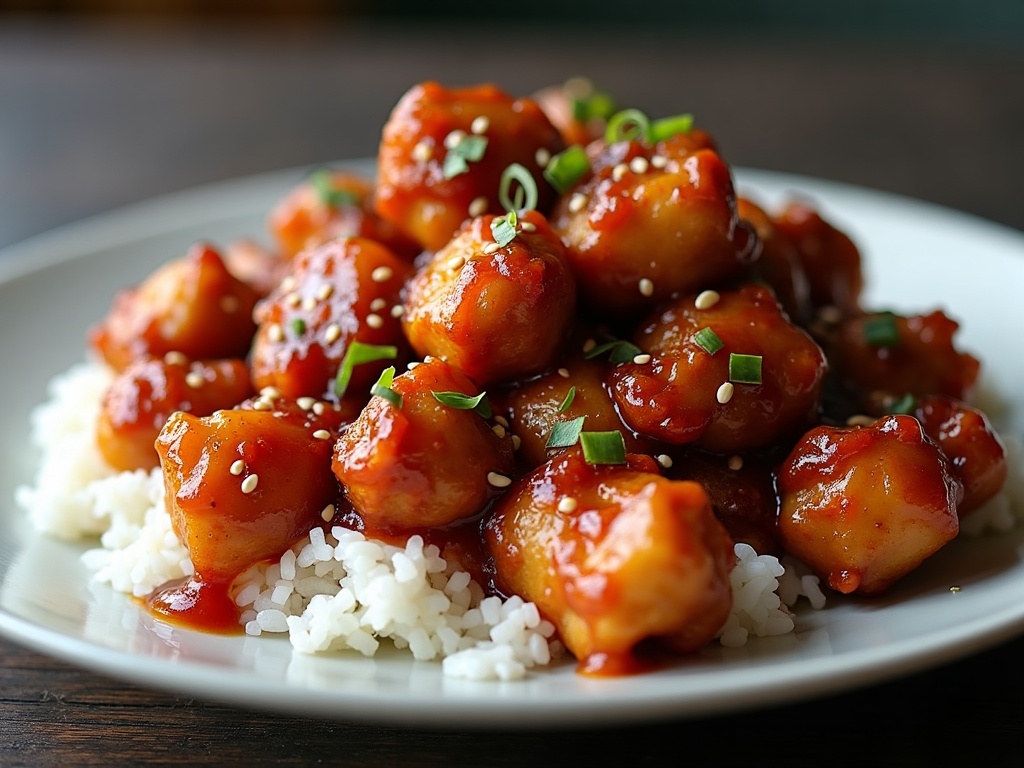
1. General Tso's Chicken
35 min · Intermediate · American Chinese
Possibly the single most-ordered takeout dish — sweet, savory, spicy and crispy. Yours will be crunchier and fresher than delivery.
By The Chowmi Test Kitchen · Updated June 5, 2026
These are the dishes you reach for the takeout menu to order — kung pao chicken, beef and broccoli, fried rice, chow mein — and the good news is they're some of the easiest, most satisfying Chinese recipes to cook at home. Made yourself, they come out fresher, cleaner, and cheaper than delivery, usually in about the time it would take to arrive. And they're not the gloopy, over-sweet versions: these are balanced, properly seasoned takes built on real technique — velveting for silky meat, high-heat stir-frying for that 'wok' aroma, and sauces measured to taste right rather than just sweet. Every recipe is written for a US kitchen, with substitutes for anything hard to find.
Possibly the single most-ordered takeout dish — sweet, savory, spicy and crispy. Yours will be crunchier and fresher than delivery.
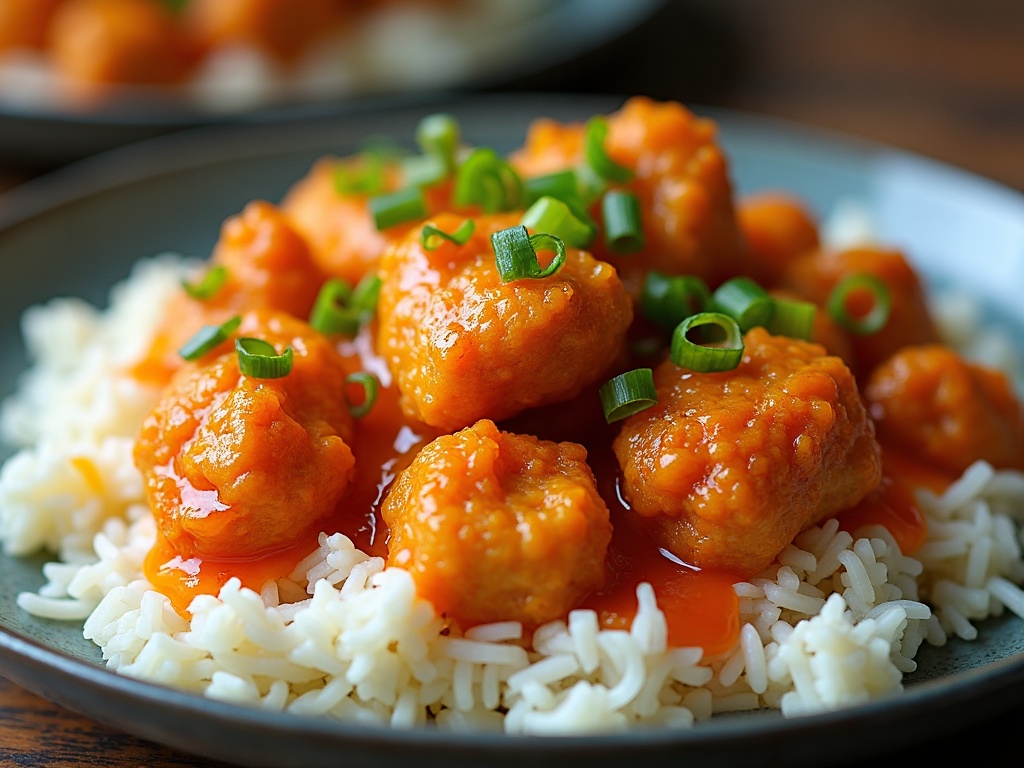
The food-court icon, made fresh: crispy chicken in a real-orange sauce that actually tastes of citrus, not just sugar.
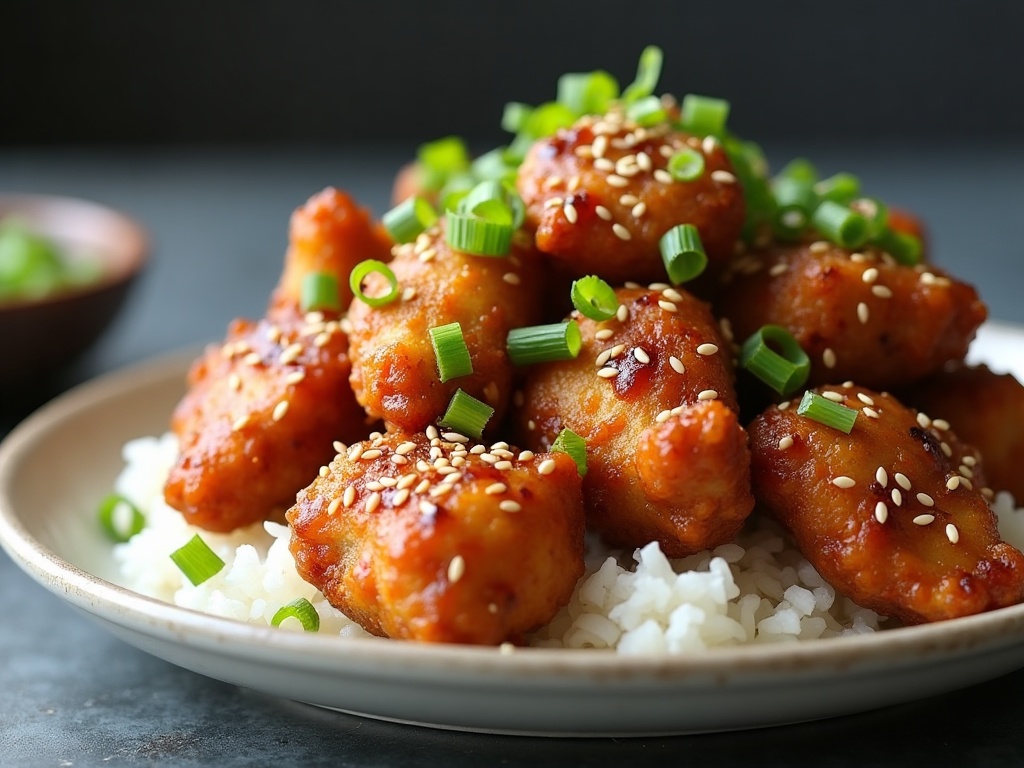
The milder, sweeter cousin of General Tso's, loaded with toasted sesame — a no-heat crowd-pleaser.
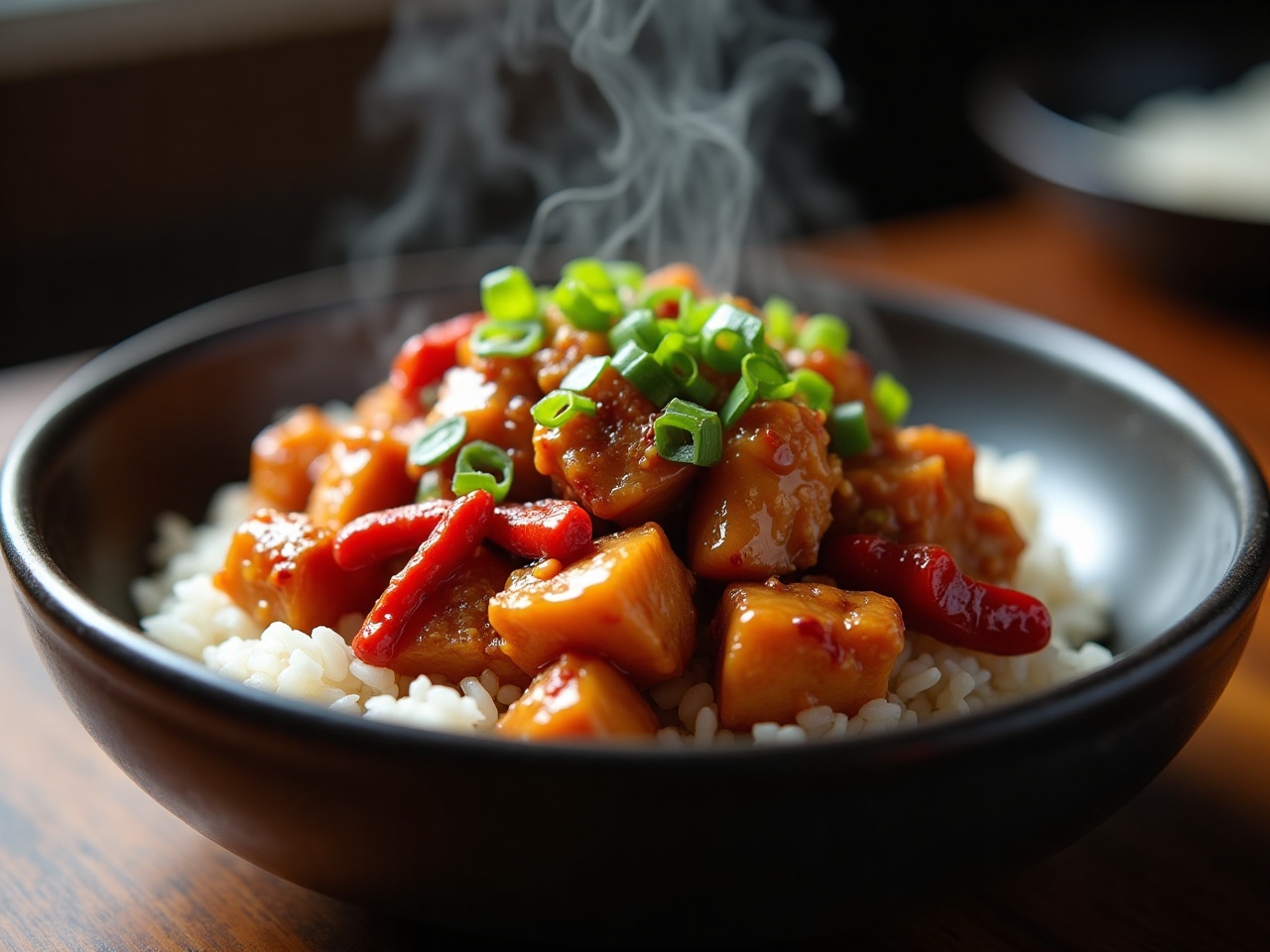
The number-one order, done right: tender chicken, peanuts, and a balanced sweet-sour-spicy sauce that isn't drowning in cornstarch or sugar.
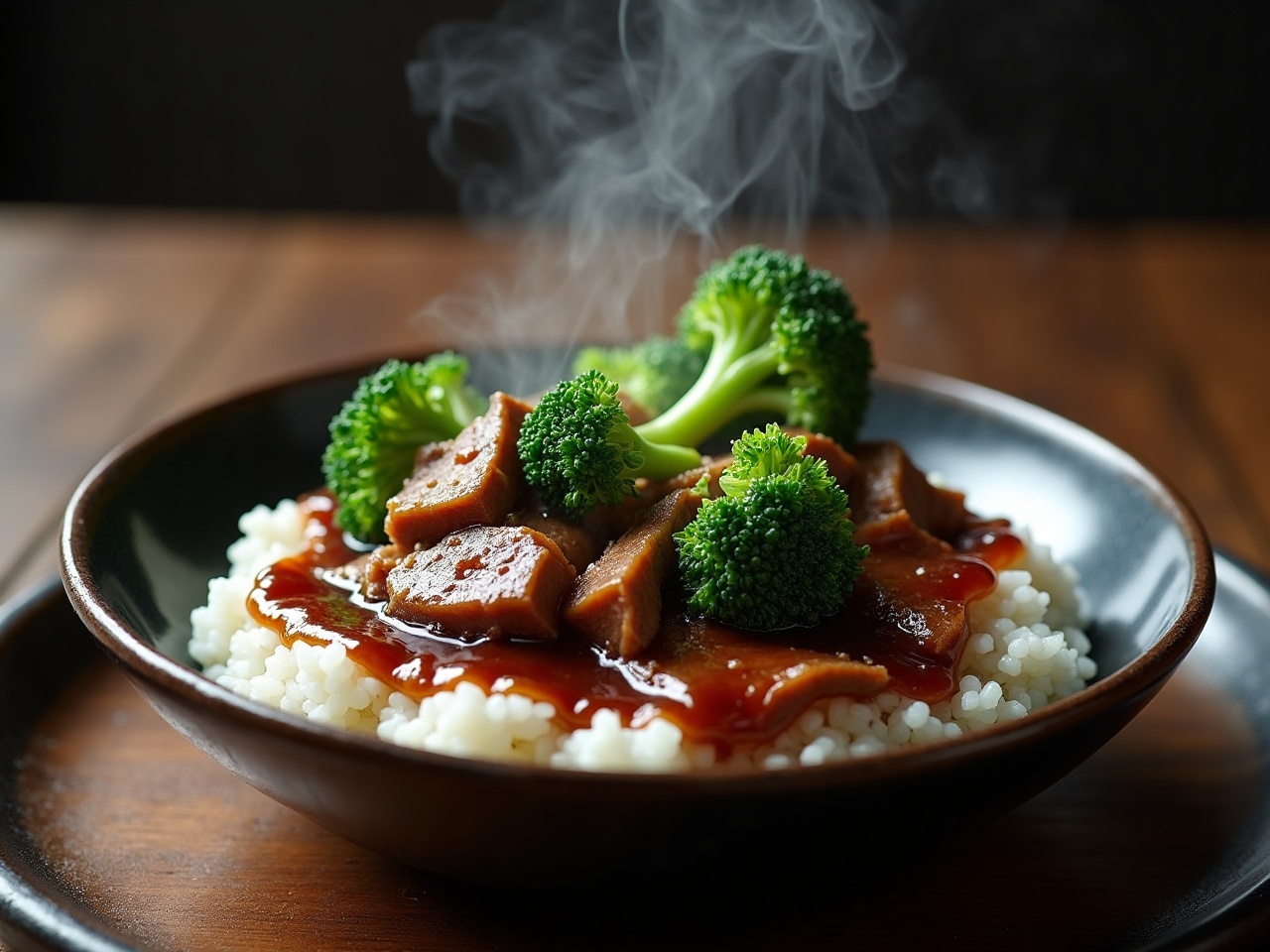
The brown-sauce classic — and the velveting trick gives you the silky, tender beef that's the whole reason you order it out.
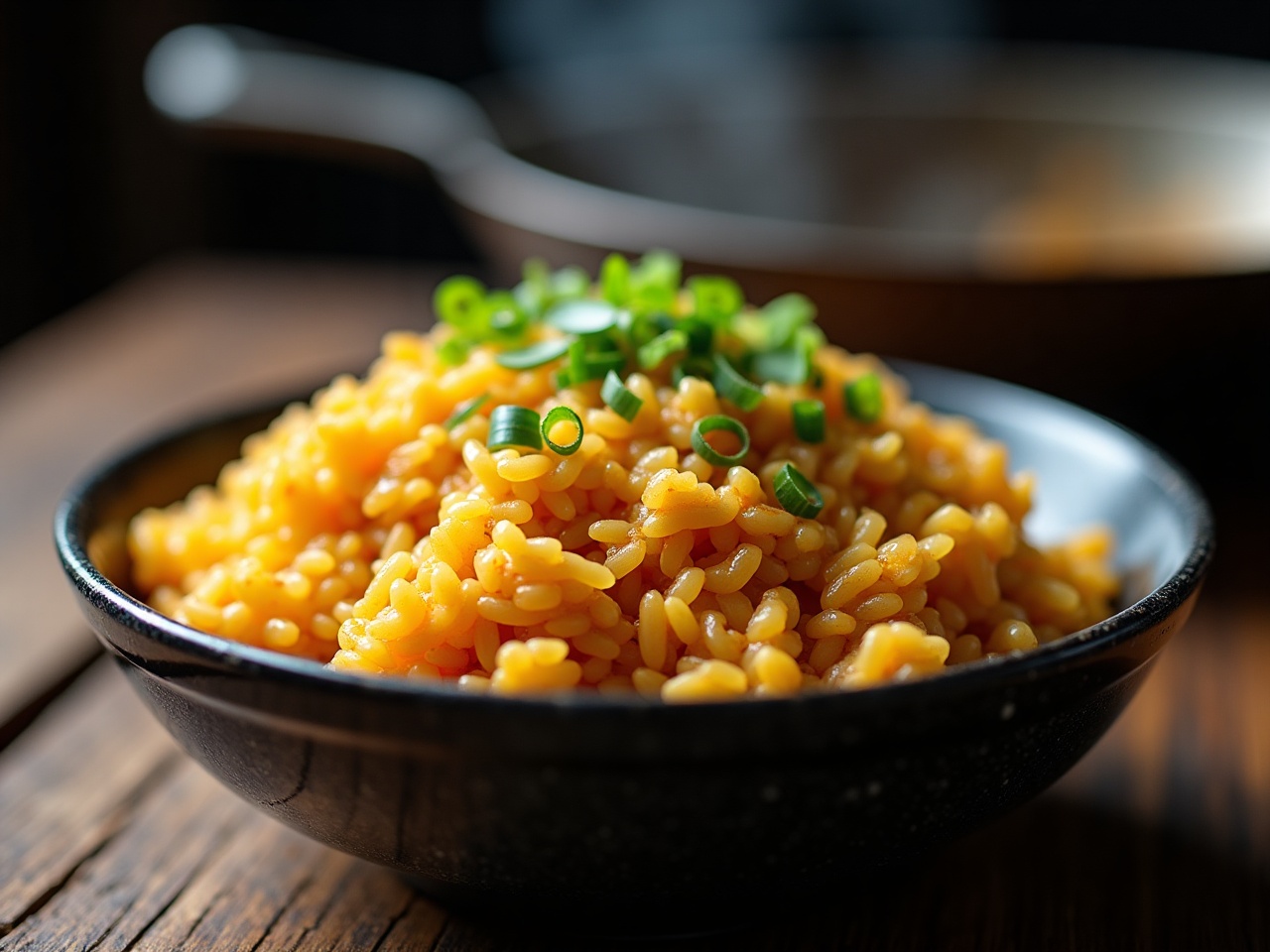
Better than the takeout box and a brilliant use for day-old rice; ready in 10 minutes and endlessly customizable.
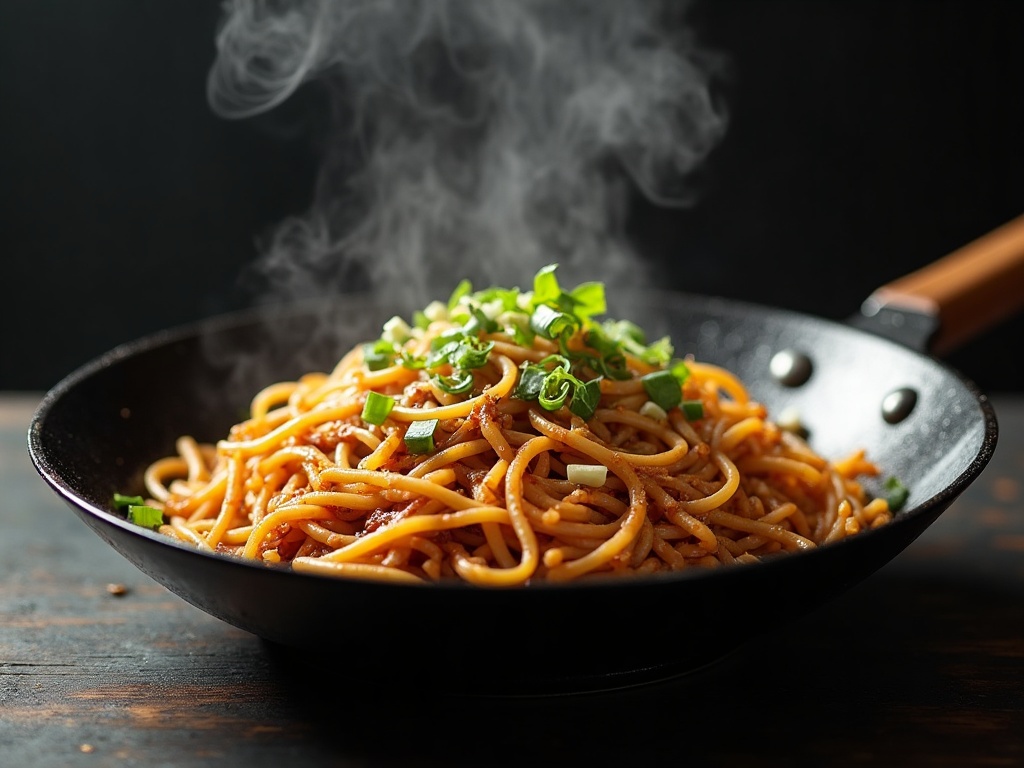
Pan-fried noodles with genuine wok flavor — the smoky 'wok hei' that most delivery chow mein is missing.
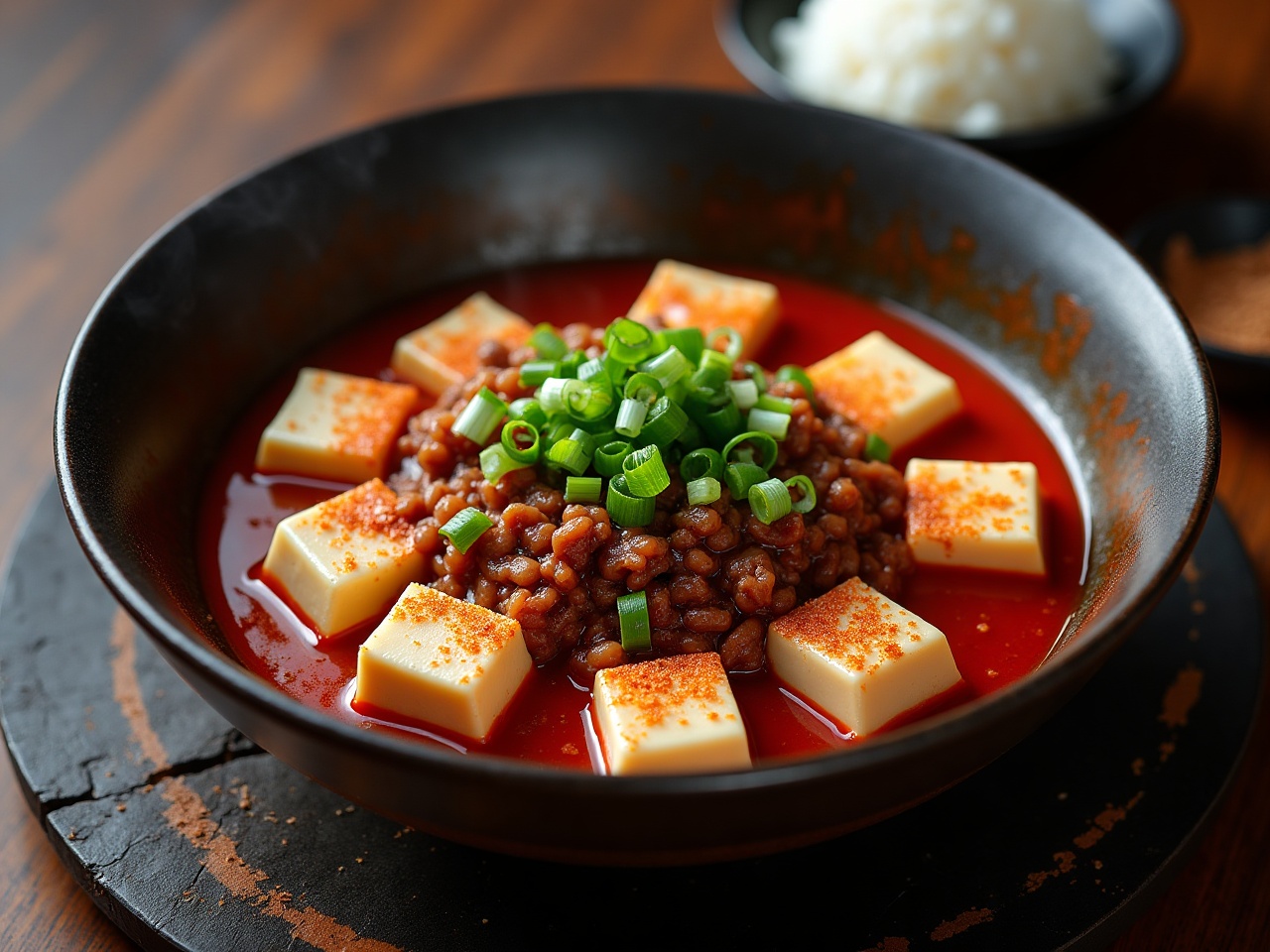
Restaurant-level numbing-spicy tofu at home; one trip for doubanjiang and Sichuan peppercorn and you can make it on repeat.
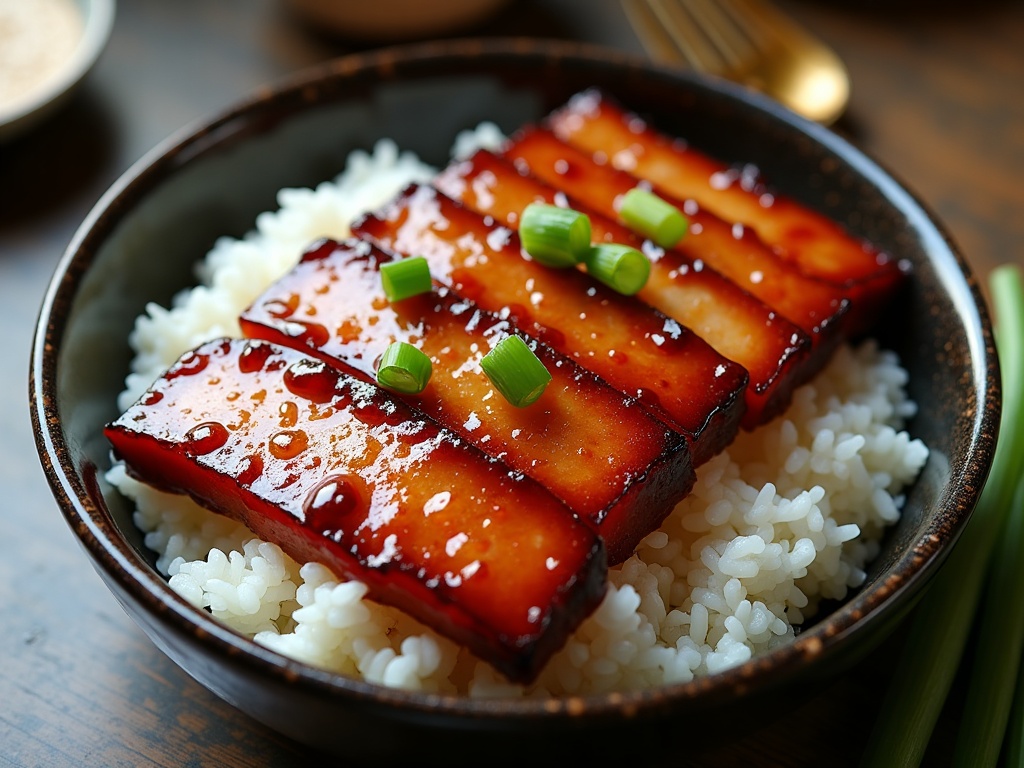
The glossy red BBQ pork hanging in the shop window — and it's surprisingly easy to nail in a home oven.
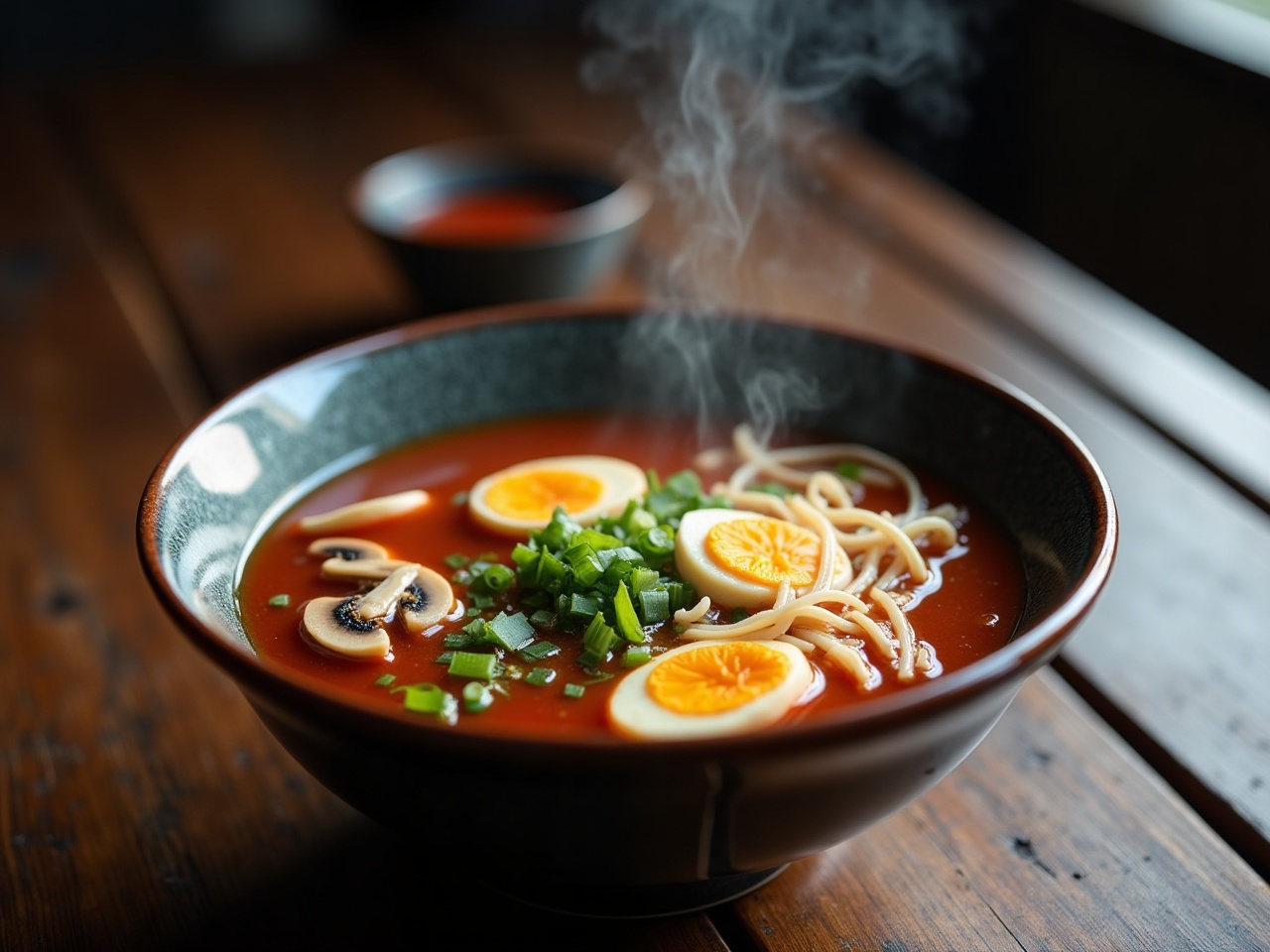
Fresher and less goopy than the takeout version, with a tangy, peppery broth you can dial to your own taste.
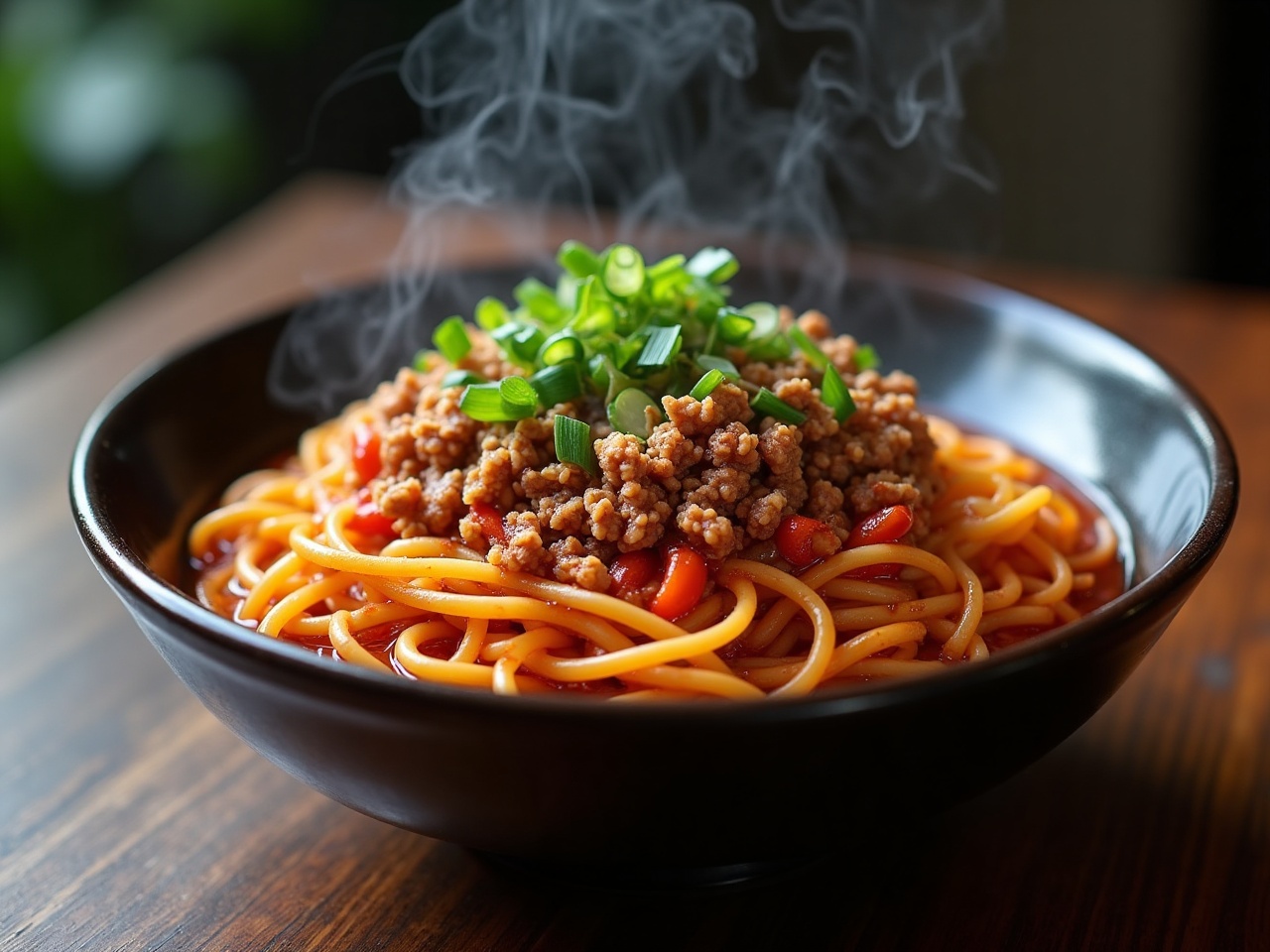
Saucy, nutty, tingly Sichuan noodles you can build faster than delivery would show up.
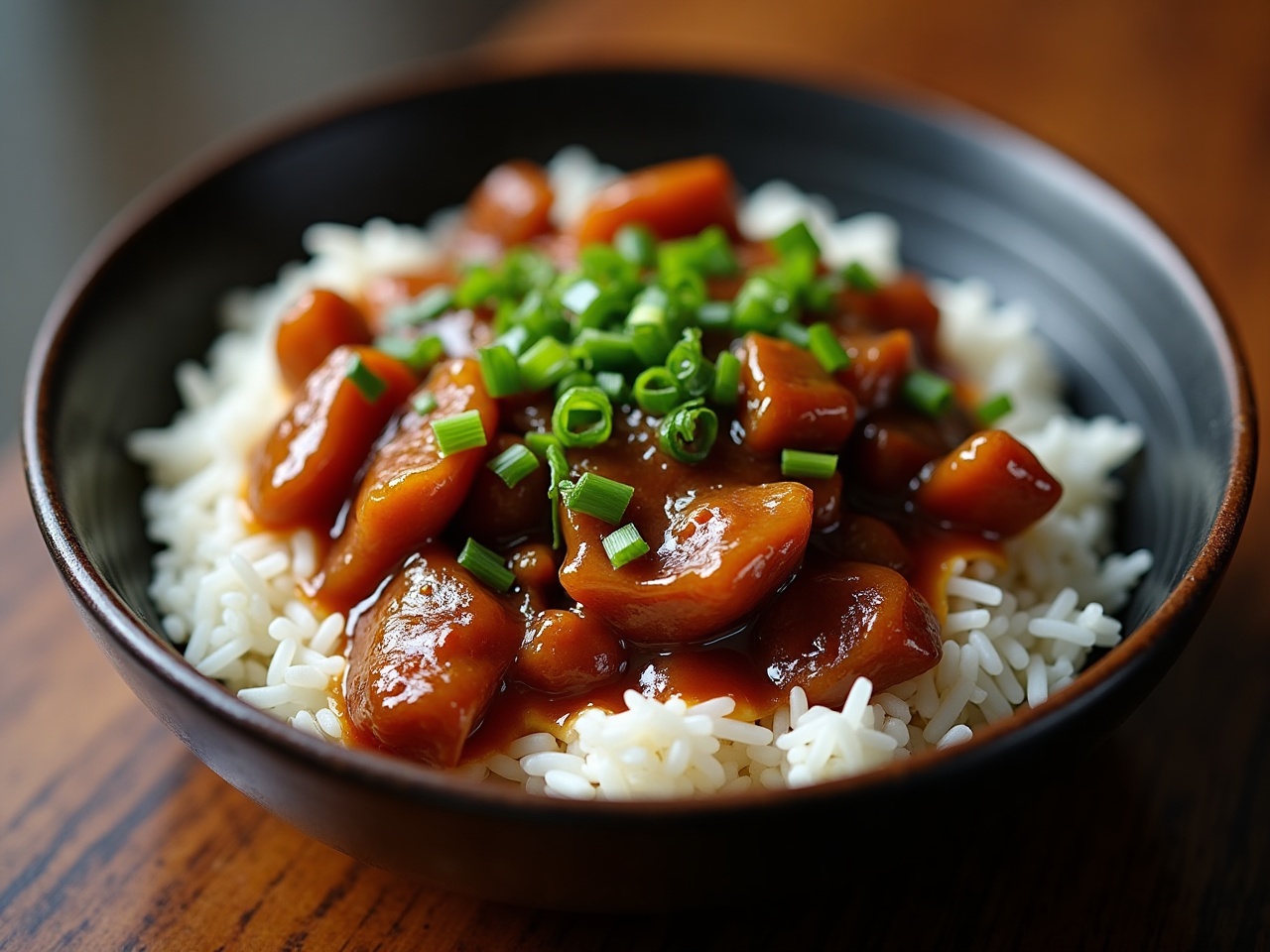
The garlic-sauce eggplant from the menu — meltingly soft and bold, and naturally meat-free.
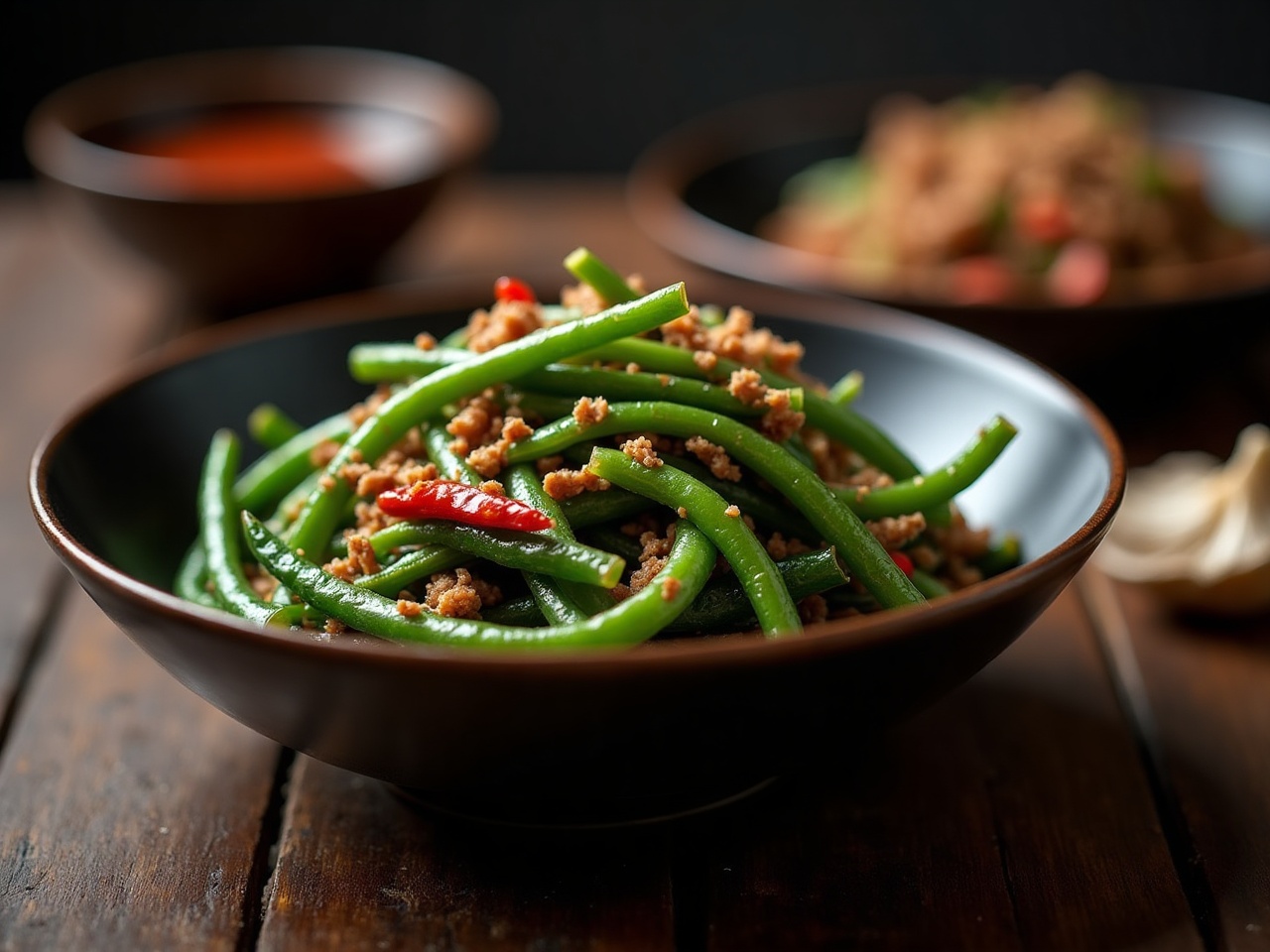
The blistered, savory green beans you always add to the order — quick enough to make a weeknight side.
Almost always, yes. The biggest cost is stocking a few pantry sauces — soy, oyster sauce, Shaoxing wine, sesame oil — and those last for months across dozens of meals. After that, a home-cooked stir-fry usually costs a fraction of the delivery price per serving, with fresher ingredients and no delivery fee or tip.
In the US, the perennial favorites are dishes like kung pao chicken, beef and broccoli, fried rice, and lo mein or chow mein, along with General Tso's and orange chicken. Most are quick stir-fries at heart, which is exactly why they translate so well to a home kitchen.
That smoky aroma is called wok hei, and it comes from very high heat. Get your wok or skillet smoking-hot before adding oil, make sure your ingredients are dry, don't overcrowd the pan (cook in batches), and keep everything moving fast. A home burner can't fully match a restaurant's, but hot-and-fast gets you most of the way there.
Usually it's heat and prep. Takeout kitchens cook over intense flames with every ingredient already chopped, measured, and within reach, so each dish cooks in seconds. Prep everything before you turn on the stove (this is called mise en place), get the pan very hot, and balance the sauce by tasting — those three habits close most of the gap.
The 12 pantry staples, the 5 techniques, and a week of beginner-friendly dinners — plus a new decoded recipe each week.