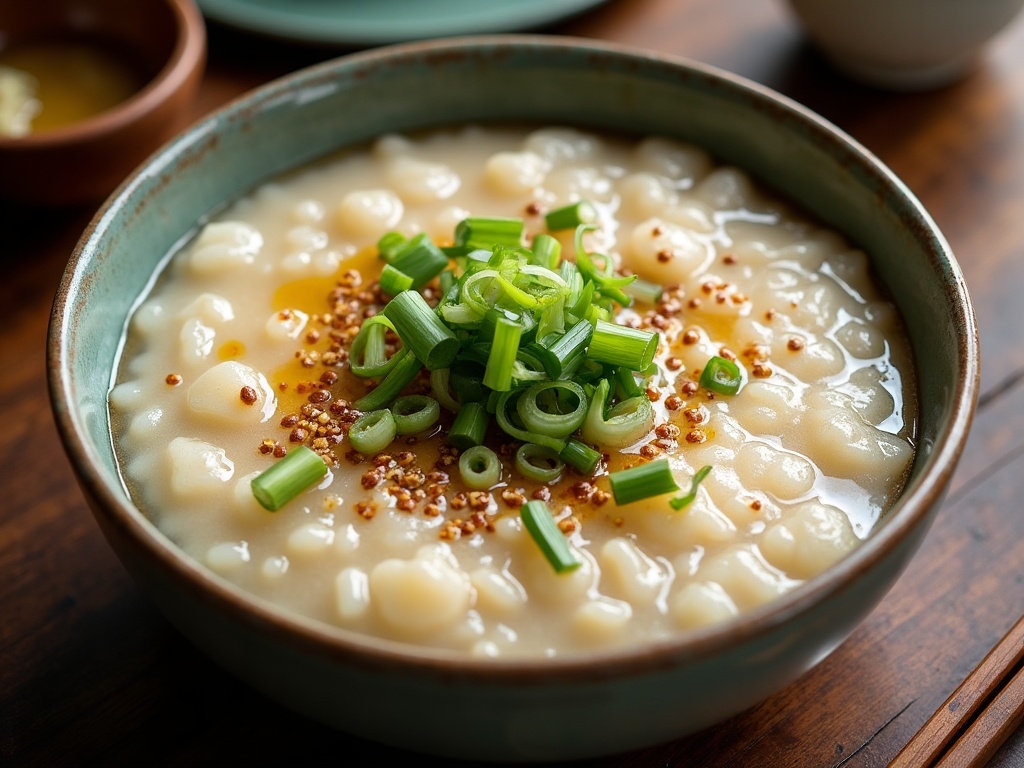
1. Congee (Chinese Rice Porridge)
1 hr 35 min · Beginner · Home-Style (家常菜)
Naturally gluten-free — it's just rice simmered into a silky porridge. Keep the toppings GF (scallion, ginger, tamari, eggs) and it's one of the safest dishes there is.
By The Chowmi Test Kitchen · Updated June 8, 2026
Most restaurant Chinese food is not gluten-free, and it catches a lot of people out: regular soy sauce is brewed with wheat, dishes lean on wheat noodles, dumpling wrappers and batter, and shared woks and fryers add cross-contamination. The good news is that cooking it at home is genuinely easy to make safe. Three swaps cover almost everything: use tamari or a certified gluten-free soy sauce 1:1 in place of soy sauce, thicken and coat with cornstarch instead of flour (cornstarch is naturally GF), and check the labels on oyster sauce, hoisin, and doubanjiang, since some contain wheat and gluten-free versions exist. The dishes below are either naturally gluten-free or GF with those swaps, noted on each — and we've deliberately left out wheat noodles, dumplings, spring rolls, and anything battered. Rice and rice-based dishes are your safest, most flexible starting point. If you have celiac disease, always verify individual product labels, as brands and formulations change.
Naturally gluten-free — it's just rice simmered into a silky porridge. Keep the toppings GF (scallion, ginger, tamari, eggs) and it's one of the safest dishes there is.
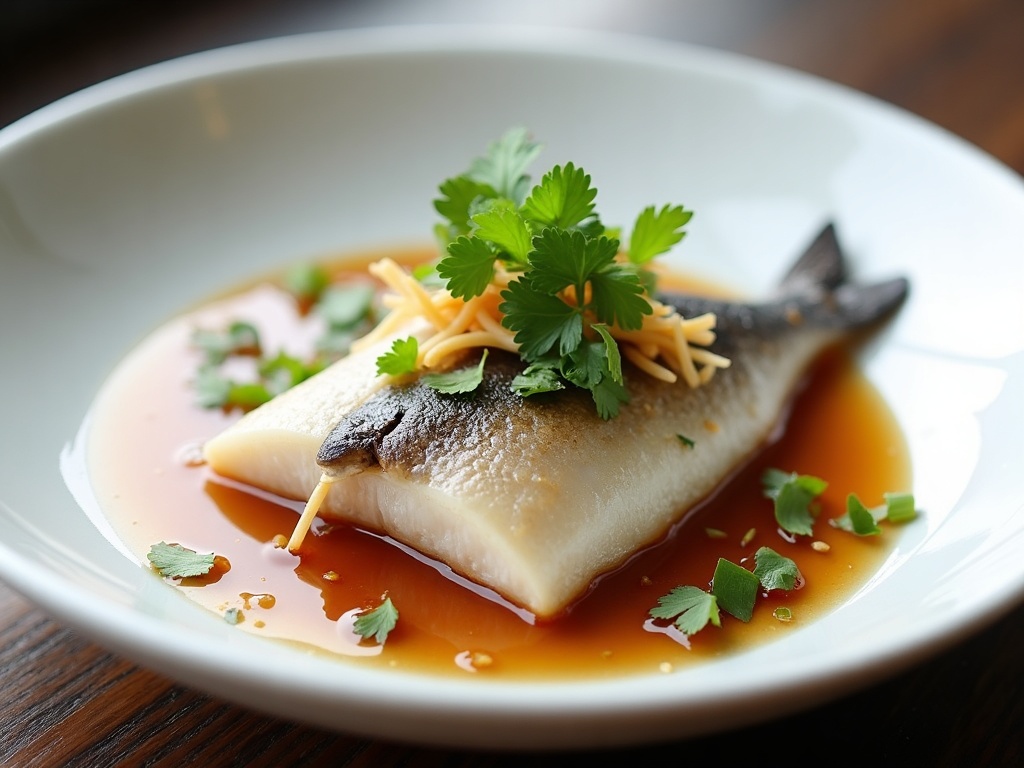
Naturally gluten-free and elegant: fish steamed with ginger and scallion, finished with a little tamari and hot oil instead of wheat-based soy sauce.
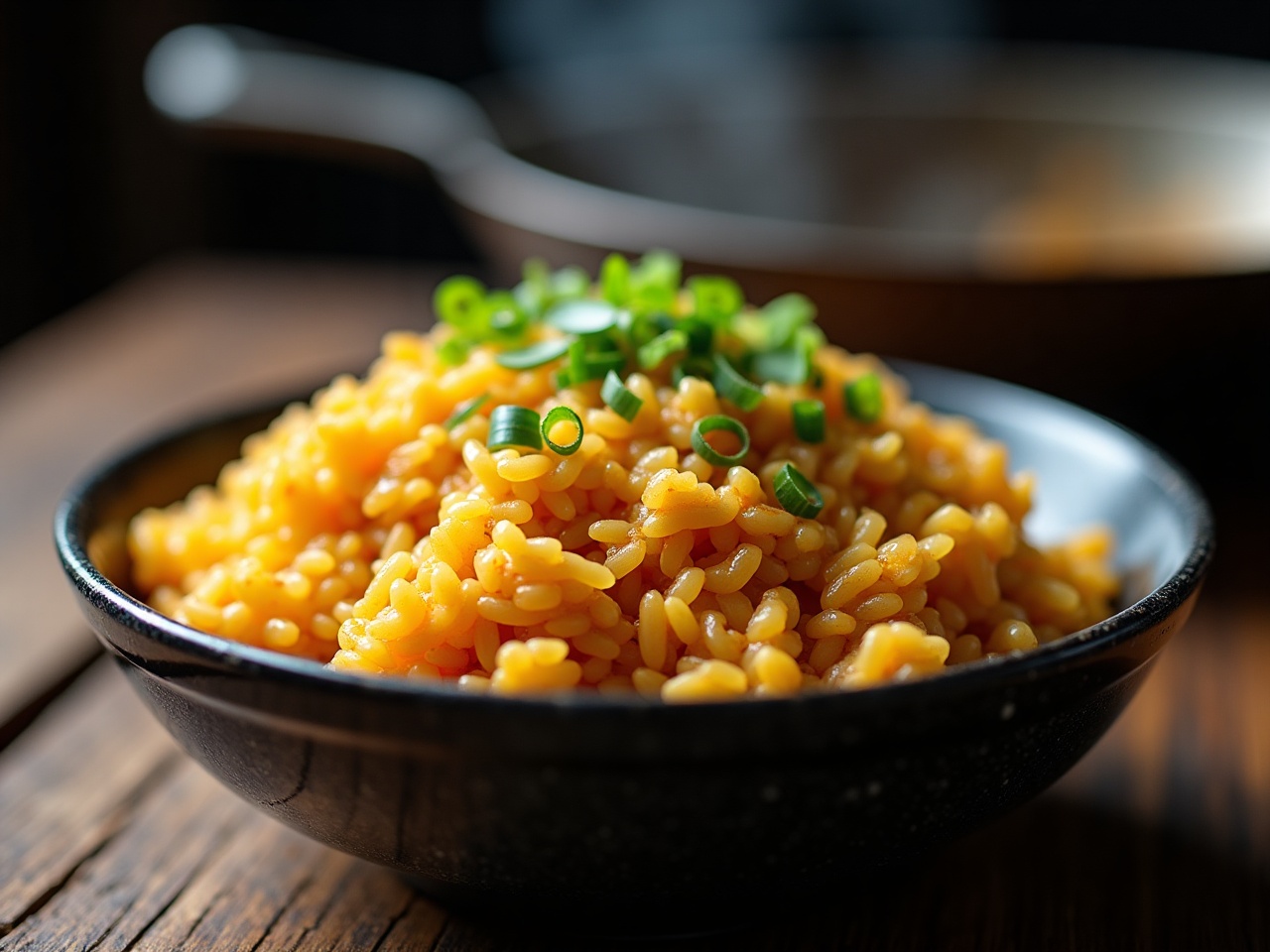
Gluten-free with tamari in place of soy sauce — rice-based and wheat-free otherwise. A weeknight staple you can load with any vegetables.
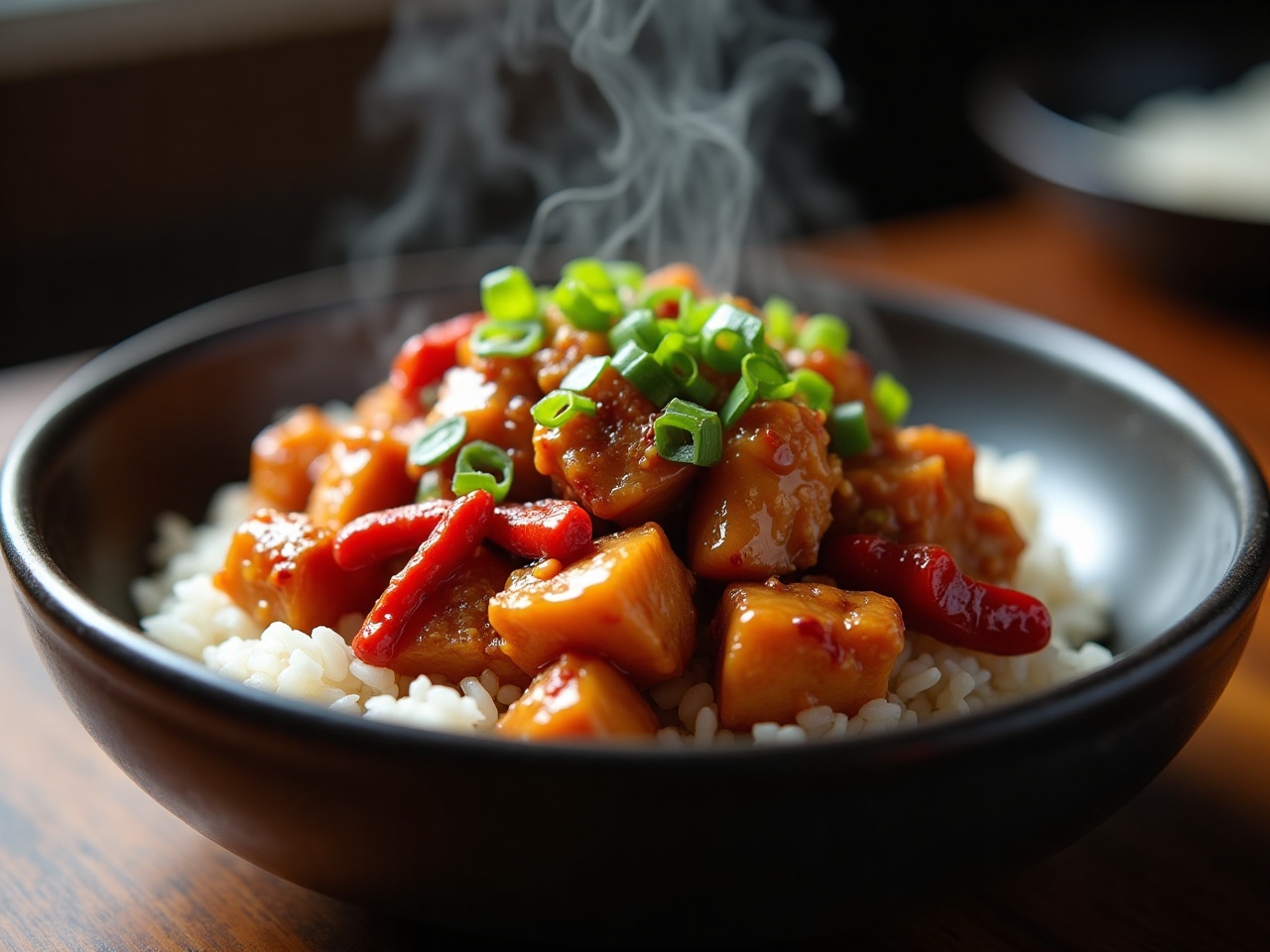
GF with tamari and a cornstarch slurry; the dish has no wheat of its own. Just check your black vinegar and chili oil are gluten-free.
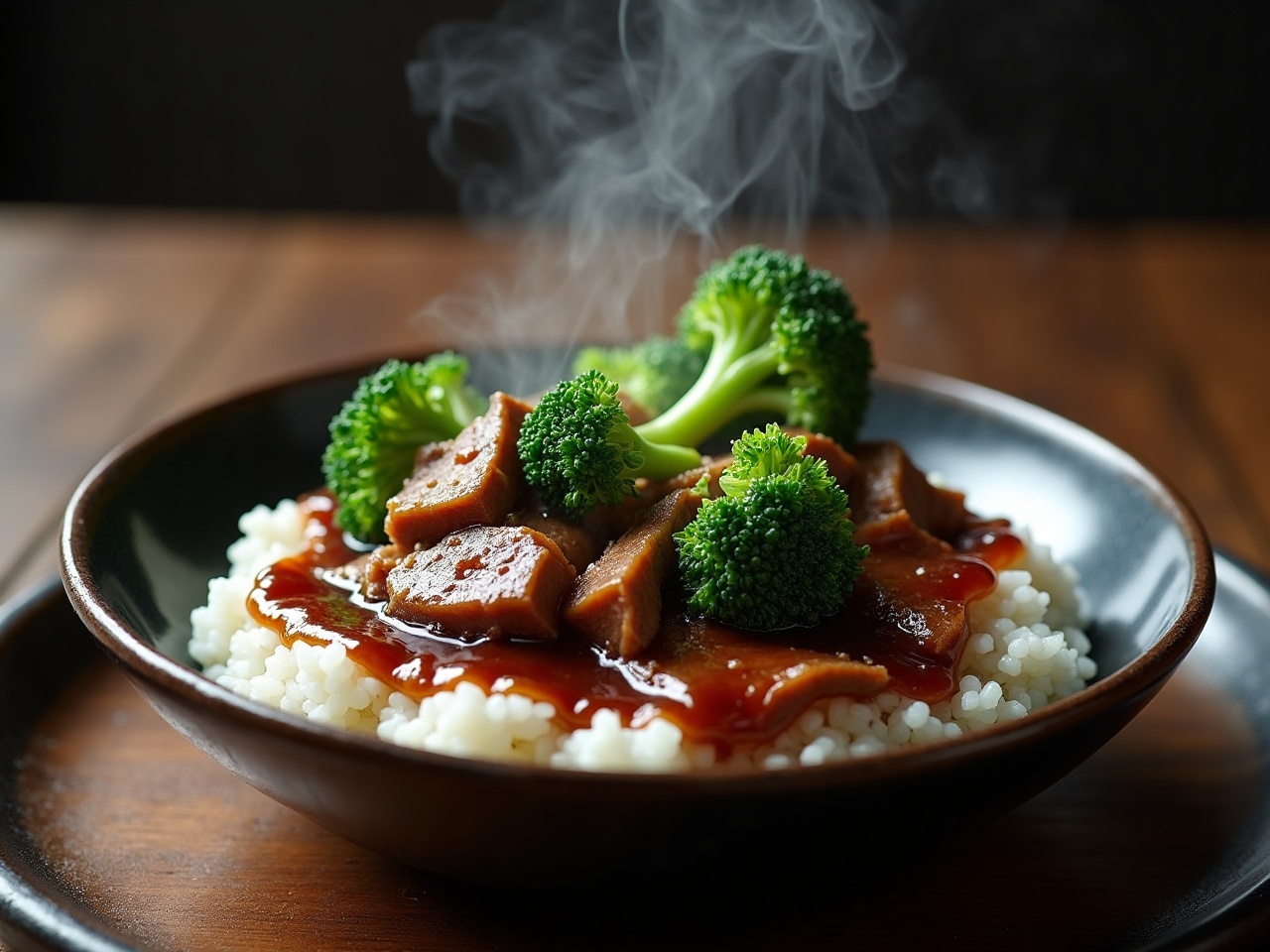
GF with tamari and cornstarch for the glossy sauce; skip the oyster sauce or use a certified gluten-free one.
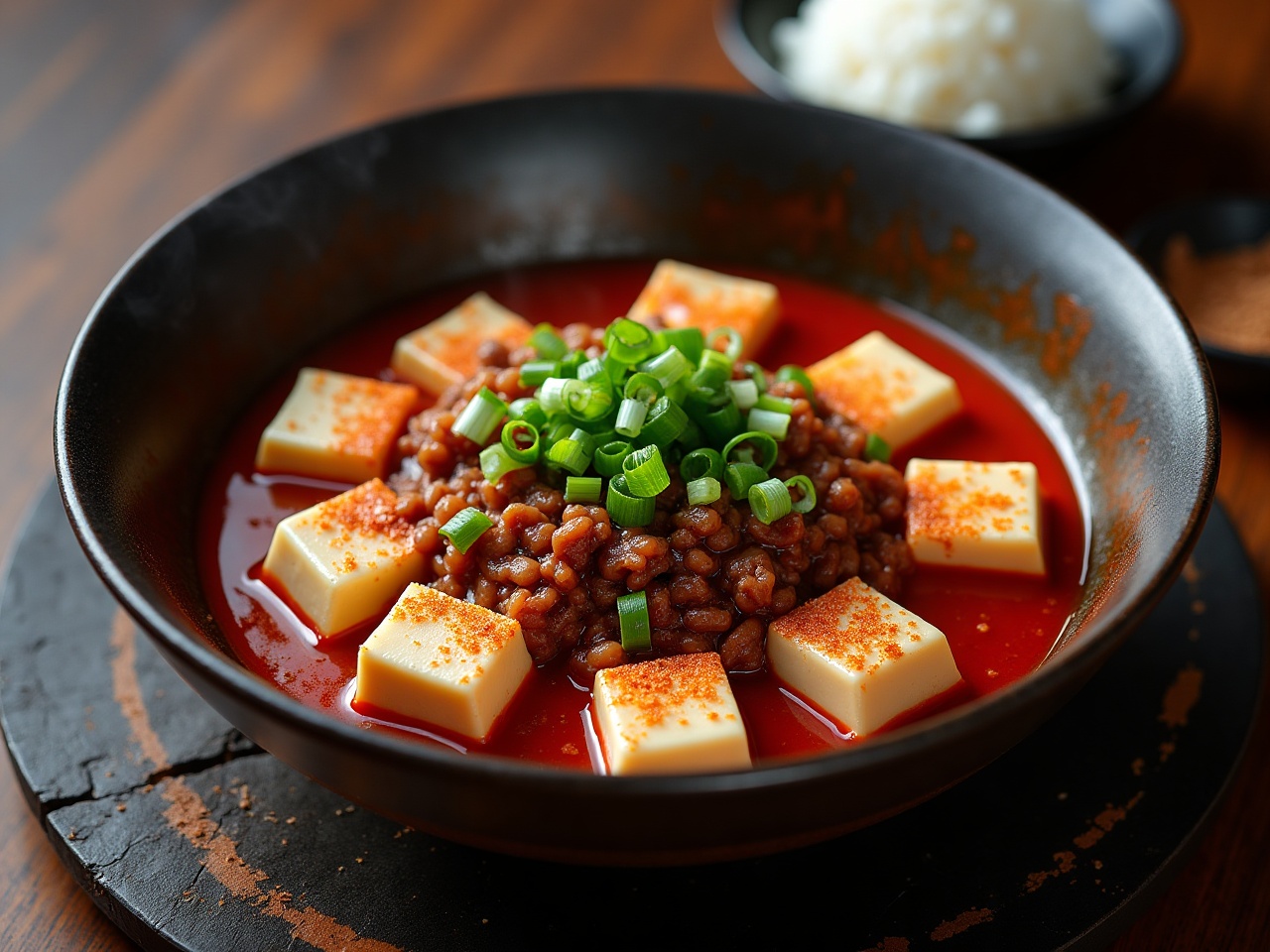
GF with tamari and a check that your doubanjiang is wheat-free — some chili-bean pastes add wheat, but gluten-free versions are available.
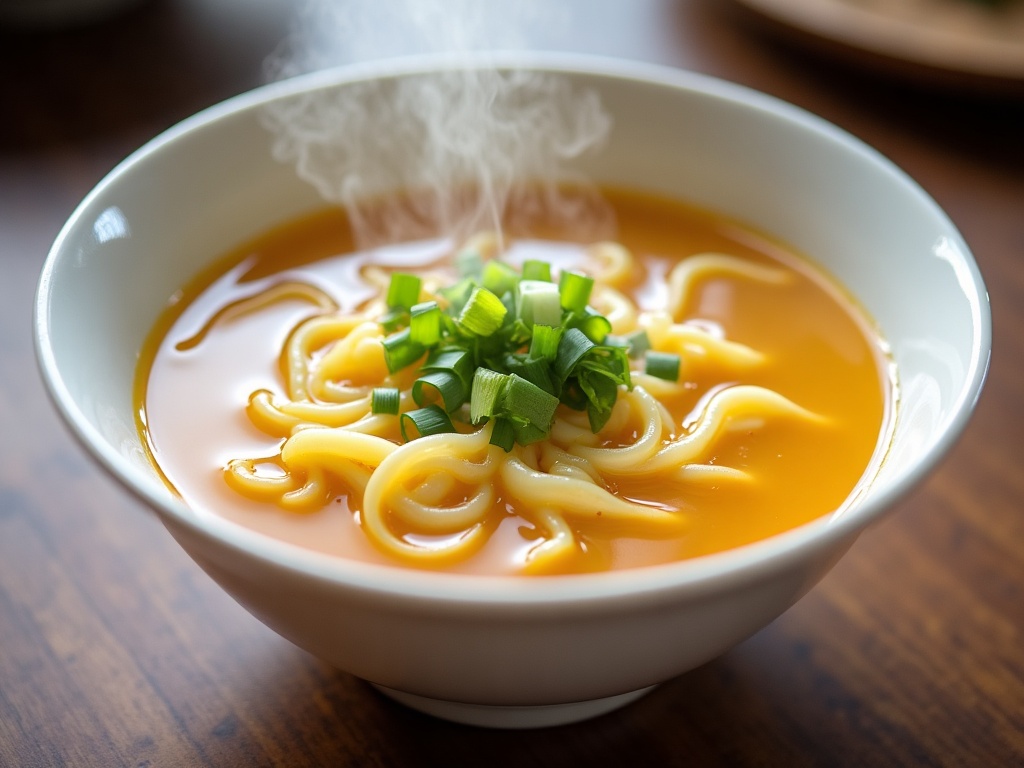
Naturally GF when made with a gluten-free broth — it's thickened with cornstarch, not flour, so the silky ribbons stay safe.
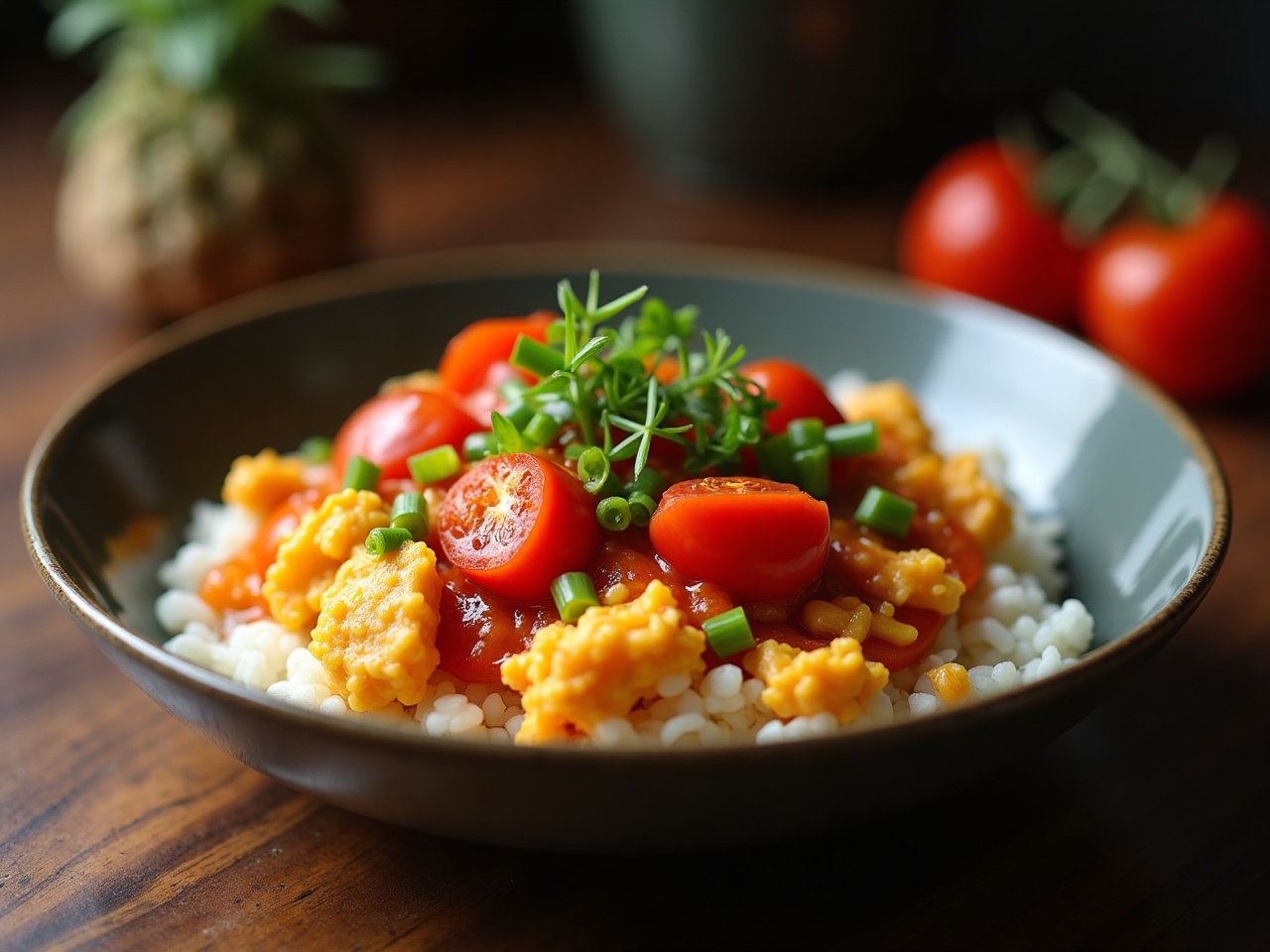
Naturally gluten-free, just season with tamari — sweet-savory tomatoes and soft egg over rice in about 15 minutes.
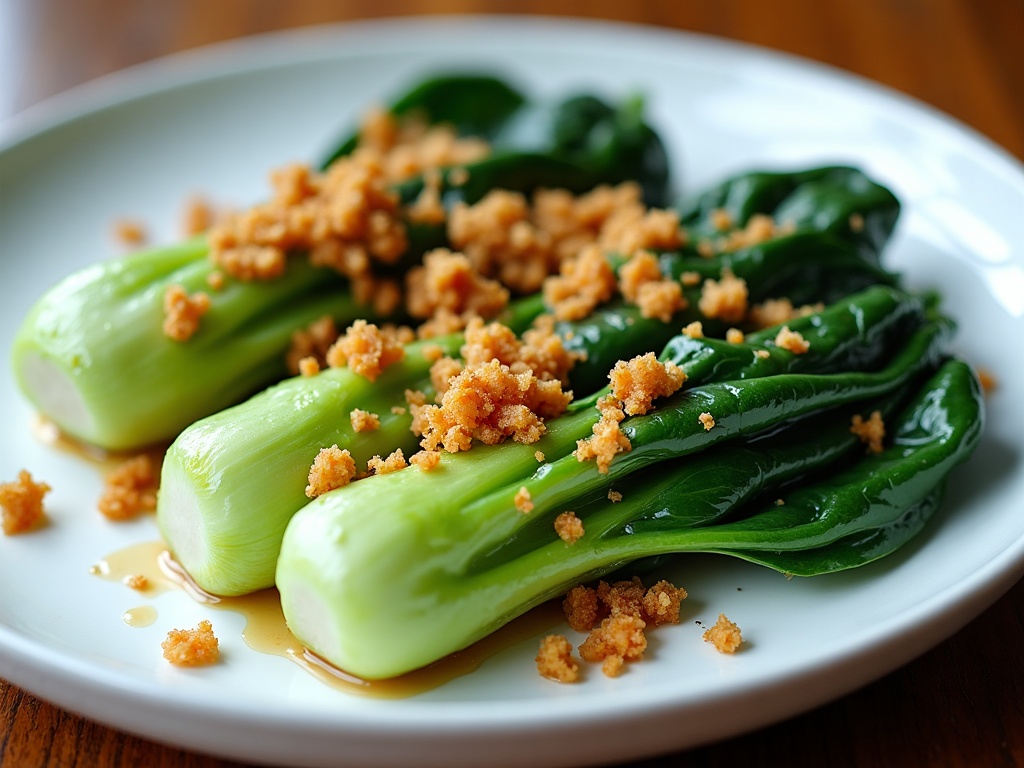
A clean, fast vegetable side that's GF with a splash of tamari instead of soy or oyster sauce.
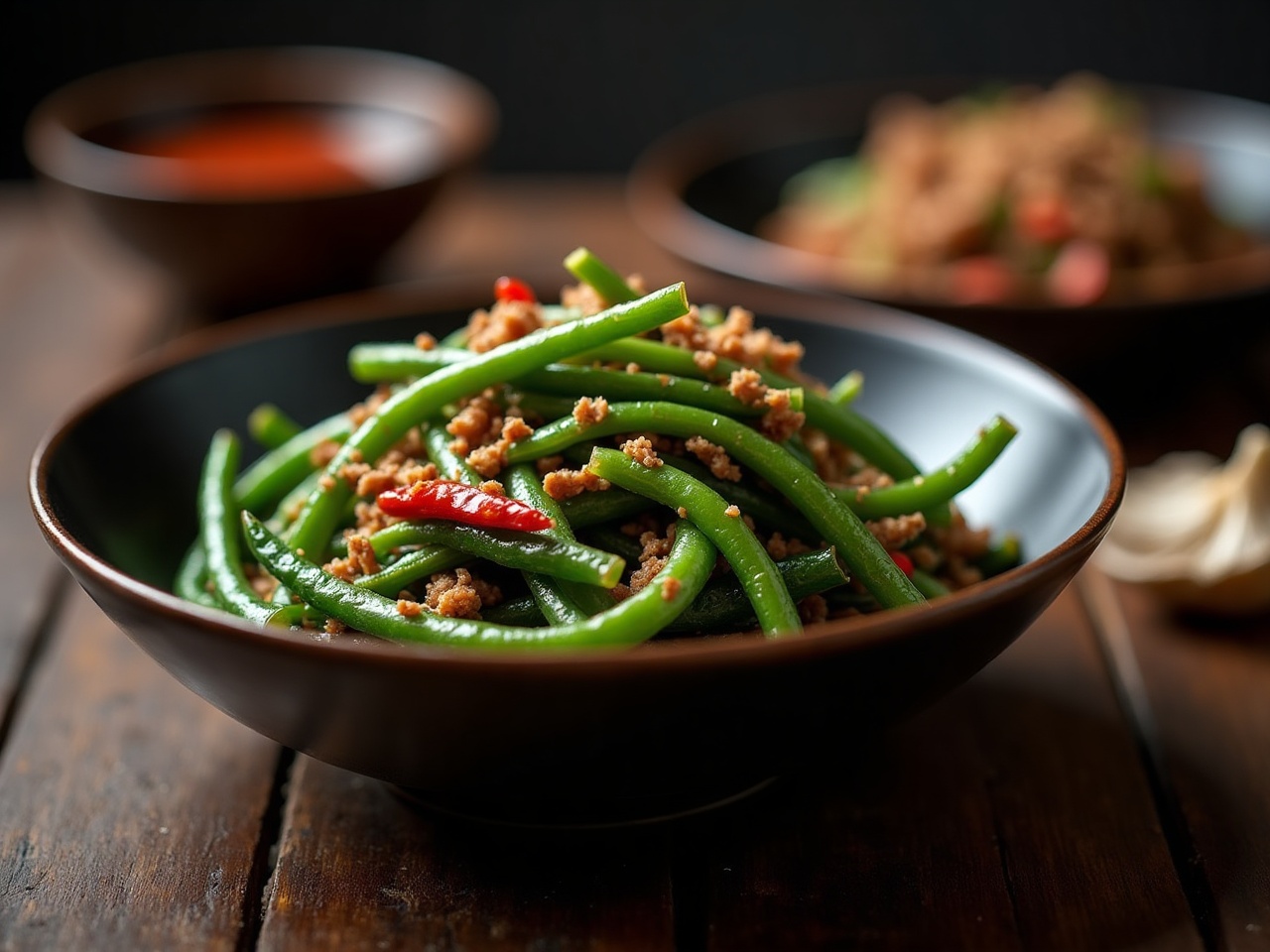
Blistered and savory; GF with tamari, and either use a gluten-free ya cai or leave it out.
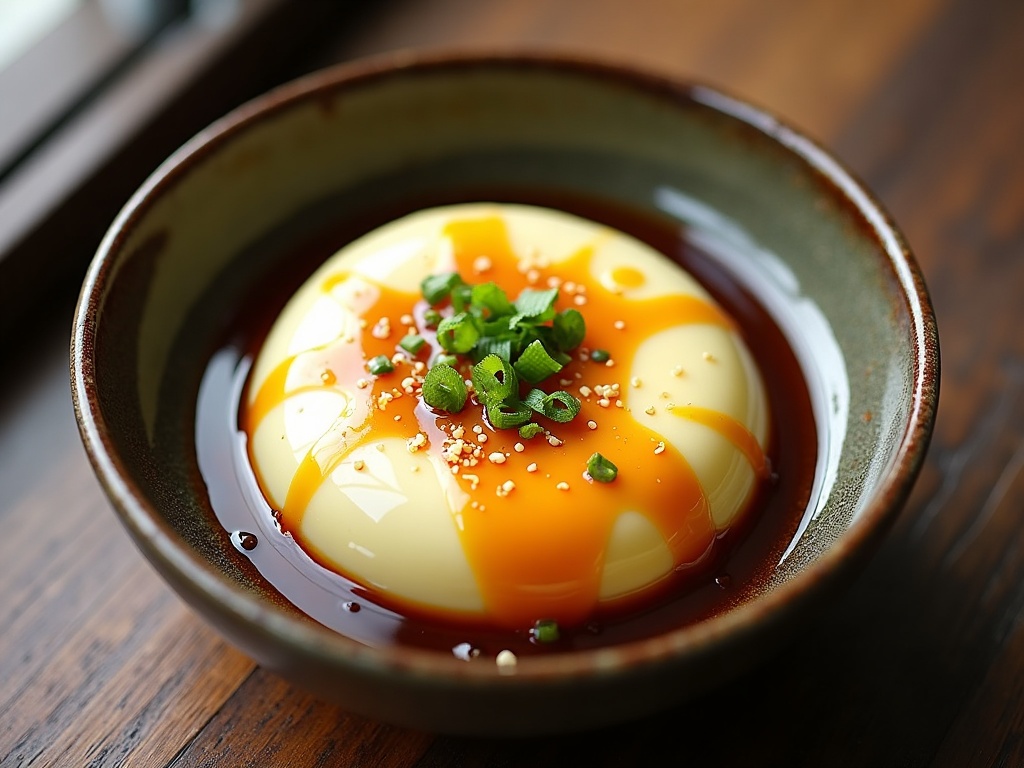
A silky savory custard that's gluten-free when you use tamari and a GF stock (or water) in place of regular soy and broth.
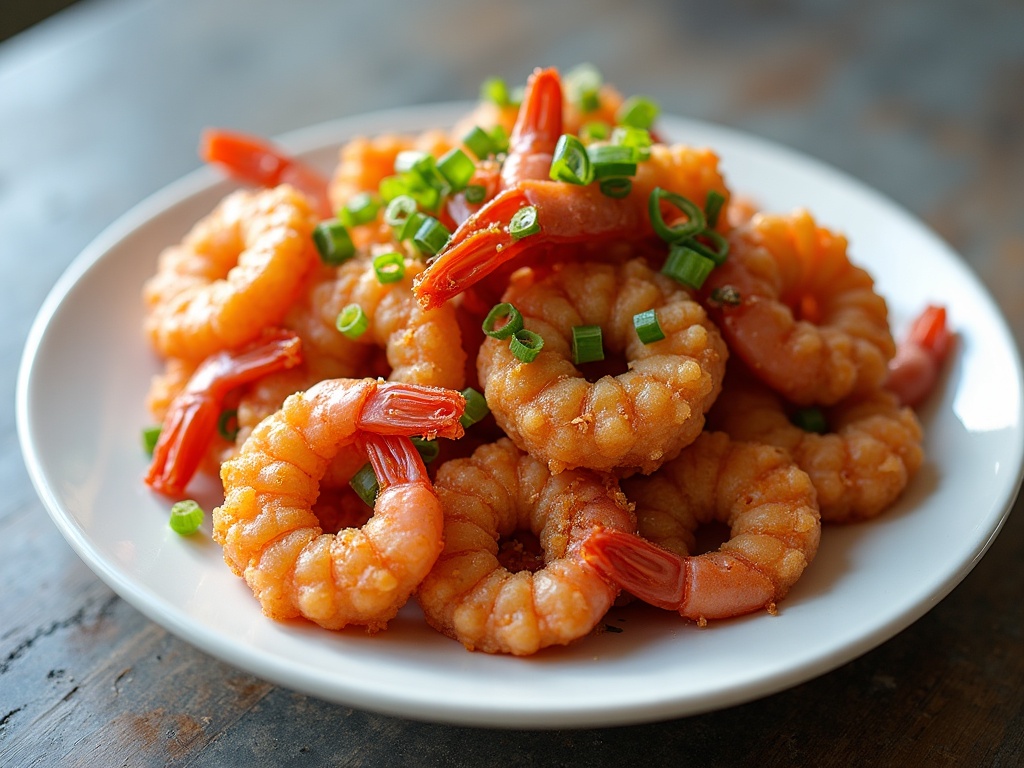
GF when you coat the shrimp in cornstarch instead of flour — the crackly, peppery result is every bit as good.
Most restaurant Chinese food is not gluten-free, because regular soy sauce is brewed with wheat and many dishes use wheat noodles, dumpling wrappers, or batter — plus there's cross-contamination from shared woks and fryers. Cooked at home with tamari and a few swaps, though, a wide range of Chinese dishes are easily and reliably gluten-free.
Standard soy sauce is brewed with wheat and is not gluten-free. Use tamari (most tamari is wheat-free — check the label) or a certified gluten-free soy sauce as a 1:1 replacement. It's the single most important swap for gluten-free Chinese cooking.
Be cautious — even simple dishes are usually cooked with wheat-based soy sauce, and shared woks and fryers make cross-contamination common. Steamed rice, plain steamed vegetables, and steamed fish are generally the safest options, but always ask about soy sauce and shared equipment. For full peace of mind, cooking at home is far safer.
Not always — some contain wheat, so check every label. Gluten-free versions of oyster sauce and hoisin are available, and you can always thicken a sauce with cornstarch, which is naturally gluten-free. When in doubt, build flavor with tamari, garlic, ginger, vinegar, and chili instead.
Rice-based dishes are your friends: steamed rice, congee, and fried rice made with tamari. Steamed fish and steamed egg are naturally gluten-free, as are most vegetable and protein stir-fries once you swap in tamari. What to avoid: wheat noodles (lo mein, chow mein), dumplings and potstickers, spring rolls, and anything battered or floured.
The 12 pantry staples, the 5 techniques, and a week of beginner-friendly dinners — plus a new decoded recipe each week.