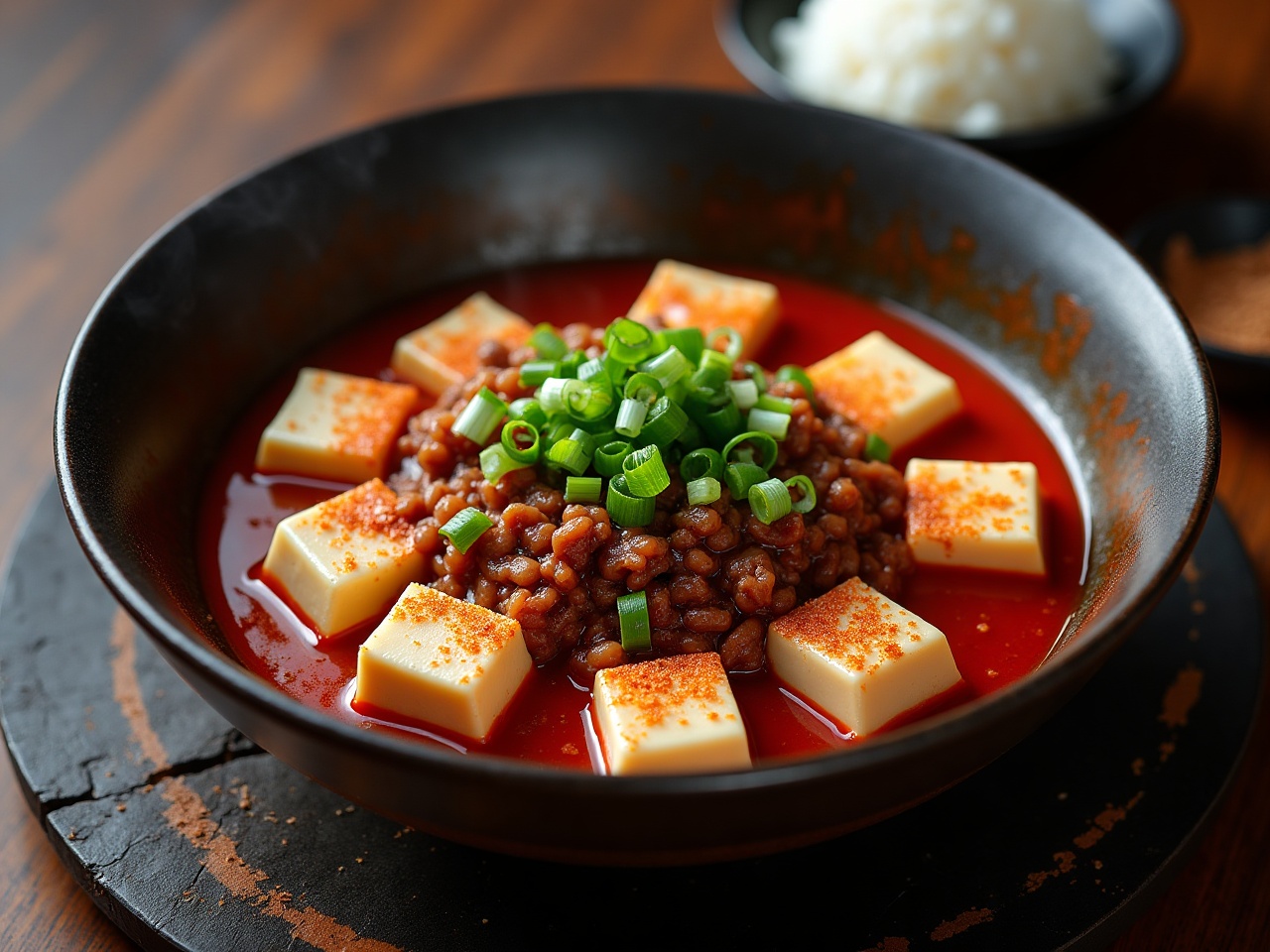
1. Mapo Tofu
30 min · Beginner · Sichuan
The málà benchmark — numbing Sichuan peppercorn plus chili-bean paste over silky tofu. Fully adjustable, and the single best dish for understanding what 'numbing-spicy' actually means.
By The Chowmi Test Kitchen · Updated June 6, 2026
“Spicy” means something specific in Chinese cooking — and it isn't just heat for heat's sake. Sichuan cooking gave us málà (麻辣), the interplay of má (the tingling numbness of Sichuan peppercorn) and là (the heat of chilies), layered over deep, savory, fermented flavor. These spicy Chinese recipes run the full range, from a gentle, fragrant warmth to a genuine, sweat-inducing kick, and almost all of them are adjustable — the heat comes from chilies and chili-bean paste you can scale up or down to taste. We note the level and the type of heat on each, so you can pick what suits you. Every recipe is written for a US kitchen, with substitutes for any hard-to-find chili or peppercorn.
The málà benchmark — numbing Sichuan peppercorn plus chili-bean paste over silky tofu. Fully adjustable, and the single best dish for understanding what 'numbing-spicy' actually means.
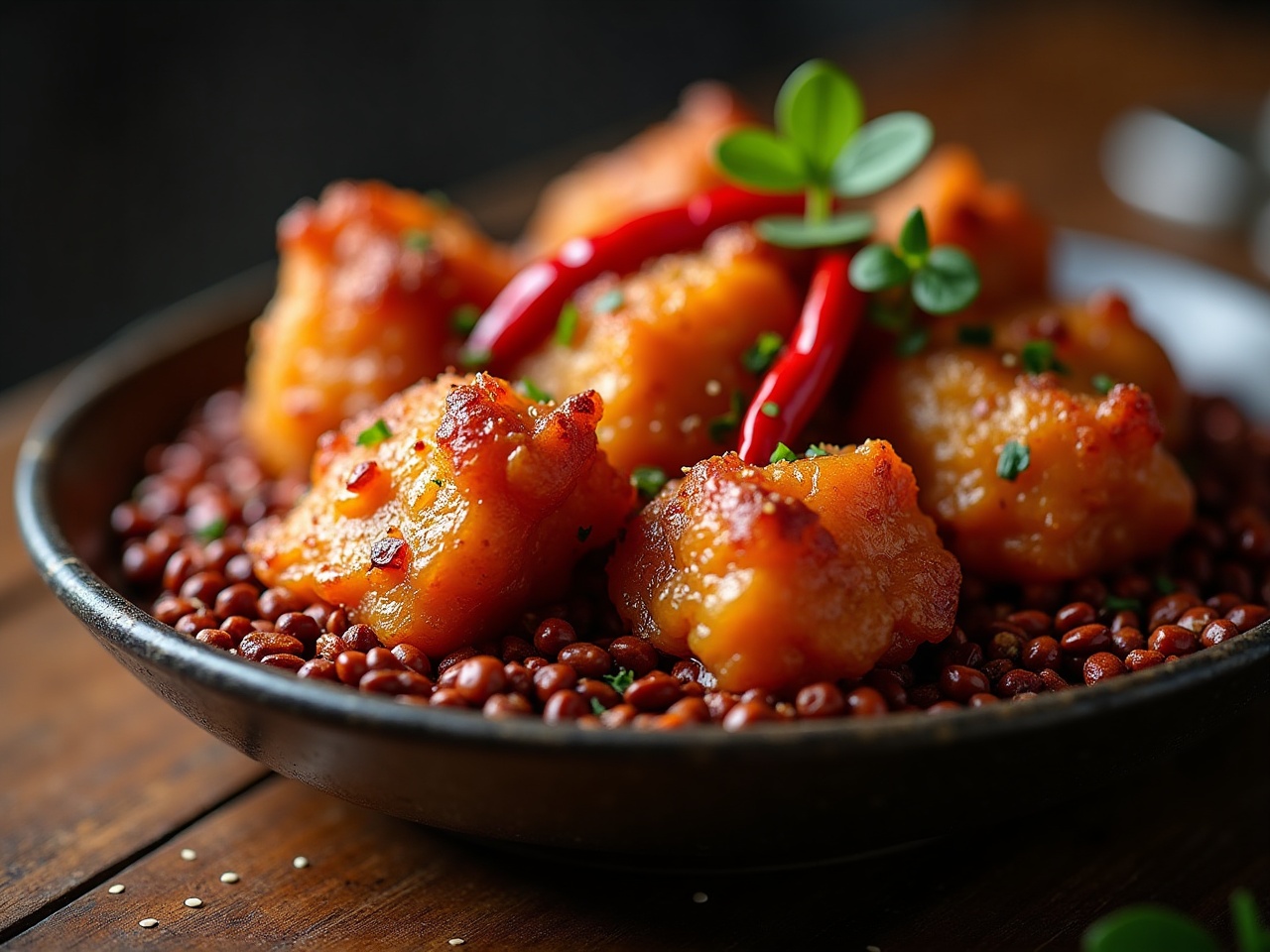
The fieriest dish here: crispy chicken hidden in a mountain of dried chilies. It's more about fragrance and fun than pure pain, but it does not hold back.
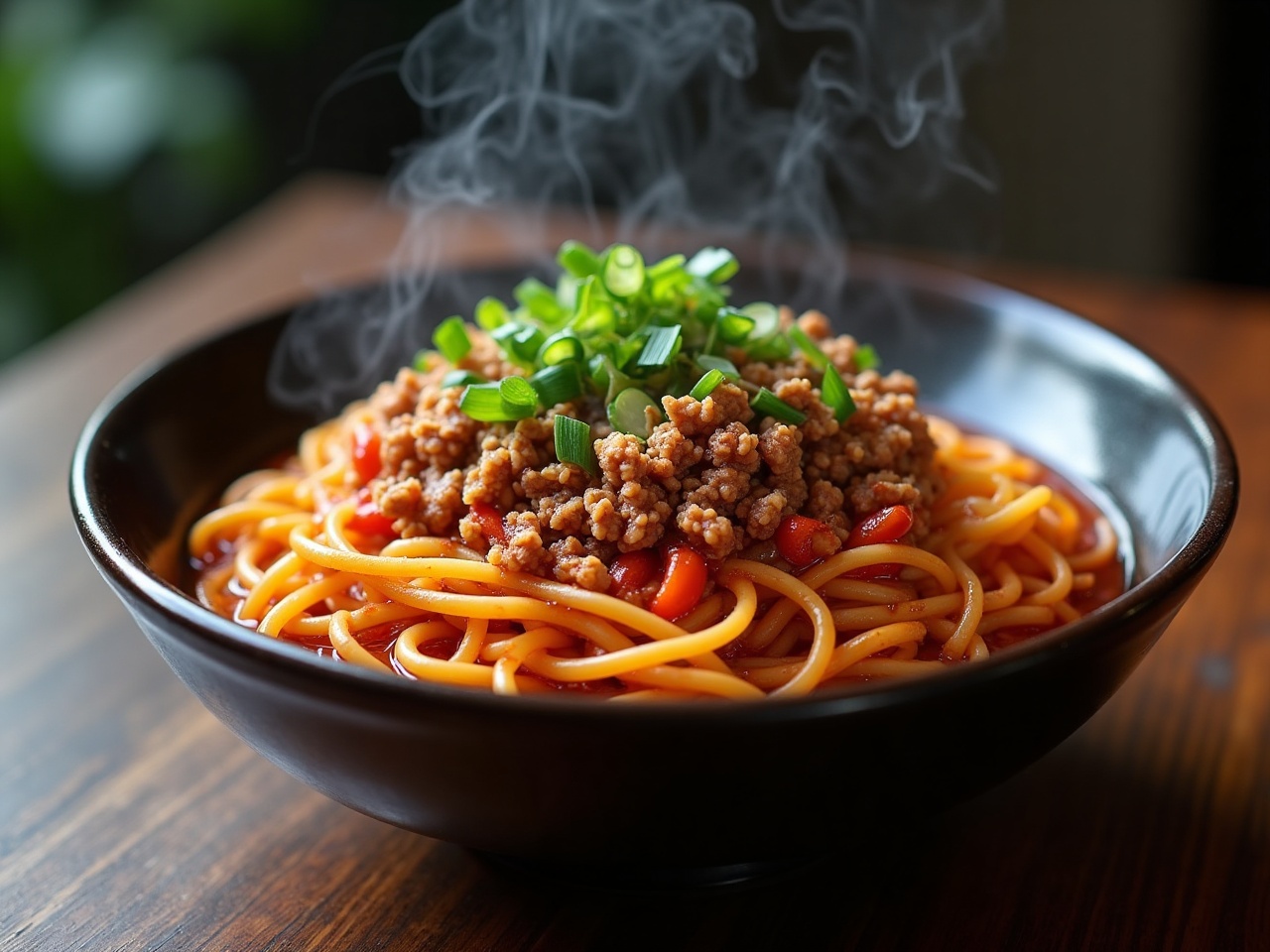
Tingly, nutty and saucy. The heat is warm and aromatic rather than sharp, and you control it entirely with how much chili oil you add.
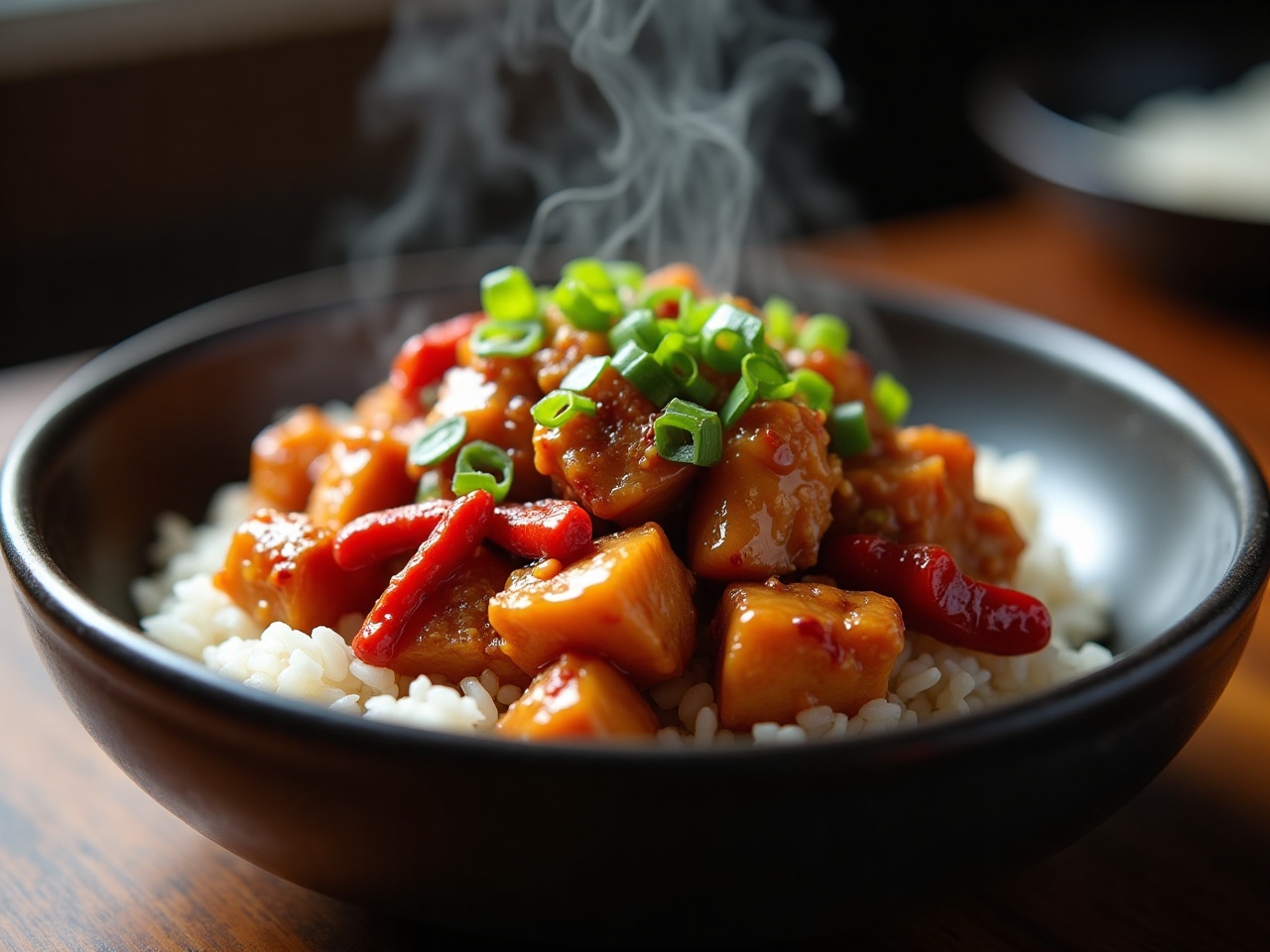
On the milder side — a gentle dried-chili warmth balanced by a sweet-sour sauce and peanuts. The easiest entry point to Sichuan heat.
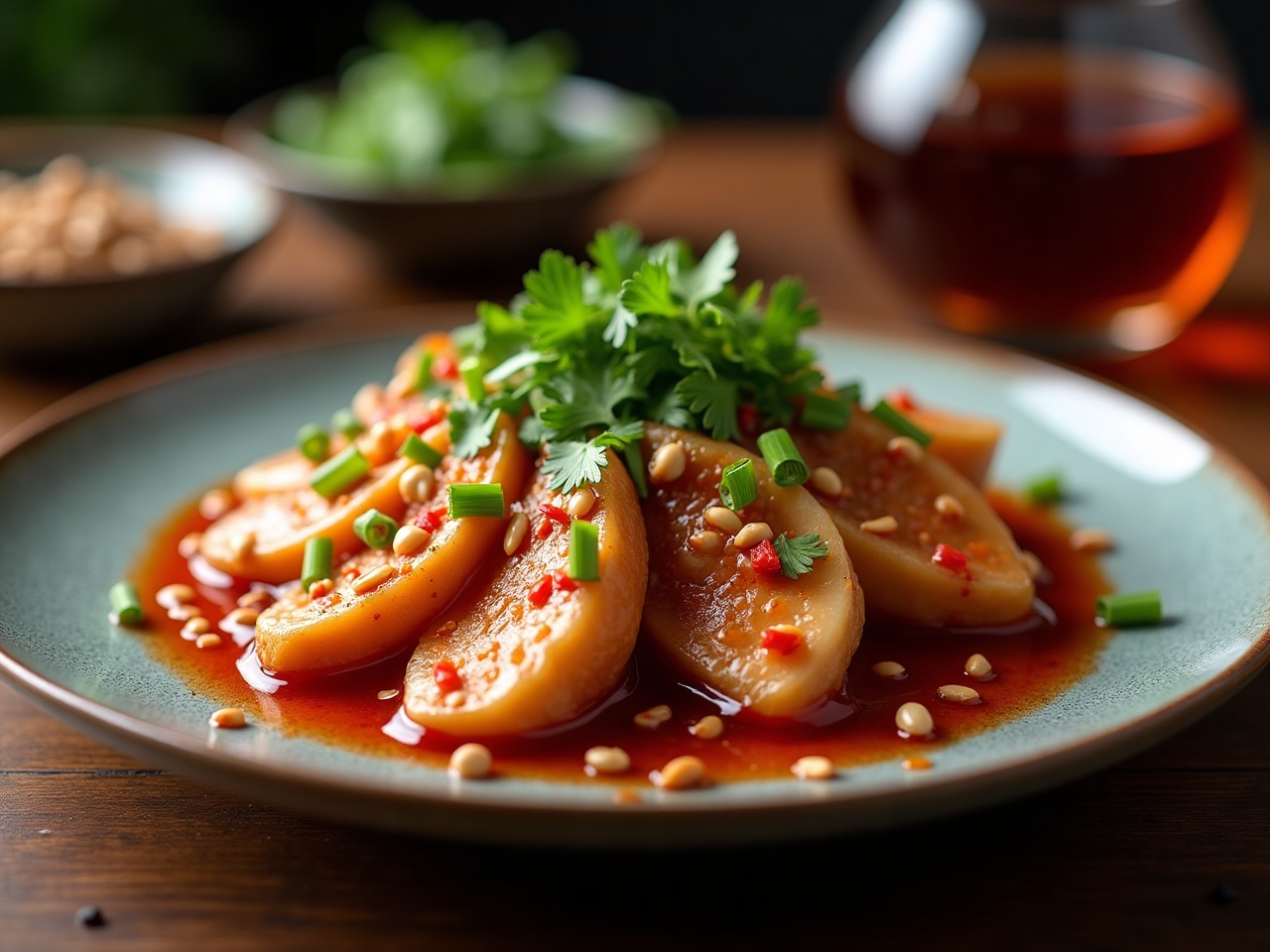
Cool poached chicken under a glossy chili-oil sauce, served chilled. The heat is bright and oil-slicked — spicy but, somehow, refreshing.
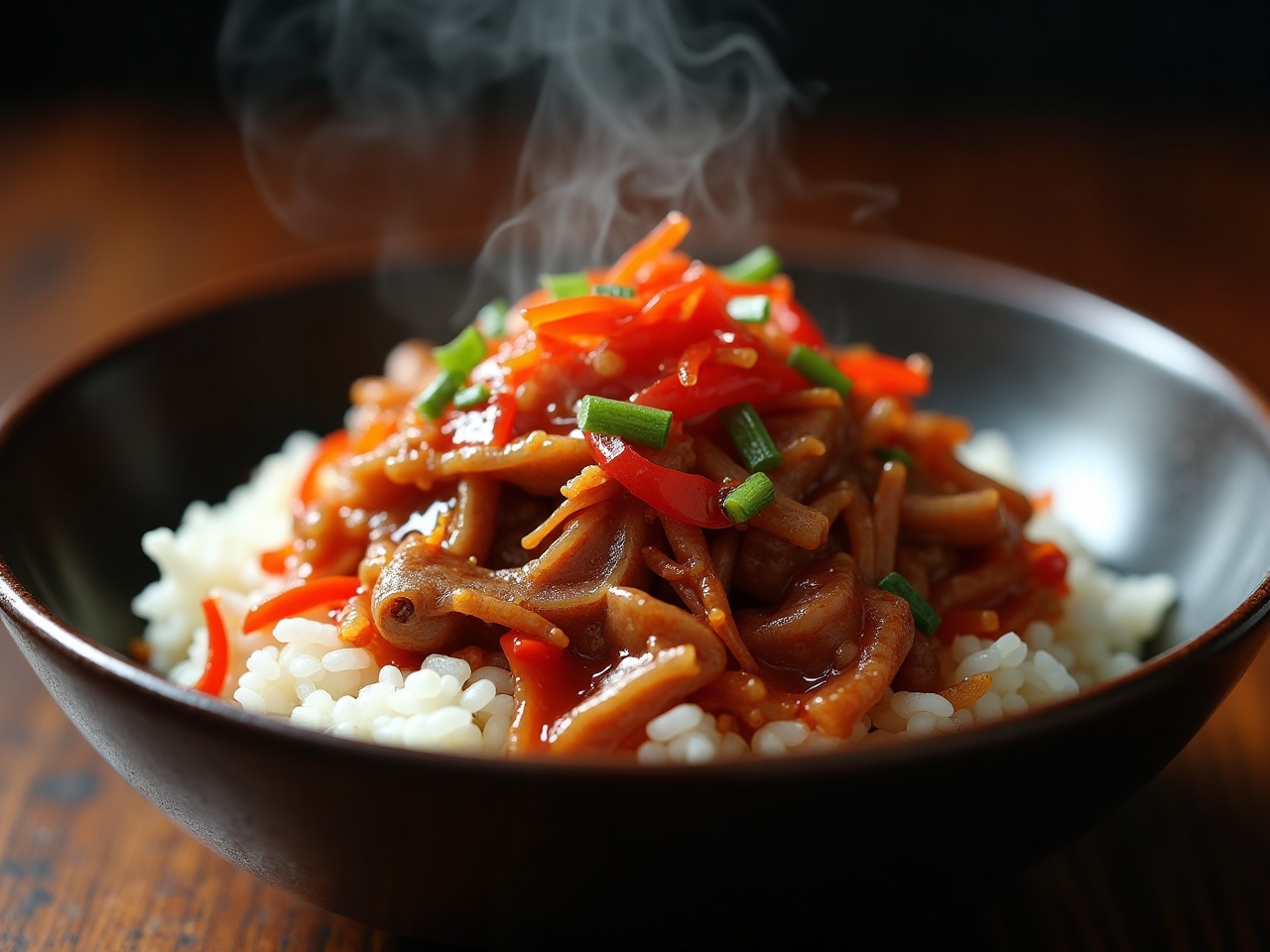
Moderate and complex: the 'yu xiang' sauce reads savory-sweet-sour first, with a chili warmth underneath rather than an upfront blast of heat.
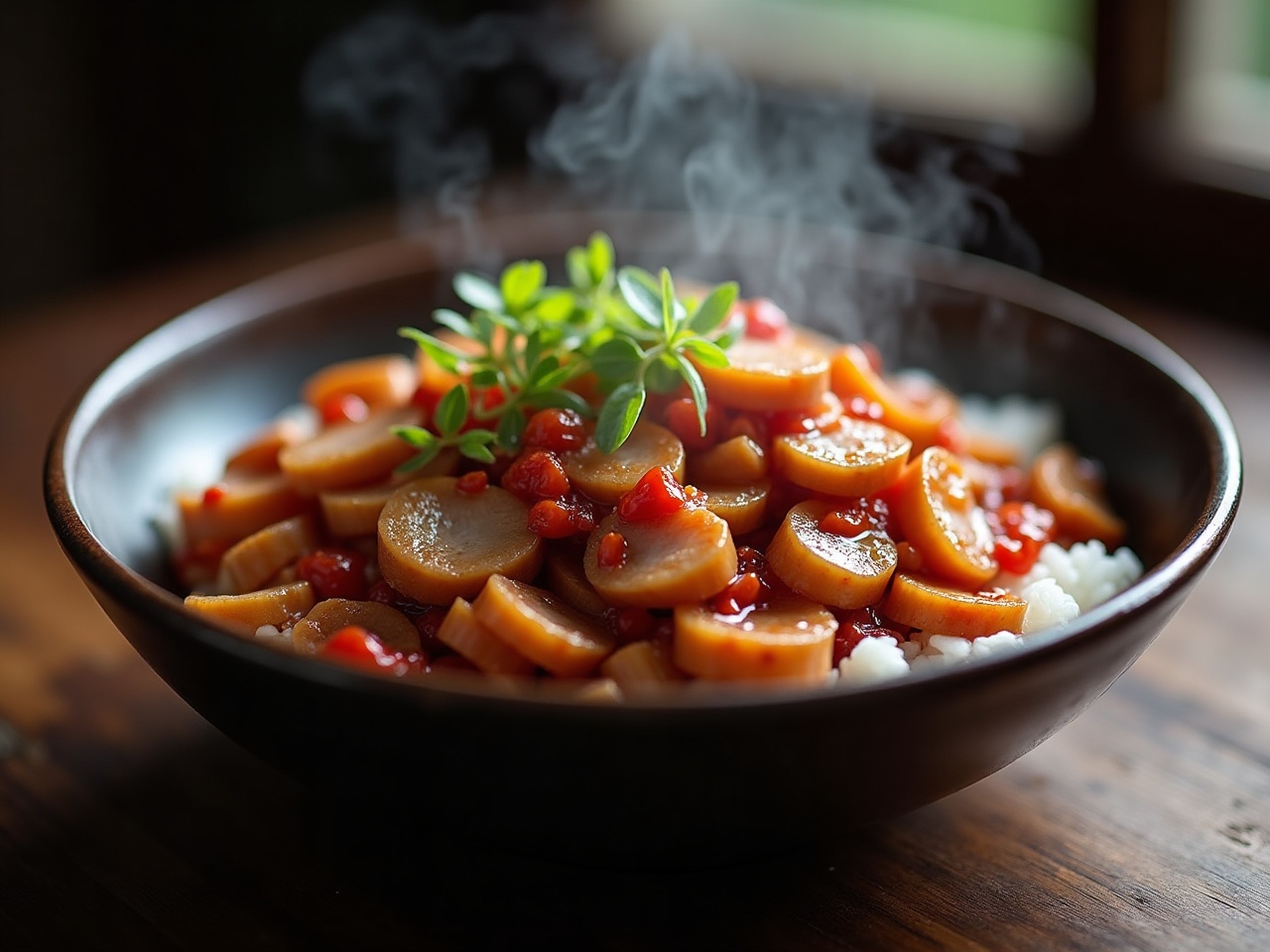
Doubanjiang-forward and deeply savory, with a steady, building heat from the chili-bean paste rather than raw chili burn.
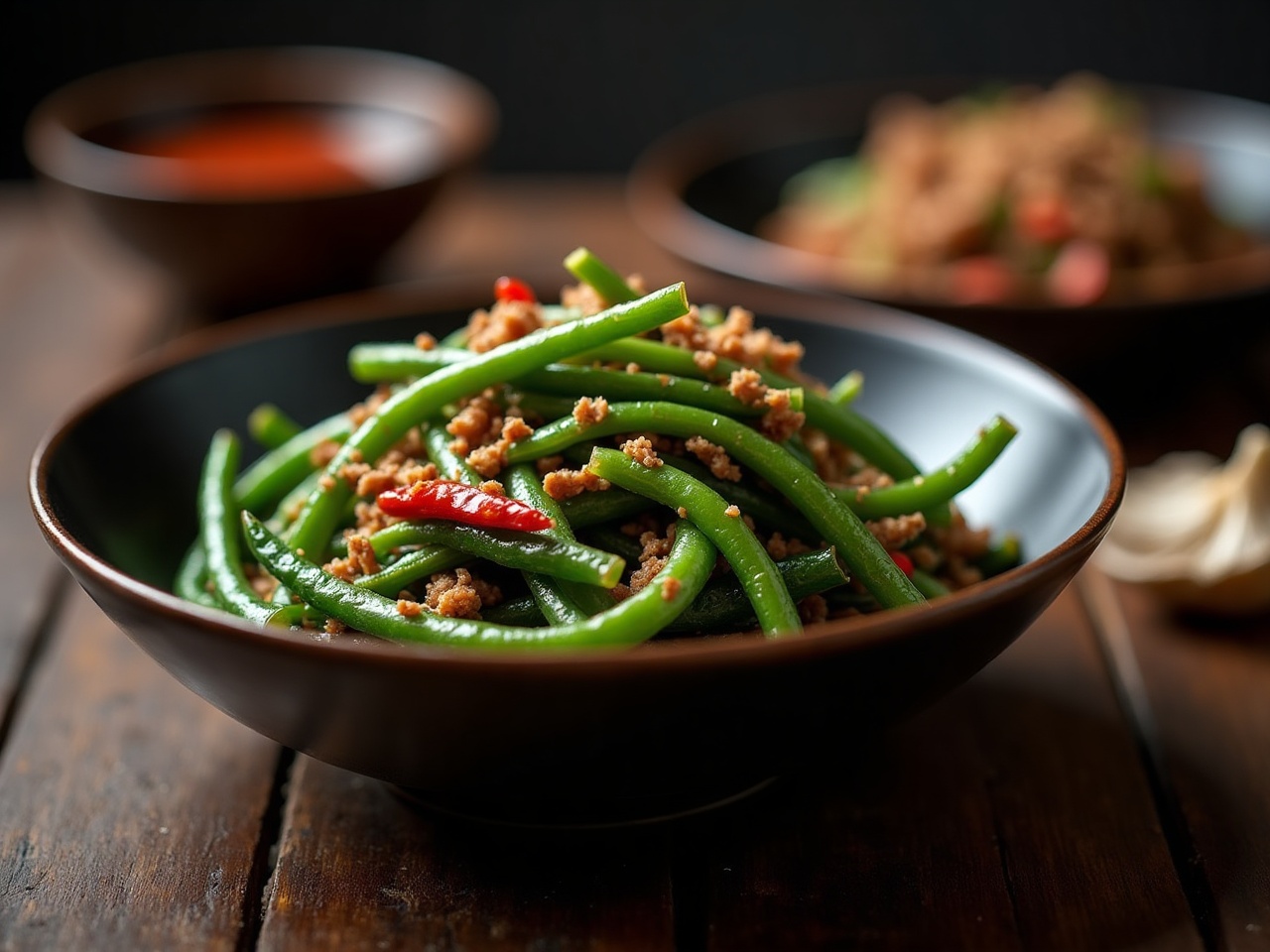
A savory side with a gentle kick — blistered green beans with garlic, chili and a little Sichuan pepper. Easy to make as mild as you like.
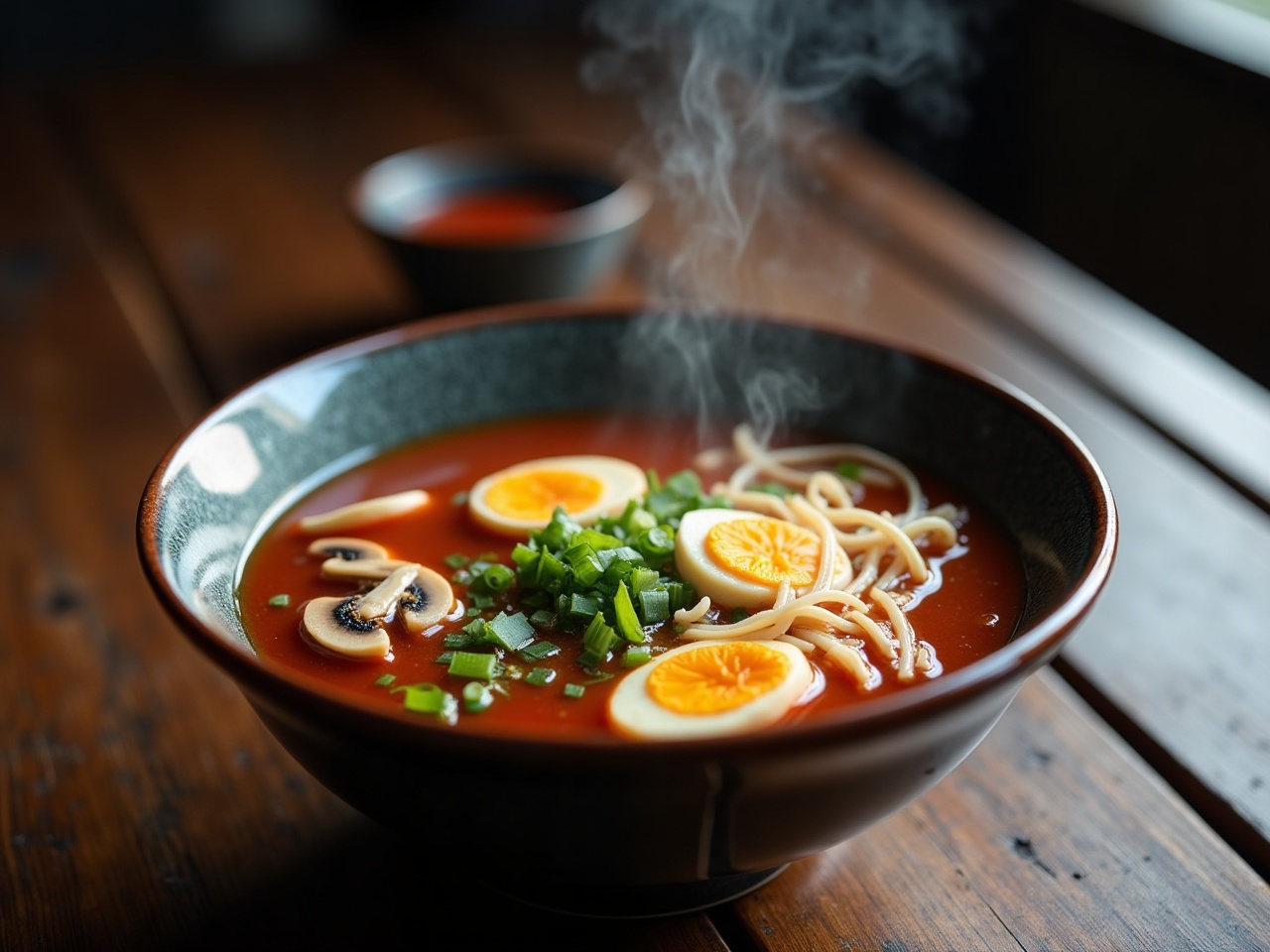
More peppery than chili-hot: the 'hot' here is white pepper, balanced by tangy vinegar. A warming, gentle heat just about anyone can handle.
Málà (麻辣) is the signature sensation of Sichuan cooking. Má is the tingling, almost electric numbness from Sichuan peppercorn; là is the heat from chilies and chili-bean paste. Together they create a layered experience that's very different from straightforward chili heat — the numbness actually makes a dish feel more complex and lets you enjoy more spice. It's the defining flavor of dishes like mapo tofu and dan dan noodles.
Among these, Chongqing chili chicken is the fieriest — chicken buried in a pile of dried chilies. In Chinese cooking more broadly, Sichuan and Hunan dishes bring the most heat, but even the hottest are usually about fragrance and balance, not just burn. And almost every dish is adjustable, so you can make it as mild or as fiery as you want.
The heat in most of these comes from two adjustable sources: dried chilies / chili oil, and chili-bean paste (doubanjiang). Cut the chilies or chili oil back (or leave them out), and halve the doubanjiang — you'll keep the savory, fermented depth without the burn. A little sugar or a side of plain rice also tames the heat in the bowl.
No — that's a common myth. Sichuan cooking is famous for spice, but plenty of its classics are mild or not spicy at all, relying instead on the cuisine's other 'compound flavors' like fish-fragrant (yu xiang) or the deeply savory. Even within spicy dishes, the heat is layered and balanced rather than just hot.
The 12 pantry staples, the 5 techniques, and a week of beginner-friendly dinners — plus a new decoded recipe each week.