Twice-Cooked Pork
This post may contain affiliate links. Read our affiliate disclosure.
🧪 Developed & tested by the The Chowmi Test Kitchen for US kitchens. How we develop our recipes.
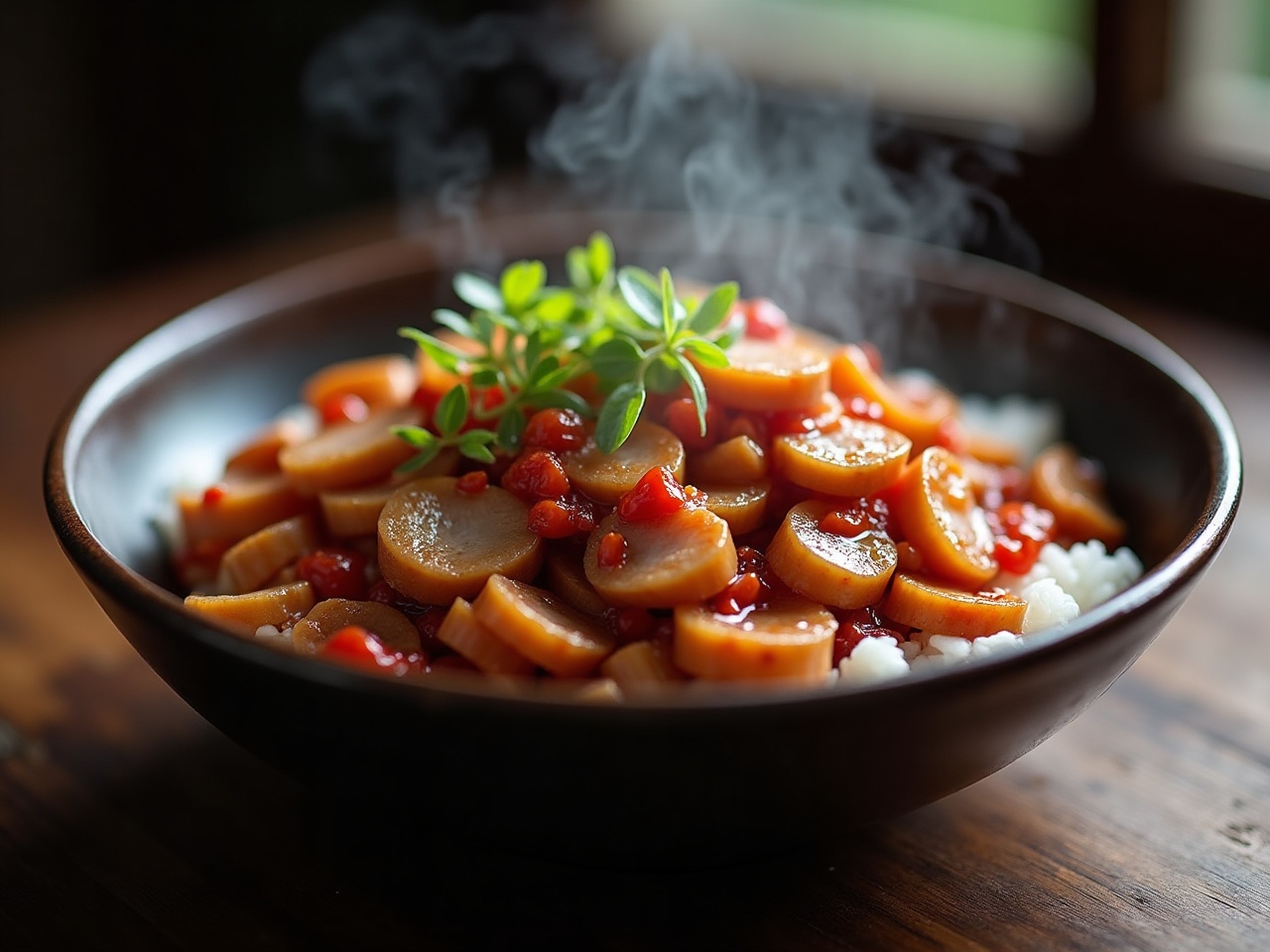
Twice-cooked pork (回锅肉, huíguōròu) is a Sichuan classic where a piece of pork belly is first simmered whole, then sliced thin and stir-fried a second time — hence “twice-cooked.” The second cooking is the magic: the fatty slices fry until their edges curl into little cups (called “lantern nests”) and render, then they're tossed with doubanjiang, fermented black beans, and sweet bean sauce until glossy and deeply savory-spicy, with leeks or green garlic added at the end. Simmering first makes the pork tender and easy to slice paper-thin; frying second crisps the edges and renders the fat so it's rich but not greasy. It takes about 45 minutes and is one of the dishes that defines home-style Sichuan cooking.
 Save to Pinterest
Why you'll love this twice-cooked pork
- The real Sichuan home-style classic — rich, glossy pork belly that isn't greasy.
- Simmering first makes the pork easy to slice thin and guarantees tender results.
- We flag every hard-to-find ingredient with an exact US-grocery substitute.
- Deeply savory-spicy from doubanjiang, balanced by sweet leeks or green garlic.
Ingredients
Pork
Sauce & aromatics
Vegetables
Missing an ingredient?
AITell us what you have and what you're making — get the best US-grocery swap, with ratios.
Hard-to-find ingredients, delivered
Stock the pantry once and you can cook this anytime: Shaoxing wine, doubanjiang, fermented black beans, sweet bean sauce. Asian groceries deliver nationwide.
Equipment
- Wok or large skillet — High heat is what curls the pork edges.(shop →)
- Small pot — For the first simmer.(shop →)
Instructions
Simmer the pork belly whole in water with the ginger, scallions, and Shaoxing wine for 20–25 minutes, until just cooked through (a chopstick goes in with light resistance). Don't overcook — you'll fry it again.
💡 Chill the simmered pork for 15 minutes (or longer) if you can — cold belly slices much thinner and cleaner.
Slice the cooled pork against the grain as thin as you can manage, ideally about ⅛-inch, keeping the skin-fat-meat layers intact on each slice.
Heat the oil in a wok over medium-high. Add the pork slices in a single layer and fry, stirring occasionally, until the fat renders and the edges curl into little cups, 3–4 minutes. Pour off excess fat if there's a lot.
Push the pork aside, lower the heat to medium, and add the doubanjiang, fermented black beans, and sweet bean sauce to the oil. Stir 30–60 seconds until the oil turns deep red and smells fragrant — don't let it scorch.
💡 Frying the pork before the paste means it cooks in flavored pork fat, which is the whole point. Keep the heat moderate so the doubanjiang doesn't burn bitter.
Add the garlic and stir for 15 seconds, then add the sugar and soy sauce and toss everything together.
Add the leeks (or green garlic / bell pepper) and stir-fry on high for 1–2 minutes, just until crisp-tender. Serve immediately over rice.
Tips & notes
- “灯盏窝” (lantern nests) is the goal — when the pork slices curl into little cups, you've rendered the fat and crisped the edges. That texture is the sign of a well-made huiguorou.
- Traditional Sichuan green garlic (蒜苗) is ideal, but leeks are the easiest US-grocery stand-in; a green bell pepper works too and adds sweetness.
- Recipe says “a piece of pork belly”? Aim for about 1 lb, skin on — the skin gives the slices their classic shape and bite.
- For less heat, halve the doubanjiang and skip any added chili; the dish stays savory and rich.
Recipe wording too vague?
AIPaste any fuzzy step (少许, 火候正好, 焯水) and get exact amounts, temps and times.
Twice-Cooked Pork
- Prep
- 10 min
- Cook
- 35 min
- Total
- 45 min
- Serves
- 4
- Level
- Intermediate
Ingredients
- 1 lb skin-on pork belly, one piece
- 3 slices ginger
- 1 tbsp Shaoxing wine, for the simmer
- 2 scallions, for the simmer
- 1.5 tbsp doubanjiang (Pixian chili-bean paste)
- 1 tsp fermented black beans (douchi), rinsed and lightly mashed
- 1 tsp sweet bean sauce (tianmianjiang), or hoisin
- 1 tsp sugar
- 1 tsp light soy sauce
- 3 cloves garlic, sliced
- 2 leeks or green garlic, or 1 green bell pepper, cut on the bias
- 1 tbsp neutral oil
Instructions
- Simmer the pork belly whole in water with the ginger, scallions, and Shaoxing wine for 20–25 minutes, until just cooked through (a chopstick goes in with light resistance). Don't overcook — you'll fry it again.
- Slice the cooled pork against the grain as thin as you can manage, ideally about ⅛-inch, keeping the skin-fat-meat layers intact on each slice.
- Heat the oil in a wok over medium-high. Add the pork slices in a single layer and fry, stirring occasionally, until the fat renders and the edges curl into little cups, 3–4 minutes. Pour off excess fat if there's a lot.
- Push the pork aside, lower the heat to medium, and add the doubanjiang, fermented black beans, and sweet bean sauce to the oil. Stir 30–60 seconds until the oil turns deep red and smells fragrant — don't let it scorch.
- Add the garlic and stir for 15 seconds, then add the sugar and soy sauce and toss everything together.
- Add the leeks (or green garlic / bell pepper) and stir-fry on high for 1–2 minutes, just until crisp-tender. Serve immediately over rice.
Nutrition (est., per serving): 420 cal · 18 g protein · 8 g carbs · 36 g fat
Twice-Cooked Pork FAQ
Why is it called twice-cooked pork?
Because the pork belly is cooked twice: first simmered whole in water until just done, then sliced and stir-fried a second time. The first cook makes it tender and sliceable; the second renders the fat and crisps the edges, building flavor and the signature curled “lantern nest” shape.
What cut of pork is best for twice-cooked pork?
Skin-on pork belly is traditional and ideal — its layers of skin, fat, and meat give the slices their shape and richness. If you can't get skin-on, plain pork belly still works; avoid lean cuts, which turn dry and miss the point of the dish.
What can I use instead of doubanjiang?
Doubanjiang (Pixian chili-bean paste) is essential to the flavor, but if you must, use Korean gochujang with a little white miso (about 2:1). See our doubanjiang substitute guide for exact ratios — it'll read sweeter but works for one batch.
How do I keep twice-cooked pork from being greasy?
Two things: don't overcook the belly in the first simmer, and pour off excess rendered fat after frying the slices before you add the sauce. Frying until the edges curl renders most of the fat, leaving the pork rich but not oily.
Can I make twice-cooked pork less spicy?
Yes — halve the doubanjiang and leave out any extra chili. You'll keep the deep, savory-fermented flavor and the sweet leeks while taking down the heat. The dish is about richness and balance, not just spice.
You might also like
Get our free Chinese Kitchen Starter Guide
The 12 pantry staples, the 5 techniques, and a week of beginner-friendly dinners — plus a new decoded recipe each week.
Comments
Made this? Have a question or a tweak? Share it below.
No comments yet — be the first!