Chinese Chili Oil
This post may contain affiliate links. Read our affiliate disclosure.
🧪 Developed & tested by the The Chowmi Test Kitchen for US kitchens. How we develop our recipes.
Homemade Chinese chili oil is dried red chili flakes infused with hot, aromatic oil — far fresher and more fragrant than store-bought, and the foundation of countless dishes. The method is simple but temperature-sensitive: gently warm a neutral oil with aromatics (ginger, scallion, star anise, cinnamon, bay), strain them out, then pour the hot oil over a heatproof bowl of chili flakes in stages. The oil should be around 325–350°F when it hits the chilies — hot enough to sizzle and release color and aroma, but not so hot it burns them black and bitter. A pinch of salt and sugar rounds it out, and toasted Sichuan peppercorn adds the signature numbing tingle of Sichuan-style chili oil. You can keep it smooth (strain the chilies) or, more commonly, leave the flakes in for a chunky, crunchy “chili crisp”–style oil. It keeps for weeks and goes on noodles, dumplings, eggs, tofu, vegetables — almost anything.
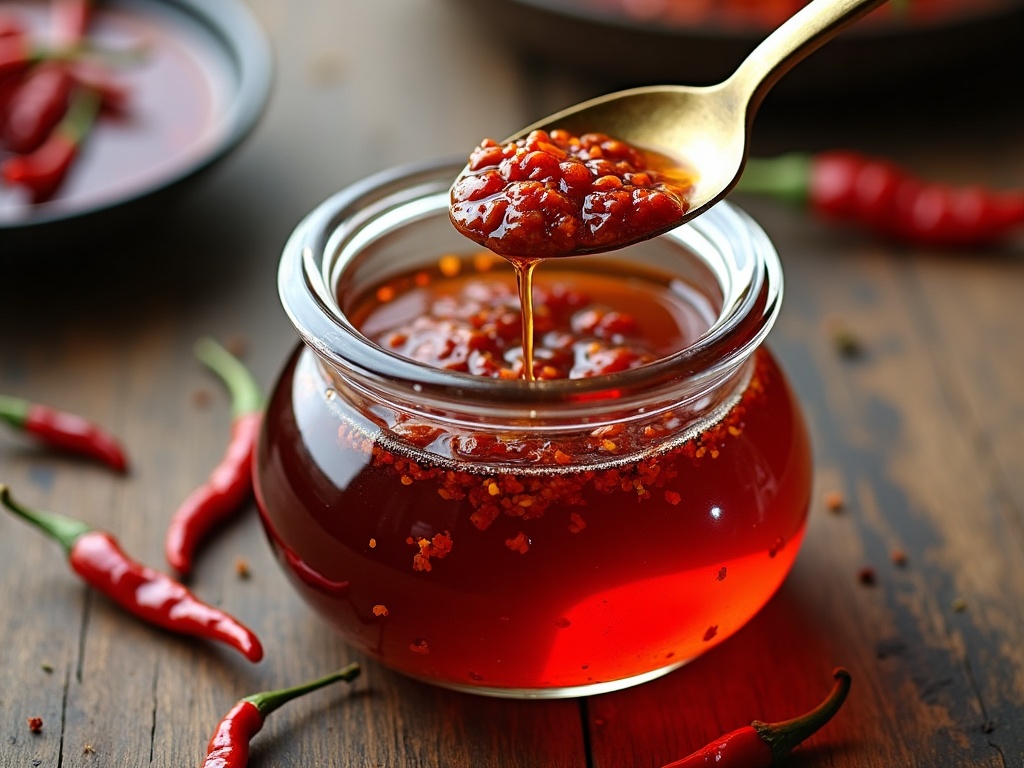 Save to Pinterest
Why you'll love this chinese chili oil
- Fragrant, fresh and deep red — homemade chili oil leaves store-bought in the dust.
- Endlessly useful: noodles, dumplings, eggs, tofu, vegetables, dipping sauces.
- Customizable heat and aroma, and far cheaper than the good jarred stuff.
- We give the exact oil temperature so the chilies bloom fragrant instead of burning bitter.
Ingredients
Base
Chili mixture
Missing an ingredient?
AITell us what you have and what you're making — get the best US-grocery swap, with ratios.
Hard-to-find ingredients, delivered
Stock the pantry once and you can cook this anytime: star anise, Sichuan or Korean coarse chili flakes, toasted Sichuan peppercorns. Asian groceries deliver nationwide.
Equipment
- Heatproof bowl — Glass, ceramic or metal — the hot oil must not crack it.(shop →)
- Instant-read thermometer — The oil temperature is the whole game; a thermometer takes out the guesswork.(shop →)
Instructions
Put the chili flakes, ground Sichuan peppercorn, garlic, salt, sugar and sesame seeds in a heatproof bowl and stir to combine.
Infuse the oil: in a saucepan, gently heat the oil with the ginger, scallions, star anise, cinnamon and bay over medium-low for about 10 minutes, until the aromatics are fragrant and lightly browned. Don't rush it — low and slow draws out their flavor.
Remove and discard the aromatics. Bring the oil to about 325–350°F (it should shimmer and a chili flake dropped in sizzles steadily).
💡 Temperature is everything: too cool and the chilies taste raw, too hot (over ~375°F) and they scorch black and bitter. A thermometer is worth it here.
Pour about a third of the hot oil over the chili mixture — it will foam and sizzle dramatically; stir. Wait a few seconds, then pour in the rest in two more additions, stirring between each. Pouring in stages keeps the chilies from burning.
💡 Adding the oil in stages, not all at once, is the trick to a fragrant red oil that isn't scorched.
Let the chili oil cool completely, then transfer to a clean jar (flakes and all, or strained for a smooth oil). It's best after resting a day, and keeps for weeks.
Tips & notes
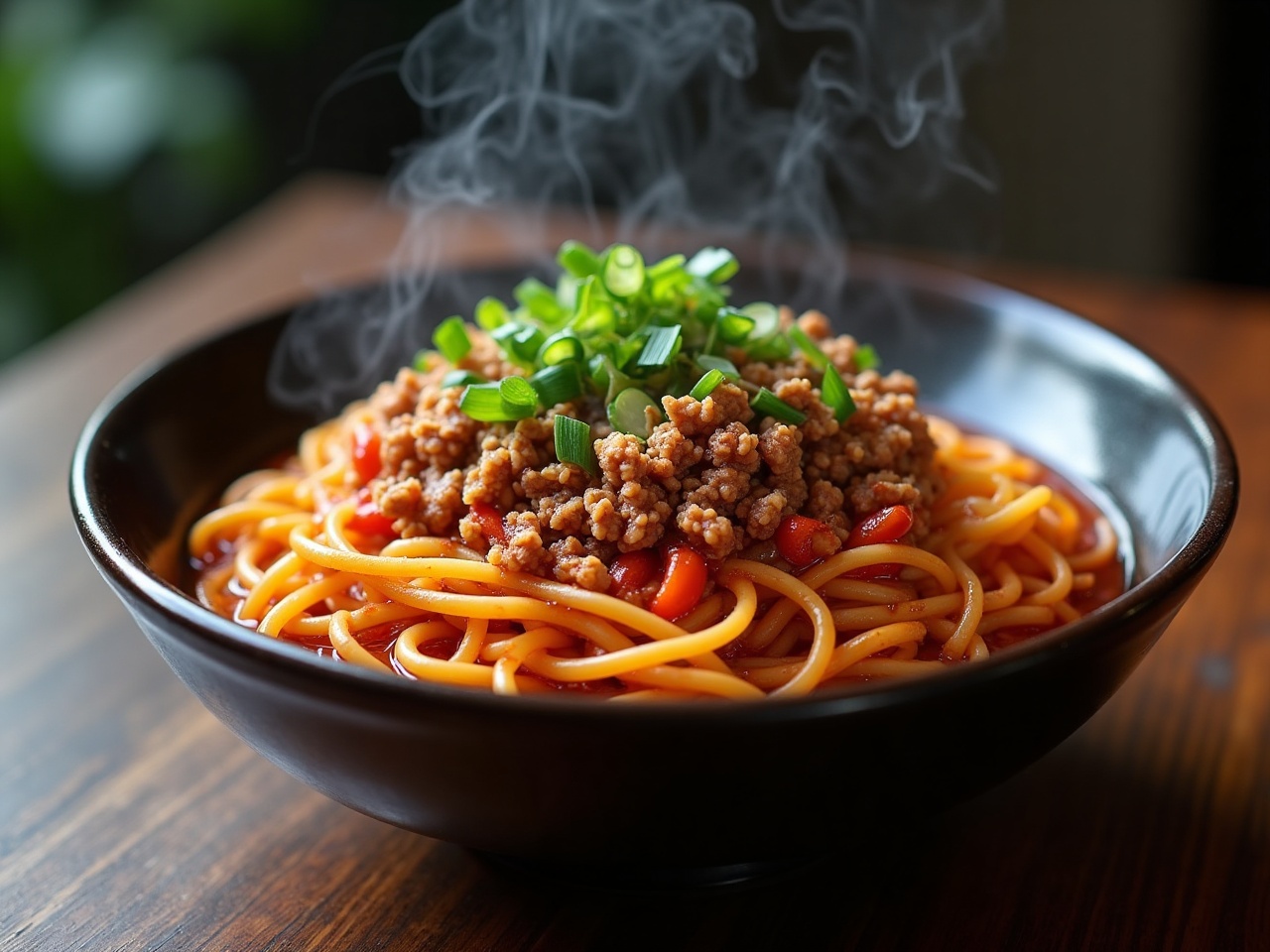
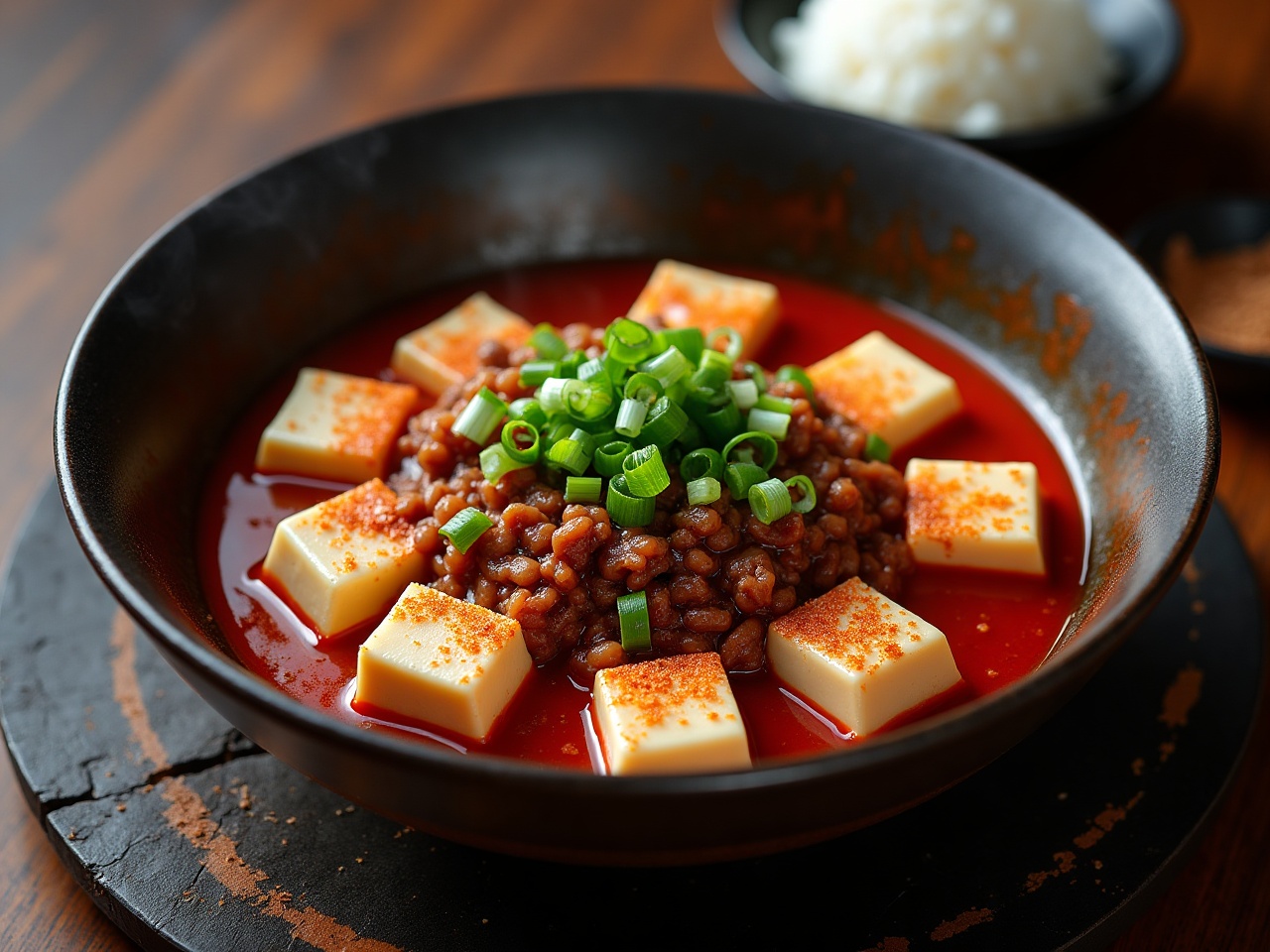
- How to use it: spoon it over noodles, dumplings, wontons, fried or steamed eggs, tofu, blanched vegetables, mapo tofu and dan dan noodles, or stir it into dipping sauces and dressings.
- Storage: keep it in a clean, dry jar at cool room temperature for a few weeks, or in the fridge for longer. Always use a clean, dry spoon to avoid introducing moisture.
- Use coarse chili flakes (Sichuan ‘er jing tiao' or Korean gochugaru), not fine cayenne — coarse flakes give color and aroma without searing heat.
- For chunky, chili-crisp-style oil, leave the flakes in and add extra crispy fried garlic or shallot. For a clear, smooth oil, strain the flakes out after it steeps.
- Add the Sichuan peppercorn for a numbing, Sichuan-style oil (málà); leave it out for a straightforward fragrant chili oil.
Recipe wording too vague?
AIPaste any fuzzy step (少许, 火候正好, 焯水) and get exact amounts, temps and times.
Chinese Chili Oil
- Prep
- 5 min
- Cook
- 15 min
- Total
- 20 min
- Serves
- 16
- Level
- Beginner
Ingredients
- 1.5 cups neutral oil, such as canola or vegetable
- 4 slices fresh ginger
- 3 scallions, cut into large pieces
- 2 star anise
- 1 cinnamon stick
- 2 bay leaves
- ½ cup Sichuan or Korean coarse chili flakes, not the fine, very hot kind
- 1 tbsp toasted Sichuan peppercorns, ground, optional, for má (numbing)
- 2 cloves garlic, minced, optional
- 1 tsp salt
- 1 tsp sugar
- 1 tbsp toasted sesame seeds, optional
Instructions
- Put the chili flakes, ground Sichuan peppercorn, garlic, salt, sugar and sesame seeds in a heatproof bowl and stir to combine.
- Infuse the oil: in a saucepan, gently heat the oil with the ginger, scallions, star anise, cinnamon and bay over medium-low for about 10 minutes, until the aromatics are fragrant and lightly browned. Don't rush it — low and slow draws out their flavor.
- Remove and discard the aromatics. Bring the oil to about 325–350°F (it should shimmer and a chili flake dropped in sizzles steadily).
- Pour about a third of the hot oil over the chili mixture — it will foam and sizzle dramatically; stir. Wait a few seconds, then pour in the rest in two more additions, stirring between each. Pouring in stages keeps the chilies from burning.
- Let the chili oil cool completely, then transfer to a clean jar (flakes and all, or strained for a smooth oil). It's best after resting a day, and keeps for weeks.
Nutrition (est., per serving): 130 cal · 0 g protein · 1 g carbs · 14 g fat
Chinese Chili Oil FAQ
What temperature should the oil be for chili oil?
About 325–350°F when it's poured over the chili flakes. At that temperature the chilies sizzle and release their color and aroma without burning. Below about 300°F they taste raw and dull; above about 375°F they scorch and turn bitter. If you don't have a thermometer, the oil is ready when a single chili flake dropped in sizzles steadily without instantly blackening.
What chilies are best for chili oil?
Coarse chili flakes are ideal — Sichuan chili flakes (from chilies like er jing tiao) for an authentic fragrant, moderately spicy oil, or Korean gochugaru, which is coarse, fruity and not too hot. Avoid fine cayenne or fine chili powder, which scorch easily and make the oil harsh and overly hot rather than fragrant.
How long does homemade chili oil last?
Stored in a clean, dry jar at cool room temperature, it keeps for several weeks; in the fridge, a couple of months. The oil itself is shelf-stable, but added fresh aromatics like garlic shorten its life, so refrigerate if you've added a lot. Always use a clean, dry spoon to keep moisture and contaminants out.
What's the difference between chili oil and chili crisp?
Chili oil is mainly the infused, fragrant oil (smooth if strained), used to add heat and aroma. Chili crisp is loaded with crunchy solids — fried garlic, shallot, fermented soybean and chili bits — for texture and savory umami. This recipe makes a chili oil that leans toward chili crisp if you leave the flakes in and add crispy aromatics.
Why did my chili oil turn out bitter or burnt?
The oil was too hot when it hit the chilies, scorching them. Keep it around 325–350°F, and pour it over the chili flakes in two or three stages rather than all at once so they don't overheat. Using coarse flakes (which are more forgiving than fine powder) also helps prevent burning.
You might also like
Get our free Chinese Kitchen Starter Guide
The 12 pantry staples, the 5 techniques, and a week of beginner-friendly dinners — plus a new decoded recipe each week.
Comments
Made this? Have a question or a tweak? Share it below.
No comments yet — be the first!