Kung Pao Shrimp
This post may contain affiliate links. Read our affiliate disclosure.
🧪 Developed & tested by the The Chowmi Test Kitchen for US kitchens. How we develop our recipes.
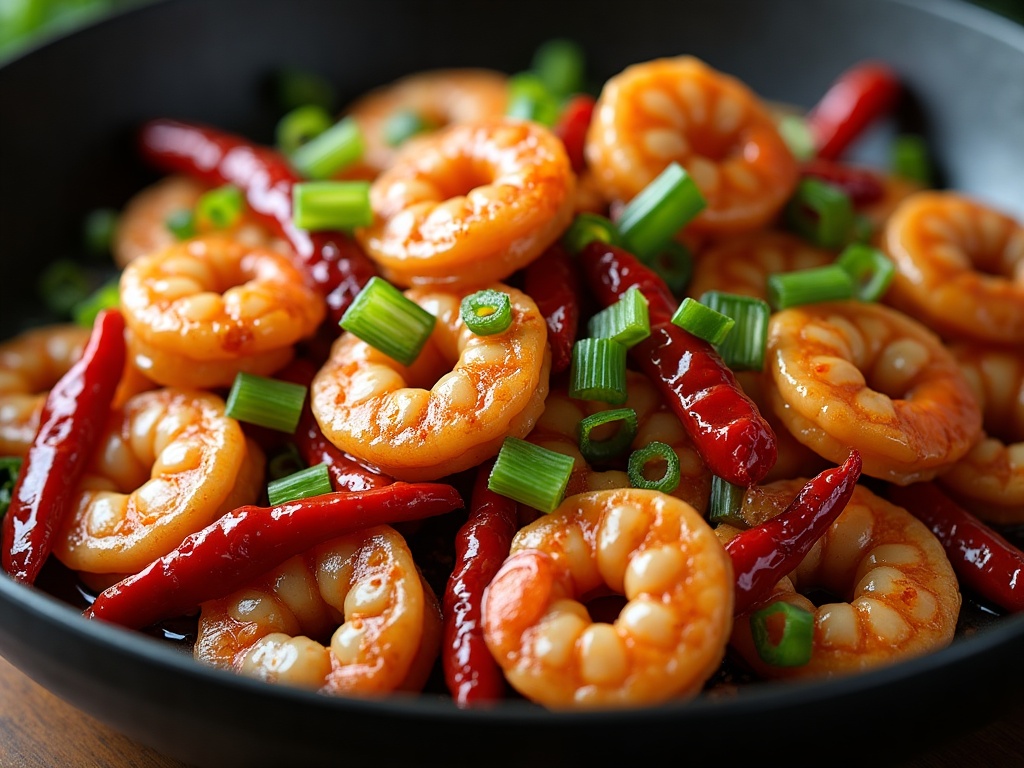
Kung pao shrimp is the seafood version of kung pao chicken: plump shrimp stir-fried with peanuts, dried chilies and scallions in a glossy sweet-sour-savory sauce, finished with the gentle numbing tingle of Sichuan peppercorn. It cooks fast — the whole dish takes about 20 minutes — and the single most important thing is not to overcook the shrimp, which turn rubbery in seconds. Sear them just until pink and curled, remove them, build the sauce by blooming dried chilies and aromatics, then return the shrimp at the very end to coat. The sauce balances soy, Chinkiang black vinegar and a little sugar, and the peanuts add crunch. It's bold and spicy but adjustable — fewer chilies for a milder bowl. Serve over rice.
 Save to Pinterest
Why you'll love this kung pao shrimp
- Plump, juicy shrimp with crunchy peanuts in a bold sweet-sour-spicy Sichuan sauce.
- Faster than takeout — about 20 minutes start to finish.
- Fully adjustable heat, from a gentle warmth to a real kick.
- We give you the timing trick that keeps the shrimp tender, never rubbery.
Ingredients
Shrimp
Sauce
Stir-fry
Missing an ingredient?
AITell us what you have and what you're making — get the best US-grocery swap, with ratios.
Hard-to-find ingredients, delivered
Stock the pantry once and you can cook this anytime: Shaoxing wine, Chinkiang black vinegar, dried red chilies, Sichuan peppercorns. Asian groceries deliver nationwide.
Equipment
- Wok or large skillet — High heat sears the shrimp fast so they don't overcook.(shop →)
Instructions
Toss the shrimp with the Shaoxing wine and 1 tsp cornstarch. Stir all the sauce ingredients together in a bowl so it's ready to pour.
Heat 1 tbsp oil in the wok over high heat. Sear the shrimp just until pink and curled, about 1–2 minutes, then remove to a plate. They'll finish cooking later — do not overcook them now.
💡 Shrimp go from tender to rubbery in seconds. Pull them while they're just barely cooked; they'll finish when you toss them back in.
Lower the heat to medium and add the last 1 tbsp oil. Add the dried chilies and Sichuan peppercorns and stir for 20–30 seconds until fragrant — don't let the chilies burn.
Add the garlic, ginger and scallion whites and stir for 30 seconds. Pour in the sauce and let it bubble and thicken, about a minute.
Return the shrimp along with the peanuts and scallion greens. Toss for 30–60 seconds just to coat and finish cooking the shrimp, then serve over rice.
Tips & notes
- Don't overcook the shrimp — sear them briefly, remove them, and add them back at the very end. This is the difference between juicy and rubbery.
- Toast the dried chilies and Sichuan peppercorn just until fragrant; if they scorch, they turn bitter, so keep the heat moderate at that step.
- Adjust the heat with the number of chilies — 8–10 for bold, a few for mild. The Sichuan peppercorn adds a separate numbing tingle, not chili heat.
- Balance the sauce by tasting: it should be savory-sweet with a tangy edge from the black vinegar.
- Add the peanuts at the end so they keep their crunch.
Recipe wording too vague?
AIPaste any fuzzy step (少许, 火候正好, 焯水) and get exact amounts, temps and times.
Kung Pao Shrimp
- Prep
- 10 min
- Cook
- 10 min
- Total
- 20 min
- Serves
- 4
- Level
- Beginner
Ingredients
- 1 lb large shrimp, peeled and deveined, patted dry
- 1 tbsp Shaoxing wine
- 1 tsp cornstarch
- 1.5 tbsp light soy sauce
- 1 tsp dark soy sauce
- 1 tbsp Chinkiang black vinegar
- 1 tbsp sugar
- 2 tbsp water
- 1 tsp cornstarch
- 8–10 dried red chilies, to taste
- 1 tsp Sichuan peppercorns
- 4 cloves garlic, minced
- 1 tbsp fresh ginger, minced
- 3 scallions, cut into 1-inch pieces
- ⅓ cup roasted peanuts
- 2 tbsp neutral oil
Instructions
- Toss the shrimp with the Shaoxing wine and 1 tsp cornstarch. Stir all the sauce ingredients together in a bowl so it's ready to pour.
- Heat 1 tbsp oil in the wok over high heat. Sear the shrimp just until pink and curled, about 1–2 minutes, then remove to a plate. They'll finish cooking later — do not overcook them now.
- Lower the heat to medium and add the last 1 tbsp oil. Add the dried chilies and Sichuan peppercorns and stir for 20–30 seconds until fragrant — don't let the chilies burn.
- Add the garlic, ginger and scallion whites and stir for 30 seconds. Pour in the sauce and let it bubble and thicken, about a minute.
- Return the shrimp along with the peanuts and scallion greens. Toss for 30–60 seconds just to coat and finish cooking the shrimp, then serve over rice.
Nutrition (est., per serving): 290 cal · 26 g protein · 12 g carbs · 16 g fat
Kung Pao Shrimp FAQ
How do you keep shrimp from getting rubbery?
Cook them quickly and briefly. Sear the shrimp over high heat just until they turn pink and curl — about 1–2 minutes — then remove them and add them back at the very end only to coat in the sauce. Overcooking, or leaving them in the wok while you build the sauce, is what makes shrimp tough and rubbery.
What's the difference between kung pao shrimp and kung pao chicken?
Just the protein and timing. Both use the same signature kung pao elements — peanuts, dried chilies, scallions, and a sweet-sour-savory sauce with Sichuan peppercorn. Shrimp cooks faster and more delicately than chicken, so the main adjustment is searing it briefly and adding it back at the end so it stays tender.
Can I make kung pao shrimp less spicy?
Yes. The heat comes mostly from the dried chilies, so use fewer (or remove the seeds) for a milder dish. The Sichuan peppercorn provides a tingling numbness rather than chili heat — you can reduce that too. You'll still get the savory-sweet-tangy sauce and crunchy peanuts.
What kind of shrimp should I use?
Large or jumbo shrimp, peeled and deveined, are ideal — they stay plump and juicy through the quick high-heat cooking. Pat them very dry before they hit the wok so they sear rather than steam. Fresh or properly thawed frozen shrimp both work well.
What is Sichuan peppercorn and can I leave it out?
Sichuan peppercorn gives kung pao its signature tingling, slightly numbing sensation (called má), which is different from chili heat. It's worth including for an authentic dish, but you can leave it out for a still-tasty, simply spicy version. There's no exact substitute for its unique numbing quality.
You might also like
Get our free Chinese Kitchen Starter Guide
The 12 pantry staples, the 5 techniques, and a week of beginner-friendly dinners — plus a new decoded recipe each week.
Comments
Made this? Have a question or a tweak? Share it below.
No comments yet — be the first!