Doubanjiang Substitutes
Pixian broad bean paste · 豆瓣酱 · spicy bean paste
By The Chowmi Test Kitchen · Updated June 3, 2026
This post may contain affiliate links. Read our affiliate disclosure.
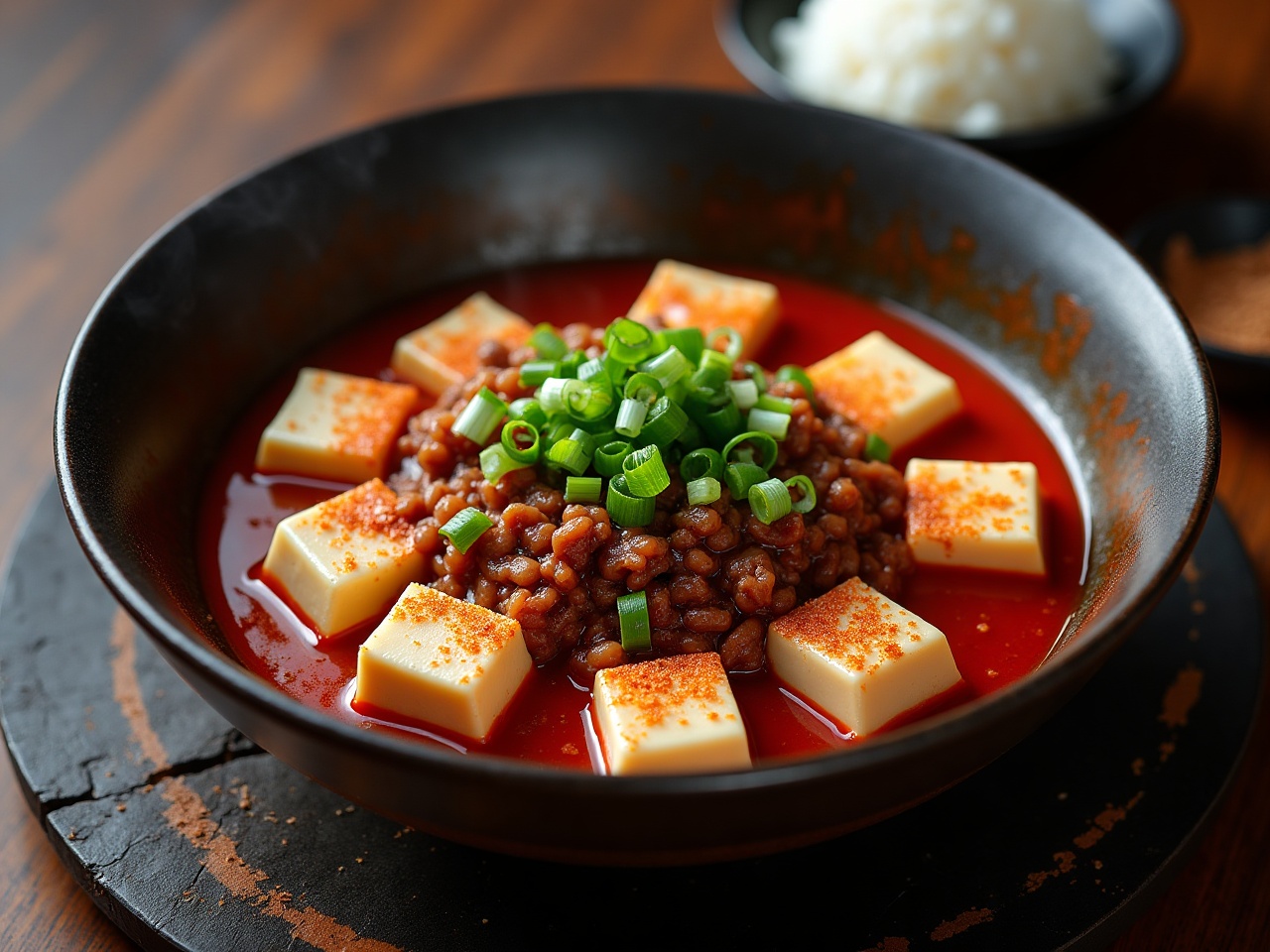
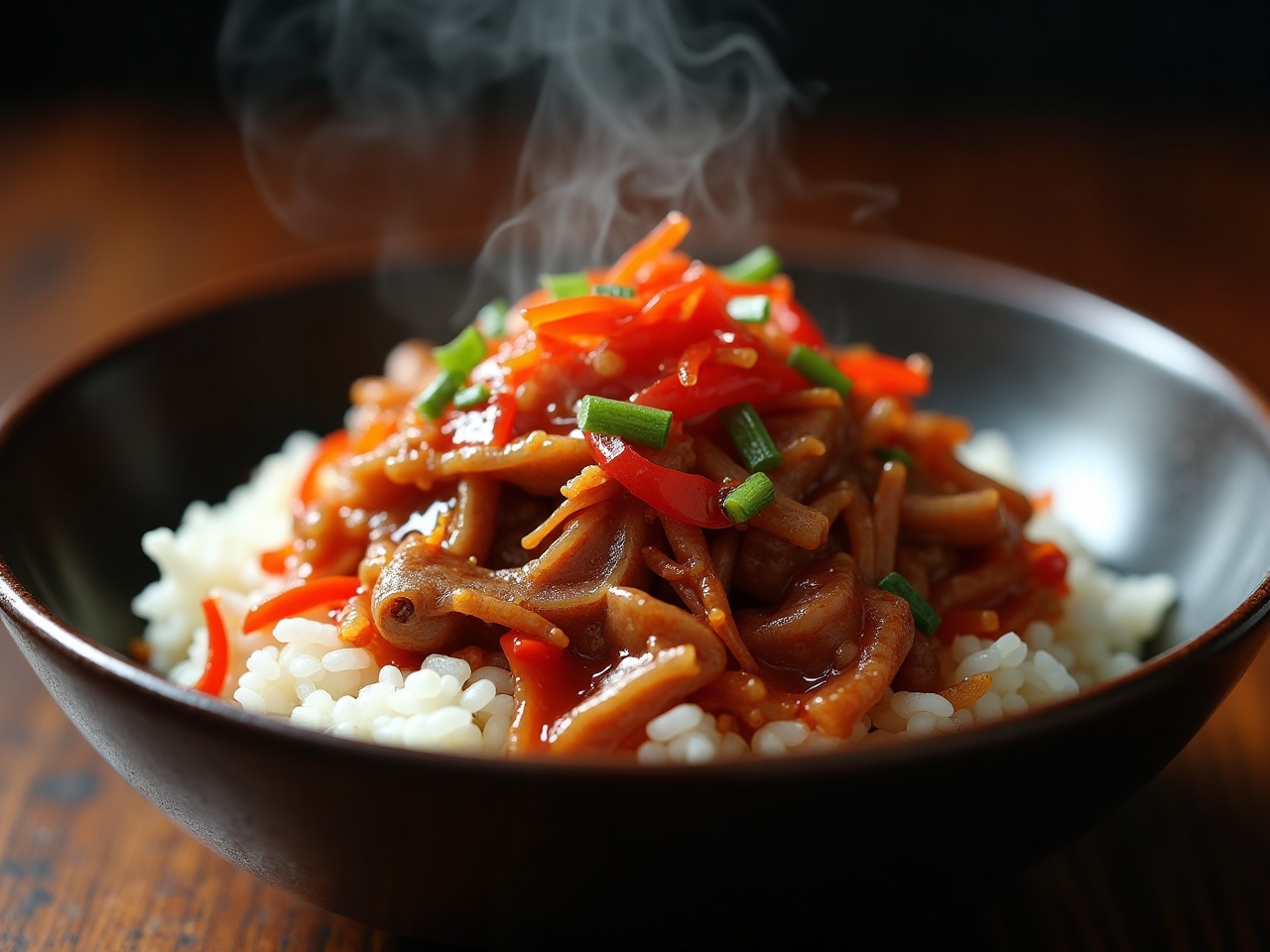
The best substitute for doubanjiang is Korean gochujang mixed with a little white miso — about 2 parts gochujang to 1 part miso, plus a pinch of sugar. Gochujang brings the chili and fermented depth, and the miso adds the savory, funky soybean note that makes doubanjiang taste like doubanjiang. It reads slightly sweeter and more Korean, but it carries dishes like mapo tofu and twice-cooked pork well for one batch. If you have neither, white miso plus chili flakes (or sambal) and a pinch of sugar is the next best thing. What you can't fully replicate is the specific aged broad-bean ferment — every substitute leans either sweeter or straight-spicy. Doubanjiang is cheap (about $4–6 a jar) and keeps for months, so it's the one ingredient worth buying real if you can.
No doubanjiang? Build the best swap
AITell us what you're making and what you have — get a tailored substitute with ratios.
Every doubanjiang substitute, ranked
| Substitute | Ratio | Match |
|---|---|---|
| Gochujang + white miso Mapo tofu, twice-cooked pork, stir-fries | 2 parts gochujang : 1 part white miso + a pinch of sugar | 72% |
| White miso + chili flakes Vegan dishes, adjustable heat · vegan | 2 tbsp white miso + 1–2 tsp chili flakes (or sambal) + ½ tsp sugar | 62% |
| Gochujang alone A quick one-ingredient fix | Use 1:1, then cut the dish's sugar slightly | 55% |
| Fermented black beans + chili + soy When you keep douchi around | 1 tbsp mashed fermented black beans + 1 tsp chili paste + 1 tsp soy | 50% |
- Gochujang + white miso: The closest easy swap. Miso supplies the fermented-soybean depth gochujang lacks. Reads a touch sweeter and more Korean.
- White miso + chili flakes: Vegan and lets you control the heat separately. Missing some of the broad-bean character.
- Gochujang alone: Workable in a pinch but noticeably sweeter and without the broad-bean funk.
- Fermented black beans + chili + soy: Funky and savory but thinner and saltier; adjust liquid.
What is Doubanjiang?
Doubanjiang (豆瓣酱) is a thick, savory, spicy paste of fermented broad (fava) beans and chilies — the backbone of Sichuan cooking. The most prized version, Pixian doubanjiang, is aged for months to years and is deeply umami and only moderately spicy. It's what gives mapo tofu, twice-cooked pork, and yu-xiang (“fish-fragrant”) dishes their reddish color and rich, funky-savory depth.
Flavor: Salty, savory, umami-rich, moderately spicy, with a distinctive fermented broad-bean funk.
Doubanjiang vs gochujang
Both are fermented chili pastes, which is why gochujang is the go-to substitute. The difference: doubanjiang is made from broad (fava) beans and is saltier, funkier, and more savory; gochujang is made from glutinous rice and chili and is sweeter and smoother. To stand in for doubanjiang, add a little miso to gochujang to push it savory; to go the other way, you'd add sugar to doubanjiang.
Pixian doubanjiang vs regular “spicy bean paste”
Pixian doubanjiang (from Pixian, Sichuan) is the aged, gold-standard version — deep, savory, less aggressively spicy. Generic “spicy bean paste” or chili-bean sauces are often younger, redder, and hotter with less fermented depth. For authentic Sichuan flavor, look for “Pixian” on the label.
Where to buy doubanjiang
Stock real doubanjiang
Lee Kum Kee and Pixian (Juan Cheng / Dan Dan) brands are the standards — about $4–6 a jar, and it keeps for months in the fridge. Asian groceries deliver nationwide.
Doubanjiang FAQ
What is the best substitute for doubanjiang?
Korean gochujang plus a little white miso (about 2:1) with a pinch of sugar. The gochujang covers the chili and ferment, and the miso adds the savory broad-bean depth. It's slightly sweeter and more Korean, but it works well for one batch of mapo tofu or twice-cooked pork. Never use sriracha — the flavor profile is completely different.
Is doubanjiang the same as gochujang?
No. Doubanjiang is a Chinese fermented broad-bean and chili paste — saltier, funkier, and more savory. Gochujang is a Korean fermented rice and chili paste — sweeter and smoother. Gochujang is the most common substitute, ideally with a little miso added to make it more savory.
Is doubanjiang vegan and gluten-free?
Most doubanjiang is vegan (fermented beans, chilies, salt). It is usually not gluten-free, as wheat flour is often part of the ferment — check the label, and for a gluten-free version use white miso (gluten-free) plus chili flakes and a pinch of sugar.
How spicy is doubanjiang?
Authentic Pixian doubanjiang is only moderately spicy — its main job is savory, fermented depth and color, not heat. Generic “spicy bean paste” versions can be hotter. In most Sichuan recipes the chili heat comes from added dried chilies or chili oil, not the doubanjiang alone.
Where can I buy doubanjiang?
Any Asian grocery store, or online from Weee!, Yamibuy, or Amazon. Look for Lee Kum Kee or, for the best flavor, a Pixian-labeled paste. It's inexpensive (about $4–6) and lasts for months refrigerated.
Recipes that use doubanjiang
Get our free Chinese Kitchen Starter Guide
The 12 pantry staples, the 5 techniques, and a week of beginner-friendly dinners — plus a new decoded recipe each week.