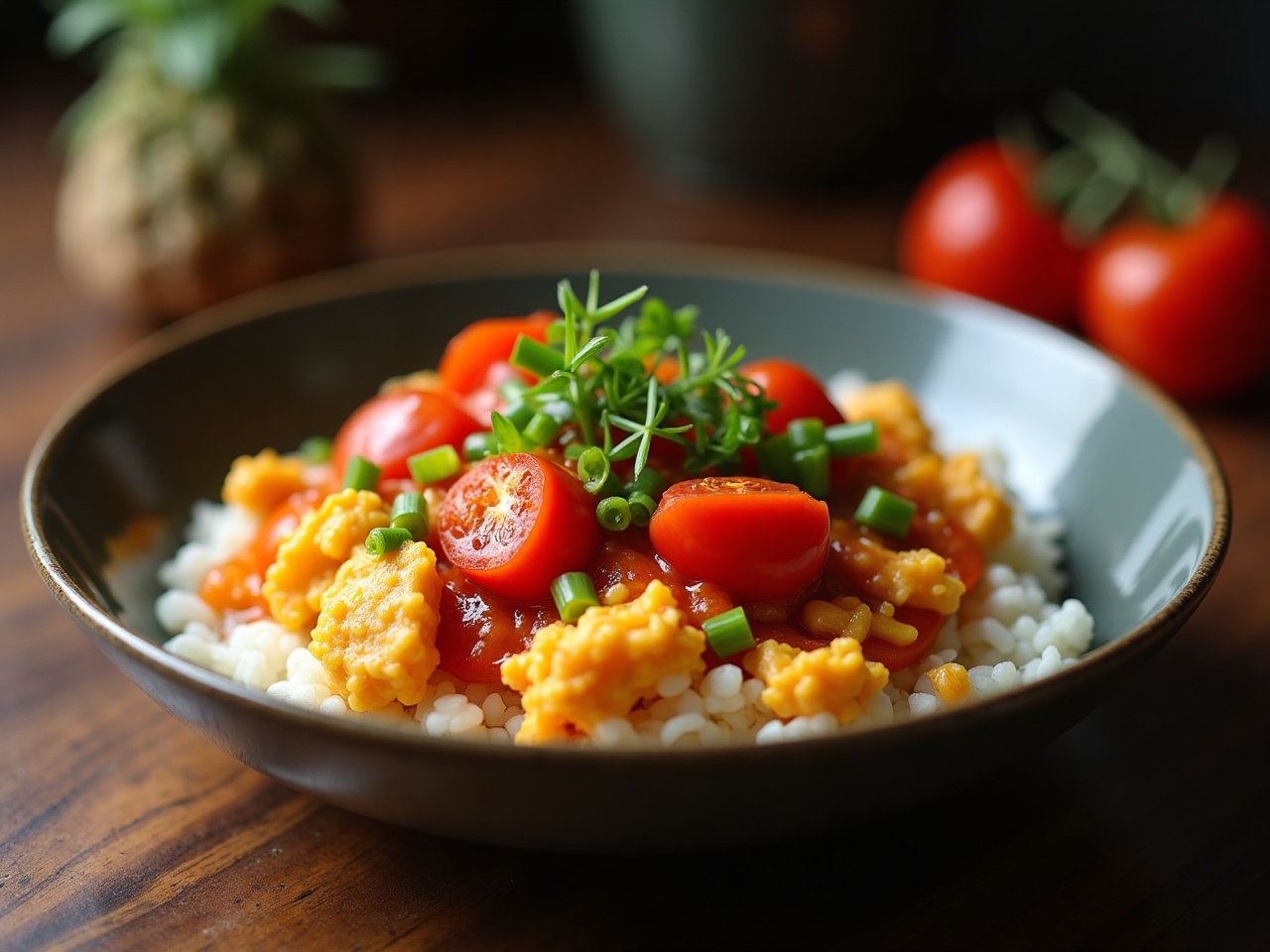
1. Chinese Tomato and Egg Stir-Fry
15 min · Beginner · Home-Style (家常菜)
Naturally vegetarian and possibly the easiest dish here — sweet-savory tomatoes and soft scrambled egg over rice in about 15 minutes.
By The Chowmi Test Kitchen · Updated June 5, 2026
Chinese cooking is one of the most naturally vegetarian-friendly cuisines there is — built on tofu, eggs, mushrooms, and a huge range of vegetables, with sauces that bring real depth without any meat. These meat-free Chinese recipes aren't sad substitutes; they're dishes people genuinely crave. A few were born vegetarian (tomato and egg, garlic-sauce eggplant, steamed egg); others are classics we've adapted with one easy swap — mushrooms for the pork, vegetable stock for chicken — noted on each. Two things to watch when you cook vegetarian Chinese: use vegetable stock anywhere a recipe calls for chicken stock, and swap oyster sauce for a mushroom-based version. Everything below is written for a US kitchen, with substitutes for any hard-to-find ingredient.
Naturally vegetarian and possibly the easiest dish here — sweet-savory tomatoes and soft scrambled egg over rice in about 15 minutes.
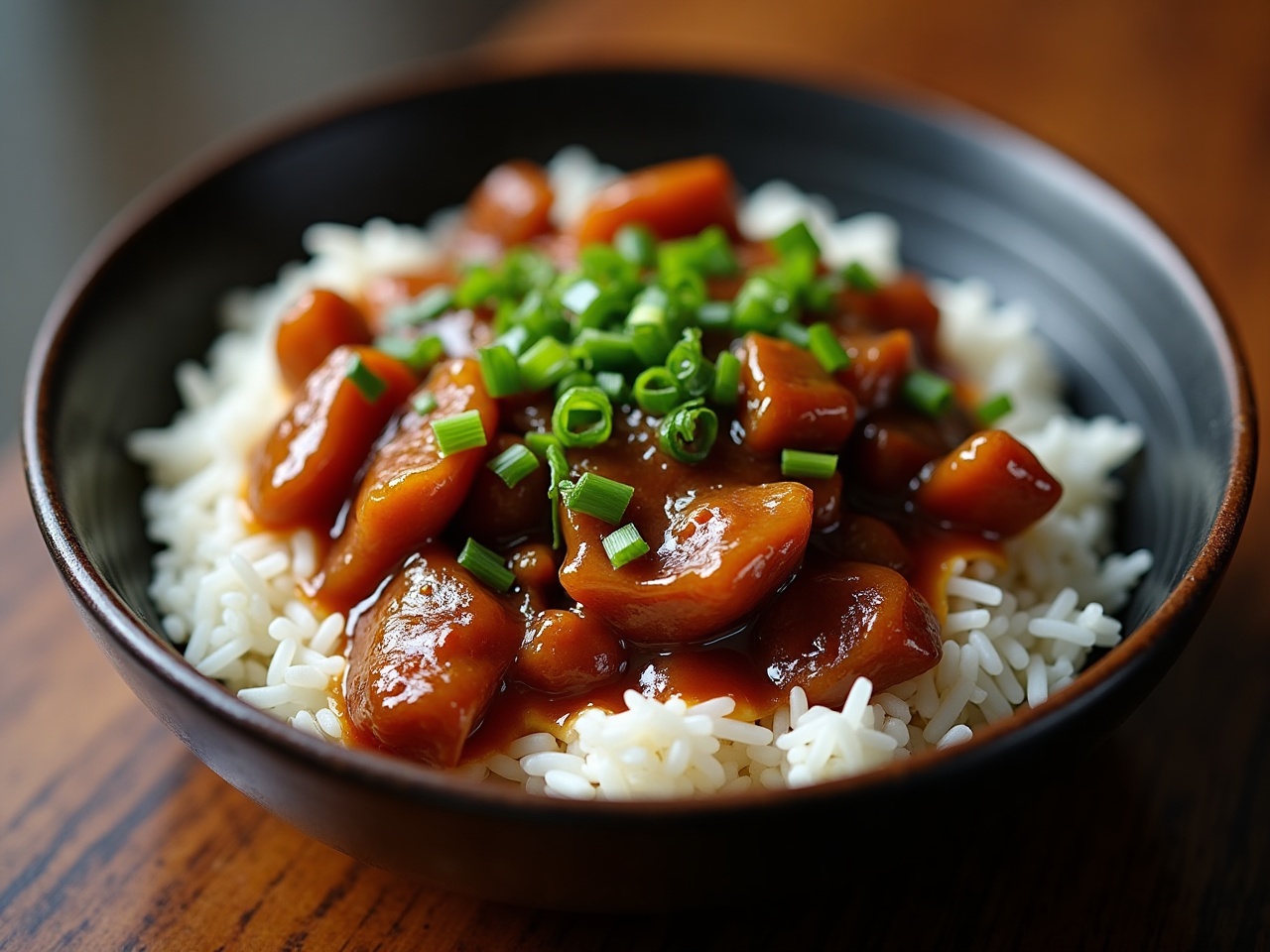
Silky eggplant in a bold garlic sauce — a naturally meat-free dish hearty enough to be the main event over rice.
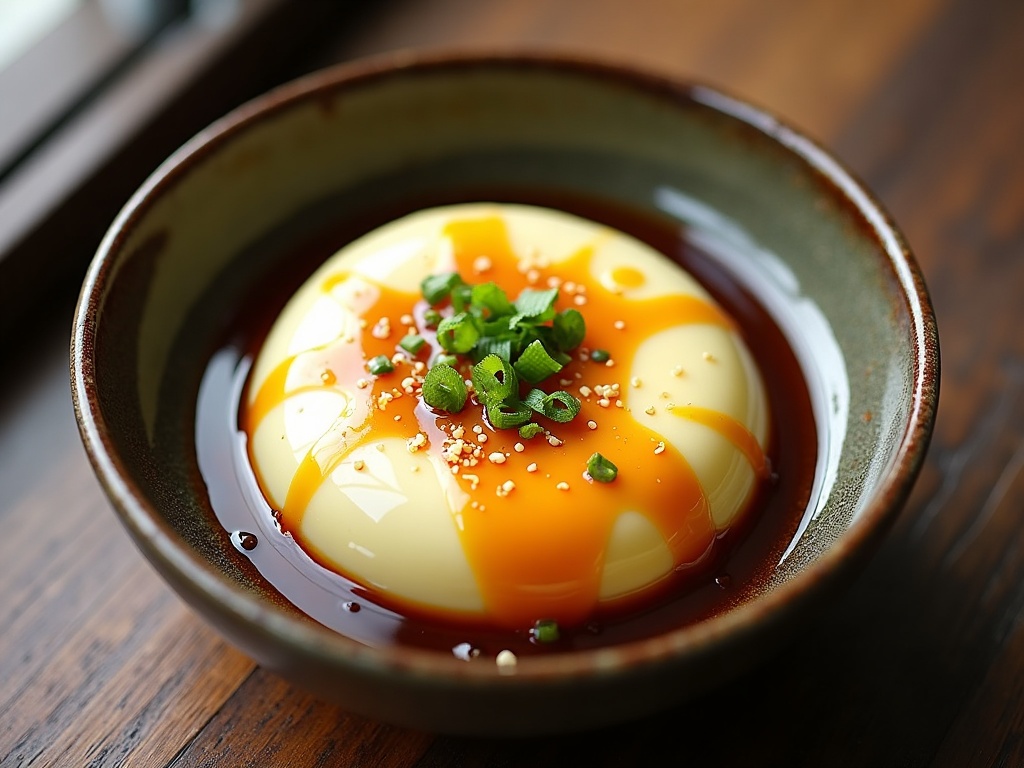
A gentle, silky savory custard; just use vegetable stock (or water) in place of chicken stock to keep it vegetarian.
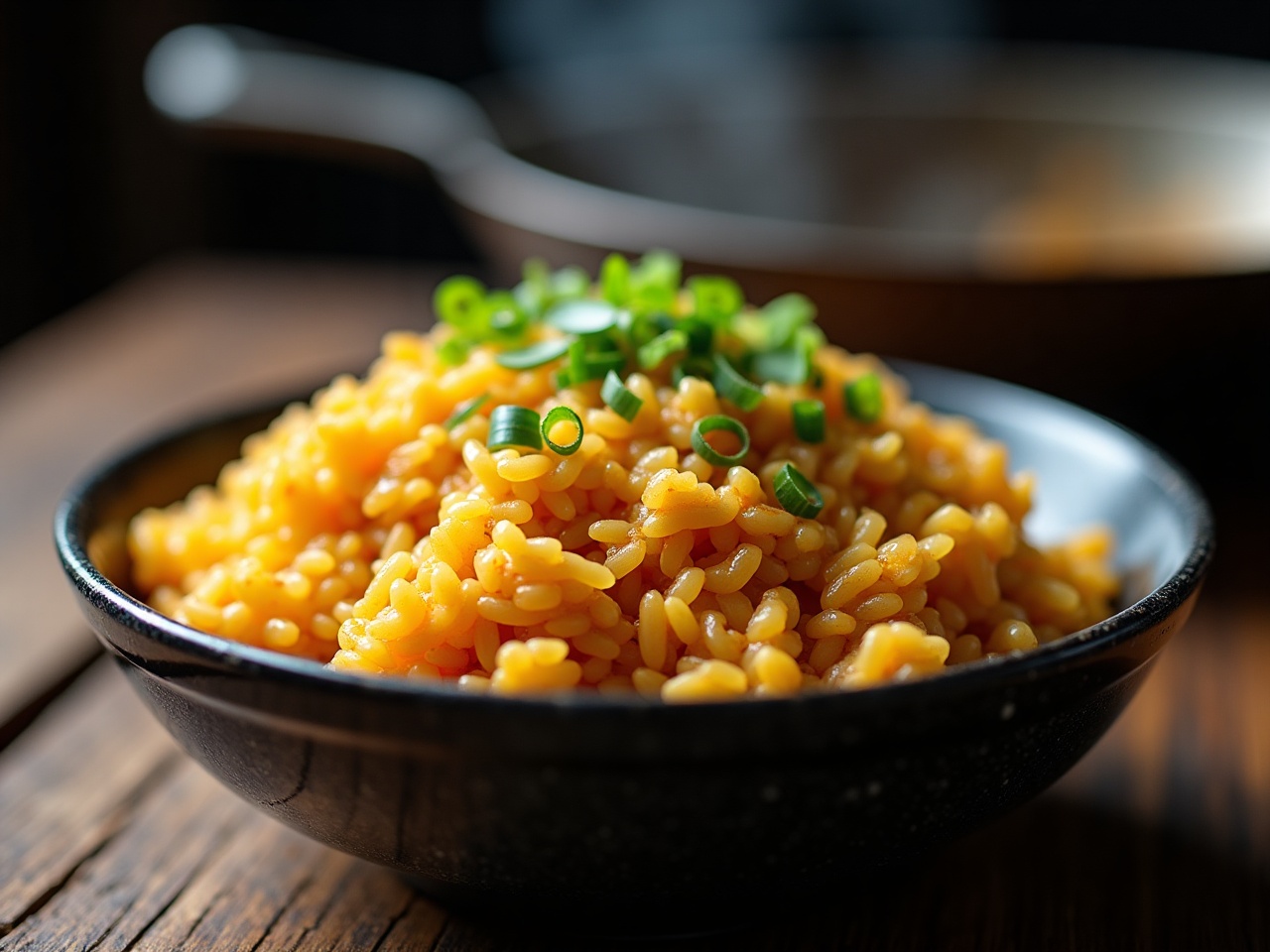
Vegetarian as written, and a blank canvas — load it with peas, carrots, corn, or extra egg and skip any meat.
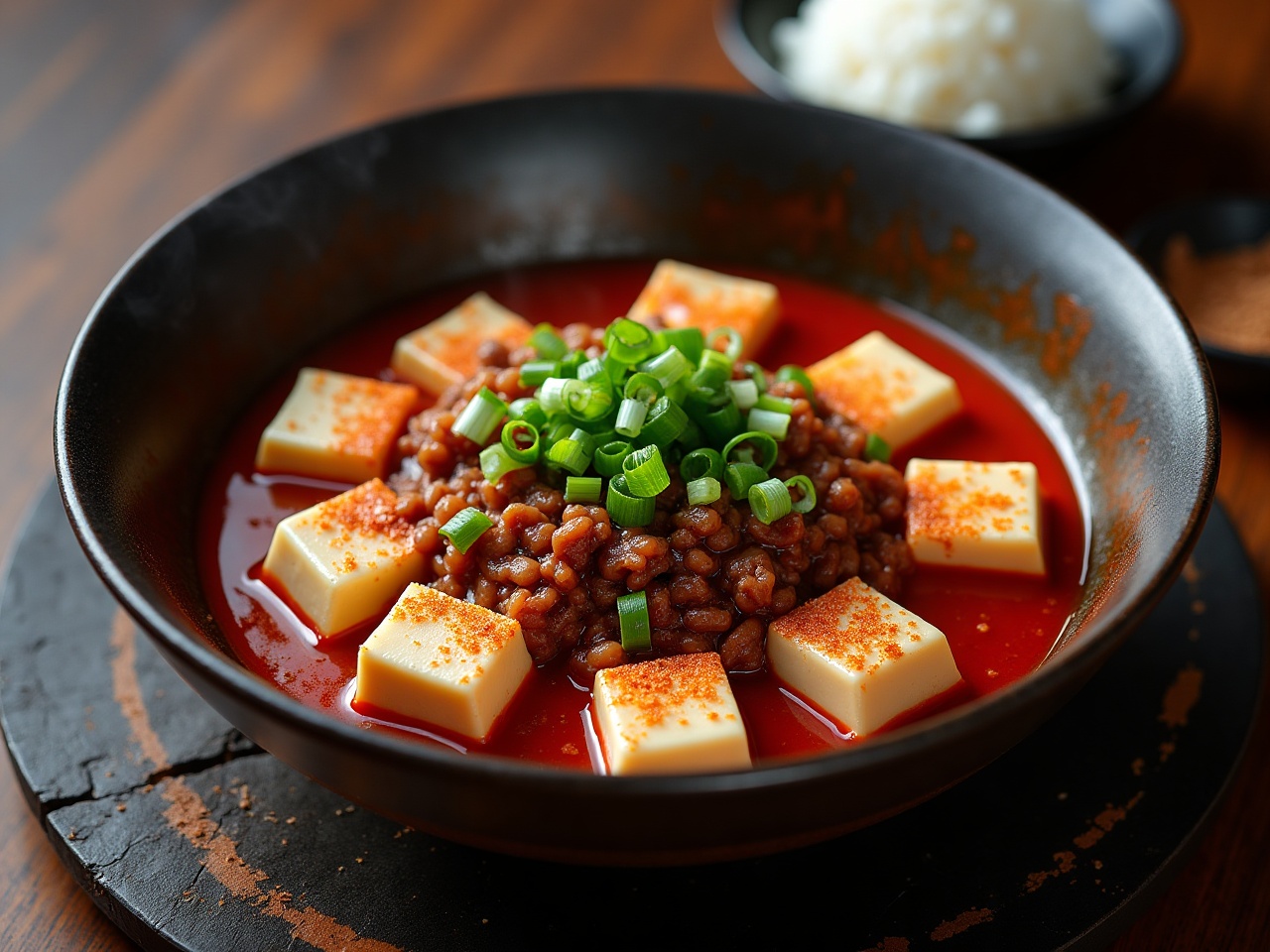
Every bit as good meat-free: swap the ground pork for finely chopped mushrooms, use vegetable stock, and check your doubanjiang has no added meat (most don't).
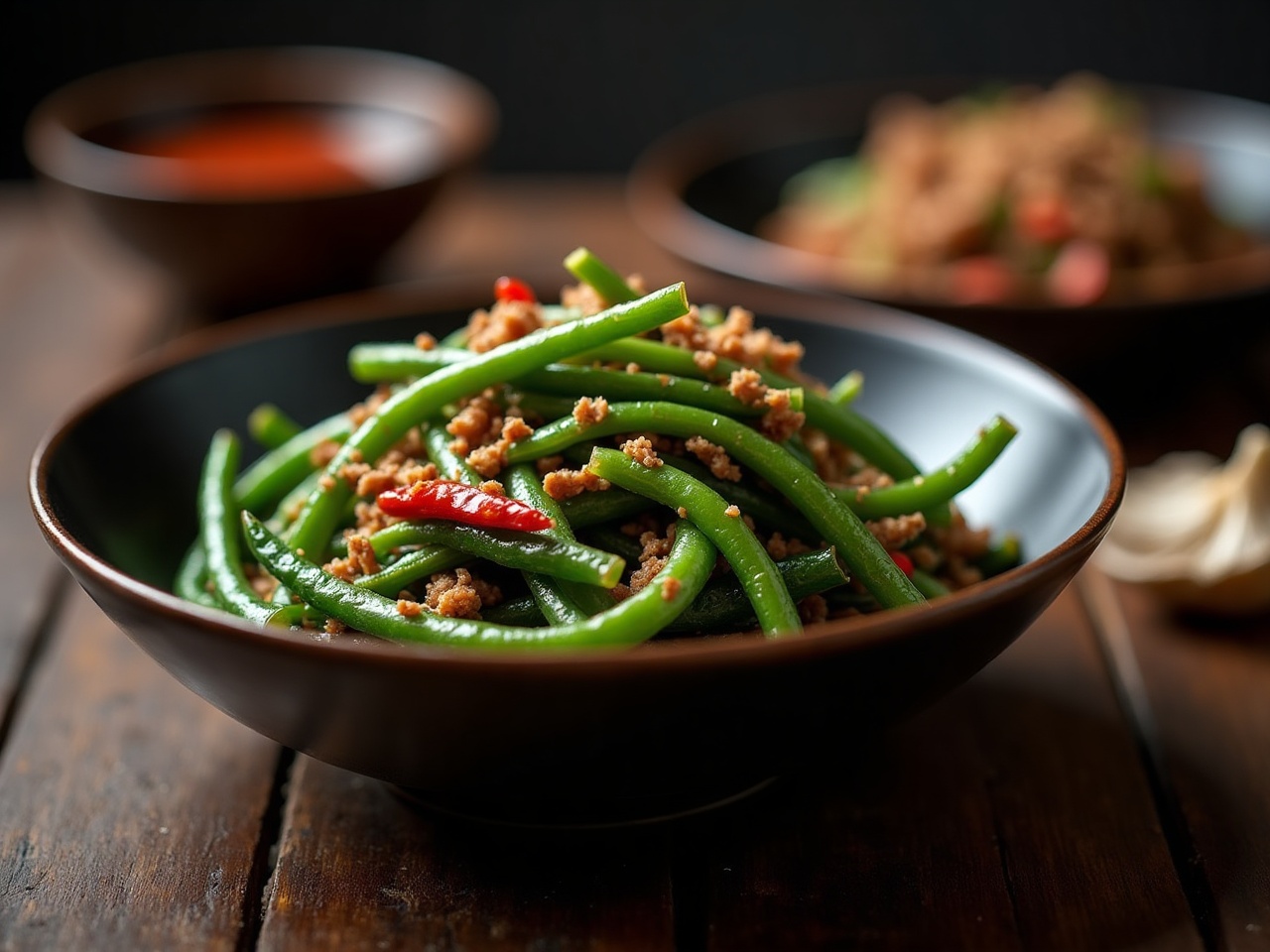
Blistered, savory, garlicky green beans — make them without the traditional pinch of pork and they're a fully vegetarian standout.
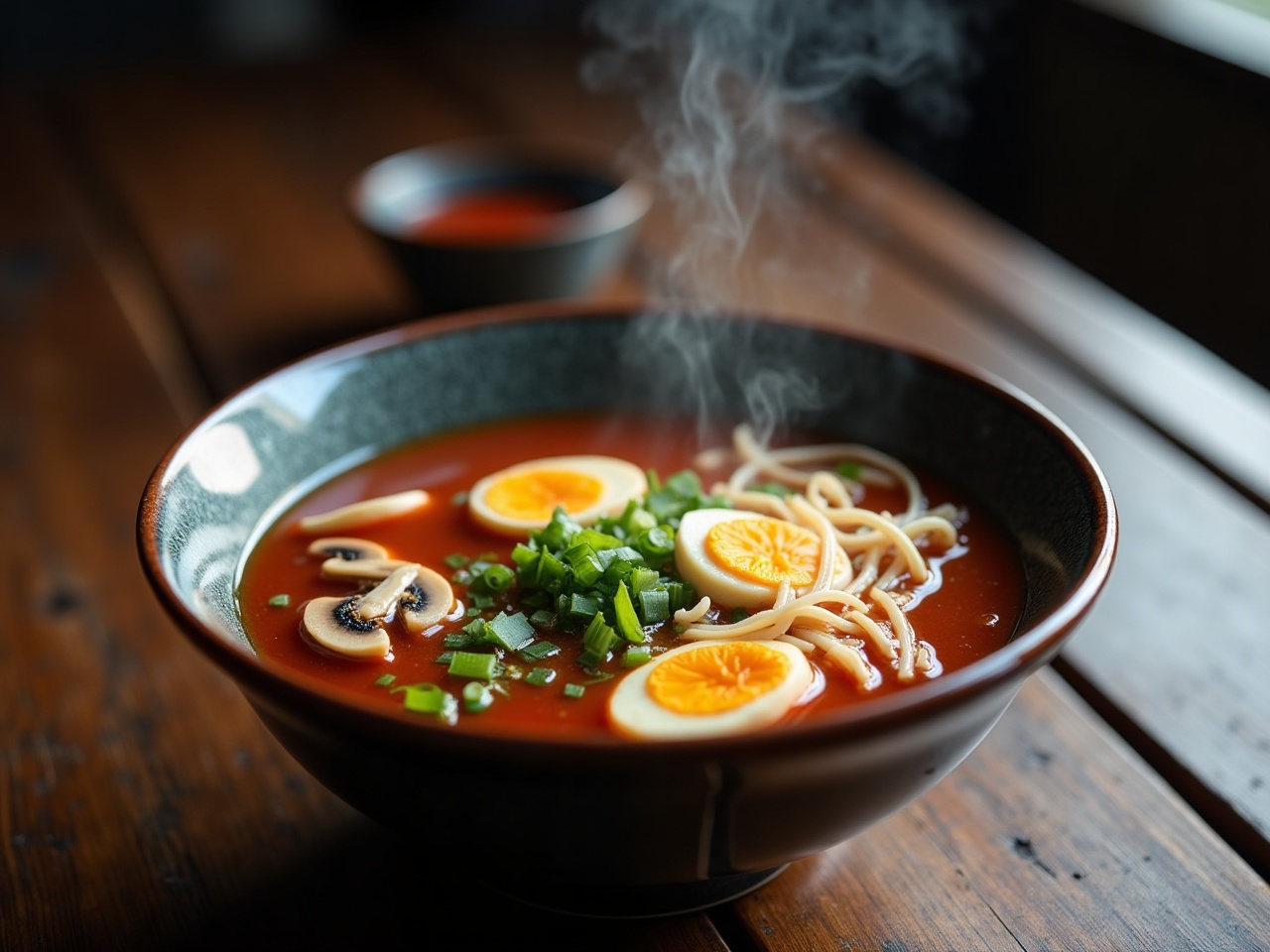
Use vegetable stock, plenty of tofu and mushrooms, and skip the pork — the bold sweet-sour-peppery broth carries the whole bowl.
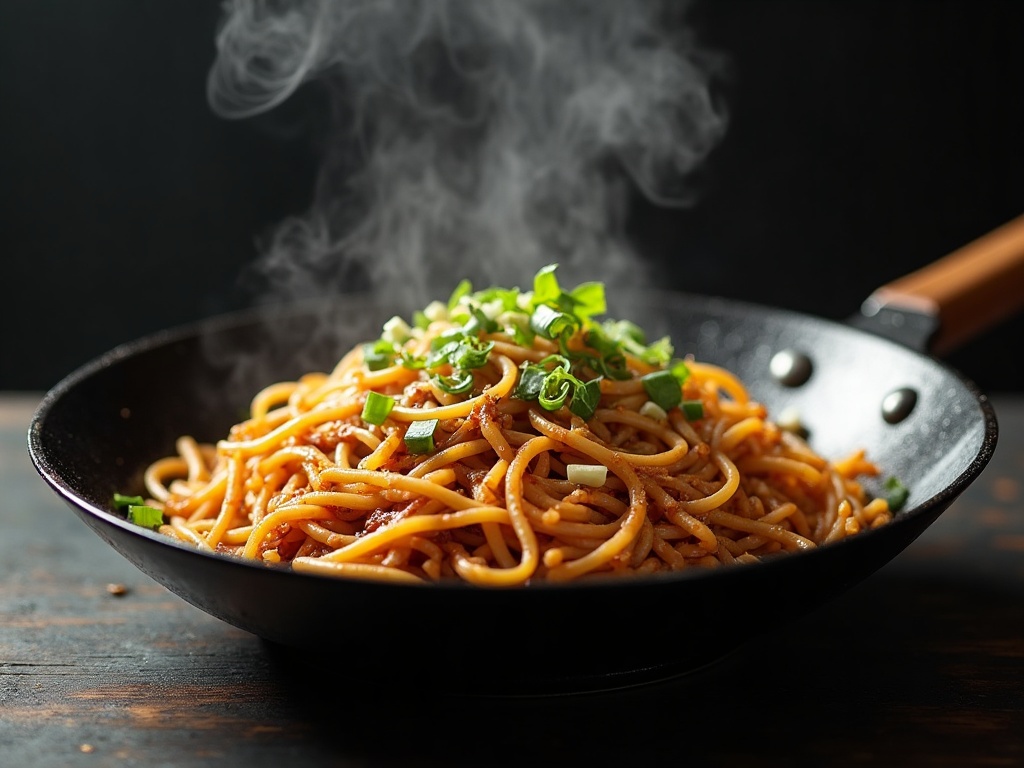
Springy pan-fried noodles that are vegetarian once you leave out the oyster sauce (or use a mushroom 'oyster' sauce). Pile in the bean sprouts.
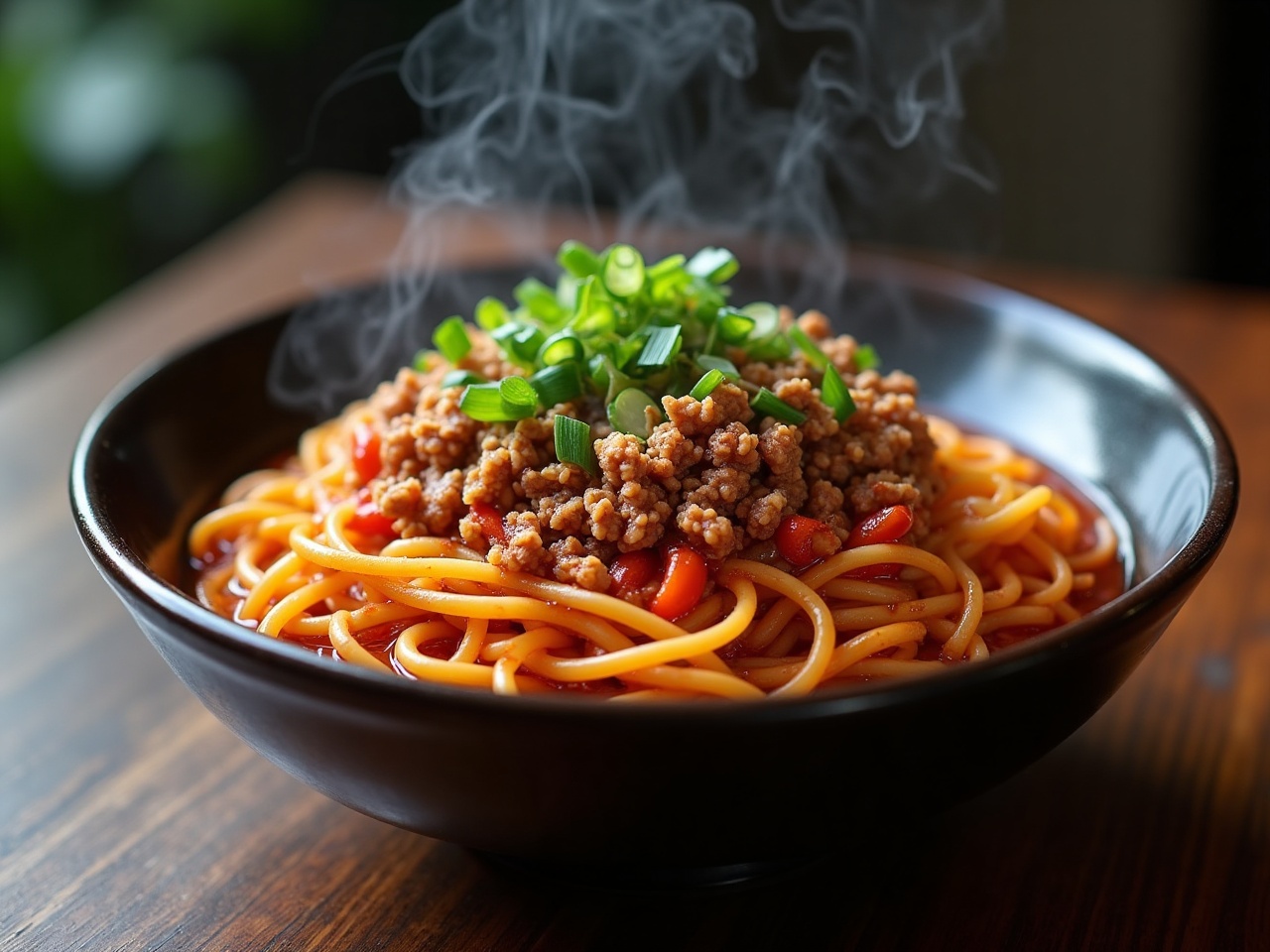
Swap the pork topping for browned, seasoned mushrooms and you keep all the nutty, tingly, saucy magic — a vegetarian bowl that eats like the original.
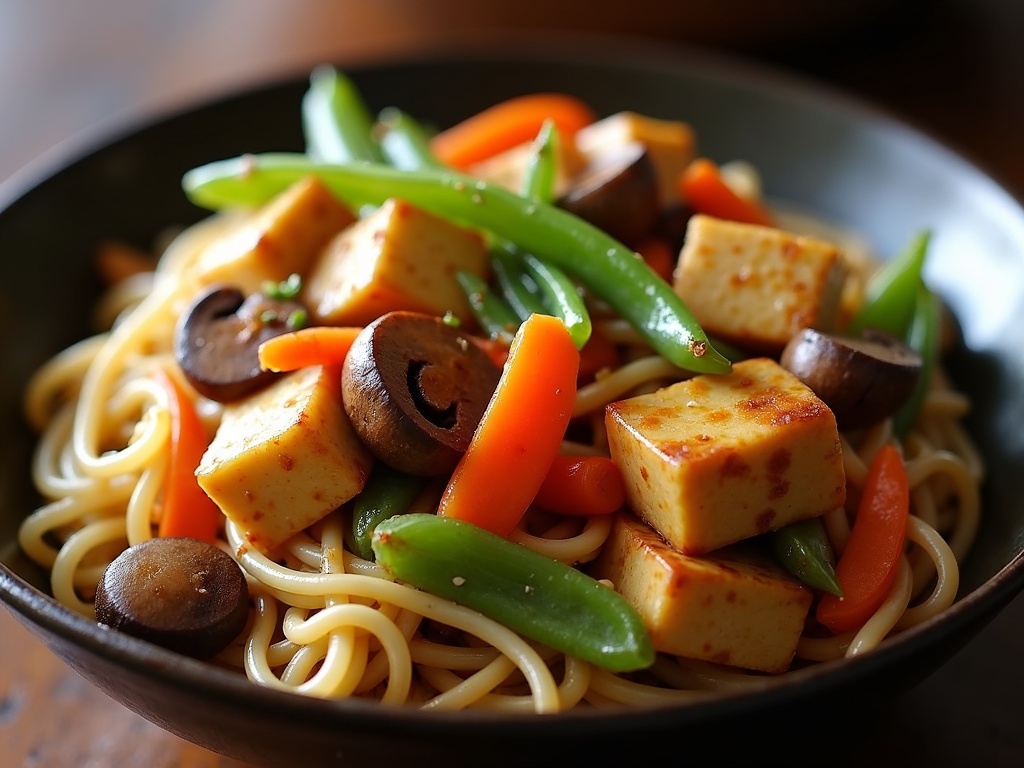
The definitive Chinese vegetarian dish — a Lunar New Year braise of tofu, mushrooms, wood ear, and vegetables in a savory glossy sauce.
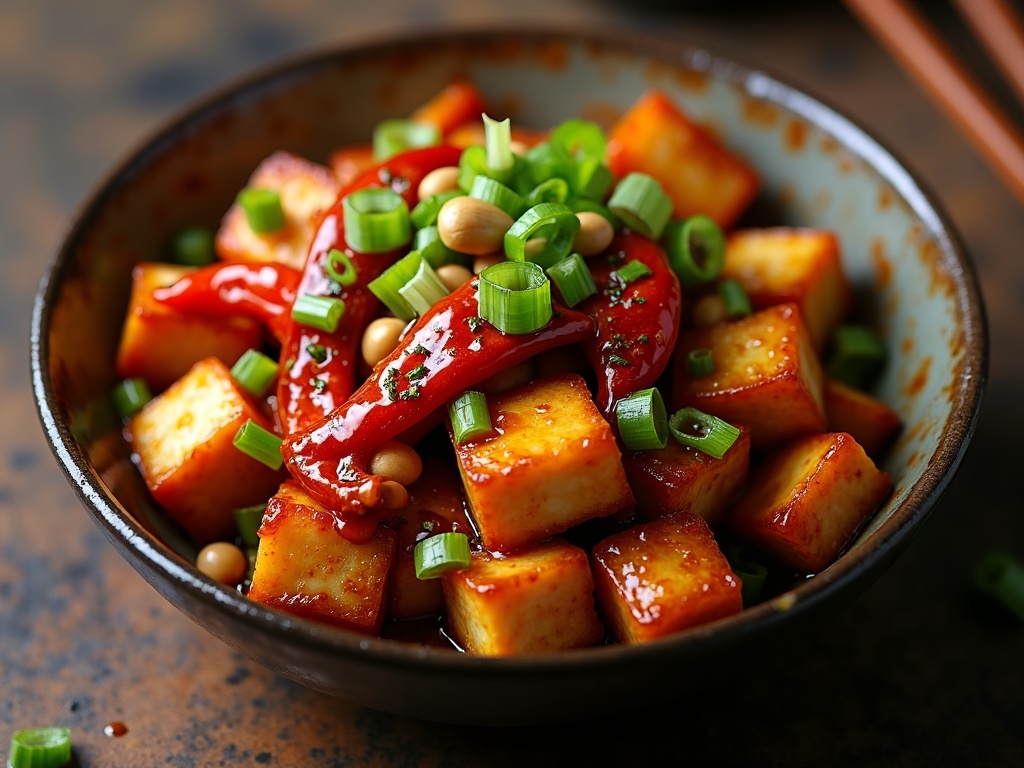
Crispy tofu with peanuts, dried chilies, and numbing Sichuan peppercorns — the vegetarian kung pao that satisfies just like the chicken version.
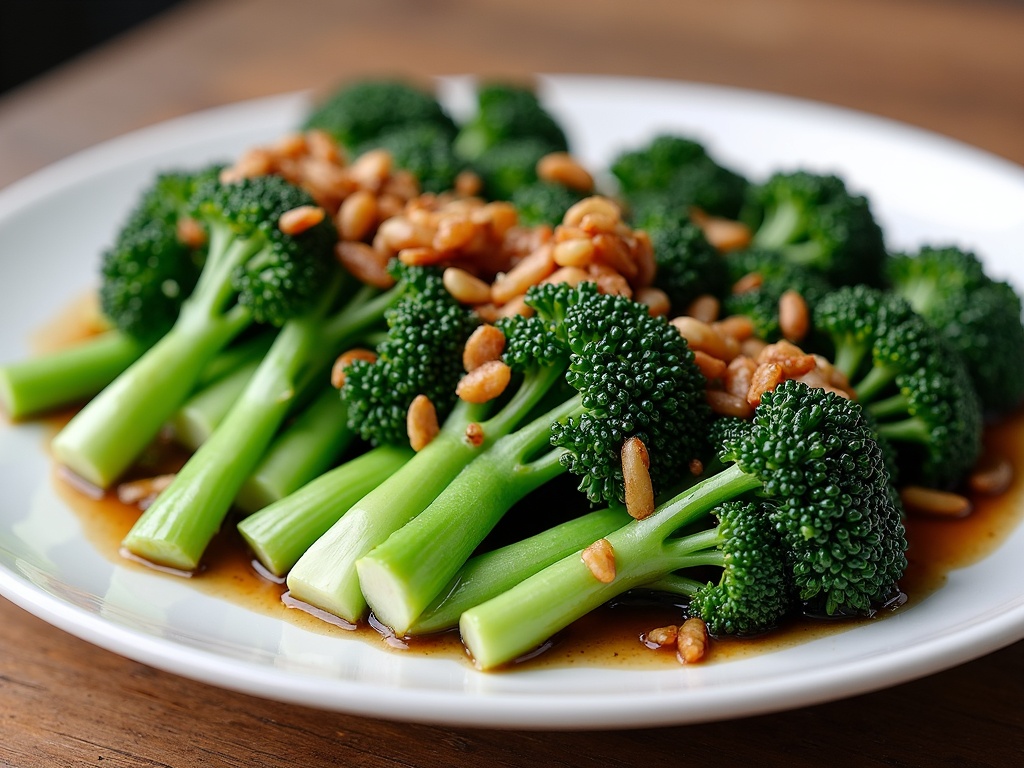
The classic Cantonese greens: tender-crisp Chinese broccoli under a glossy garlic-oyster sauce (use mushroom 'oyster' sauce to keep it meat-free).
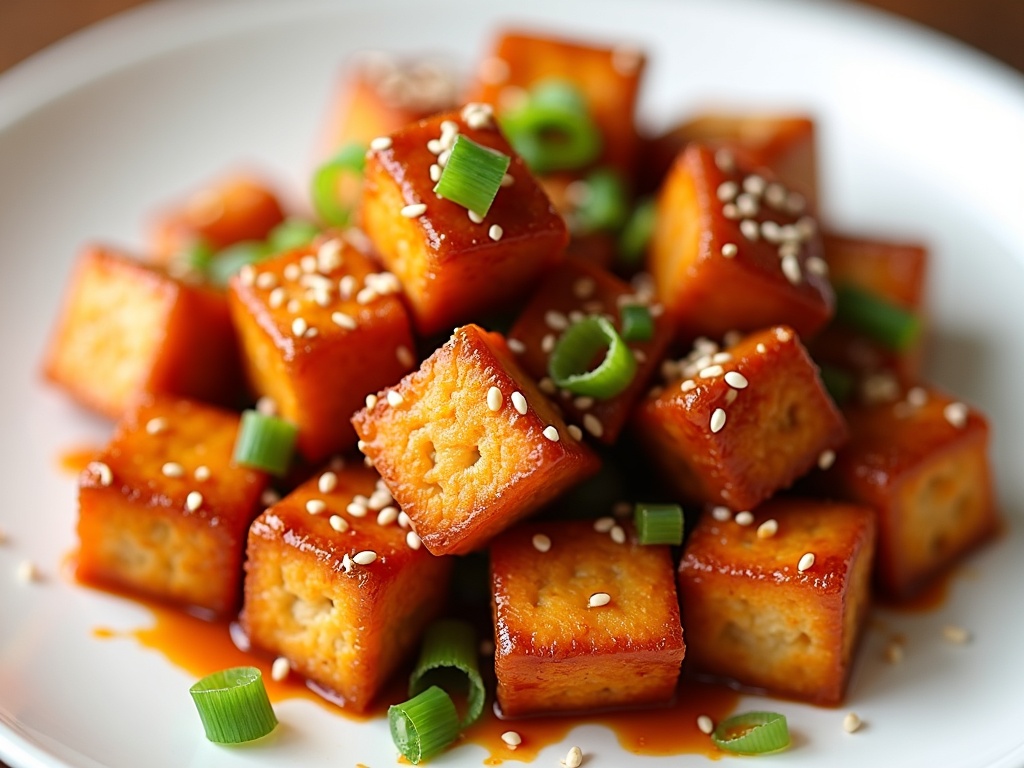
Crispy tofu in the famous sweet-tangy-spicy General Tso's glaze — the vegetarian version that tastes just like the takeout favorite.
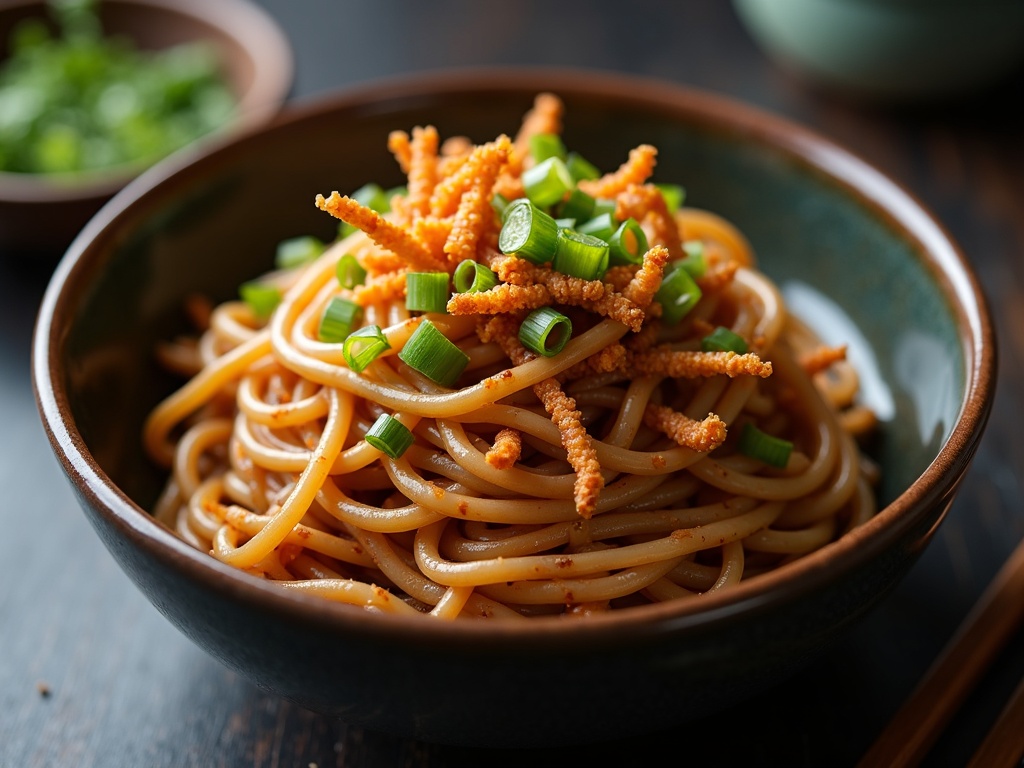
A cult Shanghai classic: noodles tossed in deeply fragrant crispy scallion oil and sweet-savory soy. Four ingredients, huge flavor, meat-free.
Plenty are — tomato and egg stir-fry, garlic-sauce eggplant, steamed egg custard, and most tofu and vegetable stir-fries are vegetarian as written. Many other classics, like mapo tofu and dan dan noodles, become vegetarian with a single swap (mushrooms for the meat). The cuisine leans heavily on tofu, eggs, mushrooms and vegetables, so meat-free options are everywhere.
Three swaps cover almost everything: use finely chopped mushrooms (shiitake or king oyster) in place of ground or sliced meat, use vegetable stock instead of chicken stock, and replace oyster sauce or fish sauce with a vegetarian mushroom-based 'oyster' sauce. The seasoning backbone — soy, vinegar, chili, aromatics — stays exactly the same.
No — traditional oyster sauce is made from oyster extract, so it isn't vegetarian. Use a vegetarian mushroom 'oyster' sauce, which is widely available and tastes very close. Most soy sauces and many chili-bean pastes (doubanjiang) are plant-based, but it's always worth a quick label check.
Several use egg (tomato and egg, steamed egg, and the egg noodles in chow mein), so they're vegetarian rather than vegan. The tofu and vegetable dishes — mapo tofu, eggplant in garlic sauce, green beans — can be made fully vegan by using vegetable stock and checking that sauces like doubanjiang and chili oil contain no animal products.
The 12 pantry staples, the 5 techniques, and a week of beginner-friendly dinners — plus a new decoded recipe each week.