Lo Mein vs Chow Mein: What's the Difference?
By The Chowmi Test Kitchen · Updated June 10, 2026
The difference between lo mein and chow mein comes down to how the noodles are cooked, not the noodles themselves — both use the same wheat egg noodles. The names tell you the method: chow mein means "stir-fried noodles," so the noodles are fried and end up drier, chewier, and sometimes crispy; lo mein means "tossed noodles," so they're boiled until soft, then tossed with sauce and stir-fry off the heat, ending up soft, slippery, and saucy. In short: chow mein is about texture (especially Hong Kong–style with crisp pan-fried noodles), while lo mein is about a glossy, soy-based sauce coating tender noodles. American-Chinese versions of both pile in cabbage, carrot, onion and a protein, but lo mein carries much more sauce. If you want noodles with bite or crunch, order chow mein; if you want soft noodles slicked in savory sauce, order lo mein.
The core difference: how the noodles are cooked
Lo mein and chow mein start from the exact same fresh wheat egg noodles — the dish is defined entirely by technique. "Chow" means stir-fried, so chow mein noodles are par-cooked then fried in a hot wok, which drives off moisture and gives them a firmer, chewier, sometimes crispy texture. "Lo" means tossed, so lo mein noodles are fully boiled until soft, drained, and then gently tossed with a sauce and stir-fried ingredients just to combine. That single choice — fry the noodles, or toss them — is the whole distinction.
Texture and sauce
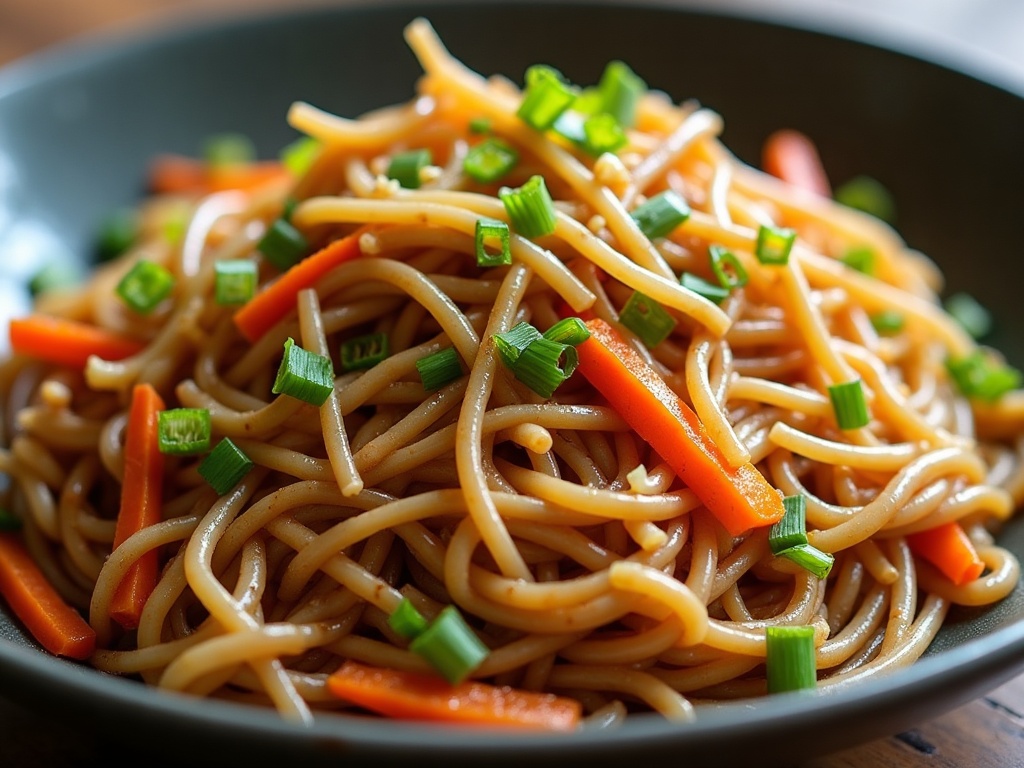
Because of the cooking method, the two eat very differently. Chow mein is the drier, more textural dish: the noodles have chew and, in pan-fried styles, a genuine crisp, with the sauce kept light so it doesn't soften them. Lo mein is the saucier, softer dish: the boiled noodles act like a sponge for a glossy soy-and-oyster-sauce coating, so every strand is slick and savory. If a noodle dish arrives glistening and saucy, it's lo mein; if it's drier with distinct, chewy or crisp strands, it's chow mein.
Regional styles you'll see
"Chow mein" covers a wide range. Hong Kong–style chow mein uses thin noodles pressed into a cake and pan-fried until deeply crisp, then topped with a saucy stir-fry — the noodles stay crunchy under the gravy. Cantonese chow mein keeps the noodles springy with just a light char. The American-Chinese "chow mein" sold in some regions is softer and closer to lo mein, and in a few areas it even means crispy fried noodle ribbons. Lo mein is more consistent: soft noodles tossed in sauce, the version most US takeout menus serve.
Which should you order — and make at home
Choose by what you're craving: chow mein for noodles with bite or crunch and a lighter sauce, lo mein for soft noodles drenched in savory sauce. Nutritionally they're similar, though lo mein's extra sauce can mean a bit more sodium and oil. Both are quick to make at home once you know the method — the recipes below show each one.
Lo Mein vs Chow Mein: What's the Difference? FAQ
What is the main difference between lo mein and chow mein?
How the noodles are cooked. Chow mein ("stir-fried noodles") are fried, making them drier, chewier, and sometimes crispy. Lo mein ("tossed noodles") are boiled soft, then tossed with sauce, making them soft and saucy. Both use the same wheat egg noodles — the technique is the whole difference.
Do lo mein and chow mein use the same noodles?
Yes. Both traditionally use the same fresh wheat egg noodles. What changes is the preparation: chow mein fries them for texture, while lo mein boils them soft and tosses them in sauce. Some crispy Hong Kong–style chow mein uses thinner noodles to maximize the crunch, but the base noodle is the same family.
Which has more sauce, lo mein or chow mein?
Lo mein. Its soft boiled noodles are designed to soak up a glossy soy-and-oyster-sauce coating, so it's the saucier, slicker dish. Chow mein keeps the sauce lighter so the fried noodles stay drier and retain their chew or crispness. If a noodle dish looks wet and glossy, it's almost certainly lo mein.
Is chow mein crispy?
It can be. Hong Kong–style chow mein pan-fries the noodles into a crisp cake before topping them with a saucy stir-fry, so the noodles are genuinely crunchy. Other chow mein styles just stir-fry the noodles for a firmer, chewier bite rather than full crispness. Lo mein is never crispy — its noodles are soft.
Which is healthier, lo mein or chow mein?
They're broadly similar, both built on noodles, vegetables, and a protein. Chow mein can be slightly lighter on sauce, while lo mein's heavier sauce coating can add more sodium and oil. The bigger factors are portion size, how much oil is used, and how many vegetables versus noodles are in the dish — neither is dramatically healthier by default.
Recipes to try this with
Get our free Chinese Kitchen Starter Guide
The 12 pantry staples, the 5 techniques, and a week of beginner-friendly dinners — plus a new decoded recipe each week.