Chinese Stir-Fry Basics
By The Chowmi Test Kitchen · Updated June 7, 2026
A great Chinese stir-fry comes down to a handful of principles, not luck. First, prep everything before you turn on the heat — stir-frying is fast and there's no time to chop mid-cook (this is mise en place). Cut ingredients into uniform, bite-size pieces so they cook evenly. Get the wok or pan very hot before adding oil. Cook in the right order, usually aromatics (garlic, ginger) first, then the protein (seared and set aside), then the hard vegetables, then the soft ones, returning the protein at the end. Don't crowd the pan — too much food at once steams instead of searing and makes everything watery. Finally, add a sauce near the end and let it simmer briefly with a little cornstarch so it turns glossy and clings. Keep everything moving over high heat, work quickly, and a stir-fry takes only a few minutes from start to plate.
The golden rules
Stir-frying rewards preparation and speed. Prep and measure everything first, because once the wok is hot you have seconds, not minutes. Cut ingredients uniformly so they cook at the same rate. Use high heat and a hot pan so food sears rather than stews. Don't overcrowd — cook in batches if you have a lot. And keep it moving: the constant tossing is what gives the technique its name and keeps nothing from scorching.
The order of operations
Ingredients go in by how long they take to cook, so nothing is over- or under-done:
- Heat the wok until hot, then add oil and swirl to coat.
- Add aromatics (garlic, ginger, scallion whites) and stir 15–30 seconds until fragrant — don't let them burn.
- Add the protein, sear it in a single layer until almost cooked, then push it aside or remove it.
- Add the hard, slow-cooking vegetables (carrots, broccoli, peppers) and stir-fry until crisp-tender.
- Add the quick-cooking vegetables (leafy greens, bean sprouts) and the protein back in.
- Pour the sauce around the edge of the wok, toss everything to coat, and let it bubble and thicken for under a minute.
Heat and the pan
High heat is the soul of stir-frying — it sears the food, drives off moisture, and (on a good wok) builds a little smoky wok hei. A thin carbon-steel wok heats fast and gets hottest, but a wide, heavy skillet works too; what you want is plenty of hot surface area. Preheat the empty pan first, then add oil. If your stove is weak, cook in smaller batches so the pan stays hot when the food goes in.
Building the sauce
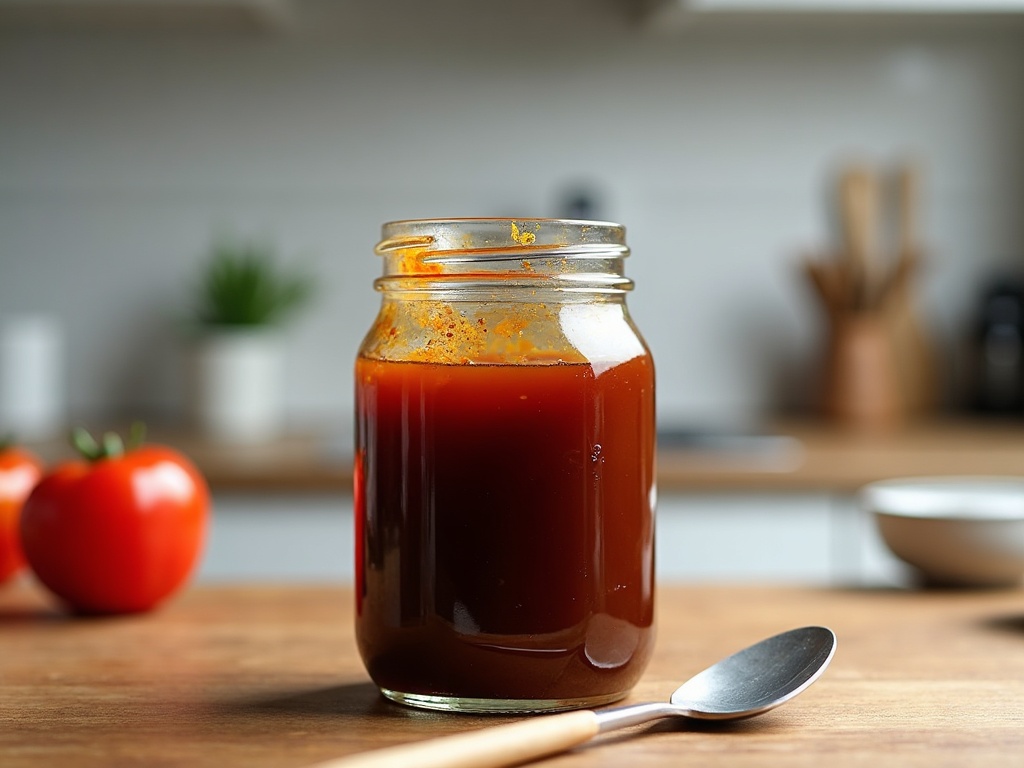
Most Chinese stir-fries finish with a quick sauce — typically soy sauce, a little oyster sauce, sesame oil and sugar, loosened with stock and thickened with a cornstarch slurry. Mix it ahead so it's ready to pour, add it near the end, and let it simmer just until it turns glossy and coats the food; over-reducing makes it gluey. A make-ahead all-purpose stir-fry sauce turns any protein and vegetables into dinner in minutes.
Common mistakes
The classic stir-fry problems all trace back to one thing — too much moisture and too little heat. Overcrowding the pan, wet (un-patted) ingredients, and a pan that isn't hot enough all cause food to steam and release water, giving you a pale, soggy, watery stir-fry instead of a seared, glossy one. Cook hot, cook dry, cook in batches, and don't drown it in sauce.
Chinese Stir-Fry Basics FAQ
Why does my stir fry get watery or soggy?
Almost always because the pan wasn't hot enough, it was overcrowded, or the ingredients were wet. When too much cold or damp food hits the pan at once, it steams and releases water instead of searing. Fix it by getting the pan very hot, patting ingredients dry, and cooking in smaller batches so each piece sears.
Do you need a wok to stir-fry?
No, though a wok helps. A thin carbon-steel wok heats fast and gets very hot, which is ideal, but a wide, heavy skillet (cast iron or stainless) works well too — you just want plenty of hot surface area and high heat. Avoid nonstick for high-heat stir-frying, since it can't take the temperatures and won't sear as well.
What oil is best for stir-frying?
Use a neutral oil with a high smoke point — canola, vegetable, peanut, or grapeseed — because stir-frying happens at high heat. Save toasted sesame oil for finishing or seasoning, not frying, as it burns and turns bitter at high temperatures. A tablespoon or two of neutral oil is usually plenty.
What order do you add ingredients in a stir fry?
Aromatics first (garlic, ginger), then the protein (seared and set aside), then the hard vegetables that take longer to cook, then the quick-cooking vegetables and the protein returned, and finally the sauce. The principle is to add things by how long they need, so everything finishes perfectly cooked at the same time.
How hot should the pan be for stir-frying?
Very hot — the pan should be smoking-hot before the oil and food go in. High heat is what sears the food and keeps it from steaming. If you can't get your pan hot enough or it cools too fast, cook in smaller batches so it stays hot when the ingredients hit it.
Recipes to try this with
Get our free Chinese Kitchen Starter Guide
The 12 pantry staples, the 5 techniques, and a week of beginner-friendly dinners — plus a new decoded recipe each week.