Toasted Sesame Oil Substitutes
芝麻油 · 香油 · Asian sesame oil
By The Chowmi Test Kitchen · Updated June 4, 2026
This post may contain affiliate links. Read our affiliate disclosure.
Toasted sesame oil is a finishing oil prized for one thing — its deep, nutty, roasted aroma — and there's no perfect substitute for it. The closest is tahini (sesame paste) thinned with a neutral oil, which carries real sesame flavor; or you can toast sesame seeds and blend them into a neutral oil. What you should NOT do is reach for plain (untoasted) sesame oil expecting the same thing — it's mild and made for cooking, not for that finishing aroma. Because toasted sesame oil is used in tiny amounts (drizzled at the end, off the heat) and keeps for months, it's usually better to buy a small bottle than to substitute. If you truly have none, a few drops of a nutty oil like peanut oil is a distant stand-in that adds richness without the sesame perfume.
No toasted sesame oil? Build the best swap
AITell us what you're making and what you have — get a tailored substitute with ratios.
Every toasted sesame oil substitute, ranked
| Substitute | Ratio | Match |
|---|---|---|
| Tahini + neutral oil Dressings, sauces, noodles · vegan | 1 tsp tahini whisked into 1 tbsp neutral oil | 70% |
| Toasted-sesame-seed oil (DIY) When you have sesame seeds but no oil · vegan | Toast 2 tbsp sesame seeds, blend with 3 tbsp neutral oil, strain | 80% |
| Peanut oil (a few drops) Adding nutty richness when you have nothing else · vegan | Use sparingly as a finishing drizzle | 30% |
- Tahini + neutral oil: Real sesame flavor from the paste; thin it so it pours. Closest easy swap.
- Toasted-sesame-seed oil (DIY): Makes a genuinely aromatic oil. A little effort, but the best homemade match.
- Peanut oil (a few drops): No sesame aroma, but a nutty oil adds some of the finishing richness. A distant last resort.
What is Toasted Sesame Oil?
Toasted sesame oil is pressed from roasted sesame seeds, giving it a dark amber color and an intense, nutty fragrance. It's a finishing oil, not a cooking oil — added off the heat at the end of a dish (a few drops in a stir-fry, a soup, a dressing, or a dipping sauce) because high heat destroys its aroma. It's completely different from the pale, mild “untoasted” sesame oil sold for cooking.
Flavor: Deeply nutty, roasted, aromatic. A finishing accent — used by the drop, not the tablespoon.
Toasted vs untoasted sesame oil
This is the trap. Toasted (dark, Asian) sesame oil is a fragrant finishing oil; untoasted (light/pale) sesame oil is a neutral cooking oil with almost no aroma. They are not interchangeable. If a Chinese recipe calls for “sesame oil,” it means the dark toasted kind — using the pale untoasted version will leave the dish smelling of nothing.
Sesame oil vs tahini
Both come from sesame seeds, so tahini is a useful stand-in for the flavor — but tahini is a thick paste, not an oil, so thin it with a neutral oil before using. Sesame oil is for aroma; tahini adds aroma plus body, which is great in dressings and dan dan-style sauces.
Where to buy toasted sesame oil
Stock real toasted sesame oil
Buy a small bottle of dark, toasted sesame oil (Kadoya and Wei-Chuan are reliable brands) from any grocery's Asian aisle, Weee!, Yamibuy, or Amazon. Keep it in a cool, dark spot — it can go rancid, so buy small and use within a few months of opening.
Toasted Sesame Oil FAQ
What's the best substitute for toasted sesame oil?
There's no perfect match for its roasted aroma. The closest is tahini (sesame paste) thinned with a neutral oil, which keeps real sesame flavor. You can also toast sesame seeds and blend them into a neutral oil for a homemade version. Avoid plain untoasted sesame oil — it lacks the aroma entirely.
Can I use regular (untoasted) sesame oil instead?
Not for flavor. Untoasted sesame oil is a mild, pale cooking oil with little aroma, while recipes calling for “sesame oil” want the dark, toasted, fragrant kind used as a finishing drizzle. Untoasted oil can fry, but it won't give the nutty finish the dish is after.
Why do recipes use so little sesame oil?
Because it's a finishing accent, not a cooking fat. Its aroma is intense and it breaks down under high heat, so it's added by the drop at the very end — a teaspoon or less can perfume a whole dish. Using too much makes food taste bitter and overpowering.
Does sesame oil go bad?
Yes — like most nut and seed oils, it can turn rancid, especially once opened. Store it in a cool, dark place (the fridge is fine) and try to use it within a few months. If it smells sharp, flat, or “off” rather than nutty, replace it.
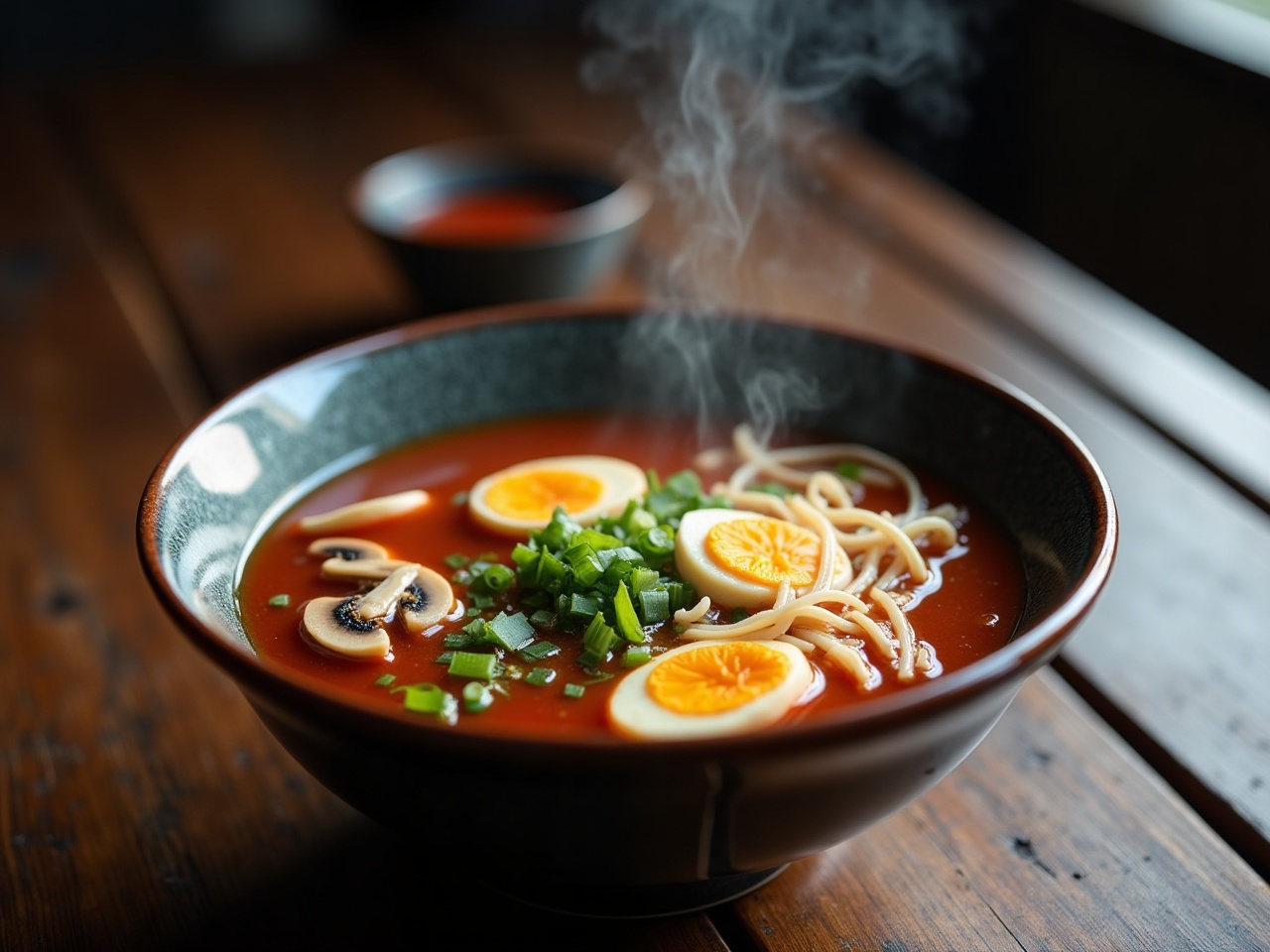
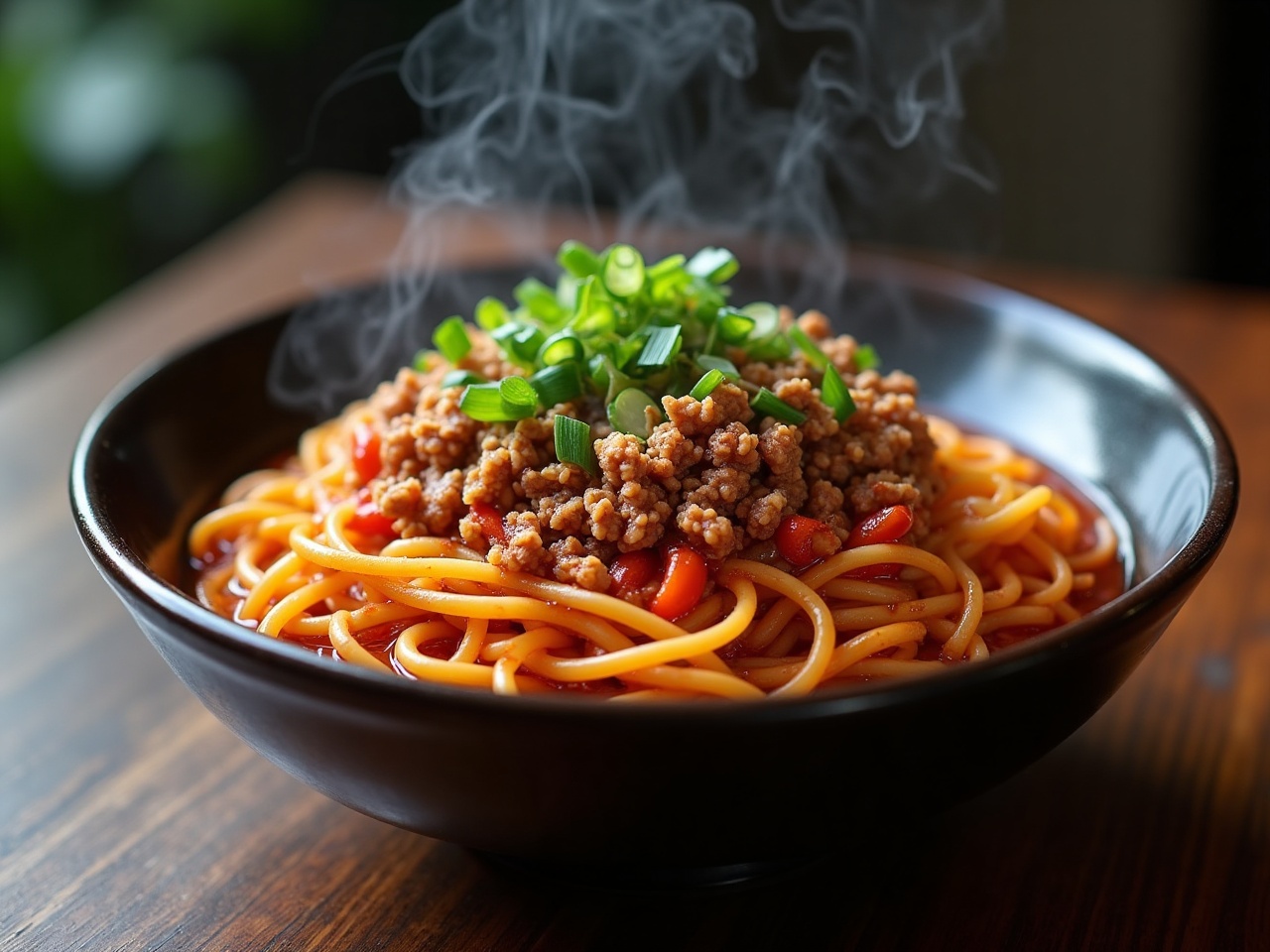
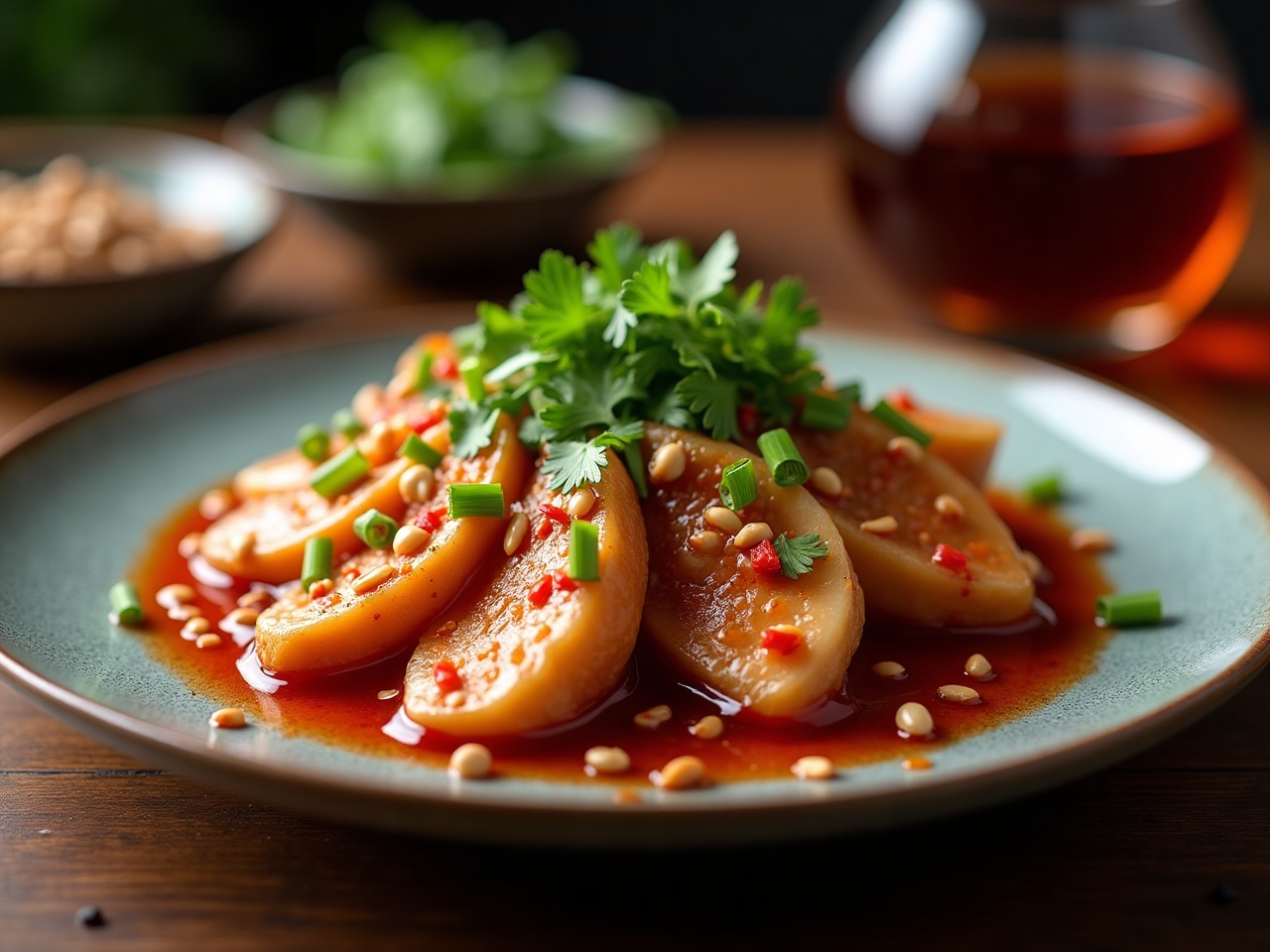
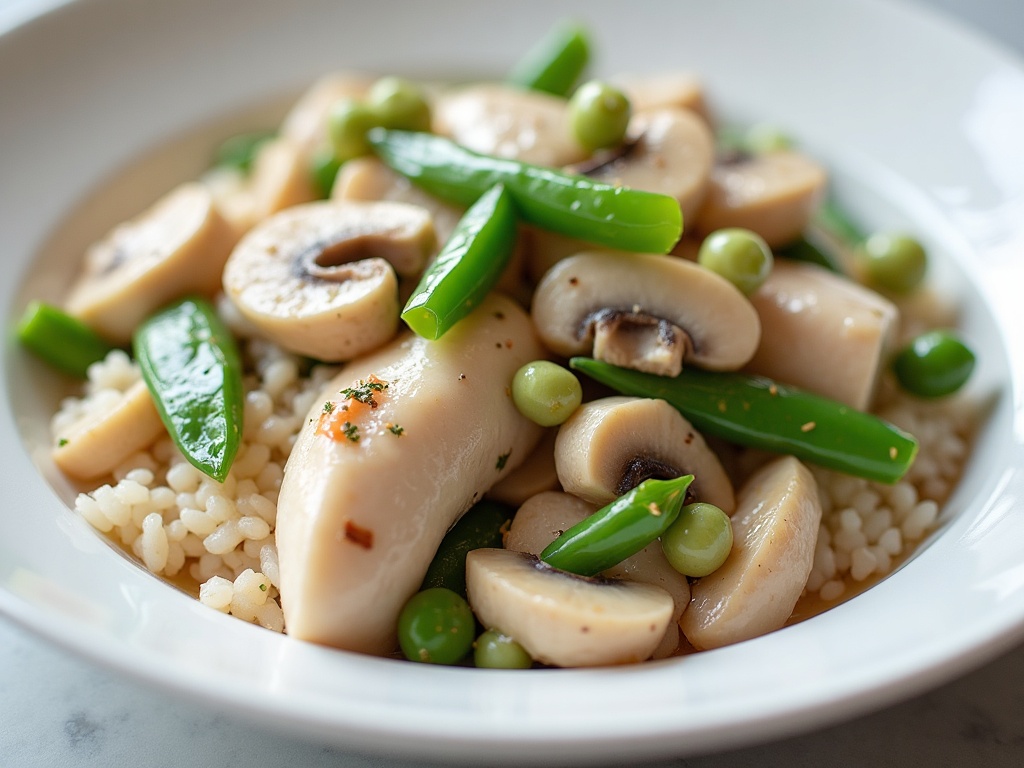
Recipes that use toasted sesame oil
Get our free Chinese Kitchen Starter Guide
The 12 pantry staples, the 5 techniques, and a week of beginner-friendly dinners — plus a new decoded recipe each week.