What Is Wok Hei?
By The Chowmi Test Kitchen · Updated June 7, 2026
Wok hei (鑊氣, Cantonese for “breath of the wok”) is the smoky, slightly charred, almost caramelized aroma that a great stir-fry picks up from cooking fast over intense heat in a screaming-hot wok. It comes from several things happening at once: the Maillard reaction browning the food's surface, droplets of oil and vaporized sauce igniting briefly against the metal, and the food searing rather than steaming. It's the signature of good Cantonese restaurant stir-fries — think beef chow fun or a proper chow mein — and it's notoriously hard to reproduce at home because restaurant ranges put out 100,000+ BTU, far more heat than a home burner. You can still get close: use a thin carbon-steel wok, get it smoking-hot, keep ingredients dry, cook in small batches without crowding, and keep everything moving. You won't fully match a restaurant, but you can get a real hint of that smoky depth.
What wok hei actually is
Wok hei isn't a single ingredient or seasoning — it's a flavor and aroma created by extreme heat. As food sears against metal that's 600°F or hotter, its surface browns (the Maillard reaction), sugars lightly caramelize, and stray droplets of oil and sauce vaporize and briefly combust, depositing a faint, pleasant smokiness onto the food. The result is a complex, savory, slightly charred aroma you can smell across a room. It's most prized in Cantonese stir-fries, especially with noodles and rice.
Why it's so hard to get at home
Restaurant wok burners are jet engines — often 100,000 to 200,000 BTU — that keep a wok blistering hot even as cold ingredients hit it. A typical home stove burner is 7,000–12,000 BTU, so the wok loses heat the moment food goes in, and the food steams instead of searing. That, plus smaller batches and the lack of a powerful flame to ignite the oil, is why home stir-fries rarely have true wok hei. It's a heat problem more than a skill problem.
How to get as close as possible at home
You can't match a restaurant burner, but these moves get you a real hint of wok hei:
- Use a thin carbon-steel wok, which heats fast and gets hotter than a thick or nonstick pan.
- Preheat the empty wok until it's smoking-hot before adding oil — this is the most important step.
- Pat ingredients completely dry; surface moisture steams and kills any chance of searing.
- Cook in small batches and don't crowd the wok, so each piece touches hot metal instead of stewing.
- Keep everything moving fast, and add sauces down the hot side of the wok so they sizzle and caramelize.
- If you have a gas burner, you can carefully tilt the wok to let the flame lick the oil for a brief flare (with caution); on electric or induction, lean harder on a ripping-hot wok and small batches.
Which dishes need wok hei
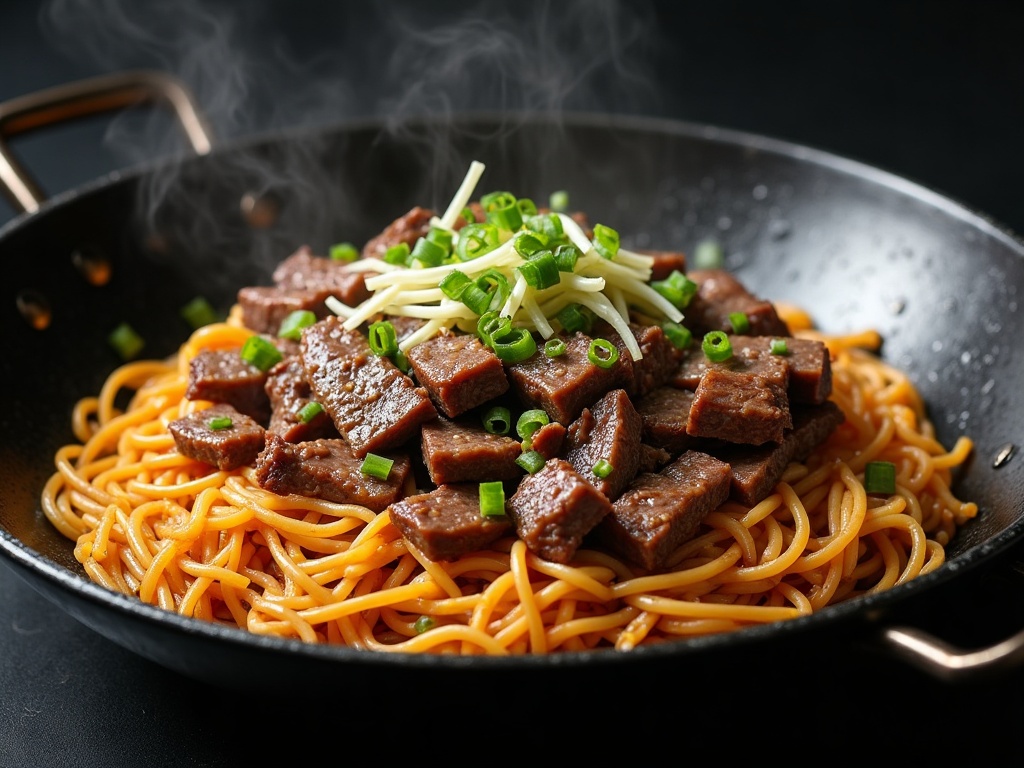
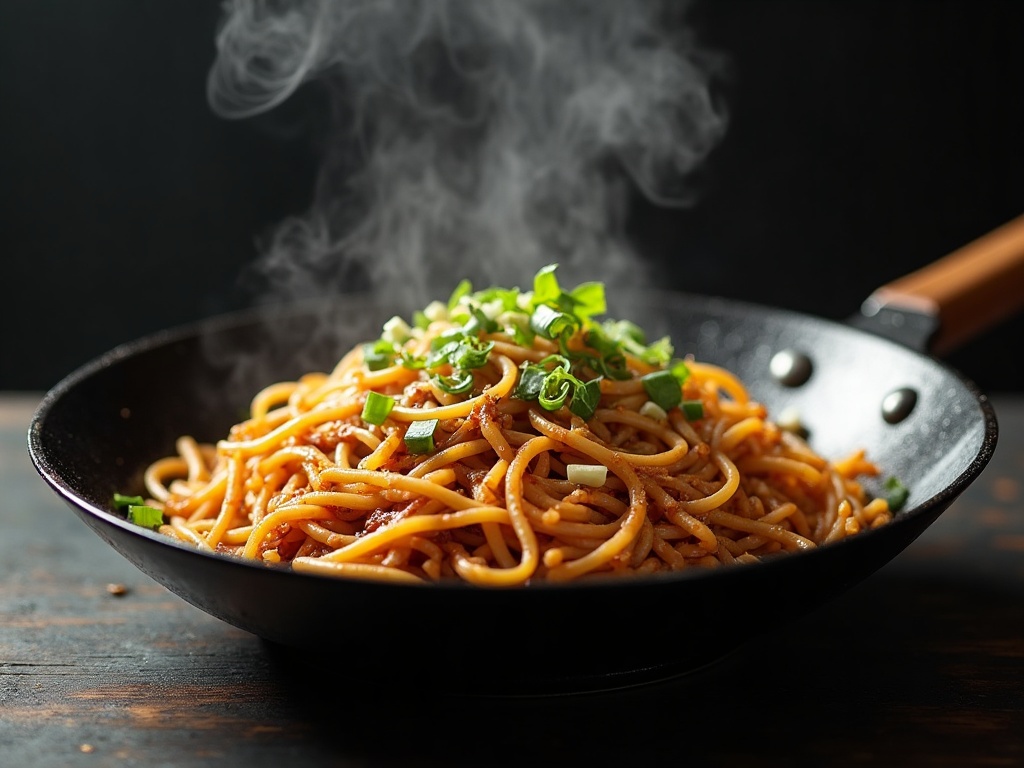
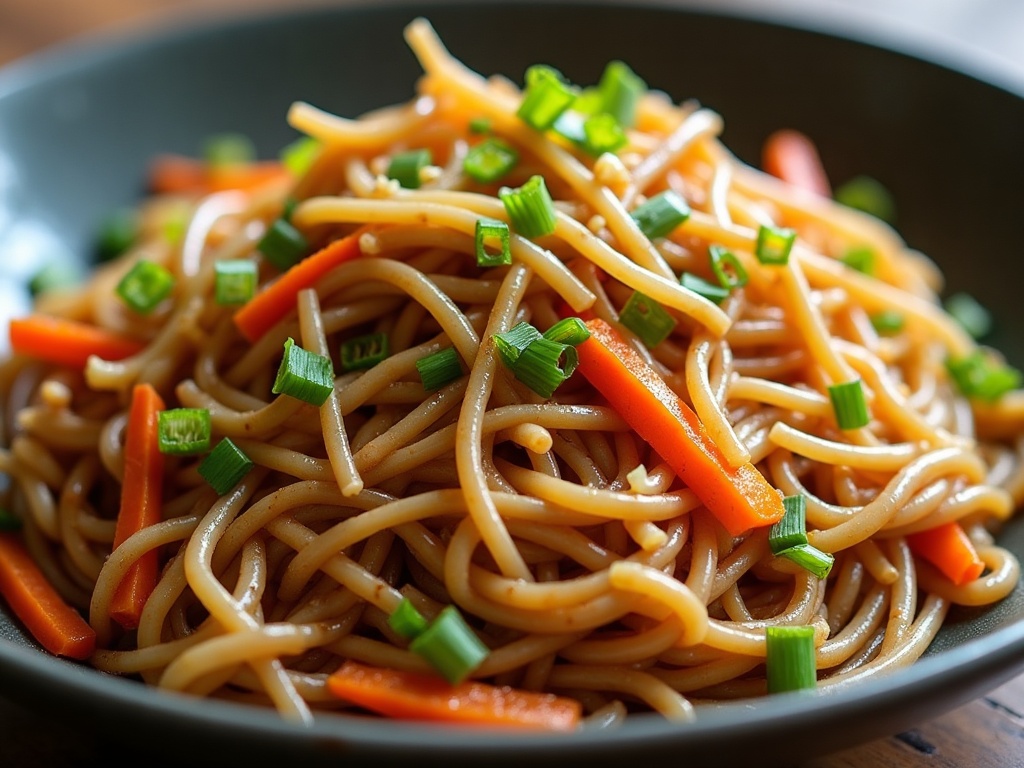
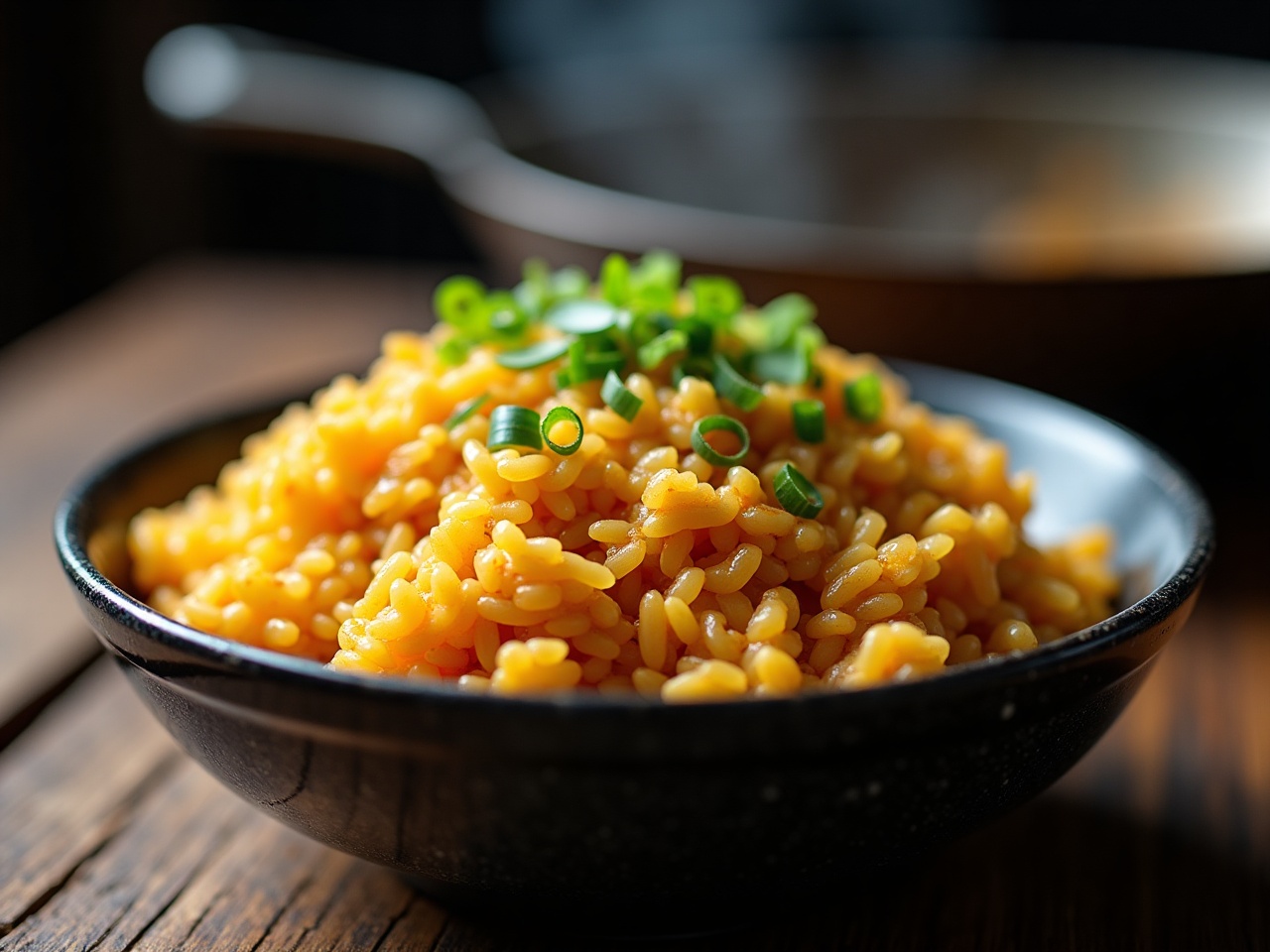
Wok hei matters most in dishes where the smoky char is the whole point — beef chow fun, classic chow mein, Yangzhou fried rice, and dry stir-fries of greens or meat. It matters far less in saucy, braised, or steamed dishes, where other flavors dominate. So if you're chasing that smoky restaurant taste, focus your effort (and your hottest wok) on the noodle and rice stir-fries.
Do you need a special wok?
A thin carbon-steel wok genuinely helps, because it gets hotter and responds faster than cast iron, stainless, or nonstick. It's inexpensive and, once seasoned, becomes naturally nonstick. That said, the wok is only part of the equation — heat and technique matter more. A flat-bottomed carbon-steel wok works on most home stoves, including electric and induction.
What Is Wok Hei? FAQ
What does wok hei taste like?
Wok hei tastes and smells smoky, slightly charred, and savory — a faint barbecue-like or “toasted” quality layered over the dish. It's subtle but distinctive: it's the difference between a flat-tasting home stir-fry and the aromatic, slightly smoky version you get at a good Cantonese restaurant.
Can you get wok hei on an electric or induction stove?
Partially. You can't match a gas restaurant burner, and you lose the open flame that ignites the oil, but you can still get a hint of wok hei by using a thin carbon-steel wok, getting it as hot as possible, keeping ingredients dry, and cooking in small batches. Searing power and dryness matter more than the flame itself.
What kind of wok is best for wok hei?
A thin carbon-steel wok. It heats quickly, reaches higher temperatures than thicker pans, and recovers heat fast — all of which help with searing and wok hei. Cast iron is too slow to respond, and nonstick can't take the high heat. A flat-bottomed carbon-steel wok works on most home stoves.
Is wok hei the same as just charring the food?
Not quite. Charring is one part of it, but wok hei is a broader aroma created by the Maillard reaction, lightly caramelized sugars, and vaporized oil and sauce igniting against the hot metal — all at once, very fast. It's a fragrant, smoky complexity, not simply burnt spots on the food.
Do restaurants add anything to get wok hei?
No — true wok hei comes from heat and technique, not an added ingredient. It's produced by the intense flame, the screaming-hot wok, and fast cooking. Some products claim to mimic the flavor, but authentic wok hei is a cooking phenomenon, which is exactly why it's so hard to fully replicate at home.
Recipes to try this with
Get our free Chinese Kitchen Starter Guide
The 12 pantry staples, the 5 techniques, and a week of beginner-friendly dinners — plus a new decoded recipe each week.