Chinese Stir Fry Sauce
This post may contain affiliate links. Read our affiliate disclosure.
🧪 Developed & tested by the The Chowmi Test Kitchen for US kitchens. How we develop our recipes.
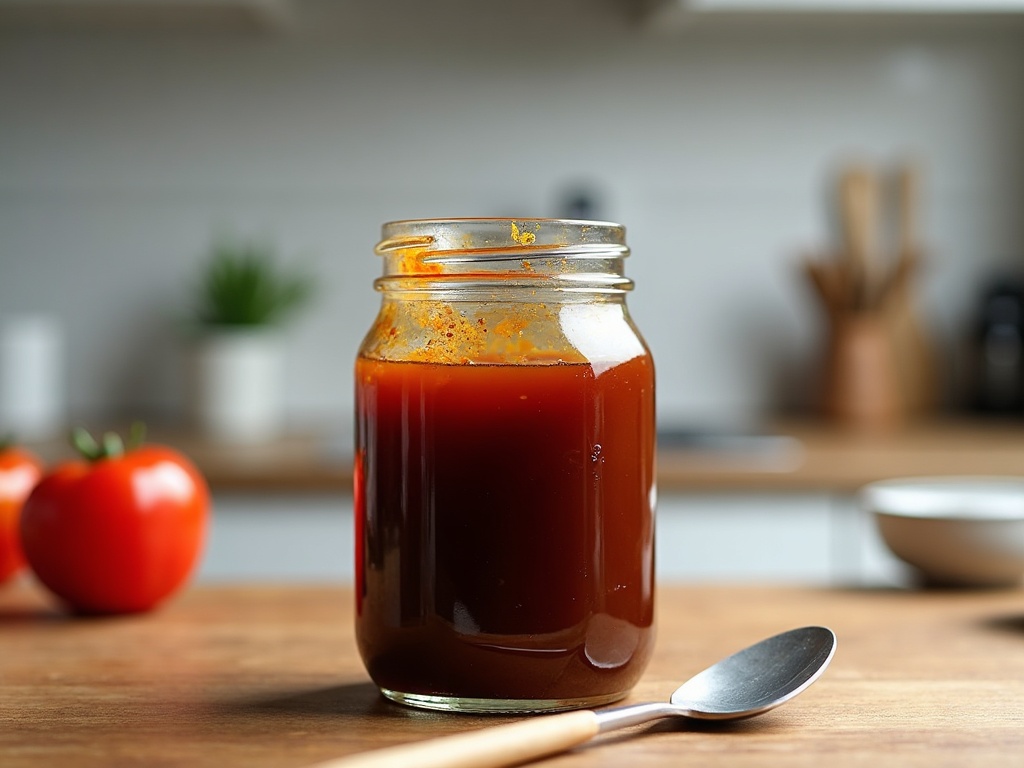
An all-purpose Chinese stir fry sauce is a savory, slightly sweet, glossy base you can mix ahead and keep in the fridge to turn any protein and vegetables into dinner in minutes. The backbone is light soy sauce for salt, oyster sauce for umami and body, a little dark soy for color, sesame oil for aroma, a touch of sugar to balance, and stock or water, with fresh garlic and ginger added when you cook. Cornstarch thickens it into a glossy glaze that clings to the food — you can stir it into the sauce ahead or add a slurry in the pan. The rule of thumb is about 3–4 tablespoons of sauce per stir-fry serving two, added at the end and simmered for a minute until glossy. It's endlessly adjustable: add chili oil for heat, hoisin for sweetness, or black vinegar for tang. One jar means fast, reliable stir-fries all week.
 Save to Pinterest
Why you'll love this chinese stir fry sauce
- One make-ahead sauce turns any protein and vegetables into a fast, glossy stir-fry.
- Savory, balanced and far cheaper and cleaner than bottled stir fry sauce.
- Mix it in 5 minutes and keep it in the fridge for a week of quick dinners.
- Endlessly adjustable — make it spicy, sweet, or tangy with one extra ingredient.
Ingredients
Stir fry sauce
Missing an ingredient?
AITell us what you have and what you're making — get the best US-grocery swap, with ratios.
Hard-to-find ingredients, delivered
Stock the pantry once and you can cook this anytime: Shaoxing wine. Asian groceries deliver nationwide.
Equipment
- Jar with a lid — For mixing, shaking and storing the sauce.(shop →)
Instructions
Combine everything in a jar: light soy, oyster sauce, dark soy, Shaoxing wine, sesame oil, sugar, stock and cornstarch.
Seal and shake well until the sugar and cornstarch are fully dissolved and the sauce is smooth. Store in the fridge.
💡 The cornstarch settles to the bottom, so always shake the jar again right before you pour it into a hot pan.
To use: stir-fry your protein and vegetables over high heat with a little fresh garlic and ginger, then pour in about 3–4 tablespoons of sauce per two servings. Toss for a minute until it bubbles, thickens and turns glossy, coating everything.
💡 Add the sauce at the end, off-balance the heat to high, and let it simmer just until glossy — over-reducing makes it gluey.
Tips & notes
- How much to use: roughly 3–4 tablespoons per stir-fry serving two people. Start with less and add more — you can always thin with a splash of stock.
- Storage: keep the sauce in a sealed jar in the fridge for up to a week. Shake well before each use, since the cornstarch settles.
- Always add fresh garlic and ginger to the pan when you stir-fry — the make-ahead sauce is the base; the fresh aromatics bring it to life.
- Variations: stir in chili oil or chili crisp for a spicy version, a spoonful of hoisin for sweeter, or a splash of Chinkiang black vinegar for tang.
- Vegan: use a mushroom-based 'oyster' sauce and vegetable stock — everything else is already plant-based.
Recipe wording too vague?
AIPaste any fuzzy step (少许, 火候正好, 焯水) and get exact amounts, temps and times.
Chinese Stir Fry Sauce
- Prep
- 5 min
- Cook
- 0 min
- Total
- 5 min
- Serves
- 8
- Level
- Beginner
Ingredients
- ¼ cup light soy sauce
- 2 tbsp oyster sauce, or vegetarian mushroom sauce
- 1 tbsp dark soy sauce, for color
- 1 tbsp Shaoxing wine
- 1 tbsp toasted sesame oil
- 1 tbsp sugar
- ½ cup chicken or vegetable stock
- 2 tbsp cornstarch
Instructions
- Combine everything in a jar: light soy, oyster sauce, dark soy, Shaoxing wine, sesame oil, sugar, stock and cornstarch.
- Seal and shake well until the sugar and cornstarch are fully dissolved and the sauce is smooth. Store in the fridge.
- To use: stir-fry your protein and vegetables over high heat with a little fresh garlic and ginger, then pour in about 3–4 tablespoons of sauce per two servings. Toss for a minute until it bubbles, thickens and turns glossy, coating everything.
Nutrition (est., per serving): 35 cal · 1 g protein · 6 g carbs · 1 g fat
Chinese Stir Fry Sauce FAQ
What is Chinese stir fry sauce made of?
The core is light soy sauce (salt), oyster sauce (umami and body), a little dark soy sauce (color), sesame oil (aroma), a touch of sugar (balance) and stock, thickened with cornstarch so it turns glossy. Fresh garlic and ginger are added in the pan when you cook. From that base you can adjust toward spicy, sweet or tangy.
How much stir fry sauce do I use per stir-fry?
About 3–4 tablespoons for a stir-fry serving two people, added near the end and simmered for a minute until glossy. It's better to start with a little less and add more, since the cornstarch thickens it — you can always loosen it with a splash of stock or water if it gets too thick.
How long does homemade stir fry sauce keep?
Stored in a sealed jar in the refrigerator, it keeps for about a week. The cornstarch settles to the bottom over time, so give it a good shake before each use. For longer storage, you can freeze it in small portions, though the texture is best fresh.
Can I make stir fry sauce without oyster sauce?
Yes. Use a vegetarian mushroom-based 'oyster' sauce for the same savory depth, or increase the soy sauce slightly and add a little hoisin for body and sweetness. Oyster sauce adds richness and a glossy finish, but the sauce still works well with these swaps.
Why does my stir fry sauce turn out gluey or too thick?
Usually too much cornstarch, or letting it reduce too long. Use the ratio here (about 2 tablespoons cornstarch per cup of sauce), add the sauce at the end, and simmer just until it turns glossy — about a minute. If it does get too thick, loosen it with a splash of stock or water.
You might also like
Get our free Chinese Kitchen Starter Guide
The 12 pantry staples, the 5 techniques, and a week of beginner-friendly dinners — plus a new decoded recipe each week.
Comments
Made this? Have a question or a tweak? Share it below.
No comments yet — be the first!