Types of Chinese Food, Region by Region
By The Chowmi Test Kitchen · Updated September 11, 2026
There isn't one Chinese food. China is roughly the size of Europe, and its cooking varies about as much. Tradition counts eight great cuisines (八大菜系) — Shandong, Sichuan, Cantonese, Jiangsu, Fujian, Zhejiang, Hunan and Anhui — but the types you'll actually meet outside China are these: Cantonese, from Guangdong and Hong Kong, built on steaming, roasting and dim sum, with clean flavors that let the main ingredient lead; Sichuan, famous for málà, the numbing buzz of Sichuan peppercorn layered with chili heat; Hunan, often hotter still, with fresh and smoked chilies and no numbing note; Shanghainese and the lower Yangtze, known for glossy, sweet-savory soy braises; Northern Chinese, which runs on wheat — dumplings, noodles, pancakes — instead of rice; Taiwanese, home of braised pork rice and beef noodle soup; and American-Chinese, the takeout cuisine of General Tso's chicken and crab rangoon, created by Chinese immigrants in the US. What they share is a pantry of soy sauce, rice wine, ginger, garlic and scallion, and a meal built around rice or noodles with several dishes shared at the table.
Eight great cuisines, and the seven you'll actually meet
Ask a Chinese chef how many cuisines the country has and you'll probably hear 'eight' — 八大菜系, the classic roll call of Shandong, Sichuan, Cantonese, Jiangsu, Fujian, Zhejiang, Hunan and Anhui. It's a real classification, but a textbook one. It leaves out whole regions (the Northeast, Xinjiang, Yunnan, Taiwan), and it describes banquet traditions more than what anyone cooks on a Tuesday night.
Outside China the map shrinks to the styles that emigrated, and the order they arrived in explains a lot. Most early Chinese immigrants to the US, Canada, Britain and Australia came from Guangdong, so for about a century 'Chinese food' abroad meant Cantonese food adjusted to local tastes — and that adjustment became American-Chinese. Sichuan and Hunan restaurants only took off in the late 1960s and '70s, which is why the spicy regional places still feel like the newer thing. Below, region by region, are the dishes each style is known for. Every dish pictured links to a full recipe.
Cantonese (粤菜): the style that went abroad first
Cantonese cooking comes from Guangdong and Hong Kong, and its whole philosophy fits in one sentence: don't bury a good ingredient. Seasoning is light — soy, ginger, scallion, a little oyster sauce — and the favorite techniques are the ones that show off freshness: steaming, fast stir-frying over ferocious heat, and roasting. A Cantonese cook judges a steamed fish by how little was done to it.
Two traditions make it unmistakable. Siu mei (烧味) is the roast-meat craft you see hanging in shop windows: lacquered char siu, crackling-skinned pork, glossy soy sauce chicken. Dim sum is the other — the morning-to-lunch parade of dumplings, buns and small plates that used to be wheeled around on carts. If a dish is delicate, glossy and more savory than spicy, it's probably Cantonese.
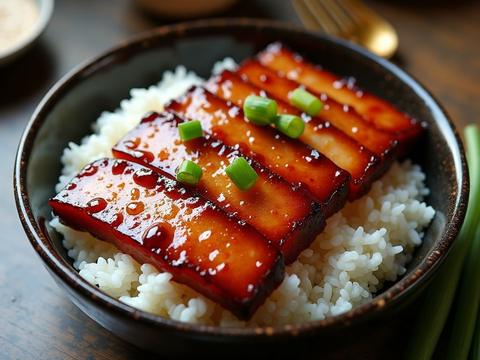 Char Siu (Chinese BBQ Pork)叉烧 · chāshāoHoney-glazed roast pork, the siu mei star
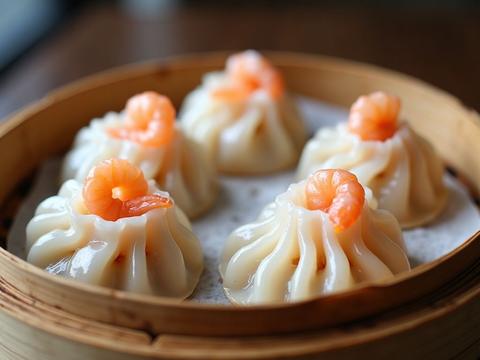 Har Gow (Shrimp Dumplings)虾饺 · xiājiǎoTranslucent shrimp dumplings, the dim sum benchmark
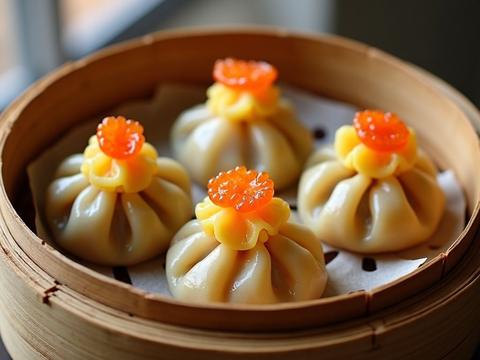 Siu Mai (Shumai)烧卖 · shāomàiOpen-topped pork and shrimp dumplings
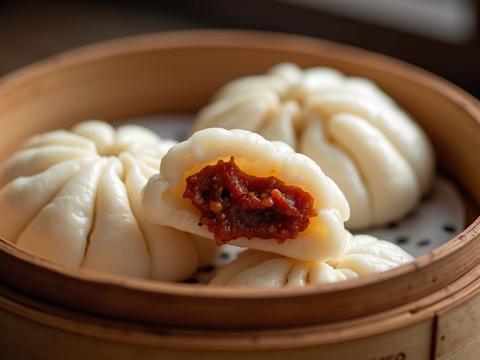 Char Siu Bao叉烧包 · chāshāo bāoSoft buns filled with char siu
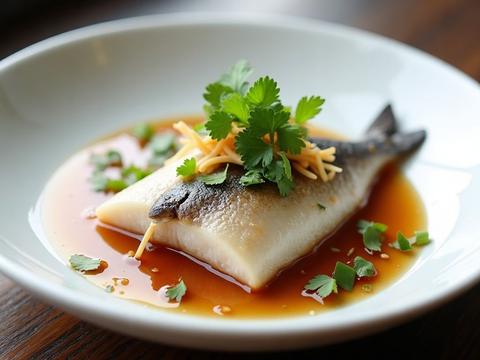 Cantonese Steamed Fish清蒸鱼 · qīngzhēng yúGinger, scallion, a pour of sizzling oil
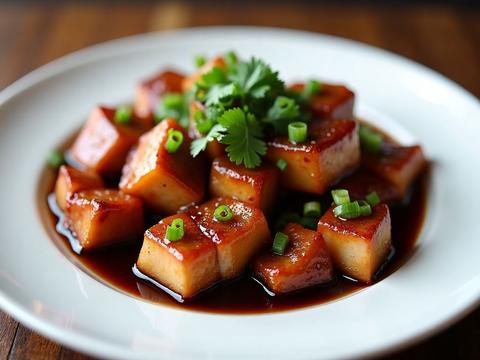 Soy Sauce Chicken豉油鸡 · chǐyóu jīPoached in soy until the skin turns mahogany
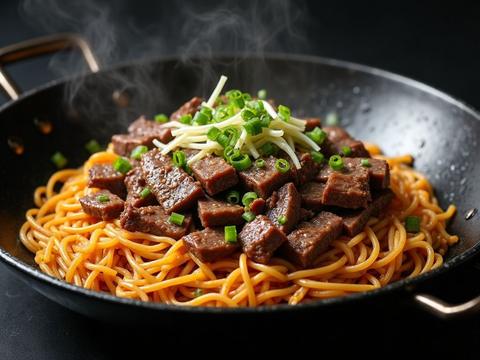 Beef Chow Fun干炒牛河 · gānchǎo niúhéWide rice noodles, the wok hei test
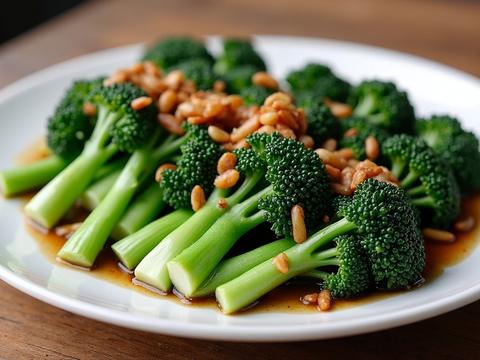 Chinese Broccoli (Gai Lan) with Garlic Sauce芥兰 · jièlánBlanched greens, garlic-oyster sauce
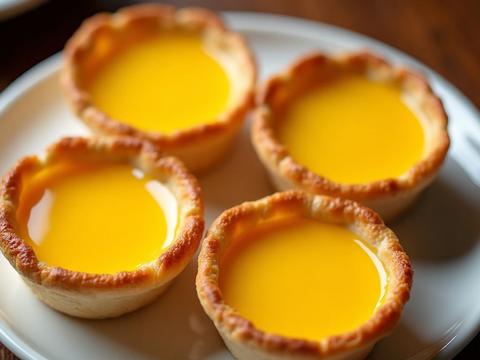 Hong Kong Egg Tarts蛋挞 · dàntàThe Hong Kong bakery classic
Sichuan (川菜): numbing first, then hot
Sichuan food is famous for heat, but what makes it Sichuan is the numbness. Málà (麻辣) is two sensations stacked: má, the tingly, almost electric buzz of Sichuan peppercorn, and là, the burn of chili. Underneath sits doubanjiang (郫县豆瓣), a fermented chili-bean paste that gives the red dishes their deep, salty backbone.
What surprises people is how many Sichuan dishes aren't hot at all. The cuisine prides itself on range — the local saying is 一菜一格,百菜百味, 'one dish, one style; a hundred dishes, a hundred flavors' — and cooks work with more than twenty named flavor profiles, from fish-fragrant (sweet, sour and garlicky, no fish involved) to the aptly named 'strange flavor' (怪味). The signature moves are dry-frying (干煸), which blisters green beans or shreds of beef until they turn chewy and concentrated, and building sauces on chili oil and that bean paste.
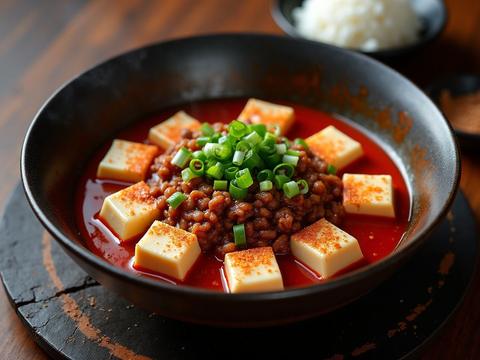 Mapo Tofu麻婆豆腐 · mápó dòufuSilky tofu in a numbing, fiery sauce
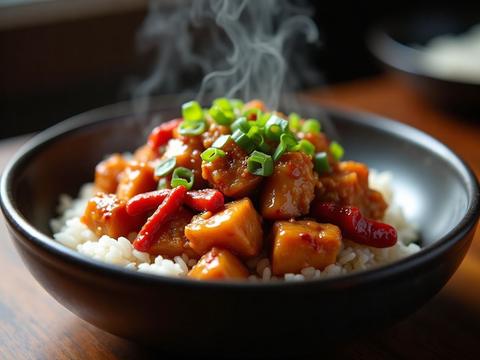 Kung Pao Chicken宫保鸡丁 · gōngbǎo jīdīngPeanuts, dried chilies, sweet-sour-hot
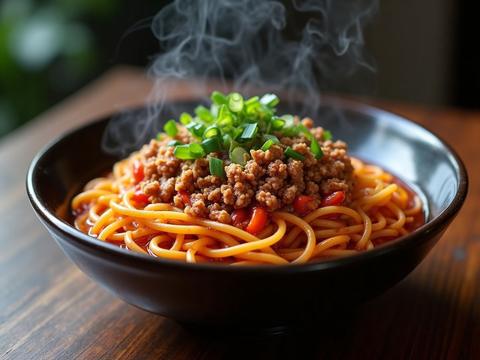 Dan Dan Noodles担担面 · dàndàn miànChili oil, sesame, crispy pork
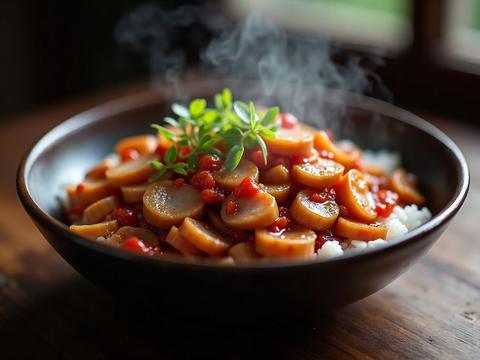 Twice-Cooked Pork回锅肉 · huíguō ròuBoiled, sliced, back into the wok
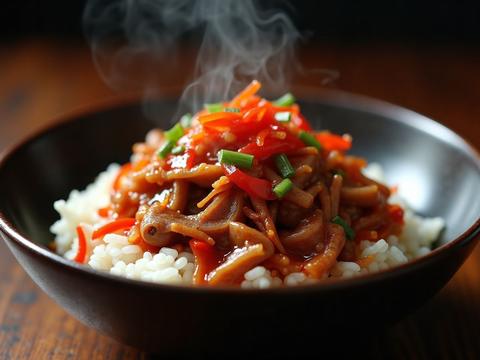 Fish-Fragrant Pork鱼香肉丝 · yúxiāng ròusīSweet, sour, garlicky, and no fish
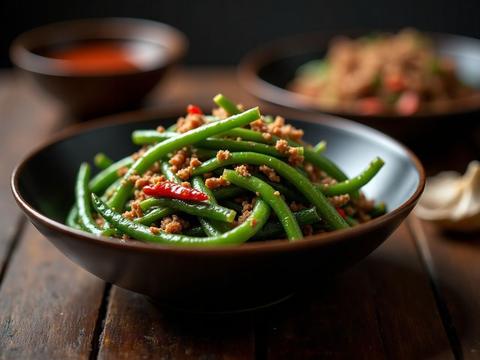 Sichuan Dry-Fried Green Beans干煸四季豆 · gānbiān sìjìdòuDry-fried until blistered
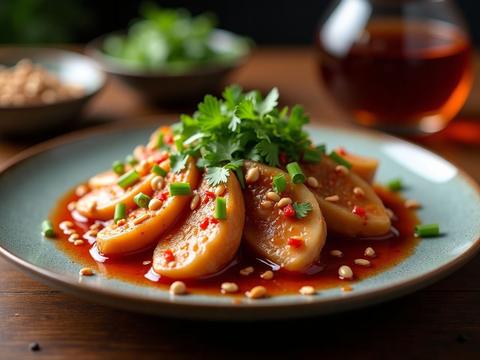 Mouthwatering Chicken口水鸡 · kǒushuǐ jīCold chicken in a chili-oil dressing
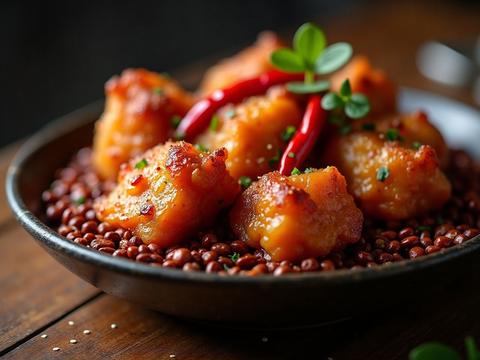 Chongqing Chili Chicken辣子鸡 · làzi jīCrispy chicken hidden in a pile of chilies
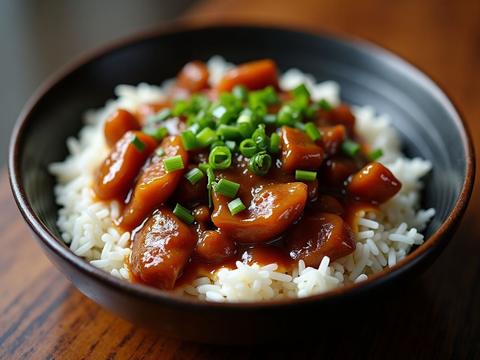 Chinese Eggplant with Garlic Sauce鱼香茄子 · yúxiāng qiéziFish-fragrant eggplant, silky and garlicky
Hunan (湘菜): hotter, and no numbness
Hunan lies east of Sichuan, and the two get lumped together as 'the spicy ones' — but they taste different. Hunan heat is direct and fresh: fresh green and red chilies, pickled chilies, garlic, and smoked, cured meats, with none of Sichuan's numbing peppercorn to soften the blow. By sheer firepower it's often the hotter of the two. There's an old line about it: Sichuan people don't fear spice, Guizhou people don't mind spice, and Hunan people fear food that isn't spicy (湖南人怕不辣).
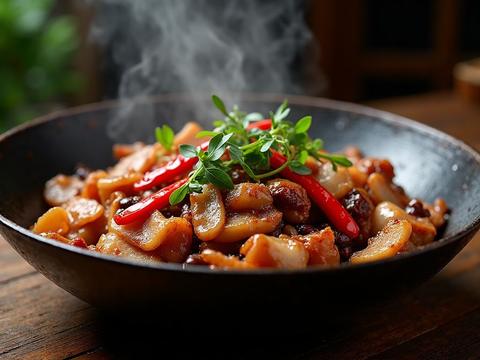
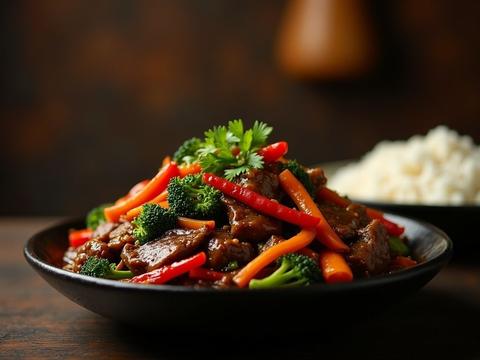
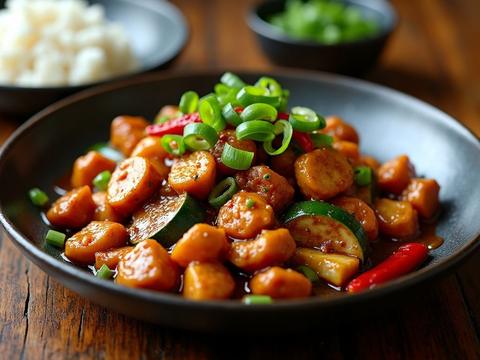
One honest note on the names. 'Hunan beef' and 'Hunan chicken' on an American takeout menu are American-Chinese dishes — a savory, spicy brown-sauce stir-fry that borrows the province's name. The dish that actually defines Hunan home cooking is chili-fried pork, 辣椒炒肉: thin slices of fatty pork and a mountain of fresh green chilies, fried hard in a hot wok. It's the one a Hunan cook is judged on.
Shanghai and the lower Yangtze (江浙菜): sweet, soy-dark and slow
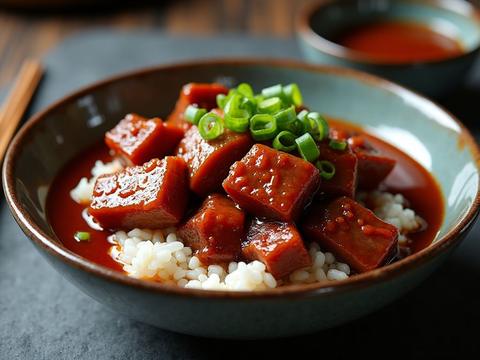
Around Shanghai and the neighboring provinces of Jiangsu and Zhejiang, the cooking turns sweet and glossy. The local shorthand is 浓油赤酱, 'thick oil, red sauce': dishes braised in soy and rice wine with enough sugar to turn the sauce into lacquer. Red-braising (红烧) is the signature technique, and it's no accident that Shaoxing — the town whose rice wine goes into countless Chinese recipes — is in Zhejiang.
This is also home to soup dumplings (xiaolongbao), lion's head meatballs and some of China's finest knife work, in the Huaiyang tradition. The flavors are rich but seldom spicy: sweet-savory, fragrant with wine, and made to be eaten with plenty of rice.
Northern China (北方菜): wheat country
North of the Yangtze, the staple switches from rice to wheat, and the food follows: dumplings (饺子), noodles, steamed buns, flatbreads and scallion pancakes. Winters are long and the cooking is heartier for it — braises and stews, pickled cabbage, and garlic and black vinegar on the table at almost every meal.
The north covers a lot of ground. Shandong cooking (鲁菜) is the oldest of the eight great cuisines and the root of Beijing's old imperial kitchens; Beijing itself gives you zhajiangmian and Peking duck; the Northeast (东北, Dongbei) cooks big, homey stews like chicken with mushrooms. And across the whole region, folding dumplings together is the Lunar New Year ritual — everyone at the table pleating, and one dumpling with a coin hidden inside for luck.
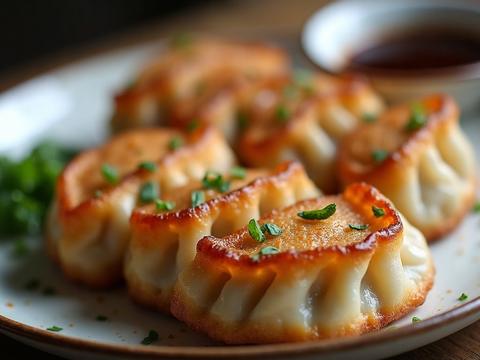 Potstickers (Chinese Pork Dumplings)锅贴 · guōtiēPan-fried dumplings with crisp bottoms
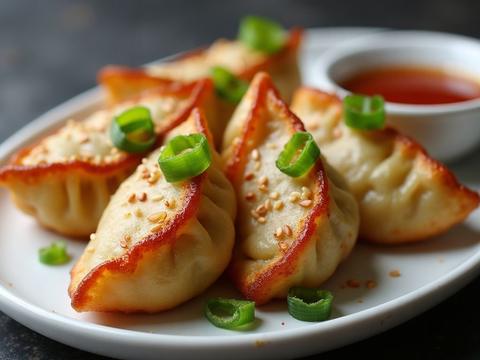 Vegetable Dumplings素饺子 · sù jiǎoziThe meat-free filling, just as good
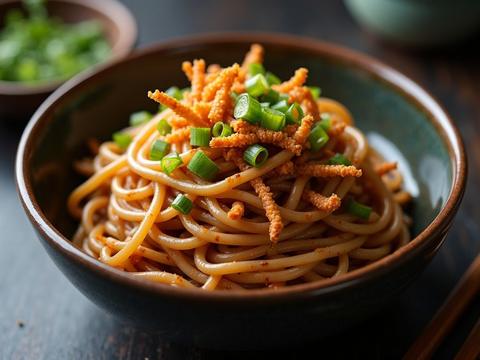
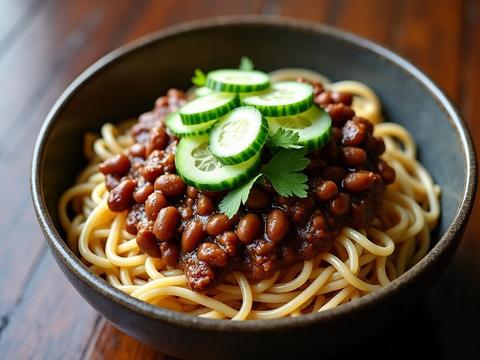 Zhajiangmian (Beijing Fried Sauce Noodles)炸酱面 · zhájiàng miànBeijing's noodles with fried bean sauce
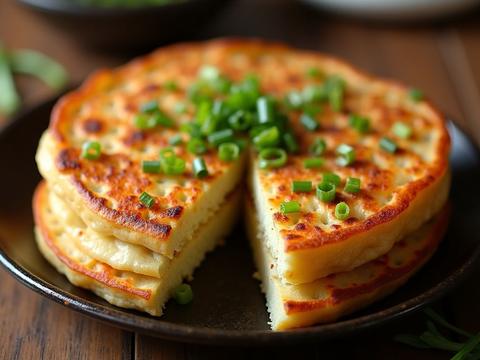 Scallion Pancakes葱油饼 · cōngyóu bǐngFlaky, layered, a street-stall classic
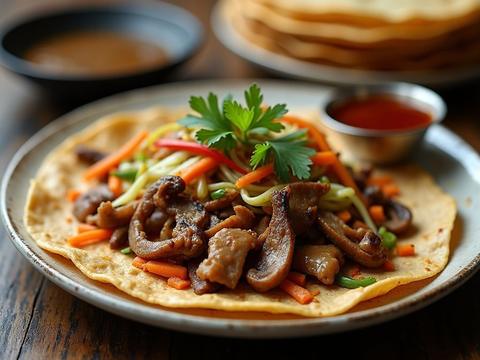 Moo Shu Pork木须肉 · mùxū ròuPork, egg and wood ear
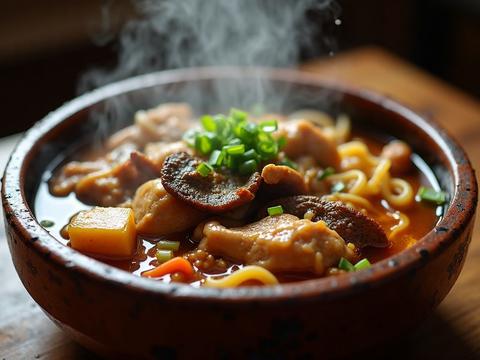 Instant Pot Chicken and Mushroom Stew小鸡炖蘑菇 · xiǎojī dùn móguDongbei's chicken-and-mushroom stew
Taiwanese (台灣菜): braised pork and night markets
Taiwan's food is layered like its history. The base is Fujianese (Hokkien) home cooking; fifty years of Japanese rule, from 1895 to 1945, left a taste for fried cutlets, bento boxes and exacting technique; and the 1949 wave of arrivals from the mainland brought northern wheat, Sichuan chili and Hunan heat. Taiwan's unofficial national dish, beef noodle soup, is usually credited to that last wave — mainland veterans stewing beef with chili-bean paste in the military villages of the south.
The everyday heart of it is braised pork rice (滷肉飯) and the night market (夜市), where you graze on fried chicken, bao and bubble tea at eleven at night. Flavors lean savory-sweet, with basil, five-spice and white pepper doing a lot of the work.
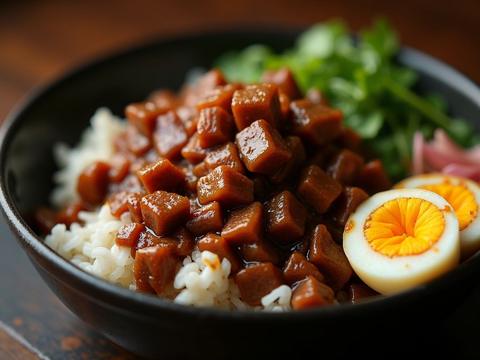 Lu Rou Fan (Taiwanese Braised Pork Rice)滷肉飯 · lǔròu fànBraised pork over rice, the daily staple
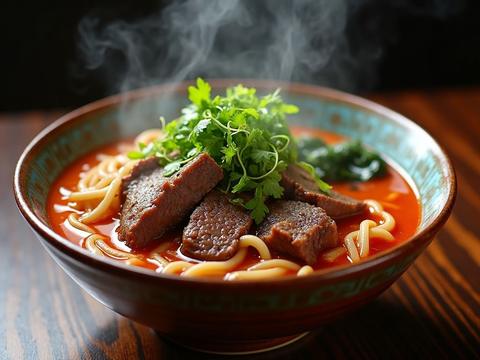 Taiwanese Beef Noodle Soup牛肉麵 · niúròu miànThe unofficial national dish
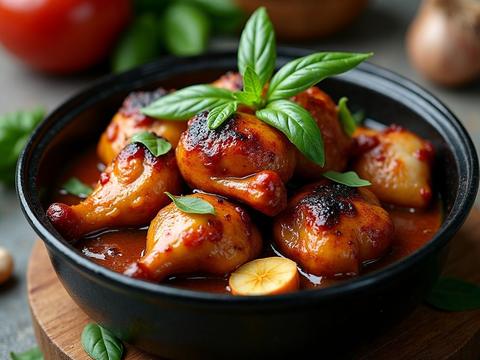 Three Cup Chicken三杯雞 · sānbēi jīSesame oil, rice wine, soy and basil
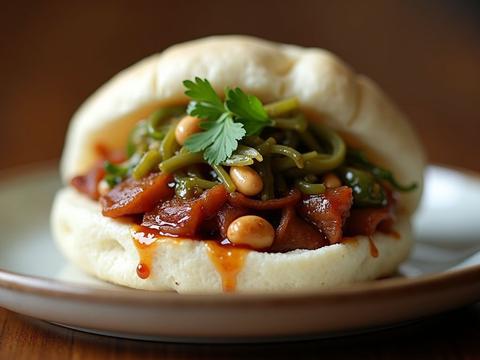 Gua Bao刈包 · guàbāoBraised pork belly in a folded bun
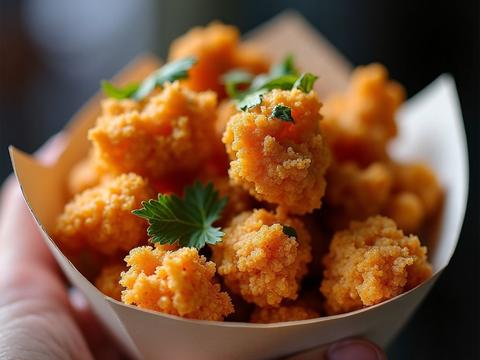 Taiwanese Popcorn Chicken鹹酥雞 · xiánsū jīThe night-market fried chicken
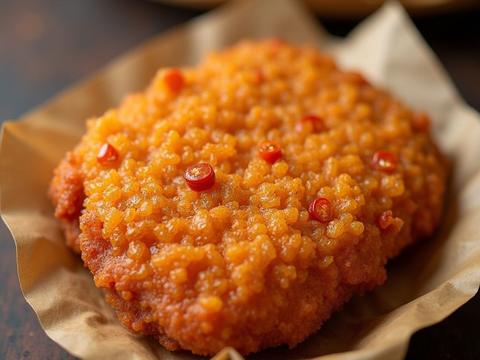 Taiwanese Chicken Cutlet雞排 · jīpáiFamously bigger than your face
American-Chinese (美式中餐): a real cuisine, invented in the US
American-Chinese food grew out of Cantonese cooking, reworked over 150 years by immigrant cooks feeding American customers with American ingredients. Chop suey (杂碎) was the first craze, in the late 1800s. Most of what dominates takeout today is postwar. General Tso's chicken was created in Taiwan in the 1950s by the Hunanese chef Peng Chang-kuei, then remade sweeter and crispier in New York in the 1970s. Crab rangoon has no ancestor in China at all and almost certainly started in American tiki bars. Fortune cookies trace back to Japanese-American bakeries in California.
It's sweeter, more battered and more thickly sauced than anything you'd eat in Guangzhou — and it's a genuine cuisine with its own history, not a knockoff. For decoding the takeout menu itself, dish by dish, see the menu guide linked below.
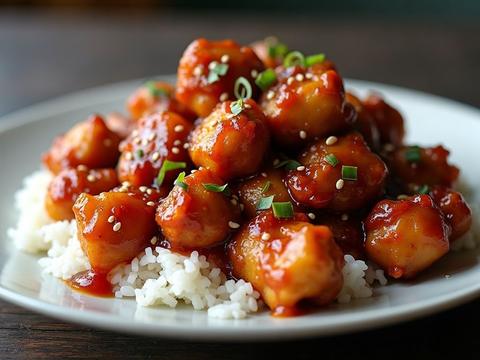 General Tso's Chicken左宗棠鸡 · zuǒ zōngtáng jīSweet, crispy, a little heat
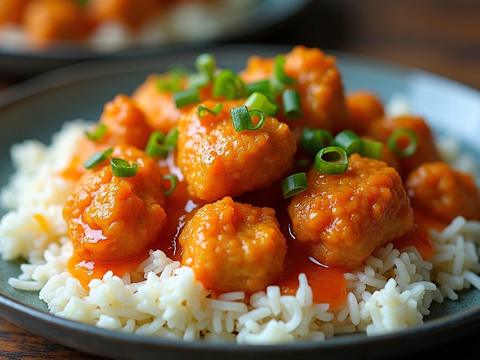 Orange ChickenCitrus-glazed, made famous by Panda Express
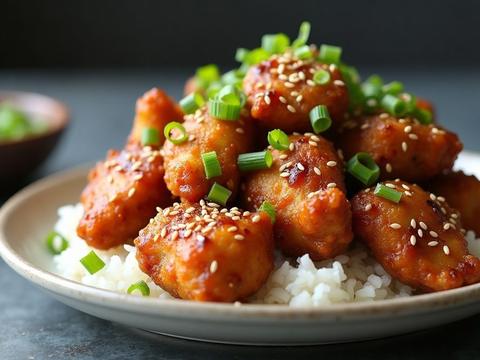 Sesame Chicken芝麻鸡 · zhīma jīThe sweeter, nuttier cousin
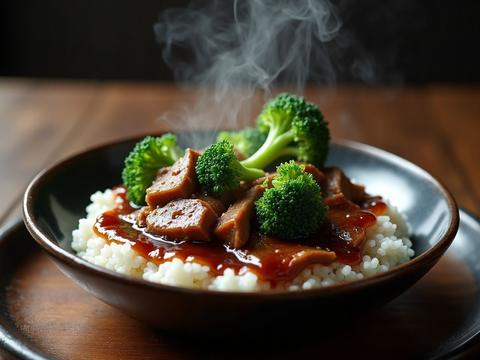 Beef and Broccoli芥兰牛肉 · jièlán niúròuAdapted from beef with gai lan
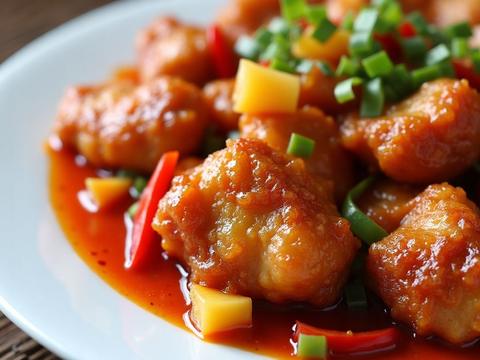 Sweet and Sour Pork咕噜肉 · gūlū ròuFrom Cantonese gu lou yuk, sweetened up
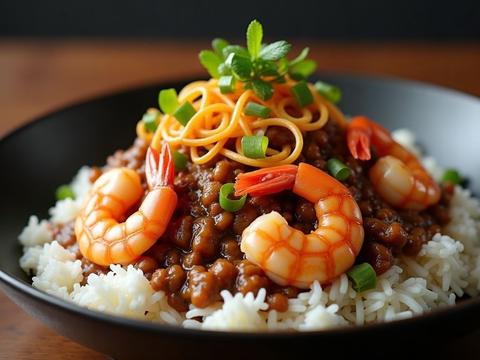 Shrimp with Lobster Sauce虾龙糊 · xiālóng húNo lobster: the sauce was made for it
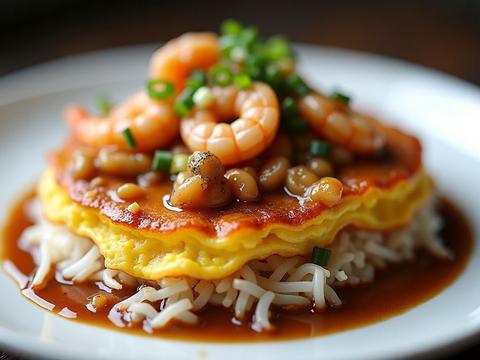 Egg Foo Young芙蓉蛋 · fúróng dànA Chinese-American omelet with gravy
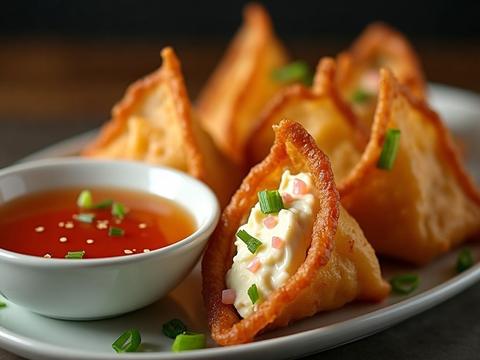 Crab RangoonCream cheese and crab in a fried wonton
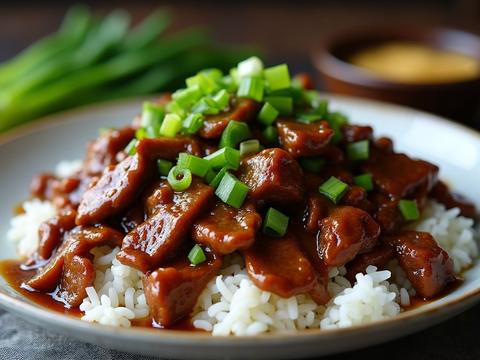 Mongolian BeefNothing to do with Mongolia
Why so many dishes have such strange names
Most Chinese dish names follow a formula — method, ingredient, cut — and the menu guide teaches you to read it. The dishes people remember tend to break the formula, because their names are stories.
Some are named for people. Kung pao is a job title: Ding Baozhen, a Qing-dynasty governor of Sichuan, held the honorary rank of gōngbǎo, 'palace guardian', and the stir-fry carries it. Mapo tofu means 'pockmarked old woman's tofu', after the Chengdu restaurant owner, a Mrs. Chen, said to have made it famous in the 1860s. General Tso was a real 19th-century Hunanese general who almost certainly never tasted the chicken.
Others describe the cooking or simply paint a picture. Fish-fragrant dishes contain no fish; the name describes a seasoning once used for fish. Twice-cooked pork is 回锅, 'back to the pot'. Dan dan noodles are named for the shoulder pole (扁担) street vendors carried them on. Three-cup chicken was a cup each of soy, rice wine and sesame oil. Ants climbing a tree (蚂蚁上树) is glass noodles flecked with minced pork; lion's head (狮子头) is a giant meatball with a mane of cabbage; and the two dishes below are named for the family table and for Buddhist saints.
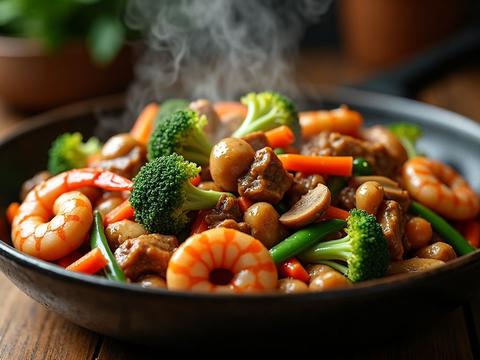
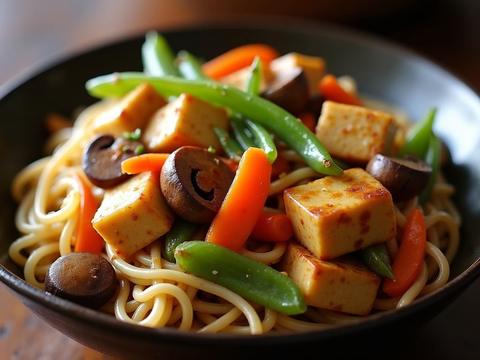
What a Chinese meal actually looks like
At a Chinese family table there's no 'my plate'. Dinner is rice (饭) — or noodles or buns in the north — plus several dishes (菜) set in the middle for everyone, and usually a soup. Four people might share three or four dishes: something meaty, a vegetable, maybe tofu or egg, spread across cooking methods so one is stir-fried, one braised, one steamed or cold. The ideal has a name, 荤素搭配: meat and vegetables in balance.
Everything comes out together; the appetizer-then-entrée sequence is a restaurant import. You take a little from a shared plate onto your rice, eat, and go back — which is why Chinese dishes are seasoned boldly enough to flavor a bowl of plain rice. A realistic weeknight version is the four below: an egg dish, a tofu dish, a green and a soup, with a pot of rice.
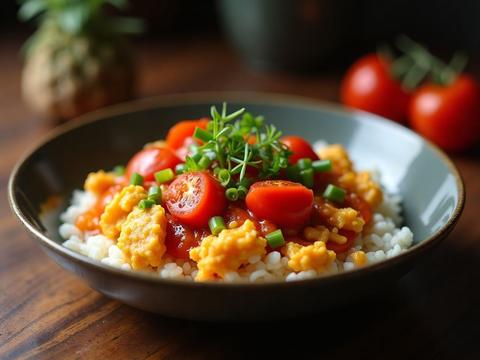 Chinese Tomato and Egg Stir-Fry西红柿炒鸡蛋 · xīhóngshì chǎo jīdànOften the first dish people learn to cook
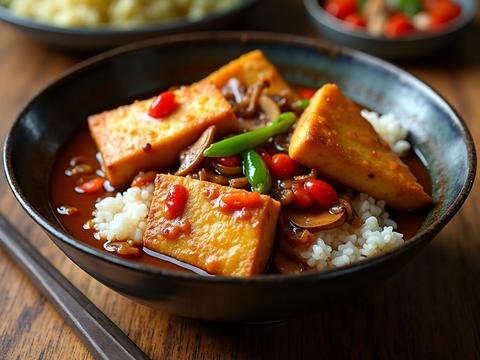 Home-Style Braised Tofu家常豆腐 · jiācháng dòufuHome-style tofu, pan-fried then braised
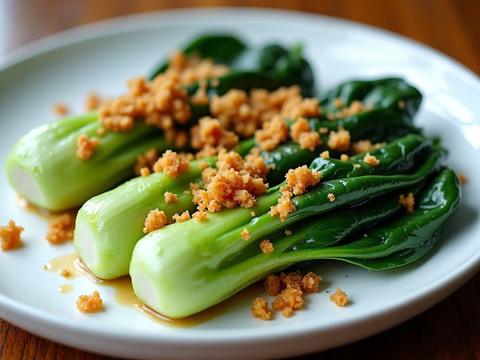 Garlic Bok Choy蒜蓉小白菜 · suànróng xiǎobáicàiThe two-minute green
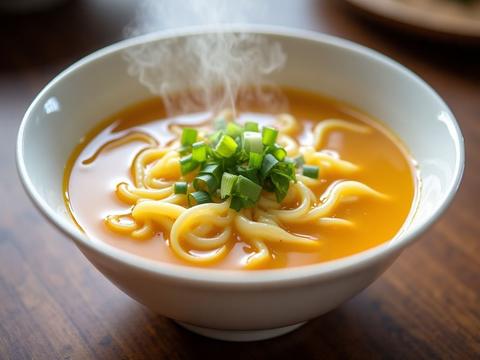 Egg Drop Soup蛋花汤 · dànhuā tāngThe simplest soup on the table
Cooking any of it at home
The regions differ, but the kit they share is small. About a dozen pantry staples — light and dark soy sauce, Shaoxing wine, oyster sauce, toasted sesame oil, black vinegar, doubanjiang, plus fresh ginger, garlic and scallions — cover most of the dishes on this page. The techniques that matter most are high-heat stir-frying, velveting meat so it stays tender, and cooking rice well. Every recipe here gives exact measurements instead of 适量, 'an appropriate amount' — the most frustrating phrase in Chinese cookbooks — plus a US-grocery substitute for anything hard to find.
Types of Chinese Food, Region by Region FAQ
What are the main types of Chinese food?
They're regional. Tradition names eight great cuisines — Shandong, Sichuan, Cantonese, Jiangsu, Fujian, Zhejiang, Hunan and Anhui — but outside China you'll mostly meet seven styles: Cantonese (steamed and roasted dishes and dim sum, light and savory), Sichuan (numbing-spicy málà), Hunan (fresh-chili heat, often hotter than Sichuan), Shanghainese and lower-Yangtze (sweet, soy-dark braises), Northern (wheat: dumplings, noodles, pancakes), Taiwanese (braised pork rice, beef noodle soup, night-market snacks) and American-Chinese (General Tso's, orange chicken, crab rangoon). When a restaurant puts a region in its name, that's the most useful clue to what the food will taste like.
What are the most popular Chinese dishes?
It depends which side of the Pacific you ask. In the US, the bestsellers are the American-Chinese takeout staples: General Tso's and orange chicken, fried rice, lo mein, beef and broccoli, sesame chicken, kung pao chicken, egg rolls and crab rangoon. In China, the dishes nearly everyone grows up eating are homier: tomato and egg stir-fry, fish-fragrant pork, mapo tofu, red-braised pork, twice-cooked pork, sweet-and-sour ribs, dumplings and hot pot. Kung pao chicken is one of the few that makes both lists.
What's the difference between Cantonese and Sichuan food?
They're close to opposites. Cantonese cooking, from the humid south coast, is about freshness and restraint: light seasoning, lots of steaming and quick stir-frying, seafood, roast meats and dim sum, with soy, ginger, scallion and oyster sauce letting the main ingredient lead. Sichuan cooking, from the inland southwest, is about layered intensity: chili, numbing Sichuan peppercorn, fermented chili-bean paste, garlic, vinegar and sugar, often all in one dish. A quick test: a Cantonese steamed fish is judged by how little was done to it, while Sichuan boiled fish (水煮鱼) arrives under a slick of red chili oil. If you're heat-shy, start Cantonese; if you want fireworks, go Sichuan.
Is Hunan or Sichuan food spicier?
Hunan, usually — at least by raw heat. Sichuan pairs chili with Sichuan peppercorn, whose numbing tingle takes the edge off and creates the famous málà sensation; Hunan skips the peppercorn and hits you straight with fresh, pickled and dried chilies. Hunan cooks also treat fresh chili as a vegetable rather than a seasoning, as in chili-fried pork. That said, both cuisines have plenty of mild dishes, and on American menus 'Hunan' and 'Szechuan' often just mean 'the spicy version'.
What does a traditional Chinese meal consist of?
A staple, several shared dishes and usually a soup. The staple is rice in the south and often noodles, buns or dumplings in the north. The dishes go in the middle of the table for everyone — a common rule of thumb is about one dish per person, plus the soup — and they're chosen to contrast: meat and vegetables, a stir-fry alongside a braise or a steamed dish, something rich balanced by something light. There are no separate courses; everything arrives together, and each person takes a little at a time onto their own rice. In the Cantonese south, soup is often served first.
What is Chinese food called in Chinese?
The everyday word is 中餐 (zhōngcān), 'Chinese meal', used the way English speakers say 'Chinese food' — as opposed to 西餐 (xīcān), Western food. 中国菜 (zhōngguó cài), 'Chinese dishes', is common too. Each regional cuisine has a one-character shorthand plus 菜 (cài): 粤菜 Cantonese, 川菜 Sichuan, 湘菜 Hunan, 鲁菜 Shandong, and so on. And everyday home cooking is 家常菜 (jiācháng cài), 'home-style dishes' — the most useful phrase to know when you want to eat past a restaurant's takeout menu.
Is Chinese food healthy?
Chinese home cooking mostly is: it's vegetable-heavy, uses modest amounts of meat per person, and leans on steaming, blanching and fast stir-fries. The reputation problem comes from a slice of American takeout — battered, deep-fried meat in sugary sauce, in big portions. The real watch-out in both is sodium, because soy sauce, oyster sauce and bean pastes add up quickly. (MSG, the usual suspect, actually contains about a third of the sodium of table salt.) Cook at home and you control the oil, sugar and salt; dishes like steamed fish, garlic greens, tomato and egg, and tofu stir-fries are about as wholesome as weeknight food gets.
Is Chinese food hard to cook at home?
Easier than its reputation, harder than it needs to be — mostly because of how Chinese recipes are written. Traditional recipes say 适量 ('an appropriate amount') or 少许 ('a little') and 'fry until fragrant', which assumes you already know how. The other hurdles are a handful of unfamiliar ingredients and a home stove that's nowhere near as hot as a restaurant wok burner. Fix those three — precise measurements, about a dozen pantry staples, and the habit of heating the pan properly before the oil goes in — and most weeknight dishes take under 30 minutes.
How many Chinese dishes are there?
Nobody has a real count, and any exact number you see is a guess. Each of the eight great cuisines has hundreds of recognized classics, every province and city adds its own local dishes, and home cooks improvise endlessly on top of that. A more useful number: a few dozen core dishes cover most of what you'll find on Chinese restaurant menus outside China, and the fifty-odd pictured on this page are a good map of them.
Recipes to try this with
Get our free Chinese Kitchen Starter Guide
The 12 pantry staples, the 5 techniques, and a week of beginner-friendly dinners — plus a new decoded recipe each week.