What Is Szechuan (Sichuan) Food?
By The Chowmi Test Kitchen · Updated October 16, 2026
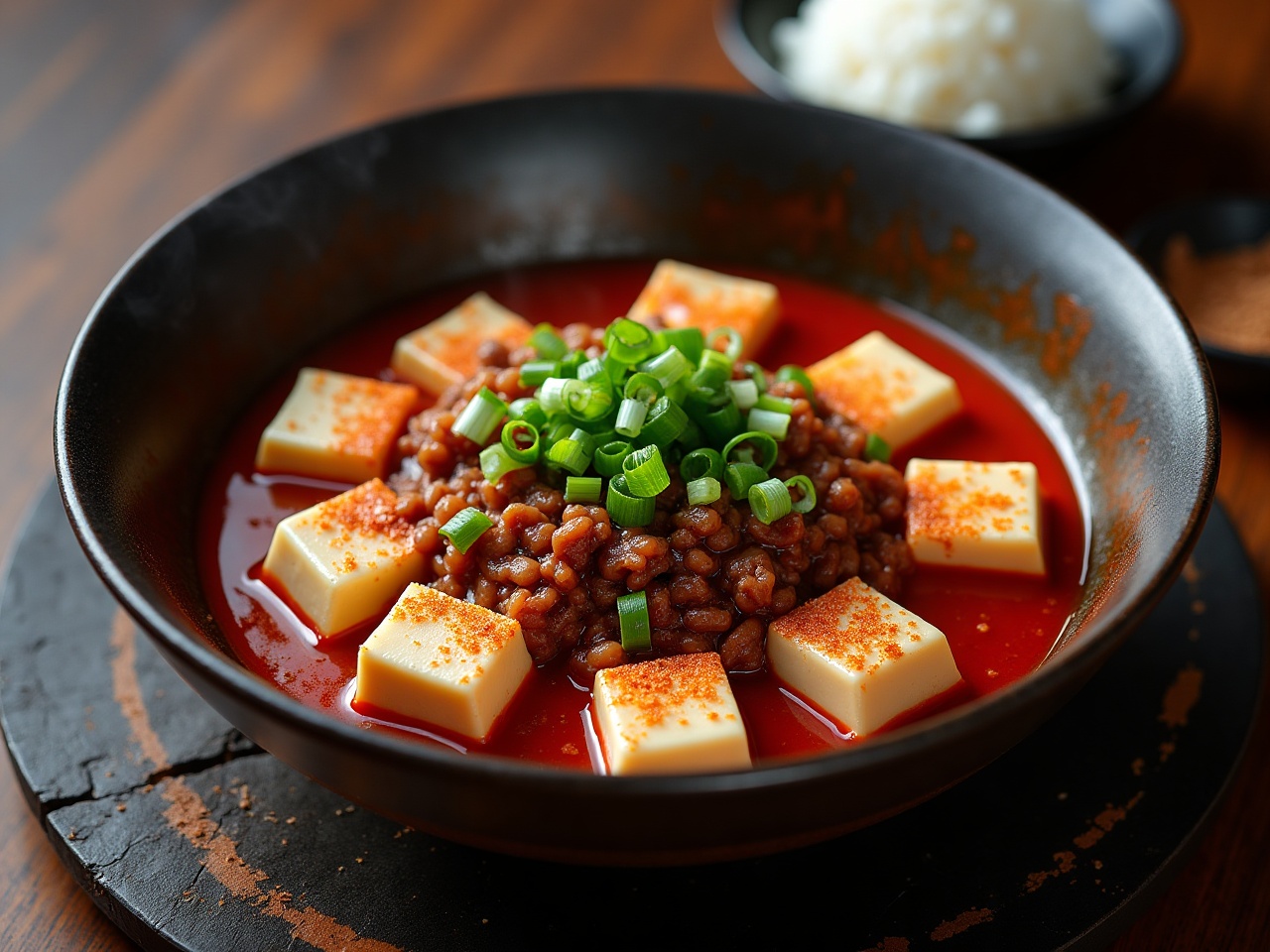
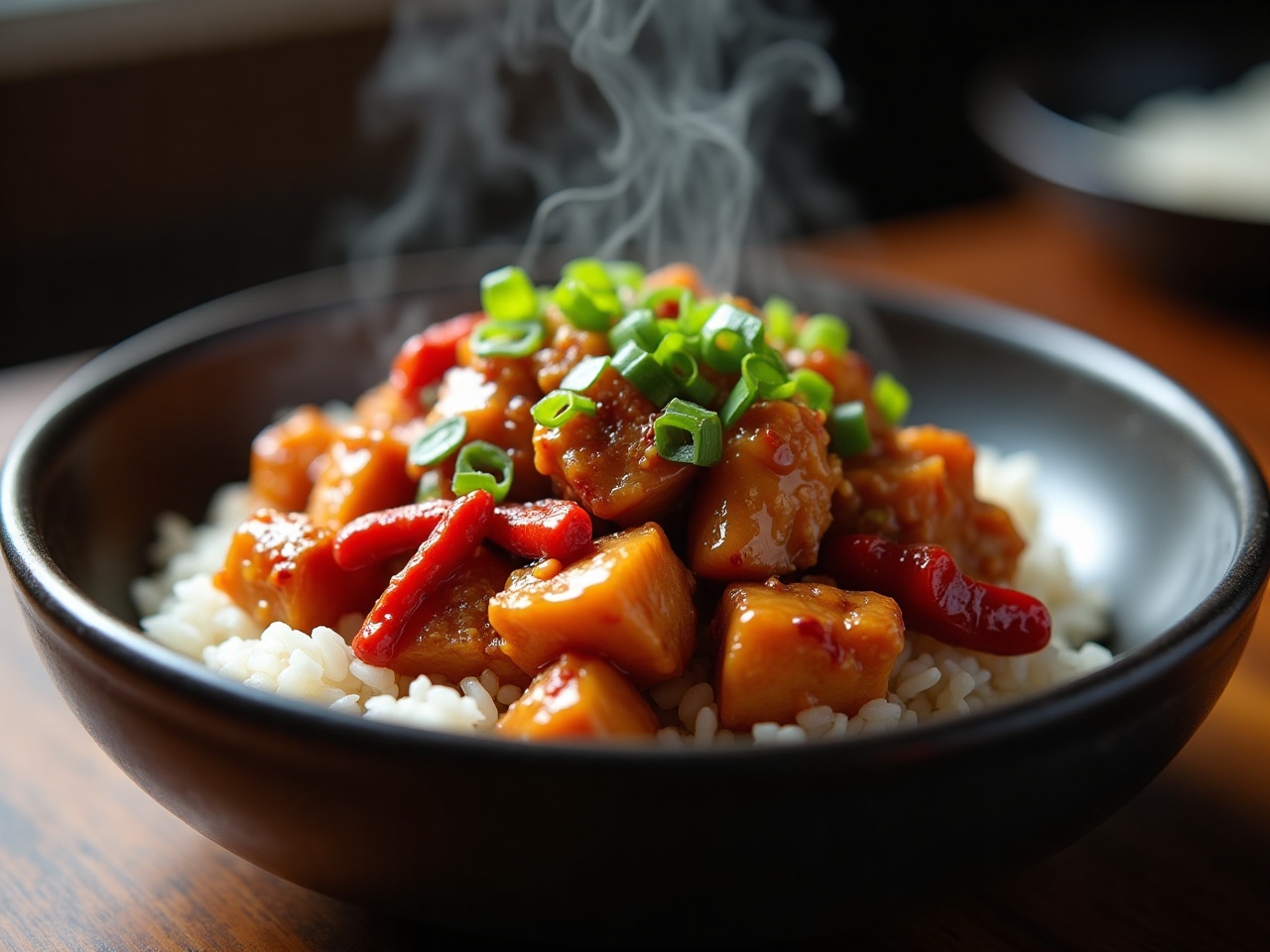
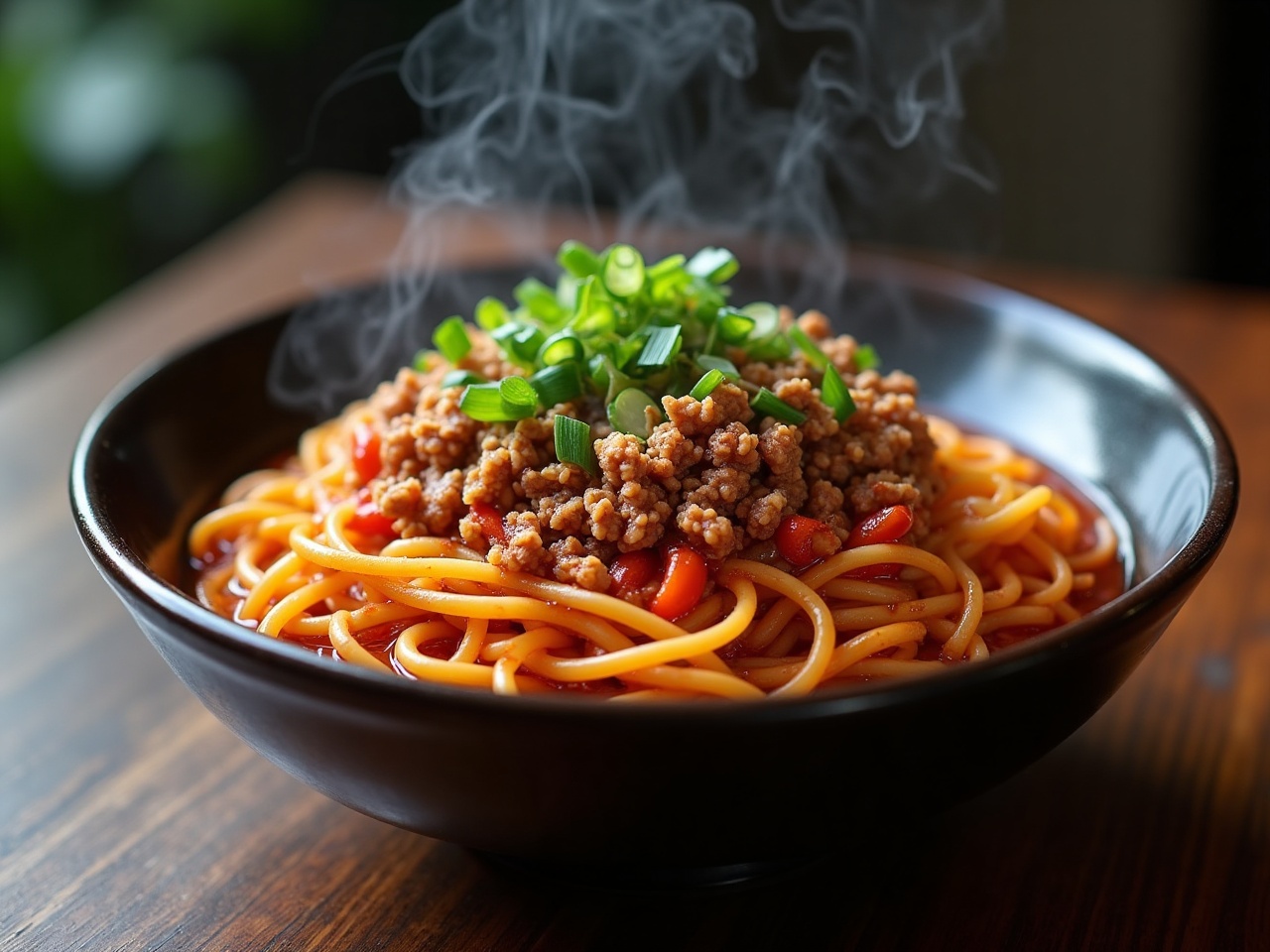
Szechuan food — also spelled Sichuan — is the bold, spicy cuisine of southwestern China's Sichuan province, famous for a flavor called málà: the combination of spicy heat from chilies and a tingling, almost electric numbness from Sichuan peppercorns. But it isn't only about heat. Sichuan cooking is prized for layering many flavors at once — savory, sour, sweet, nutty, and aromatic — so a single dish can be numbing, spicy, and deeply savory in the same bite. Its signature building blocks are dried chilies, Sichuan peppercorns, doubanjiang (fermented chili-bean paste), chili oil, and pickled vegetables. Classic dishes include mapo tofu, kung pao chicken, dan dan noodles, twice-cooked pork, and mouthwatering chicken. "Szechuan" and "Sichuan" are the same place and cuisine, just different romanizations — Sichuan is the modern standard, while Szechuan is the older spelling still common on US menus.
Málà: the flavor that defines it
The heart of Sichuan cooking is málà (麻辣), which literally means "numbing-spicy." The "là" is familiar chili heat; the "má" is the unique tingling numbness produced by Sichuan peppercorns, a citrusy spice that lightly anesthetizes the lips and tongue. Together they create a buzzing, addictive sensation you don't get anywhere else. Crucially, the numbness tempers the heat — it spreads the sensation out so the chili feels exciting rather than just painful, which is why people who think they hate spicy food often love Sichuan food.
It's layered, not just hot
Sichuan cuisine is famous for its mantra of "a hundred dishes, a hundred flavors." Beyond málà, it's built on complex flavor combinations: yuxiang ("fish-fragrant") balances sweet, sour, salty and spicy; guaiwei ("strange flavor") layers all five tastes at once. Many of the most beloved Sichuan dishes aren't even spicy. The cuisine leans on fermented and pickled ingredients — doubanjiang, preserved mustard greens, fermented black beans — for deep savory backbone, so the chili sits on top of a rich foundation rather than standing alone.
What 'Szechuan' means on different menus
The word does three different jobs depending on where you read it. In a Sichuan restaurant — anywhere actually cooking from the province — it means the real cuisine: numbing peppercorn, fermented bean paste, layered flavor, and plenty of dishes that aren't hot at all.
On an American-Chinese takeout menu, "Szechuan chicken" or "Szechuan beef" usually means something much narrower: a stir-fry in a sweet, garlicky, chili-spiked brown sauce, often with no Sichuan peppercorn in it whatsoever. Part of the reason is history. The US banned Sichuan peppercorn imports from 1968 to 2005, over fears the berries could carry a citrus disease, so for nearly four decades American "Szechuan" cooking had to do without its defining spice — and the takeout version settled into heat without the tingle. It's good at what it is; a cook in Chengdu just wouldn't recognize it.
And "Schezwan," spelled that way, is Indo-Chinese: the fiery red chili-garlic sauce behind Schezwan fried rice and noodles in India, born in Indian-Chinese kitchens. It shares the name and the heat but neither the numbing peppercorn nor the fermented depth. Three spellings, three different foods — which is why a recipe titled "Szechuan" can taste like almost anything.
Key ingredients and signature dishes
A Sichuan kitchen revolves around a few essentials: dried red chilies, Sichuan peppercorns, doubanjiang (chili-bean paste), chili oil, and aromatics like garlic and ginger. With those you can make the icons — mapo tofu (silky tofu in a numbing-spicy sauce), kung pao chicken (with peanuts and dried chilies), dan dan noodles, twice-cooked pork, and cold mouthwatering chicken. If you want to cook Sichuan food at home, those ingredients and dishes are the place to start.
How it differs from other Chinese cuisines
China has many regional cuisines, and Sichuan is one of the spiciest. Compared with Cantonese cooking — which prizes freshness, gentle seasoning, and the natural taste of ingredients — Sichuan is bold, oily, and intensely seasoned. Its closest rival for heat is Hunan cuisine, but the two differ: Hunan food tends to be purely hot and sour with fresh and pickled chilies, while Sichuan adds that signature numbing peppercorn. So if a dish is tingling as well as spicy, it's almost certainly Sichuan.
What Is Szechuan (Sichuan) Food? FAQ
What is Szechuan food?
Szechuan (Sichuan) food is the bold, spicy cuisine of Sichuan province in southwestern China, best known for málà — the combination of chili heat and the tingling numbness of Sichuan peppercorns. It's also celebrated for layering many flavors at once, using fermented ingredients like doubanjiang for depth. Signature dishes include mapo tofu, kung pao chicken, and dan dan noodles.
What does "Szechuan" mean on an American Chinese menu?
Usually a style rather than the regional cuisine: chicken, beef or shrimp stir-fried in a sweet, garlicky brown sauce with chili heat, often without any Sichuan peppercorn. That's partly historical — the US banned Sichuan peppercorn imports from 1968 to 2005, so American "Szechuan" dishes developed without the numbing spice. If you want the real thing, look for mapo tofu, dan dan noodles or dishes described as málà.
Is Schezwan sauce the same as Sichuan food?
No. Schezwan sauce is Indo-Chinese — a fiery red paste of dried chilies, garlic and vinegar that powers Schezwan fried rice and noodles in India. It borrows the province's name and its heat, but it has none of the numbing Sichuan peppercorn and none of the fermented bean-paste depth that define actual Sichuan cooking. It's its own delicious tradition, just a different one.
What does málà mean?
Málà (麻辣) means "numbing-spicy." The "là" is chili heat and the "má" is the tingling, slightly numbing sensation from Sichuan peppercorns. Together they create the buzzing, electric mouthfeel that defines Sichuan food. The numbness actually softens the heat, spreading it out so spicy dishes feel exciting rather than simply painful.
What's in a typical Szechuan dish?
Most savory Sichuan dishes start from the same base, built in hot oil: dried red chilies and Sichuan peppercorns bloomed until fragrant, then doubanjiang (fermented chili-bean paste) fried until the oil turns red, then garlic, ginger and scallion. From there a dish might add black vinegar and a little sugar (fish-fragrant and kung pao dishes), fermented black beans, or chili oil to finish. Learn that base and you can read almost any Sichuan recipe.
Is Szechuan food always spicy?
No. While Sichuan cuisine is famous for heat, many classic dishes are mild or not spicy at all — the tradition prizes "a hundred dishes, a hundred flavors." Flavor profiles like yuxiang (sweet-sour-savory) and the cuisine's deep use of fermented, aromatic ingredients mean plenty of Sichuan food is about complexity rather than raw chili heat.
How do I make Sichuan food less spicy at home?
Control the two sources separately. For less heat, use fewer dried chilies and keep them whole — whole chilies perfume the oil without releasing their seeds, while cut or crushed ones get much hotter. For less numbing, use fewer Sichuan peppercorns, or leave them whole and fish them out before serving. A little sugar and black vinegar in the sauce also round off the burn, and serving plenty of steamed rice does the rest.
Is Chongqing food the same as Sichuan food?
Close, but not identical. Chongqing was part of Sichuan province until 1997, when it became a separate municipality, so the two share a pantry and a love of málà. Chongqing is known for an even heavier hand: it's the home of numbing-hot hot pot and of la zi ji, the chili chicken where you dig crispy morsels out of a mountain of dried chilies. Many dishes sold abroad as "Sichuan" are really Chongqing-style.
Is it spelled Szechuan or Sichuan?
Both refer to the same province and cuisine — they're just different romanizations of the Chinese name. "Sichuan" is the modern pinyin standard used officially today, while "Szechuan" (and sometimes "Szechwan") is an older spelling that remains common on American-Chinese restaurant menus. There's no difference in meaning.
What's the difference between Szechuan and Hunan food?
Both are spicy southwestern/central Chinese cuisines, but Sichuan food features the numbing tingle of Sichuan peppercorn (málà), while Hunan food is typically "dry-hot" — purely spicy and often sour, leaning on fresh and pickled chilies without the numbing element. Sichuan also uses more doubanjiang and chili oil; Hunan tends to be even more straightforwardly fiery.
Recipes to try this with
Get our free Chinese Kitchen Starter Guide
The 12 pantry staples, the 5 techniques, and a week of beginner-friendly dinners — plus a new decoded recipe each week.