Chinese Pantry Essentials: The Ingredients to Stock First
By The Chowmi Test Kitchen · Updated June 8, 2026
You can cook most Chinese home recipes with about a dozen pantry staples. The non-negotiable core is light soy sauce, dark soy sauce, Shaoxing wine, oyster sauce, toasted sesame oil, and Chinkiang (black) vinegar — plus fresh garlic, ginger, and scallions, cornstarch for velveting and thickening, and white pepper for seasoning. From there, a jar of chili oil or chili crisp, hoisin sauce, and doubanjiang (spicy bean paste) unlock most regional dishes, while dry spices like Sichuan peppercorn, star anise, and five-spice round out the shelf. Almost all of these keep for months to years, so a single trip to an Asian grocery — or one order from Weee, Yamibuy, or Amazon — sets you up for dozens of recipes. Start with the core six sauces and expand only as specific recipes ask for more.
The 7 ingredients to buy first
If you build nothing else, build this shelf. These are the seasonings that show up in stir-fries, braises, noodles, and dipping sauces across almost every region of China. None of them are perishable in any urgent way, and together they cost less than a single takeout order. Buy these seven, add the fresh aromatics below, and you can already cook dozens of recipes on this site without another trip to the store.
- Light soy sauce — the everyday salty-savory base for stir-fries and marinades
- Dark soy sauce — thicker, less salty, used in small amounts for deep color
- Shaoxing wine — rice cooking wine for depth; dry sherry is the closest swap
- Oyster sauce — thick, savory, lightly sweet — the backbone of Cantonese stir-fries
- Toasted sesame oil — a finishing oil — add off the heat for nutty aroma, never to fry in
- Chinkiang vinegar — malty black rice vinegar for dipping sauces and hot-and-sour dishes
- White pepper — earthier than black pepper; essential in soups and wonton fillings
Fresh aromatics you'll always need
Three fresh ingredients do the heavy lifting of flavor in Chinese cooking, and they aren't pantry items — buy them often and keep them on hand. Garlic and ginger get smashed or minced and bloomed in hot oil at the start of nearly every stir-fry; scallions (green onions) get split between the cook and the garnish. A knob of ginger keeps for weeks in the fridge, garlic for a month in a cool spot, and scallions can be regrown in a glass of water on the windowsill. Cornstarch belongs here too in spirit: it's the one dry good you'll reach for constantly, for velveting meat and thickening sauces to that glossy restaurant finish.
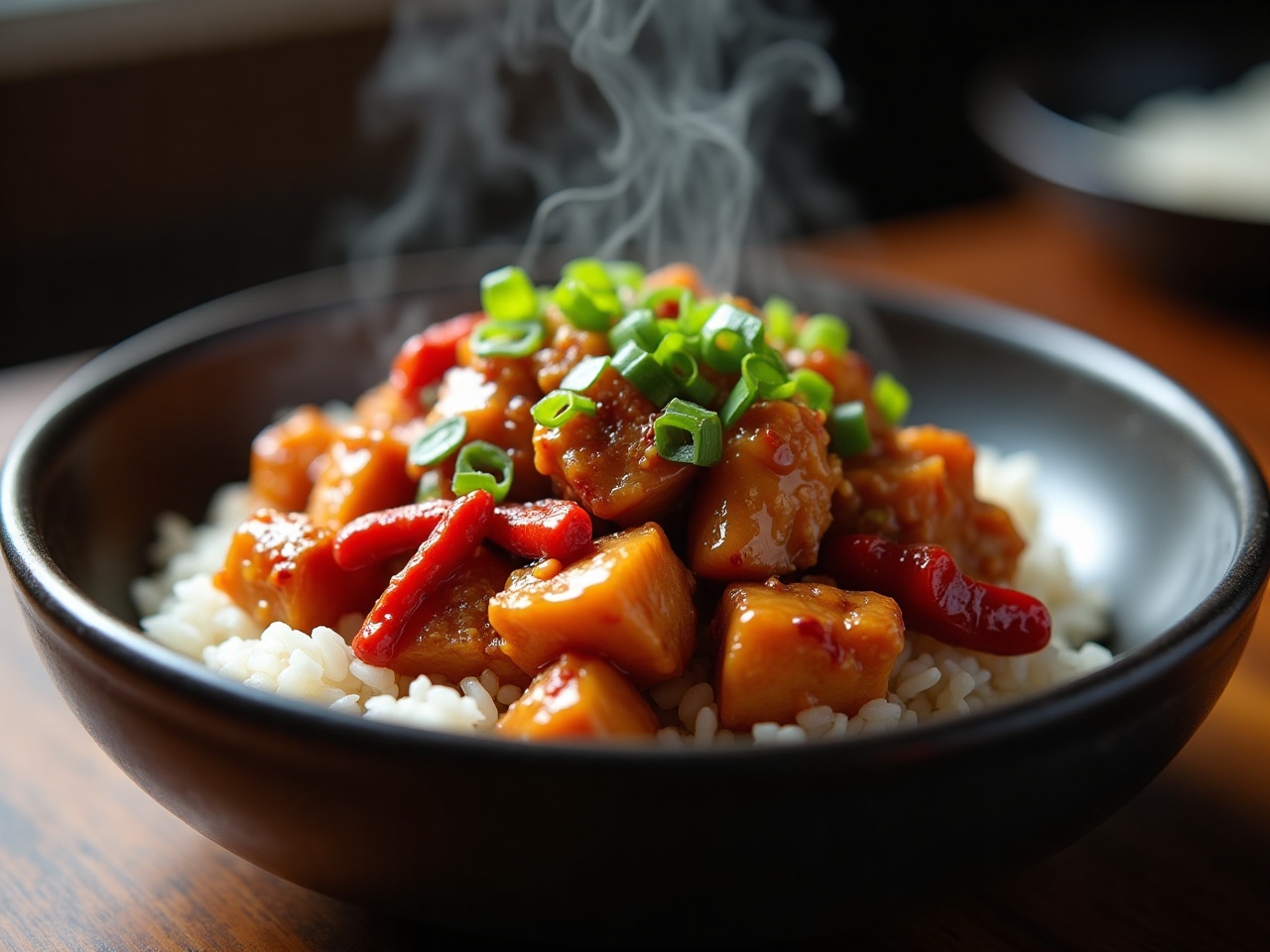
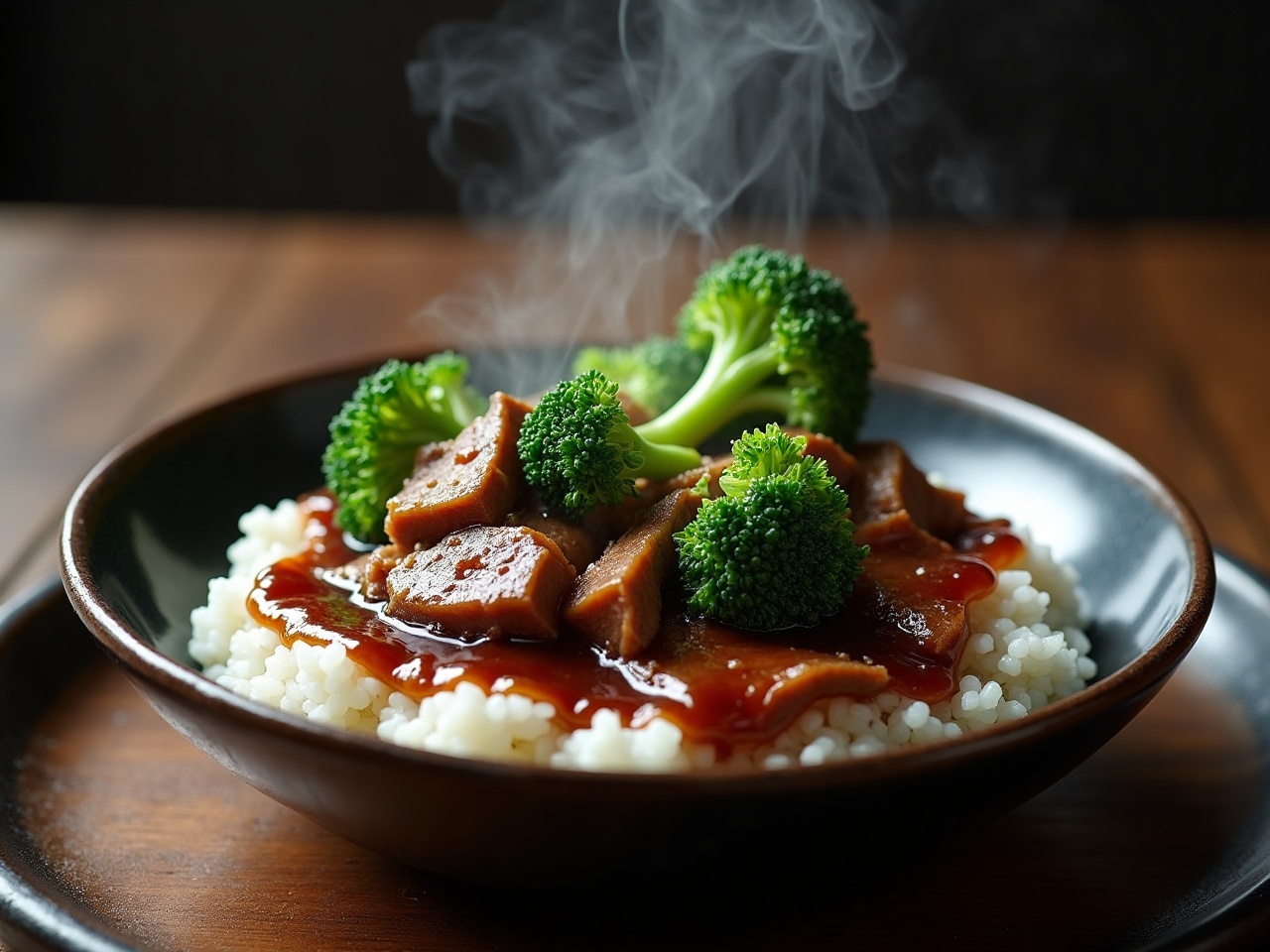
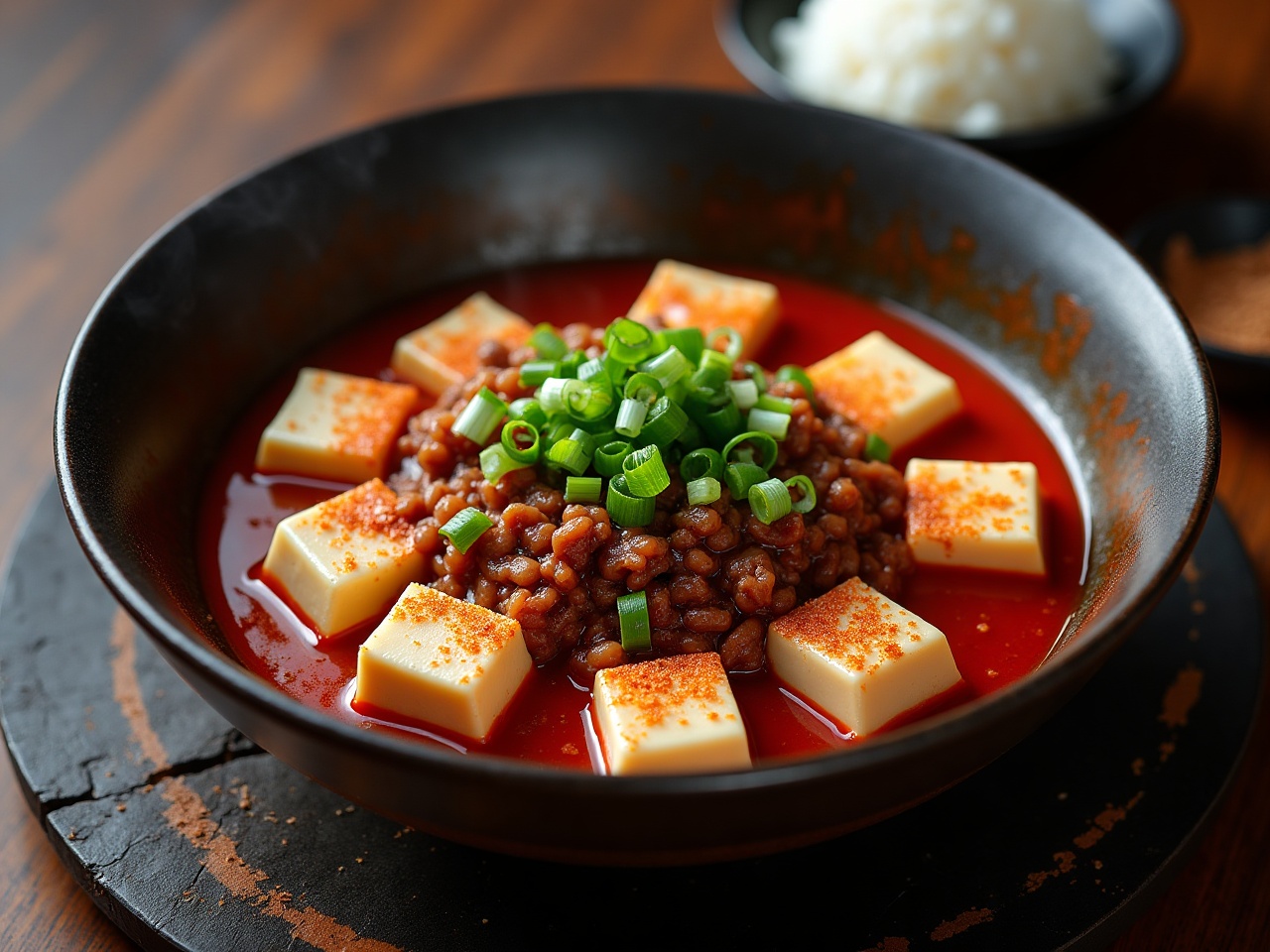
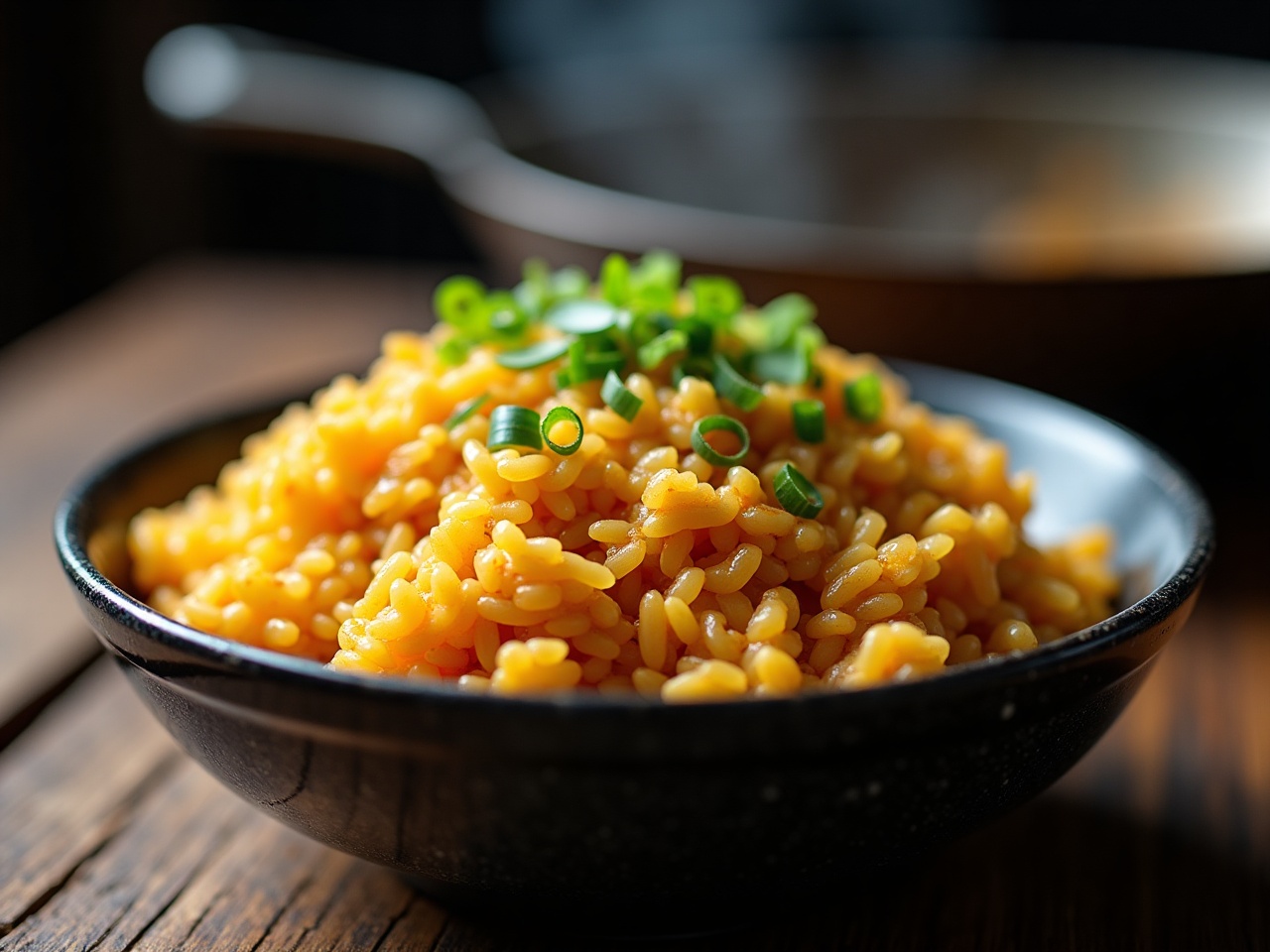
- Home-style Chinese recipes (家常菜) — the everyday dishes this pantry is built for — what families actually cook
Sauces & pastes that build flavor
Once the core shelf is in place, these are what turn 'a stir-fry' into a specific, crave-able dish. You don't need all of them at once — add a jar when a recipe calls for it, and you'll slowly build a wall of condiments that lets you cook across regions on a whim. They're fridge-stable for months once opened.
- Hoisin sauce — sweet-savory glaze for char siu, moo shu, and dipping
- Chili oil — infused oil for drizzling, dumpling dips, and cold dishes
- Chili crisp — crunchy chili condiment — spoon it over almost anything
- Doubanjiang — spicy fermented broad-bean paste — the soul of Sichuan cooking
- Black bean sauce — or whole fermented black beans, for pungent savory stir-fries
- Rice vinegar — mild and lightly sweet — for sweet-and-sour and quick pickles
Spices & dry aromatics
Dry spices last the longest of anything in the pantry and define whole categories of dish — the tingling numbness of a Sichuan stir-fry, the warm licorice of a red-cooked braise. Buy them whole where you can and toast them just before use for the biggest payoff; ground blends are the convenient shortcut.
- Sichuan peppercorn — citrusy, tingling málà numbness — toast and grind fresh
- Star anise — warm licorice note for braises and red-cooked dishes
- Five-spice powder — a ready-made blend for roasts, marinades, and braises
Specialty ingredients worth seeking out
These won't make or break a weeknight dinner, but each one is the secret behind a famous dish — and once you have it, you'll want to cook the thing it's for. Treat this as a wish list to pick from over time rather than a single shop.
- XO sauce — luxe dried-seafood condiment for fried rice and noodles
- Sweet bean sauce — tianmianjiang — for zhajiangmian and Peking-style wraps
- Ya cai — preserved mustard greens — essential in real dan dan noodles
- Char siu sauce — a ready glaze for Cantonese BBQ pork
- Chinese sesame paste — toasted and nuttier than tahini — for dan dan and cold noodles
- Fermented black beans — douchi — intense salty-savory funk for steamed spare ribs and fish
- Fish sauce — salty umami used more in southern and fusion dishes
Where to buy & how to store
The cheapest and best-stocked option is a brick-and-mortar Asian grocery, where a full core shelf often costs under $30. If you don't have one nearby, online grocers like Weee! and Yamibuy ship the authentic brands (look for Pearl River Bridge soy sauce, Lee Kum Kee oyster and hoisin sauce, Pixian doubanjiang), and Amazon carries most shelf-stable staples. Store soy sauces, vinegars, and Shaoxing wine in a cool cupboard; refrigerate oyster sauce, hoisin, chili crisp, and any opened bean paste to keep them fresh. Toasted sesame oil goes rancid fastest — buy a smaller bottle and keep it away from heat. Whole spices hold their punch for a year or more in a sealed jar; ground blends fade faster, so buy those in small amounts.
Chinese Pantry Essentials: The Ingredients to Stock First FAQ
What are the essential Chinese pantry ingredients?
The core six are light soy sauce, dark soy sauce, Shaoxing wine, oyster sauce, toasted sesame oil, and Chinkiang (black) vinegar. Add fresh garlic, ginger, and scallions, plus cornstarch and white pepper, and you can cook the majority of everyday Chinese home recipes.
What soy sauce do I need — light or dark?
Both, and they aren't interchangeable. Light soy sauce is your main salty-savory seasoning and does most of the work. Dark soy sauce is thicker, less salty, and used in small amounts mainly for color in braises and fried rice. If you can only buy one to start, buy light soy sauce.
Do I really need Shaoxing wine?
It's one of the most-used ingredients in Chinese cooking — it adds a savory depth that's hard to replace. If you can't find it or don't cook with alcohol, dry sherry is the closest substitute, and for an alcohol-free option you can use a splash of chicken stock with a few drops of rice vinegar. See our Shaoxing wine substitute guide for the full breakdown.
Where can I buy Chinese ingredients?
A local Asian grocery is cheapest and best stocked. Online, Weee! and Yamibuy ship authentic brands nationwide, and Amazon carries most shelf-stable staples like soy sauce, oyster sauce, and dried spices. Look for trusted brands such as Pearl River Bridge, Lee Kum Kee, and Pixian.
How long do Chinese sauces and pastes last?
Most are remarkably durable. Soy sauces, vinegars, and Shaoxing wine keep for a year or more in a cool cupboard. Oyster sauce, hoisin, chili crisp, and opened bean pastes should be refrigerated and last several months. Toasted sesame oil spoils fastest, so buy small bottles and keep them cool. Whole dry spices stay potent for a year-plus.
Recipes to try this with
Get our free Chinese Kitchen Starter Guide
The 12 pantry staples, the 5 techniques, and a week of beginner-friendly dinners — plus a new decoded recipe each week.