Ya Cai (Preserved Mustard Greens) Substitutes
芽菜 · yá cài · sui mi ya cai (碎米芽菜)
By The Chowmi Test Kitchen · Updated June 6, 2026
This post may contain affiliate links. Read our affiliate disclosure.
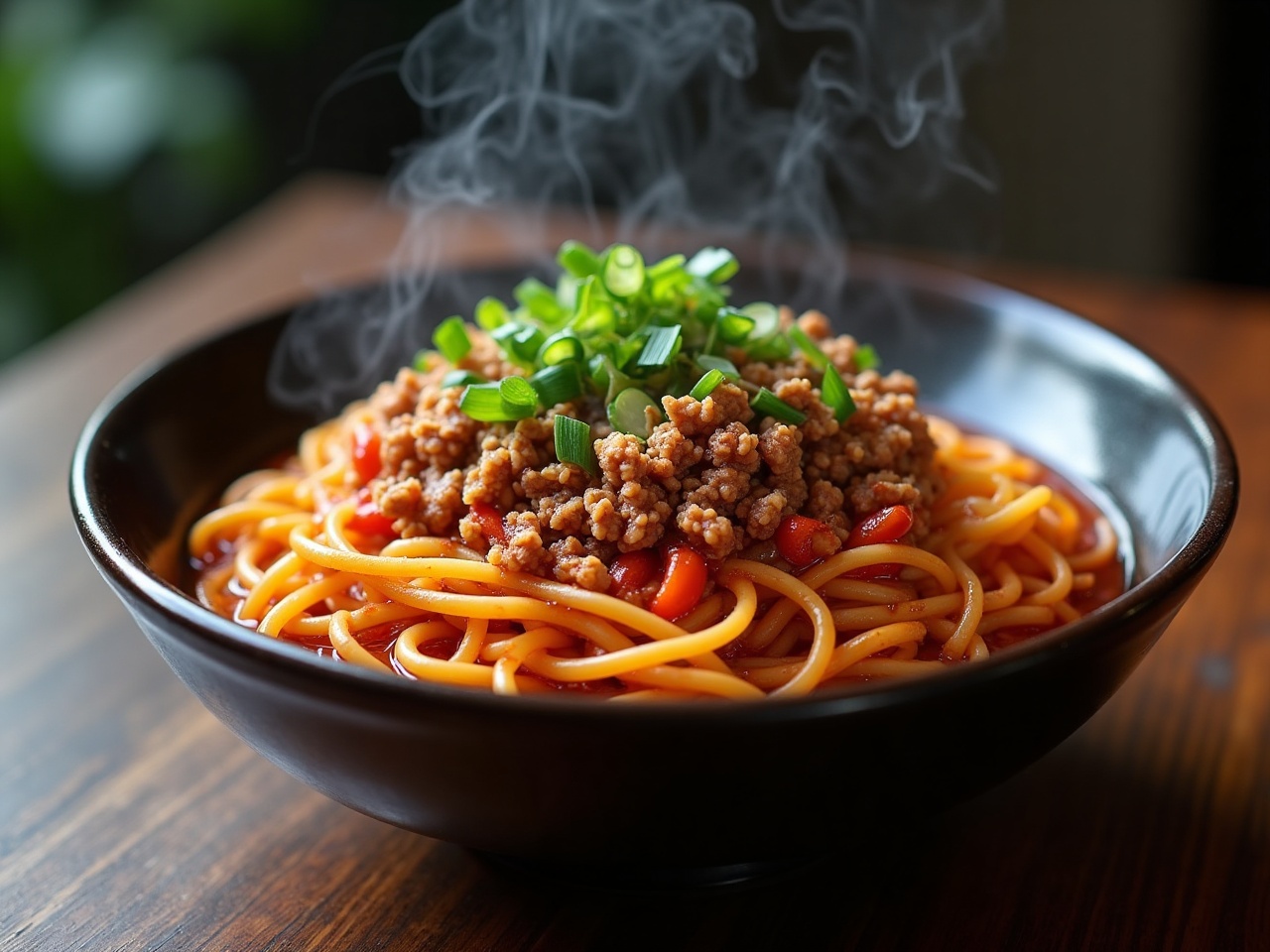
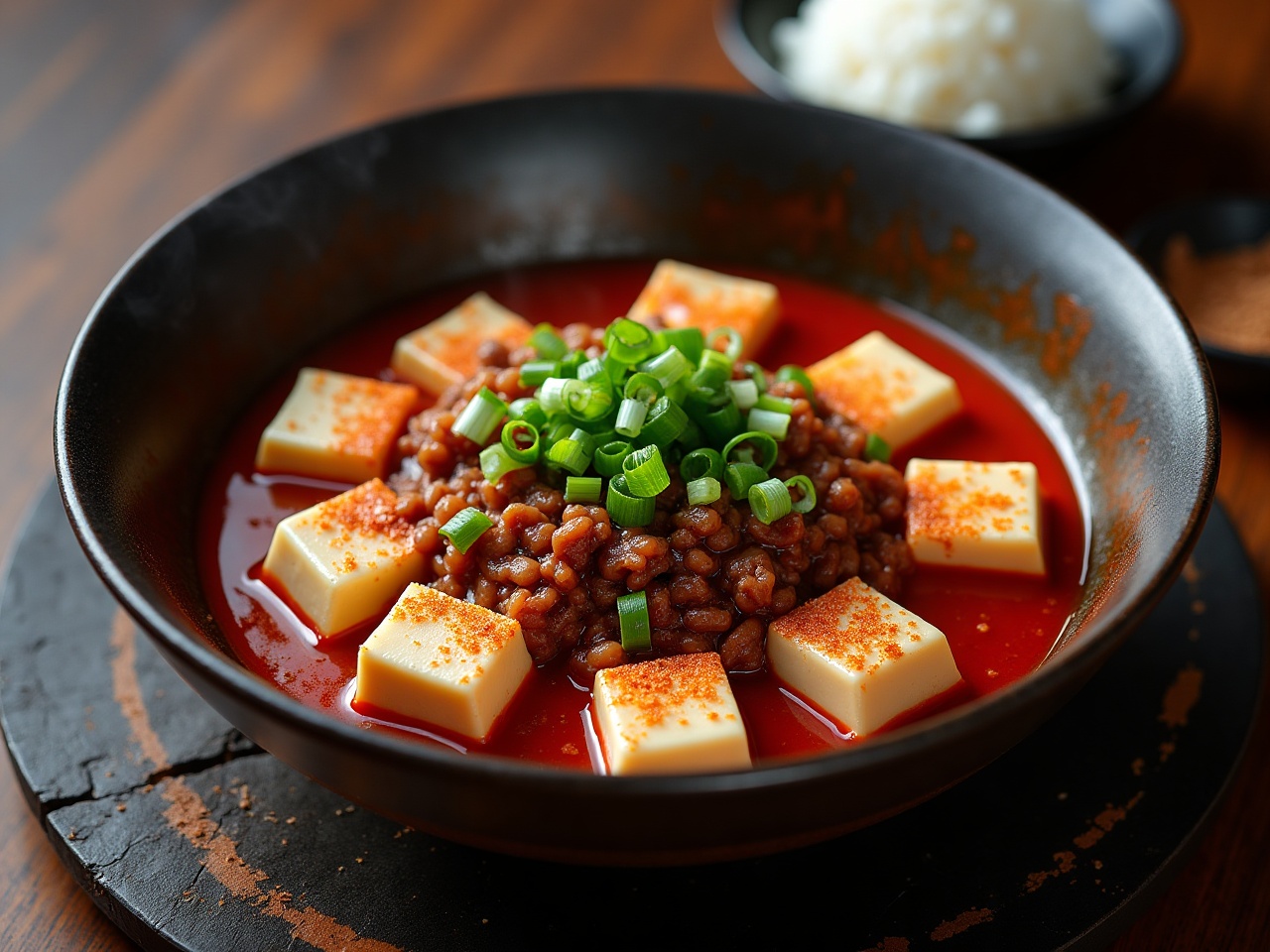
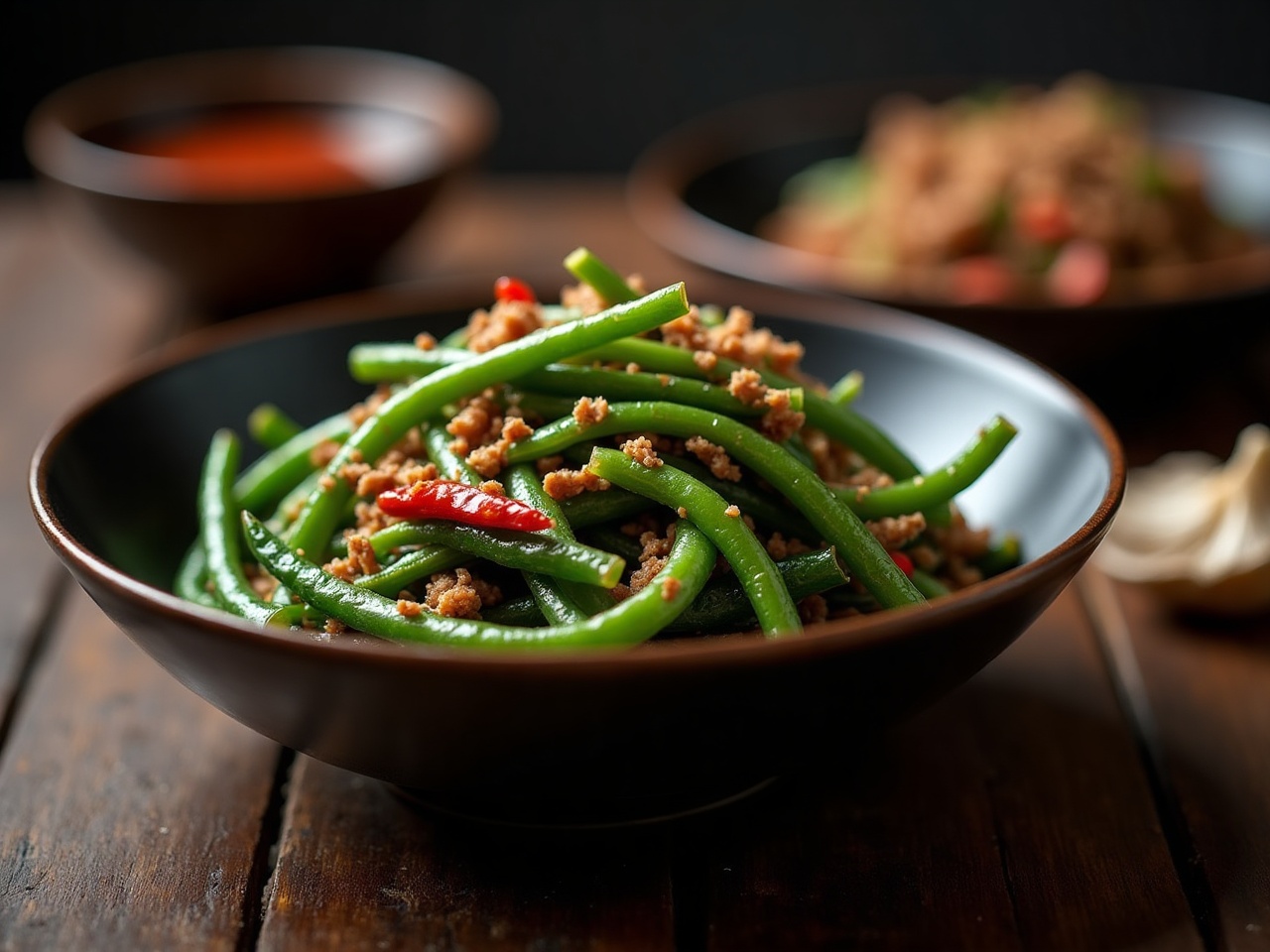
Ya cai (芽菜) — and the finely chopped version, sui mi ya cai — is a Sichuan preserved mustard green: salty, savory, slightly sweet and a little sour, with a deep fermented umami that defines the topping on dan dan noodles and adds a savory hit to dry-fried green beans and mapo tofu. There's no exact substitute, but the closest are other Chinese preserved mustards: zha cai (preserved mustard stem) or Tianjin preserved vegetable, finely chopped, both of which bring a similar salty-fermented savoriness. Any Chinese pickled mustard green, minced, will do in a pinch; rinse it if it's very salty and sauté briefly to wake up the flavor. Further afield, finely chopped capers or preserved lemon can mimic the salty-sour note, but they're noticeably less authentic. The fermented-pickle depth is the whole point, so a real Chinese preserved vegetable is far better.
No ya cai (preserved mustard greens)? Build the best swap
AITell us what you're making and what you have — get a tailored substitute with ratios.
Every ya cai (preserved mustard greens) substitute, ranked
| Substitute | Ratio | Match |
|---|---|---|
| Zha cai (preserved mustard stem) Dan dan noodles · vegan · gluten-free | 1:1, chopped fine | 80% |
| Tianjin preserved vegetable Toppings, stir-fries · vegan · gluten-free | 1:1, chopped | 75% |
| Any Chinese pickled mustard greens A pinch · vegan · gluten-free | 1:1, minced | 70% |
| Capers or preserved lemon (minced) Last resort · vegan · gluten-free | Use sparingly | 45% |
- Zha cai (preserved mustard stem): A close cousin — salty, crunchy, fermented Sichuan mustard. Rinse if very salty and mince finely. The best easy swap.
- Tianjin preserved vegetable: Another preserved Chinese mustard (from Tianjin), salty and savory. Slightly different but very usable.
- Any Chinese pickled mustard greens: Finely chop and, if needed, sauté briefly to concentrate the flavor. Rinse very salty kinds first.
- Capers or preserved lemon (minced): Mimics the salty-sour hit but not the fermented-mustard depth. Use a small amount; least authentic.
What is Ya Cai (Preserved Mustard Greens)?
Ya cai is a Sichuan specialty made by salting and fermenting the tender stems and leaves of mustard greens until dark, savory and complex. The finely minced “sui mi ya cai” (from Yibin) is the traditional, irreplaceable garnish that gives dan dan noodles their savory backbone. It's sold in vacuum packs and keeps a long time; a little adds big umami.
Flavor: Salty, savory and fermented, with a gentle sweet-sour edge and soft-crunchy texture.
Ya cai vs zha cai
Both are fermented Sichuan mustard preserves and are easily swapped. Ya cai is made from the tender stems and leaves of mustard greens, often sold finely minced (sui mi ya cai) and a touch sweeter; zha cai is made from the knobby, swollen mustard stem and is crunchier and more pungent, usually sold in chunks or slices. For dan dan noodles, finely chopped zha cai is the closest substitute when you can't find ya cai.
What is sui mi ya cai (the dan dan noodle topping)?
Sui mi ya cai (碎米芽菜) is ya cai that's been finely chopped into rice-grain-sized bits — “sui mi” means “crushed rice.” It's the classic topping browned with the pork in authentic dan dan noodles, where it adds a salty, fermented, savory crunch that's central to the dish. The Yibin region is famous for it. It's worth seeking out, but other minced Chinese preserved mustards stand in.
Where to buy ya cai (preserved mustard greens)
Stock real ya cai (preserved mustard greens)
Look for vacuum packs labeled “Yibin sui mi ya cai” or “preserved mustard green” (brands like Yibin) in Asian markets, Weee!, Yamibuy or Amazon. It's inexpensive and keeps for months. Zha cai and Tianjin preserved vegetable are in the same section and make good backups.
Ya Cai (Preserved Mustard Greens) FAQ
What can I use instead of ya cai in dan dan noodles?
The closest substitute is zha cai (preserved mustard stem) or Tianjin preserved vegetable, finely chopped — both are fermented Chinese mustards with a similar salty, savory depth. Any Chinese pickled mustard green, minced, will work in a pinch; rinse it if very salty and sauté it briefly with the pork to concentrate the flavor.
What is the difference between ya cai and zha cai?
Ya cai is made from the tender stems and leaves of mustard greens (the minced version, sui mi ya cai, tops dan dan noodles) and is slightly sweeter; zha cai is made from the knobby swollen mustard stem and is crunchier and more pungent. They're closely related and substitute well for each other, especially when chopped fine.
Is ya cai necessary for dan dan noodles?
It's traditional and adds a distinctive salty, fermented savoriness, but you can make a good bowl without it — substitute another minced Chinese preserved mustard, or simply lean on the other big flavors (chili oil, sesame paste, Sichuan peppercorn). For the most authentic result, though, ya cai or a close preserved-mustard swap is worth including.
Do I need to rinse ya cai before using it?
It depends on the brand. Many sui mi ya cai packs are ready to use straight from the bag, but some are quite salty — taste a little, and if it's intense, give it a quick rinse and squeeze dry. Then sauté it briefly with the meat to deepen its flavor before it goes into the dish.
How do you store ya cai?
Unopened, it keeps for many months in the pantry. Once opened, transfer it to an airtight container and refrigerate; it lasts for weeks to months because it's a preserved, fermented vegetable. Use a clean, dry spoon to avoid introducing moisture.
Recipes that use ya cai (preserved mustard greens)
Get our free Chinese Kitchen Starter Guide
The 12 pantry staples, the 5 techniques, and a week of beginner-friendly dinners — plus a new decoded recipe each week.