Black Bean Sauce Substitutes
豆豉酱 · black bean garlic sauce
By The Chowmi Test Kitchen · Updated October 9, 2026
This post may contain affiliate links. Read our affiliate disclosure.
The best substitute for jarred Chinese black bean sauce is to make your own, because the sauce is essentially fermented black beans (douchi) mashed with garlic, a little soy and oil — combine those and you have the real thing in two minutes. If you don't have fermented black beans either, the closest pantry stand-ins are hoisin sauce thinned with a little soy and fresh garlic (sweeter, but savory and dark), or red miso mixed with soy and garlic (for the salty, fermented umami, vegan-friendly). What you should not use is Korean black bean paste (chunjang), which is sweeter and made differently, or canned black beans, an entirely different (unfermented) ingredient that tastes nothing alike. The defining flavor of black bean sauce is the salty, funky, deeply savory fermented soybean — so any good substitute needs a fermented, umami-rich element at its core.
No black bean sauce? Build the best swap
AITell us what you're making and what you have — get a tailored substitute with ratios.
Every black bean sauce substitute, ranked
| Substitute | Ratio | Match |
|---|---|---|
| Fermented black beans + garlic + oil The real thing · vegan | 1 tbsp mashed beans + 1 clove garlic + 1 tsp oil ≈ 1 tbsp sauce | 95% |
| Hoisin + soy + garlic Pantry pinch · vegan | 2 part hoisin : 1 part soy + fresh garlic | 60% |
| Red miso + soy + garlic Umami stand-in (vegan) · vegan | 1 part miso : 1 part soy + garlic | 58% |
| Doubanjiang (chili bean paste) When you want heat as well · vegan | Half as much, then taste | 50% |
- Fermented black beans + garlic + oil: Rinse and mash fermented black beans (douchi) with minced garlic, a little oil and soy. This IS black bean sauce — the closest possible swap.
- Hoisin + soy + garlic: Sweeter and smoother than black bean sauce, but dark, savory and garlicky. Cut other sugar in the dish.
- Red miso + soy + garlic: Captures the salty, fermented depth without the exact black-bean funk. Thin to a sauce with a little water.
- Doubanjiang (chili bean paste): A different bean — broad, not black — and properly spicy, so it redirects the dish toward Sichuan rather than replacing a Cantonese sauce. It does bring the same salty, fermented backbone. Skip any other chili in the recipe.
What is Black Bean Sauce?
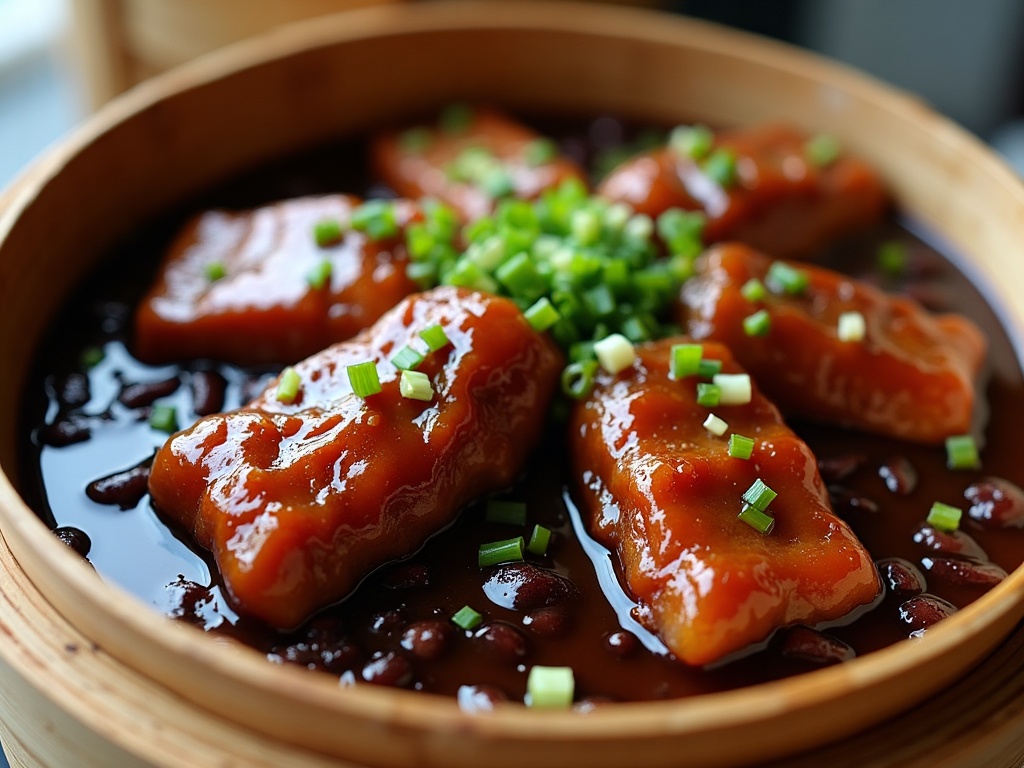
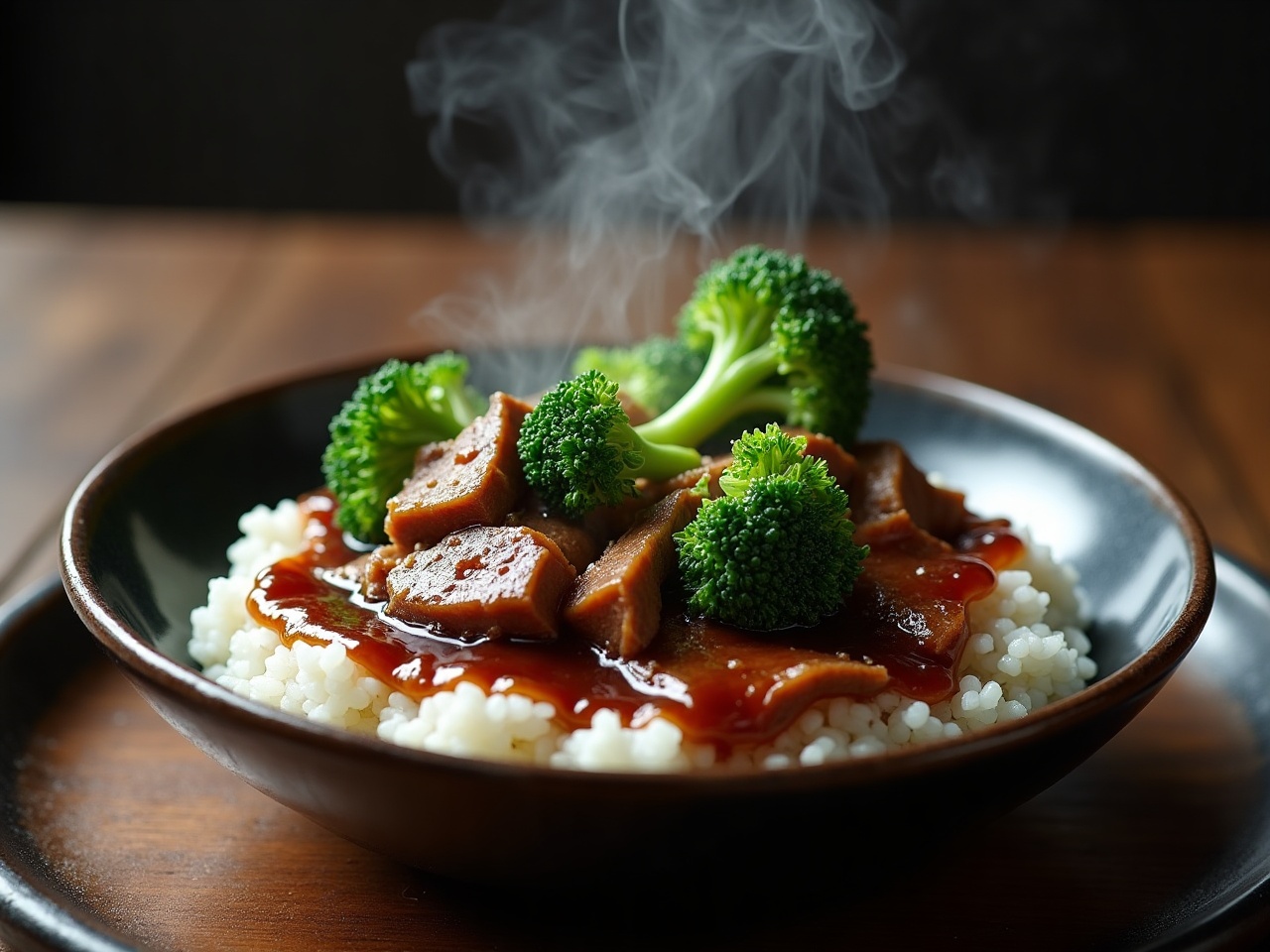
Black bean sauce (more precisely black bean garlic sauce) is a savory, salty, umami-packed Chinese condiment made from fermented black soybeans (douchi), garlic, oil and seasonings — the jarred convenience version of the classic “black bean and garlic” flavor base. It's the foundation of dishes like steamed spare ribs, black bean beef and clams in black bean sauce. It's closely related to dry fermented black beans (douchi): the sauce is basically those beans, pre-mashed with aromatics.
Flavor: Salty, garlicky and intensely savory, with a funky fermented depth.
Black bean sauce vs fermented black beans (douchi)
They're the same flavor in two forms. Fermented black beans (douchi) are the whole, dried, salted beans you rinse and mash yourself; black bean sauce is those beans already mashed with garlic, oil and seasoning into a convenient jar. If a recipe calls for the sauce and you have the beans, just mash about a tablespoon of rinsed beans with a clove of garlic. See our fermented black beans guide for the full swap list in the other direction.
Black bean sauce vs hoisin sauce
Both are dark and savory, but they're not the same. Black bean sauce is salty, funky and garlicky, built on fermented soybeans; hoisin is sweet, thick and fruity, built on soybean paste plus sugar and spices. Hoisin can stand in for black bean sauce in a pinch if you add garlic and cut the sweetness, but it will read noticeably sweeter.
Chinese black bean sauce vs Korean black bean paste (chunjang)
These share a name in English and very little else. The Chinese sauce is salty and garlicky, built on fermented black soybeans. Korean chunjang — the paste behind jajangmyeon — is made from wheat flour and soybeans caramelized with plenty of sugar, so it's thick, dark and distinctly sweet, closer in spirit to a sweet bean sauce than to anything Cantonese. Swapping one for the other doesn't read as a mistake so much as a different dish: chunjang in a Chinese stir-fry gives you a sweet, muddy sauce with none of the garlic bite. If the recipe is Cantonese, you want the salty kind.
Where to buy black bean sauce
Stock real black bean sauce
Lee Kum Kee black bean garlic sauce is the standard and is in many supermarkets' international aisle, plus every Asian market, Weee!, Yamibuy and Amazon. Outside the US it's just as easy: Tesco and Sainsbury's stock it in the UK, Woolworths and Coles in Australia, usually right beside the oyster sauce. The dry fermented black beans (douchi) used to make it from scratch are harder to find in a mainstream supermarket — Chinese groceries keep them in the dried-goods aisle, often in a yellow cardboard cylinder or a vacuum pack.
Black Bean Sauce FAQ
What can I use instead of black bean sauce?
The best option is to make it: mash rinsed fermented black beans (douchi) with minced garlic and a little oil and soy — that's essentially what jarred black bean sauce is. Without the beans, hoisin thinned with soy and fresh garlic, or red miso with soy and garlic, are the closest pantry stand-ins.
What is in black bean sauce?
Four things do the work: fermented black soybeans (douchi), garlic, oil and soy sauce. Commercial jars add sugar, rice wine, sometimes ginger, chili or a little thickener, but the flavor is carried entirely by the fermented beans and the garlic. That's exactly why the sauce is so easy to improvise — rinse a tablespoon of douchi, mash it with a clove of garlic and a little oil and soy, and you've made it.
What's the difference between black bean sauce and black bean garlic sauce?
Nothing you need to worry about. Garlic is already in virtually every Chinese black bean sauce, and "black bean garlic sauce" is mostly a label — it's what Lee Kum Kee calls its standard jar. If a recipe asks for one and your jar says the other, use it straight. The only time to care is if you find a plain douchi paste with no garlic on the label, in which case mince in a clove yourself.
Is black bean sauce the same as fermented black beans?
Almost — same flavor, different form. Fermented black beans (douchi) are the whole salted beans; black bean sauce is those beans pre-mashed with garlic, oil and seasonings. You can make the sauce from the beans in a couple of minutes, which is why they substitute easily for each other.
What can I use instead of fermented black beans (douchi)?
A spoonful of jarred black bean sauce is the easiest swap, because it is those beans already mashed with garlic — use about a tablespoon of sauce per tablespoon of beans, and ease off the dish's other salt and garlic. Failing that, red miso brings the same salty, fermented depth without the black-bean funk. Our fermented black beans page goes through the full list.
Can I use doubanjiang instead of black bean sauce?
You can, as long as you're happy for the dish to be spicy. Doubanjiang is a fermented broad-bean chili paste from Sichuan, so it delivers the salty, fermented backbone but brings real heat and a different bean's character. Use about half as much, skip any other chili in the recipe, and expect a Sichuan-leaning result rather than a Cantonese one.
Can I use canned black beans instead?
No. Canned or dried black beans (the Latin American kind) are unfermented and taste completely different — mild and starchy, with none of the salty, funky umami that defines Chinese black bean sauce. They are not a substitute; you need fermented black soybeans (douchi) or a jar of the sauce.
What's the difference between black bean sauce and black bean paste?
Chinese black bean (garlic) sauce is salty and savory, made from fermented black soybeans. Korean black bean paste (chunjang, used in jajangmyeon) is darker, sweeter and made differently — it's not a good substitute. When a Chinese recipe says black bean sauce, it means the salty, garlicky Chinese kind.
Where can I buy black bean sauce outside the US?
Lee Kum Kee's jar travels well: in the UK it's in Tesco, Sainsbury's and every Chinese grocery; in Australia, Woolworths and Coles shelve it beside the oyster sauce. The dry fermented beans are the harder find — mainstream supermarkets rarely carry them, so plan on an Asian grocery or an online order for those.
Is black bean sauce gluten-free?
Usually not — most jarred black bean sauces contain soy sauce or wheat. If you need gluten-free, make your own from fermented black beans (check they're gluten-free), garlic, oil and a gluten-free tamari.
Recipes that use black bean sauce
Get our free Chinese Kitchen Starter Guide
The 12 pantry staples, the 5 techniques, and a week of beginner-friendly dinners — plus a new decoded recipe each week.