What Is Chop Suey? America's First Chinese Dish
By The Chowmi Test Kitchen · Updated October 16, 2026
Chop suey is a stir-fry of meat and quick-cooked vegetables — classically bean sprouts, celery, and onion — bound in a light, savory gravy and served over steamed rice. The name comes from the Cantonese tsap seui (杂碎), meaning 'assorted pieces,' which describes the dish honestly: a flexible mix of whatever protein and vegetables are on hand. It's a Chinese-American creation, developed by Cantonese immigrant cooks in 19th-century America and rooted in the home-style mixed stir-fries of Taishan, the region most early immigrants came from. For decades it was the most famous 'Chinese' dish in the US before fading from menus. The difference from chow mein is simple: chop suey is served over rice with a saucier gravy, while chow mein is built on stir-fried noodles. The formula — protein plus crisp vegetables plus light gravy — is still one of the most useful templates in weeknight cooking.
What chop suey actually is
Strip away the history and chop suey is a simple, flexible stir-fry: sliced chicken, pork, beef, or shrimp, tossed over high heat with crisp vegetables — bean sprouts, celery, and onion are the classic trio, with cabbage, mushrooms, water chestnuts, or bamboo shoots welcome — then bound in a light gravy of stock, soy sauce, and a cornstarch slurry, and served over steamed rice. It's defined by texture and looseness rather than a fixed recipe: the vegetables stay crisp, the gravy is glossy but thin, and the mix changes with whatever the kitchen has. That improvised, 'assorted' quality isn't a flaw — it's literally the name.
The name and the real history
Chop suey is the anglicized Cantonese tsap seui (杂碎), 'assorted pieces' or 'odds and ends.' A popular legend credits the dish to the 1896 US visit of Chinese statesman Li Hongzhang, whose chef supposedly invented it for American guests — a great story, but the dish appears in American accounts before that visit. The honest history is humbler and more interesting: Cantonese immigrants, most from the rural Taishan region, were cooking home-style mixed stir-fries in America from the Gold Rush era onward, and chop suey grew out of that cooking adapted to American ingredients and palates.
By the early 1900s 'chop suey houses' had made it the most famous Chinese dish in America — arguably the dish that introduced the country to Chinese food. Their menus were short and remarkably consistent: chop suey, chow mein, egg foo young, fried rice, and a soup or two. Read that list again and you're looking at the skeleton of the American-Chinese takeout menu that still exists today.
How to make chop suey at home
There's no single correct chop suey — that's the point — but there is a reliable ratio. This serves two or three over rice and takes about 20 minutes. Swap the protein and the vegetables freely; keep the sauce and the order of operations, because the order is what keeps the vegetables crisp.
- Slice 8 oz chicken breast, pork loin, flank steak or peeled shrimp thinly, and toss it with 1 tsp soy sauce, 1 tsp Shaoxing wine and 1 tsp cornstarch. Let it sit while you prep everything else.
- Stir the sauce together in a cup: ½ cup chicken stock, 1 tbsp soy sauce, 1 tbsp oyster sauce, ½ tsp sugar, ½ tsp toasted sesame oil and 2 tsp cornstarch.
- Cut about 4 cups of vegetables. Two celery stalks on the diagonal, one onion in wedges and a big handful of bean sprouts are the classic base; add sliced mushrooms, bok choy, cabbage, snow peas, water chestnuts or bamboo shoots as you like.
- Heat 1 tbsp oil in a wok or large skillet over high heat until it shimmers. Sear the protein in a single layer for 1–2 minutes, until just cooked, and scoop it out.
- Add another tbsp of oil with 2 sliced cloves of garlic and a few slices of ginger. Stir-fry the onion and celery for 2 minutes — they should stay crisp — then add the bean sprouts and any other quick-cooking vegetables for 30 seconds more.
- Return the protein, stir the sauce again (the starch settles to the bottom), pour it in and toss for about a minute until it turns glossy and coats everything. Serve straight away over steamed rice.
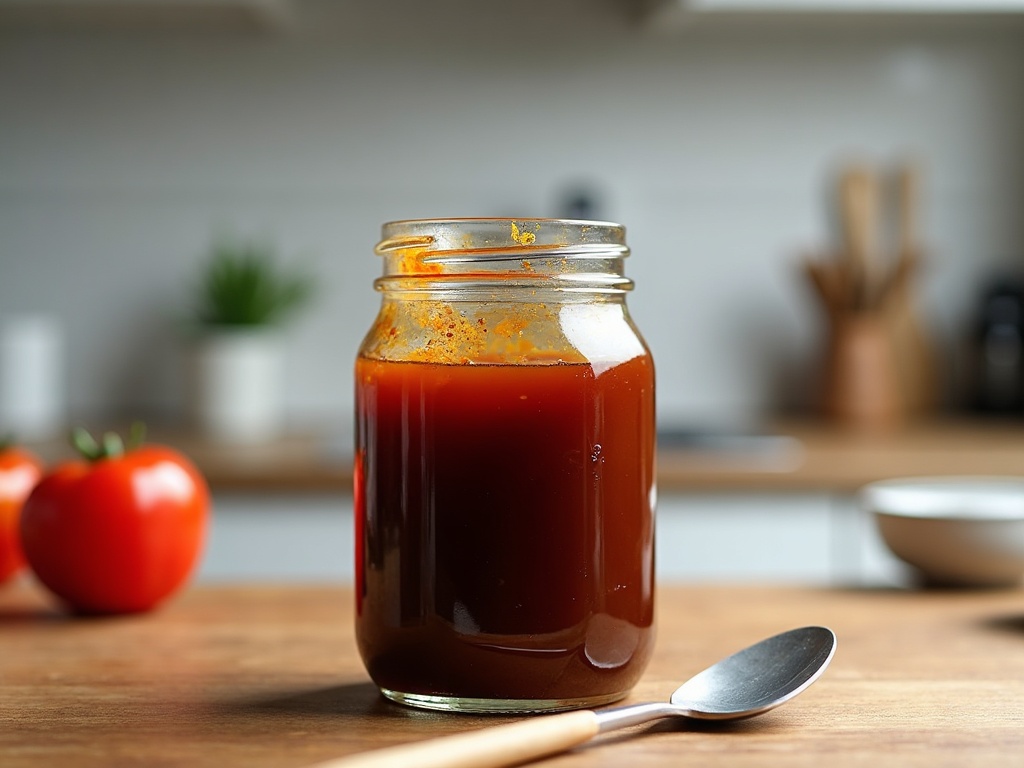
- All-purpose stir-fry sauce — thin it with extra stock for a chop-suey-style gravy
- Chinese stir-fry basics — the technique that makes any chop suey work
Chop suey vs chow mein
The two are siblings from the same stir-fry family, and the difference is the base. Chop suey is served over steamed rice, with a saucier, gravy-forward finish that soaks into the rice. Chow mein is built on noodles — stir-fried or pan-fried until springy or crisp — with a lighter coating of sauce so the noodles keep their texture. Same wok, same vegetables, often the same protein; the starch underneath (and how much gravy rides on top) is what decides the name. If it's spooned over rice with gravy, it's chop suey; if the noodles are the dish, it's chow mein.
Why it faded — and its closest cousins today
Chop suey ruled American menus for half a century, then slid out of fashion as diners chased newer regional dishes — General Tso's chicken, Sichuan and Hunan cooking — and the dish's reputation suffered from too many bland, gloopy versions. The underlying formula never went anywhere, though: a quick-seared protein, crisp vegetables and a light savory gravy over rice is exactly what the modern takeout staples below are built on.
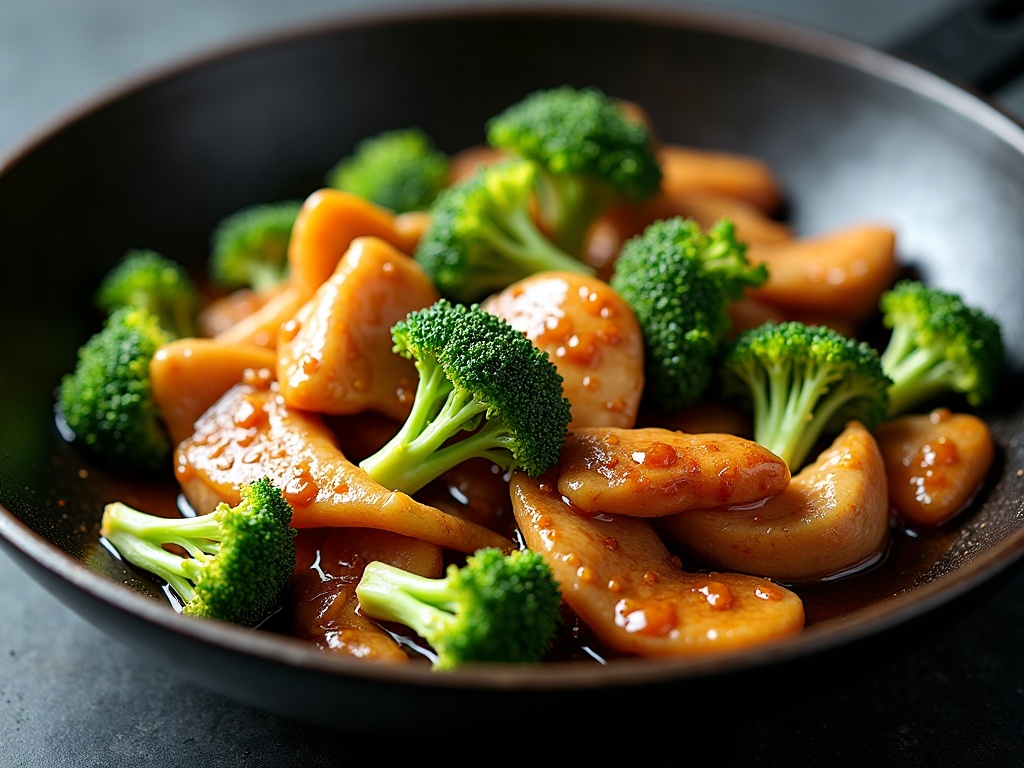
- Chicken and broccoli — the same light-gravy formula, takeout's modern heir
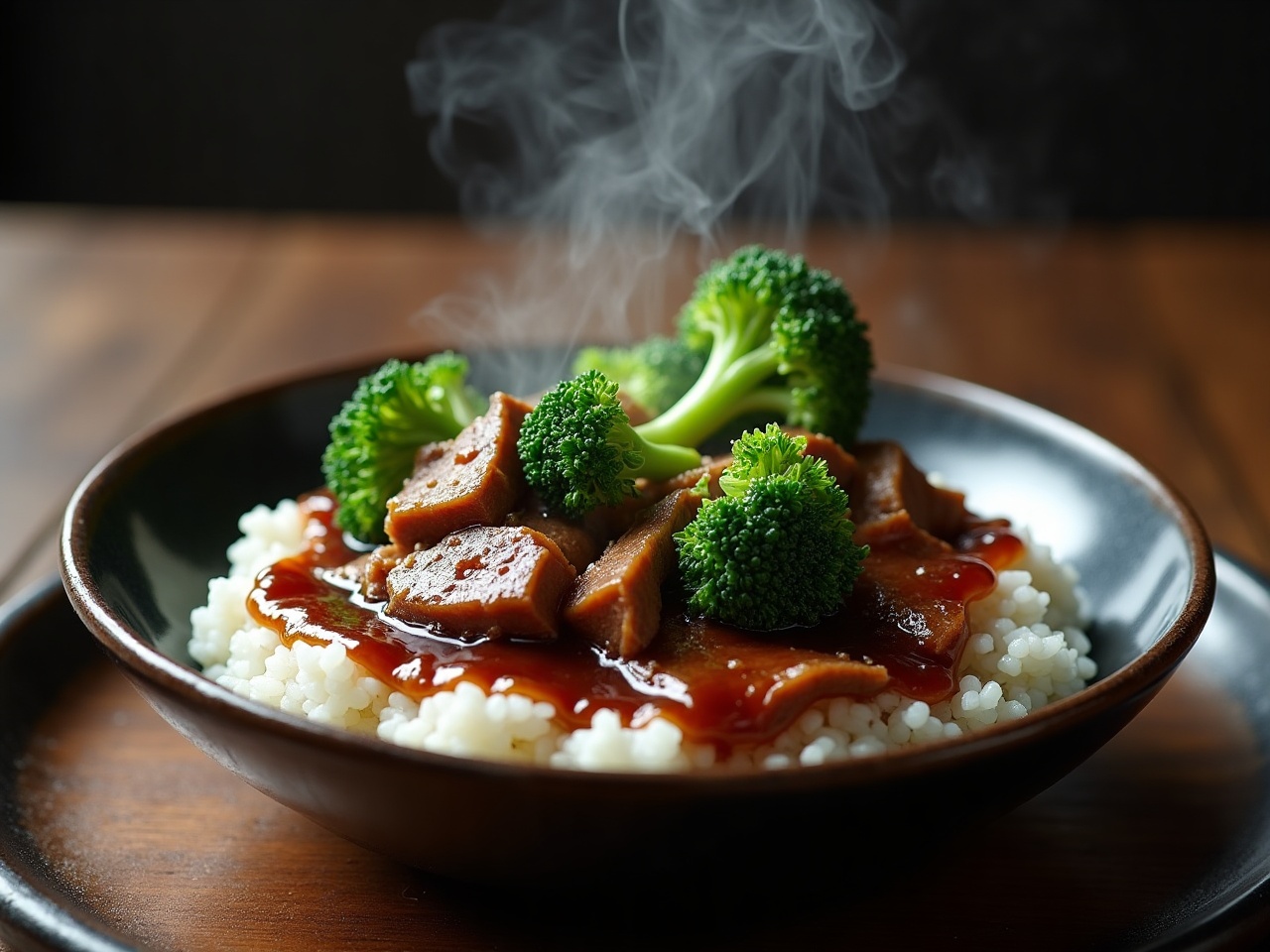
- Beef and broccoli
- Lo mein vs chow mein — the noodle side of the family, explained
What Is Chop Suey? America's First Chinese Dish FAQ
What is chop suey made of?
A protein (chicken, pork, beef, or shrimp) stir-fried with crisp vegetables — classically bean sprouts, celery, and onion, plus whatever else is on hand — bound in a light gravy of stock, soy sauce, and cornstarch, and served over steamed rice. The mix is intentionally flexible; the name literally means 'assorted pieces.'
What vegetables go in chop suey?
Bean sprouts, celery and onion are the classic trio. Beyond those, anything that stays crisp after a couple of minutes over high heat works: bok choy, napa cabbage, mushrooms, snow peas, water chestnuts, bamboo shoots, sliced carrot. Avoid vegetables that turn soft or watery when cooked fast, and cut everything to a similar size so it all finishes at once.
What does chop suey mean?
It's the anglicized Cantonese tsap seui (杂碎), meaning 'assorted pieces' or 'odds and ends' — an honest description of a dish built from a flexible mix of meat and vegetables. The name reflects its improvised, use-what-you-have character rather than any fixed recipe.
Is chop suey authentic Chinese food?
It's authentically Chinese-American. The dish as Americans know it was developed by Cantonese immigrant cooks in 19th-century America, rooted in the home-style mixed stir-fries of Taishan, adapted to local ingredients. It isn't a dish you'd traditionally find in China, but it's a genuine product of Chinese cooks and Chinese technique — and a foundational piece of American food history.
What's the difference between chop suey and chow mein?
The base. Chop suey is served over steamed rice with a saucier gravy; chow mein is built on stir-fried noodles with a lighter coating of sauce. The protein and vegetables are often identical — whether the starch is rice or noodles is what decides the name.
What is American chop suey?
Something else entirely. In New England, "American chop suey" is a home-style dish of elbow macaroni, ground beef and tomato sauce — closer to goulash than to anything Chinese. It borrowed the name when chop suey was so famous that the phrase had come to mean any hearty, mixed-up skillet dinner. If a recipe calls for macaroni, it's that one.
What did old chop suey houses serve?
A short and remarkably consistent menu: chop suey, chow mein, egg foo young, fried rice, and soups like wonton or egg drop. Those few dishes are the foundation of the American-Chinese takeout menu that's still around today — the regional dishes came decades later.
Why is "chop suey" also a slang word and a song?
Because the dish was so famous, its name drifted into everyday English to mean a jumble or a hodgepodge — the same 'assorted pieces' idea as the original Cantonese. That's also why it turns up far from the kitchen, most famously as the title of System of a Down's 2001 song "Chop Suey!" If your search results look confused, that's why.
Can I make chop suey without bean sprouts?
Yes. The sprouts are traditional but not essential — what defines the dish is crisp vegetables in a light gravy. Thinly shredded napa cabbage gives the closest crunch, and extra celery or sliced water chestnuts work too. Add them at the same point you'd add the sprouts, right at the end, so they stay crisp.
Is chop suey healthy?
Generally yes, by takeout standards — it's a non-battered stir-fry full of crisp vegetables with a light gravy, not a deep-fried dish in sweet sauce. Made at home with modest oil, lean protein, and a restrained hand on the cornstarch, it's one of the lighter ways to eat Chinese-American food. The rice portion is the main calorie lever.
Recipes to try this with
Get our free Chinese Kitchen Starter Guide
The 12 pantry staples, the 5 techniques, and a week of beginner-friendly dinners — plus a new decoded recipe each week.