What Is Dim Sum? A Beginner's Guide
By The Chowmi Test Kitchen · Updated October 16, 2026
Dim sum is a Cantonese tradition of small, shareable dishes served with tea, usually enjoyed for brunch. The phrase loosely means "touch the heart," and the meal of eating it is called yum cha — "drinking tea." It originated in the teahouses of southern China and Hong Kong, where travelers and workers stopped to rest, sip tea, and snack. A dim sum spread is made up of dozens of bite-size items: steamed dumplings like har gow (shrimp) and siu mai (pork), fluffy char siu bao (barbecue pork buns), rice-noodle rolls, spring rolls, lotus-leaf rice, and sweets like egg tarts. Dishes arrive in small steamer baskets or on little plates, traditionally wheeled around on carts so you pick what looks good, and the bill is tallied by the empty dishes on your table. It's meant to be social, leisurely, and shared by the whole table.
What 'dim sum' actually means
Dim sum (點心) is Cantonese for a category of small dishes — the name is often translated as "touch the heart," suggesting a little something to delight you rather than a full meal. The act of going out for dim sum is called yum cha, literally "drink tea," because tea is central to the experience: it's poured constantly, cleanses the palate between rich bites, and the whole tradition grew out of teahouses. So dim sum is the food; yum cha is the meal and the ritual around it.
How it's different from an ordinary Chinese meal
Order dinner at a Chinese restaurant and you get a few large plates — a meat, a vegetable, maybe a soup — with a bowl of rice each. Dim sum runs the other way round. Everything is small, most baskets hold three or four pieces, and you order many at once, the way you'd order tapas, so the table ends up crowded with a dozen little dishes instead of three big ones. There's usually no plain rice on the table at all: the buns, dumplings, rice rolls and sticky rice are the starch.
The ordering is different too. Old-school halls push steaming carts between the tables and stamp a card on yours each time you take something; most places now hand you a paper sheet listing every item, and you tick boxes and hand it back. Prices come in tiers — small, medium, large, special — rather than one price per dish, which is why the bill is worked out by counting stamps or stacked steamers rather than reading down a list of entrées.
The classic dishes to know
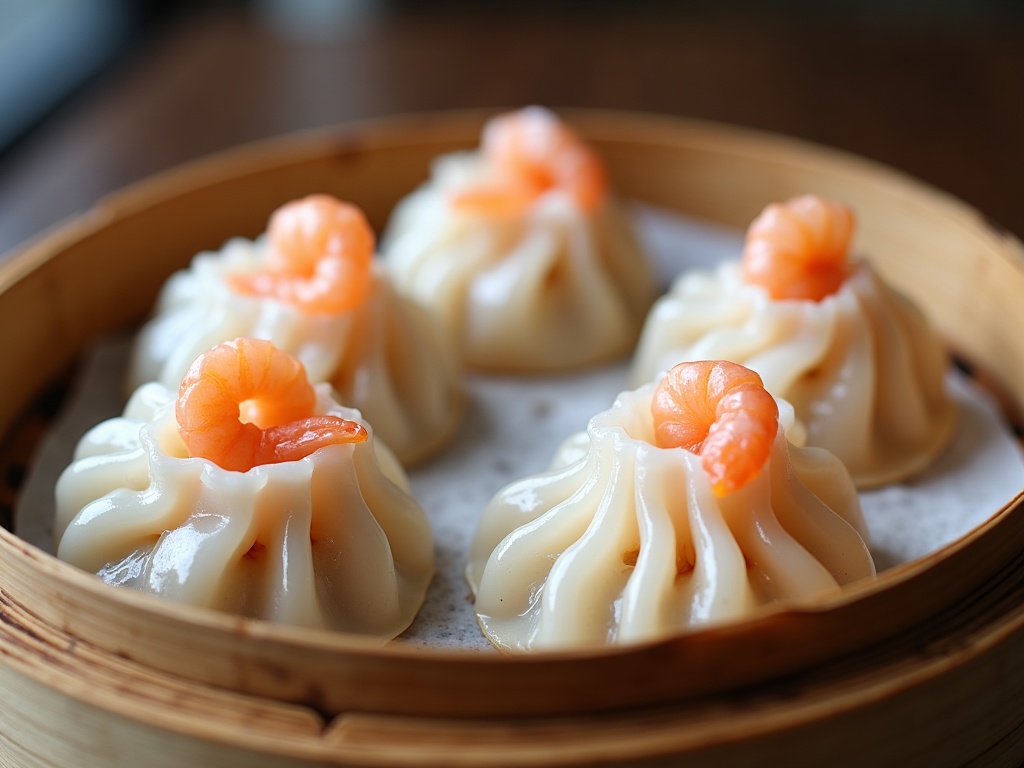
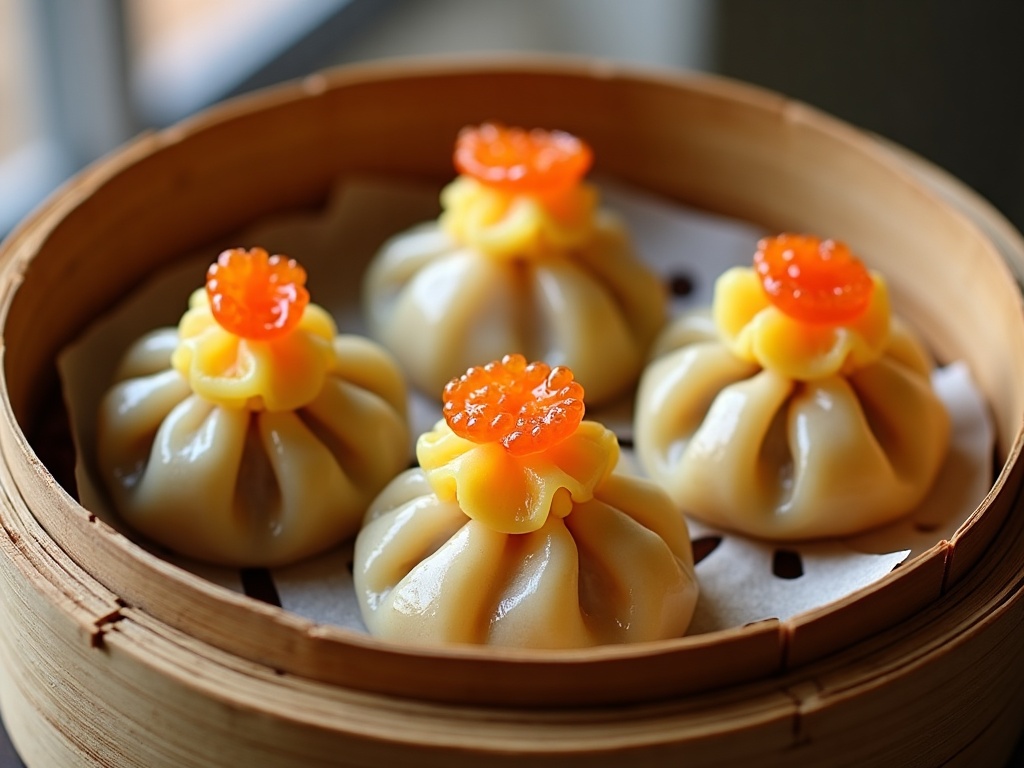
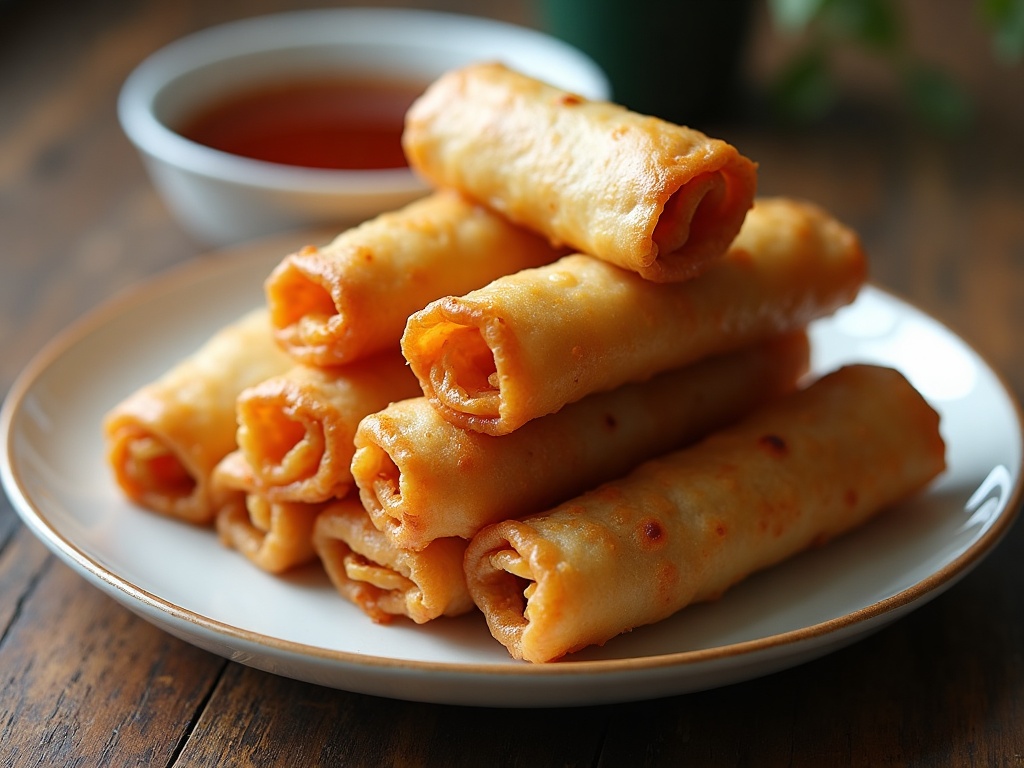
A dim sum menu can run to a hundred items, but a handful are essential. Har gow are translucent steamed shrimp dumplings with a pleated wrapper. Siu mai are open-topped pork-and-shrimp dumplings. Char siu bao are pillowy steamed (or baked) buns filled with sweet barbecue pork. Pai gwat — small pieces of spare rib steamed with fermented black beans and garlic — are on almost every table. You'll also find cheung fun (silky rice-noodle rolls), lo mai gai (sticky rice steamed in a lotus leaf), turnip cake, chicken feet for the adventurous, spring rolls, and sweets like egg tarts and mango pudding. Most are steamed, some fried, all designed to be shared.
How a dim sum meal works
Dim sum is brunch food — typically served from mid-morning to early afternoon, and busiest on weekend mornings, when families go together and the wait for a table is part of the ritual. Dishes come in small portions meant for sharing, so a table orders broadly and everyone tries a bit of everything.
Tea runs through the whole meal, and it carries two small customs worth knowing. When someone tops up your cup, tap two fingers on the table as a wordless thank-you. And when the pot runs dry, don't wave anyone down: tip the lid open or rest it on the rim, and staff will bring hot water. At the end, the check is calculated from the stamped card or the empty baskets stacked at your table.
Dim sum vs dumplings, and making it at home
Dumplings are one part of dim sum, not the whole thing — dim sum is the entire category of small tea-time dishes, of which dumplings are the most famous members. You don't need a restaurant to enjoy it: a batch of dumplings, some steamed buns, and spring rolls make a lovely dim sum spread at home, and a bamboo steamer does most of the work. Start with the recipes and guides below.
What Is Dim Sum? A Beginner's Guide FAQ
What does dim sum mean?
Dim sum is Cantonese for a category of small, shareable dishes, often translated as "touch the heart" — little bites meant to delight rather than fill you up. Going out to eat it is called yum cha, meaning "drink tea," because tea is central to the meal. So dim sum refers to the food itself, served as part of the tea-focused yum cha tradition.
How is dim sum different from a regular Chinese restaurant meal?
Scale and rhythm. A regular meal is a few large shared plates eaten with rice; dim sum is many small dishes — usually three or four pieces each — ordered together and grazed on over tea, with the buns and dumplings standing in for rice. You order by ticking a sheet or taking dishes from passing carts, prices come in size tiers rather than per dish, and the meal is a daytime one, normally over by mid-afternoon.
Is dim sum bite-sized?
Mostly, but not one-bite. A har gow or siu mai is a generous mouthful or two, a char siu bao takes three or four bites, and dishes like steamed spare ribs or chicken feet come as a small plate you pick at with chopsticks. Each basket usually holds three or four pieces, sized so a table of two to four can each take one. Think small plates for sharing, not finger food you swallow whole.
How many dim sum dishes should I order?
A good rule of thumb is three to four dishes per person, then a second round if you're still hungry — it's easier to add than to waste. Two people usually do well with six to eight dishes; four people, twelve to fifteen. Balance the table: a couple of steamed dumplings, a bun, something fried, a rice roll or sticky rice for heft, a green vegetable, and one sweet thing to finish.
What tea do you drink with dim sum?
Whatever the table agrees on, but four are classic. Pu-erh is dark and earthy and cuts through fried and fatty dishes, which is why it's the default in many Hong Kong teahouses. Jasmine is light and floral. Tieguanyin, an oolong, is toasty and fragrant. And chrysanthemum is caffeine-free, often served with rock sugar on the side. Yum cha literally means "drink tea," so the tea isn't an afterthought — it's half the reason the meal exists.
What's the difference between dim sum and dumplings?
Dumplings are a type of dim sum, not a synonym for it. Dim sum is the whole category of small tea-time dishes — dumplings, buns, rolls, rice dishes, and sweets. Dumplings such as har gow and siu mai are among the most popular dim sum items, but a full dim sum spread includes much more than dumplings alone.
Is dim sum eaten for breakfast or lunch?
Both — dim sum is essentially a brunch tradition, typically served from mid-morning through early afternoon. It's a leisurely, social meal often enjoyed on weekends with family, bridging breakfast and lunch. Some restaurants serve it into the afternoon, but classic dim sum is a daytime, tea-time affair rather than a dinner.
Is dim sum Chinese, or is there Korean and Japanese dim sum?
Dim sum is specifically Cantonese — it comes from the teahouses of Guangzhou and Hong Kong, and the word itself is Cantonese. Other cuisines have their own dumplings, like Korean mandu and Japanese gyoza and shumai (the latter borrowed from Chinese siu mai), and plenty of restaurants serve them small-plate style. They're cousins rather than dim sum, though; on a Korean or Japanese menu, "dim sum" usually just means assorted dumplings.
Is it spelled dim sum, dimsum or dim sim?
Dim sum (點心) is the standard English spelling. "Dimsum" as one word is common across Southeast Asia, and you'll see "din sum" and other variants as people sound it out. "Dim sim" is a different thing: an Australian invention from Melbourne in the 1940s — a large, chunky dumpling, usually deep-fried or steamed and sold in fish-and-chip shops. It borrowed the name, but you won't find it at a yum cha table.
What should I order at dim sum?
Start with the classics: har gow (shrimp dumplings), siu mai (pork dumplings), and char siu bao (barbecue pork buns). Add spring rolls, cheung fun (rice-noodle rolls), and an egg tart for dessert. Order broadly and share everything — dim sum is meant to be a table full of small dishes that everyone tries together.
Can you make dim sum at home?
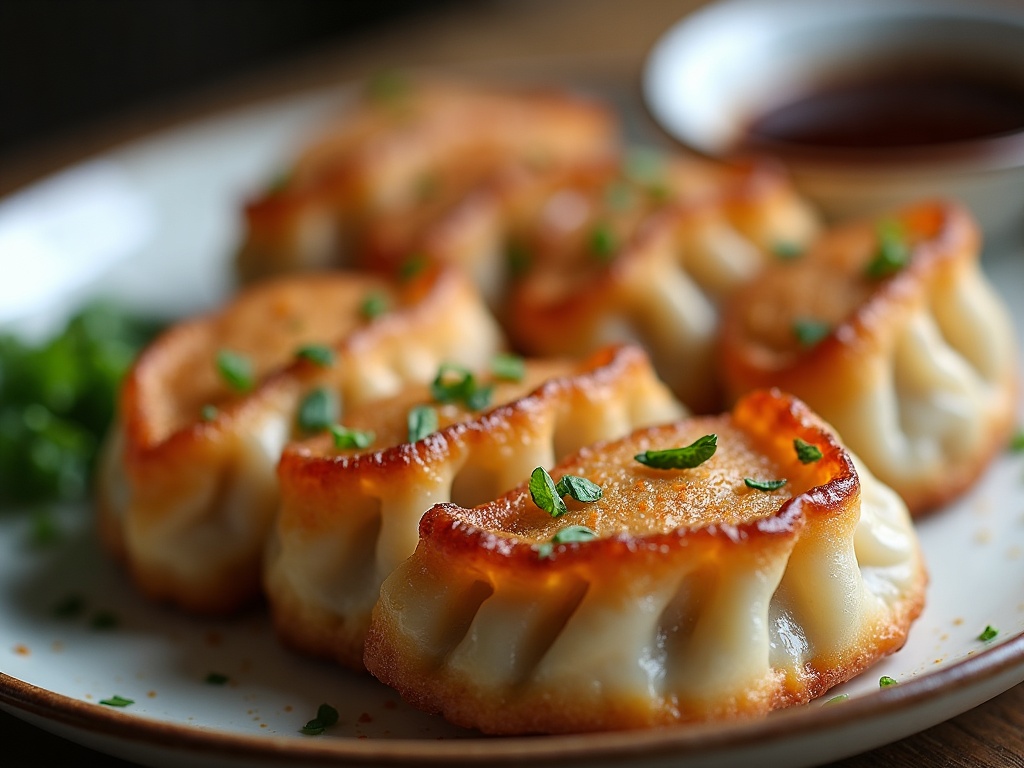
Yes. While the full restaurant variety is hard to replicate, many dim sum favorites are very doable at home — potstickers, spring rolls, wontons, and steamed buns especially. A bamboo steamer makes it easy, and you can build a satisfying dim sum spread from a few homemade items. See our dumpling-folding guide and recipes to get started.
Recipes to try this with
Get our free Chinese Kitchen Starter Guide
The 12 pantry staples, the 5 techniques, and a week of beginner-friendly dinners — plus a new decoded recipe each week.