Har Gow (Shrimp Dumplings)
This post may contain affiliate links. Read our affiliate disclosure.
🧪 Developed & tested by the The Chowmi Test Kitchen for US kitchens. How we develop our recipes.
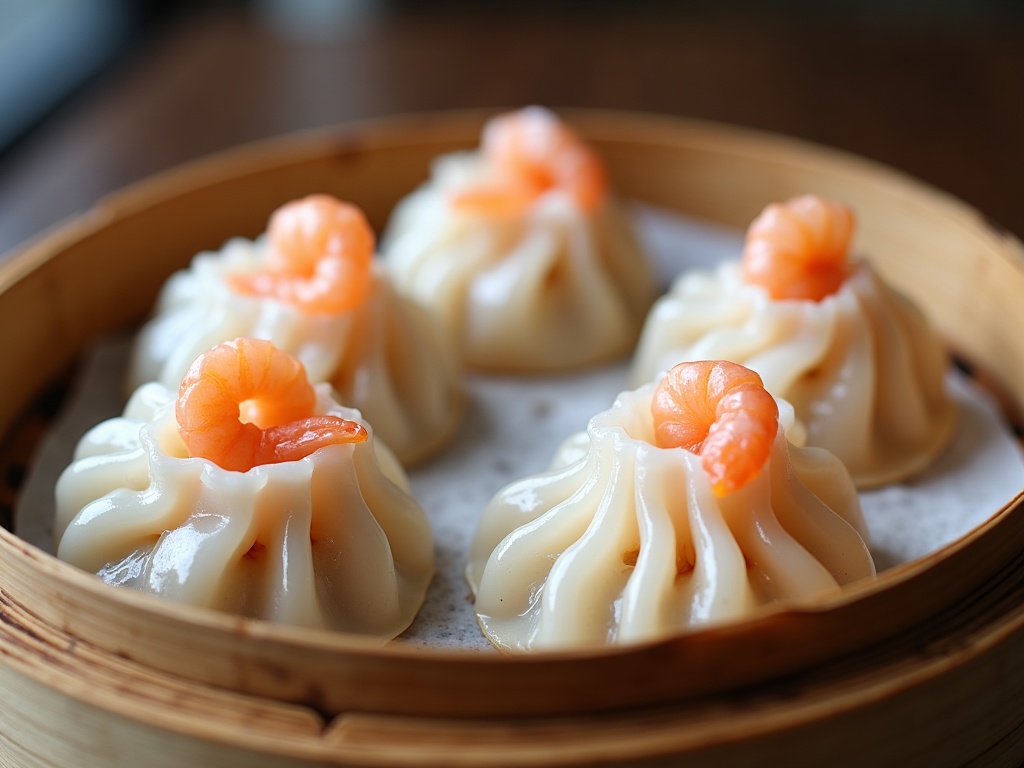
Har gow (蝦餃, hā gáu) are the iconic Cantonese dim sum shrimp dumplings: a translucent, slightly chewy 'crystal' wrapper pleated around a juicy, snappy shrimp filling, steamed until the skin turns glassy and you can see the pink shrimp inside. The wrapper is what makes them special and tricky — it's made from wheat starch and tapioca starch (not regular flour) mixed with boiling water, which cooks the starch into a stretchy, see-through dough. The filling is mostly shrimp, with a little bamboo shoot or water chestnut for crunch, bound with a touch of starch and seasoned simply with sesame oil, sugar, and white pepper. The keys are using boiling water for the dough, keeping it covered so it doesn't dry, rolling the wrappers thin, and steaming briefly (about 6–7 minutes) so the shrimp stays plump and the skin stays translucent. A classic har gow has at least seven pleats — but even a simple fold tastes just as good.
 Save to Pinterest
Why you'll love this har gow (shrimp dumplings)
- The dim sum benchmark — a glassy, chewy crystal skin around plump, snappy shrimp.
- Restaurant-quality har gow at home for a fraction of the cost.
- The wheat-starch wrapper is the fun challenge; we walk you through it.
- Naturally gluten-light filling — just shrimp, a little crunch, and clean seasoning.
Ingredients
Crystal wrapper
Shrimp filling
Missing an ingredient?
AITell us what you have and what you're making — get the best US-grocery swap, with ratios.
Hard-to-find ingredients, delivered
Stock the pantry once and you can cook this anytime: wheat starch, Shaoxing wine, white pepper. Asian groceries deliver nationwide.
Equipment
- Bamboo or metal steamer — Lined with parchment or cabbage so the dumplings don't stick.(shop →)
- Cleaver or flat scraper — The classic tool for flattening each wrapper.(shop →)
Instructions
Mix & chill the filling
Make the filling first so it can chill: mix the chopped and chunked shrimp with the bamboo shoots, sesame oil, Shaoxing wine, sugar, white pepper, cornstarch, and salt. Stir in one direction until tacky, then refrigerate 30 minutes.
💡 Leaving half the shrimp in chunks gives the signature snappy bite; chilling firms the filling so it's easy to pleat.
Make the crystal dough
Whisk the wheat starch, tapioca starch, and salt in a heatproof bowl. Pour in the boiling water all at once while stirring fast, then cover 1 minute. Add the oil and knead into a smooth, stretchy dough. Keep it covered — it dries quickly.
💡 The water must be boiling — it cooks the starch into the translucent, pliable dough. Lukewarm water won't work.
Shape the wrappers
Roll the dough into a log and cut into ~20 pieces. Oil your work surface and a cleaver's flat side. Press each piece into a thin round circle (or roll with a pin), about 3 inches across.
Fill & pleat
Place a spoon of filling in the center of a wrapper. Fold in half and pleat the front edge over toward the back, making small folds, then press the sealed edge firmly. Repeat, keeping finished dumplings covered.
Steam & serve
Line the steamer and arrange the dumplings apart so they don't touch. Steam over boiling water for 6–7 minutes, until the wrappers turn glassy and translucent and the shrimp is pink. Serve immediately.
💡 Don't oversteam — the skin can split and the shrimp toughens. As soon as the wrappers go see-through and the shrimp is just cooked, they're done.
Tips & notes
- Wheat starch (澄粉) is essential and different from wheat flour — it's what makes the wrapper translucent. Find it at any Asian grocery; there's no good pantry substitute.
- Work fast and keep both dough and wrappers covered with a damp cloth; the crystal dough dries and cracks within minutes.
- Half-chopped, half-chunked shrimp gives the best texture — paste-smooth har gow loses the snap.
- No cleaver? Roll the wrappers thin with a small rolling pin between oiled parchment.
- Don't have time for the wrapper? The same filling works in store-bought dumpling wrappers — not traditional, but delicious steamed or pan-fried.
Recipe wording too vague?
AIPaste any fuzzy step (少许, 火候正好, 焯水) and get exact amounts, temps and times.
Har Gow (Shrimp Dumplings)
- Prep
- 40 min
- Cook
- 8 min
- Total
- 48 min
- Serves
- 4
- Level
- Advanced
Ingredients
- 1 cup wheat starch, 澄粉 — not wheat flour
- ¼ cup tapioca starch
- ¾ cup boiling water
- 1 tsp neutral oil, plus more for the work surface
- ¼ tsp salt
- 12 oz raw shrimp, peeled; half chopped, half left in chunks
- 3 tbsp bamboo shoots or water chestnut, finely minced
- 1 tsp toasted sesame oil
- 1 tsp Shaoxing wine
- 1 tsp sugar
- ½ tsp white pepper
- 2 tsp cornstarch
- ½ tsp salt
Instructions
- Make the filling first so it can chill: mix the chopped and chunked shrimp with the bamboo shoots, sesame oil, Shaoxing wine, sugar, white pepper, cornstarch, and salt. Stir in one direction until tacky, then refrigerate 30 minutes.
- Whisk the wheat starch, tapioca starch, and salt in a heatproof bowl. Pour in the boiling water all at once while stirring fast, then cover 1 minute. Add the oil and knead into a smooth, stretchy dough. Keep it covered — it dries quickly.
- Roll the dough into a log and cut into ~20 pieces. Oil your work surface and a cleaver's flat side. Press each piece into a thin round circle (or roll with a pin), about 3 inches across.
- Place a spoon of filling in the center of a wrapper. Fold in half and pleat the front edge over toward the back, making small folds, then press the sealed edge firmly. Repeat, keeping finished dumplings covered.
- Line the steamer and arrange the dumplings apart so they don't touch. Steam over boiling water for 6–7 minutes, until the wrappers turn glassy and translucent and the shrimp is pink. Serve immediately.
Nutrition (est., per serving): 210 cal · 16 g protein · 26 g carbs · 4 g fat
Har Gow (Shrimp Dumplings) FAQ
What is har gow?
Har gow (蝦餃) are Cantonese dim sum shrimp dumplings with a translucent, chewy 'crystal' wrapper pleated around a juicy shrimp filling, steamed until the skin turns glassy. They're a benchmark dish at any dim sum house — the quality of a kitchen is often judged by its har gow. The wrapper is made from wheat starch, which gives the see-through effect.
What is har gow wrapper made of?
The crystal wrapper is made from wheat starch (澄粉) and tapioca starch mixed with boiling water — not regular wheat flour. The boiling water cooks the starch into a stretchy, translucent dough that turns glassy when steamed. Regular flour won't work; wheat starch is what creates har gow's signature see-through skin.
Why did my har gow wrappers crack or turn out tough?
Usually the dough dried out or wasn't made with boiling water. Use truly boiling water to cook the starch, keep the dough and shaped wrappers covered with a damp cloth at all times, and roll them thin but not paper-thin. Oversteaming also toughens them — 6–7 minutes is enough once the skin goes translucent.
Can I make har gow ahead or freeze them?
Yes. Freeze the pleated, uncooked dumplings on a tray until solid, then bag them; steam from frozen, adding 2–3 minutes. The crystal dough is best fresh, so freeze rather than refrigerate raw, and don't steam them until you're ready to eat — the wrappers soften and stick if they sit.
What's the difference between har gow and siu mai?
Both are steamed Cantonese dim sum dumplings, but har gow has a translucent wheat-starch wrapper fully pleated around an all-shrimp filling, while siu mai has a thin yellow wheat-flour wrapper left open at the top around a pork-and-shrimp filling. Har gow is delicate and see-through; siu mai is heartier and open-faced.
You might also like
Get our free Chinese Kitchen Starter Guide
The 12 pantry staples, the 5 techniques, and a week of beginner-friendly dinners — plus a new decoded recipe each week.
Comments
Made this? Have a question or a tweak? Share it below.
No comments yet — be the first!