How to Fold Dumplings (and Wontons)
By The Chowmi Test Kitchen · Updated June 7, 2026
Folding dumplings is much easier than it looks, and even a simple seal works perfectly well. For pleated Chinese dumplings (jiaozi or potstickers), you place about a tablespoon of filling in the center of a round wrapper, wet the edge with water, fold it into a half-moon, pinch the center closed, then make three or four small pleats on each side, pressing each fold toward the center and against the flat back edge to seal. If pleating feels fiddly, just fold the half-moon and press the edges firmly — it holds together just as well. Wontons use thinner square wrappers and a looser fold: fill the center, fold into a triangle, then bring the two bottom corners together and pinch into a little bundle. The keys to dumplings that don't burst are using only a little filling, sealing the edges firmly with no trapped air, and keeping the wrappers from drying out as you work.
The classic pleated fold (jiaozi / potstickers)
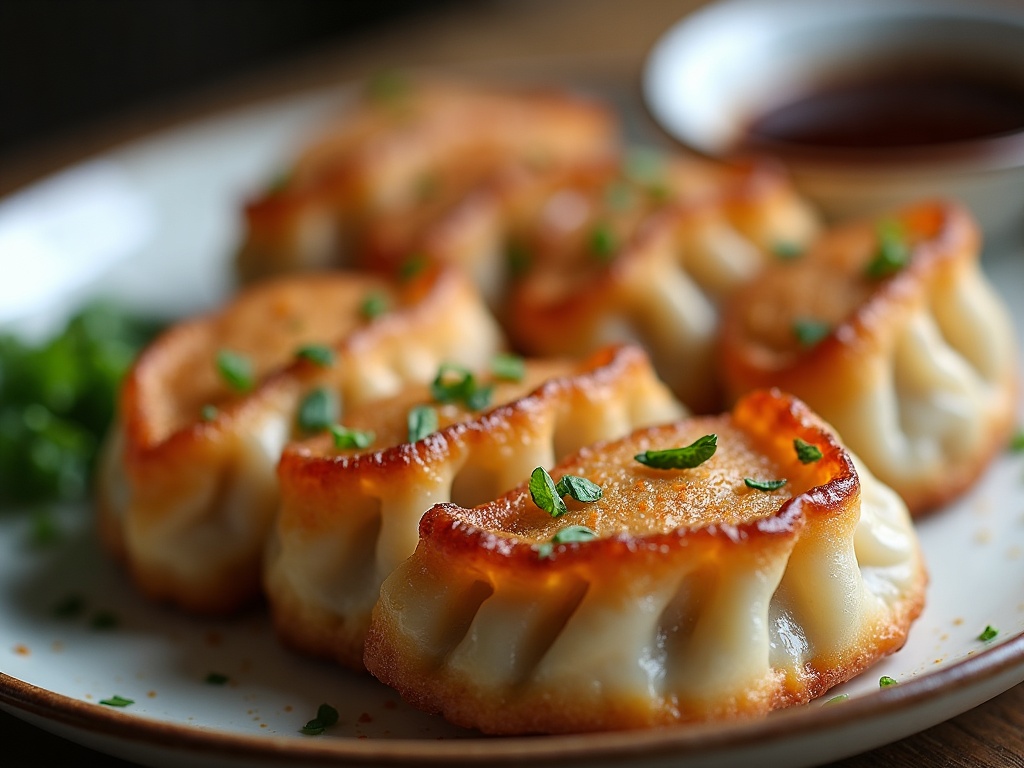
This is the traditional ruffled dumpling, with pleats only on the front so it stands flat on its bottom — perfect for potstickers:
- Place a round wrapper in your palm and add about 1 tablespoon of filling in the center. Don't overfill.
- Dip a fingertip in water and run it along half the edge.
- Fold the wrapper into a half-moon and pinch it together at the very center.
- Working from the center out to one corner, make 3–4 small pleats in the front edge only, pressing each pleat back against the flat rear edge to seal.
- Repeat from the center to the other corner. Press the whole sealed edge firmly, then stand the dumpling on its flat bottom — it should curve into a crescent.
The easy no-pleat fold
If pleating is frustrating, skip it. Add the filling, wet the edge, fold into a half-moon, and press the edges together firmly with your fingers or the tines of a fork. It won't have the pretty ruffle, but it seals just as well and cooks identically. This is the fastest way to get a big batch done, and it's perfect for boiling or for soup dumplings.
The wonton bundle fold
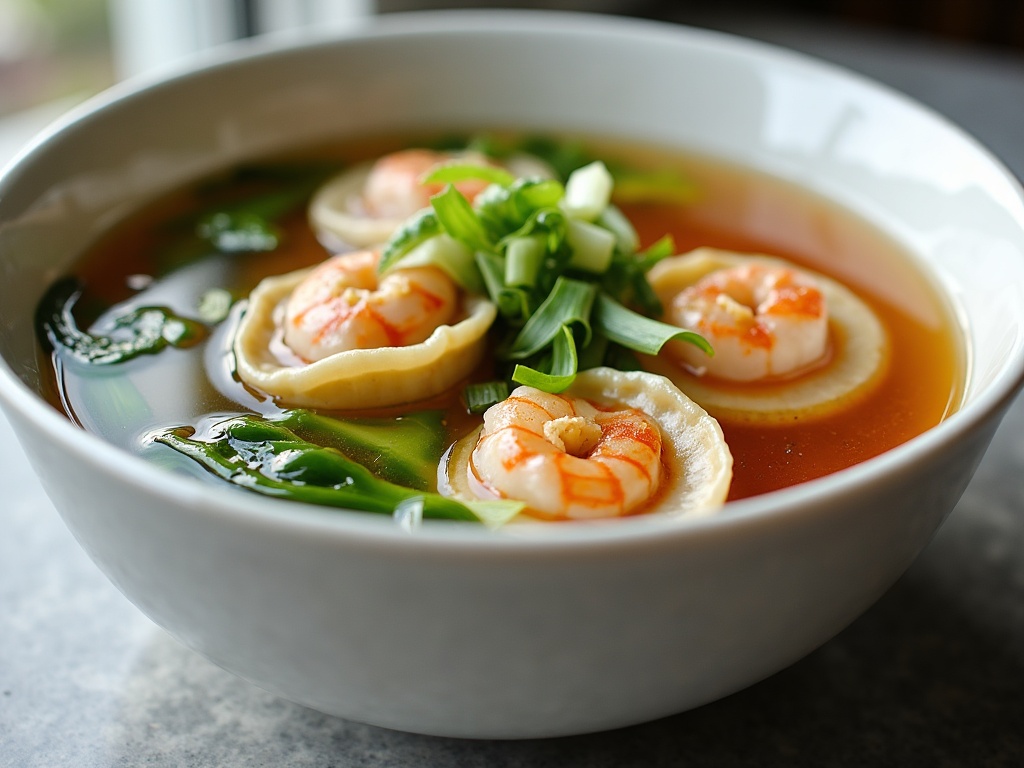
Wontons use thin square wrappers and a looser fold that leaves a ruffled tail to catch the broth:
- Place a square wrapper as a diamond and add about a teaspoon of filling in the center (less than a dumpling).
- Wet the edges, fold the bottom corner up to the top to make a triangle, and press out the air to seal.
- Bring the two side corners of the triangle down to meet under the filling, dab one with water, and pinch them together into a little bundle.
- For a quicker wonton, just fold the triangle in half again and press — it cooks the same.
Tips so they don't burst or unravel
Three rules cover it. First, use only a little filling — about a tablespoon for dumplings, a teaspoon for wontons; overstuffed dumplings split. Second, seal firmly and press out any trapped air, which would otherwise expand and pop the dumpling. Third, keep your wrappers covered with a damp towel as you work, since they dry out and crack within minutes. A small bowl of water for sealing and a tray dusted with cornstarch (so finished dumplings don't stick) make the assembly line smooth.
How to Fold Dumplings (and Wontons) FAQ
What's the easiest way to fold dumplings?
The simplest fold is a basic half-moon: add the filling, wet the edge of the wrapper, fold it over, and press the edges together firmly (or crimp with a fork). It skips the pleating entirely but seals just as well and cooks identically. Pleating is mostly for looks — a firmly sealed half-moon is perfectly good.
Do you have to pleat dumplings?
No. Pleating gives potstickers their pretty ruffle and helps them stand flat, but it's not necessary for a well-sealed, delicious dumpling. A simple pressed or fork-crimped half-moon works for boiling, steaming and pan-frying. Pleat if you enjoy it; skip it if you just want dinner.
How do you keep dumplings from opening while cooking?
Seal them firmly with no trapped air, and don't overfill — those are the two big causes of bursting. Make sure the edges are pressed tightly together (a dab of water helps them stick), press out air pockets, and use about a tablespoon of filling. Overstuffed or loosely sealed dumplings split as the filling expands and steam builds inside.
How much filling do you put in a dumpling?
About 1 tablespoon for a round dumpling or potsticker, and about 1 teaspoon for a smaller, more delicate wonton. It's tempting to add more, but overfilling makes dumplings hard to seal and prone to bursting. A modest amount, well sealed, gives you tender dumplings with the right wrapper-to-filling balance.
What's the difference between folding dumplings and wontons?
Dumplings (jiaozi/potstickers) use thicker round wrappers, more filling, and a pleated or pressed half-moon fold, and stand on a flat bottom. Wontons use thinner square wrappers, less filling, and a looser bundle or triangle fold that leaves ruffled edges to catch broth. Dumplings are heartier and often pan-fried; wontons are delicate and usually go in soup.
Recipes to try this with
Get our free Chinese Kitchen Starter Guide
The 12 pantry staples, the 5 techniques, and a week of beginner-friendly dinners — plus a new decoded recipe each week.