Wonton Wrappers Substitutes
wonton skins · 馄饨皮 · won ton wrappers
By The Chowmi Test Kitchen · Updated June 17, 2026
This post may contain affiliate links. Read our affiliate disclosure.
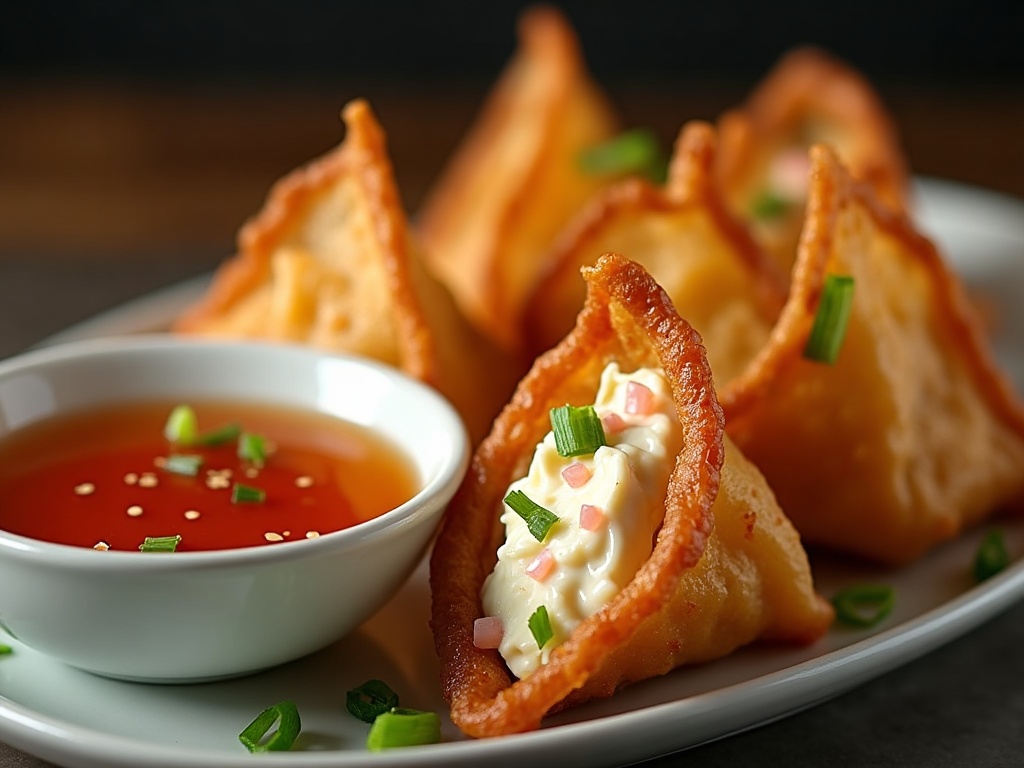
Wonton wrappers are thin, square sheets of wheat-flour dough used to wrap wontons, crab rangoon, and fried snacks. The best substitute is dumpling (gyoza) wrappers — they're made from nearly the same dough, just usually round and a touch thicker, so trim them square if needed and they work for almost any wonton recipe. Egg roll or spring roll wrappers are larger and thicker but can be cut into smaller squares for frying applications like rangoon. In a pinch, you can make a simple homemade wrapper from flour, water, a little salt, and optionally an egg, rolled very thin and cut into squares. For non-fried, fresh uses, rice paper can stand in with a different (chewier) texture. Shumai wrappers also work, being round and thin. Match by use: dumpling wrappers for boiled or soup wontons, egg roll wrappers (cut down) or homemade for crispy fried wontons and rangoon. They're sold fresh or frozen; keep them covered so they don't dry out and crack.
No wonton wrappers? Build the best swap
AITell us what you're making and what you have — get a tailored substitute with ratios.
Every wonton wrappers substitute, ranked
| Substitute | Ratio | Match |
|---|---|---|
| Dumpling / gyoza wrappers Almost any wonton · vegan | 1:1 (trim square if needed) | 90% |
| Egg roll / spring roll wrappers (cut down) Fried wontons & rangoon · vegan | Cut into smaller squares | 70% |
| Homemade wrapper (flour + water + egg) From-scratch in a pinch | Roll thin, cut 3.5-inch squares | 78% |
| Rice paper Gluten-free, fresh rolls · vegan · gluten-free | 1:1 for fresh, non-fried | 50% |
- Dumpling / gyoza wrappers: Nearly the same dough, usually round and slightly thicker; the closest swap for soup or boiled wontons. Cut to squares for folding.
- Egg roll / spring roll wrappers (cut down): Larger and thicker; cut into 3–4 inch squares. Great for crispy fried snacks, less ideal for delicate soup wontons.
- Homemade wrapper (flour + water + egg): Mix, rest, and roll very thin; dust with starch so they don't stick. Closest control over thickness.
- Rice paper: Different chewy texture and handling (soften in water); works for fresh wraps, not classic wontons. Gluten-free.
What is Wonton Wrappers?
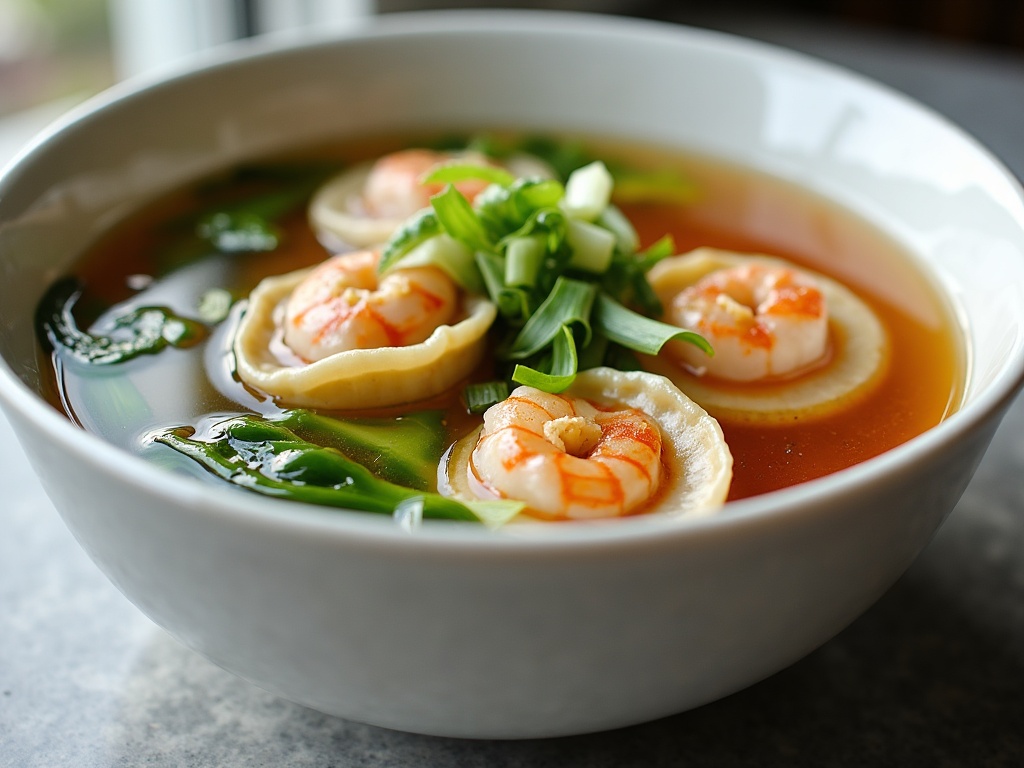
Wonton wrappers (or skins) are thin, pliable squares of dough made from wheat flour, water, and usually egg, sold fresh or frozen in stacks. They're rolled thinner than dumpling wrappers, which makes them ideal for delicate boiled wontons in soup and for crispy fried snacks like crab rangoon. You spoon filling into the center, then fold and seal them with a dab of water. They're a Cantonese staple and a takeout-menu mainstay.
Flavor: Neutral, lightly wheaty — a thin, tender wrapper that crisps when fried.
Wonton wrappers vs dumpling wrappers
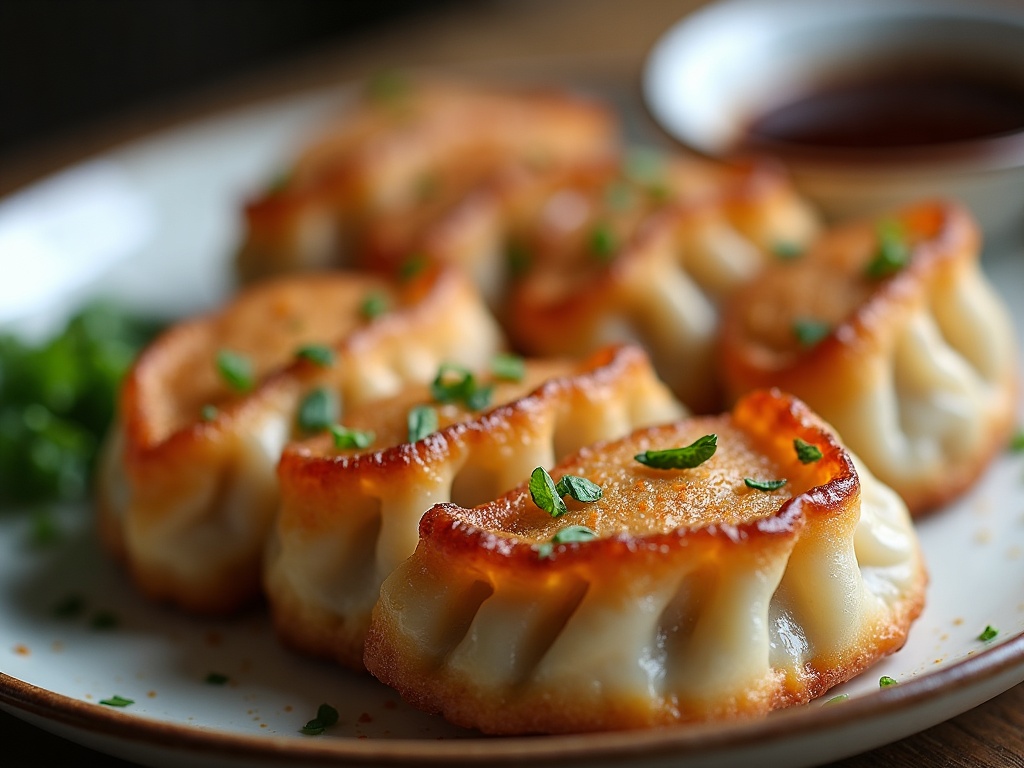
They're close cousins made from similar wheat-flour dough, with two main differences. Wonton wrappers are thinner and usually square, suited to delicate soup wontons and crispy fried snacks. Dumpling (or gyoza/potsticker) wrappers are a bit thicker and usually round, made to hold heartier fillings for pan-frying and boiling. You can substitute one for the other — use dumpling wrappers for wontons (trim square if you like), and wonton wrappers for small dumplings, adjusting cook time since thinner wrappers cook faster.
Wonton wrappers vs egg roll wrappers
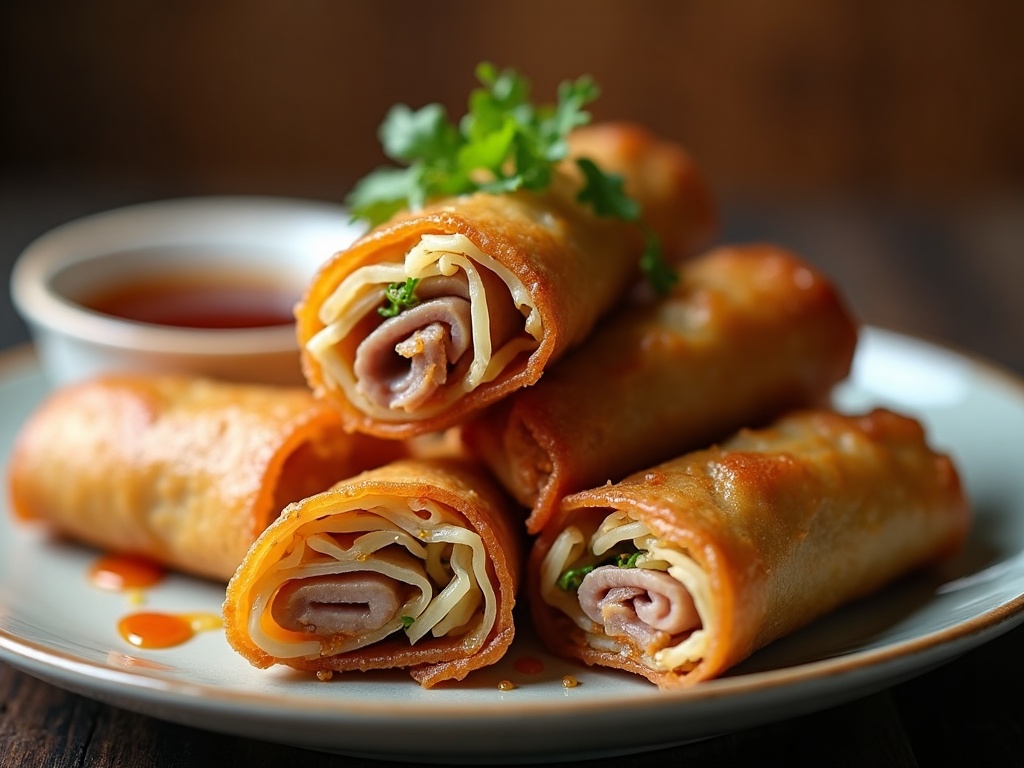
Both are wheat-based, but they're built for different jobs. Wonton wrappers are small (about 3.5 inches) and thin, for bite-size wontons and rangoon. Egg roll wrappers are large (around 7–8 inches) and thicker, made to wrap big, sturdy rolls that fry up bubbly and crunchy. You can cut egg roll wrappers down into squares to substitute for wonton wrappers in fried dishes, but going the other way doesn't work — wonton wrappers are too small and delicate for egg rolls.
Where to buy wonton wrappers
Stock real wonton wrappers
Wonton wrappers are in the refrigerated section (near tofu and fresh noodles) of most supermarkets and every Asian market, plus Weee! and Yamibuy; they also freeze well. Dumpling and egg roll wrappers, the best substitutes, are usually right beside them in the same cooler.
Wonton Wrappers FAQ
What can I use instead of wonton wrappers?
Dumpling (gyoza) wrappers are the closest — nearly the same dough, just round and slightly thicker, so trim them square and use 1:1. Egg roll or spring roll wrappers cut into small squares work for fried wontons and crab rangoon. You can also make a quick homemade wrapper from flour, water, and egg rolled very thin, or use rice paper for fresh, non-fried wraps.
Are wonton wrappers and dumpling wrappers the same?
Almost — they're made from similar wheat-flour dough but differ slightly. Wonton wrappers are thinner and usually square; dumpling wrappers are a bit thicker and usually round, to hold heartier fillings. They substitute for each other well: use dumpling wrappers for wontons (trim to squares) and wonton wrappers for small dumplings, just adjusting the cook time for the thickness.
Can I make wonton wrappers at home?
Yes. Mix flour with a little salt, water, and optionally an egg into a stiff dough, knead it smooth, and let it rest 30 minutes. Roll it out as thin as you can — almost translucent — dust with cornstarch to prevent sticking, and cut into roughly 3.5-inch squares. Homemade wrappers give you full control over thickness, though store-bought are a big time-saver.
What's the difference between wonton wrappers and egg roll wrappers?
Mainly size and thickness. Wonton wrappers are small (about 3.5 inches) and thin, for bite-size wontons and rangoon. Egg roll wrappers are large (7–8 inches) and thicker, for big crunchy rolls. You can cut egg roll wrappers into squares to substitute for wonton wrappers in fried dishes, but wonton wrappers are too small and delicate to use as egg roll wrappers.
How do you keep wonton wrappers from drying out?
Keep the stack covered with a damp towel or plastic wrap while you work, exposing only the wrapper you're filling — they dry and crack within minutes of being uncovered. Seal each one with a dab of water along the edges. Store unused wrappers tightly wrapped in the fridge for a few days, or freeze them; thaw frozen wrappers fully before peeling them apart.
Recipes that use wonton wrappers
Get our free Chinese Kitchen Starter Guide
The 12 pantry staples, the 5 techniques, and a week of beginner-friendly dinners — plus a new decoded recipe each week.