Kung Pao Sauce
This post may contain affiliate links. Read our affiliate disclosure.
🧪 Developed & tested by the The Chowmi Test Kitchen for US kitchens. How we develop our recipes.
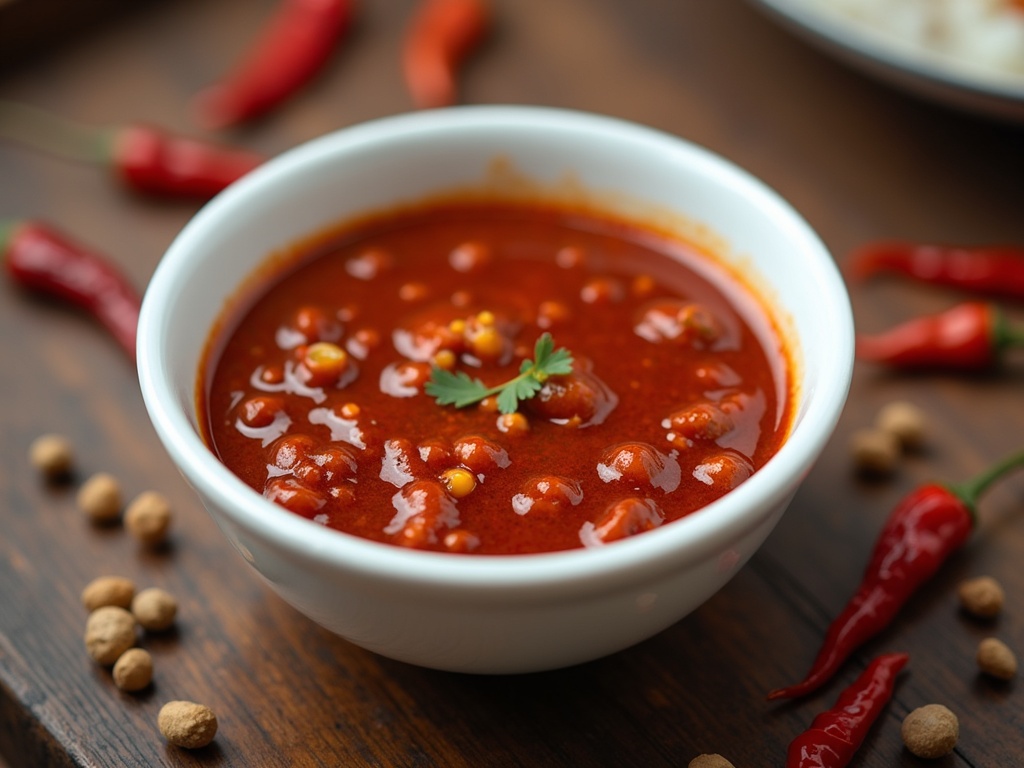
Kung pao sauce is the savory, lightly sweet, tangy and numbing-spicy sauce that defines kung pao chicken — and it's a brilliant all-purpose stir-fry sauce on its own. It's built on soy sauce, Chinkiang (black) vinegar, sugar and Shaoxing wine, with garlic, ginger, dried red chilies and toasted Sichuan peppercorns, thickened with a cornstarch slurry into a glossy glaze. What sets it apart from General Tso's or sweet-and-sour is the málà profile: the citrusy, tingling numbness of Sichuan peppercorn against the malty depth of black vinegar, so it's far less sweet and much more aromatic. It takes about 10 minutes. Toss it with chicken, shrimp, tofu or a handful of peanuts and vegetables, or use it as a base stir-fry sauce. Make a double batch — it keeps in the fridge and re-thickens in seconds.
 Save to Pinterest
Why you'll love this kung pao sauce
- The real málà profile — numbing, tingly and aromatic, not just sweet like bottled sauce.
- Ready in 10 minutes and works on chicken, shrimp, tofu, or a vegetable stir-fry.
- Black vinegar and Sichuan peppercorn give a depth you can't buy in a jar.
- Make a batch ahead — it keeps in the fridge and re-thickens in seconds.
Ingredients
Kung pao sauce
Missing an ingredient?
AITell us what you have and what you're making — get the best US-grocery swap, with ratios.
Hard-to-find ingredients, delivered
Stock the pantry once and you can cook this anytime: Chinkiang black vinegar, Shaoxing wine, dried red chilies, Sichuan peppercorns. Asian groceries deliver nationwide.
Equipment
- Small saucepan — All you need to build and thicken the sauce.(shop →)
Instructions
Stir the light soy, black vinegar, Shaoxing wine, sugar, dark soy and stock together. Mix the cornstarch and cold water into a separate slurry.
Toast the Sichuan peppercorns in a dry pan for 30 seconds until fragrant, then crush lightly. Heat the oil in a small saucepan over medium, add the chilies, crushed peppercorns, garlic and ginger, and cook 30 seconds until fragrant — don't let them burn.
💡 Toasting the Sichuan peppercorn is what unlocks the citrusy, tingling málà aroma. Don't skip it.
Pour in the soy mixture and bring to a simmer. Stir in the cornstarch slurry and simmer about a minute, until glossy and thick enough to coat a spoon.
Taste and balance: savory and tangy first, lightly sweet, with a numbing tingle. Add a splash more vinegar for tang or a pinch of sugar to round it. Use right away, or cool and store.
Tips & notes
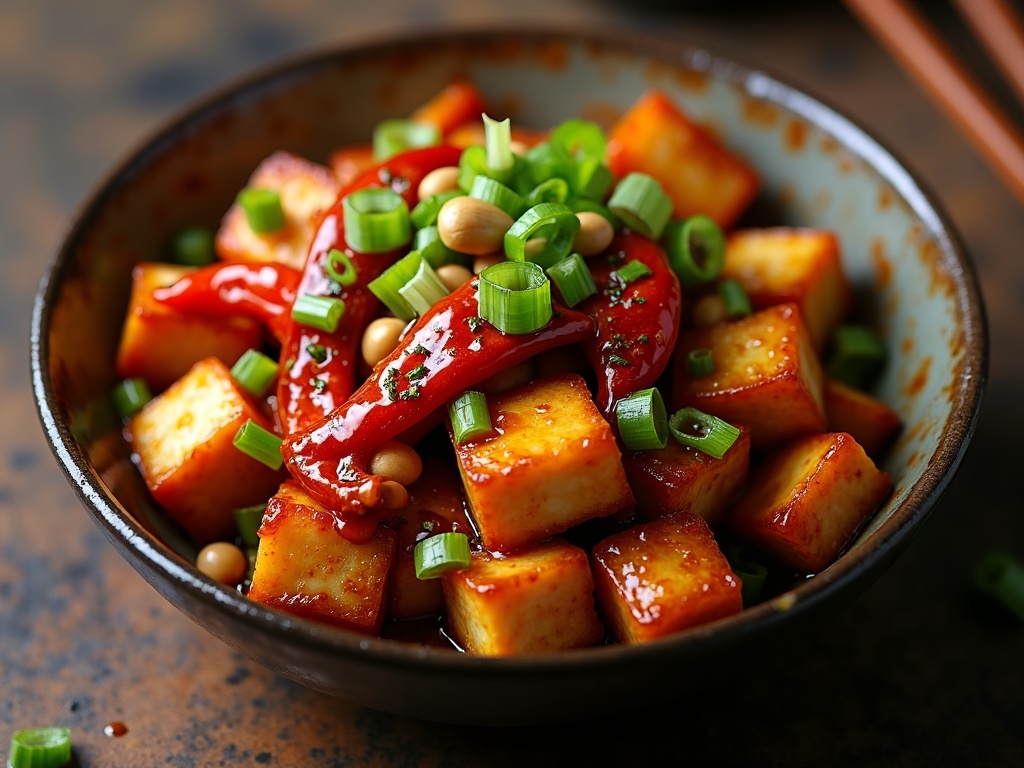
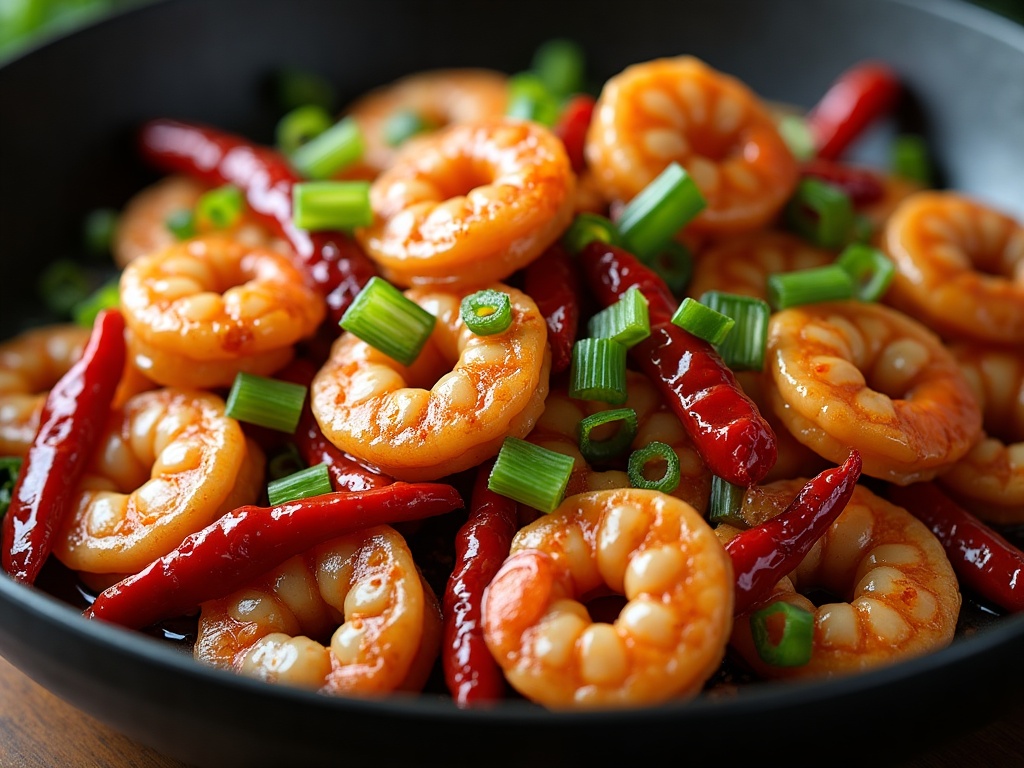
- How to use it: toss with stir-fried chicken, shrimp or tofu plus peanuts and diced vegetables; or use as a base sauce for any quick stir-fry.
- Kung pao should be savory and aromatic, not sweet — keep the sugar restrained and let the black vinegar and peppercorn lead.
- Control the heat with the dried chilies and the numbness with the Sichuan peppercorn separately — they're two different sensations you can dial independently.
- Storage: keep in a sealed jar in the fridge up to a week. It thickens cold; reheat with a splash of water to loosen.
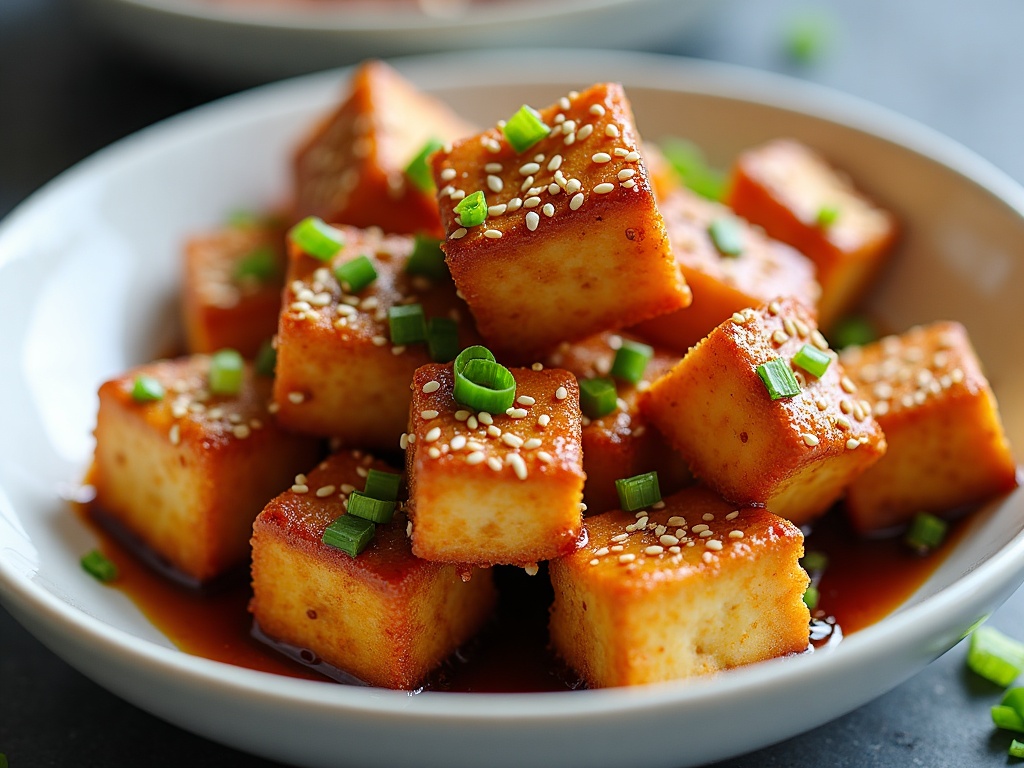
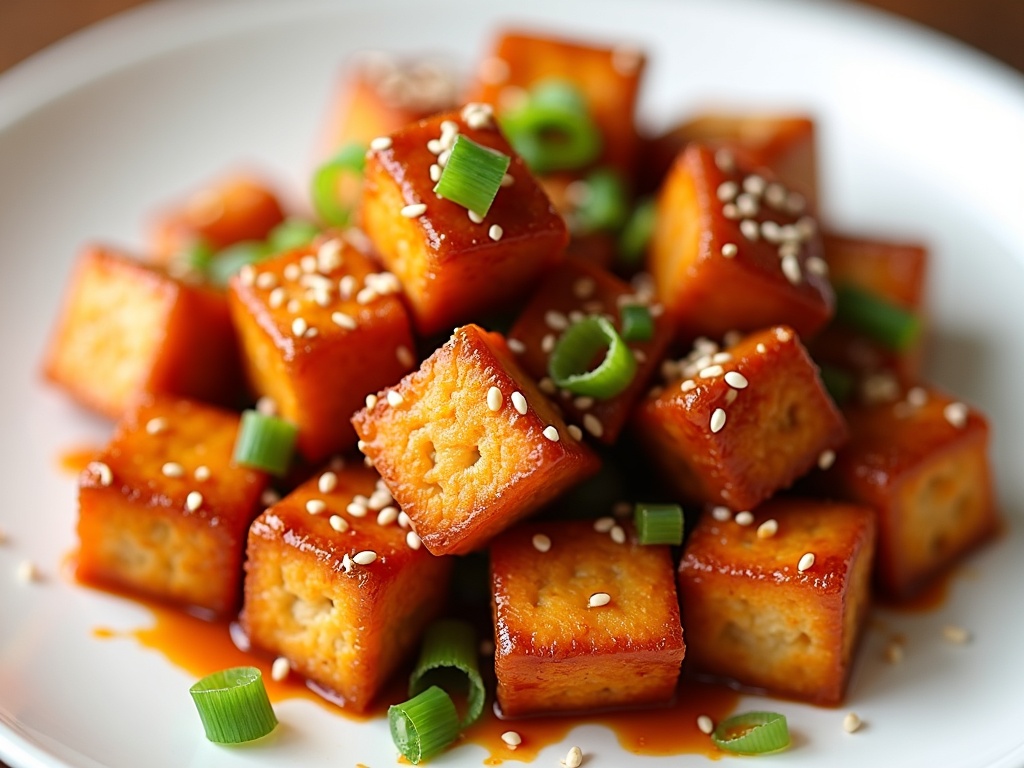
- Make it vegan with vegetable stock — it's superb on crispy tofu with peanuts.
Recipe wording too vague?
AIPaste any fuzzy step (少许, 火候正好, 焯水) and get exact amounts, temps and times.
Kung Pao Sauce
- Prep
- 5 min
- Cook
- 5 min
- Total
- 10 min
- Serves
- 6
- Level
- Beginner
Ingredients
- 3 tbsp light soy sauce
- 1 tbsp Chinkiang black vinegar
- 1 tbsp Shaoxing wine
- 2 tbsp sugar
- 1 tsp dark soy sauce, for color
- ⅓ cup chicken or vegetable stock
- 6–8 dried red chilies, snipped, to taste
- 1 tsp Sichuan peppercorns, toasted
- 4 cloves garlic, minced
- 1 tbsp fresh ginger, minced
- 1 tbsp neutral oil
- 1 tbsp cornstarch, mixed with 2 tbsp cold water
Instructions
- Stir the light soy, black vinegar, Shaoxing wine, sugar, dark soy and stock together. Mix the cornstarch and cold water into a separate slurry.
- Toast the Sichuan peppercorns in a dry pan for 30 seconds until fragrant, then crush lightly. Heat the oil in a small saucepan over medium, add the chilies, crushed peppercorns, garlic and ginger, and cook 30 seconds until fragrant — don't let them burn.
- Pour in the soy mixture and bring to a simmer. Stir in the cornstarch slurry and simmer about a minute, until glossy and thick enough to coat a spoon.
- Taste and balance: savory and tangy first, lightly sweet, with a numbing tingle. Add a splash more vinegar for tang or a pinch of sugar to round it. Use right away, or cool and store.
Nutrition (est., per serving): 60 cal · 1 g protein · 10 g carbs · 2 g fat
Kung Pao Sauce FAQ
What is kung pao sauce made of?
Soy sauce, Chinkiang black vinegar, sugar and Shaoxing wine form the savory-tangy base, with garlic, ginger, dried red chilies and toasted Sichuan peppercorns for aroma and the signature numbing heat, thickened with a cornstarch slurry. The black vinegar and Sichuan peppercorn are essential — they're what make it taste like kung pao rather than generic sweet-and-spicy sauce.
What's the difference between kung pao sauce and General Tso's sauce?
Both are savory-sweet-spicy, but kung pao is far less sweet and has a numbing, citrusy tingle from Sichuan peppercorn plus the malty depth of black vinegar. General Tso's is sweeter, glossier, and not numbing, using rice vinegar and hoisin. Kung pao leans aromatic and málà; General Tso's leans sweet and tangy.
How do I make kung pao sauce less spicy?
Use fewer dried chilies (and remove the seeds), and go light on the Sichuan peppercorn. The peppercorn controls the numbing tingle and the chilies control the heat, so you can dial each down independently while keeping the savory, tangy, aromatic base intact.
Can I make kung pao sauce without Sichuan peppercorn?
You can, but you'll lose the defining málà numbness — it becomes a savory chili-garlic sauce rather than true kung pao. If you can't find Sichuan peppercorn there's no real substitute for the tingle; a little extra black vinegar and chili keeps it tasty, just different. It's worth seeking the peppercorn out.
How long does homemade kung pao sauce keep?
In a sealed jar in the refrigerator it keeps about a week. It thickens when chilled because of the cornstarch; reheat gently with a splash of water and it loosens back to a glossy, pourable glaze. You can also freeze it in small portions.
You might also like
Get our free Chinese Kitchen Starter Guide
The 12 pantry staples, the 5 techniques, and a week of beginner-friendly dinners — plus a new decoded recipe each week.
Comments
Made this? Have a question or a tweak? Share it below.
No comments yet — be the first!