Dried Shiitake Mushrooms Substitutes
冬菇 · 香菇 · dried Chinese black mushrooms
By The Chowmi Test Kitchen · Updated June 16, 2026
This post may contain affiliate links. Read our affiliate disclosure.
Dried shiitake mushrooms are intensely savory dried mushrooms used across Chinese cooking for deep umami in soups, braises, rice (like clay-pot and rice-cooker chicken rice), and fillings — the drying concentrates their flavor far beyond fresh. The best substitute is fresh shiitake, using roughly twice the weight to make up for the milder taste, though you'll lose the chewy texture and the flavorful soaking liquid. For a similar concentrated, earthy depth, dried porcini or other dried mushrooms work well, rehydrated the same way. Dried wood ear adds chew but little flavor, so pair it with extra soy or a pinch of mushroom bouillon. In a pinch, a spoonful of mushroom seasoning or oyster/mushroom sauce can stand in for the umami if not the texture. The key bonus of dried shiitake is the soaking water, which becomes a savory stock — save it for the dish. Rehydrate in warm water 30+ minutes (or overnight in the fridge) until pliable, then trim the tough stems.
No dried shiitake mushrooms? Build the best swap
AITell us what you're making and what you have — get a tailored substitute with ratios.
Every dried shiitake mushrooms substitute, ranked
| Substitute | Ratio | Match |
|---|---|---|
| Fresh shiitake Easiest swap · vegan · gluten-free | About 2:1 by weight | 75% |
| Dried porcini or other dried mushrooms Concentrated umami · vegan · gluten-free | 1:1, rehydrated | 72% |
| Dried wood ear + extra umami Chew without much flavor · vegan · gluten-free | 1:1 for texture, + soy or mushroom bouillon | 55% |
| Mushroom seasoning or oyster/mushroom sauce Umami only, in a pinch | To taste | 50% |
- Fresh shiitake: Milder and less chewy, and you lose the soaking liquid; use more and add a splash of soy for depth.
- Dried porcini or other dried mushrooms: Similar deep, earthy intensity and a usable soaking liquid; the flavor leans woodsy rather than smoky.
- Dried wood ear + extra umami: Wood ear brings the bouncy texture but little taste, so boost the savoriness separately.
- Mushroom seasoning or oyster/mushroom sauce: Replaces the savory depth but not the mushroom pieces; good for soups and braises when you have no mushrooms at all.
What is Dried Shiitake Mushrooms?
Dried shiitake mushrooms (called dōnggū or xiānggū in Chinese) are shiitake that have been dried, which deepens and concentrates their savory, smoky, earthy flavor and gives them a meaty, chewy texture once rehydrated. They're a cornerstone of Chinese cooking, used in soups, braises, stir-fries, steamed dishes, sticky rice, and fillings. Before use they're soaked in warm water until soft; the soaking liquid is saved as a richly flavored mushroom stock. The thicker, cracked-cap variety is especially prized.
Flavor: Deep, savory and smoky-earthy — concentrated umami with a meaty, chewy bite.
Dried vs fresh shiitake
Drying transforms shiitake. Fresh shiitake are mild, soft, and meaty, good for quick stir-fries. Dried shiitake have a far more concentrated, smoky-savory flavor and a chewier texture, plus they yield a flavorful soaking liquid that fresh ones can't. Recipes that call for dried shiitake are usually after that deep umami, so if you swap in fresh, use about twice as much and add extra soy or a little mushroom seasoning to compensate.
How to rehydrate dried shiitake
Rinse off any grit, then soak the mushrooms in warm water for at least 30 minutes (or in cold water in the fridge overnight for the best texture and clearest broth) until fully pliable. Squeeze them gently and trim off the tough stems, which stay woody. Crucially, save the soaking liquid — strain it to remove grit and use it as a savory mushroom stock in the same dish for extra depth.
Where to buy dried shiitake mushrooms
Stock real dried shiitake mushrooms
Dried shiitake (look for 冬菇 / dried black mushrooms, sometimes thick "flower" caps) are in the Asian aisle of many supermarkets, Asian markets, Weee!, Yamibuy and Amazon, and keep for a very long time in the pantry. Fresh shiitake and dried porcini, the main substitutes, are in most grocery stores.
Dried Shiitake Mushrooms FAQ
What can I substitute for dried shiitake mushrooms?
Fresh shiitake are the easiest swap — use about twice the weight and add a splash of soy, since they're milder and you lose the soaking liquid. For a similar concentrated depth, dried porcini or other dried mushrooms work well, rehydrated the same way. Dried wood ear gives the chewy texture but needs extra umami added, and a little mushroom seasoning can replace the savory flavor in a pinch.
Are dried shiitake better than fresh?
For Chinese cooking, often yes. Drying concentrates shiitake's flavor into a deep, smoky umami that fresh mushrooms can't match, and gives a meatier, chewier texture once rehydrated. You also get the bonus of the savory soaking liquid to use as stock. Fresh shiitake are better when you want a milder, softer mushroom in a quick stir-fry.
How do you rehydrate dried shiitake mushrooms?
Rinse off grit, then soak them in warm water for at least 30 minutes (or overnight in the fridge for the best texture) until soft and pliable. Trim away the tough, woody stems. Save and strain the soaking liquid — it's a flavorful mushroom stock you can add to the dish for extra depth.
Do you have to remove the stems?
Usually, yes. Even after soaking, shiitake stems stay tough and woody, so most recipes have you trim them off and use just the caps. Don't throw the stems away, though — you can simmer them in the soaking liquid to extract more flavor for a stock, then discard them before serving.
What dishes use dried shiitake mushrooms?
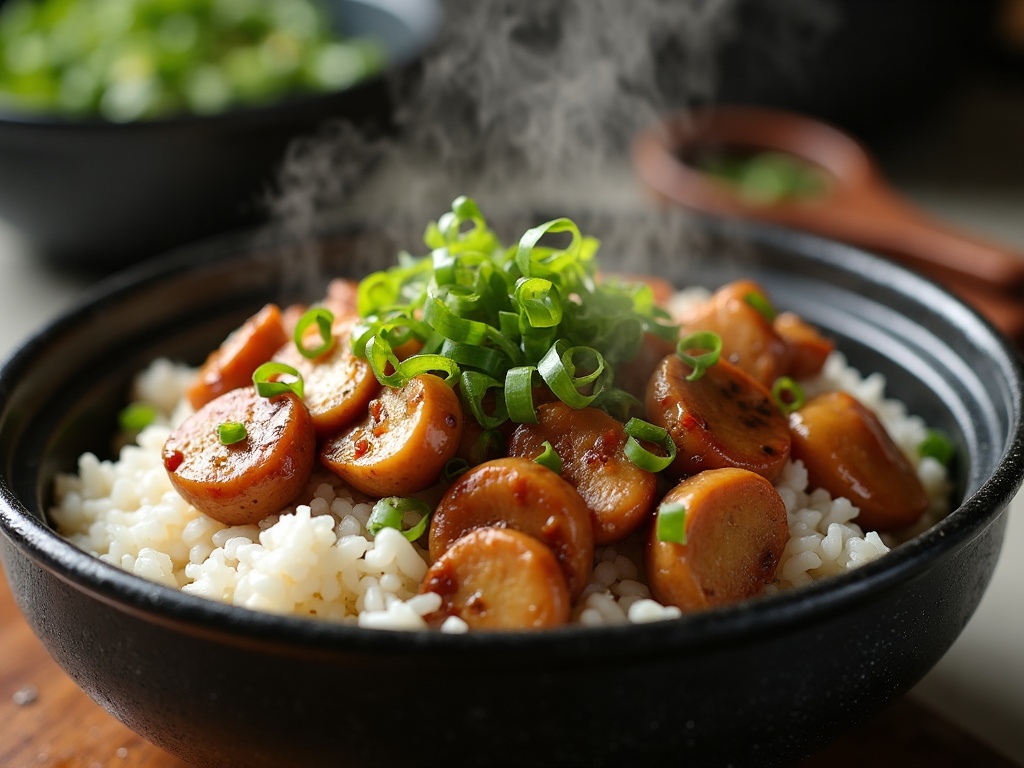
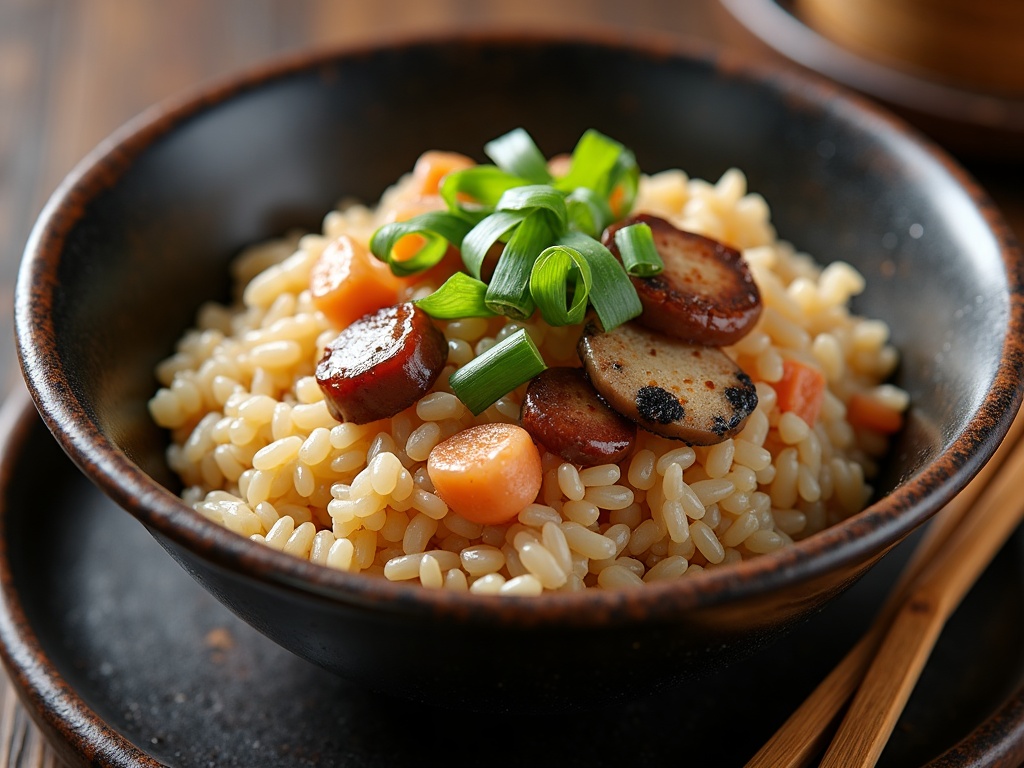
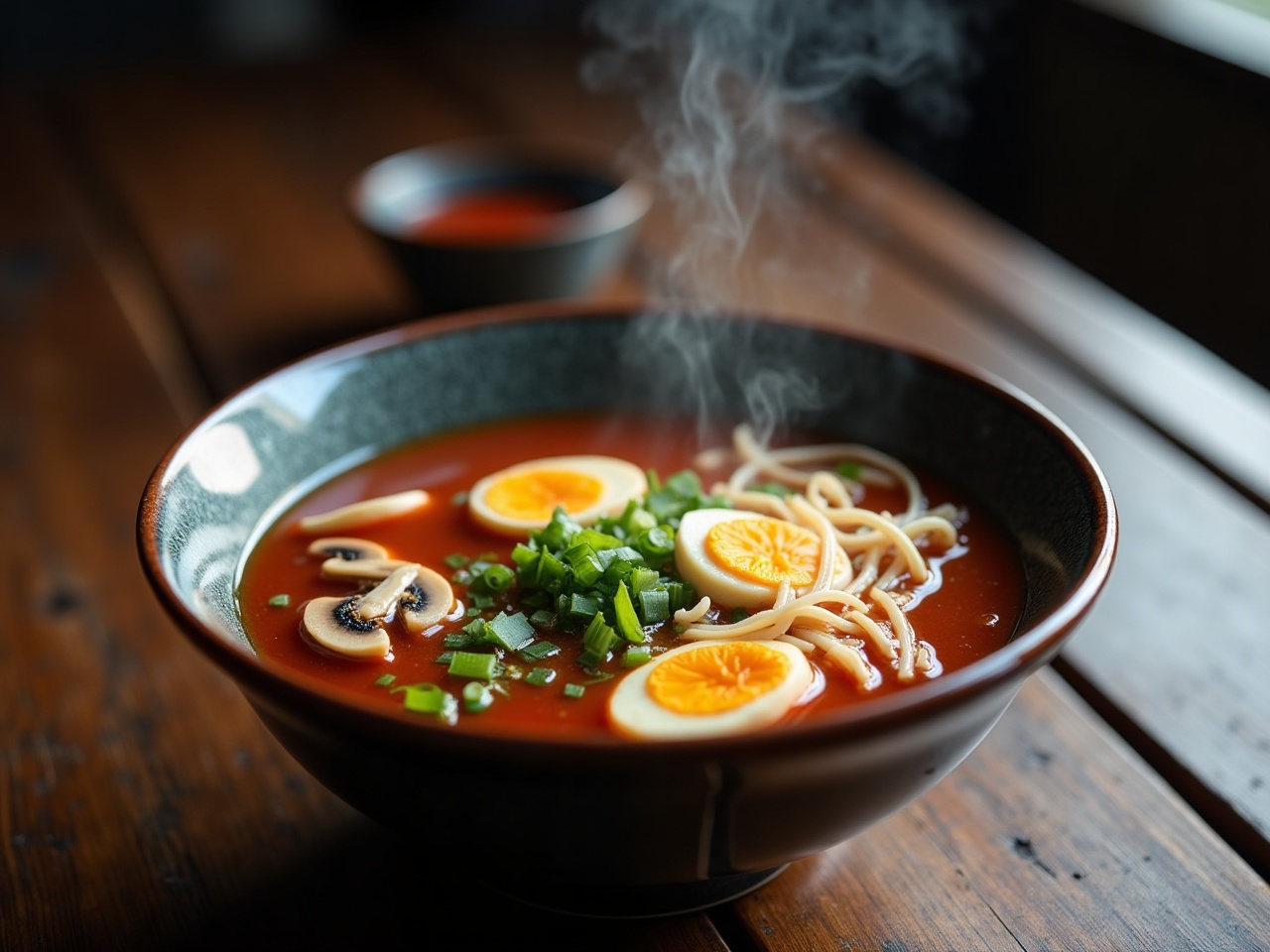
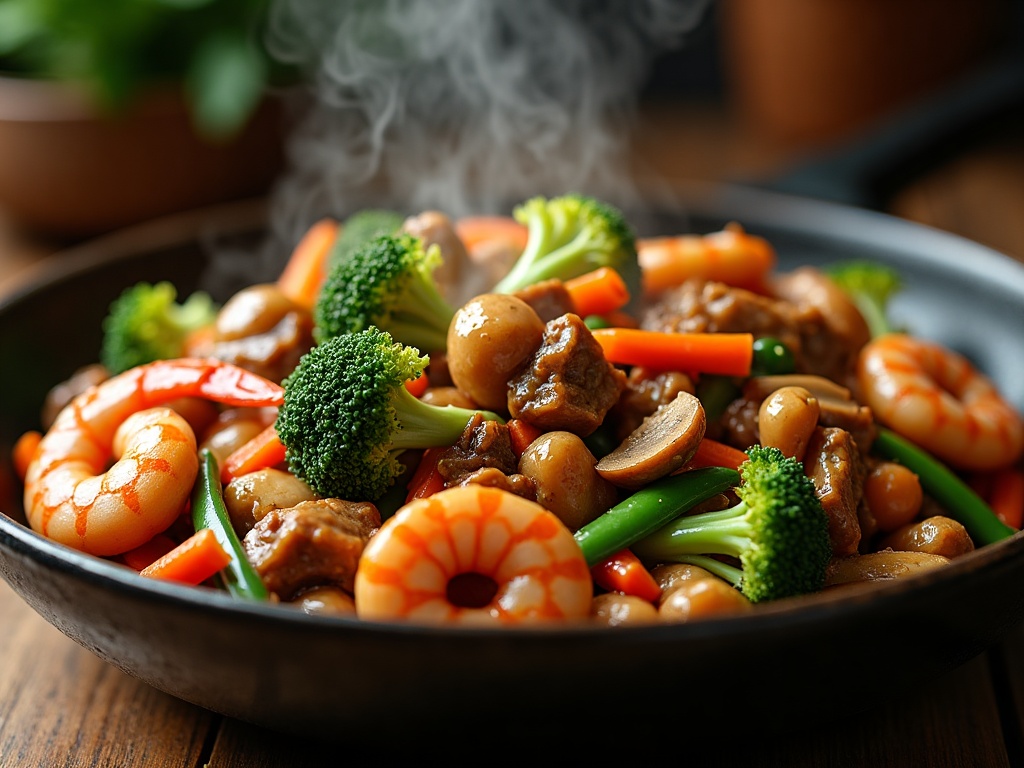
They appear throughout Chinese cooking: in hot and sour soup, braises (with chicken, pork, or tofu), clay-pot and rice-cooker rice dishes, steamed chicken, sticky rice, dumpling and bun fillings, and vegetarian dishes where they provide meaty depth. Anywhere you want a rich, savory, umami backbone, dried shiitake earn their place.
Recipes that use dried shiitake mushrooms
Get our free Chinese Kitchen Starter Guide
The 12 pantry staples, the 5 techniques, and a week of beginner-friendly dinners — plus a new decoded recipe each week.