Vegan Chinese Recipes
Fully plant-based Chinese recipes — no meat, egg, or dairy, and no compromise on flavor. Every recipe here is written for a US kitchen — precise steps, real heat cues, and substitutes for anything hard to find.
Most of Chinese cooking is accidentally vegan already. The sauces that define it — soy, fermented bean, chili, vinegar, sesame — contain no dairy, and dairy barely appears in the cuisine at all, so you never face the cheese-and-butter problem that makes European food hard to veganize. What you do face is a shorter, sneakier list: egg, oyster sauce, and seafood-derived seasonings.
Egg is the line between vegetarian and vegan here
Chinese vegetarian cooking leans on egg more than people expect. Egg fried rice, tomato and egg, steamed egg custard, egg drop soup — all vegetarian, none vegan. Egg also turns up where you can’t see it: many dumpling and wonton wrapperscontain it (plenty don’t — it’s worth reading the package), and so do some fresh noodles. Dried wheat noodles and rice noodles are almost always safe.
The three swaps that cover almost everything
Oyster sauce→ mushroom “oyster” sauce, 1:1, no other adjustment. Chicken stock → water plus soaked dried shiitake, including the soaking liquid, which gives more depth than most vegetable stocks. Fish sauce, XO sauce, dried shrimp and dried scallop→ a little extra soy plus fermented black beans, or a spoon of fermented tofu for funk. Learn those three and the overwhelming majority of Chinese recipes open up to you.
Where the cuisine is genuinely, historically vegan
Buddhist temple cooking is the deep end, and it’s worth knowing about because it produced techniques nobody else has: wheat gluten (seitan) was invented in Chinese monasteries, bean curd sticks and tofu skin add chew that no Western vegan pantry replicates, and dishes like Buddha’s Delight were built to be satisfying without a single animal product, centuries before anyone called it vegan. Start there, then work through salt and pepper tofu, scallion oil noodles, and vegetable dumplings. If you eat egg, the wider vegetarian Chinese recipes hub has more to choose from.
Browse Vegan Chinese recipes
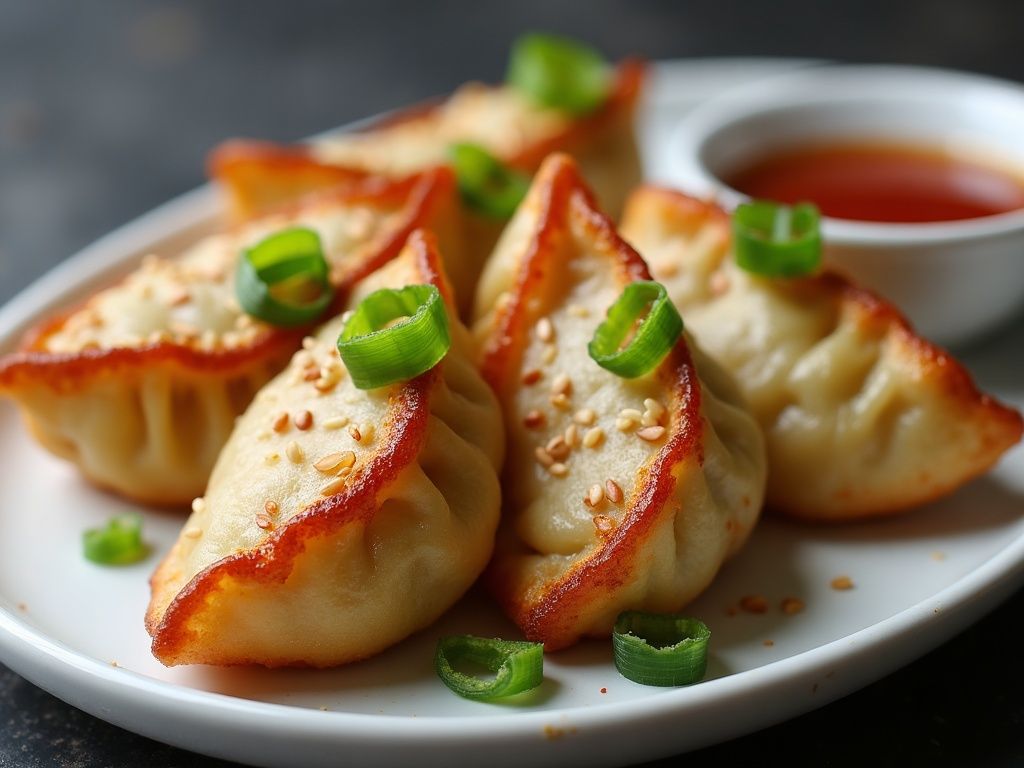
Vegetable Dumplings
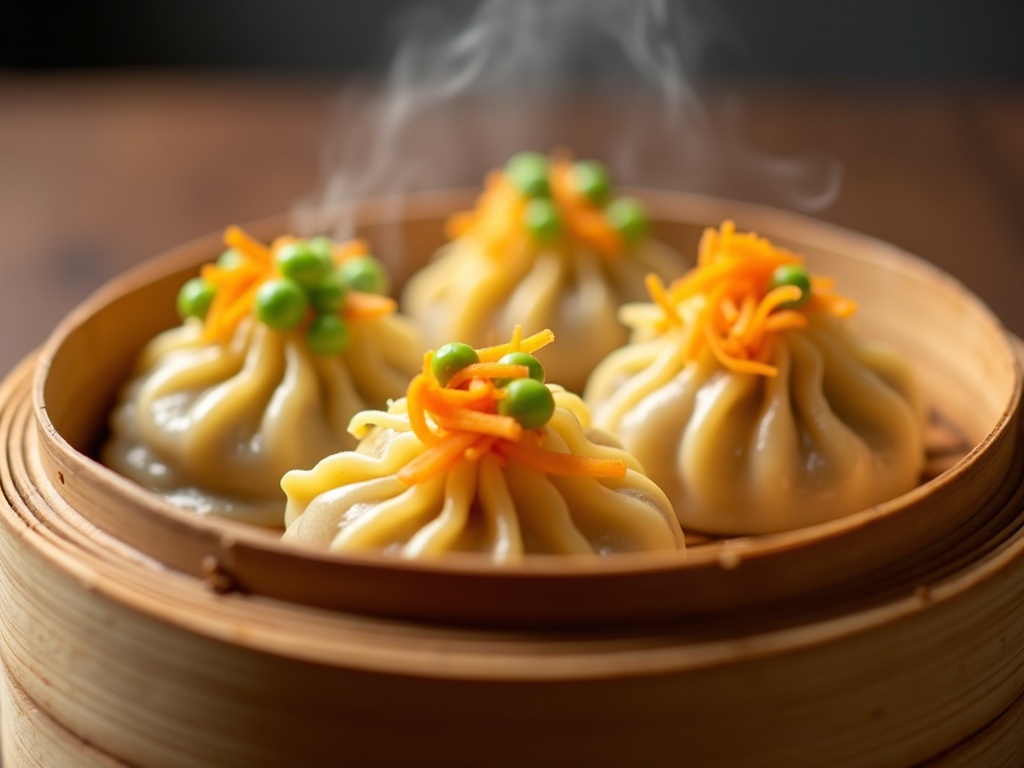
Vegetarian Siu Mai
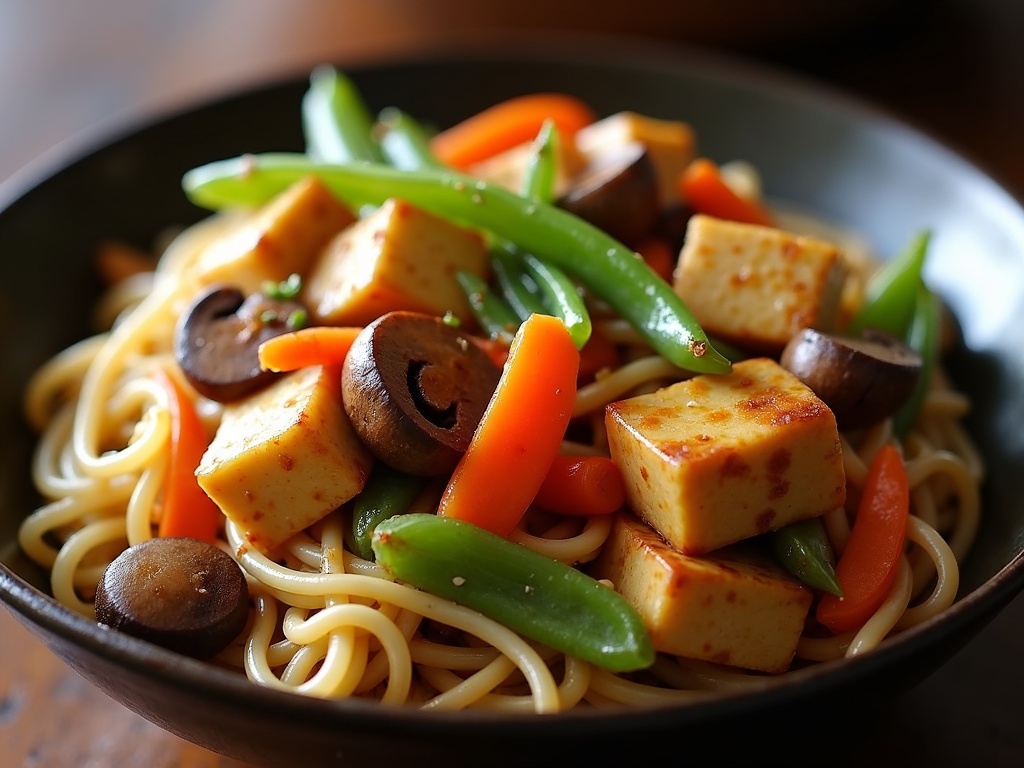
Buddha's Delight (Lo Han Jai)
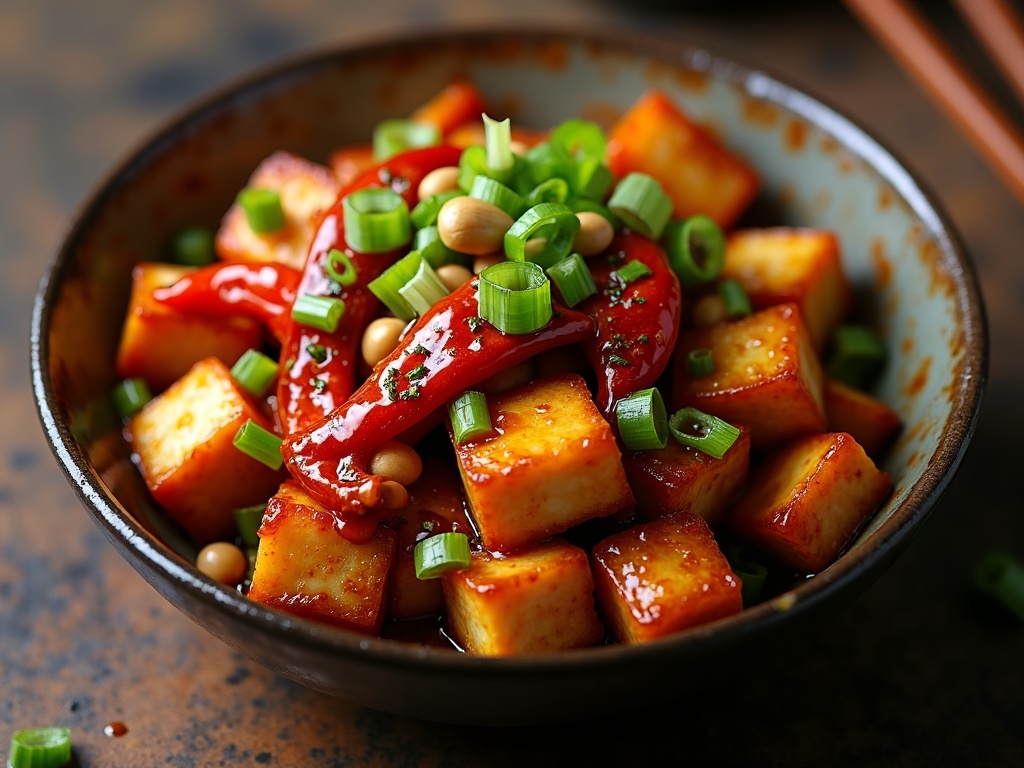
Kung Pao Tofu
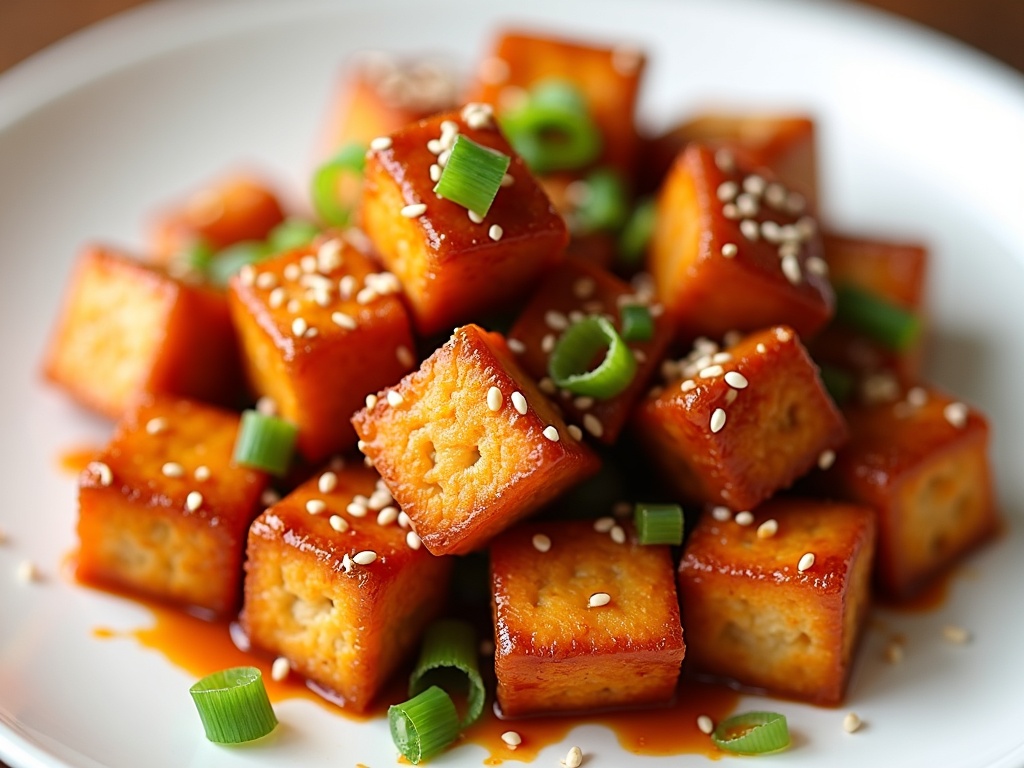
General Tso's Tofu
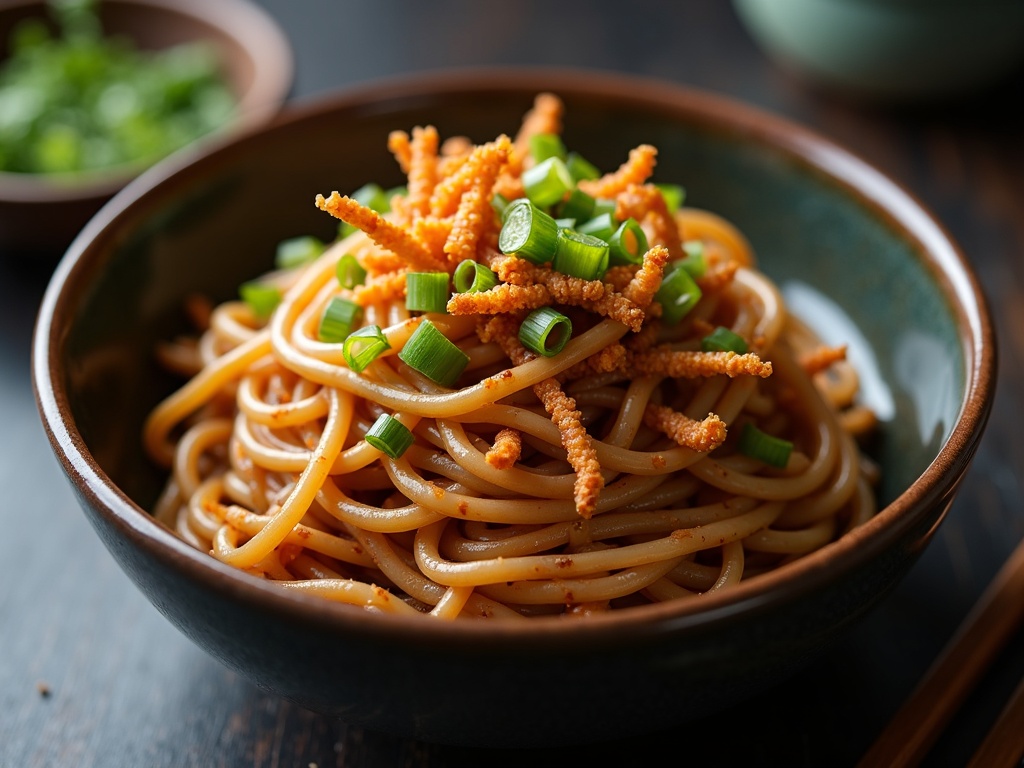
Scallion Oil Noodles
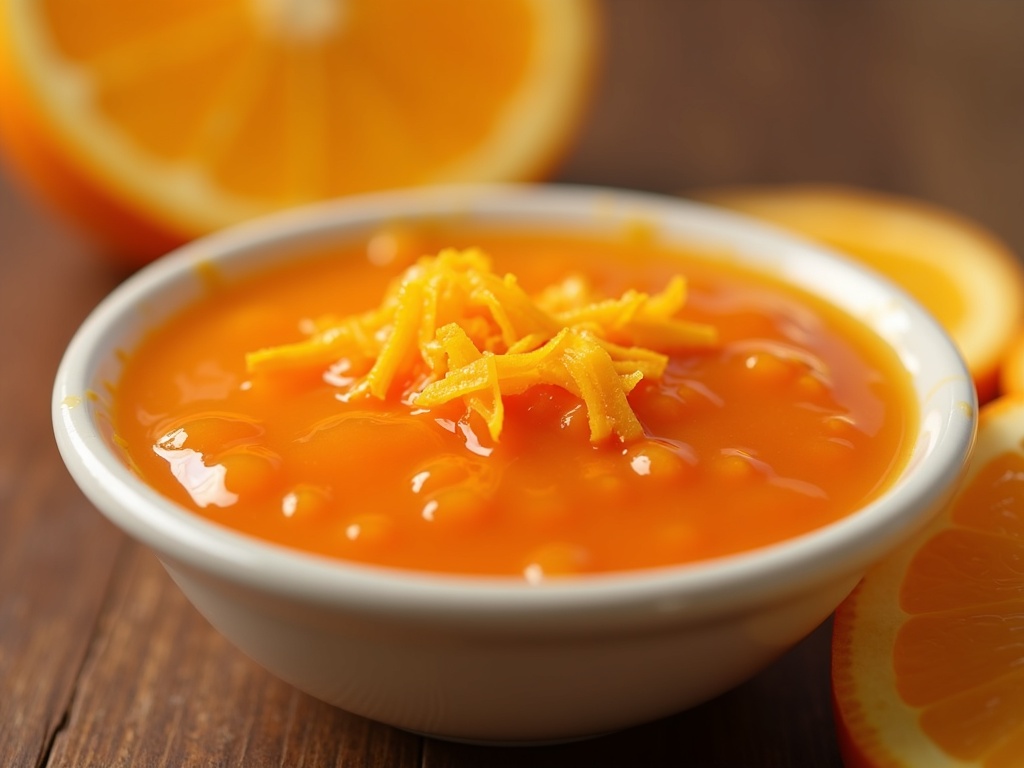
Orange Sauce
Salt and Pepper Tofu
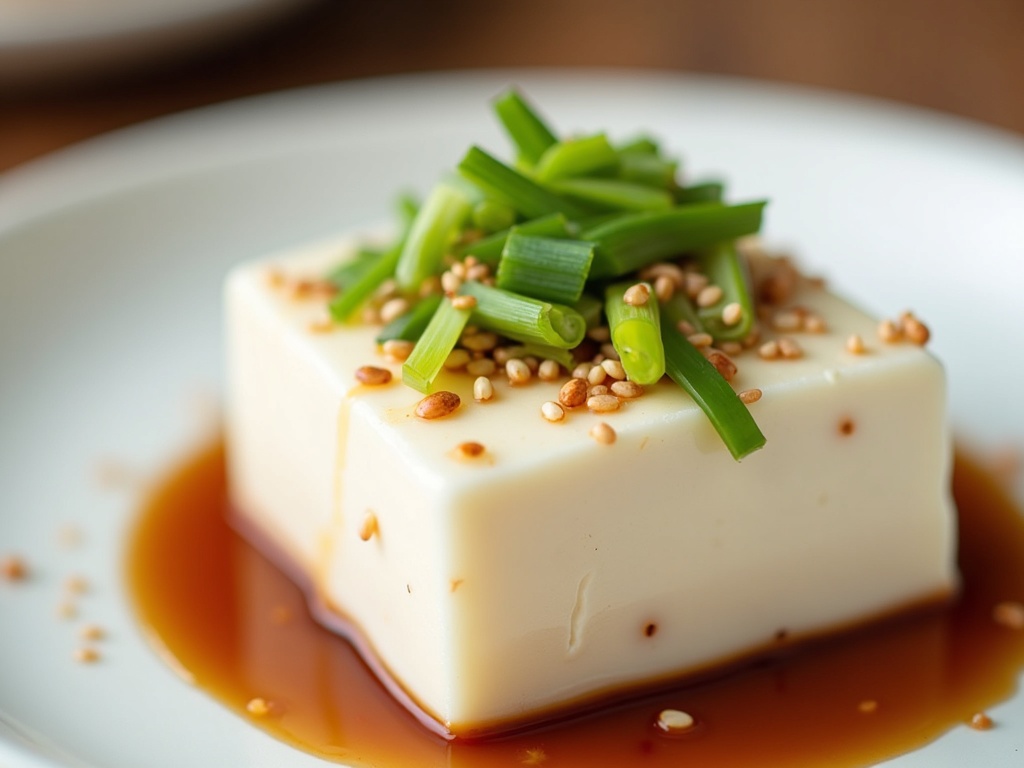
Cold Silken Tofu with Soy-Sesame Dressing
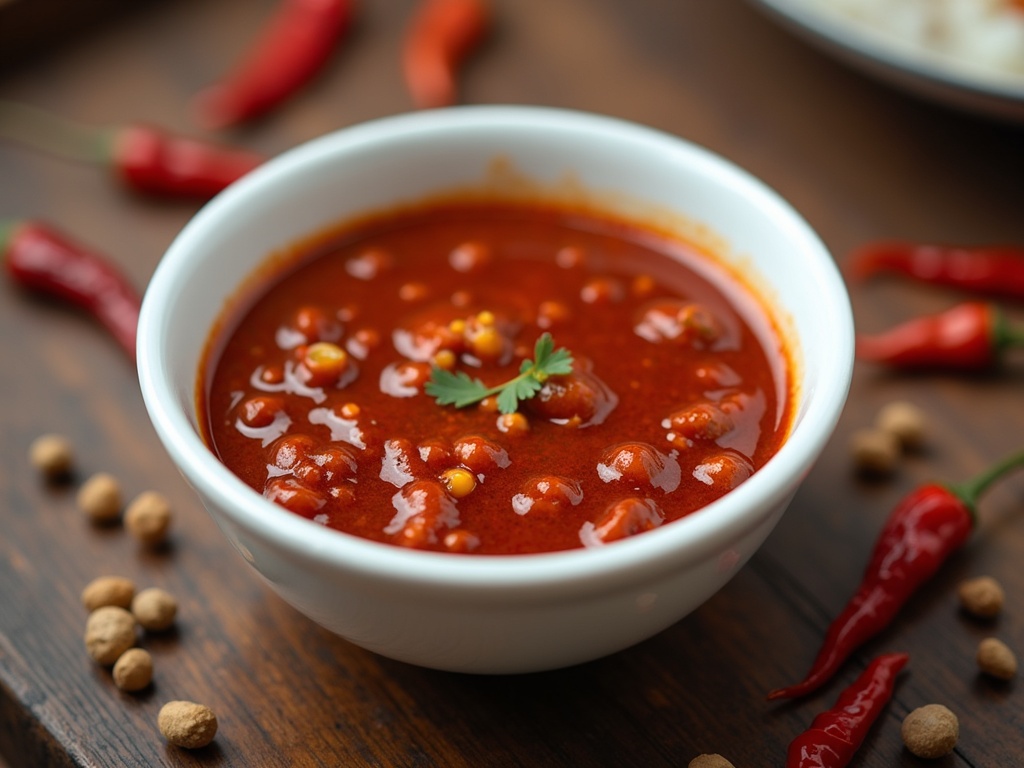
Kung Pao Sauce
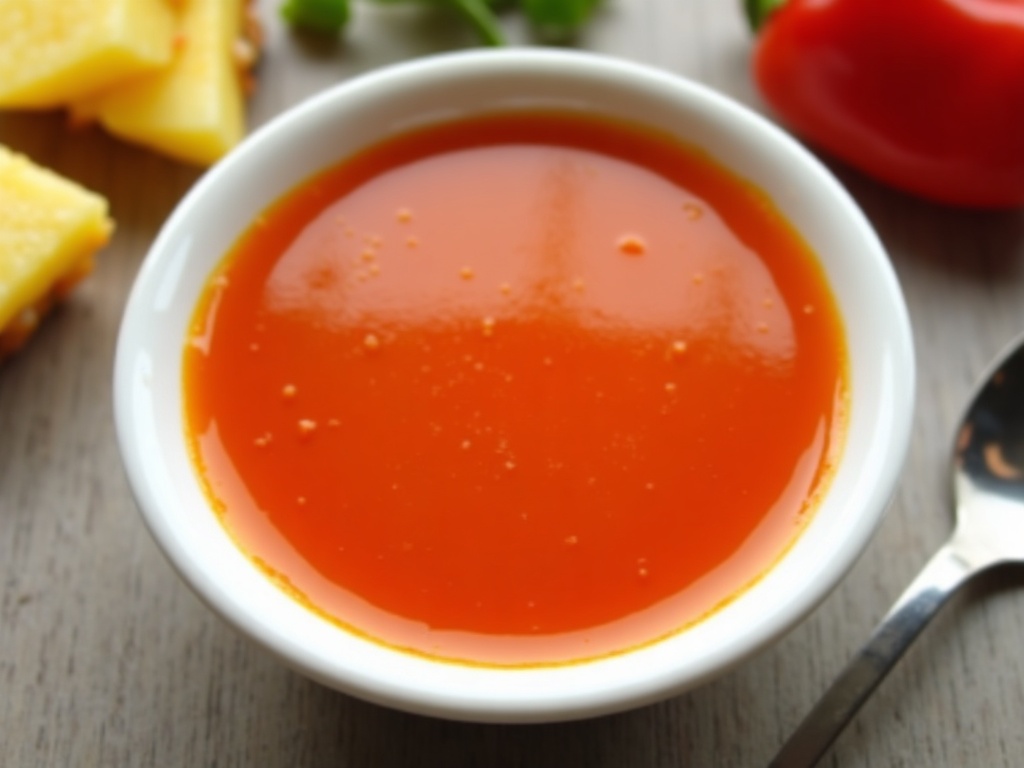
Sweet and Sour Sauce
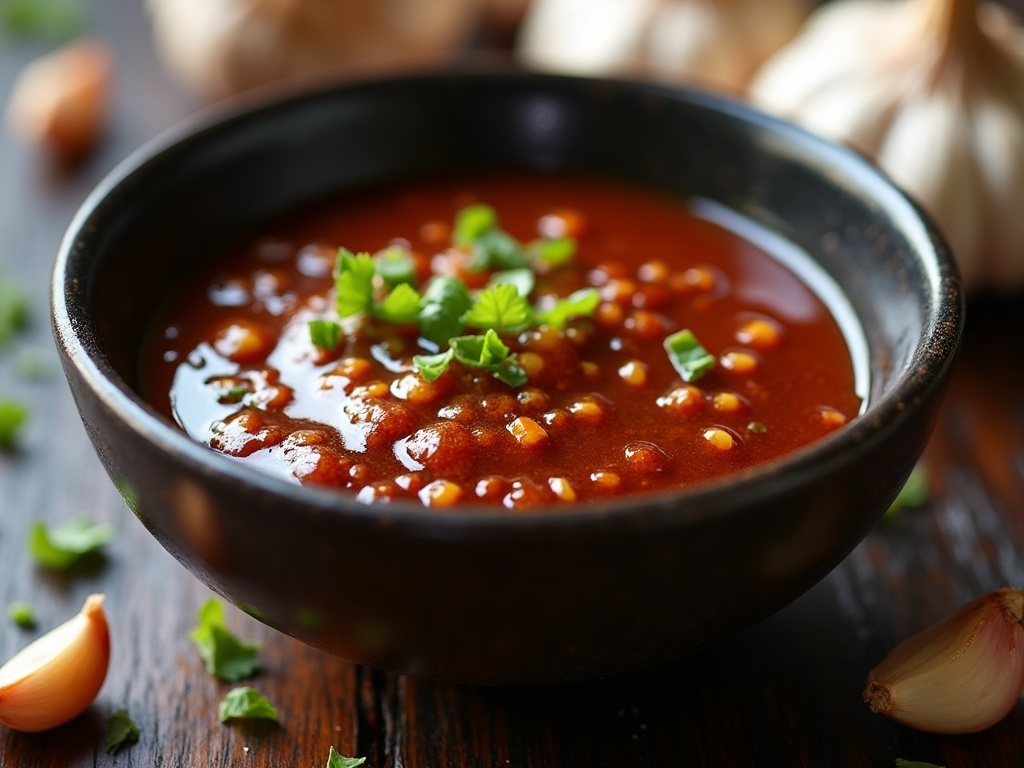
Chinese Garlic Sauce
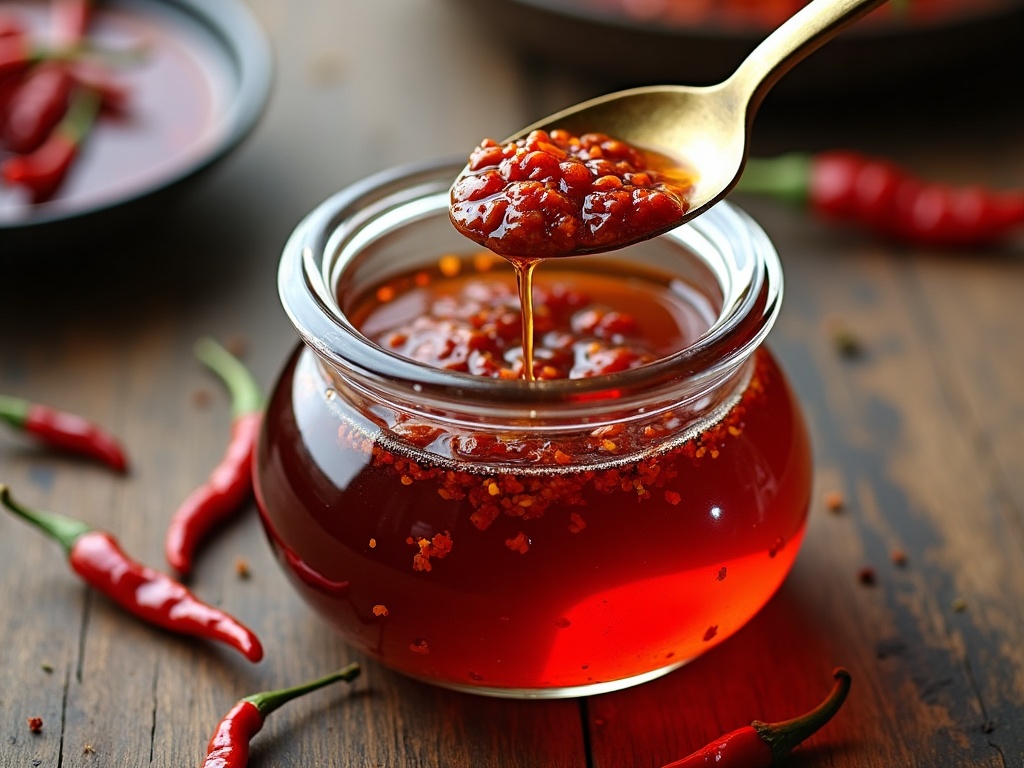
Chinese Chili Oil
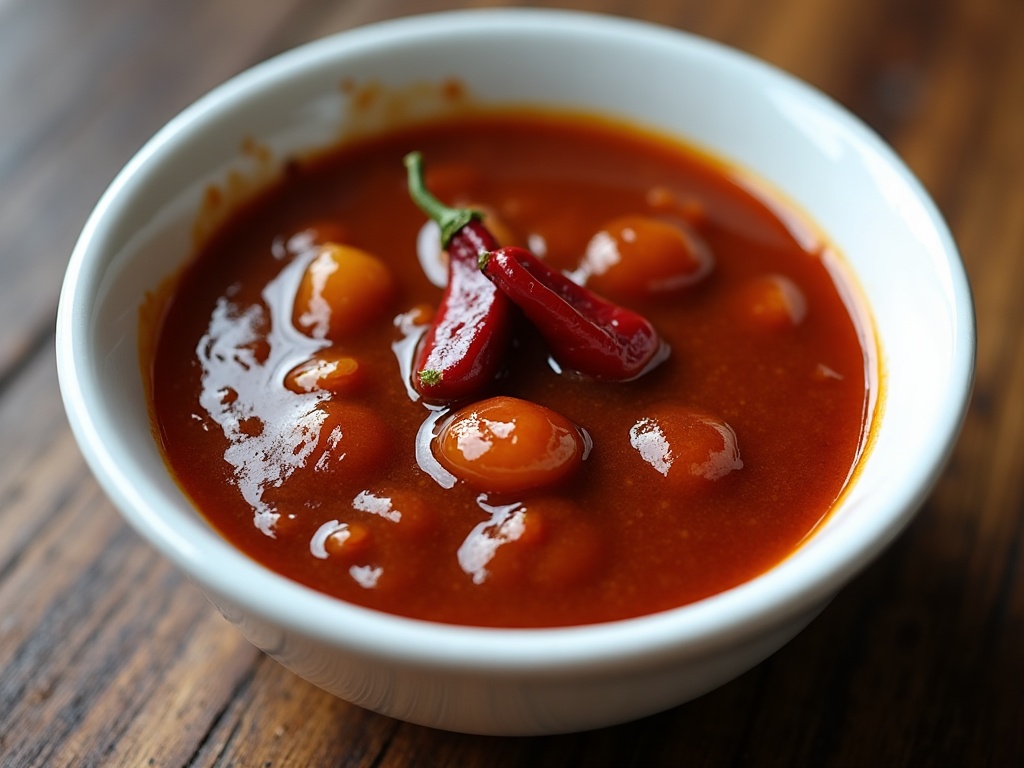
General Tso's Sauce
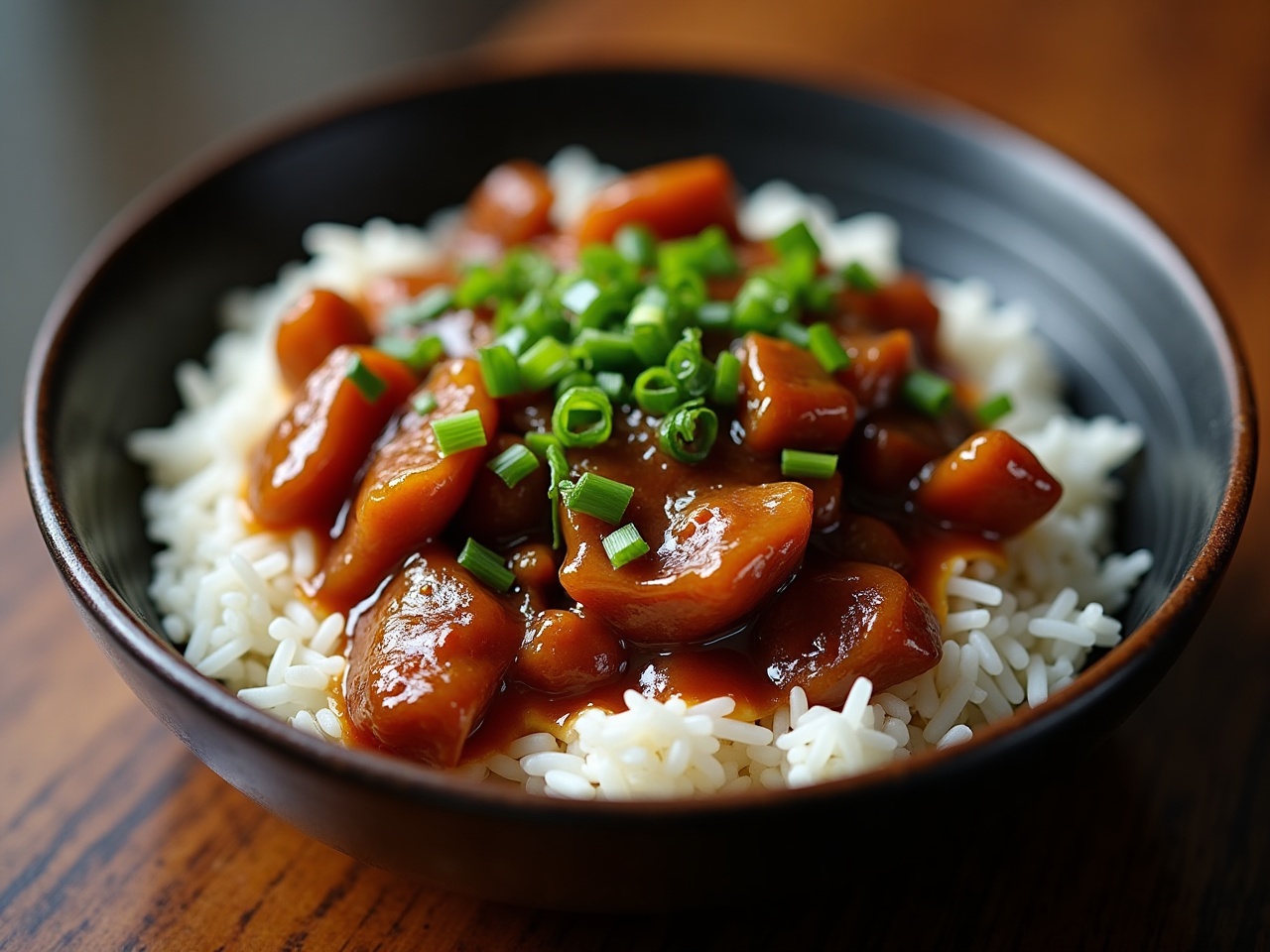
Chinese Eggplant with Garlic Sauce
Frequently asked questions
Is Chinese food vegan-friendly?
Unusually so, once you know the three things to avoid. Dairy barely exists in Chinese cooking, so you never hit the butter-and-cheese wall that makes other cuisines difficult, and the core sauces — soy, fermented bean, chili, vinegar, sesame — are all plant-based. The three things that catch people are egg (very common in Chinese vegetarian cooking), oyster sauce, and seafood-derived seasonings like fish sauce, dried shrimp, dried scallop and XO sauce. Swap those and most of the cuisine opens up.
Are dumpling and wonton wrappers vegan?
Often, but not always, so it's worth checking the package. Many round dumpling wrappers are just wheat flour, water and salt, which is vegan. Wonton wrappers are more likely to contain egg, and some fresh noodles do too. Dried wheat noodles and all rice noodles and rice paper are reliably safe. If the ingredient list is short and doesn't mention egg, you're fine.
What do you use instead of egg in Chinese cooking?
Usually nothing — you pick dishes that never had it rather than trying to replace it. Egg fried rice becomes a vegetable fried rice with extra aromatics and crumbled firm tofu for body; egg drop soup doesn't really have a vegan version worth making, but hot and sour soup with tofu and mushrooms scratches a similar itch. Where egg acts as a binder in a dumpling filling, a tablespoon of cornstarch does the same job. Crumbled firm tofu seasoned with a little turmeric and black salt is the closest thing to scrambled egg in dishes like tomato and egg.
Is tofu the only vegan protein in Chinese cooking?
Not remotely, and this is where Chinese food has an advantage over most cuisines. Beyond tofu there's fried tofu puffs, which soak up sauce like sponges; pressed and smoked tofu, which is firm and slice-able; tofu skin and bean curd sticks, which have a chew nothing in a Western pantry replicates; and wheat gluten (seitan), which was invented in Chinese monasteries. Add dried shiitake and wood ear for meaty texture, and peanuts and cashews for richness, and you have a much wider palette than tofu alone.
Get our free Chinese Kitchen Starter Guide
The 12 pantry staples, the 5 techniques, and a week of beginner-friendly dinners — plus a new decoded recipe each week.