Zhajiangmian (Beijing Fried Sauce Noodles)
This post may contain affiliate links. Read our affiliate disclosure.
🧪 Developed & tested by the The Chowmi Test Kitchen for US kitchens. How we develop our recipes.
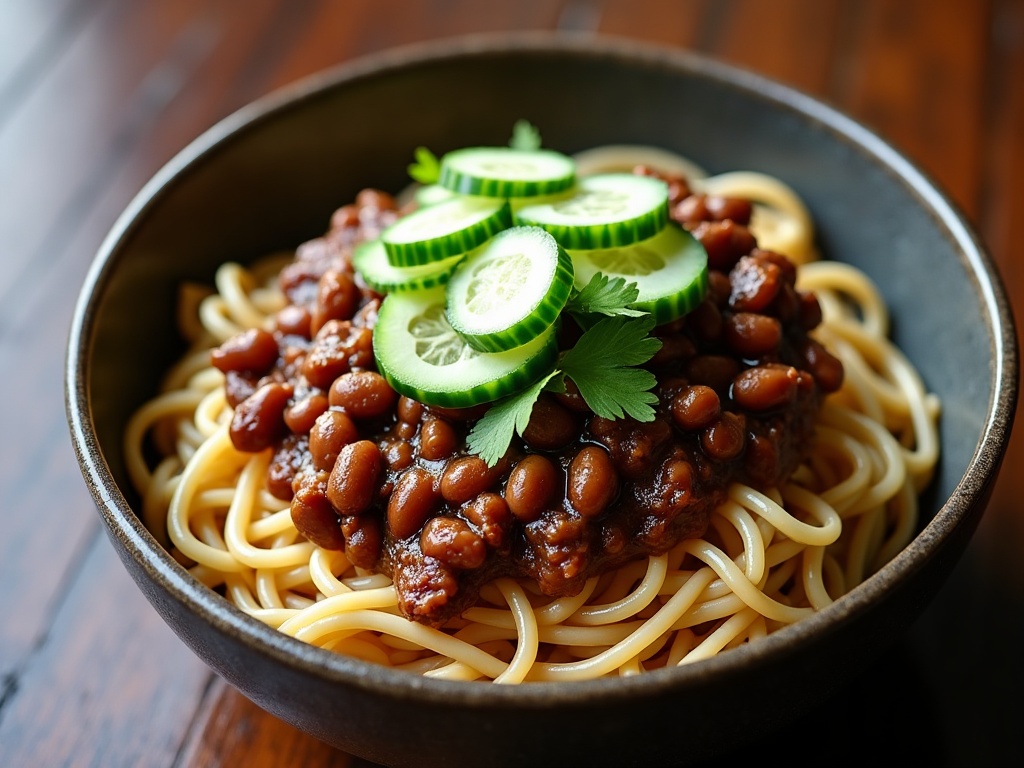
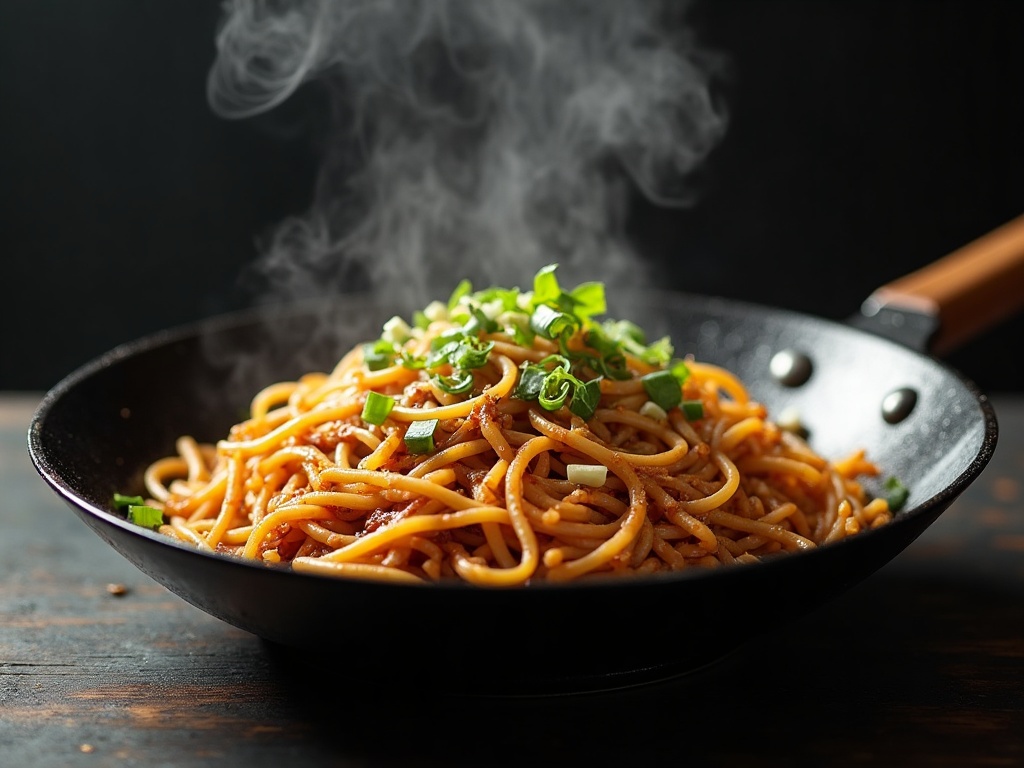
Zhajiangmian (炸醬麵), literally “fried sauce noodles,” is a Beijing classic: thick, chewy wheat noodles topped with a rich, savory sauce of ground pork slowly fried with fermented bean pastes — traditionally sweet bean sauce (tianmianjiang) and a fermented yellow soybean paste — then served with a pile of fresh, crunchy raw vegetables like julienned cucumber, bean sprouts and radish. The heart of the dish is the “zhajiang” sauce: you fry the ground pork until it renders, add the bean pastes and cook them low and slow until thick, glossy and deeply savory. Each diner tosses their own bowl, mixing the salty sauce, springy noodles and cool vegetables together. It's hearty northern comfort food, and the sauce keeps and even improves over a few days.
 Save to Pinterest
Why you'll love this zhajiangmian (beijing fried sauce noodles)
- Deeply savory, rich and satisfying northern comfort food — and unlike anything from a takeout menu.
- The sauce is mostly hands-off once it's simmering, and it keeps and improves for days.
- Fresh, crunchy raw-vegetable toppings balance the rich sauce so it never feels heavy.
- We tell you exactly which bean sauces to use and how to swap them if you can't find them.
Ingredients
Zhajiang sauce
To serve
Missing an ingredient?
AITell us what you have and what you're making — get the best US-grocery swap, with ratios.
Hard-to-find ingredients, delivered
Stock the pantry once and you can cook this anytime: sweet bean sauce, Shaoxing wine. Asian groceries deliver nationwide.
Equipment
- Wok or saucepan — For frying the sauce down slowly.(shop →)
Instructions
Stir the sweet bean sauce, soybean paste (or hoisin), dark soy, Shaoxing wine and sugar together with the water in a bowl so it's ready to add all at once.
Heat the oil in a wok over medium heat and cook the ground pork, breaking it up, until it's no longer pink and starting to render and crisp, about 5 minutes.
Add the garlic, ginger and scallion whites and stir for 30 seconds until fragrant. Pour in the bean-sauce mixture.
💡 If the bean pastes taste raw and sharp, that's normal now — the slow simmer is what mellows them into a rich, glossy sauce.
Lower the heat and simmer gently, stirring often, for 12–15 minutes, until the sauce is thick, dark and glossy and the oil starts to separate at the edges. Add a splash more water if it gets too thick.
💡 Low and slow is the secret — rushing it over high heat scorches the bean paste and makes it bitter.
Meanwhile, cook the noodles until just tender, drain, and rinse briefly if you like them cool. Divide among bowls.
Top each bowl of noodles with a generous spoonful of the sauce and a pile of julienned cucumber and other raw vegetables. Scatter scallion greens over the top. Toss everything together at the table before eating.
Tips & notes
- The two bean sauces are the soul of the dish. Sweet bean sauce (tianmianjiang) plus a fermented soybean paste is traditional; if you can only find one, hoisin can stand in for the sweet side — see our sweet bean sauce guide.
- Use a fattier ground pork, and don't drain the fat — it carries the flavor and gives the sauce its glossy richness.
- Cook the sauce low and slow. The long, gentle simmer is what mellows the raw bean-paste sharpness into deep savoriness.
- Pile on the fresh raw vegetables — their crunch and coolness are essential to balance the rich, salty sauce.
- The sauce keeps for up to a week in the fridge and tastes even better the next day; just reheat and cook fresh noodles.
Recipe wording too vague?
AIPaste any fuzzy step (少许, 火候正好, 焯水) and get exact amounts, temps and times.
Zhajiangmian (Beijing Fried Sauce Noodles)
- Prep
- 15 min
- Cook
- 25 min
- Total
- 40 min
- Serves
- 4
- Level
- Intermediate
Ingredients
- 12 oz ground pork, a fattier grind is better here
- 4 tbsp sweet bean sauce (tianmianjiang)
- 2 tbsp fermented soybean paste or hoisin, yellow soybean paste is traditional
- 1 tbsp dark soy sauce, for color
- 1 tbsp Shaoxing wine
- 1 tsp sugar
- 4 cloves garlic, minced
- 1 tbsp fresh ginger, minced
- 4 scallions, whites minced, greens reserved
- 2 tbsp neutral oil
- ¾ cup water
- 1 lb thick wheat noodles, fresh or dried
- 1 cucumber, julienned
- 1 cup bean sprouts, blanched, optional
- 1 carrot or radish, julienned, optional
Instructions
- Stir the sweet bean sauce, soybean paste (or hoisin), dark soy, Shaoxing wine and sugar together with the water in a bowl so it's ready to add all at once.
- Heat the oil in a wok over medium heat and cook the ground pork, breaking it up, until it's no longer pink and starting to render and crisp, about 5 minutes.
- Add the garlic, ginger and scallion whites and stir for 30 seconds until fragrant. Pour in the bean-sauce mixture.
- Lower the heat and simmer gently, stirring often, for 12–15 minutes, until the sauce is thick, dark and glossy and the oil starts to separate at the edges. Add a splash more water if it gets too thick.
- Meanwhile, cook the noodles until just tender, drain, and rinse briefly if you like them cool. Divide among bowls.
- Top each bowl of noodles with a generous spoonful of the sauce and a pile of julienned cucumber and other raw vegetables. Scatter scallion greens over the top. Toss everything together at the table before eating.
Nutrition (est., per serving): 560 cal · 24 g protein · 66 g carbs · 22 g fat
Zhajiangmian (Beijing Fried Sauce Noodles) FAQ
What sauce is used in zhajiangmian?
Traditionally two fermented bean pastes: sweet bean sauce (tianmianjiang), which is sweet-savory and wheat-based, and a salty fermented yellow soybean paste. They're fried with ground pork into the “zhajiang” (fried sauce). If you can't find both, you can lean on sweet bean sauce alone, or substitute hoisin for the sweet side — see our sweet bean sauce substitute guide.
What noodles are best for zhajiangmian?
Thick, chewy wheat noodles are traditional, because they stand up to the heavy sauce. Fresh hand-pulled or thick wheat noodles are ideal; thick dried wheat noodles or even udon-style noodles work well too. Avoid thin, delicate noodles, which get lost under the rich sauce.
Can I make zhajiangmian vegetarian?
Yes. Replace the ground pork with finely chopped mushrooms (and/or crumbled firm tofu), browning them well to build savory depth, and use the same bean sauces. Check that your bean pastes don't contain animal products. The result is a hearty, satisfying meat-free version.
Why does my bean sauce taste bitter or harsh?
It was likely cooked too hot or too fast. Fermented bean pastes need a gentle, slow simmer to mellow — over high heat they scorch and turn bitter. Keep the heat low, stir often, add a splash of water if it thickens too quickly, and give it the full 12–15 minutes to develop.
How long does the zhajiang sauce keep?
The sauce keeps for up to a week refrigerated in an airtight container, and many people think it tastes even better after a day or two as the flavors meld. It also freezes well. Just cook fresh noodles and prep the raw vegetable toppings when you're ready to eat.
You might also like
Get our free Chinese Kitchen Starter Guide
The 12 pantry staples, the 5 techniques, and a week of beginner-friendly dinners — plus a new decoded recipe each week.
Comments
Made this? Have a question or a tweak? Share it below.
No comments yet — be the first!