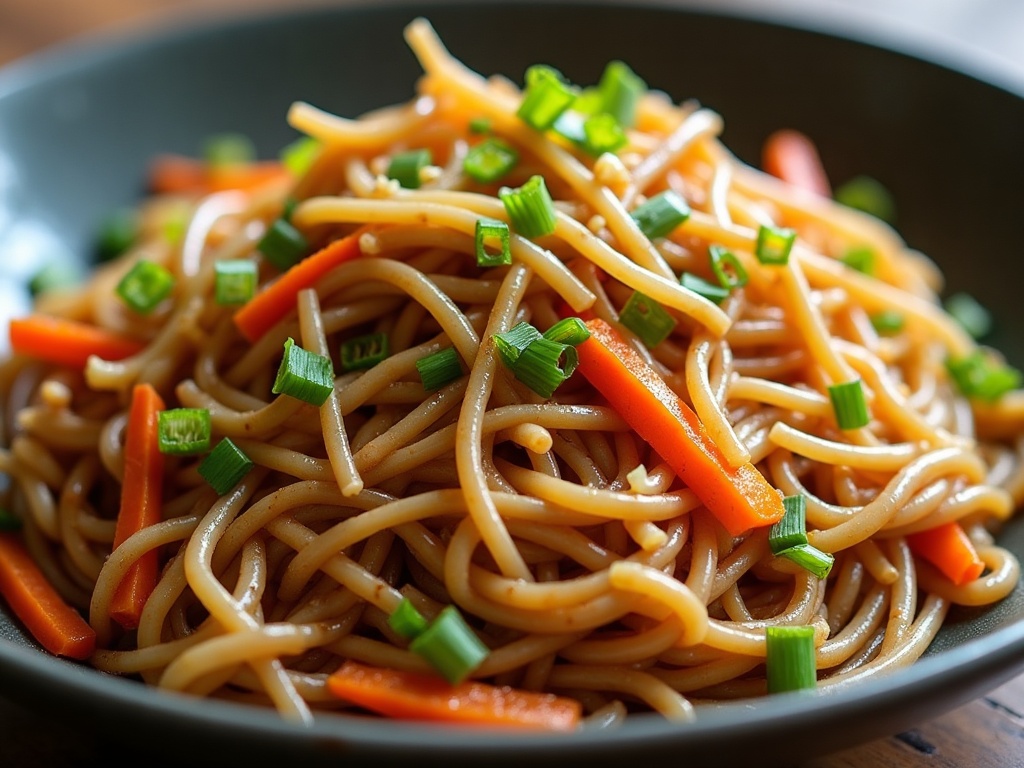
1. Lo Mein
20 min · Beginner · Cantonese
Soft egg noodles tossed — not fried — in a savory soy-sesame sauce with crisp vegetables. The easy, saucy 20-minute weeknight noodle, and endlessly adaptable.
By The Chowmi Test Kitchen · Updated June 6, 2026
Noodles run deep in Chinese cooking, and the variety is huge — soft and saucy, pan-fried and crisp, smoky from a screaming-hot wok, or buried under a rich fermented-bean sauce. These Chinese noodle recipes cover the spread, from a 20-minute weeknight lo mein to the wok-skill showcase of beef chow fun. Most use ingredients you can find at a regular grocery store (with substitutes noted for the few you can't), and each one explains the single technique that makes it work — whether that's tossing instead of frying, chasing wok hei, or simmering a bean sauce low and slow. Pick by craving: quick and saucy, smoky and charred, spicy, or hearty.
Soft egg noodles tossed — not fried — in a savory soy-sesame sauce with crisp vegetables. The easy, saucy 20-minute weeknight noodle, and endlessly adaptable.
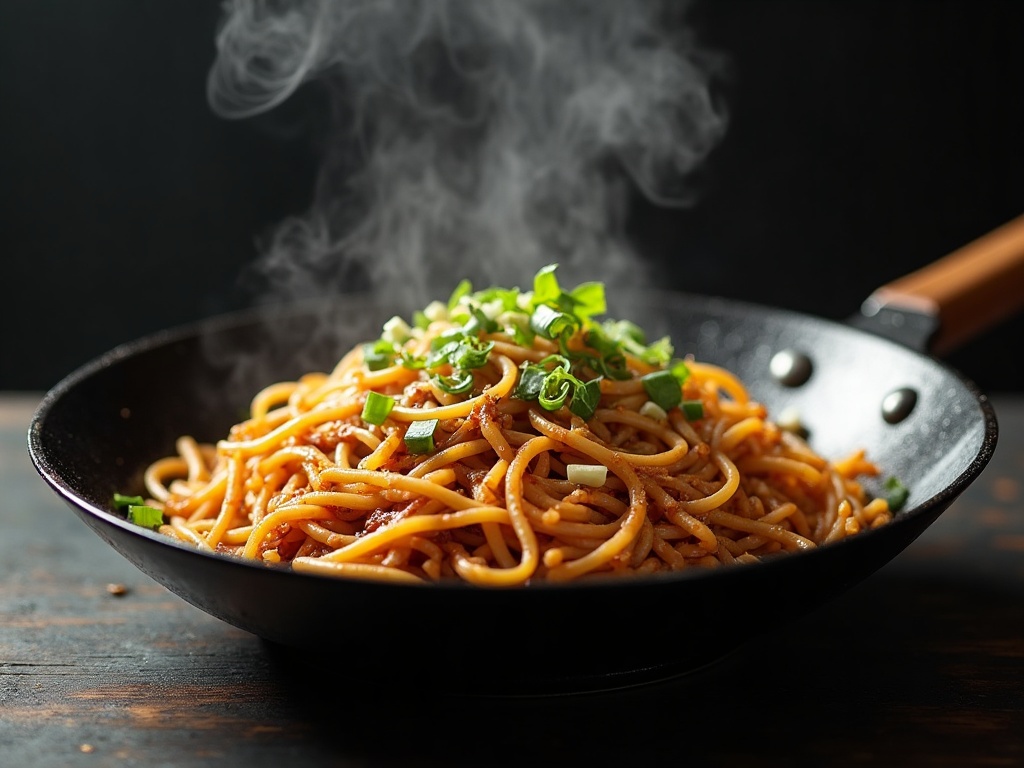
Pan-fried noodles with browned, crispy edges and that smoky wok-hei flavor. The crisp counterpart to lo mein, and a great home for leftover protein.
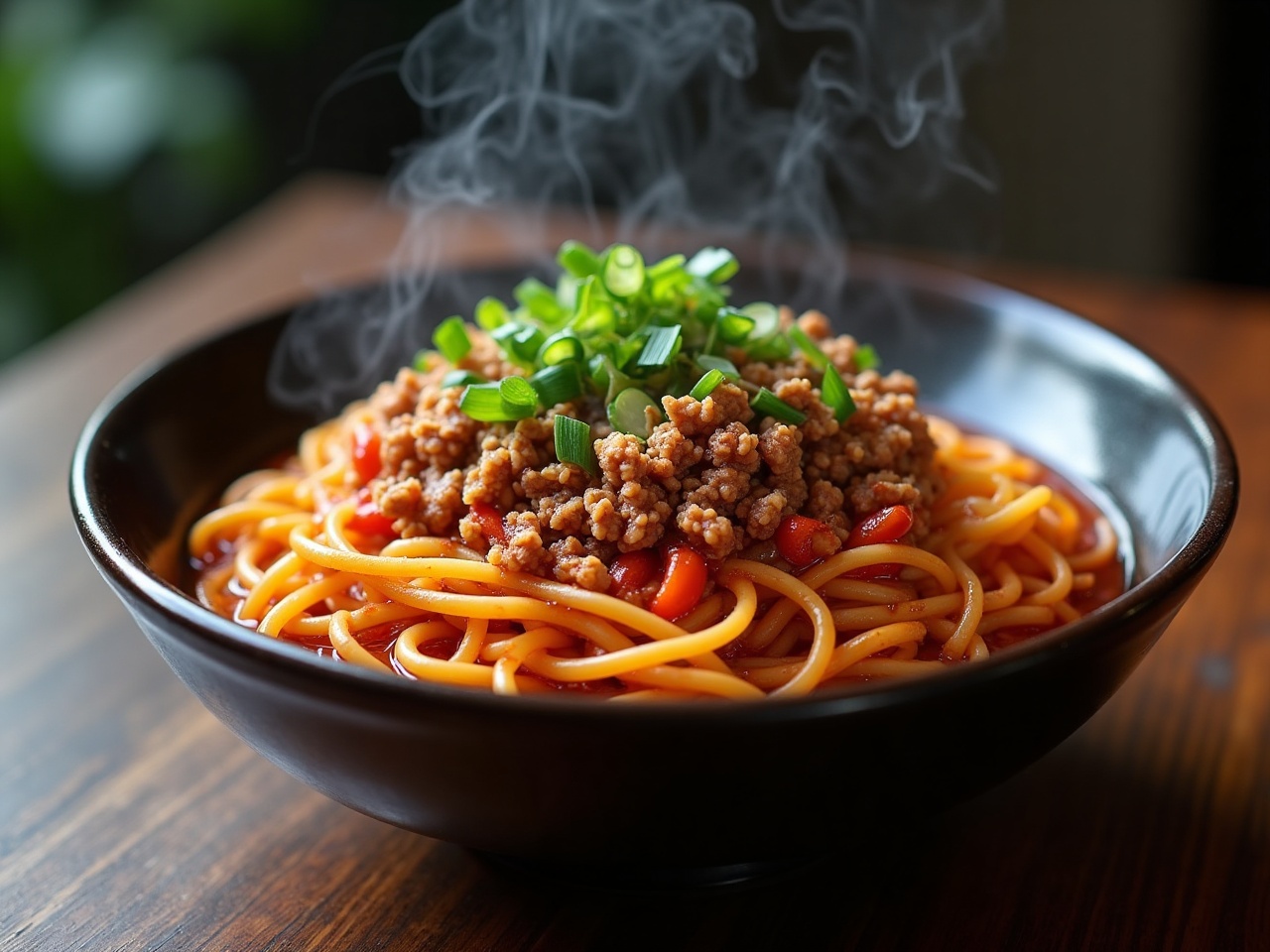
Saucy, nutty and tingly Sichuan noodles — chili oil, sesame paste and Sichuan peppercorn over springy noodles. Bold, spicy and addictive.
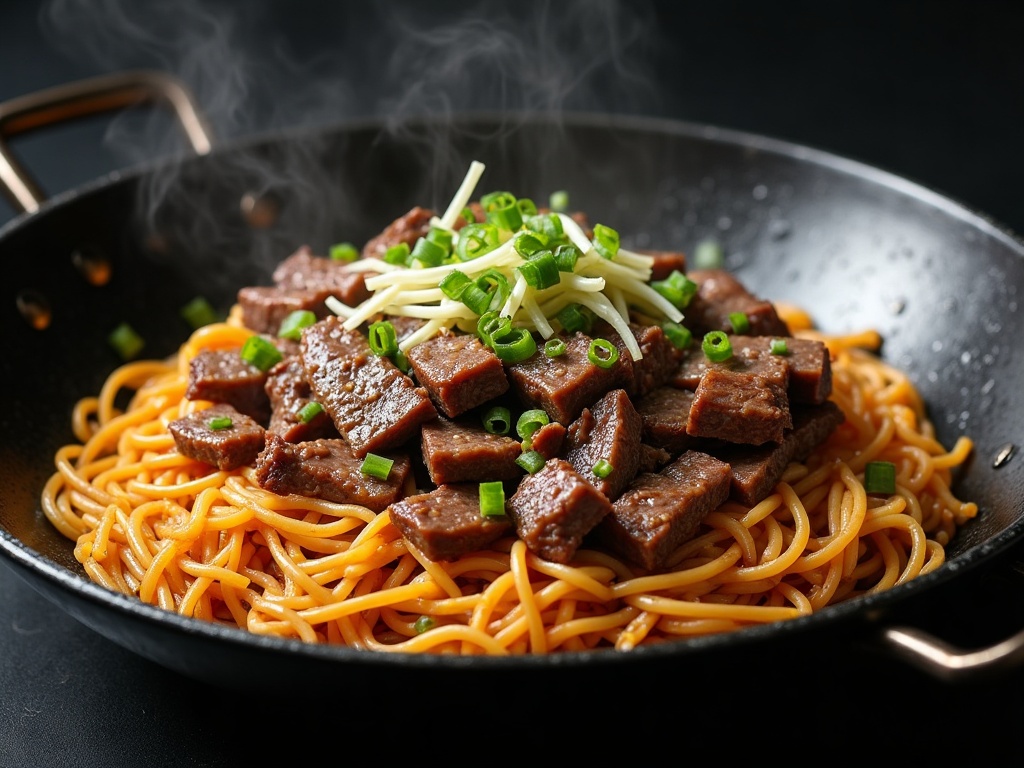
Wide rice noodles and tender beef with charred, smoky wok hei. The classic test of stir-fry skill — and the payoff is silky, smoky noodles.
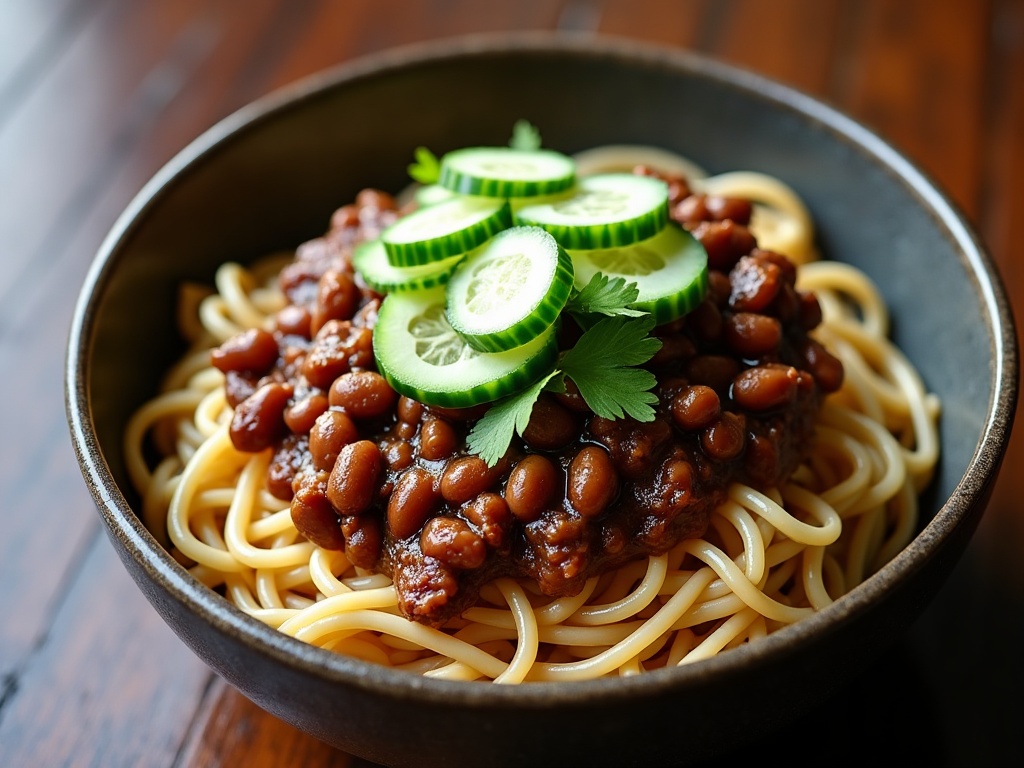
Beijing's fried-sauce noodles: thick wheat noodles under a rich, savory fermented-bean pork sauce with fresh crunchy vegetables. Hearty and unlike any takeout noodle.
Both start from the same egg noodles, but the technique differs. Lo mein means “tossed noodles” — boiled noodles tossed with sauce, so they stay soft and saucy. Chow mein means “fried noodles” — the noodles are pan-fried so they brown and turn chewy or crisp. Lo mein is the softer one; chow mein is the one with crispy edges.
Lo mein and chow mein are the most familiar in the West, but the range is wide: beef chow fun (wide rice noodles), dan dan noodles (spicy Sichuan), zhajiangmian (Beijing fried-sauce noodles), and biang biang or hand-pulled noodles. Each region has its own signature style and noodle shape.
It depends on the dish. Fresh egg noodles are used for lo mein and chow mein; wide, flat rice noodles (ho fun) for chow fun; thick wheat noodles for zhajiangmian; and thin wheat noodles for many soups and Sichuan dishes. Most are sold fresh in the refrigerated section of Asian markets, with dried versions as a backup.
The noodles themselves usually are (wheat or rice based, though egg noodles contain egg), but the dishes often include meat or oyster/fish sauce. Many translate easily to vegetarian — lo mein, chow mein and even zhajiangmian work well with mushrooms or tofu and a vegetarian 'oyster' sauce. Each recipe here notes how to make it meat-free.
The 12 pantry staples, the 5 techniques, and a week of beginner-friendly dinners — plus a new decoded recipe each week.