How to Make Fried Rice (the Restaurant Way)
By The Chowmi Test Kitchen · Updated June 10, 2026
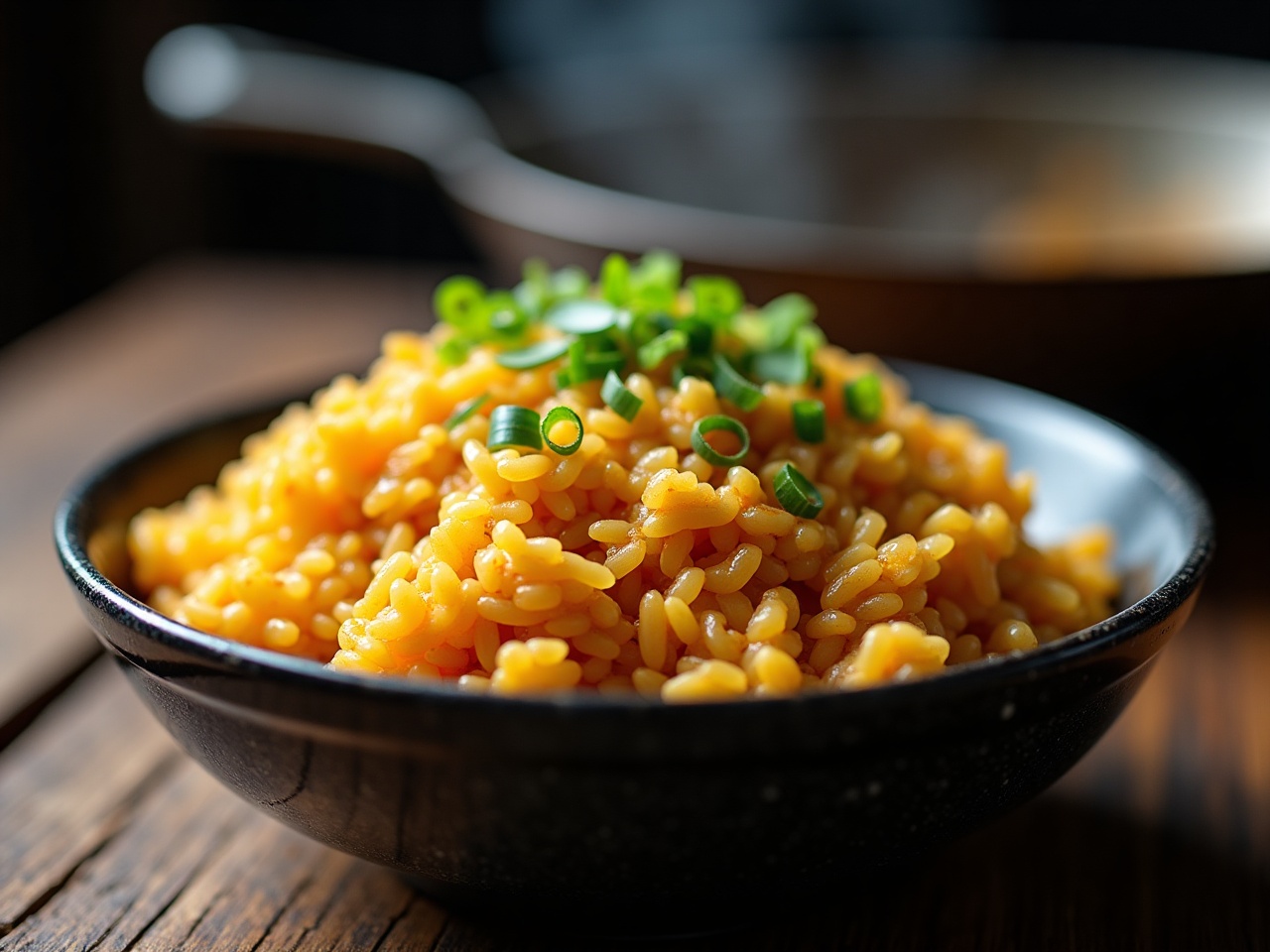
The secret to great fried rice is cold, day-old rice and a screaming-hot pan. Freshly cooked rice is too moist and turns to mush; rice chilled overnight dries out so the grains stay separate and fry instead of steam. Cook over your highest heat in a wide wok or skillet, work in batches so you never crowd the pan, and add ingredients in order — eggs first, then aromatics, then the rice broken up, then seasoning and quick add-ins last. Season simply with soy sauce, a little sesame oil, and white pepper, and resist constant stirring: let the rice sit against the hot metal for a few seconds at a time to pick up a toasty, smoky char (wok hei). Day-old rice, high heat, no crowding, and a fast hand are the whole game — get those right and you can turn almost any leftover rice and odds-and-ends into better-than-takeout fried rice in minutes.
Start with cold, day-old rice
This is the single most important step. Warm, fresh rice is full of surface moisture and clumps; in a hot pan it steams and goes gummy. Rice that's been refrigerated overnight loses that moisture, the grains firm up and separate, and they fry to a light, chewy texture. Long-grain rice like jasmine works best because it's naturally less sticky. No day-old rice? Spread freshly cooked rice on a tray and chill it in the fridge (or briefly the freezer) for 30–60 minutes, uncovered, to dry the surface before you cook.
Get the pan hot and don't crowd it
Fried rice is a high-heat, fast dish. Use a wok or your widest skillet and get it genuinely hot before the oil goes in. Cook for one to two servings at a time — pile too much in and the pan temperature crashes, so the rice steams in its own moisture instead of frying. If you're feeding a few people, cook in batches and combine at the end. A wide surface and high heat are what give you separate, lightly toasted grains.
The order of operations
Have everything prepped and within reach before you start — once the pan is hot it moves quickly.
- Scramble the eggs first in a little hot oil, just until barely set, then push them aside or remove them.
- Add a touch more oil and the aromatics — garlic, ginger, scallion whites, and any firm vegetables — and stir-fry until fragrant.
- Add the cold rice and press it into the hot pan, then toss; break up clumps with your spatula until the grains separate and start to toast.
- Season around the edge of the pan — soy sauce, a little sesame oil, white pepper — and toss to coat evenly so nothing stays soggy in one spot.
- Fold the eggs back in with any quick-cooking add-ins (peas, cooked protein, scallion greens), toss 30 seconds more, and serve right away.
Season simply and chase the char
Restaurant fried rice tastes clean, not muddy, because it's seasoned with a light hand: soy sauce for savory depth, a few drops of toasted sesame oil for aroma at the end, and white pepper for a gentle warmth. Resist the urge to drown it in sauce. For that smoky takeout flavor — wok hei — let the rice sit undisturbed against the hot metal for a few seconds between tosses so it lightly chars rather than stewing. A neutral oil with a high smoke point lets you push the heat without burning.
Fix the usual problems — and make it yours
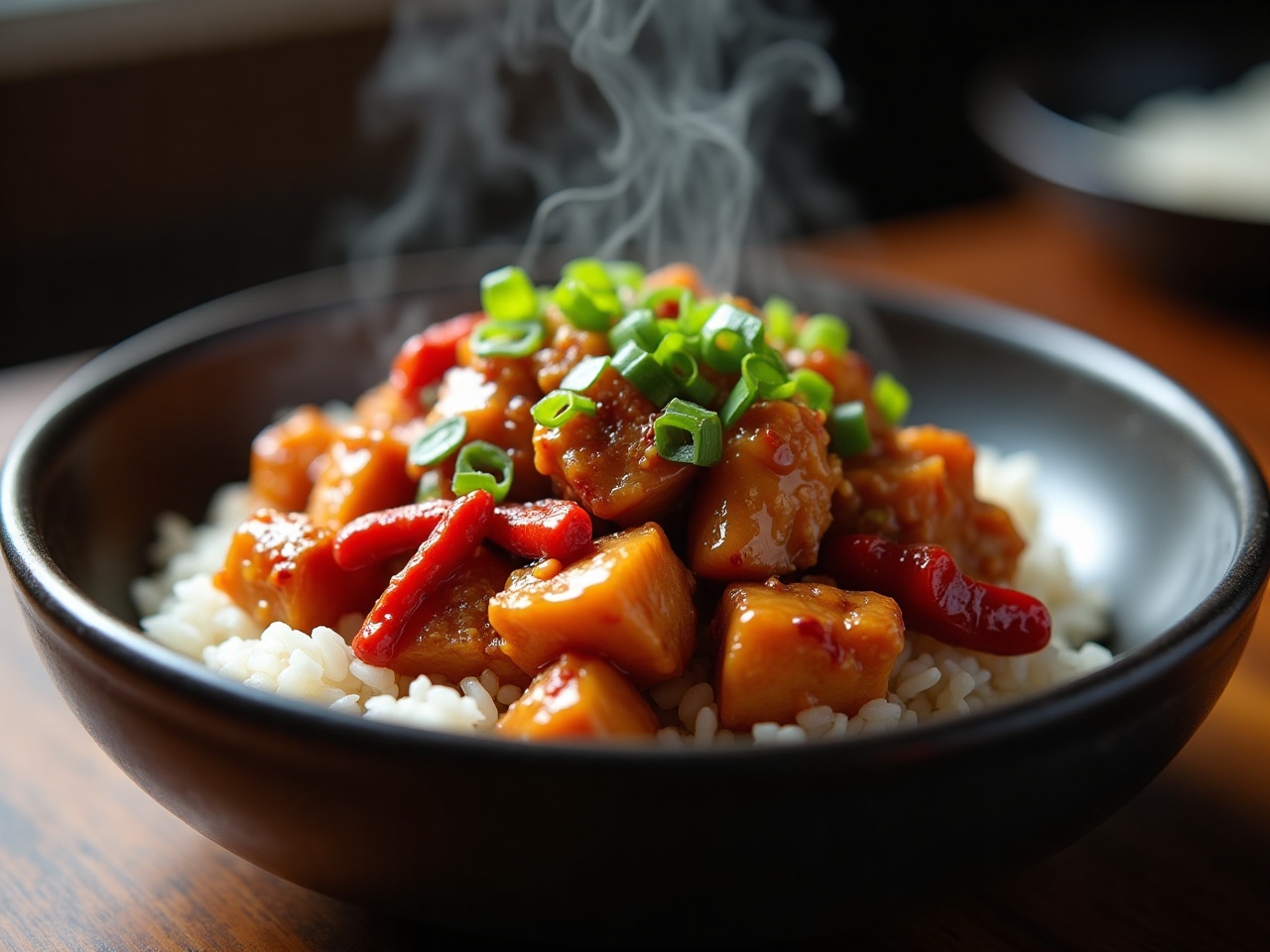
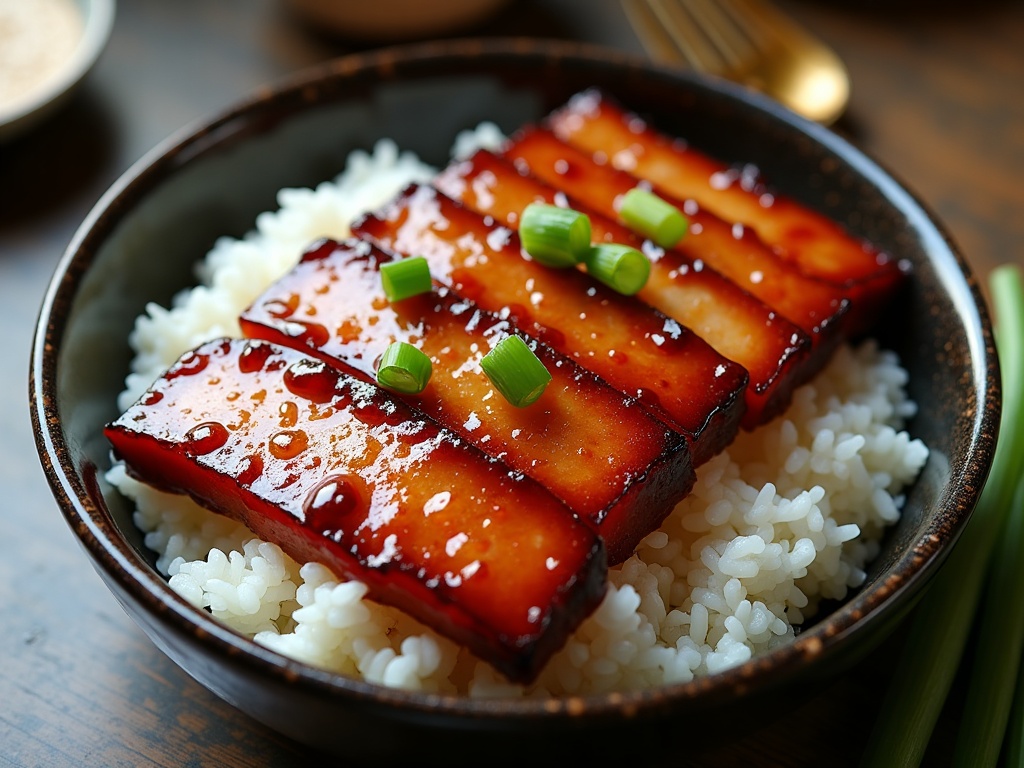
Mushy or soggy rice almost always means the rice was too fresh, the pan too cool, or the pan too crowded — fix those three and the texture transforms. Once you've got the method, fried rice is endlessly flexible: swap in leftover roast chicken, shrimp, char siu, or just extra egg and vegetables. The recipes below put the technique to work.
How to Make Fried Rice (the Restaurant Way) FAQ
Why do you use day-old rice for fried rice?
Day-old rice has dried out in the fridge, so the grains are firm and separate and they fry rather than steam. Freshly cooked rice is too moist — it clumps and turns gummy in the pan. If you only have fresh rice, spread it on a tray and chill it uncovered for 30–60 minutes to dry the surface before frying.
Why is my fried rice mushy or soggy?
Three usual culprits: the rice was too fresh and moist, the pan wasn't hot enough, or you cooked too much at once so it steamed instead of frying. Use cold day-old rice, get the pan genuinely hot before adding the rice, cook one to two portions at a time, and don't over-sauce it.
What kind of rice is best for fried rice?
Long-grain rice such as jasmine is ideal because it's less sticky and the grains stay separate. Medium-grain works too. Avoid short-grain or sushi rice, which is stickier and clumps more easily. Whatever you use, cook it the day before (or chill it well) so it dries out before frying.
Can I make fried rice with fresh rice?
It's much harder but possible. Cook the rice with slightly less water than usual, spread it in a thin layer on a sheet tray, and chill it uncovered in the fridge for 30–60 minutes (or briefly in the freezer) to drive off surface moisture. Then fry it in a very hot pan in small batches.
What seasonings go in Chinese fried rice?
Keep it simple: light soy sauce for savory depth, a few drops of toasted sesame oil added at the end for aroma, and white pepper for gentle warmth. Some cooks add a little oyster sauce or a pinch of sugar. The goal is a clean, savory flavor — over-seasoning is what makes homemade fried rice taste muddy.
Recipes to try this with
Get our free Chinese Kitchen Starter Guide
The 12 pantry staples, the 5 techniques, and a week of beginner-friendly dinners — plus a new decoded recipe each week.