Gochujang Substitutes
고추장 · Korean red chili paste
By The Chowmi Test Kitchen · Updated June 6, 2026
This post may contain affiliate links. Read our affiliate disclosure.
The closest substitute for gochujang is Chinese doubanjiang (fermented chili-bean paste) with a little added sugar or honey, since both are thick, fermented, savory and spicy — you just add sweetness to bridge the gap. The next best is a homemade blend of red miso plus chili flakes (gochugaru if you have it) and a little sugar, which rebuilds gochujang's three pillars: umami (miso), heat (chili) and sweetness (sugar). In a pinch, sriracha mixed with miso and a pinch of sugar gets you a fast approximation, though it's thinner and tangier. The thing to remember is that gochujang isn't just hot — it's sweet, deeply fermented and umami-rich — so a plain hot sauce alone won't match it. Add a fermented element (miso or bean paste) plus a touch of sweetness and you'll be close.
No gochujang? Build the best swap
AITell us what you're making and what you have — get a tailored substitute with ratios.
Every gochujang substitute, ranked
| Substitute | Ratio | Match |
|---|---|---|
| Doubanjiang + sugar Savory cooked dishes · vegan | 1:1 paste + ½ tsp sugar per tbsp | 80% |
| Red miso + chili flakes + sugar Closest homemade match · vegan | 2 part miso : 1 part chili : 1 part sugar | 78% |
| Sriracha + miso + sugar Fast approximation · vegan | 2 part sriracha : 1 part miso + a pinch sugar | 65% |
| Tomato paste + miso + chili Color + body, low heat · vegan | Equal paste + miso, chili to taste | 55% |
- Doubanjiang + sugar: Chinese chili-bean paste is fermented and spicy like gochujang; add a little sugar to match the sweetness. Saltier, so ease up on other salt.
- Red miso + chili flakes + sugar: Rebuilds gochujang's umami + heat + sweetness from pantry staples. Use Korean gochugaru if you have it for the truest flavor.
- Sriracha + miso + sugar: Quicker but thinner and more tangy/garlicky. Good when you just need heat plus a fermented note.
- Tomato paste + miso + chili: A pantry stretch that mimics the thick texture and adds umami; won't capture the true fermented-chili depth.
What is Gochujang?
Gochujang is a thick, deep-red Korean condiment made from fermented chili powder, glutinous rice, fermented soybeans and salt. It's sweet, spicy, savory and intensely umami, and a staple of Korean cooking. On a Chinese-cooking site it comes up most often as a stand-in (and a stand-in target) for doubanjiang, the Chinese chili-bean paste — the two are cousins, both fermented and spicy, though gochujang is sweeter and doubanjiang is saltier and beanier.
Flavor: Sweet-hot and deeply fermented, with a thick, sticky texture.
Gochujang vs doubanjiang
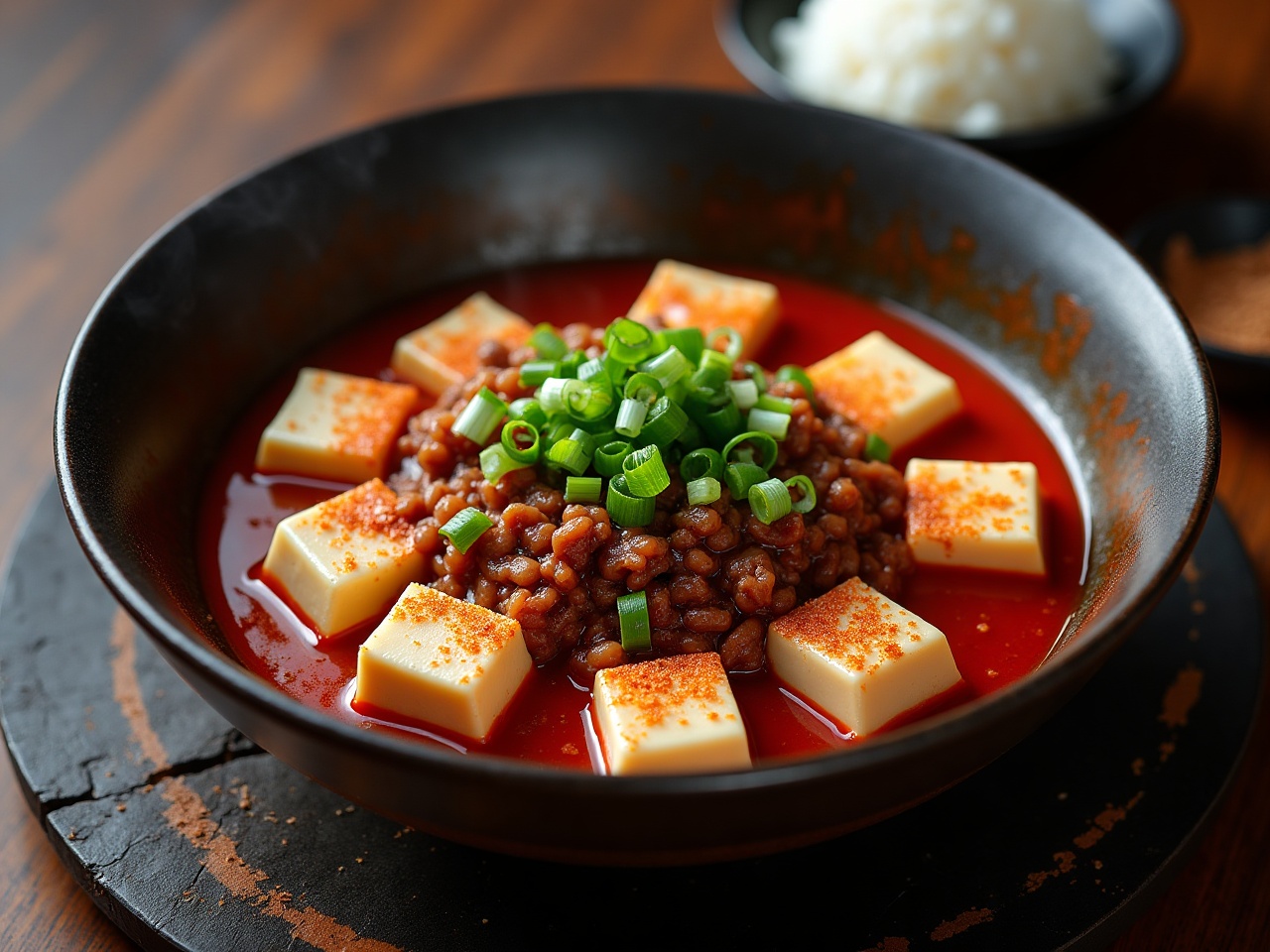
Both are thick, fermented, spicy bean-and-chili pastes, which is why they sub for each other — but they aren't identical. Gochujang (Korean) is sweeter and smoother, built on glutinous rice. Doubanjiang (Chinese, especially Pixian) is saltier, beanier and more savory, and it's the soul of dishes like mapo tofu and twice-cooked pork. Swapping works in a pinch: add sugar when using doubanjiang for gochujang, and cut the sugar (plus a little salt) when using gochujang for doubanjiang.
Gochujang vs sriracha
They're very different. Sriracha is a thin, tangy, garlicky hot sauce; gochujang is a thick, sweet, deeply fermented paste. Sriracha alone can't replace gochujang because it lacks the body, sweetness and fermented umami — but sriracha plus a little miso and sugar gets you a usable stand-in.
Where to buy gochujang
Stock real gochujang
Gochujang comes in tubs (Chung Jung One, Sempio) and is increasingly in regular supermarkets' international aisle, plus every Asian market, Weee!, Yamibuy and Amazon. It keeps for months in the fridge once opened.
Gochujang FAQ
What is the best substitute for gochujang?
Chinese doubanjiang (chili-bean paste) plus a little sugar is the closest easy swap — both are thick, fermented and spicy, and the sugar bridges gochujang's sweetness. If you don't have doubanjiang, mix red miso with chili flakes and sugar to rebuild gochujang's umami, heat and sweetness.
Can I use doubanjiang instead of gochujang?
Yes, with a small tweak. Doubanjiang is saltier and less sweet, so use it roughly 1:1 and stir in about ½ teaspoon of sugar per tablespoon, then go easy on other salt. It won't be identical — more savory, less sweet — but it works well in cooked, spicy dishes.
Is gochujang Chinese or Korean?
Gochujang is Korean. It comes up in Chinese cooking mainly as a substitute for doubanjiang, the Chinese fermented chili-bean paste, because the two are similar — both thick, fermented and spicy — but they're from different cuisines and have distinct flavors.
What can I use instead of gochujang for less heat?
Use a red miso base with just a small amount of chili and a little sugar — this keeps gochujang's sweet, fermented, umami character while dialing back the spice. You control the heat by how much chili flake you add.
Is gochujang vegan and gluten-free?
Most gochujang is vegan, but it is usually NOT gluten-free — traditional versions contain barley or wheat. If you need gluten-free, look for a certified gluten-free gochujang, or build a substitute from gluten-free miso, chili and sugar.
Recipes that use gochujang
Get our free Chinese Kitchen Starter Guide
The 12 pantry staples, the 5 techniques, and a week of beginner-friendly dinners — plus a new decoded recipe each week.