Cornstarch Substitutes
corn flour (UK) · 玉米淀粉 · cornflour
By The Chowmi Test Kitchen · Updated June 17, 2026
This post may contain affiliate links. Read our affiliate disclosure.
Cornstarch does three jobs in Chinese cooking — thickening sauces (as a slurry), velveting meat for silky stir-fries, and creating shatter-crisp fried coatings — so the best substitute depends on the job. For thickening a sauce, the closest swaps are arrowroot (use about the same amount, gives a clearer gloss) or potato starch and tapioca starch (1:1). All-purpose flour also works but you need twice as much and it turns the sauce cloudy. For velveting meat, potato starch or tapioca starch substitute 1:1 and keep the meat tender. For crispy frying — General Tso's, sweet and sour, salt and pepper dishes — potato starch or rice flour actually fry up even crunchier than cornstarch, and a 50/50 blend with flour is a classic move. Add any starch as a slurry (mixed with cold water first) and cook it briefly, since starch thickeners can thin out if overcooked. Most swaps are gluten-free except wheat flour.
No cornstarch? Build the best swap
AITell us what you're making and what you have — get a tailored substitute with ratios.
Every cornstarch substitute, ranked
| Substitute | Ratio | Match |
|---|---|---|
| Arrowroot powder Glossy, clear sauces · vegan · gluten-free | 1:1 (for thickening) | 85% |
| Potato starch Frying & velveting · vegan · gluten-free | 1:1 | 84% |
| Tapioca starch Thickening, chewy coatings · vegan · gluten-free | 1:1 | 80% |
| All-purpose flour Last resort for thickening · vegan | 2:1 (use double) | 60% |
- Arrowroot powder: Thickens at a lower temperature and gives a clearer, glossier finish; add at the end and don't boil hard or it can thin.
- Potato starch: Fries up extra-crispy and velvets meat beautifully; for sauces it thickens fast, so add off high heat.
- Tapioca starch: Glossy and slightly stretchy; great for sauces and crisp coatings. Add as a slurry near the end.
- All-purpose flour: Needs twice the amount and turns sauces cloudy and matte rather than glossy; cook out the raw taste. Not gluten-free.
What is Cornstarch?
Cornstarch (called cornflour in the UK) is a fine, silky white powder milled from the starchy endosperm of corn. It's flavorless and prized purely for function: stirred into cold water as a "slurry" it thickens stir-fry sauces and soups into a glossy coating; rubbed onto meat with a little soy and egg white it "velvets" the surface for tender, slippery stir-fries; and dusted onto chicken or shrimp it fries into a light, crackly crust. It's one of the most-used pantry workhorses in Chinese and broader Asian cooking.
Flavor: Flavorless — used purely to thicken, velvet, and crisp.
Cornstarch vs flour for thickening
Cornstarch is roughly twice as powerful a thickener as all-purpose flour, so you use half as much, and it produces a clear, glossy, almost translucent sauce — exactly the look you want on a stir-fry. Flour thickens to a cloudy, matte, slightly pasty finish and needs to be cooked longer to lose its raw taste. For Chinese sauces, cornstarch (or another pure starch like arrowroot or potato starch) gives the signature shine; flour is a backup when starch is all that's missing.
Best cornstarch substitute for frying
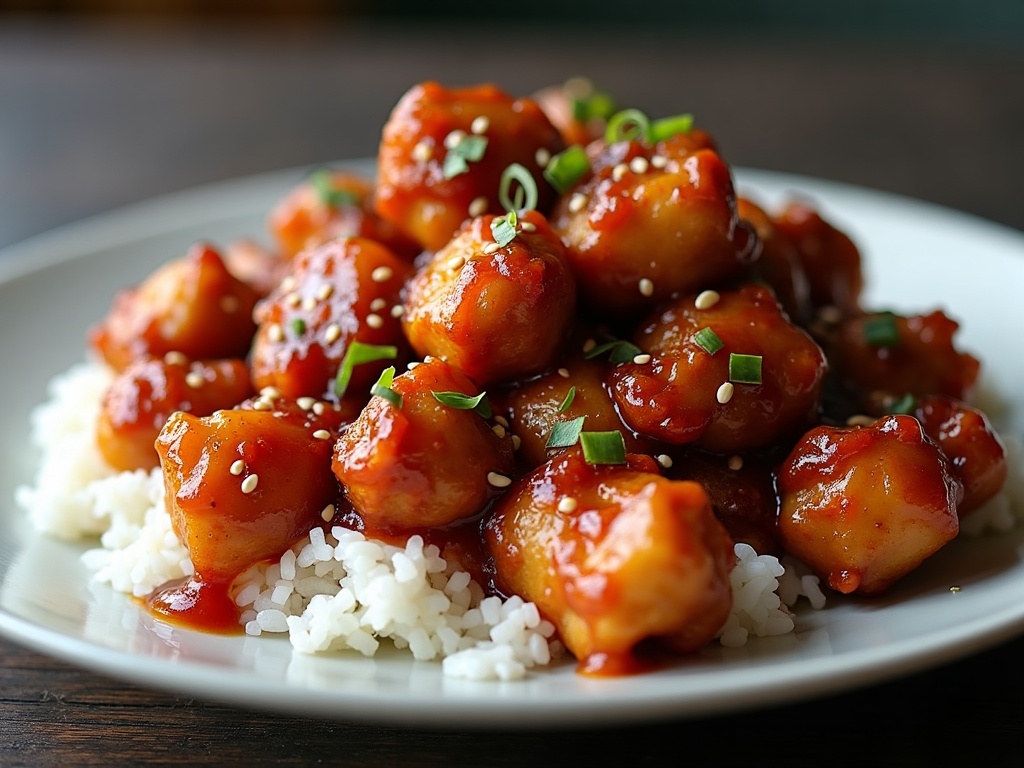
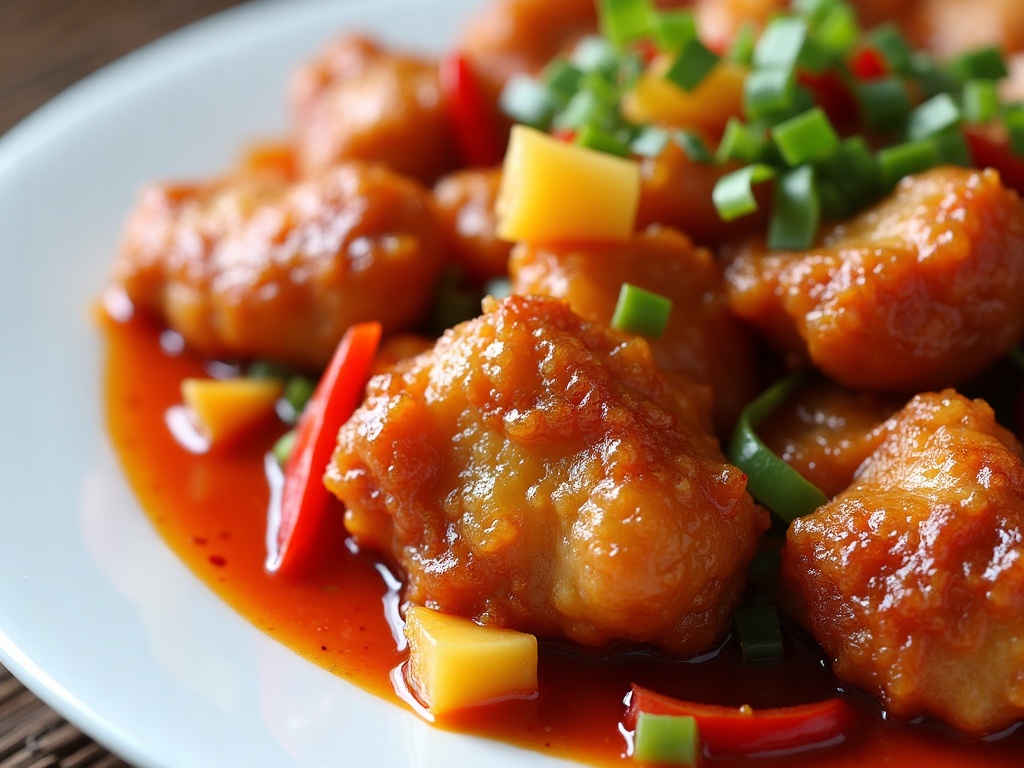
For crispy fried dishes, potato starch and rice flour are not just substitutes — many cooks prefer them. Potato starch fries into an exceptionally light, crackly, long-lasting crust, and rice flour stays crisp even after saucing. A 50/50 blend of cornstarch with one of these, or with a little all-purpose flour, is a restaurant trick for the crunchiest coating on General Tso's, sweet and sour pork, or salt and pepper shrimp. Tapioca starch also works for a chewier-crisp texture.
Where to buy cornstarch
Stock real cornstarch
Cornstarch is in the baking aisle of every supermarket, so you're rarely without it. The best substitutes — potato starch, tapioca starch, and arrowroot — are in most grocery stores, well-stocked at Asian markets, Weee! and Yamibuy, and on Amazon.
Cornstarch FAQ
What is the best substitute for cornstarch?
It depends on the job. For thickening a sauce, arrowroot (1:1, clearer gloss) or potato and tapioca starch (1:1) are closest; all-purpose flour works at double the amount but turns sauces cloudy. For crispy frying, potato starch or rice flour are excellent — often even crunchier than cornstarch. For velveting meat, potato or tapioca starch swap in 1:1.
What can I use instead of cornstarch for frying?
Potato starch and rice flour are the top choices — both fry into a light, crackly crust, and rice flour stays crisp even after the dish is sauced. A 50/50 blend of one of these with all-purpose flour is a classic move for extra crunch. Tapioca starch gives a chewier-crisp texture. Any of these beats being stuck without a coating.
How much flour replaces cornstarch?
Use about twice as much all-purpose flour as the cornstarch called for — so 2 tablespoons of flour for every 1 tablespoon of cornstarch — because cornstarch has roughly double the thickening power. Expect a cloudier, more matte sauce rather than the glossy, translucent finish cornstarch gives, and cook it a little longer to remove the raw-flour taste.
Is cornstarch the same as corn flour?
It depends on the country. In the US, "cornstarch" is the pure white starch and "corn flour" usually means finely ground whole corn (like for cornbread). In the UK and many other places, "cornflour" is exactly what Americans call cornstarch. For Chinese recipes that say cornflour, they almost always mean the white thickening starch — i.e. cornstarch.
How do you make a cornstarch slurry substitute?
Use the same method with any pure starch: mix the starch with an equal amount of cold water (never hot, or it clumps) until smooth, then stir it into the simmering sauce and cook for 30–60 seconds until glossy and thickened. Arrowroot, potato starch, and tapioca starch all work this way. Add it near the end, since over-boiling can break a starch thickener.
Recipes that use cornstarch
Get our free Chinese Kitchen Starter Guide
The 12 pantry staples, the 5 techniques, and a week of beginner-friendly dinners — plus a new decoded recipe each week.