What Is Char Siu? Chinese BBQ Pork Explained
By The Chowmi Test Kitchen · Updated June 11, 2026
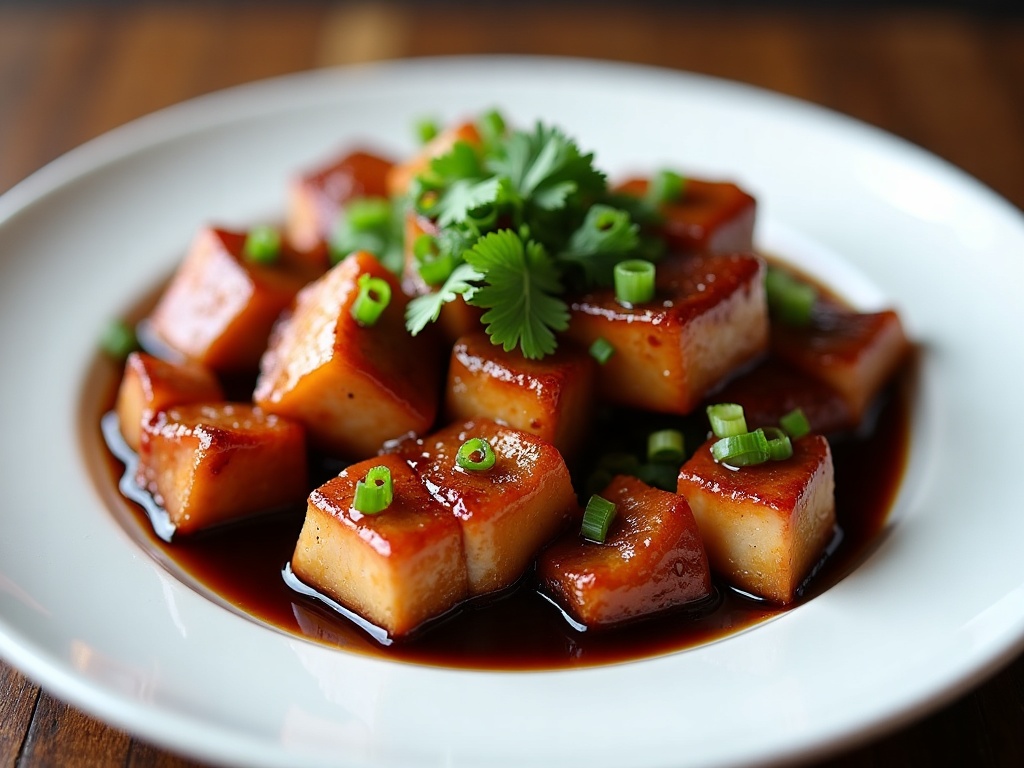
Char siu is Cantonese barbecue pork — strips of boneless pork marinated in a sweet-savory glaze and roasted until the edges caramelize and char. The name (叉烧, cha siu) literally means 'fork roast,' describing the traditional method of skewering the meat on long forks to roast over a fire. The glaze is what defines it: a mix of hoisin, soy sauce, honey or sugar, Shaoxing wine, garlic, and five-spice, often with fermented bean curd, brushed on in layers so it lacquers and blisters. Char siu is sweet, sticky, and deeply savory with burnished, slightly charred edges. It's one of the pillars of Cantonese siu mei (roast-meat) cooking, hung in barbecue-shop windows alongside crispy pork belly and roast duck. You'll meet it everywhere: sliced over rice, stuffed into fluffy bao buns, tossed through noodles or fried rice, or eaten straight off the cutting board.
What the name means
Char siu comes from the Cantonese 叉烧 (cha siu), meaning 'fork roast' or 'fork burn.' Traditionally the marinated pork was skewered on long forks and roasted over an open fire or in a hot oven, the tips charring while the glaze caramelized — and that char is part of the point, not a mistake. Today most char siu is roasted hanging in special ovens or on racks, but the name preserves the original method. It belongs to the broader Cantonese category of siu mei (烧味), the roasted meats you see hanging in barbecue-shop windows.
Why is char siu red?
The vivid red-pink edge is the most asked-about thing about char siu — and traditionally it came from red fermented bean curd (red yeast rice) in the marinade, which lends both color and a subtle savory funk. Many restaurants boost it further with a little red food coloring for that neon barbecue-shop look. Made at home, char siu is usually a more natural deep mahogany-red from the hoisin, soy, and caramelized sugar, with or without a touch of fermented bean curd. So the red is partly real ingredient, partly cosmetic — and entirely optional when you cook it yourself.
Char siu vs siu yuk and other roast meats
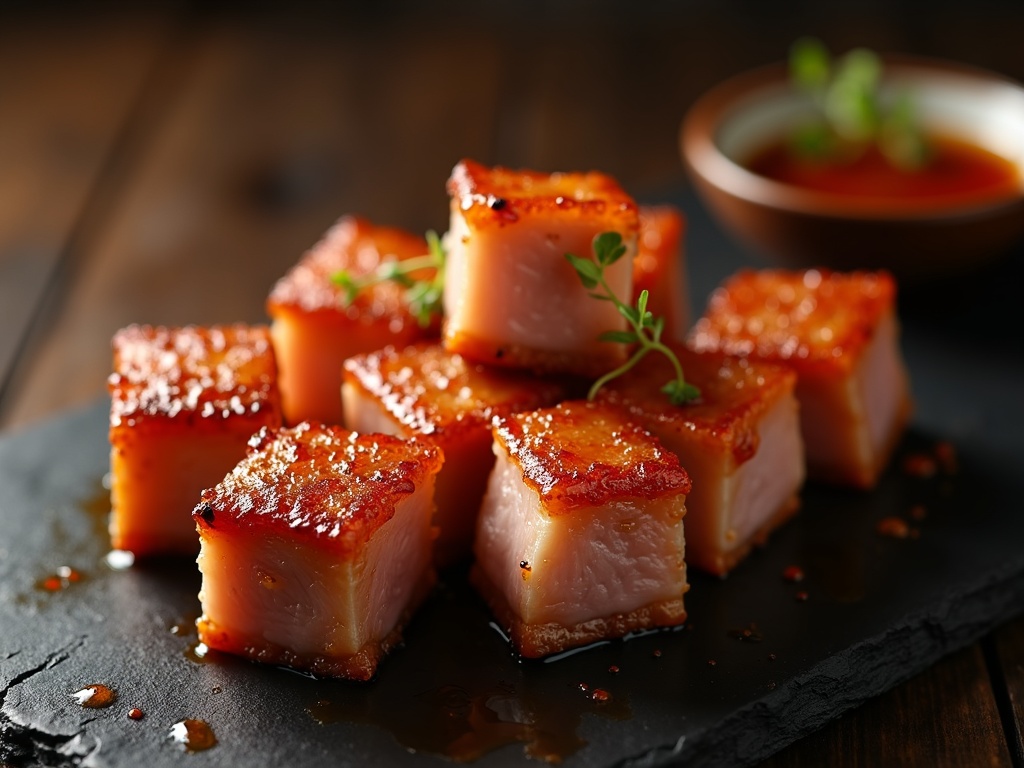
Cantonese barbecue shops hang several roast meats side by side, and char siu is the sweet, glazed one. Its closest neighbor is siu yuk (siu yuk / 烧肉), crispy roast pork belly — but they're opposites: char siu is boneless, marinated, sweet and sticky with no crackling, while siu yuk is salt-and-five-spice pork belly prized for its shatteringly crisp skin. Then there's roast duck (sweet, savory, lacquered) and soy-sauce chicken (poached, not roasted). If it's red-edged, sweet, and sliced from a boneless strip, it's char siu.
How char siu is eaten
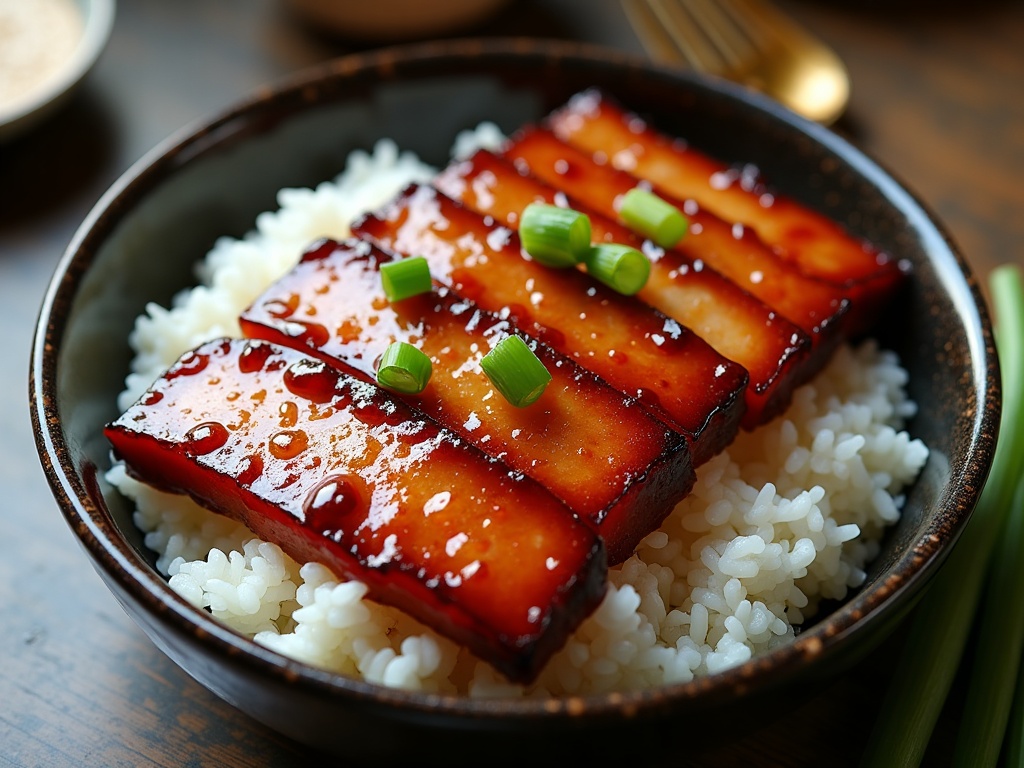
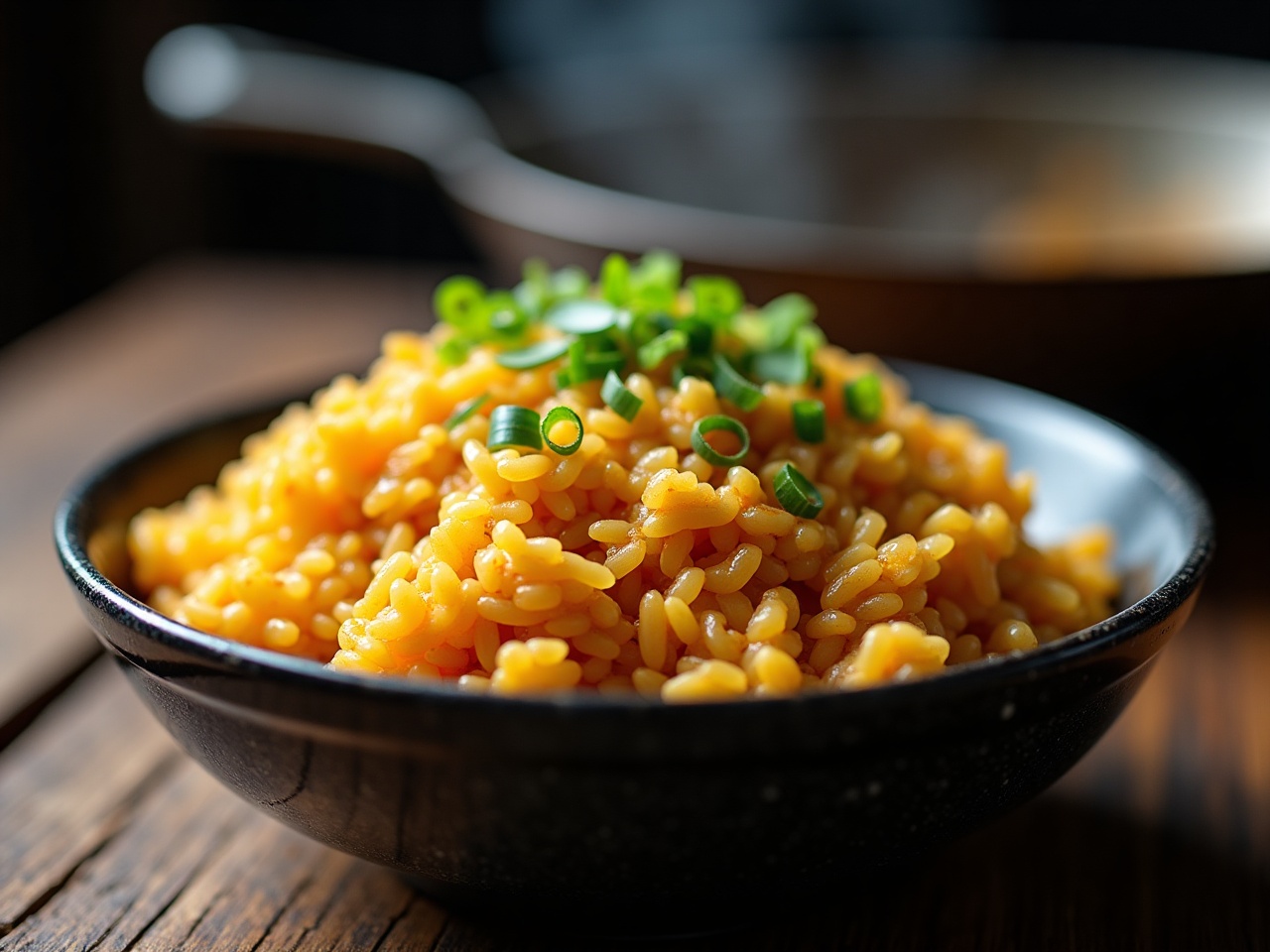
Char siu is wonderfully versatile, which is why Cantonese kitchens always seem to have some on hand. The everyday way is char siu rice (叉烧饭) — sliced pork over steamed rice with a little sauce and greens. It's the filling in char siu bao, the pillowy steamed or baked barbecue-pork buns of dim sum. It's tossed through wonton noodles, folded into fried rice, or chopped into a quick stir-fry. Leftover char siu is a gift: dice it into almost anything that wants a hit of sweet-savory pork.
What Is Char Siu? Chinese BBQ Pork Explained FAQ
What is char siu?
Char siu is Cantonese barbecue pork: strips of boneless pork marinated in a sweet-savory glaze of hoisin, soy sauce, honey or sugar, Shaoxing wine, garlic, and five-spice, then roasted until the edges caramelize and char. It's sweet, sticky, and deeply savory, with burnished red-tinged edges, and it's a cornerstone of Cantonese roast-meat cooking.
What does char siu mean?
Char siu (叉烧, cha siu in Cantonese) literally means 'fork roast.' It refers to the traditional method of skewering the marinated pork on long forks to roast it over a fire. The charred, caramelized edges that result are a defining feature of the dish, not an accident — the name celebrates them.
Why is char siu red?
Traditionally from red fermented bean curd (red yeast rice) in the marinade, which adds color and a subtle savory note. Many restaurants add a little red food coloring on top for the bright barbecue-shop look. Homemade char siu is usually a more natural deep mahogany-red from hoisin, soy sauce, and caramelized sugar — the dramatic neon red is optional.
What's the difference between char siu and siu yuk?
They're both Cantonese roast pork but opposite in character. Char siu is boneless pork marinated in a sweet glaze and roasted sticky and red-edged, with no crackling. Siu yuk is pork belly seasoned with salt and five-spice and roasted for shatteringly crisp skin. Char siu is the sweet, glazed one; siu yuk is the crispy-skinned one.
How do you eat char siu?
Most classically as char siu rice — sliced over steamed rice with sauce and greens. It's also the filling in char siu bao (barbecue pork buns), tossed through wonton noodles or fried rice, or chopped into stir-fries. It keeps well, so leftover char siu is a versatile way to add sweet-savory pork to almost any dish.
Recipes to try this with
Get our free Chinese Kitchen Starter Guide
The 12 pantry staples, the 5 techniques, and a week of beginner-friendly dinners — plus a new decoded recipe each week.