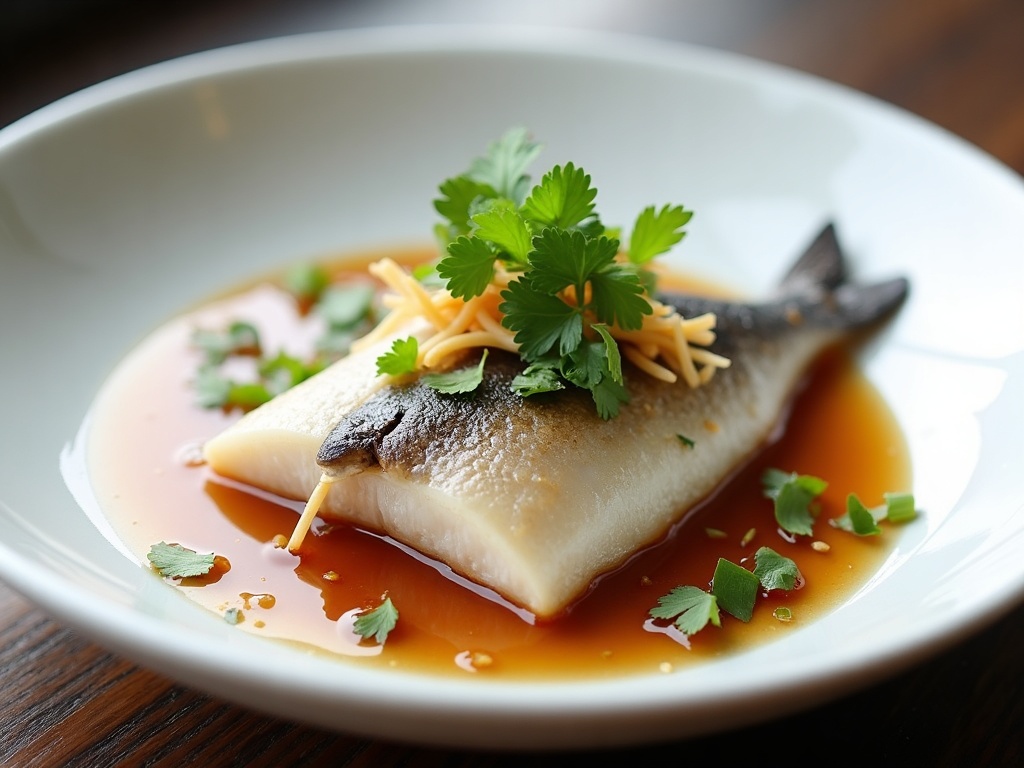
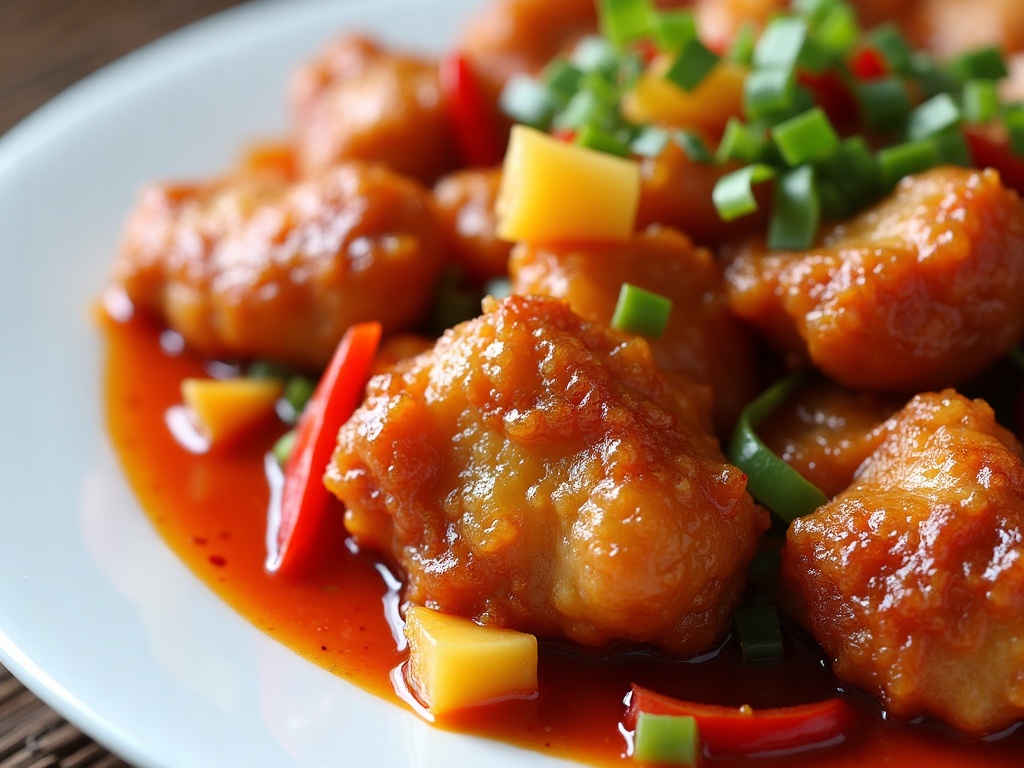
1. Cantonese Steamed Fish
A whole fish is the essential New Year dish — “nián nián yǒu yú” means “may you have surplus year after year.” Steamed whole and dressed with sizzling ginger-scallion oil. Serve it head and tail intact.
By The Chowmi Test Kitchen · Updated June 6, 2026
Chinese New Year is the biggest feast of the year, and what's on the table is chosen as much for meaning as for flavor — many dishes are eaten because their names or appearances sound like or symbolize good fortune. A whole fish stands for surplus, long noodles for a long life, golden fried foods for wealth, and shrimp for happiness and laughter. These Chinese New Year recipes pull together festive, auspicious dishes you can actually make at home, each noted with the luck it's meant to bring. Build a spread from a few of them, keep the symbolism in mind (serve the fish whole, don't cut the noodles), and you'll have a celebration table that's both delicious and meaningful. Every recipe is written for a US kitchen with substitutes for hard-to-find ingredients.

A whole fish is the essential New Year dish — “nián nián yǒu yú” means “may you have surplus year after year.” Steamed whole and dressed with sizzling ginger-scallion oil. Serve it head and tail intact.

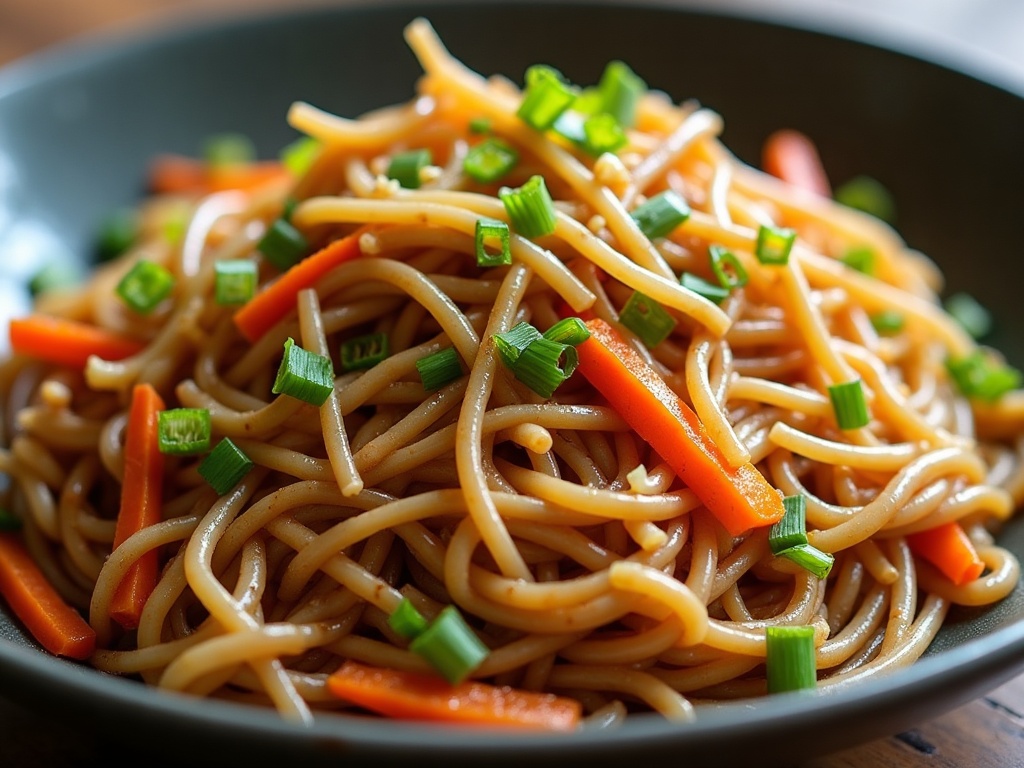
Long noodles symbolize a long life, so they're never cut or broken. Soft, saucy and easy to make for a crowd — “longevity noodles” for the table.

A whole chicken represents family togetherness and a good, complete start to the year. Silky, mahogany and elegant, poached in a savory master stock.

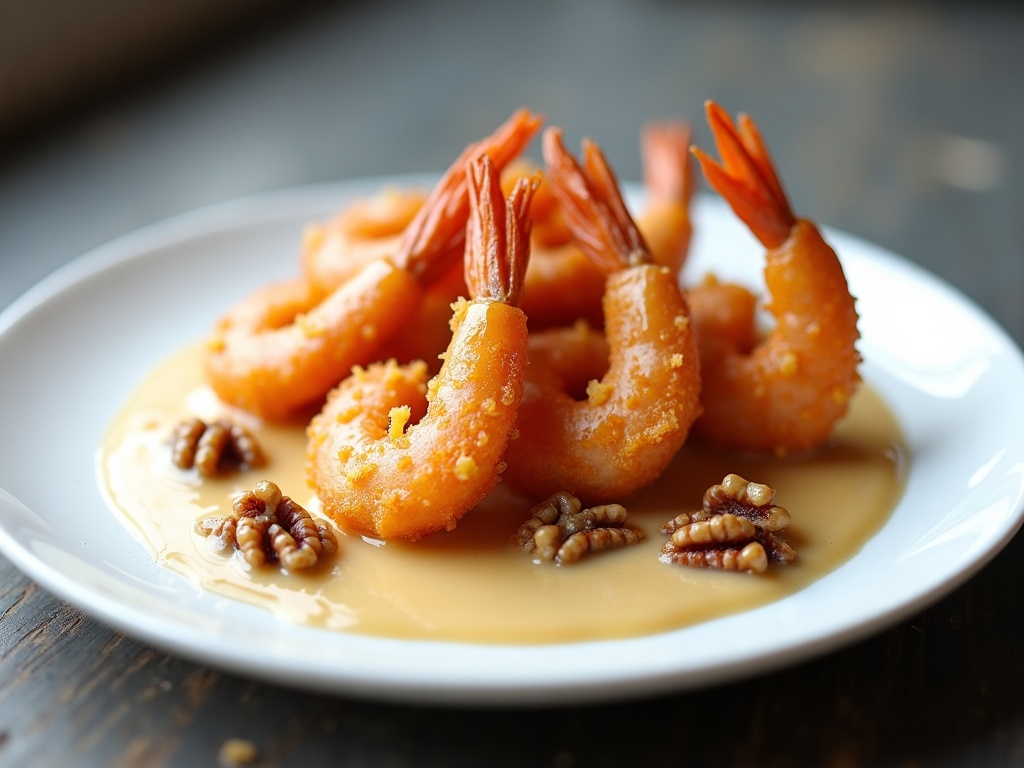
Shrimp (蝦, “ha”) sound like laughter, so they bring happiness and liveliness. This crispy, creamy, indulgent version is a celebration showpiece.

Sticky, lacquered BBQ pork in festive red — its color signals luck and joy, and it's a crowd-pleasing centerpiece for the spread.

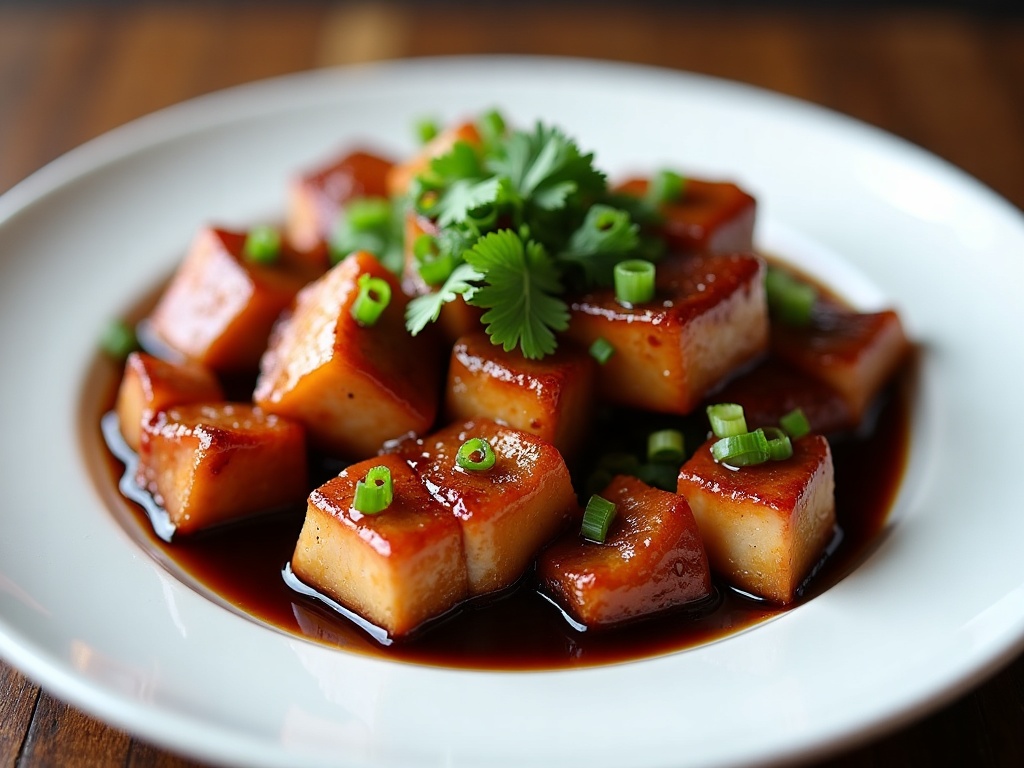
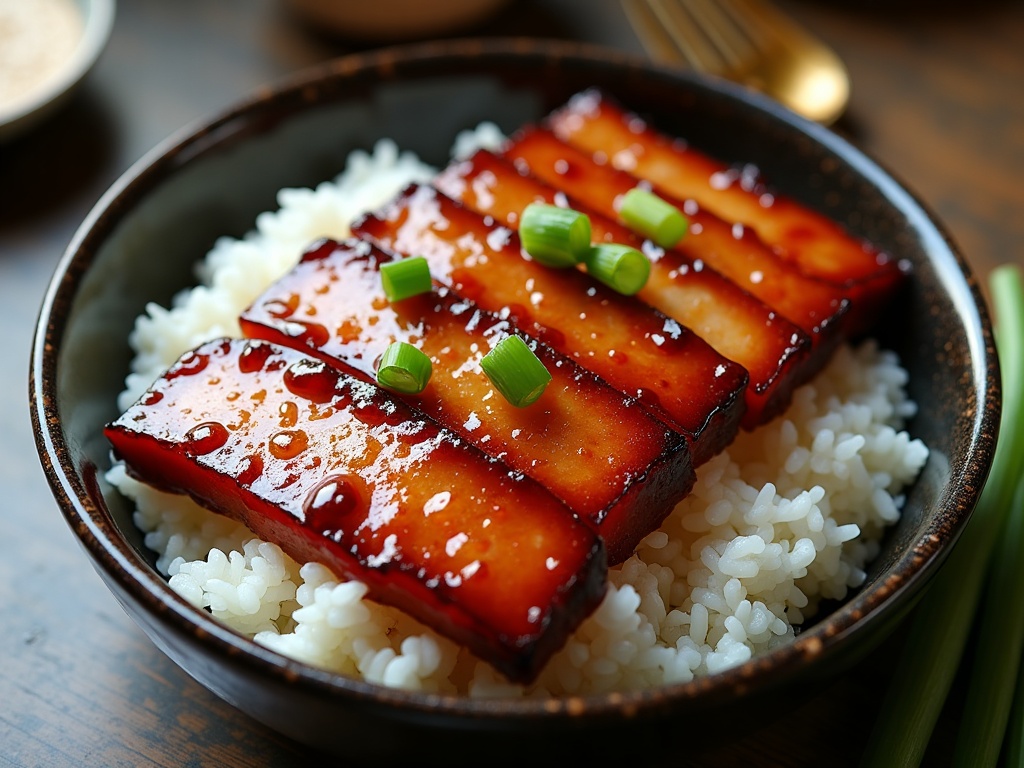
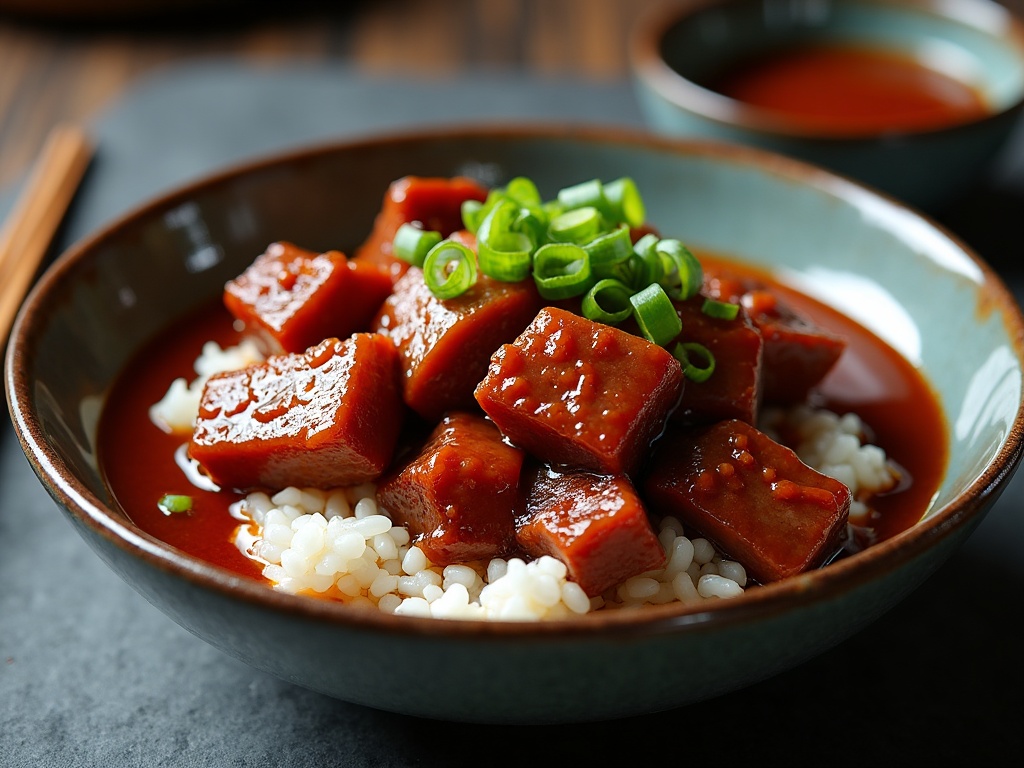
Red dishes mean luck and prosperity. Glossy red-braised pork belly is rich, celebratory comfort food, and it can be made ahead.

Golden, crispy and brightly colored — a festive, colorful dish that's a guaranteed favorite with the whole family.

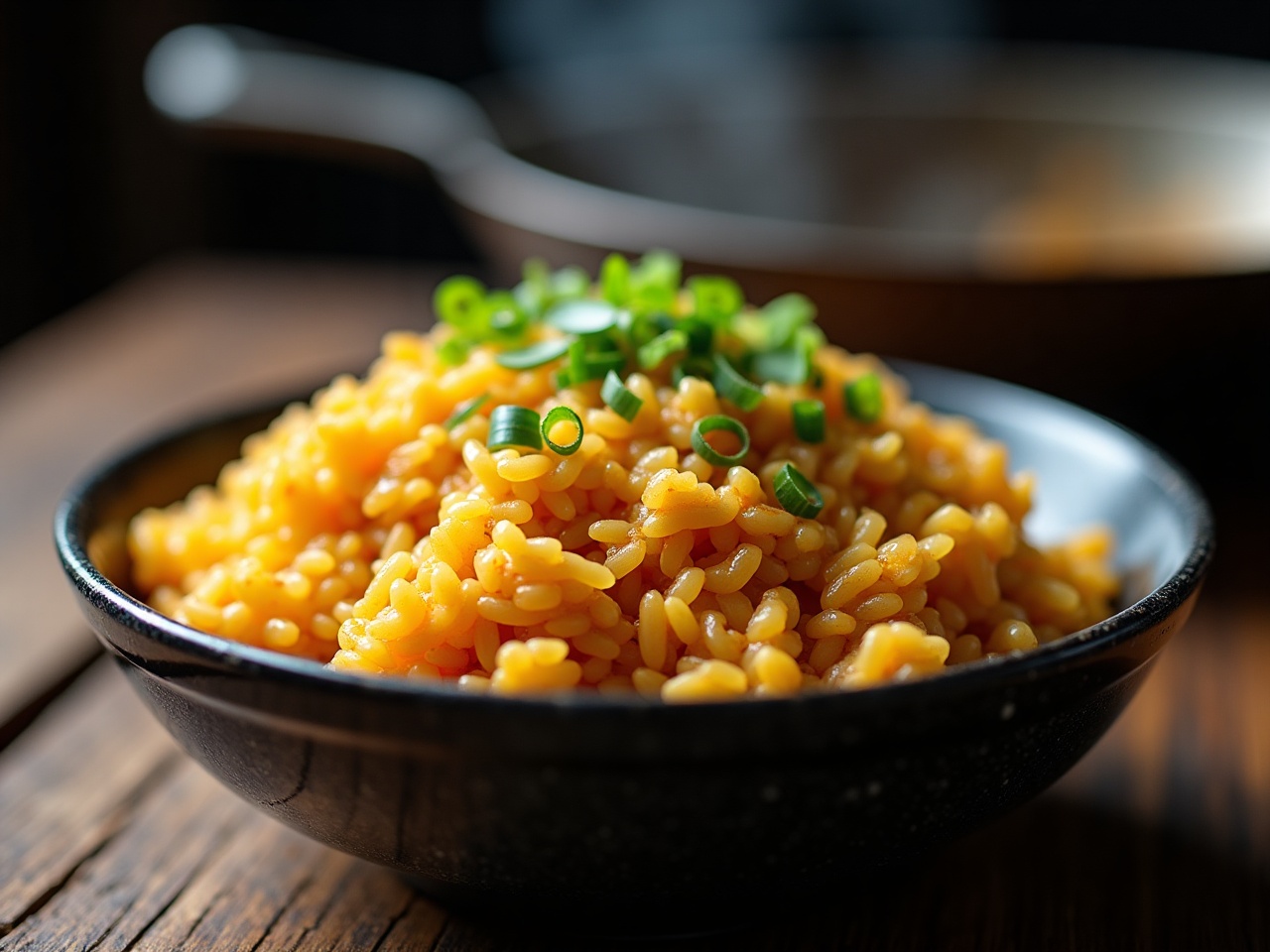
Golden grains of rice symbolize gold and wealth — an easy, abundant side that rounds out any New Year table.
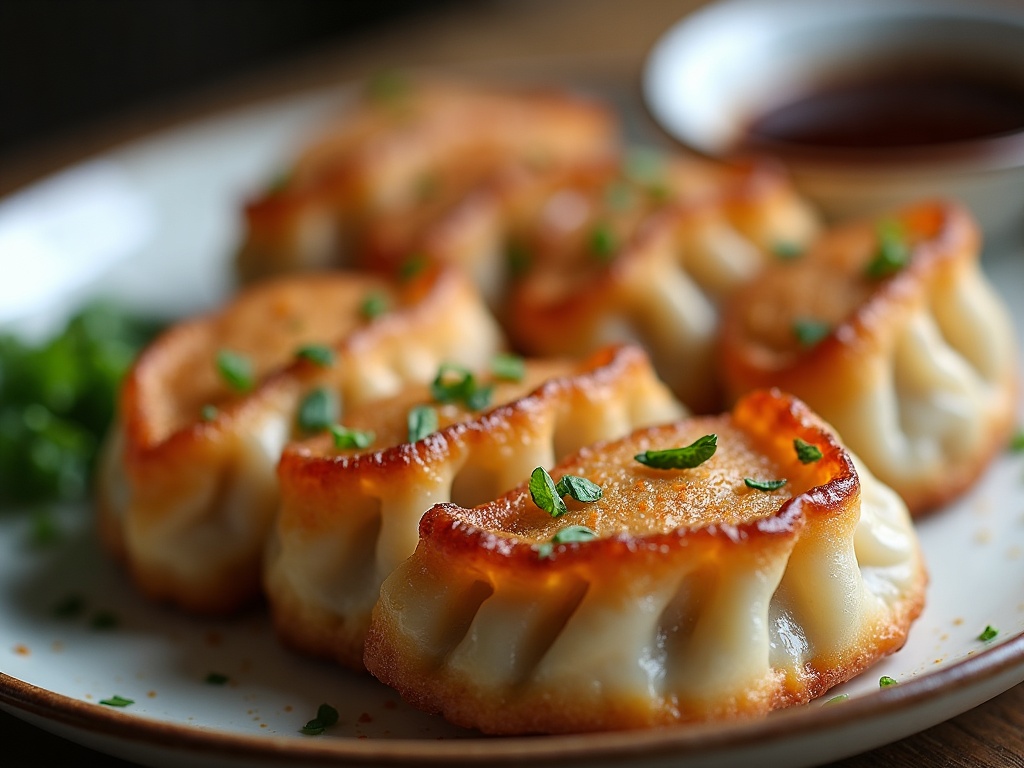
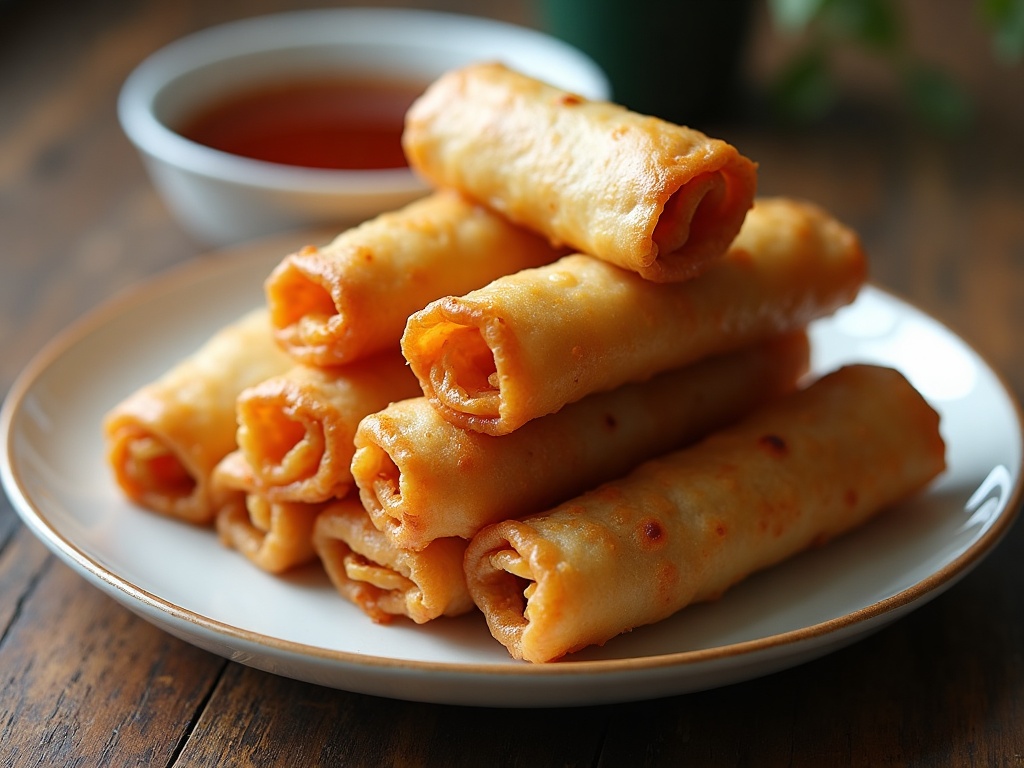
Auspicious dishes chosen for their symbolism: a whole fish (surplus), long noodles (longevity), dumplings (wealth, shaped like gold ingots), spring rolls (gold bars), a whole chicken (togetherness), and golden or red foods for wealth and luck. Sweet treats and oranges are also common. The exact menu varies by region and family, but the theme is always good fortune for the year ahead.
Because the Chinese word for fish (鱼, “yú”) sounds like the word for surplus or abundance (余). The saying “nián nián yǒu yú” means “may you have a surplus every year.” The fish is served whole — head and tail intact — to symbolize a good beginning and end, and traditionally some is left uneaten to represent surplus carrying into the new year.
Long, uncut noodles (“longevity noodles”) symbolize a long life — the longer the noodle, the longer the life, so they're never cut or broken when cooked or eaten. Serving and slurping them whole is part of the tradition. Any long noodle dish, like lo mein, works for the occasion.
Egg fried rice (golden = wealth), lo mein (longevity noodles), and a make-ahead braise like red-braised pork are all beginner-friendly. A steamed whole fish is simpler than it looks and brings the most important symbolism. Build your spread from a few of these, balancing easy dishes with one or two centerpieces.
The 12 pantry staples, the 5 techniques, and a week of beginner-friendly dinners — plus a new decoded recipe each week.