Mirin Substitutes
味醂 · sweet rice wine · mirin seasoning
By The Chowmi Test Kitchen · Updated June 17, 2026
This post may contain affiliate links. Read our affiliate disclosure.
Mirin is a sweet Japanese rice wine used to add sweetness, gloss, and gentle umami to glazes, teriyaki, and simmered dishes. The best all-purpose substitute is a dry rice wine plus sugar: mix 1 tablespoon of Shaoxing wine (or dry sherry, or sake) with about ½ teaspoon of sugar to replace 1 tablespoon of mirin. Shaoxing wine plus sugar is especially handy in Chinese cooking, where it's already a pantry staple. Dry white wine with sugar works too. For a non-alcoholic substitute, use rice vinegar or white grape juice with a pinch of sugar — start with a smaller amount of vinegar since it's sharper, then adjust. The goal is to match mirin's sweet-but-not-cloying, slightly tangy, glossy character, so taste and balance the sugar to the sweetness of your dish. Because mirin is naturally sweet and only mildly alcoholic (the alcohol cooks off), these swaps get you very close.
No mirin? Build the best swap
AITell us what you're making and what you have — get a tailored substitute with ratios.
Every mirin substitute, ranked
| Substitute | Ratio | Match |
|---|---|---|
| Shaoxing wine + sugar Closest pantry swap · vegan | 1 tbsp wine + ½ tsp sugar = 1 tbsp mirin | 85% |
| Dry sherry or sake + sugar Widely available · vegan · gluten-free | 1 tbsp + ½ tsp sugar | 82% |
| Dry white wine + sugar What's on hand · vegan · gluten-free | 1 tbsp + ½ tsp sugar | 70% |
| Rice vinegar or white grape juice + sugar Non-alcoholic · vegan · gluten-free | Start with 1 tsp, + a pinch of sugar | 62% |
- Shaoxing wine + sugar: Chinese rice wine sweetened to match mirin; ideal in Asian glazes and braises. Contains wheat, so not gluten-free.
- Dry sherry or sake + sugar: Sake is the closest in origin; dry sherry is an easy Western-pantry stand-in. Sweeten to taste. Sake is gluten-free.
- Dry white wine + sugar: Less depth than rice wine but the sweet-tangy balance works for glazes and pan sauces.
- Rice vinegar or white grape juice + sugar: Vinegar is sharper, so use less and add sugar; grape juice adds sweetness with mild acidity. Good alcohol-free option.
What is Mirin?
Mirin is a sweet rice wine from Japanese cooking, made by fermenting glutinous rice with koji and a distilled spirit, leaving a syrupy, golden liquid that's sweet, lightly tangy, and low in alcohol. It gives teriyaki, glazes, and simmered dishes their characteristic sheen, rounded sweetness, and subtle depth. In Chinese kitchens the closest cousin is Shaoxing wine, which is drier — so to mimic mirin, Chinese cooks simply add a little sugar to Shaoxing or another rice wine.
Flavor: Sweet and lightly tangy with mild umami and a glossy finish.
Mirin vs Shaoxing wine
Both are rice wines used to season Asian dishes, but they differ in sweetness. Mirin (Japanese) is distinctly sweet and syrupy with low alcohol, used for sheen and rounded sweetness in glazes. Shaoxing wine (Chinese) is drier, nuttier, and more savory, used to add depth and cut richness in stir-fries and braises. To turn Shaoxing into a mirin substitute, just stir in a little sugar; to go the other way, use less mirin and skip added sugar.
Non-alcoholic mirin substitute
If you avoid alcohol, you can still capture mirin's role. Use rice vinegar or white grape juice with a pinch of sugar, or a splash of apple juice with a few drops of rice vinegar — the aim is a sweet liquid with mild tang. Start with a small amount, since vinegar is sharper than mirin, and adjust the sugar to taste. While you lose a little of mirin's fermented depth, the sweet-glossy effect on a glaze comes through well.
Where to buy mirin
Stock real mirin
Mirin is in the Asian or international aisle of most supermarkets and at any Asian market, Weee!, Yamibuy or Amazon — look for "hon-mirin" for the real thing rather than "mirin-style seasoning." Shaoxing wine, the handiest substitute, sits nearby on the same shelves.
Mirin FAQ
What is the best substitute for mirin?
A dry rice wine plus sugar: mix 1 tablespoon of Shaoxing wine, sake, or dry sherry with about ½ teaspoon of sugar to replace 1 tablespoon of mirin. Shaoxing wine with sugar is the handiest in Chinese cooking. The goal is to match mirin's sweet, slightly tangy, glossy character, so adjust the sugar to taste.
Can I use rice vinegar instead of mirin?
Yes, as a non-alcoholic substitute, but rice vinegar is much sharper and not sweet, so use less — start with about a teaspoon — and add a pinch of sugar to balance it. It won't have mirin's fermented depth, but the sweet-tangy effect works for glazes and dressings. White grape juice with a few drops of vinegar is another good alcohol-free option.
What is mirin used for?
Mirin adds sweetness, a glossy sheen, and mild umami to sauces and simmered dishes. It's a backbone of teriyaki and glazes, balances salty soy in marinades, and rounds out simmered dishes and dipping sauces. A little goes a long way; it's prized as much for the shine and depth it gives a glaze as for its sweetness.
Is mirin alcoholic?
True mirin (hon-mirin) is mildly alcoholic, around 14%, but the alcohol cooks off when heated, leaving just the sweetness and depth. "Mirin-style" seasonings sold in some stores have little or no alcohol and added sweeteners. If you avoid alcohol entirely, use a non-alcoholic substitute like rice vinegar or grape juice with a little sugar.
What's the difference between mirin and rice wine?
Mirin is a specific sweet Japanese rice wine. "Rice wine" is a broader term that includes drier styles like Chinese Shaoxing and Japanese sake. The key difference is sweetness: mirin is noticeably sweet and syrupy, while Shaoxing and sake are drier and more savory. That's why the standard mirin substitute is a drier rice wine with sugar added.
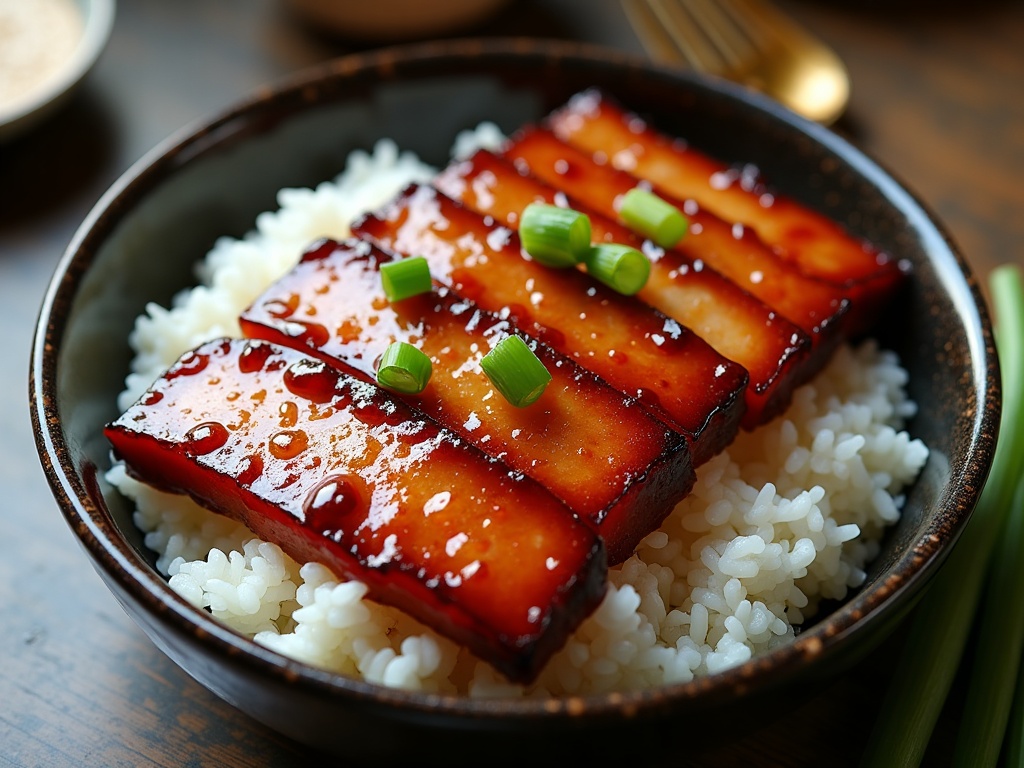
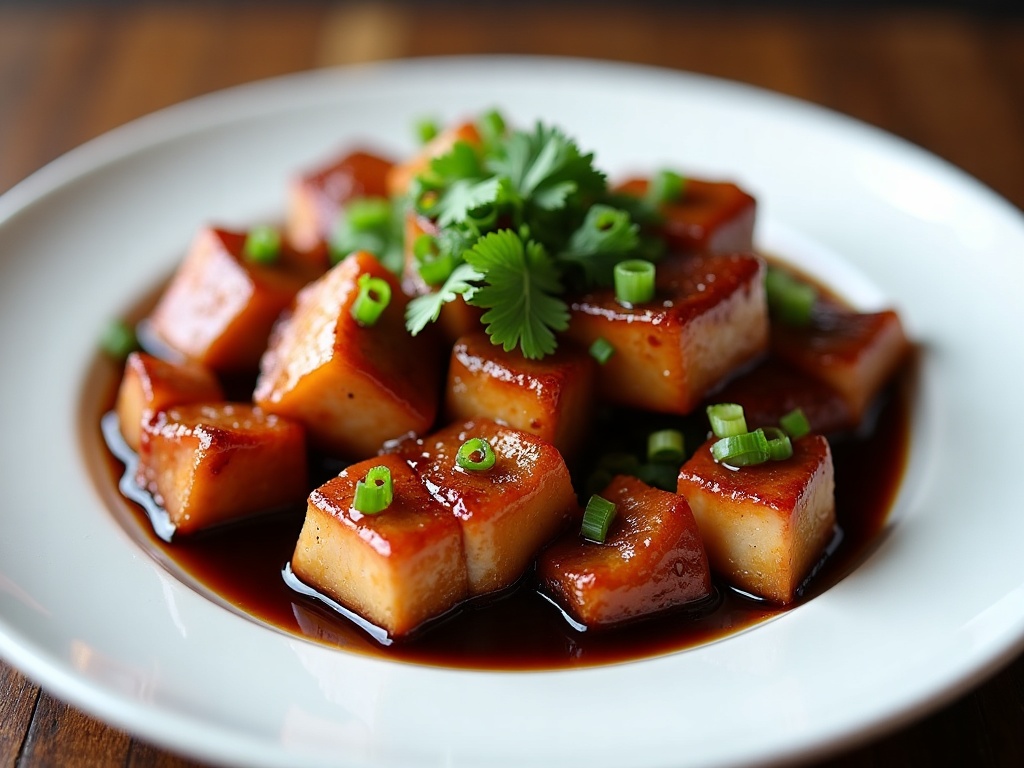
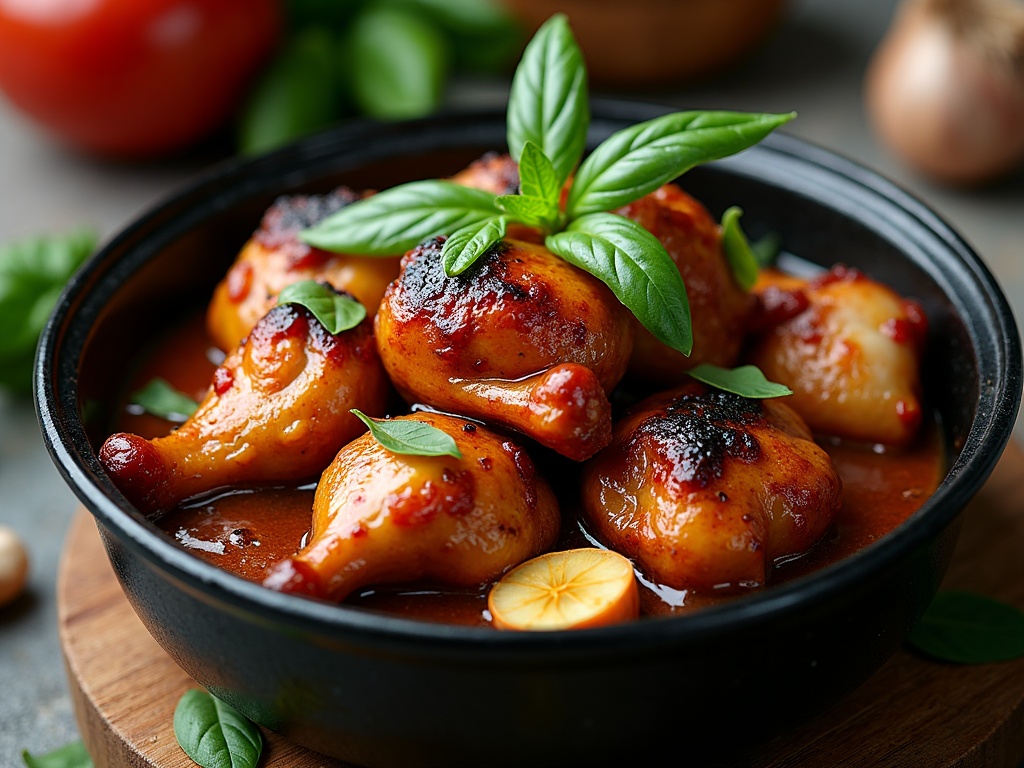
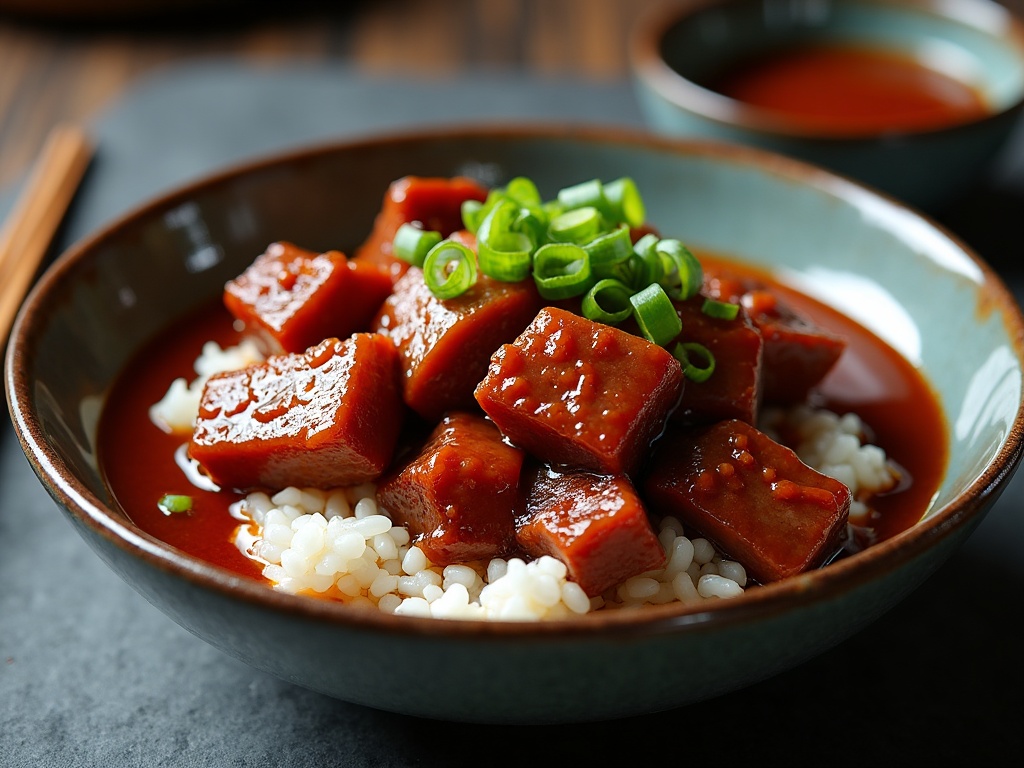
Recipes that use mirin
Get our free Chinese Kitchen Starter Guide
The 12 pantry staples, the 5 techniques, and a week of beginner-friendly dinners — plus a new decoded recipe each week.