Maltose Substitutes
麦芽糖 · mài yá táng · malt sugar · maltose syrup
By The Chowmi Test Kitchen · Updated June 11, 2026
This post may contain affiliate links. Read our affiliate disclosure.
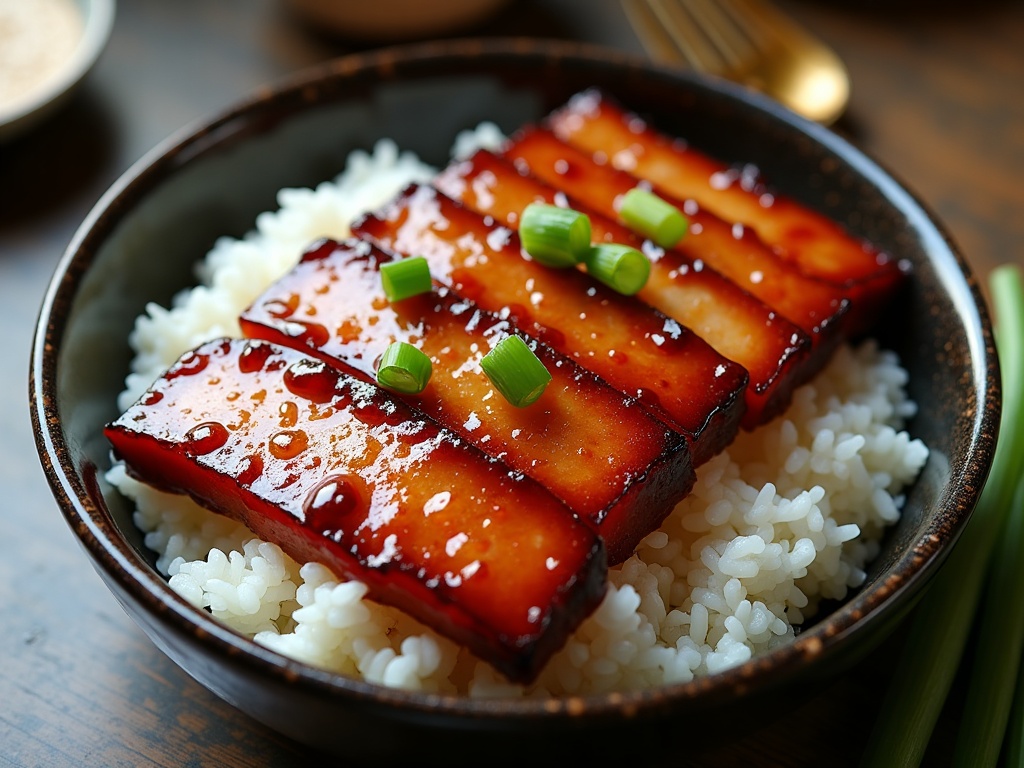
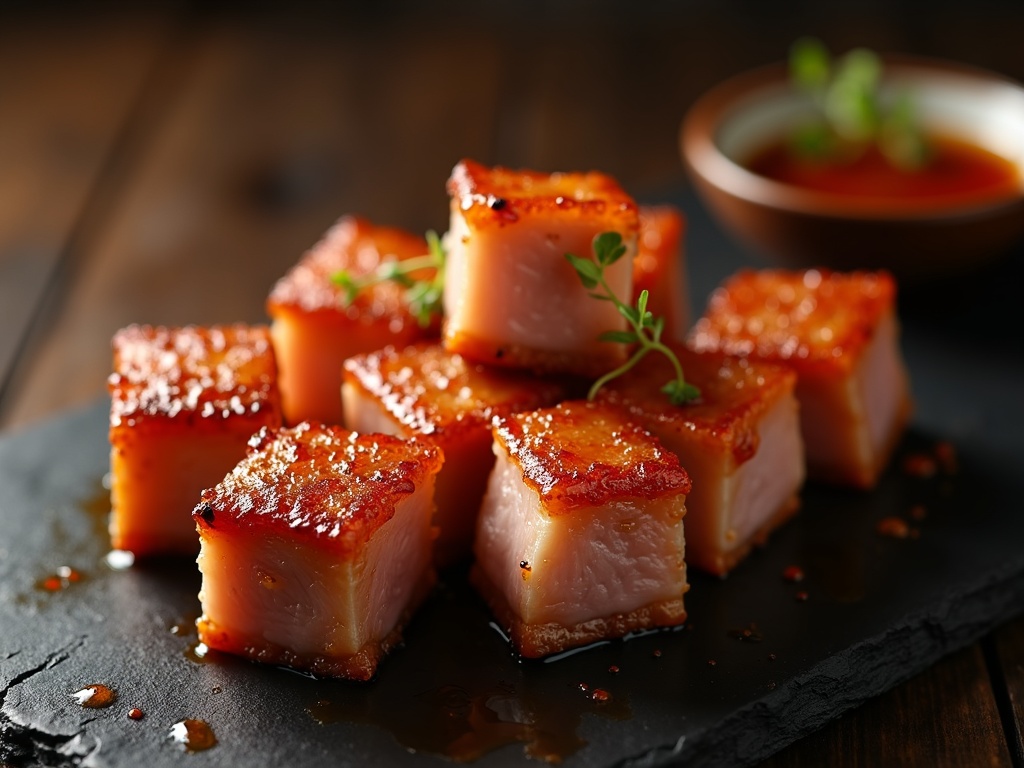
Maltose (麦芽糖, màiyátáng) is a thick, sticky malt sugar used in Cantonese cooking to give char siu, roast duck, and pastries their glossy, lacquered, chewy glaze. It's less sweet than regular sugar but far stickier, which is what creates that signature shine and cling. The easiest substitute is honey, used 1:1 — it's sweeter and thinner but glazes beautifully and is what most home char siu recipes already call for. Corn syrup or golden syrup also work 1:1 for shine with a more neutral flavor, and a sugar-water syrup reduced until thick is a pantry fallback. To handle maltose's stiffness, warm it (or the substitute) so it spoons and brushes easily. For char siu specifically, honey is the standard and genuinely excellent stand-in, so you rarely need to track down real maltose.
No maltose? Build the best swap
AITell us what you're making and what you have — get a tailored substitute with ratios.
Every maltose substitute, ranked
| Substitute | Ratio | Match |
|---|---|---|
| Honey Char siu, glazes · gluten-free | 1:1 | 85% |
| Corn syrup or golden syrup Shine, neutral flavor · vegan · gluten-free | 1:1 | 80% |
| Honey + a little brown sugar Closer chew & color · gluten-free | Mostly honey, pinch of sugar | 82% |
| Reduced sugar syrup Pantry fallback · vegan · gluten-free | Boil sugar + water until thick | 65% |
- Honey: The standard home swap — sweeter and thinner, but it lacquers beautifully and is what most char siu recipes use anyway.
- Corn syrup or golden syrup: Great for gloss and stickiness with a milder taste than honey; golden syrup adds a faint caramel note.
- Honey + a little brown sugar: The brown sugar adds back a touch of the malty depth and deepens the color of the glaze.
- Reduced sugar syrup: Simmer equal sugar and water until syrupy; gives shine and stickiness, though less complex and prone to setting hard.
What is Maltose?
Maltose is a sugar made from malted grain (typically barley), sold as an extremely thick, sticky, amber syrup. It's only mildly sweet but intensely viscous, which makes it the traditional glazing agent for Cantonese barbecue meats — char siu and roast duck — and for some candies and pastries. Brushed on at the end of roasting, it caramelizes into a shiny, slightly chewy lacquer. It's so stiff it often needs warming to scoop.
Flavor: Mildly sweet and malty, but prized for its thick, sticky, glaze-forming texture.
Maltose vs honey
Both glaze and add shine, but they differ. Maltose is much thicker and stickier and only mildly sweet, giving char siu a restrained, deeply lacquered, chewy finish. Honey is thinner, sweeter, and more floral. For convenience, honey is the universal substitute for maltose in char siu and works wonderfully — just expect a slightly sweeter glaze. Warm maltose to make it spreadable; honey is ready to brush straight away.
Is maltose gluten-free?
Maltose itself is a simple sugar and is gluten-free, but because it's typically produced from malted barley, people with celiac disease should check the specific product, as trace gluten can be a concern depending on processing. Its common substitutes — honey, corn syrup, golden syrup — are reliably gluten-free, which is a bonus if you're avoiding gluten.
Where to buy maltose
Stock real maltose
Maltose is sold in tubs or jars (look for 麦芽糖) at Asian markets, Weee!, Yamibuy and Amazon, usually near the sugars or baking section. It's very stiff, so warm the container before scooping. For char siu, you rarely need to hunt it down — honey from any supermarket is the standard substitute.
Maltose FAQ
What is the best substitute for maltose?
Honey, used 1:1, is the easiest and most common — it glazes char siu and roast meats beautifully, just sweeter and thinner than maltose. Corn syrup or golden syrup also work 1:1 for shine with a more neutral flavor. For the closest chew and color, use honey with a small pinch of brown sugar.
Can I use honey instead of maltose for char siu?
Yes — honey is the standard home substitute for maltose in char siu, and most recipes written for Western kitchens already call for it. It creates the same glossy, sticky lacquer when brushed on near the end of roasting. The glaze will be a touch sweeter and more floral, but the result is excellent.
What does maltose do in cooking?
Maltose is a glazing and texture agent. Its extreme stickiness and mild sweetness make it ideal for creating the shiny, chewy, lacquered surface on Cantonese barbecue meats like char siu and roast duck, and for binding certain candies and pastries. Brushed on at the end of cooking, it caramelizes into a glossy finish that thinner sugars can't quite match.
Why is maltose so thick and sticky?
Maltose is a highly viscous syrup by nature — far thicker than honey or simple syrup — because of its grain-derived sugar structure. That viscosity is exactly why it's prized for glazes: it clings to the meat and sets into a shiny, slightly chewy coat. It's often so stiff that you need to warm the jar to scoop or brush it.
Is maltose vegan?
Maltose itself is plant-derived (from malted grain) and is vegan. If you need a vegan substitute, corn syrup, golden syrup, or a reduced sugar syrup all work for glazing; honey, while a common maltose substitute, is not vegan, so choose one of the syrups instead if that matters for your dish.
Recipes that use maltose
Get our free Chinese Kitchen Starter Guide
The 12 pantry staples, the 5 techniques, and a week of beginner-friendly dinners — plus a new decoded recipe each week.