Fresh Ginger Substitutes
ginger root · 生姜 · shēng jiāng
By The Chowmi Test Kitchen · Updated June 17, 2026
This post may contain affiliate links. Read our affiliate disclosure.
Fresh ginger gives Chinese dishes their bright, peppery, citrusy warmth and is a backbone aromatic alongside garlic and scallion. When you're out, the best substitute is ground (dried) ginger, using about ¼ teaspoon of ground for every 1 tablespoon of grated fresh — it's more concentrated, warmer, and earthier, with less of fresh ginger's zing, so add it to the cooking rather than as a raw finish. Ginger paste (the jarred kind) is the closest 1:1 swap and keeps much of the fresh flavor. Frozen ginger grates beautifully straight from the freezer and is essentially as good as fresh. Crystallized ginger, rinsed of its sugar and minced, can work in a pinch. For the aromatic base specifically, a little extra garlic plus a pinch of ground ginger covers the gap. Match the role: ginger paste or frozen ginger for that fresh bite, ground ginger (used sparingly) for cooked dishes and marinades. Galangal is related but distinctly different, so use it only when you want that flavor.
No fresh ginger? Build the best swap
AITell us what you're making and what you have — get a tailored substitute with ratios.
Every fresh ginger substitute, ranked
| Substitute | Ratio | Match |
|---|---|---|
| Ginger paste (jarred) Closest convenient swap · vegan · gluten-free | 1:1 | 85% |
| Frozen fresh ginger Basically as good as fresh · vegan · gluten-free | 1:1, grated from frozen | 90% |
| Ground (dried) ginger Cooked dishes, marinades · vegan · gluten-free | ¼ tsp ground = 1 tbsp fresh | 62% |
| Crystallized ginger (rinsed) Last resort · vegan · gluten-free | Rinse off sugar, then mince to taste | 50% |
- Ginger paste (jarred): Keeps much of fresh ginger's bite and zing; stir into sauces and marinades. A great time-saver kept in the fridge.
- Frozen fresh ginger: Grates easily straight from the freezer and tastes nearly identical; a smart way to always have ginger on hand.
- Ground (dried) ginger: More concentrated, warmer, and earthier with less brightness; use sparingly and add to the cooking, not as a raw garnish.
- Crystallized ginger (rinsed): Rinse away the sugar coating and mince; adds gingery warmth but some residual sweetness. Adjust other sugar in the dish.
What is Fresh Ginger?
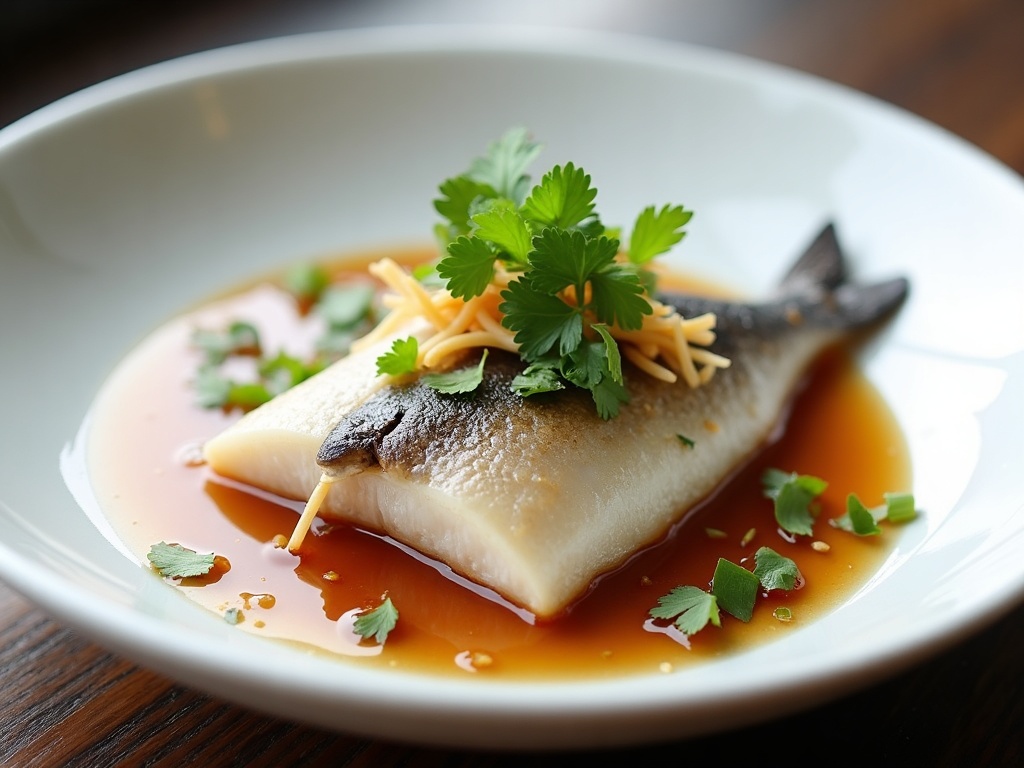
Fresh ginger is the knobby underground rhizome of the ginger plant, with thin tan skin and pale-yellow, fibrous flesh that's juicy, aromatic, and pungent. Grated, sliced, or minced, it's one of the most essential aromatics in Chinese cooking — sizzled with garlic and scallion to start a stir-fry, slivered over steamed fish, bruised into braises and soups to remove odors, and pounded into ginger-scallion oil. Its flavor is sharp, warm, peppery, and slightly sweet, with a fresh citrusy lift that dried ginger lacks.
Flavor: Bright, peppery, and citrusy-warm with a fresh, pungent bite.
Fresh ginger vs ground ginger
They taste noticeably different. Fresh ginger is bright, juicy, peppery, and citrusy, with a sharp pungency that defines so many Chinese dishes. Ground (dried) ginger is more concentrated, warmer, earthier, and a little spicier-sweet, but it loses the fresh zing. Because dried is stronger, the rule of thumb is about ¼ teaspoon ground for every 1 tablespoon of grated fresh. Ground ginger suits cooked dishes, marinades, and baking, while fresh is best when you want that lively, aromatic lift, especially raw or lightly cooked.
Is galangal a good ginger substitute?
Only sometimes. Galangal is a rhizome in the same family and looks similar, but its flavor is sharper, more piney and citrusy, almost medicinal, and it's central to Thai and Southeast Asian cooking rather than Chinese. You can use it when you want that distinct flavor, but it won't taste like ginger, so it's not a true substitute. If a Chinese recipe calls for ginger, reach for ginger paste, frozen ginger, or ground ginger instead.
Where to buy fresh ginger
Stock real fresh ginger
Fresh ginger root is in the produce section of every supermarket and Asian market, plus Weee! and Yamibuy — buy firm, smooth pieces and store extra in the freezer to grate as needed. Ground ginger sits in the spice aisle, and jarred ginger paste is usually near the produce or in the international aisle.
Fresh Ginger FAQ
What is a good substitute for fresh ginger?
Jarred ginger paste is the closest 1:1 swap and keeps much of the fresh flavor. Frozen fresh ginger, grated straight from the freezer, is essentially as good as fresh. Ground (dried) ginger works in cooked dishes — use about ¼ teaspoon for every 1 tablespoon of grated fresh, since it's more concentrated. Match the role: paste or frozen for a fresh bite, ground for marinades and cooking.
How much ground ginger equals fresh ginger?
Use roughly ¼ teaspoon of ground ginger for every 1 tablespoon of grated fresh ginger, because dried ginger is much more concentrated. Keep in mind the flavor shifts — ground ginger is warmer and earthier with less of fresh ginger's bright, citrusy zing — so it's best stirred into cooked dishes and marinades rather than used as a fresh garnish.
Can I use ginger paste instead of fresh ginger?
Yes — jarred ginger paste is one of the best substitutes, swapping in about 1:1 for grated fresh ginger. It retains much of fresh ginger's pungent, zingy character and saves you peeling and grating. Stir it into stir-fry sauces, marinades, and braises. Keep an eye on consistency, since paste adds a little moisture, and refrigerate it after opening.
Do I need to peel fresh ginger?
For young, smooth ginger with thin skin, not really — a quick scrub is enough, especially if you're grating it. For older ginger with thicker, tougher skin, peel it; the easiest way is to scrape the skin off with the edge of a spoon, which hugs the knobby shape and wastes less than a peeler. For slivered ginger over steamed fish, peel for a cleaner look and texture.
How do you store fresh ginger?
Keep unpeeled ginger in the fridge, loosely wrapped, for a few weeks, or freeze it whole for months — frozen ginger grates easily straight from the freezer and tastes nearly as fresh. You can also peel and store pieces submerged in dry sherry or Shaoxing wine in the fridge. Freezing is the most practical trick so you always have ginger ready to grate.
Recipes that use fresh ginger
Get our free Chinese Kitchen Starter Guide
The 12 pantry staples, the 5 techniques, and a week of beginner-friendly dinners — plus a new decoded recipe each week.