Bok Choy Substitutes
pak choi · 白菜 · 小白菜 · Chinese white cabbage
By The Chowmi Test Kitchen · Updated June 16, 2026
This post may contain affiliate links. Read our affiliate disclosure.
Bok choy is a mild Chinese leafy green with crisp white (or pale green) stalks and tender dark-green leaves, used in stir-fries, soups, and as a quick blanched side. The best substitute depends on which part you're after. For the crunchy stalks plus tender leaves, napa cabbage or choy sum are the closest swaps, used 1:1. Swiss chard works well too — its stems mimic the crunchy ribs and its leaves wilt like bok choy's. For just the leaves, baby spinach or tatsoi cooks down similarly (add it later, since it wilts faster). Even regular green cabbage can stand in for stir-fries if you slice it thin. The mild, slightly sweet flavor is easy to match; the main thing to watch is cook time — stalks need a head start, leaves go in last. Baby bok choy can be swapped with regular bok choy (just halve or quarter the larger heads).
No bok choy? Build the best swap
AITell us what you're making and what you have — get a tailored substitute with ratios.
Every bok choy substitute, ranked
| Substitute | Ratio | Match |
|---|---|---|
| Napa cabbage Stir-fries, soups · vegan · gluten-free | 1:1 | 82% |
| Swiss chard Stalks + leaves · vegan · gluten-free | 1:1 | 78% |
| Choy sum or yu choy The closest relative · vegan · gluten-free | 1:1 | 85% |
| Baby spinach or tatsoi Leafy uses · vegan · gluten-free | 1:1, added later | 65% |
- Napa cabbage: Mild, tender, with crunchy ribs and soft leaves — very close in spirit. Cooks down a touch softer.
- Swiss chard: Its crunchy stems mimic bok choy's ribs and the leaves wilt similarly; slightly more earthy. Add stems first.
- Choy sum or yu choy: A close Chinese-green cousin — mild, tender, quick-cooking. Almost interchangeable with bok choy.
- Baby spinach or tatsoi: Wilts faster and lacks the crunchy stalk, so add near the end; good when you mainly want tender greens.
What is Bok Choy?
Bok choy (pak choi) is a type of Chinese cabbage with smooth, crunchy white or pale-green stalks and soft, dark-green leaves, grown in loose bunches rather than a tight head. It's mild, faintly sweet, and juicy, cooking quickly in stir-fries and soups or as a simple side blanched and dressed with oyster sauce. Baby bok choy is the smaller, more tender version. It's one of the most common everyday greens in Cantonese and Chinese home cooking.
Flavor: Mild, fresh and slightly sweet — crunchy stalks, tender leaves.
Bok choy vs napa cabbage
Both are Chinese cabbages, but they grow and cook a little differently. Bok choy forms loose bunches with thick, crunchy white stalks and dark-green leaves, staying distinct and juicy when cooked — ideal for stir-fries. Napa cabbage forms a tight, pale, oblong head with frilly leaves and cooks down softer and silkier, great for fillings and slow soups. They substitute for each other well in most cooked dishes.
Baby bok choy vs regular bok choy
They're the same vegetable at different sizes. Baby bok choy is smaller, more tender, and milder, often cooked whole or halved, and it looks elegant on the plate. Regular (mature) bok choy is larger with thicker, crunchier stalks and a slightly stronger flavor; it's usually chopped, with the stalks given a head start over the leaves. You can swap one for the other, adjusting how you cut and time them.
Where to buy bok choy
Stock real bok choy
Bok choy and baby bok choy are now common in most supermarket produce sections, plus Asian markets, Weee! and Yamibuy. Napa cabbage, Swiss chard, and spinach — its best substitutes — are in every grocery store, so you're rarely stuck.
Bok Choy FAQ
What is the best substitute for bok choy?
Napa cabbage or choy sum are the closest, used 1:1 in stir-fries and soups. Swiss chard works well too, with crunchy stems that mimic bok choy's stalks. For leafy uses, baby spinach or tatsoi can stand in, added near the end since they wilt faster. The main thing is to match the cook time — stalks first, leaves last.
What does bok choy taste like?
Mild, fresh, and slightly sweet, with very little bitterness. The white stalks are crunchy and juicy, almost like a mild celery, while the dark-green leaves are soft and tender when cooked. Its gentle flavor makes it versatile — it pairs with garlic, ginger, soy, and oyster sauce and soaks up the flavors it's cooked with.
Can I use regular cabbage instead of bok choy?
In stir-fries, yes — slice green cabbage thin so it cooks quickly. It's crunchier and a bit more peppery than bok choy and lacks the distinct leafy tops, but it delivers a similar fresh crunch. For dishes where bok choy's tender leaves matter, napa cabbage, choy sum, or Swiss chard are closer matches.
What's the difference between bok choy and pak choi?
None — they're two names for the same vegetable. "Bok choy" is the more common spelling in North America and "pak choi" in the UK and elsewhere, both from the Cantonese for "white vegetable." You may also see it called Chinese white cabbage. Baby bok choy is just the smaller, younger version.
How do you cook bok choy?
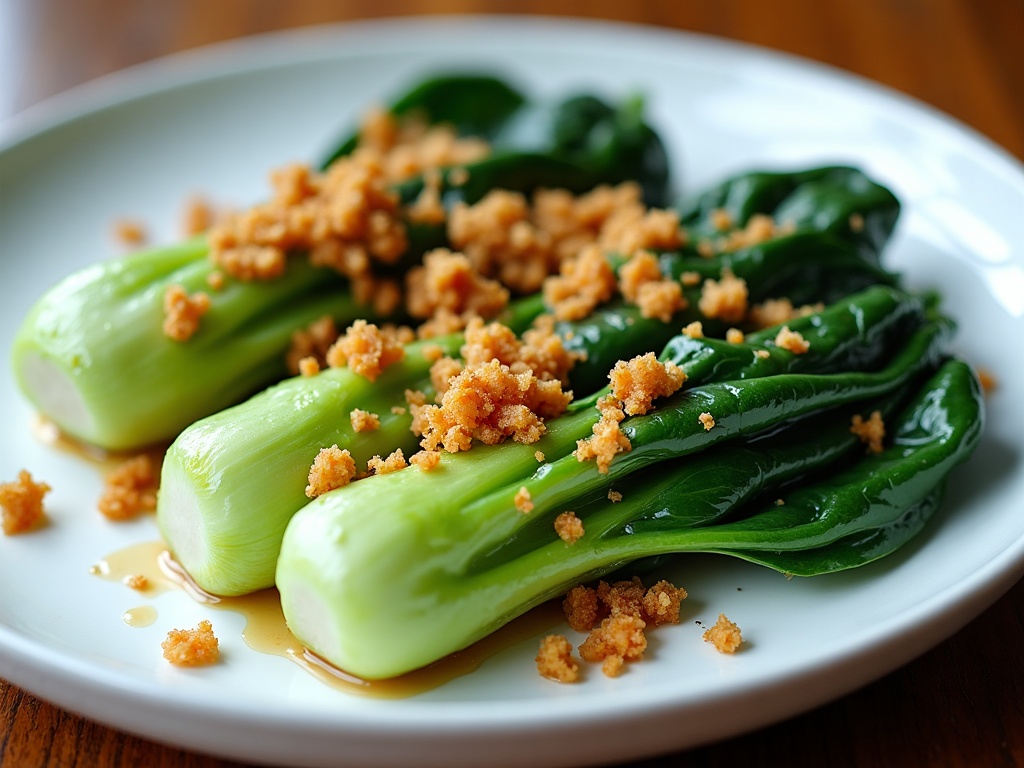
Quickly. Separate the crunchy stalks from the leaves; stir-fry or blanch the stalks first for a minute, then add the leaves for the last 30–60 seconds so they wilt without overcooking. A classic preparation is blanched bok choy dressed with oyster sauce and a little hot oil. It's done when the stalks are crisp-tender and the leaves are bright and soft.
Recipes that use bok choy
Get our free Chinese Kitchen Starter Guide
The 12 pantry staples, the 5 techniques, and a week of beginner-friendly dinners — plus a new decoded recipe each week.