Bean Sprouts Substitutes
mung bean sprouts · 绿豆芽 · dòu yá
By The Chowmi Test Kitchen · Updated June 17, 2026
This post may contain affiliate links. Read our affiliate disclosure.
Bean sprouts (usually mung bean sprouts) add a fresh, watery crunch and bulk to chow mein, lo mein, egg foo young, spring rolls, and soups, with a very mild, slightly grassy taste. Because they're prized for texture more than flavor, the best substitute is another crisp, mild vegetable. Shredded green cabbage or napa cabbage is the closest for stir-fries — it wilts slightly while keeping a fresh crunch and adds similar bulk. Julienned celery gives a clean, watery snap, and snow peas or sugar snap peas (thinly sliced) add crispness and a touch of sweetness. Jicama or shredded carrot can work for raw or quick-cooked dishes. Soybean sprouts are larger and need longer cooking but bring a similar bean-sprout character. None perfectly copies the delicate, juicy crunch of mung bean sprouts, but matching the role — a light, crisp, neutral filler — keeps noodles and stir-fries from losing their texture. Add quick-cooking swaps near the end so they stay crisp.
No bean sprouts? Build the best swap
AITell us what you're making and what you have — get a tailored substitute with ratios.
Every bean sprouts substitute, ranked
| Substitute | Ratio | Match |
|---|---|---|
| Shredded cabbage (green or napa) Stir-fries & noodles · vegan · gluten-free | 1:1 by volume | 75% |
| Julienned celery Clean watery snap · vegan · gluten-free | 1:1 | 68% |
| Snow peas or sugar snap peas Crunch + slight sweetness · vegan · gluten-free | 1:1, thinly sliced | 65% |
| Jicama or shredded carrot Raw or quick-cooked · vegan · gluten-free | To taste | 58% |
- Shredded cabbage (green or napa): Keeps a fresh crunch and adds similar bulk; napa is more tender, green cabbage crunchier. Add toward the end.
- Julienned celery: Crisp and juicy with a mild flavor; slice thin and add late so it stays crunchy rather than soft.
- Snow peas or sugar snap peas: Bright, crisp, and a little sweet; changes the look but keeps the fresh texture in stir-fries.
- Jicama or shredded carrot: Jicama for cold dishes and spring rolls, carrot for color and crunch; both are firmer and sweeter than sprouts.
What is Bean Sprouts?
Bean sprouts are the young, edible sprouts of germinated beans — most commonly mung beans, giving slim white shoots with pale yellow tips. They're crisp, juicy, and very mild, valued for the fresh crunch and bulk they add to stir-fried noodles, egg foo young, spring-roll fillings, soups, and salads. They cook in seconds and are usually added at the very end so they stay snappy. Larger, sturdier soybean sprouts are a related but distinct ingredient that needs longer cooking.
Flavor: Very mild and slightly grassy — prized for fresh, watery crunch.
Mung bean sprouts vs soybean sprouts
They look similar but cook differently. Mung bean sprouts (the common "bean sprouts") are slim, delicate, and crisp, cooking in seconds and eaten raw or barely cooked. Soybean sprouts are larger, with a prominent yellow bean head and a sturdier, nuttier shoot, and they must be cooked longer to be palatable — they're popular in Korean dishes. If a recipe just says "bean sprouts," it almost always means mung.
How to keep bean sprouts crisp
Bean sprouts go limp fast, so treat them gently. Buy them as fresh as possible, store in the fridge submerged in water (changed daily) or in a breathable bag, and use within a couple of days. In cooking, add them in the last 30–60 seconds — just enough to heat through — so they keep their signature snap. For salads and spring rolls, a quick blanch and ice bath keeps them crunchy and clean-tasting.
Where to buy bean sprouts
Stock real bean sprouts
Fresh bean sprouts are in the produce section of most supermarkets and very cheap at Asian markets, Weee! and Yamibuy; they're also easy to sprout at home from dried mung beans in a few days. Cabbage, celery, and snow peas — the best substitutes — are in any grocery store.
Bean Sprouts FAQ
What can I substitute for bean sprouts?
Since bean sprouts are about crunch, swap in another crisp, mild vegetable. Shredded cabbage (green or napa) is closest for stir-fries and noodles, adding similar bulk and a fresh bite. Julienned celery gives a clean, watery snap, and thinly sliced snow peas add crisp sweetness. Add quick-cooking swaps near the end so they stay crunchy.
What do bean sprouts taste like?
Very mild — faintly grassy and fresh, with a hint of sweetness, but mostly neutral. Their real appeal is texture: a juicy, crisp, watery crunch that adds lightness and body to a dish. Because they taste so subtle, they soak up the surrounding sauce and seasonings, which is why they're a popular filler in noodles, stir-fries, and spring rolls.
Are bean sprouts good for stir fry?
Yes — they're a stir-fry classic, adding fresh crunch and bulk to chow mein, lo mein, and vegetable stir-fries without heaviness. The key is timing: toss them in during the last 30–60 seconds so they heat through but stay snappy. Overcooking turns them limp and watery, so they're almost always the last thing into the wok.
What dishes use bean sprouts?
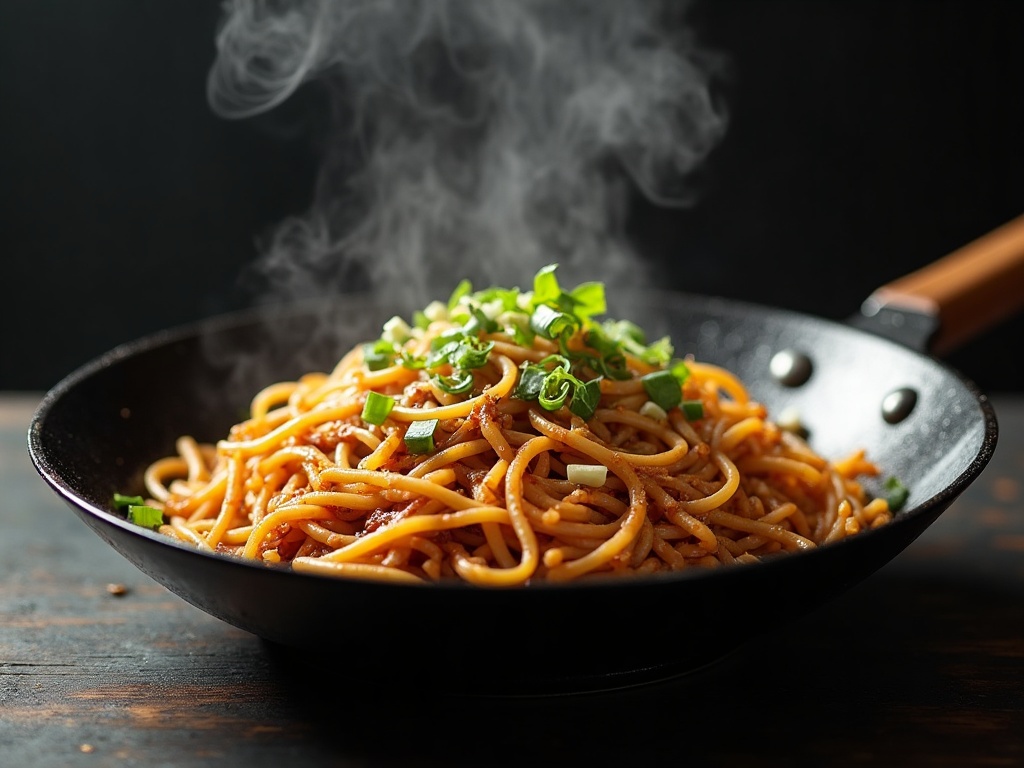
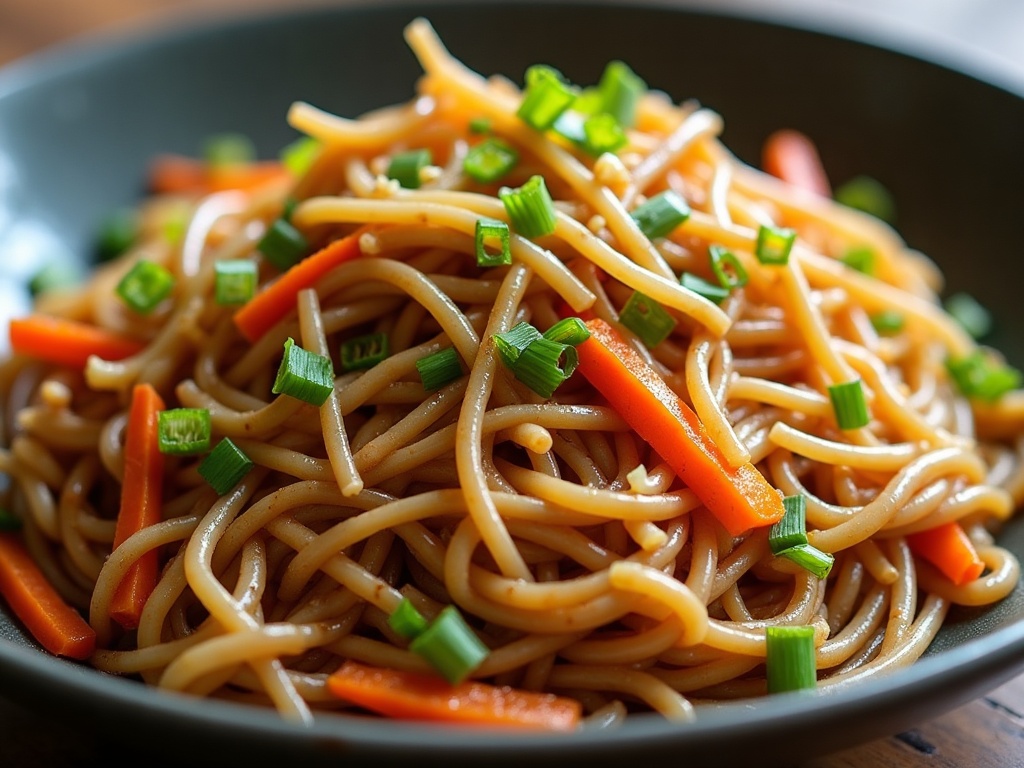
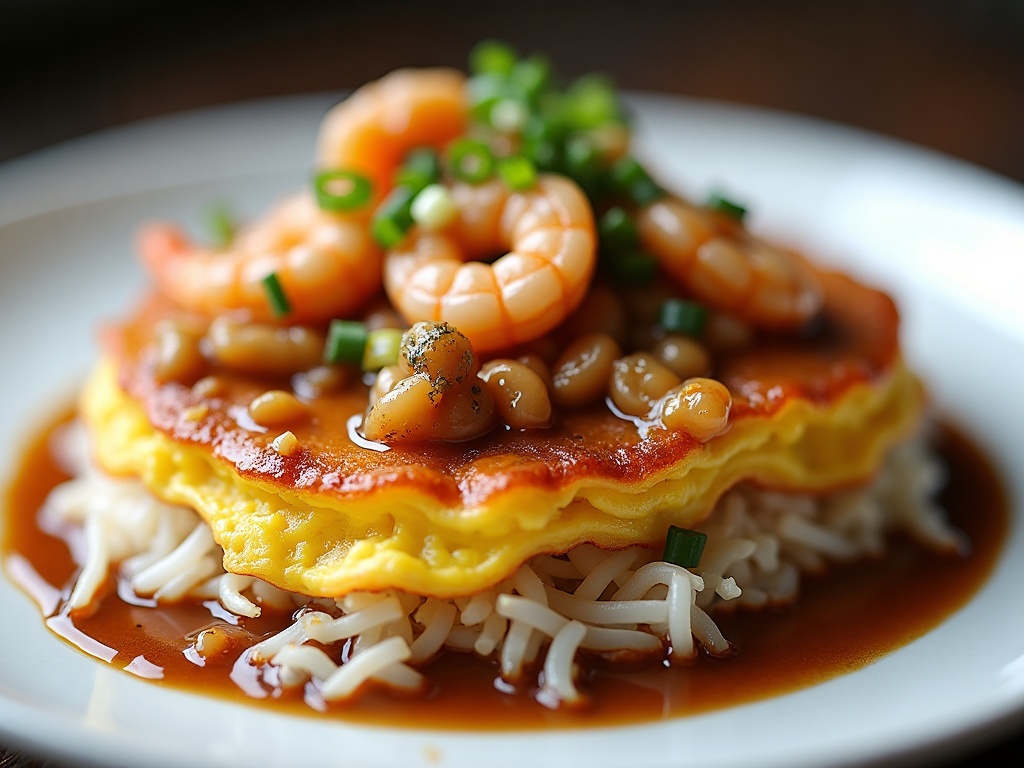
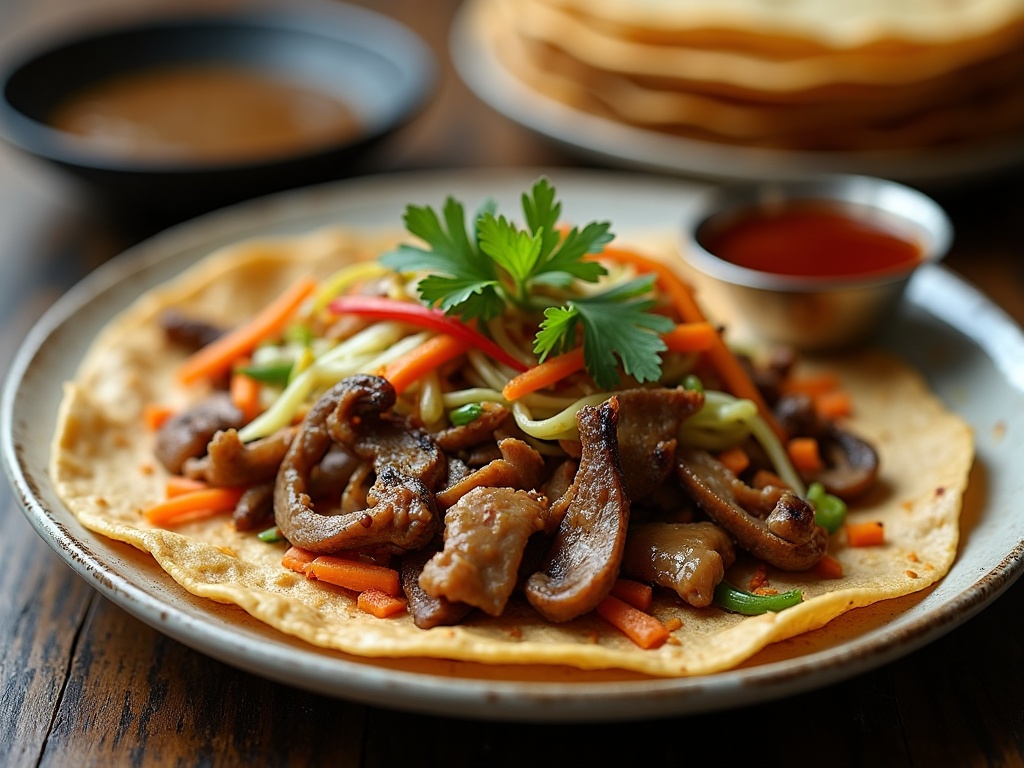
They're common in stir-fried noodles (chow mein, lo mein), egg foo young, moo shu, spring-roll fillings, and noodle soups like pho, plus fresh salads. They provide a light, crisp texture that balances richer ingredients. In American-Chinese cooking especially, they're a signature crunch in chop suey and takeout-style noodle dishes.
Do you have to cook bean sprouts?
Not necessarily — fresh mung bean sprouts can be eaten raw in salads and spring rolls, though many people prefer a quick blanch for food safety and a cleaner taste. In hot dishes they need only seconds to heat through. Larger soybean sprouts, by contrast, should always be cooked thoroughly, as they're unpalatable and harder to digest raw.
Recipes that use bean sprouts
Get our free Chinese Kitchen Starter Guide
The 12 pantry staples, the 5 techniques, and a week of beginner-friendly dinners — plus a new decoded recipe each week.