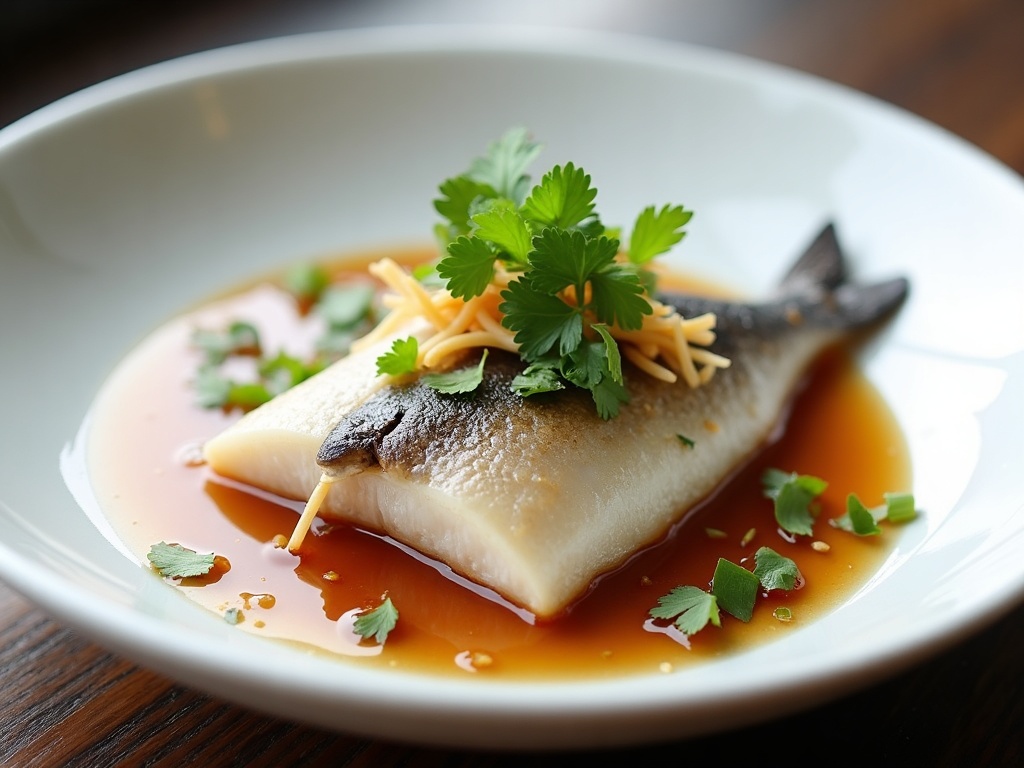
1. Cantonese Steamed Fish
20 min · Beginner · Cantonese
Steaming is the gentlest cooking method there is — lean fish, ginger and scallion, and only a spoonful of hot oil at the end. Restaurant-elegant with almost nothing added.
By The Chowmi Test Kitchen · Updated June 11, 2026
Chinese food has an unfair reputation for being unhealthy — what's actually heavy is a specific slice of American-Chinese takeout: battered, deep-fried meat in sugary sauce, eaten in huge portions. The home-cooking tradition underneath is the opposite: quick stir-fries loaded with vegetables, steamed fish and eggs, clear broth soups, and rice porridge. Cooking it yourself is the single biggest upgrade, because you control the oil, sugar, and salt. The recipes below are the naturally lighter end of our catalog — nothing battered or deep-fried. Each note explains exactly what makes the dish lighter: steaming, broth, the air fryer standing in for the deep fryer, lean velveted protein, or a high vegetable-to-meat ratio. None of this is diet food; it's just the side of Chinese cooking that never needed fixing. If you're keeping carbs in check, most of these work over a smaller scoop of rice or alongside extra vegetables.
Steaming is the gentlest cooking method there is — lean fish, ginger and scallion, and only a spoonful of hot oil at the end. Restaurant-elegant with almost nothing added.
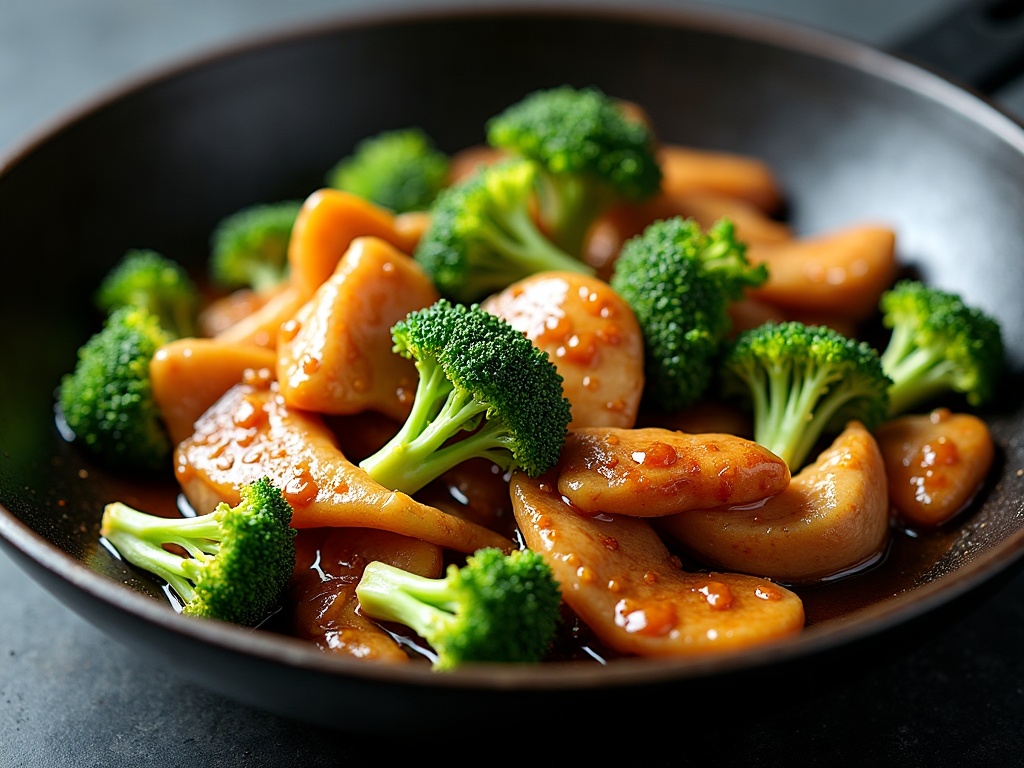
The classic 'light takeout' order for a reason: velveted lean chicken, no breading, a modest glossy sauce, and as much broccoli as meat.
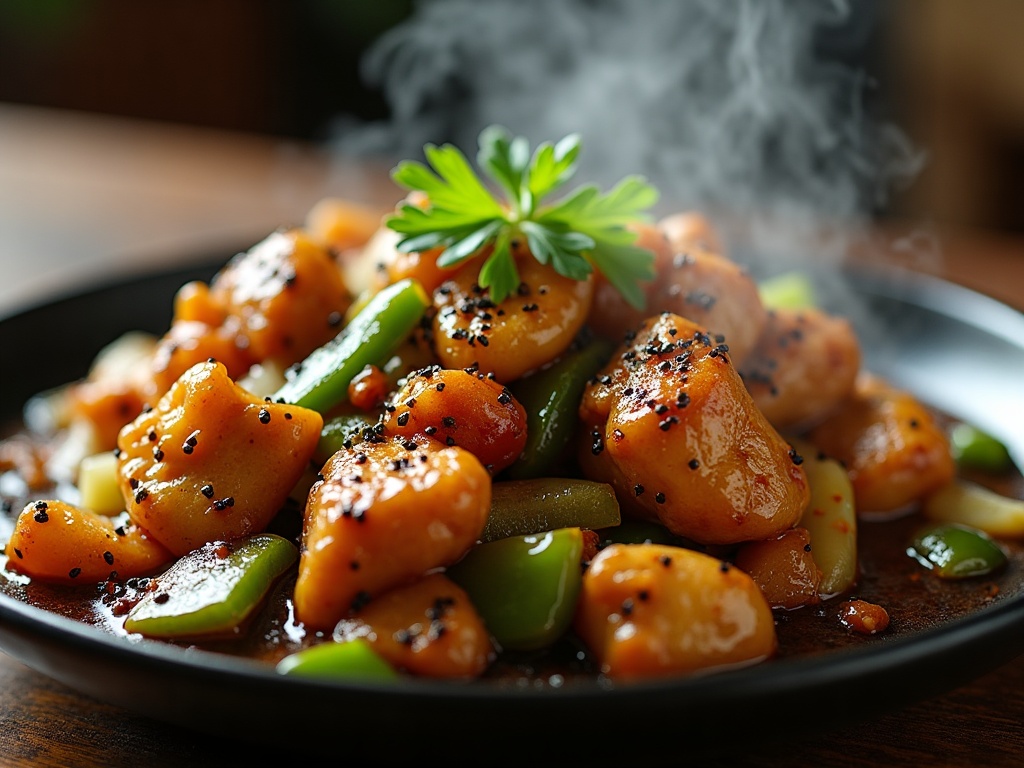
No batter, no deep fry — just seared chicken with celery, onion and bell pepper in a restrained peppery sauce. One of the lightest takeout-style mains.
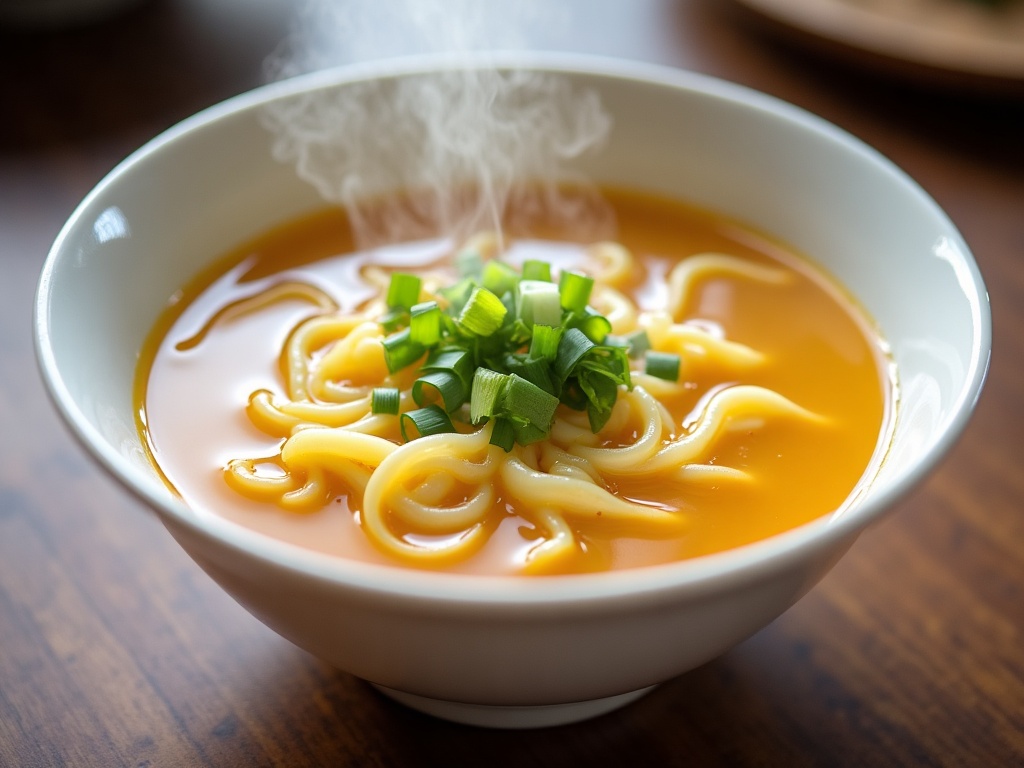
A bowl is mostly seasoned broth and egg ribbons — a warm, silky starter that fills you up for very few calories.
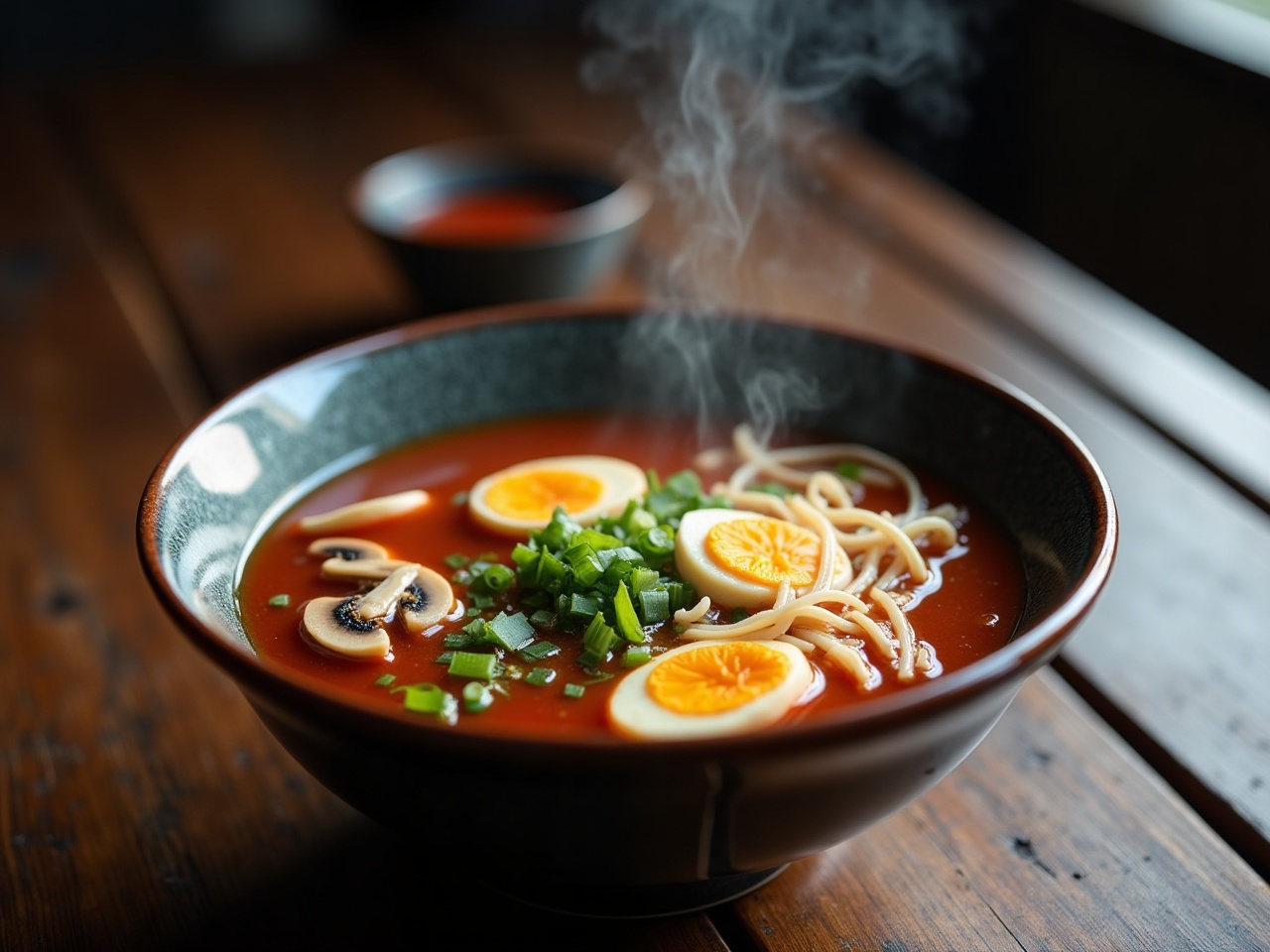
Broth-based and loaded with tofu and mushrooms; the bold pepper-vinegar flavor does the satisfying, not fat or sugar.
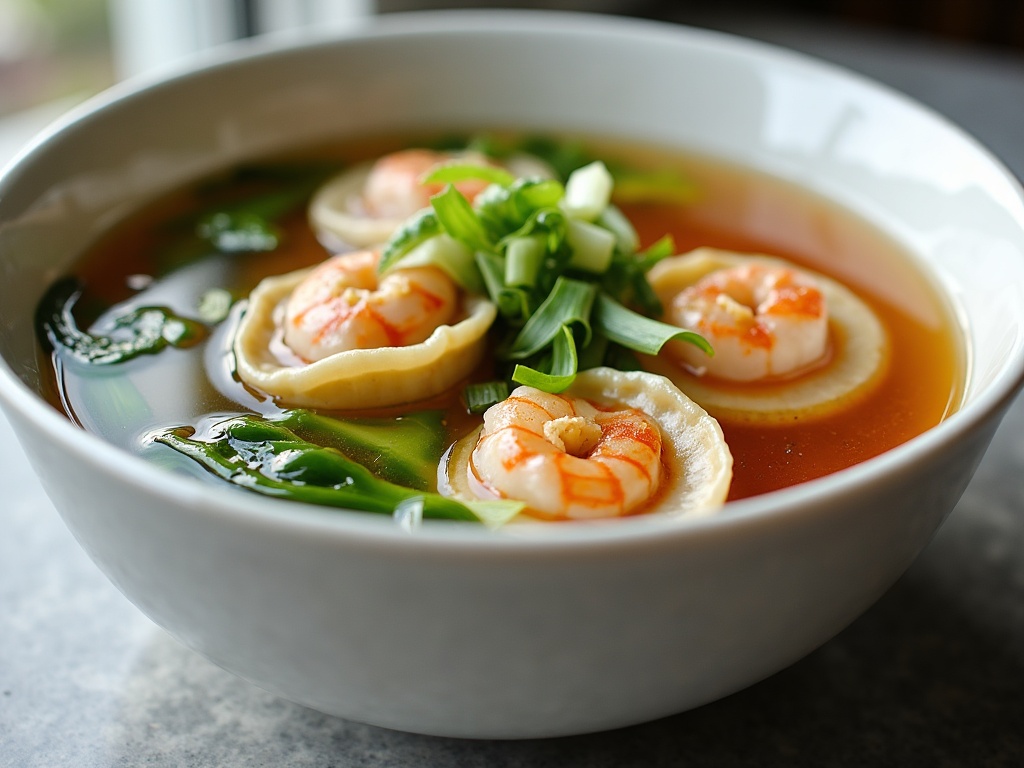
Lean pork-and-shrimp dumplings in clear broth — protein and comfort without any frying anywhere.
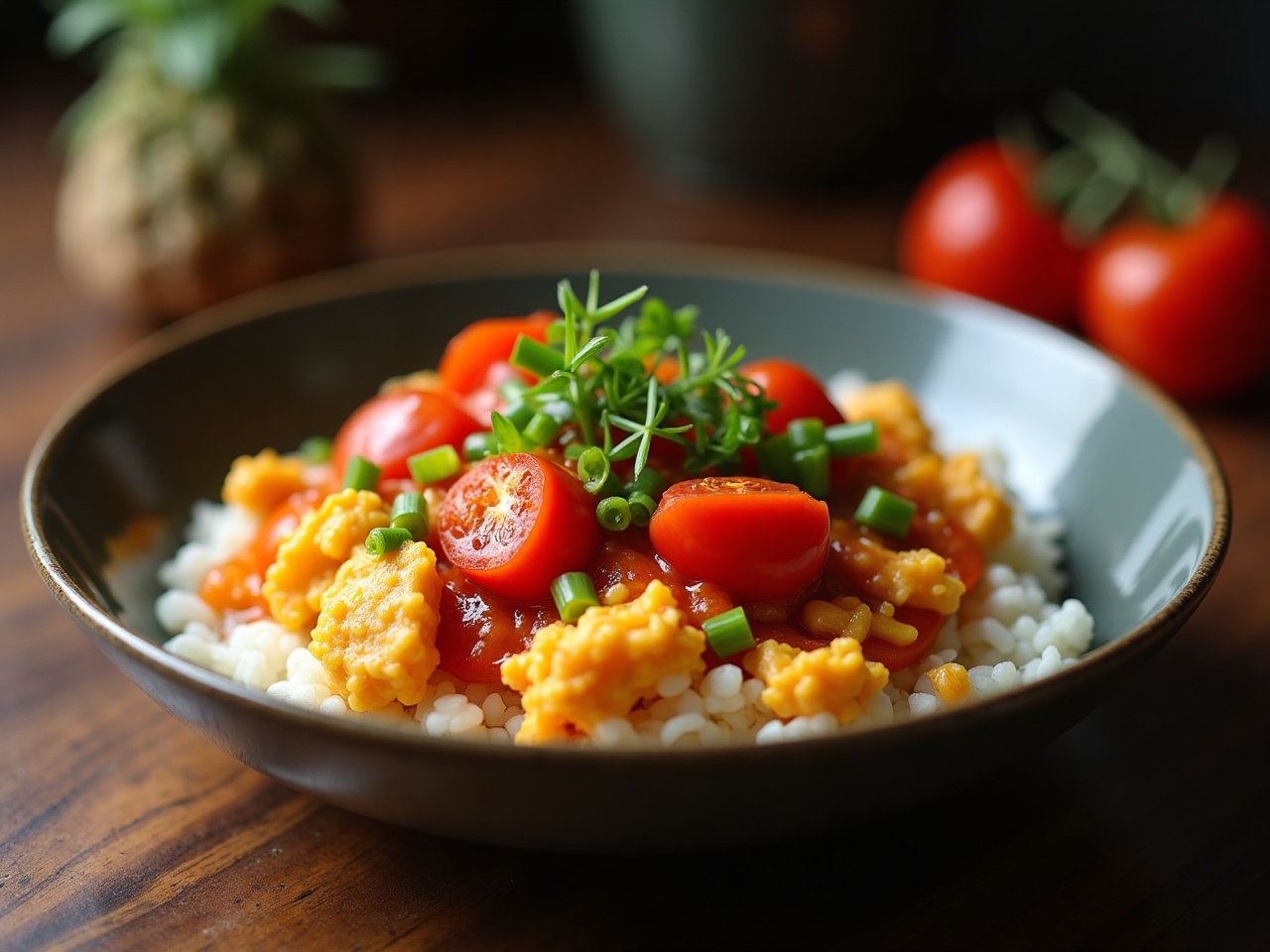
Eggs and juicy tomatoes in 15 minutes with just a little oil — a naturally light dish that's a weeknight staple across China.
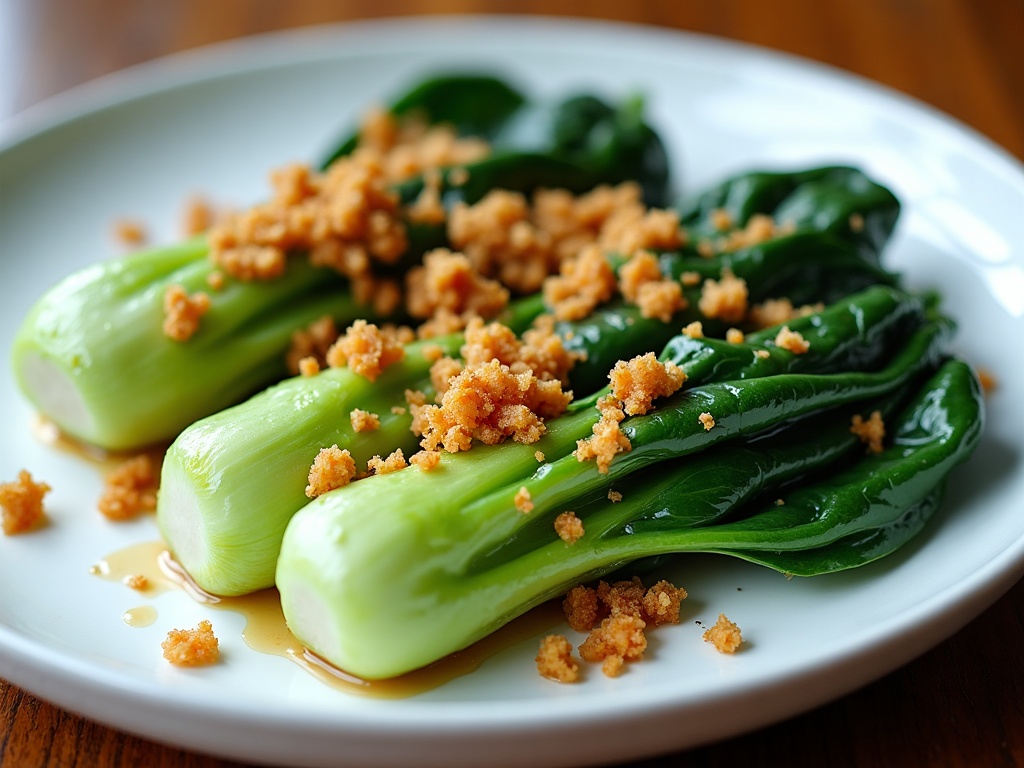
A fast green side with garlic and a light sauce — the kind of vegetable plate that balances any meal. Easy on the oil and it's as clean as a side gets.
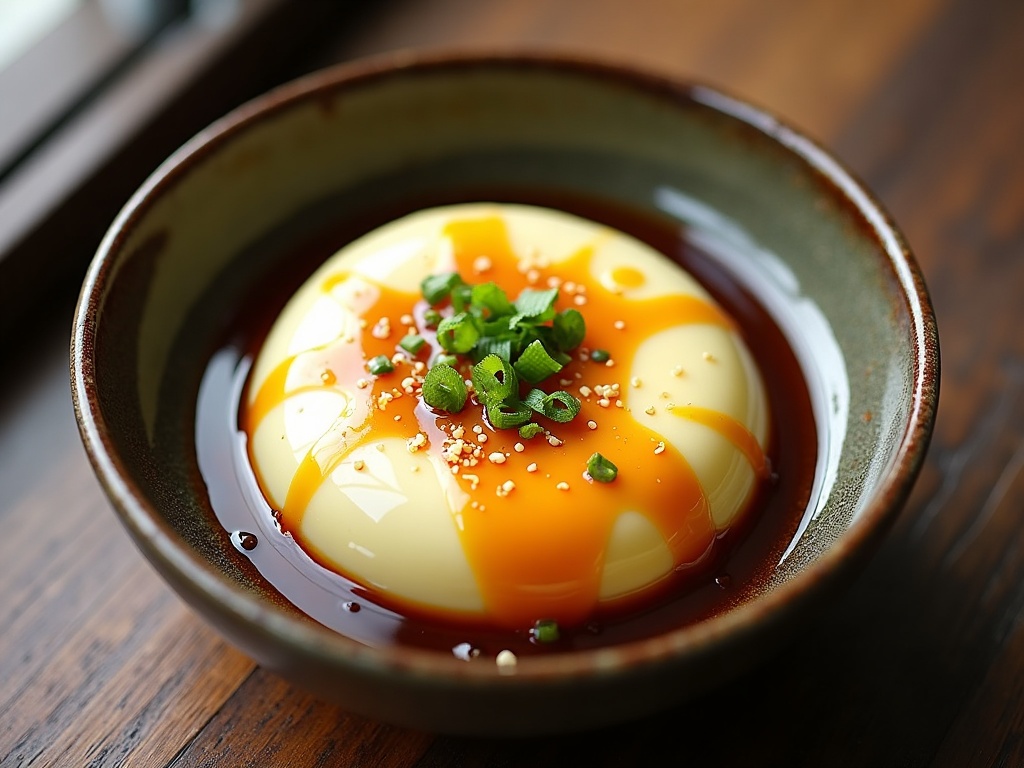
Silky steamed egg custard — pure gentle protein, no oil beyond a few finishing drops, and easy on the stomach.
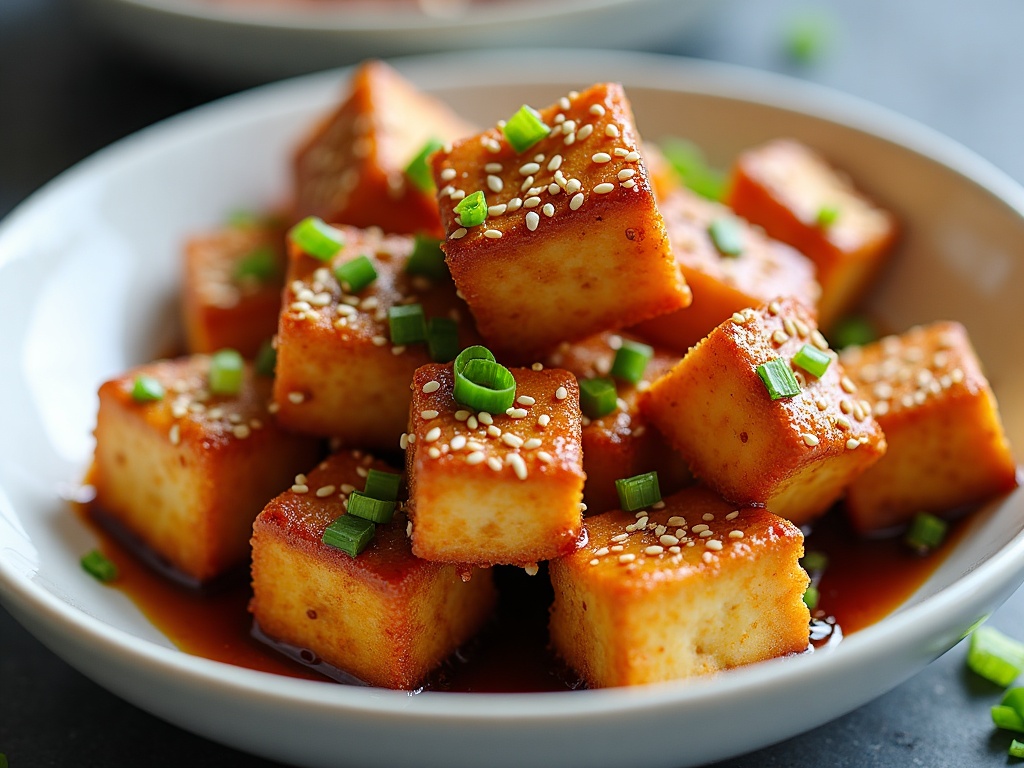
All the crisp of fried tofu with a fraction of the oil — the air fryer does what a deep fryer would, minus the cup of oil.
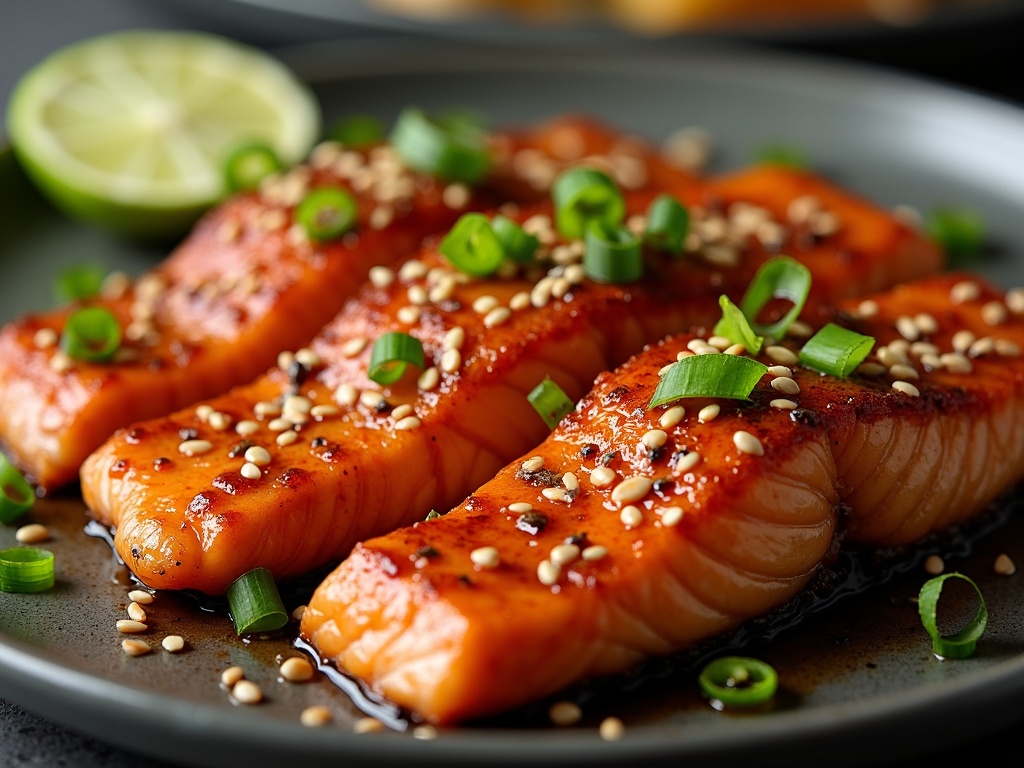
Lean fish glazed and air-fried in about 10 minutes — high protein, minimal added fat, zero breading.
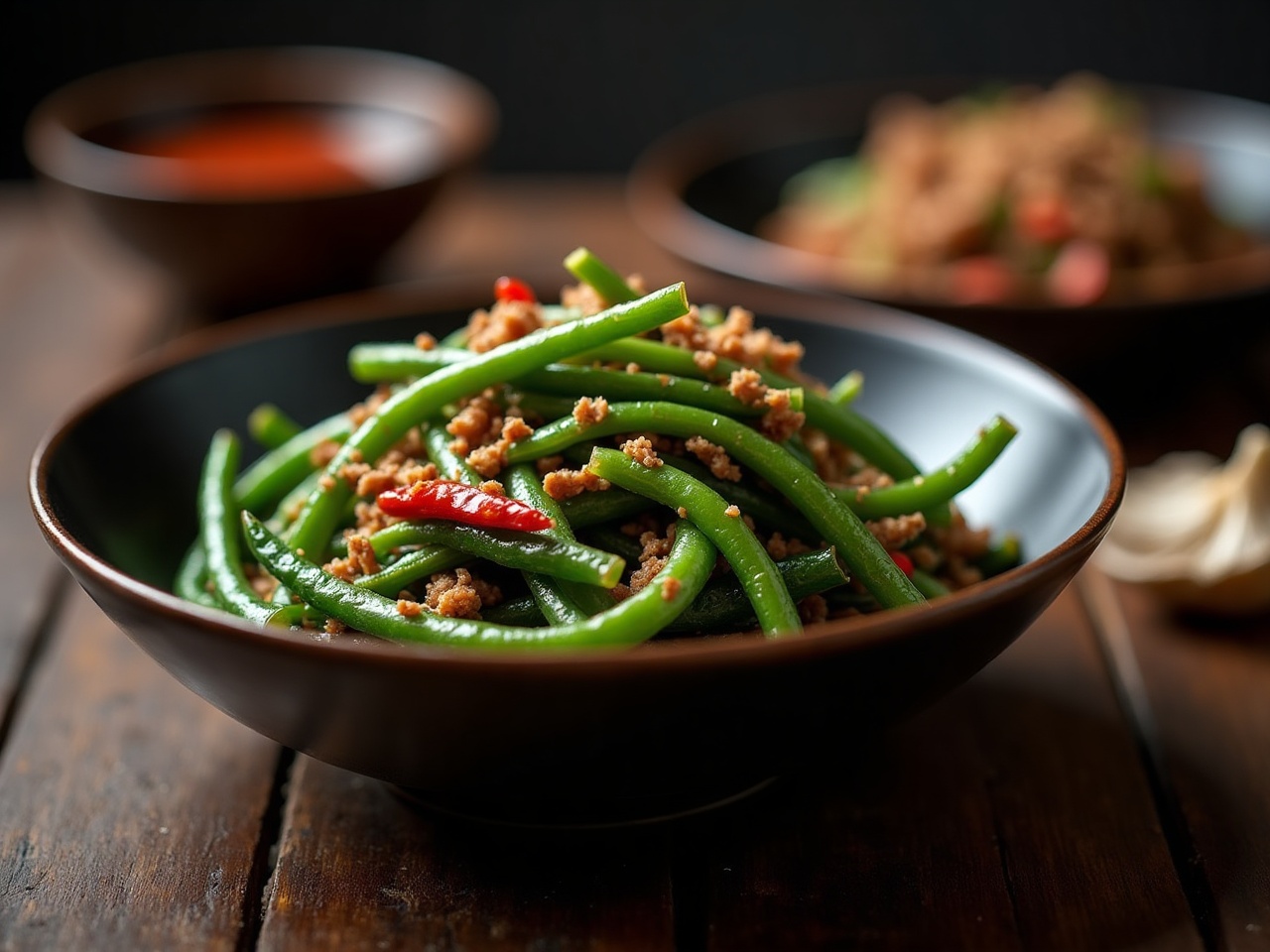
Veg-forward and intensely savory; made at home you can blister the beans in a restrained amount of oil instead of the restaurant deep-fry pass.
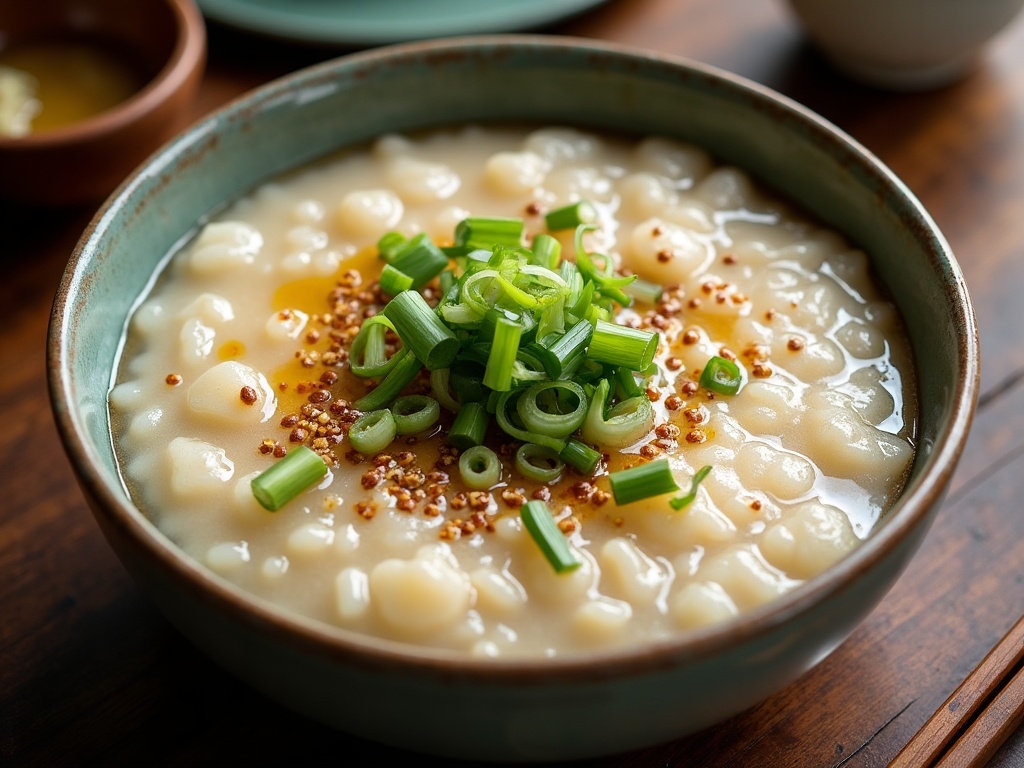
Gentle rice porridge you can build on stock with lean toppings — naturally portion-friendly and endlessly adaptable to what you have.
Chinese home cooking is largely vegetable-forward, quick-cooked, and balanced — steamed fish, stir-fried greens, broth soups, tofu and egg dishes. What earns the 'unhealthy' label is a specific slice of American-Chinese takeout: battered, deep-fried meats in sweet sauces, in oversized portions. Cook the same cuisine at home and you control the oil, sugar, and salt, which changes the picture completely.
Look for steamed dishes (fish, dumplings, vegetables), broth-based soups (wonton, egg drop, hot and sour), and non-battered stir-fries like chicken and broccoli. Ask for sauce on the side or light sauce, and prefer steamed rice over fried. The pattern to avoid: anything 'crispy,' battered, or glazed in a thick sweet sauce — that's where most of the oil and sugar lives.
Four levers do most of the work: use less oil than a restaurant would (a wok needs less than you think), choose lean velveted proteins or tofu, push the vegetable-to-meat ratio up, and halve the sugar in sauces — most takeout-style sauces are sweeter than they need to be. Air-frying instead of deep-frying for 'crispy' dishes is the single biggest swap.
It's in the middle. Fried rice is oil plus white rice, so a big takeout container is heavy — but a homemade version with a modest amount of oil, extra egg and vegetables, eaten as a side rather than a mountain, is perfectly reasonable. If you want it lighter, use day-old rice (it needs less oil), load it with peas and carrots, and keep portions sensible.
Skip the rice and noodles and the cuisine is surprisingly low-carb friendly: steamed fish, stir-fried greens, egg dishes, and most meat-and-vegetable stir-fries work well. Watch two hidden sources of carbs — sugar in sweet sauces and the cornstarch used to thicken them. Order or cook dishes with lighter sauces, and bulk up on vegetables instead of rice.
The 12 pantry staples, the 5 techniques, and a week of beginner-friendly dinners — plus a new decoded recipe each week.