Sweet Potato Starch Substitutes
地瓜粉 · 番薯粉 · sweet potato flour
By The Chowmi Test Kitchen · Updated June 11, 2026
This post may contain affiliate links. Read our affiliate disclosure.
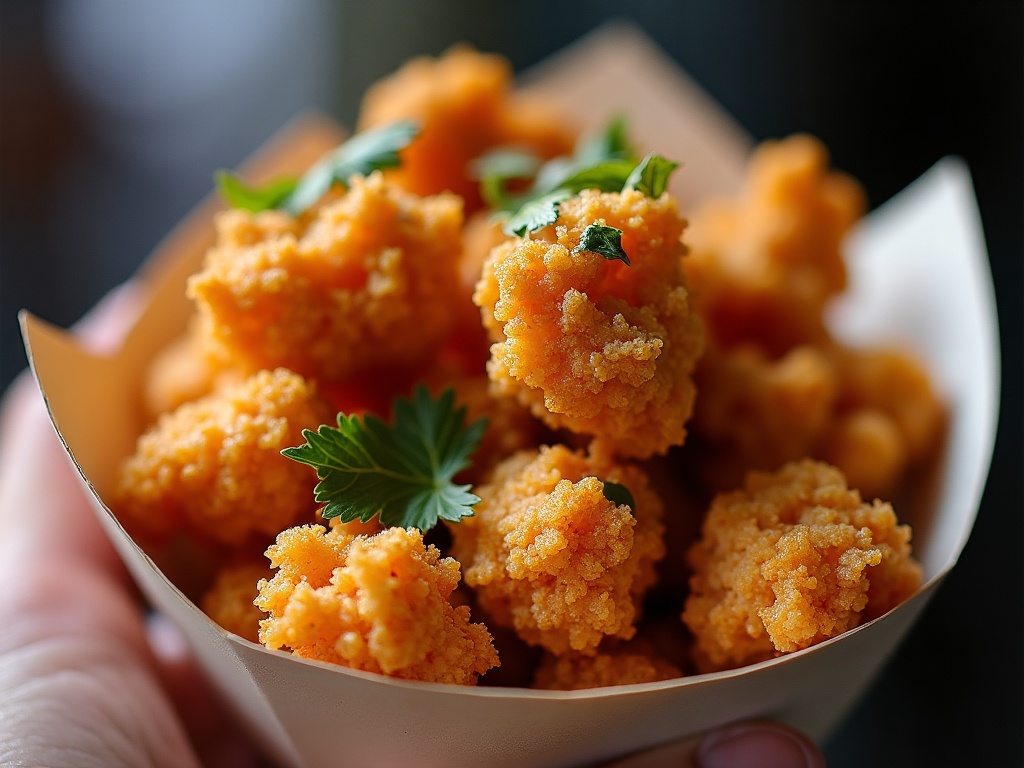
Sweet potato starch (地瓜粉, dìguā fěn) is a coarse, white starch prized for the bumpy, shatteringly crisp, long-lasting crust it gives fried foods like Taiwanese popcorn chicken and salt-and-pepper dishes. The closest substitute for frying is potato starch, used 1:1, which gives a similar crisp though a bit smoother. Cornstarch also works 1:1 and is the easiest to find, but the crust is finer and less craggy. For thickening sauces rather than frying, cornstarch or tapioca starch are fine 1:1 swaps. What you can't perfectly replicate is the signature coarse, glassy, extra-craggy texture — that comes specifically from sweet potato starch's larger granules, so if that bumpy crunch matters, it's worth seeking out. All of these starches are naturally gluten-free.
No sweet potato starch? Build the best swap
AITell us what you're making and what you have — get a tailored substitute with ratios.
Every sweet potato starch substitute, ranked
| Substitute | Ratio | Match |
|---|---|---|
| Potato starch Frying — closest crunch · vegan · gluten-free | 1:1 | 85% |
| Cornstarch Frying & thickening, easiest to find · vegan · gluten-free | 1:1 | 70% |
| Tapioca starch Chewy textures, thickening · vegan · gluten-free | 1:1 | 68% |
| Cornstarch + a little rice flour Craggier crust from pantry staples · vegan · gluten-free | 3:1 | 75% |
- Potato starch: The nearest match for that crisp, craggy fried crust; very slightly smoother than sweet potato starch but excellent.
- Cornstarch: Widely available and works well; the crust comes out finer and less bumpy, and can soften a little faster after frying.
- Tapioca starch: Gives a crisp but slightly chewier, glassier coating; great for thickening and for a more elastic bite.
- Cornstarch + a little rice flour: The rice flour adds back some of the coarse, sandy texture sweet potato starch is loved for.
What is Sweet Potato Starch?
Sweet potato starch is a coarse, bright-white starch extracted from sweet potatoes, used across Taiwanese and southern Chinese cooking. Its larger, irregular granules are what create the famously craggy, glassy, long-lasting crunch on deep-fried foods — it's the defining coating for Taiwanese fried chicken (鹹酥雞). It's also used to thicken sauces and to make chewy textures in some desserts and noodles. It's naturally gluten-free.
Flavor: Neutral — it's a starch, prized for texture, not taste.
Sweet potato starch vs cornstarch
Both are gluten-free starches, but they fry differently. Sweet potato starch has larger, coarser granules that puff into a bumpy, glassy, extra-crunchy crust that stays crisp longer — ideal for Taiwanese fried chicken. Cornstarch is finer, giving a smoother, lighter crust that's still crisp but softens a bit faster. For thickening sauces they're interchangeable 1:1; for that signature craggy fried texture, sweet potato starch wins.
Sweet potato starch vs tapioca starch
Both come from roots and both fry crisp, but tapioca starch turns glassier and chewier, while sweet potato starch is craggier and crunchier. Tapioca is often preferred where you want a slightly elastic, translucent finish (and in some bubble-tea and dessert contexts); sweet potato starch is the choice for a rugged, shatter-crisp fried coating. They can substitute for each other 1:1 in a pinch.
Where to buy sweet potato starch
Stock real sweet potato starch
Look for “sweet potato starch” or “地瓜粉 / 番薯粉” (often coarse) from brands found in Asian markets, Weee!, Yamibuy or Amazon. Potato starch is the best backup and is sold in most supermarkets' baking or kosher aisles; cornstarch is the universal fallback.
Sweet Potato Starch FAQ
What is the best substitute for sweet potato starch?
For frying, potato starch used 1:1 is the closest — it gives almost the same crisp, craggy crust. Cornstarch is the easiest to find and also works 1:1, though the crust is finer and less bumpy. For thickening sauces, cornstarch or tapioca starch are perfect 1:1 swaps. All are gluten-free.
Is sweet potato starch the same as cornstarch?
No. Both are gluten-free thickening starches, but sweet potato starch has coarser granules that create a bumpier, crunchier, longer-lasting fried crust, while cornstarch is finer and smoother. They're interchangeable for thickening, but for the signature craggy texture of Taiwanese fried chicken, sweet potato starch is distinct.
Can I use cornstarch instead of sweet potato starch for frying?
Yes — cornstarch fries up crisp and is the most available option, used 1:1. The crust will be finer and a bit less craggy than with sweet potato starch, and may soften slightly faster. To get closer to the real texture, mix in a little rice flour (about 3 parts cornstarch to 1 part rice flour).
Is sweet potato starch gluten-free?
Yes. Sweet potato starch is made purely from sweet potatoes and contains no wheat, so it's naturally gluten-free — as are its main substitutes, potato starch, cornstarch, and tapioca starch. This makes it a useful coating for gluten-free fried foods, as long as the rest of the dish is also GF.
What is sweet potato starch used for?
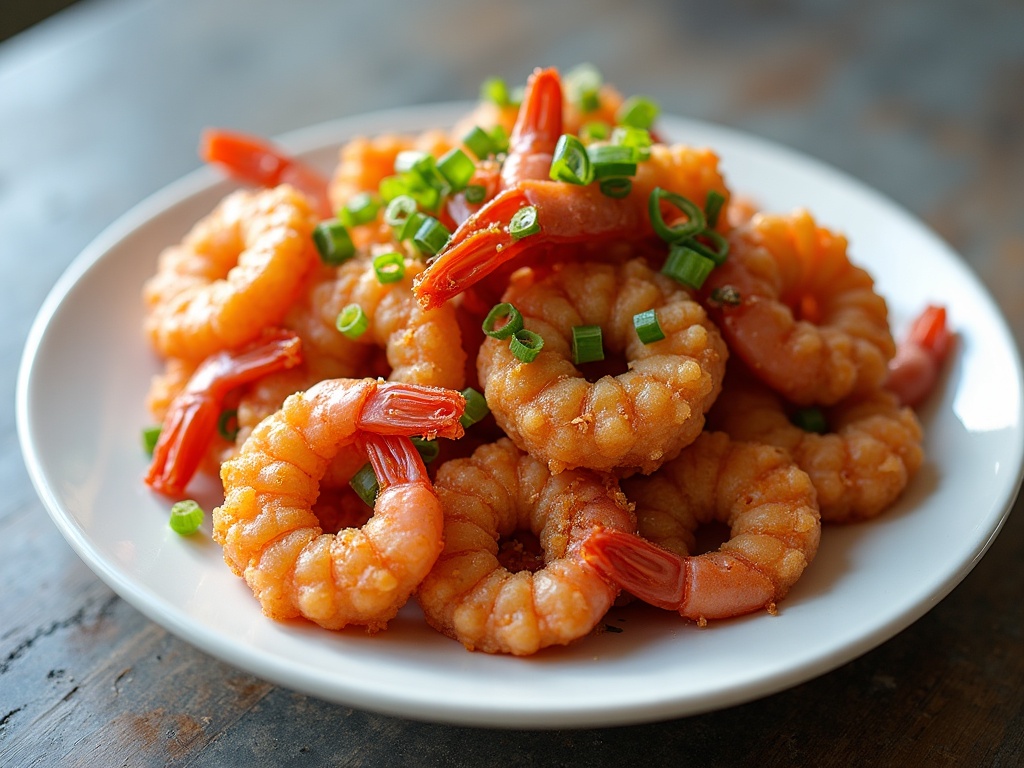
Mostly for deep-frying — it gives the craggy, glassy, extra-crunchy crust on dishes like Taiwanese popcorn chicken and salt-and-pepper chicken. It's also used to thicken sauces and to create chewy textures in some noodles and desserts. Its coarse granules are what set it apart from finer starches like cornstarch.
Recipes that use sweet potato starch
Get our free Chinese Kitchen Starter Guide
The 12 pantry staples, the 5 techniques, and a week of beginner-friendly dinners — plus a new decoded recipe each week.