Rice Flour Substitutes
粘米粉 · non-glutinous rice flour · rice powder
By The Chowmi Test Kitchen · Updated July 15, 2026
This post may contain affiliate links. Read our affiliate disclosure.
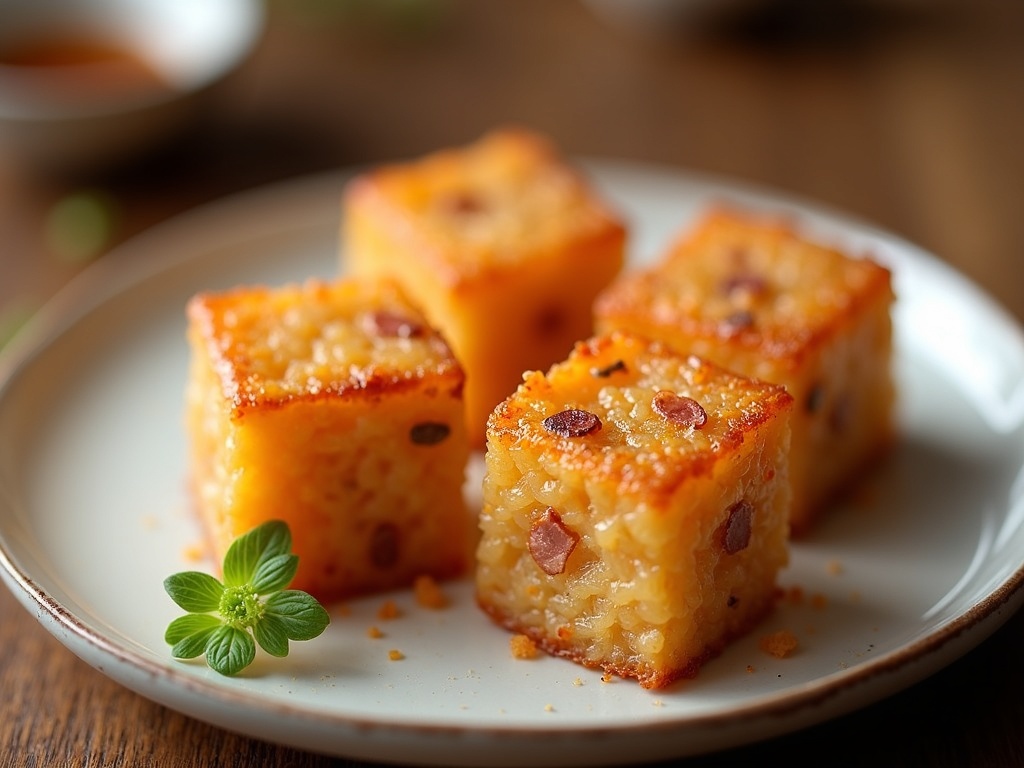
Rice flour — the regular, non-glutinous kind (粘米粉) — is milled from ordinary rice and gives a firm, clean, non-sticky texture. It's the backbone of savory steamed cakes like turnip cake (lo bak go), fresh rice noodles and rice-noodle rolls, and light, crackly fried coatings. The best substitute depends on the job. For a crisp fried coating, cornstarch or potato starch swap in 1:1 and fry just as light. For steamed rice cakes there's no perfect 1:1 — the closest is a blend of cornstarch with a little all-purpose flour, though the texture will be softer and less firm than true rice flour. The one swap to avoid is glutinous ("sweet") rice flour: despite the similar name it behaves completely differently, turning firm cakes gummy and stretchy. Regular rice flour is naturally gluten-free.
No rice flour? Build the best swap
AITell us what you're making and what you have — get a tailored substitute with ratios.
Every rice flour substitute, ranked
| Substitute | Ratio | Match |
|---|---|---|
| Cornstarch Crisp coatings, thickening · vegan · gluten-free | 1:1 (coatings & thickening) | 80% |
| Potato starch Extra-crisp coatings · vegan · gluten-free | 1:1 (for frying) | 78% |
| Cornstarch + all-purpose flour Steamed cakes (rough match) · vegan | 2 parts cornstarch : 1 part flour | 60% |
| Finely ground rice In a pinch · vegan · gluten-free | 1:1 | 70% |
- Cornstarch: For frying and thickening it's an easy 1:1 swap that fries light and crisp. Not a match for the structure of steamed rice cakes.
- Potato starch: Fries into a light, glassy crust much like rice flour. Best for coatings rather than cakes or noodles.
- Cornstarch + all-purpose flour: The closest stand-in for savory steamed cakes when you have no rice flour — softer and less firm than the real thing, and no longer gluten-free.
- Finely ground rice: Blitz raw rice in a spice grinder until powder-fine and sift; grittier than commercial rice flour but usable for cakes and coatings.
What is Rice Flour?
Rice flour is finely milled from regular (non-glutinous) white rice. Unlike wheat flour it has no gluten, so it sets firm and tender rather than chewy — which is exactly why it's used for steamed savory cakes, the batter for rice-noodle rolls (cheung fun), rice vermicelli, and crisp fried coatings. It's a pantry staple across Chinese, Southeast Asian and Indian cooking. Don't confuse it with glutinous rice flour, which is a separate ingredient made from sticky rice.
Flavor: Neutral and clean, with a faint rice sweetness.
Rice flour vs glutinous rice flour
This is the mix-up that ruins recipes. Regular rice flour (粘米粉) is made from ordinary rice and sets firm, tender and sliceable — right for turnip cake, rice noodles and crisp coatings. Glutinous rice flour (糯米粉, also sold as "sweet rice flour" or mochiko) is made from sticky rice and turns intensely chewy, stretchy and gummy — right for tangyuan, mochi and sticky rice cakes. They are not interchangeable: use glutinous flour in a savory steamed cake and it turns gluey; use regular flour where you want chew and it falls apart. Always check which one the recipe calls for. Neither contains gluten, despite the word 'glutinous.'
Rice flour vs rice starch
Rice flour is the whole rice grain milled to a powder; rice starch is the isolated starch with the protein removed, so it's even finer and produces a smoother, more delicate set. For most home Chinese cooking, rice flour is what recipes mean and what you'll find on the shelf. Rice starch shows up mainly in very silky rice-noodle-roll batters; if a recipe calls for it, rice flour is a reasonable stand-in, just slightly less silky.
Where to buy rice flour
Stock real rice flour
Rice flour is stocked at every Asian market, Weee!, Yamibuy and Amazon, and increasingly in the gluten-free or international aisle of large supermarkets. Look for "rice flour" (often a red bag from Erawan/三象) and make sure it does NOT say "glutinous" or "sweet" — that's the sticky-rice kind and behaves very differently.
Rice Flour FAQ
What is the best substitute for rice flour?
It depends on the job. For a crisp fried coating, cornstarch or potato starch swap in 1:1 and fry just as light. For thickening, cornstarch works 1:1. For savory steamed cakes like turnip cake there's no perfect swap — a blend of cornstarch with a little all-purpose flour is the closest, though softer than true rice flour. Avoid glutinous rice flour, which behaves completely differently.
Can I use glutinous rice flour instead of rice flour?
No — this is the most common rice-flour mistake. Glutinous (sweet) rice flour is made from sticky rice and turns chewy and gummy, while regular rice flour sets firm and tender. Swapping it into a turnip cake or rice-noodle batter makes the result gluey and stretchy. They look similar on the shelf, so read the label: you want plain 'rice flour,' not 'glutinous' or 'sweet' rice flour.
Is rice flour gluten-free?
Yes. Both regular rice flour and glutinous (sweet) rice flour are naturally gluten-free — the word 'glutinous' refers to the sticky texture, not to gluten. Rice flour is a common gluten-free thickener and coating, which is one reason it's popular for crisp frying. Just make sure the rest of the dish is gluten-free too.
What is rice flour used for in Chinese cooking?
Regular rice flour is the base of savory steamed cakes like turnip cake (lo bak go) and taro cake, the batter for silky rice-noodle rolls (cheung fun), rice vermicelli noodles, and light, crackly fried coatings for things like salt-and-pepper tofu. Its firm, non-sticky set is what makes those textures work.
Can I make rice flour at home?
Yes, in a pinch. Grind raw (uncooked) regular rice in a clean spice or coffee grinder until it's a fine powder, then sift out any grit. Homemade rice flour is a little coarser than commercial, so it's better for coatings and rough cakes than for delicate rice-noodle batters, but it will get you through a recipe.
What can I substitute for glutinous (sweet) rice flour?
Glutinous rice flour is the hardest to replace because nothing else gives that intense chew — regular rice flour will NOT work for mochi, tangyuan or sticky rice cakes (it sets firm instead of stretchy). The closest options are other names for the same thing: mochiko or shiratamako (Japanese sweet-rice flours). In a real pinch, a mix of tapioca starch with a little rice flour approximates the chew for some recipes, but the texture won't be identical. For savory dishes that call for regular rice flour, don't reach for glutinous flour as a swap either — they behave in opposite ways.
Recipes that use rice flour
Get our free Chinese Kitchen Starter Guide
The 12 pantry staples, the 5 techniques, and a week of beginner-friendly dinners — plus a new decoded recipe each week.