Chinese Sausage Substitutes
腊肠 · lap cheong · lap cheung · larp cheong
By The Chowmi Test Kitchen · Updated June 11, 2026
This post may contain affiliate links. Read our affiliate disclosure.
Chinese sausage (腊肠, lap cheong) is a dried, cured pork sausage that's distinctly sweet, savory, and fatty, used to flavor fried rice, sticky rice, and clay-pot rice. There's no perfect substitute because nothing else has its exact sweet-cured profile, but the closest is another sweet cured sausage — a sweet, smoky kielbasa or a sweet Italian or Portuguese cured sausage, used 1:1. For the rendered-fat-and-sweetness effect, diced bacon (or pancetta) cooked with a pinch of sugar and a splash of Shaoxing wine gets surprisingly close. Spanish chorizo brings the right fat and sweetness but adds paprika and smoke. Whatever you use, render it slowly so the fat flavors the dish the way lap cheong does. Skip plain fresh sausages, which lack the cured sweetness that defines the original.
No chinese sausage? Build the best swap
AITell us what you're making and what you have — get a tailored substitute with ratios.
Every chinese sausage substitute, ranked
| Substitute | Ratio | Match |
|---|---|---|
| Sweet cured sausage (e.g. sweet kielbasa) Most dishes | 1:1 | 70% |
| Bacon + sugar + Shaoxing wine Fried rice, sticky rice | Diced bacon + a pinch of sugar + splash of wine | 68% |
| Spanish chorizo (cured) When you want richness | 1:1 | 60% |
| Pancetta + sugar Subtle, fatty depth | Diced + a pinch of sugar | 62% |
- Sweet cured sausage (e.g. sweet kielbasa): A sweet, firm cured sausage is the nearest in spirit — render it well. Less winey and sweet than lap cheong, but the right family.
- Bacon + sugar + Shaoxing wine: Re-creates the rendered-fat-plus-sweetness effect with pantry items; smokier and less firm, but it works beautifully in rice dishes.
- Spanish chorizo (cured): Brings cured fat and a touch of sweetness, but adds noticeable paprika and smoke that change the flavor direction.
- Pancetta + sugar: Italian cured pork belly gives the fat and salt; add sugar for the sweetness lap cheong is known for.
What is Chinese Sausage?
Chinese sausage (lap cheong) is a thin, dried, hard pork sausage, usually sweetened with sugar and rice wine and sometimes containing liver. It's not eaten raw — it's sliced or diced and cooked, where its hard texture softens and its sweet, savory fat renders out to season everything around it. It's a backbone ingredient in Cantonese clay-pot rice, sticky rice (lo mai fan), and fried rice, and keeps for a long time.
Flavor: Sweet, savory, intensely porky and fatty, with a cured, slightly winey depth.
Chinese sausage vs regular sausage
Chinese sausage (lap cheong) is dried and cured, hard to the touch, and distinctly sweet — it's a seasoning ingredient that's sliced thin and cooked into dishes, not eaten on its own like a fresh bratwurst or breakfast sausage. Western fresh sausages are soft, savory rather than sweet, and meant to be the main event. For Chinese recipes, reach for another cured, sweet sausage rather than a fresh one.
Lap cheong vs Chinese liver sausage (gan chang)
Both are dried Cantonese sausages. Lap cheong (腊肠) is the pork-and-fat version most recipes mean. Gan chang (膶肠) contains duck or pork liver and is darker, softer, and more intensely savory. They're often sold and used together, especially in clay-pot rice, but plain lap cheong is the default for fried rice and sticky rice.
Where to buy chinese sausage
Stock real chinese sausage
Find lap cheong (vacuum-packed, often in pairs) from brands like Kam Yen Jan, Wing Wing, or Sun Ming Jan in Asian markets, Weee!, Yamibuy or Amazon. It keeps for months refrigerated, so it's worth stocking. If you can't find it, a sweet cured sausage from any deli is the easiest backup.
Chinese Sausage FAQ
What is the best substitute for Chinese sausage?
Another sweet cured sausage (like a sweet kielbasa) used 1:1 is closest in spirit. For rice dishes, diced bacon cooked with a pinch of sugar and a splash of Shaoxing wine cleverly re-creates lap cheong's signature rendered-fat-and-sweetness. Avoid fresh sausages, which lack the cured, sweet character.
What does lap cheong taste like?
Lap cheong is sweet, savory, and intensely fatty, with a cured, slightly winey depth — almost like a sweet, hard salami. When cooked, it softens and releases its sweet pork fat, which seasons whatever it's cooked with. That sweet-savory fat is exactly what makes fried rice and clay-pot rice taste the way they do.
Can I use bacon instead of Chinese sausage?
Yes, especially in fried rice or sticky rice. Dice the bacon and render it slowly, then add a pinch of sugar and a splash of Shaoxing wine to mimic lap cheong's sweetness. It'll be smokier and softer than the real thing, but it delivers the key effect: sweet, savory pork fat throughout the dish.
Is Chinese sausage already cooked?
It's cured and dried, not raw, but it should still be cooked before eating — steaming, slicing into rice as it cooks, or pan-frying. Cooking softens its firm texture and renders the fat that flavors the dish. It's not a ready-to-eat sausage like some salamis; treat it as an ingredient to cook with.
How long does Chinese sausage last?
A long time — it's a cured, dried product. Unopened, it keeps for months; once opened, store it in the refrigerator (or freeze it) and use within a few weeks to a couple of months. Its keeping quality is part of why it's such a handy pantry-style ingredient for quick rice dishes.
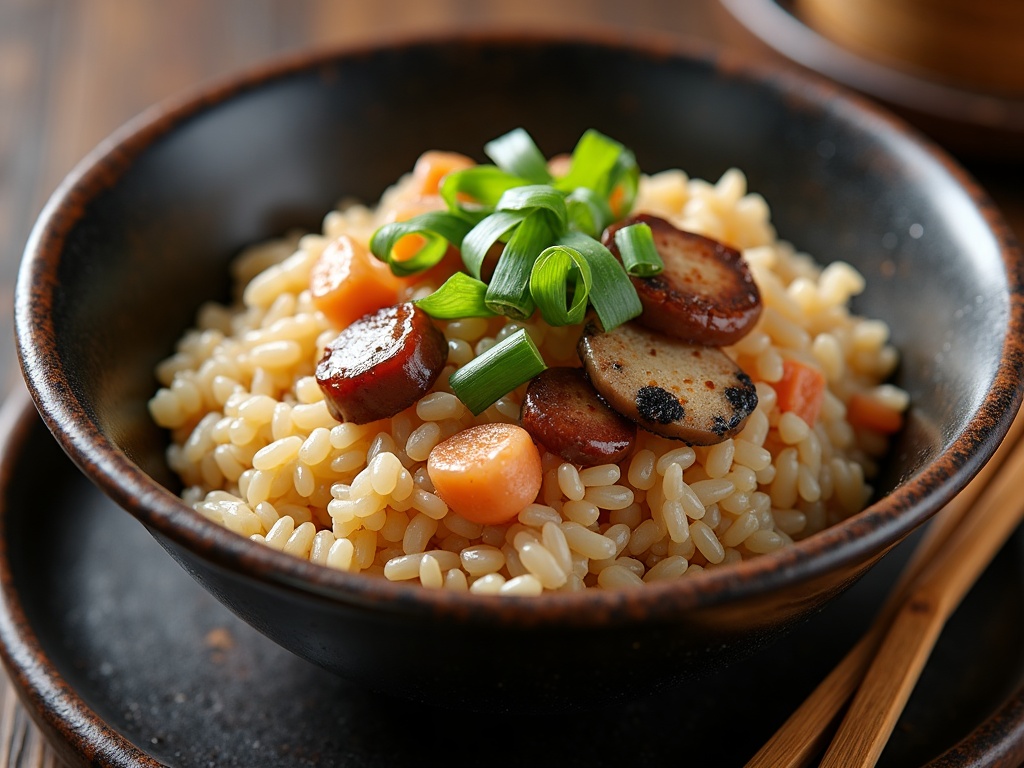
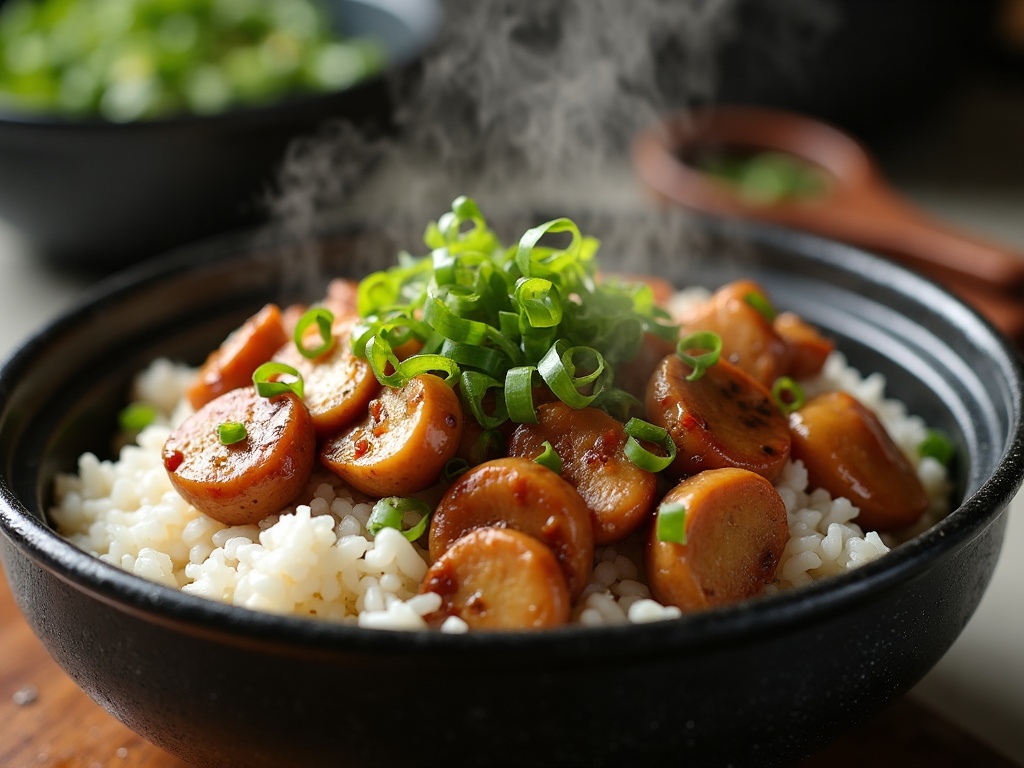
Recipes that use chinese sausage
Get our free Chinese Kitchen Starter Guide
The 12 pantry staples, the 5 techniques, and a week of beginner-friendly dinners — plus a new decoded recipe each week.